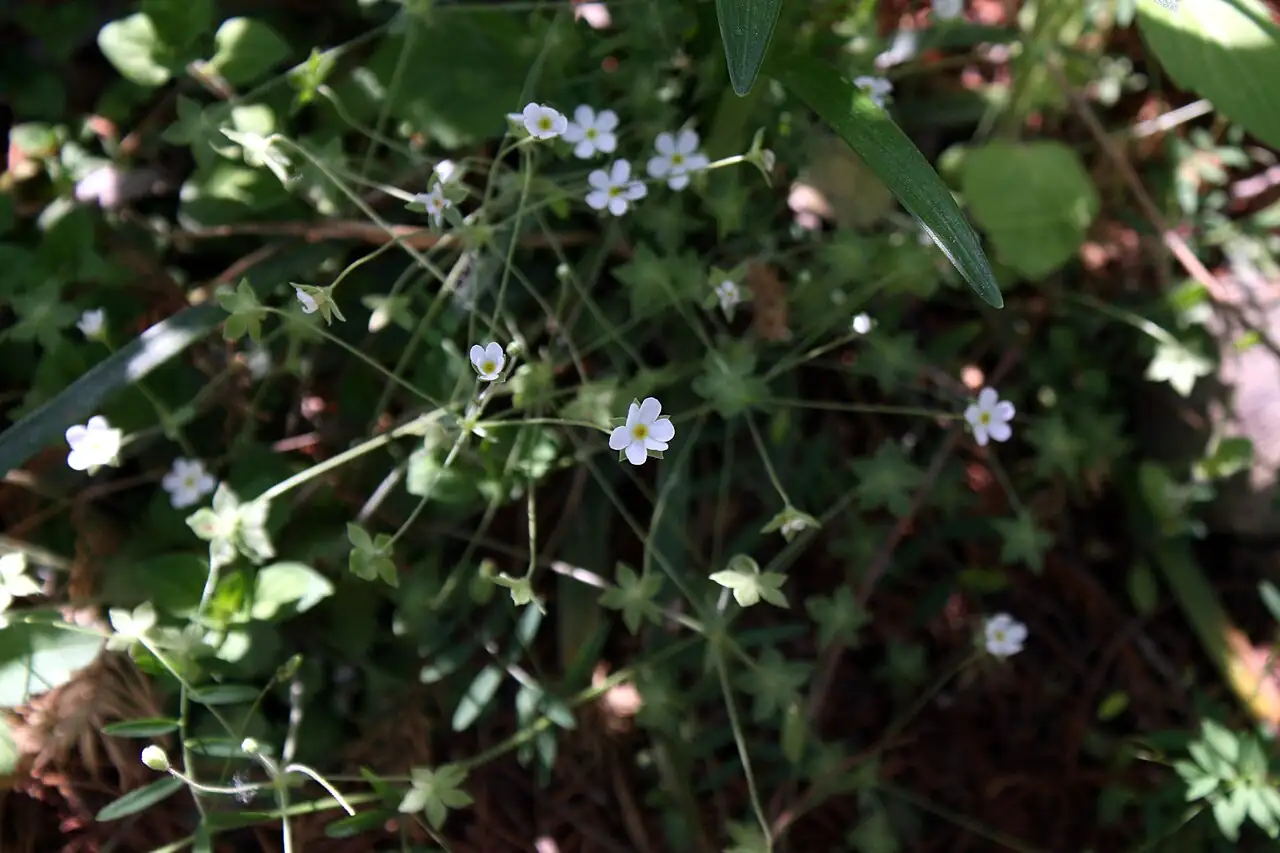
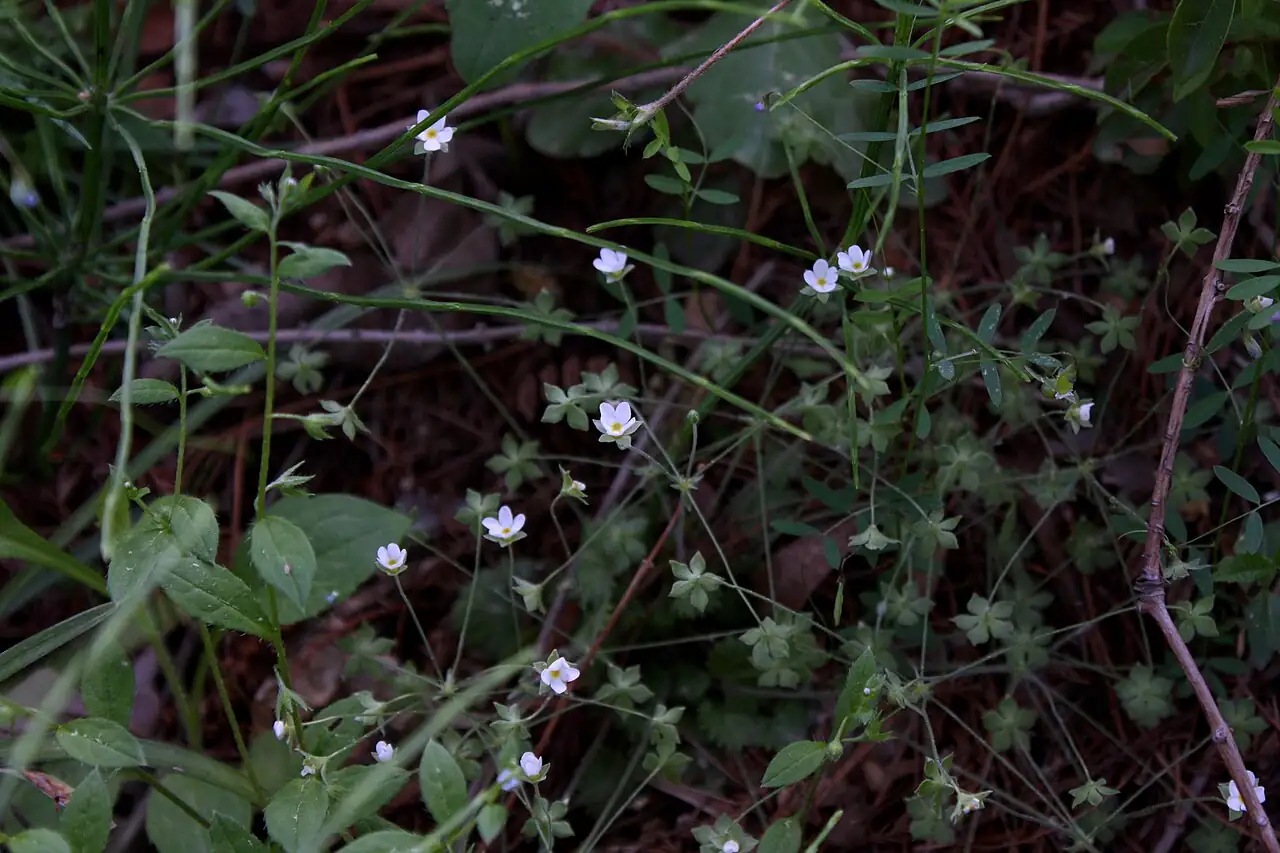
Plant Features
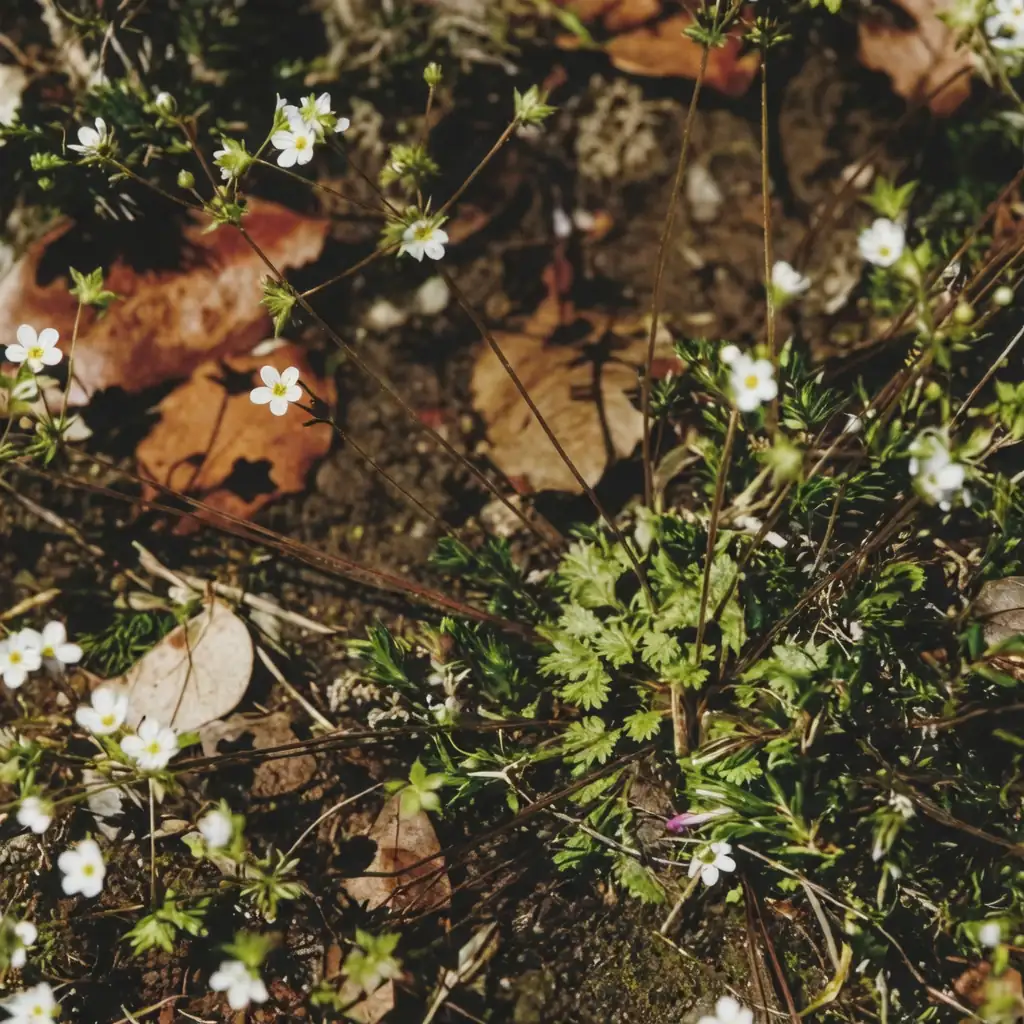
- Size: Low, mat-forming plant; typically about 3–10 cm (1–4 in) tall in flower, with a rosette spread around 5–15 cm (2–6 in).
- Foliage: All leaves are basal, forming a flat, ground-hugging rosette. The plant is covered in fine, soft hairs, giving it a gently fuzzy look and feel. The main root is not prominent and is replaced by many fibrous roots.
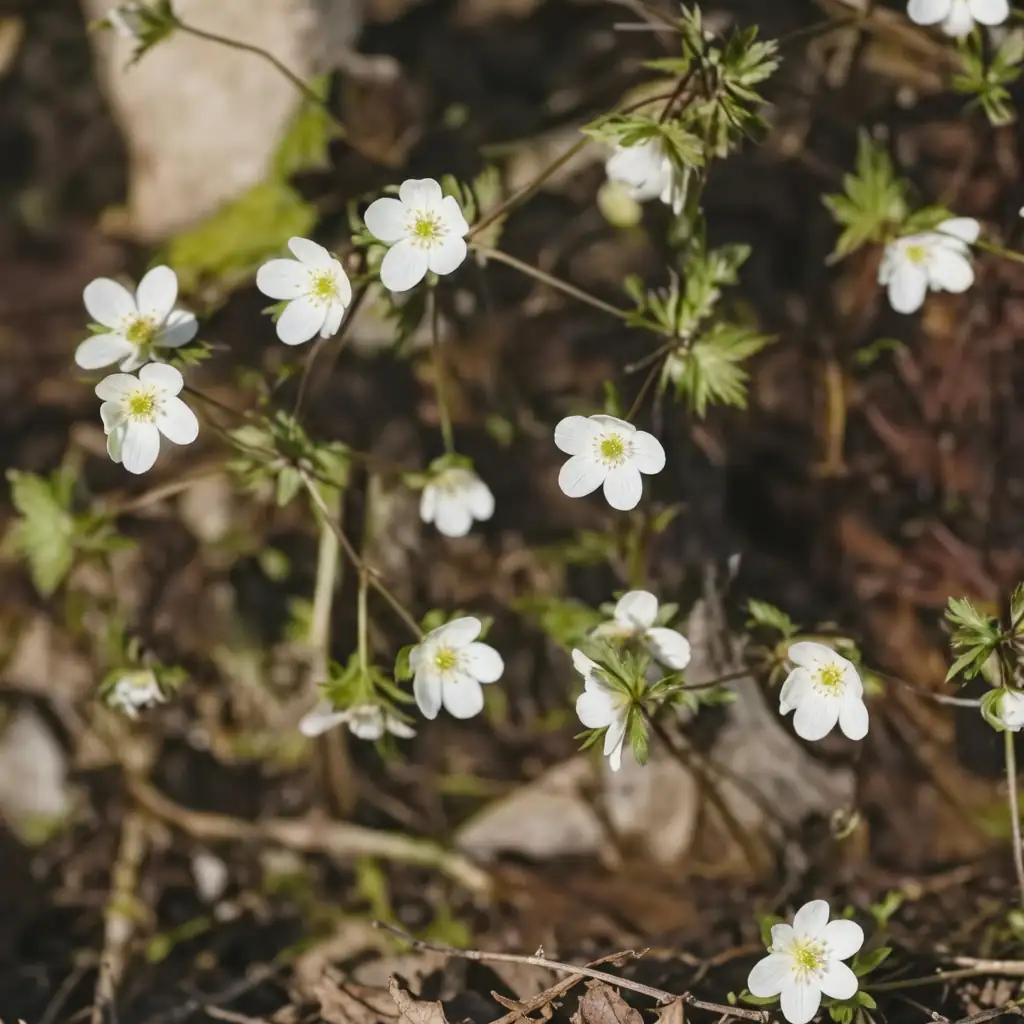
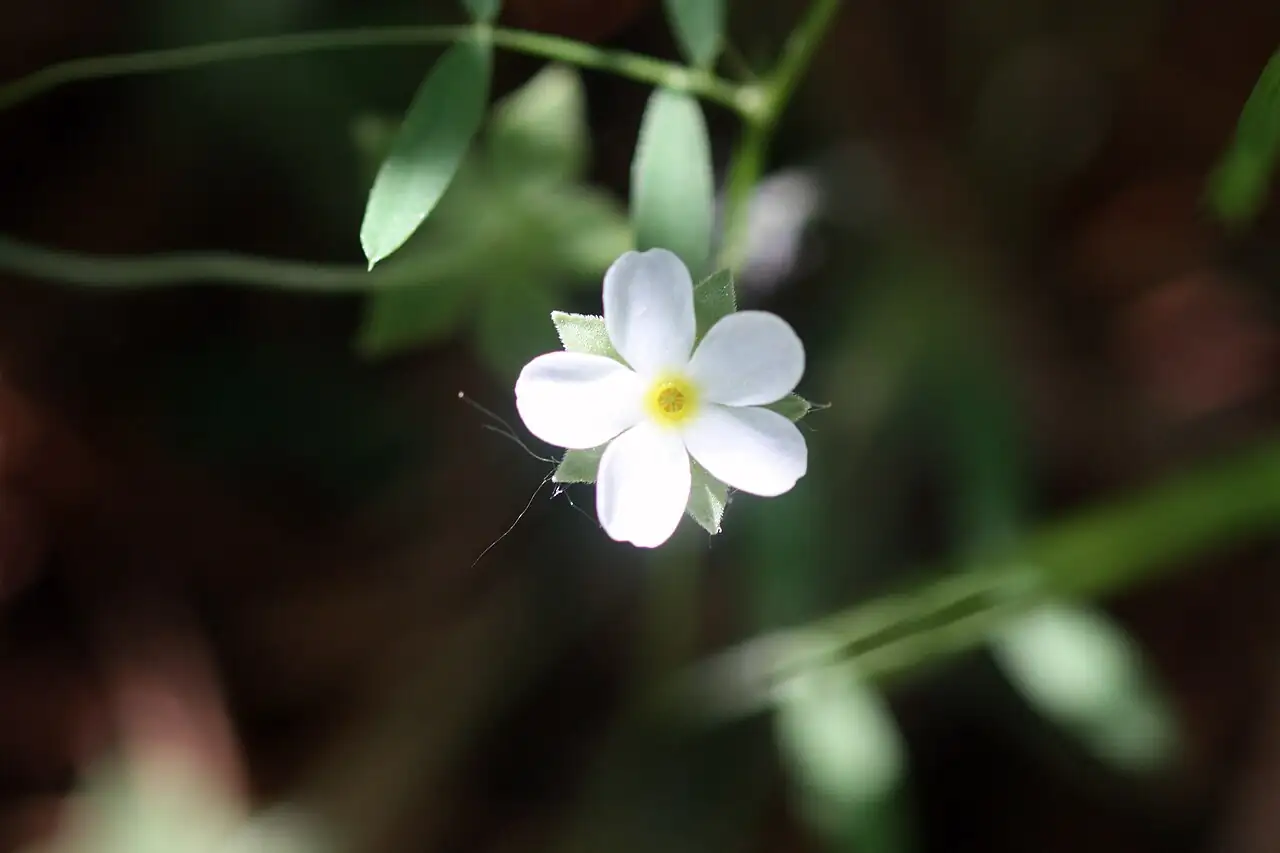
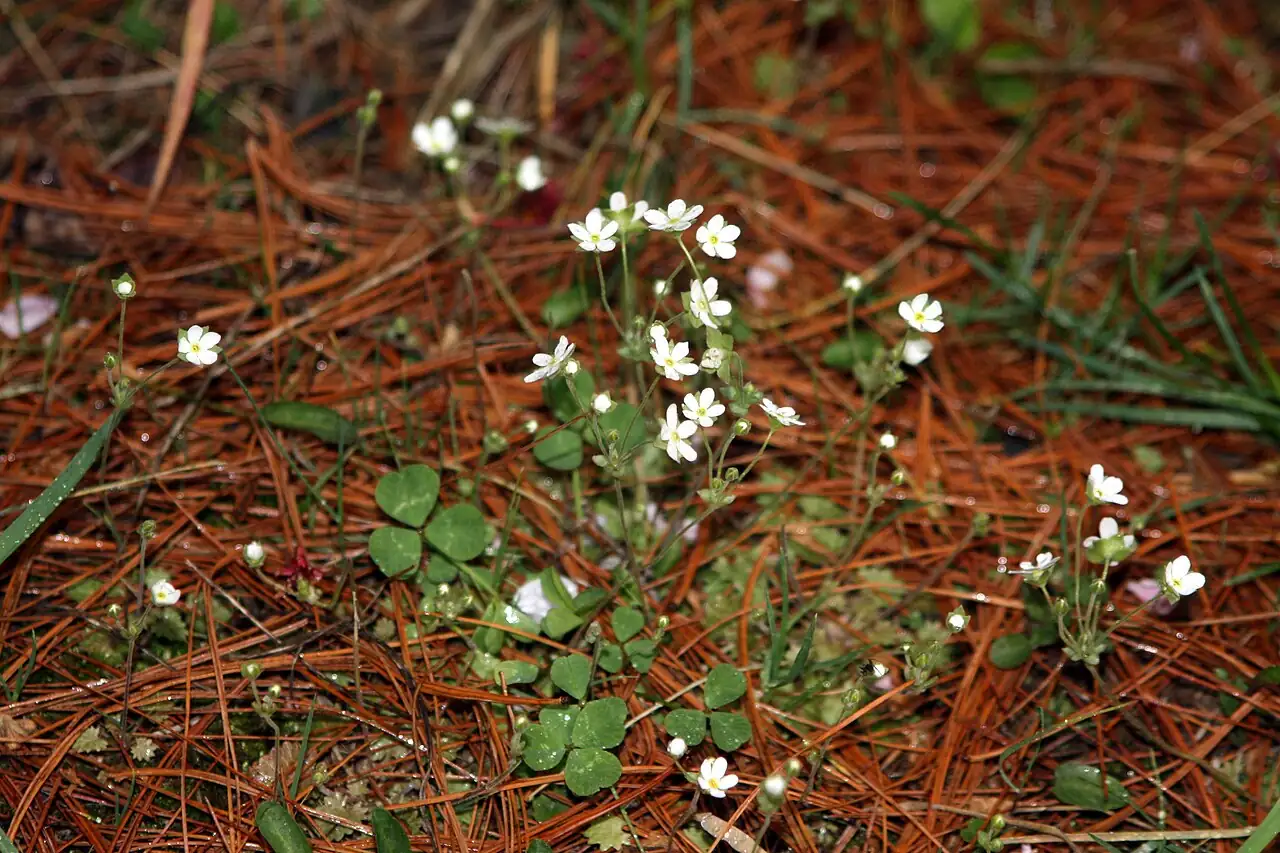
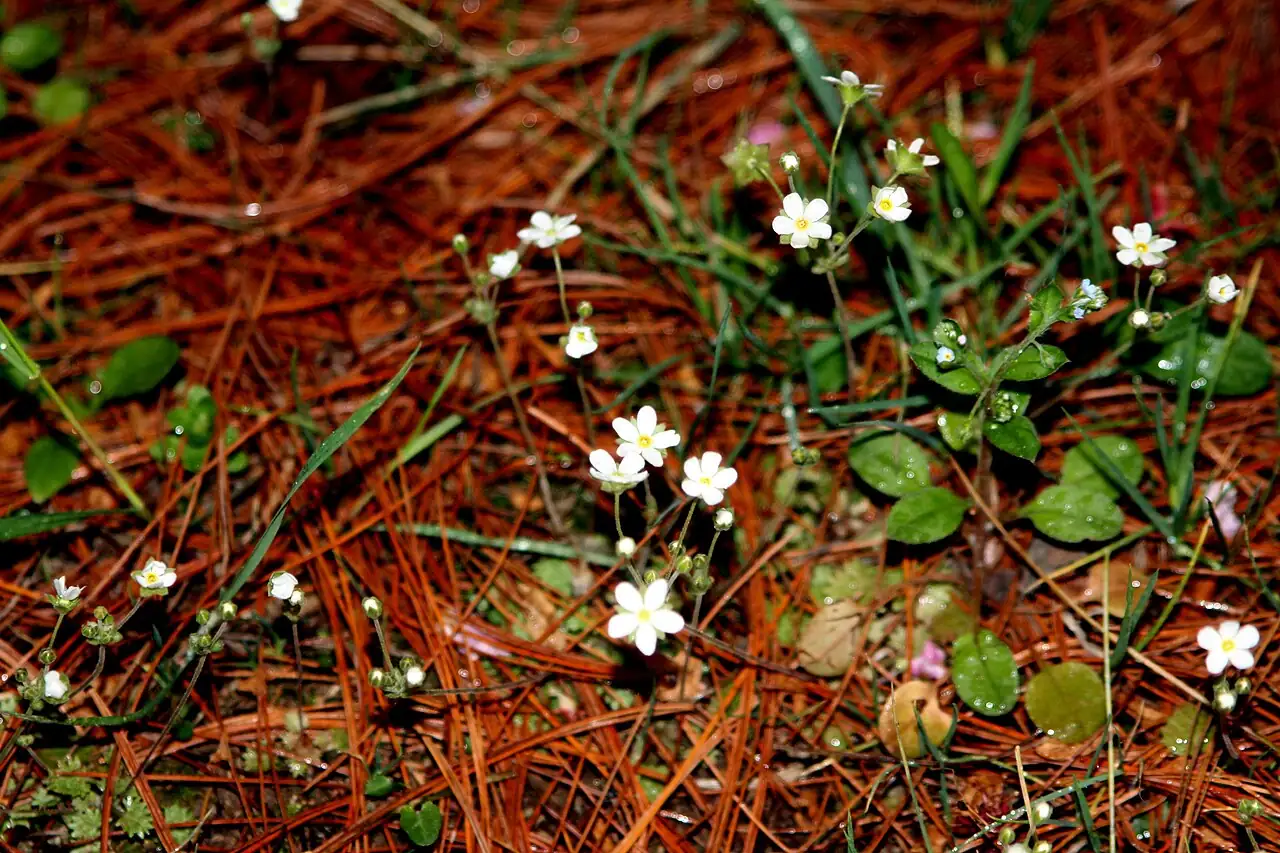
- Flower: Small, white, plum-blossom-like flowers are carried in umbel-like clusters (usually about 4–15 flowers per cluster). After flowering it forms nearly spherical capsules; seeds are brownish and angular to oblong.
- Flowering Season: February–April (Feb–Apr)
- Growth Habit: Annual or biennial, stemless herb with a very low, spreading rosette habit.
Environment
Sunlight
Full sun to bright light; flowers best in full sun (about 6+ hours/day).
Temperature
Prefers cool to mild conditions; about 10–25°C (50–77°F) during active growth and flowering.
Humidity
Likes evenly moist conditions and does well with moderate humidity, but avoid stagnant air and constantly wet surroundings.
Soil
Fertile, well-drained soil that stays lightly moist; a gritty loam is ideal for rock gardens. Good drainage is important to prevent crown/root problems.
Placement
Outdoors in a sunny, well-drained spot—rock gardens, gravel beds, edging, and as a very low groundcover under open shrubs or in naturalistic plantings.
Hardiness
Cold-tolerant; suitable for temperate outdoor growing. Approximate USDA Zone 5–9 (5–9), depending on winter wetness and drainage.
Care Guide
Difficulty
Easy to moderate: very cooperative if it gets sun plus steady moisture with good drainage. Once happy, it may self-seed freely.
Buying Guide
Look for tight, fresh green rosettes with no soft, dark, or collapsing crown tissue. Avoid pots that smell sour or look waterlogged. If buying seed, choose fresh seed for better germination.
Watering
Keep soil evenly moist during growth and flowering. Water when the top 1–2 cm (0.4–0.8 in) starts to dry, then water thoroughly. Avoid prolonged sogginess—especially in cool weather—because it can trigger crown/root rot.
Fertilization
Usually minimal in decent garden soil. In containers or very lean mixes, feed with a balanced fertilizer diluted to 1/4–1/2 strength every 3–4 weeks during active growth.
Pruning
Deadhead spent flower clusters to keep plants tidy and to reduce self-seeding if you prefer. Remove yellowing basal leaves to improve airflow.
Propagation
Mainly by seed and often self-seeds naturally. For controlled sowing, scatter seed on the surface of a fine, well-drained mix (don’t bury deeply), keep lightly moist, and provide bright light until germination.
Repotting
Typically unnecessary because it’s annual/biennial. If container-grown, refresh the top layer of mix or pot up carefully before flowering; keep the crown at the soil surface (don’t bury it).
📅 Seasonal Care Calendar
Flowering: February–April (Feb–Apr). Fruiting/seed set: May–June (May–Jun). Leave a few capsules to mature if you want natural reseeding; remove capsules to limit spread.
Pests, Diseases & Safety
Common Pests & Diseases
Generally trouble-free. In overly wet conditions it may develop crown/root rot. Aphids can appear on flower stalks; improve airflow, avoid overwatering, rinse off with water, or use insecticidal soap if needed.
Toxicity
No well-established reports of toxicity to humans or pets are widely cited for Androsace umbellata. It’s best treated as non-edible; keep away from small children and pets as a sensible precaution.
Culture & Symbolism
Symbolism: Loved for its “stars on the ground” effect—often associated with modest beauty and the fresh feeling of early spring.
History & Legends: No widely recorded legends are strongly associated with this species; it’s primarily appreciated as a charming little wildflower and rock-garden plant.
Uses: Ornamental groundcover for rock gardens, gravel beds, edging, and naturalistic planting under open shrubs—grown for its mass of tiny white spring flowers.
FAQ
When does it flower?
Usually February–April (Feb–Apr), though timing shifts with local climate.
When does it set seed?
Typically May–June (May–Jun).
Where is it native to?
China, widely from Northeast and North China to areas south of the Qinling Mountains, often at woodland edges, in grasslands, and in open woods.
What conditions does it like best?
Bright light to full sun, cool-to-mild temperatures, and soil that stays evenly moist but drains well.
What is it best used for in gardens?
Rock gardens and low groundcover plantings where it can make a starry white carpet in early spring.
Fun Facts
- It often self-seeds and may pop up in surprising new places the next year.
- At peak bloom, the flowers can resemble a dusting of snow or scattered stars across the soil.
- The whole plant is softly hairy, giving it a fuzzy texture when viewed up close.
- Its naturally flat, low habit makes it especially good for gravel beds and rock-garden crevices.