

Plant Features
- Size:30–150 cm (12–59 in) tall; spread varies with conditions.
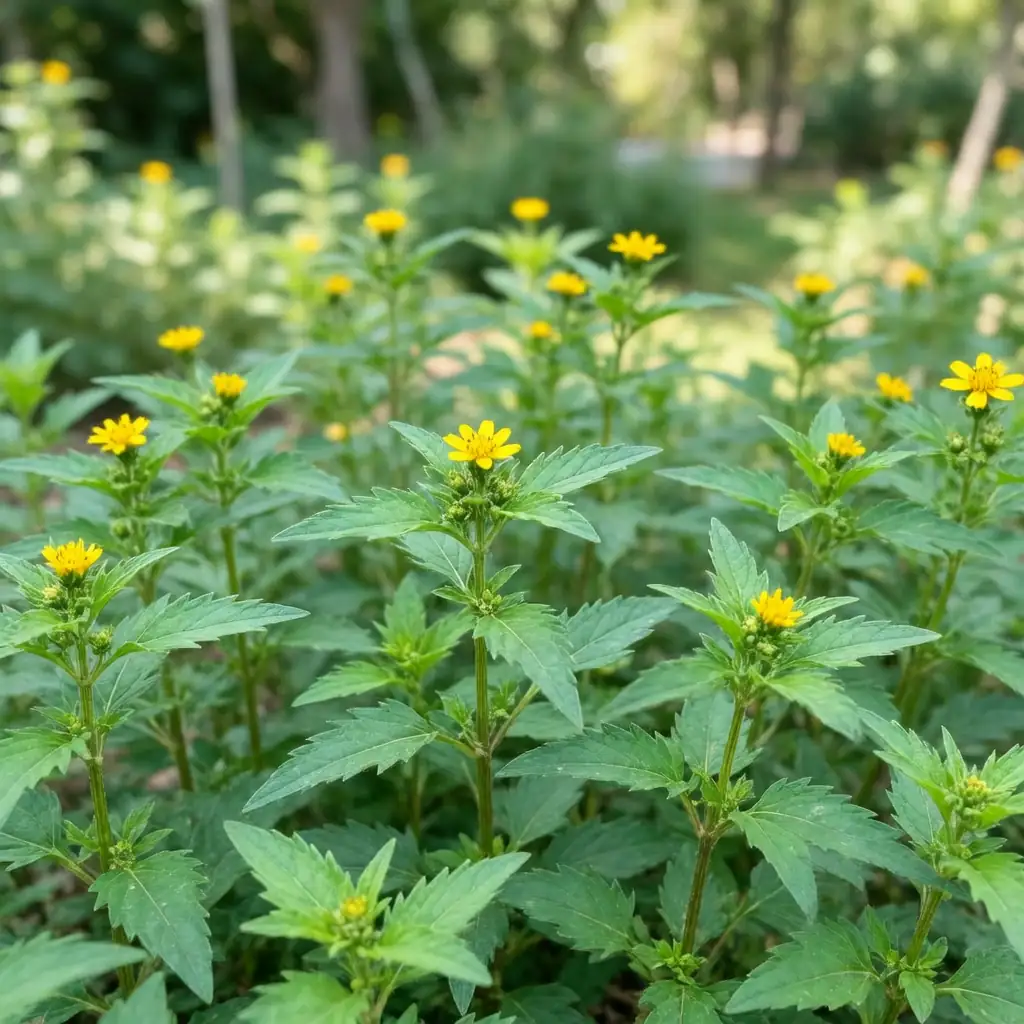
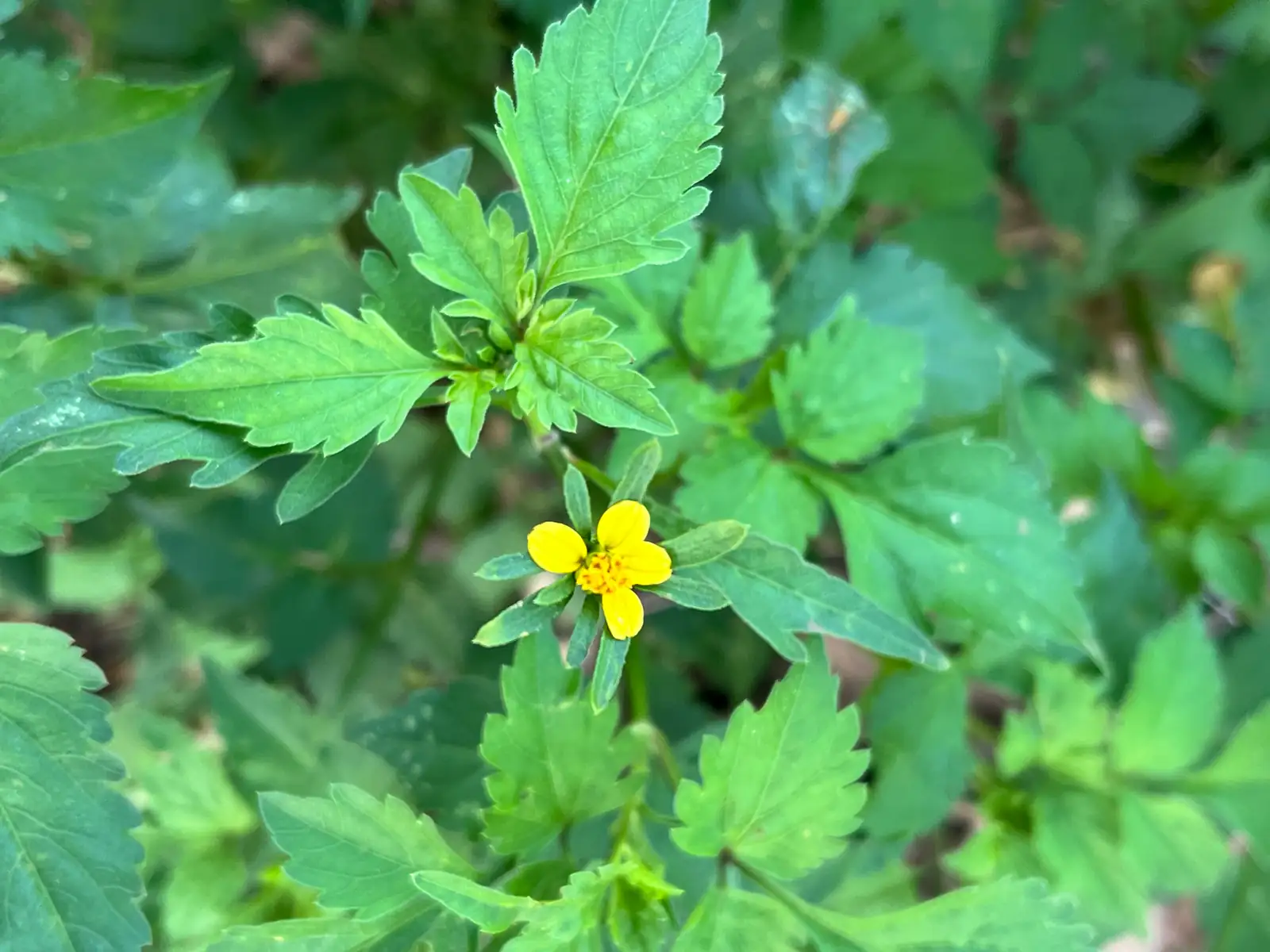
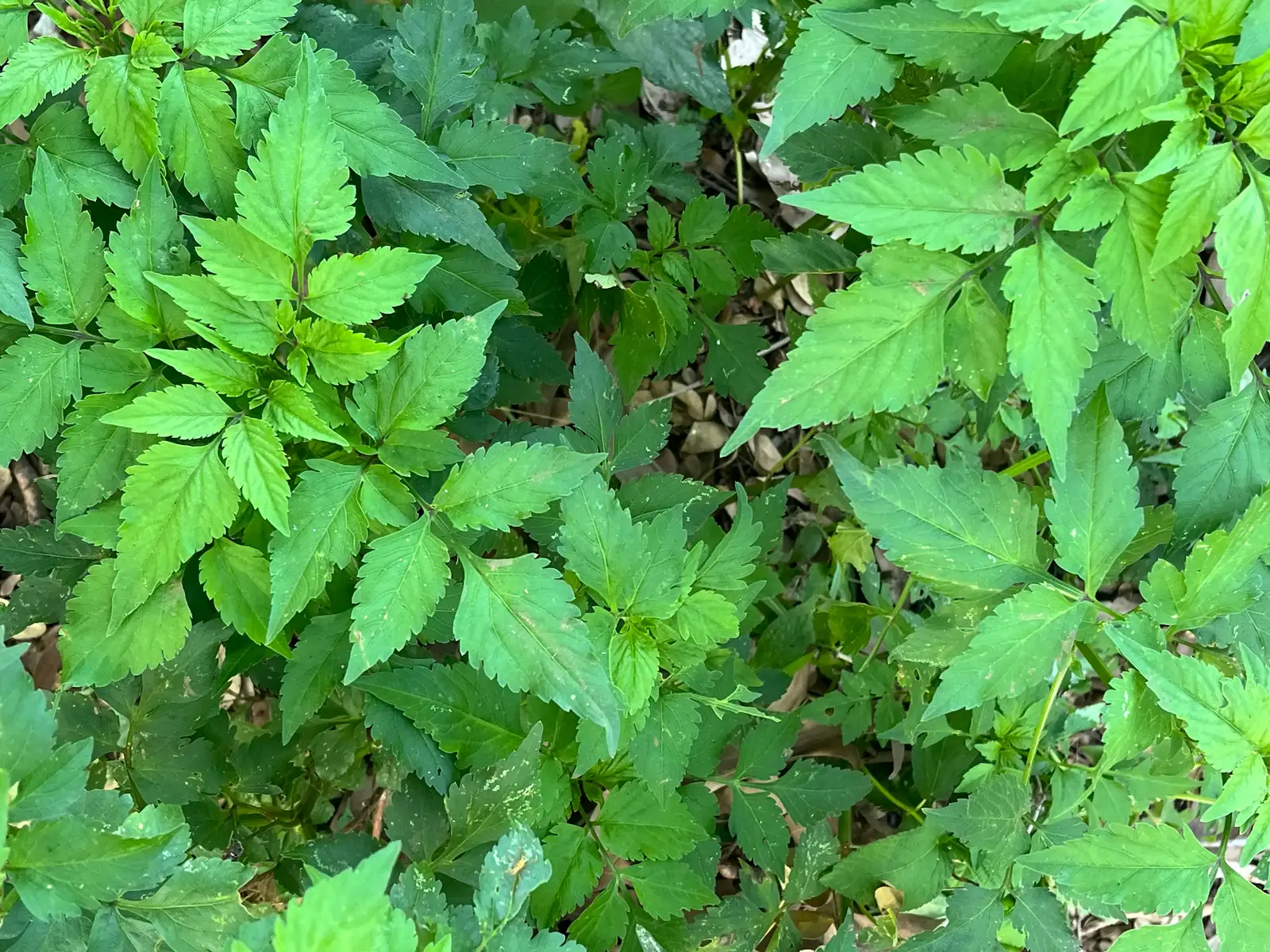
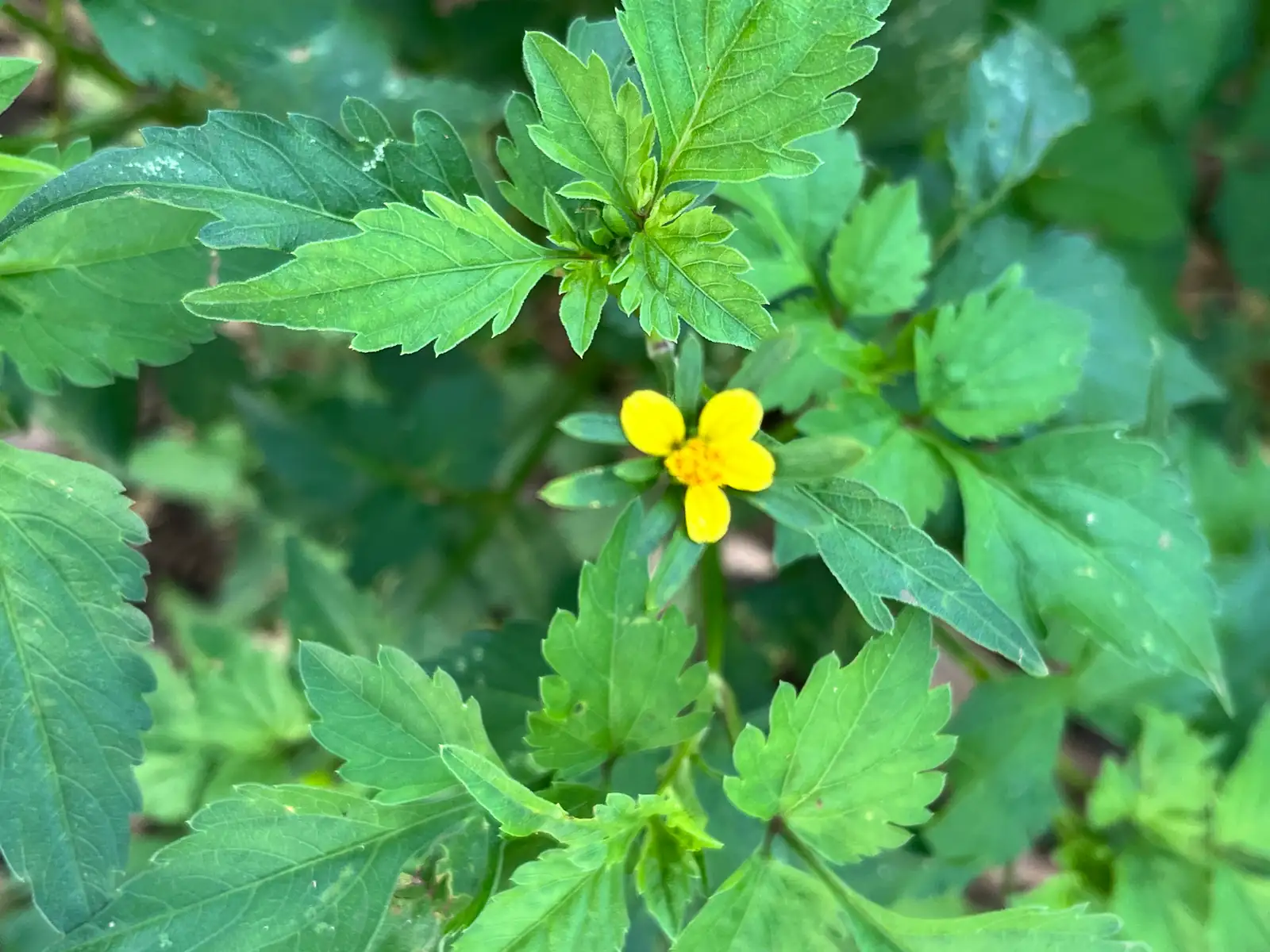
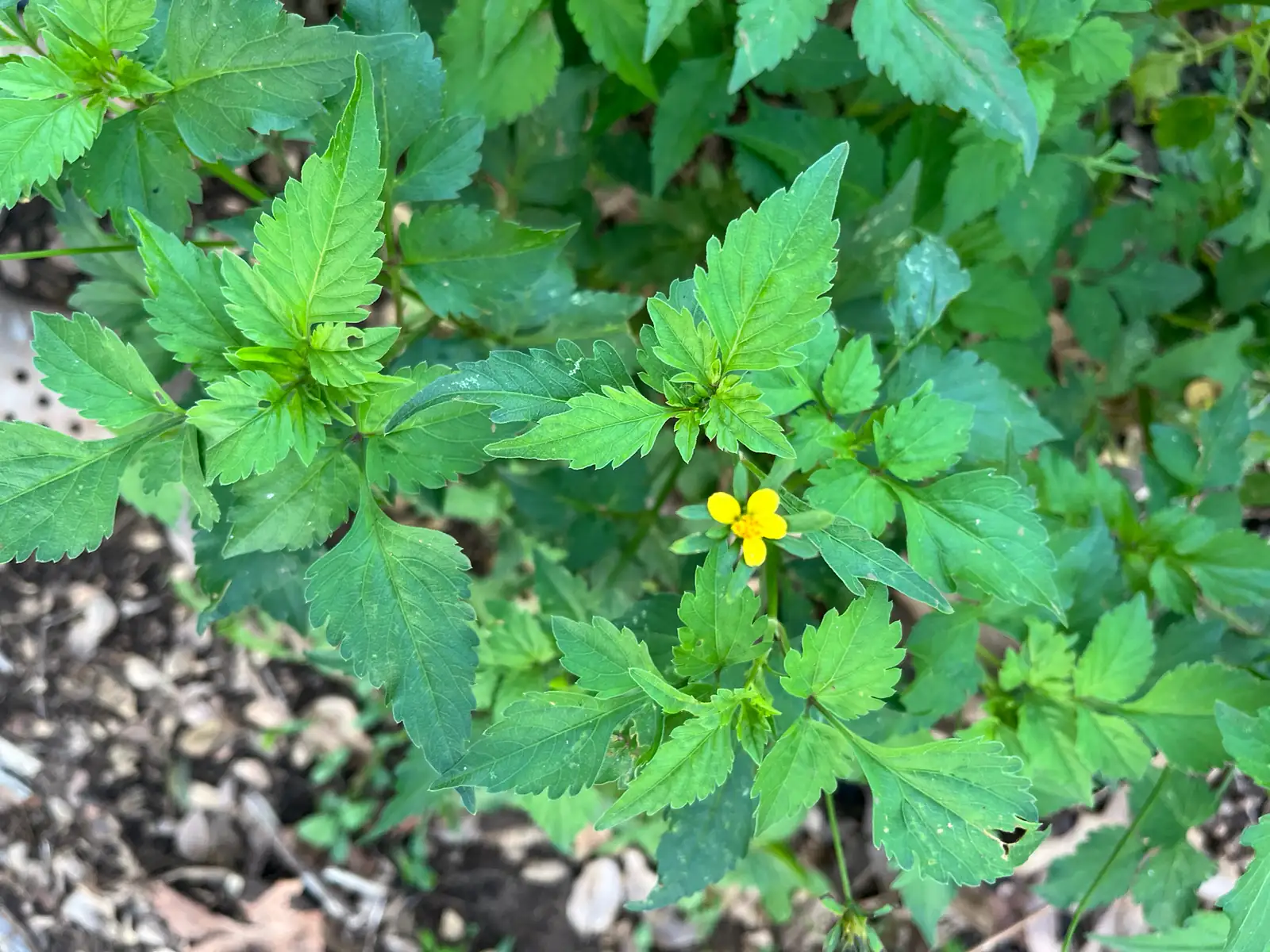
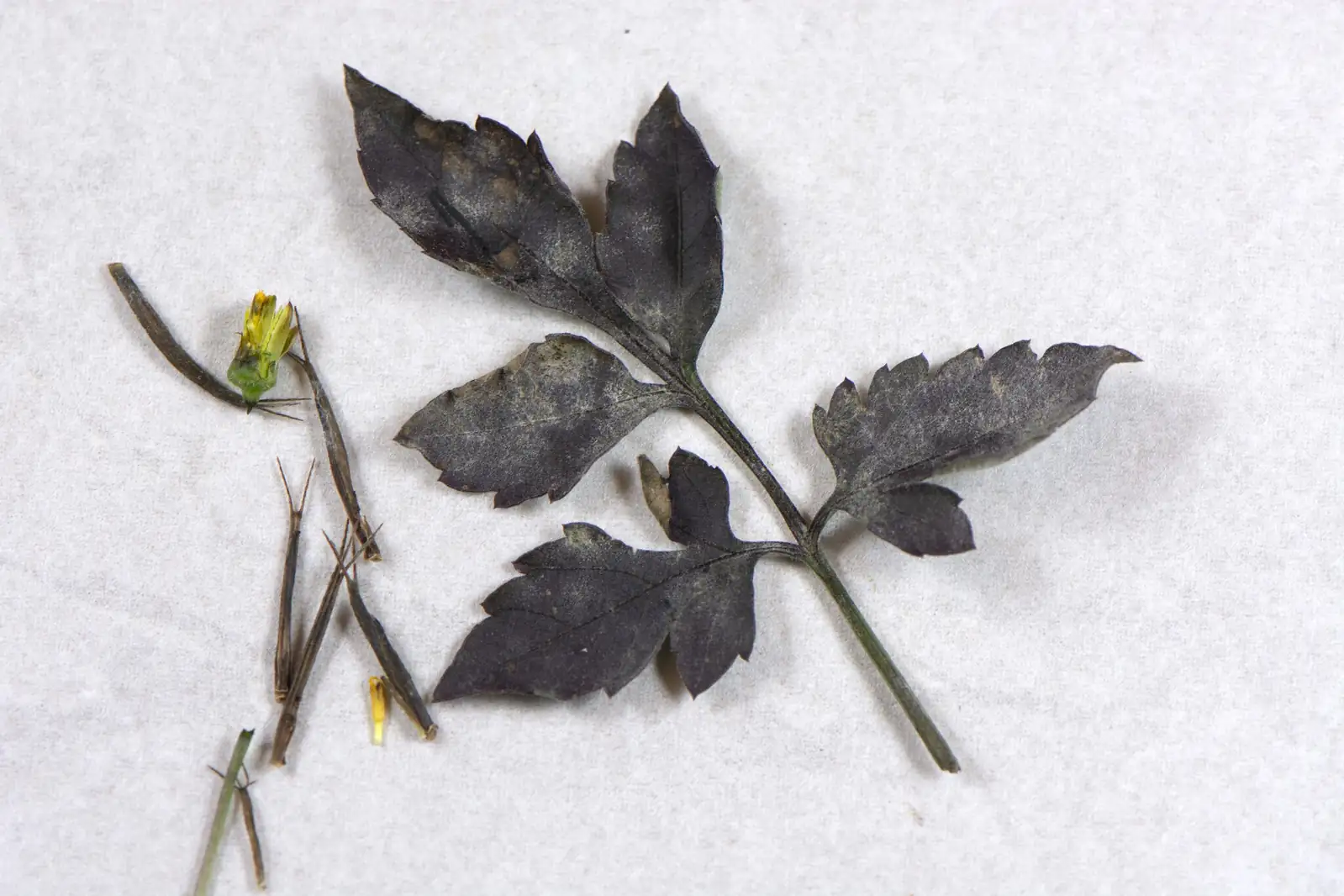
- Foliage: Leaves are once-pinnate (compound) with multiple leaflets. Flower heads sit in an involucre of bracts that can be softly hairy near the base; inner bracts are oblong to lance-shaped.
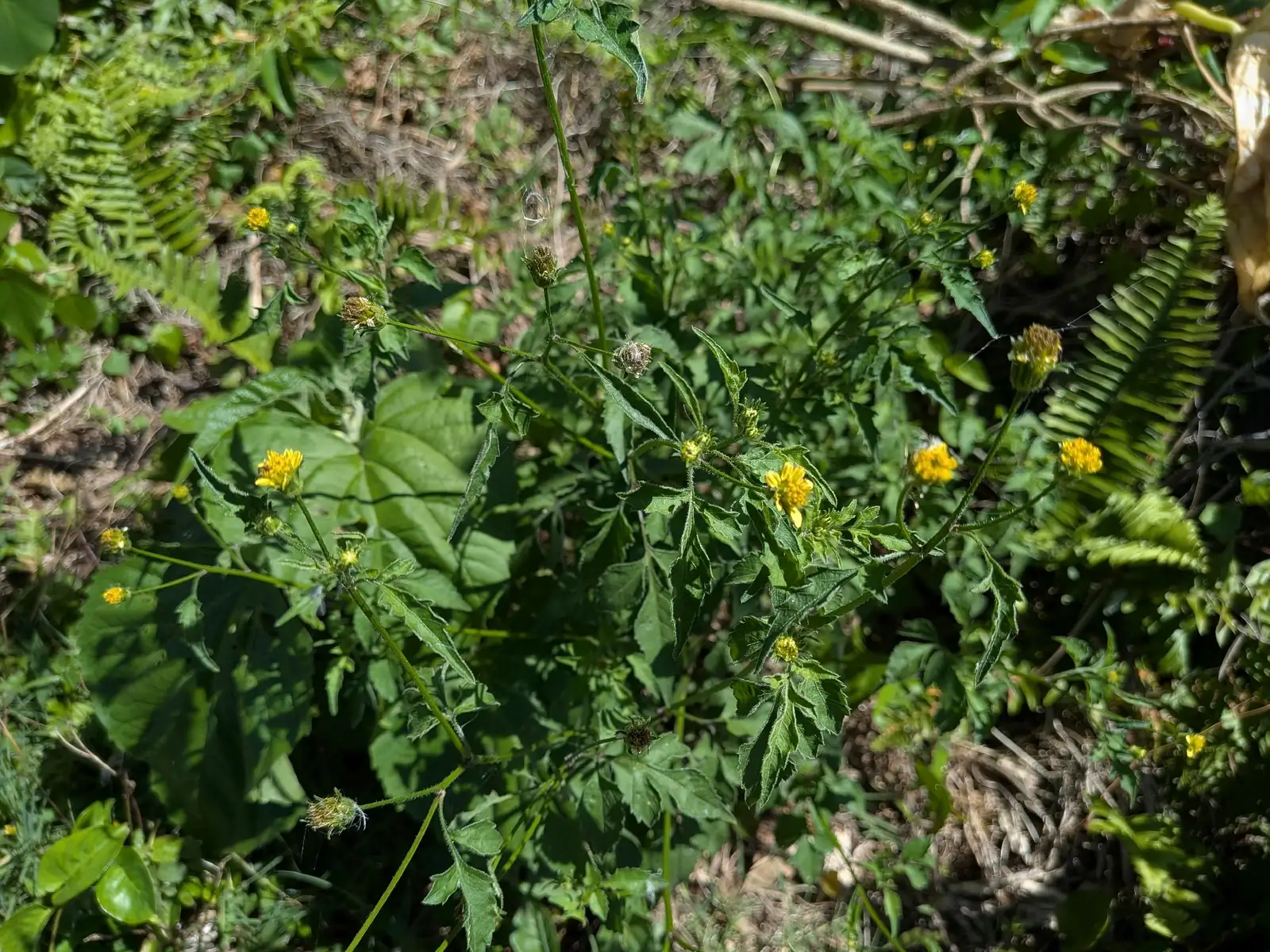
- Flower: Small, daisy-like flower heads with a central cluster of tubular disc florets. Ray florets are usually 3–5 and pale yellow, though some heads may have very reduced rays or none at all, which makes the plant’s look vary by site. After flowering, it produces narrow, black achenes with angled sides—classic “beggar-ticks” type seeds.
- Flowering Season: August–October
- Growth Habit: Upright annual herb with slightly four-angled stems; often forms colonies through prolific self-sowing.
Environment
Sunlight
Full sun to partial shade; brightest light generally gives the best flowering.
Temperature
Prefers warm conditions, roughly 18–30°C (64–86°F). Sensitive to frost.
Humidity
Likes evenly moist conditions but is fine in average outdoor humidity; problems increase if it’s crowded and humid.
Soil
Does best in loose, fertile, humus-rich sandy loam or clay loam with good drainage. Tolerates typical disturbed soils as long as they are not waterlogged.
Placement
Great for wildflower patches, meadow-style plantings, lightly managed corners, and rough edges (field margins, pathsides). Use a defined bed or containers if you want to control self-seeding.
Hardiness
Not frost-hardy; treated as a warm-season annual in temperate climates.
Care Guide
Difficulty
Easy. Give it light, a bit of moisture to get started, and enough space; the main “challenge” is simply managing how freely it self-seeds.
Buying Guide
Choose vigorous green seedlings or fresh, viable seed. Avoid plants that are badly wilted, have blackened stems, or show heavy pest damage. If you don’t want it spreading, plan ahead with a controlled planting zone or containers.
Watering
Water regularly while establishing so the soil stays lightly moist. Once growing, it only needs extra water during dry spells; avoid prolonged waterlogging. In pots, water when the top 2–3 cm (0.8–1.2 in) of mix feels dry.
Fertilization
Usually unnecessary in average garden soil. If plants look weak or pale, feed with a balanced fertilizer at half strength every 4–6 weeks during active growth (spring through early autumn).
Pruning
Deadhead to keep it tidy and reduce self-seeding. After flowering (or after seed set if you want volunteers), cut back or remove plants.
Propagation
By seed. It readily self-sows. Sow outdoors in spring once frost danger has passed, or let it reseed naturally in suitable sites.
Repotting
If grown in containers, use a free-draining mix and pot up slightly if roots fill the container. Handle gently—this is an annual meant to grow fast rather than live for years.
📅 Seasonal Care Calendar
Spring: sow seed or transplant seedlings after frost. Summer: keep moderately watered; provide sun for best bloom. Late summer–autumn: flowering and seed set; deadhead to limit spread. After first frost: plants decline—remove for tidiness or leave some seedheads if you want natural reseeding.
Pests, Diseases & Safety
Common Pests & Diseases
Generally trouble-free. Aphids may appear, and leaf spot or powdery mildew can occur in crowded, humid conditions. Improve airflow, avoid late-day overhead watering, and remove badly affected growth when needed.
Toxicity
No consistently documented, well-established toxicity information for people or pets. As with many wild plants, avoid eating it unless positively identified and known to be safe; plant sap may irritate sensitive skin.
Culture & Symbolism
Symbolism: Often linked with resilience and “wild” beauty—an unpretentious plant that thrives where others struggle and naturally fills open ground.
History & Legends: A familiar roadside and countryside wildflower in parts of China, appreciated more for its everyday usefulness and natural charm than for formal garden tradition.
Uses: Naturalistic wildflower/groundcover in informal plantings. Young tender shoots may be used as livestock fodder in some areas.
Fun Facts
- It can reseed itself so readily that it may behave like a spontaneous groundcover in disturbed soil.
- Its flower heads can look surprisingly different from plant to plant—some have a few pale yellow rays, while others may appear almost rayless.
- It’s a common sight along roadsides and wasteland habitats across many parts of China.


