
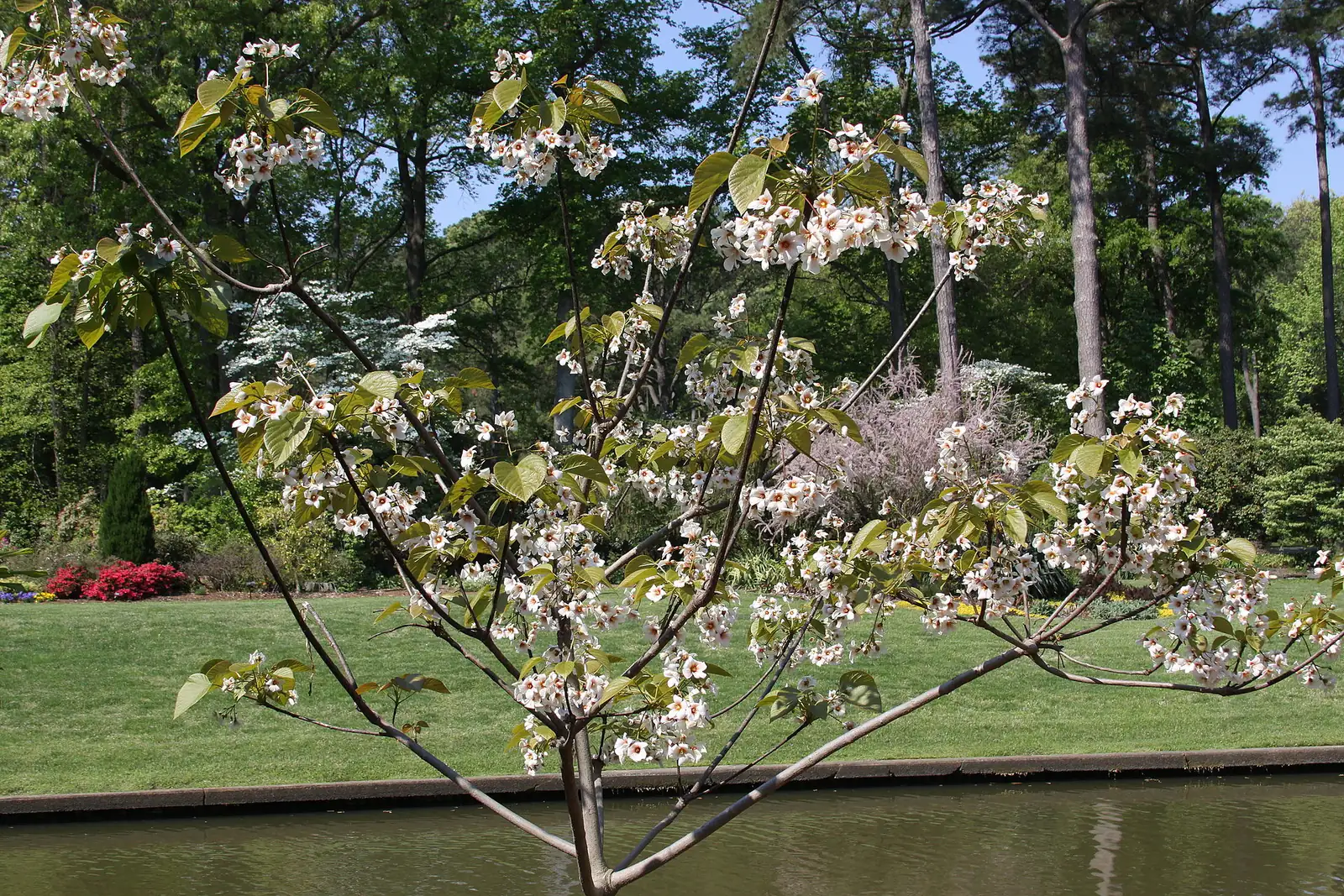
Plant Features
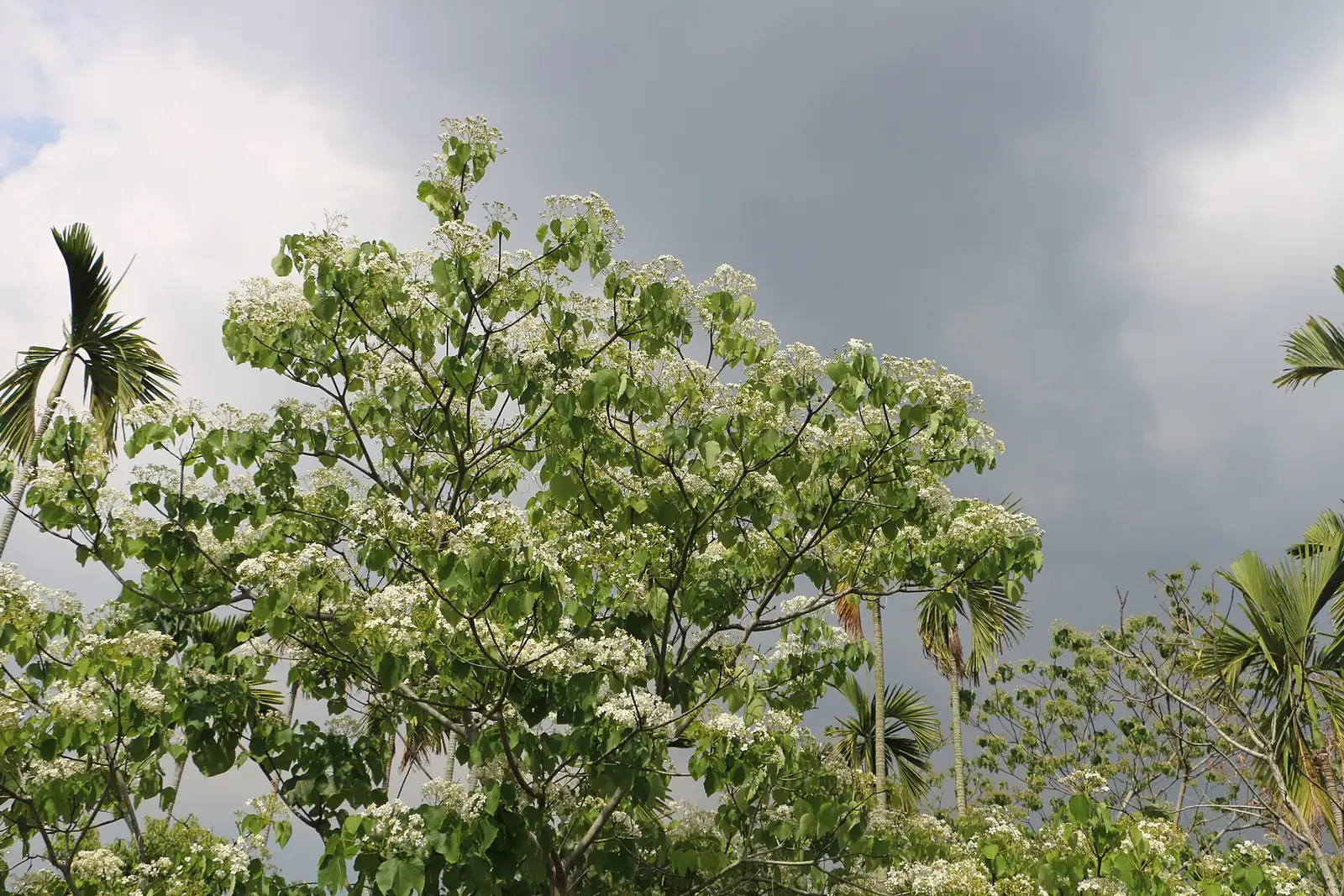
- Size: Up to about 10 m (33 ft) tall; typically a small to medium-sized deciduous tree.
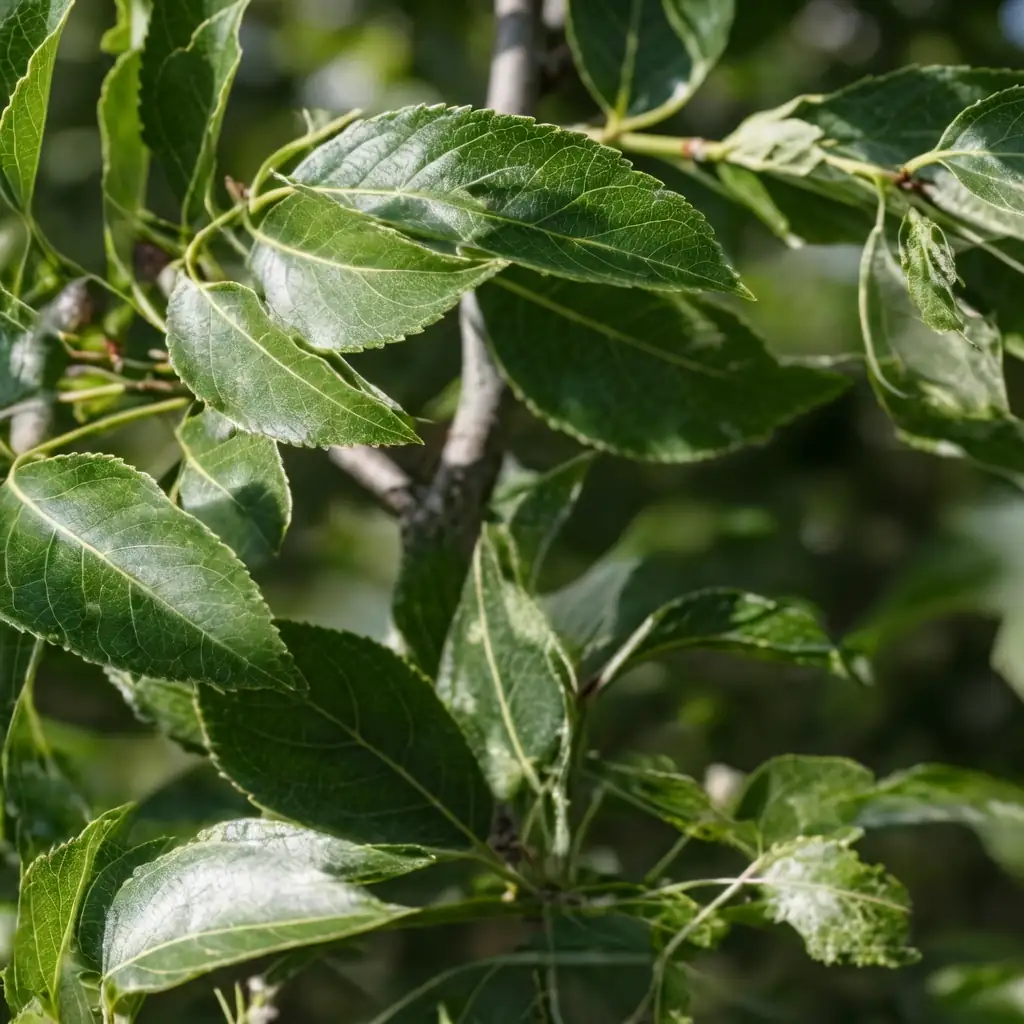
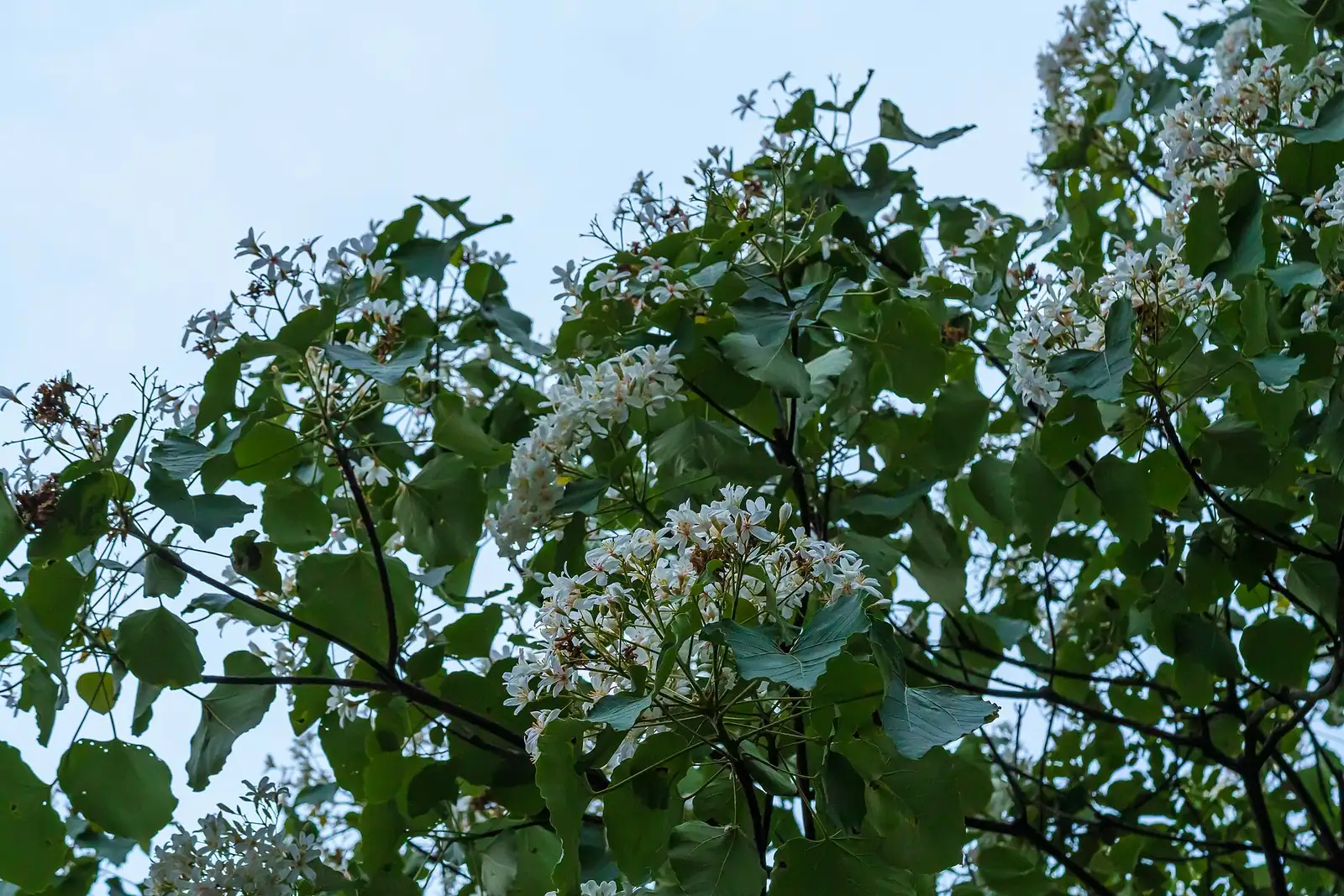
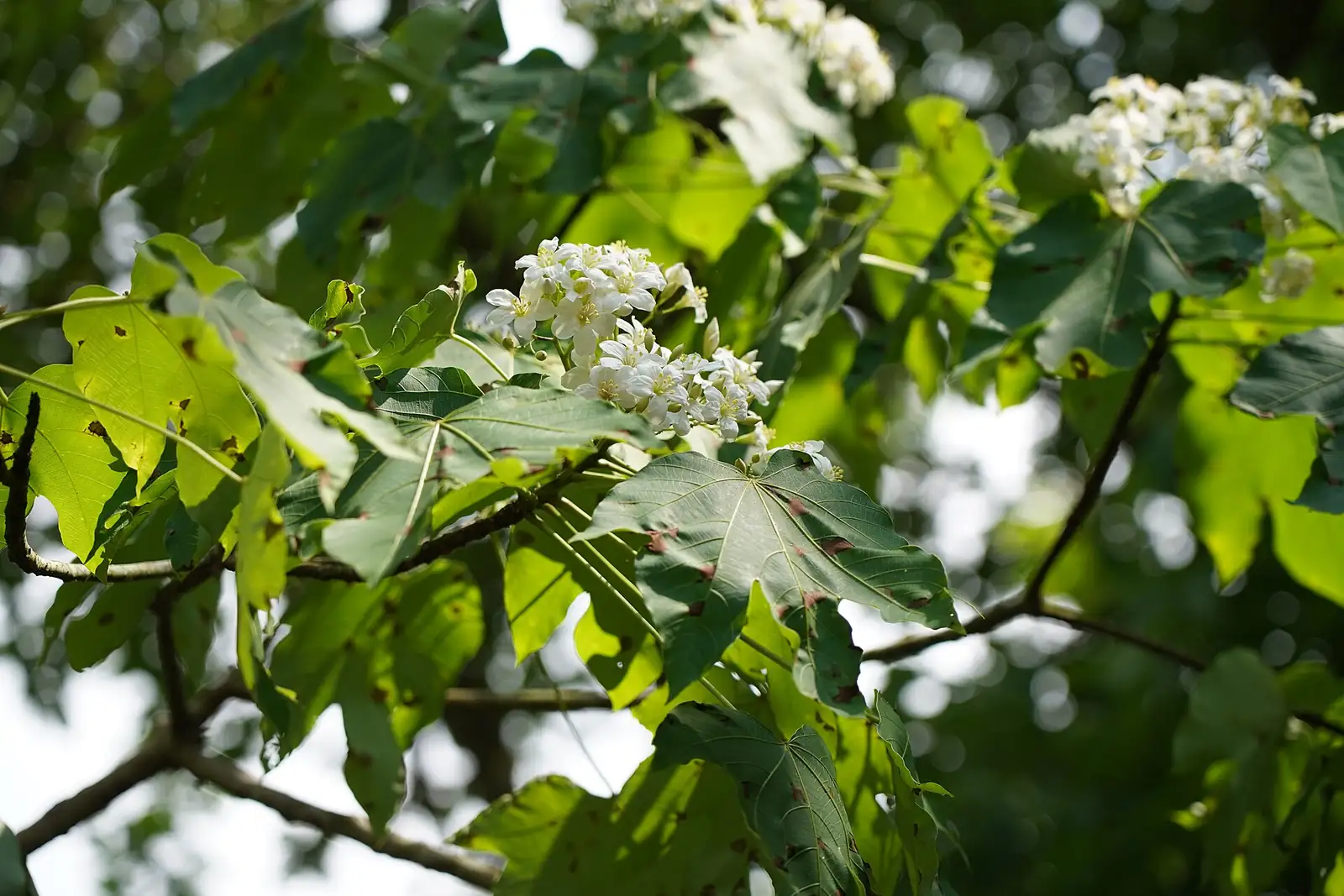
- Foliage: Leaves are broadly oval to ovate, giving the canopy a bold, slightly tropical look through summer before dropping in autumn.
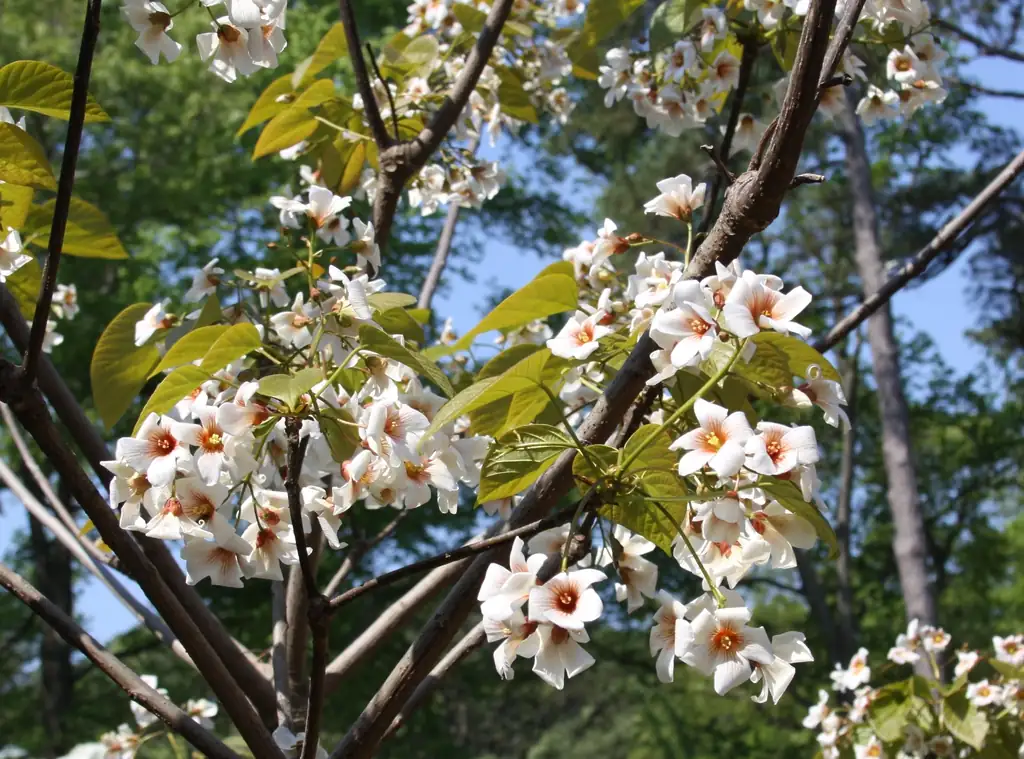
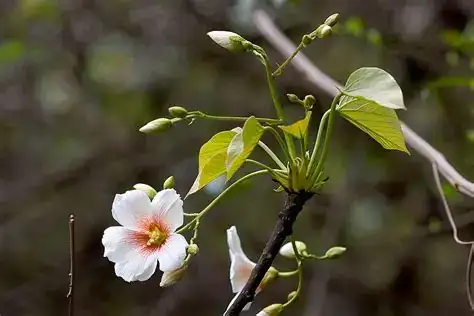
- Flower: Monoecious (male and female flowers on the same plant). Flowers are showy and open in spring, often before the leaves fully expand or as they are emerging. Fruits are nearly spherical capsules about 4–8 cm (1.6–3.1 in) across with a smooth exterior; each fruit typically contains 3–8 seeds protected by a hard, woody seed coat.
- Flowering Season: March–May (Mar–May)
- Growth Habit: Upright, sturdy-branched deciduous tree with a strong framework.
Environment
Sunlight
Full sun for the best growth and flowering; tolerates light shade but performs best with plentiful direct sun.
Temperature
Prefers warm, humid conditions and is frost sensitive. Ideal growing-season temperatures are about 15–30°C (59–86°F).
Humidity
Moderate to high humidity is suitable; avoid prolonged cold, damp conditions that can encourage disease and root stress.
Soil
Deep, loose, fertile, humus-rich, well-drained sandy loam is ideal; slightly acidic soil is preferred (about pH 5.5–6.8). Avoid waterlogged or heavy clay soils.
Placement
Outdoors in an open, sunny position with good air flow and excellent drainage—similar to its natural habitats on woodland edges, slopes, valley bottoms, roadsides, villages, and riverbanks.
Hardiness
Generally best in mild-winter climates (about USDA Zone 8–10). Young trees are more sensitive to frost.
Care Guide
Difficulty
Moderate: quite straightforward in warm climates with good drainage, but challenging where winters are cold or soils stay wet.
Buying Guide
Pick a healthy young tree with a firm stem, intact bark, and no obvious wounds. Avoid plants showing blackened tips (possible cold injury) or a persistently soggy root ball. For bare-root or field-dug stock, make sure roots haven’t dried out and are kept evenly moist until planting.
Watering
Water deeply after planting and keep soil evenly moist while establishing. Once established, water during dry spells; allow the top few centimeters of soil to dry slightly between waterings. Avoid waterlogging, which can lead to root problems.
Fertilization
In spring, feed with compost or a balanced slow-release fertilizer. Don’t overdo nitrogen—lush, soft growth can be more vulnerable to cold. If growth is weak, a light feeding in early summer can help.
Pruning
Prune in late winter to early spring to remove dead, damaged, or crossing branches and to build a strong structure. Avoid heavy pruning during active growth.
Propagation
Most commonly grown from seed. Use fresh seed: remove from the fruit and clean before sowing. Scarification and warm stratification can improve germination. Selected forms may be grafted in commercial production.
Repotting
Primarily a landscape tree rather than a long-term container plant. If grown in a pot when young, up-pot in spring into a free-draining mix and plant out before it becomes root-bound.
📅 Seasonal Care Calendar
Spring: plant, apply light fertilizer, and enjoy/monitor flowering and new growth. Summer: water during drought, mulch, and keep weeds down. Autumn: reduce feeding so growth can harden off. Winter: protect young trees from frost and keep roots from sitting in cold, wet soil.
Pests, Diseases & Safety
Common Pests & Diseases
May encounter scale insects and aphids on tender new growth; fungal leaf spots can appear in humid weather. Poor drainage can lead to root problems. Prevention is key: good airflow, well-drained soil, and careful watering. Treat pests with horticultural soap or oil as needed.
Toxicity
Seeds (and other parts) may be harmful if eaten; keep away from children and pets. Tung oil is an industrial oil and is not edible.
Culture & Symbolism
Symbolism: Often linked with industriousness and traditional craftsmanship, reflecting its long history as a source of a prized finishing oil.
History & Legends: Cultivated in China for generations for tung oil, historically valued for waterproofing and for finishing wood, paper, and other materials.
Uses: A major oilseed tree. Tung oil is a high-quality drying oil used for durable coatings, wood finishes, and waterproofing applications.
Fun Facts
- Its nearly spherical fruits are about 4–8 cm (1.6–3.1 in) across and commonly contain 3–8 hard-coated seeds.
- Tung oil is a classic “drying oil”: it polymerizes into a tough film, which is why it became famous for protective finishes.
- It typically flowers in March–May (Mar–May), and fruits often ripen around August–October (Aug–Oct).