Plant Features
- Size: Vining stems typically 2–4 m (6.6–13.1 ft) long; forms a broad, dense mat when allowed to sprawl.
- Foliage: Compound trifoliate leaves (three leaflets) with stipules; foliage is lush and quickly knits together into a thick, shading groundcover typical of vigorous legume vines.
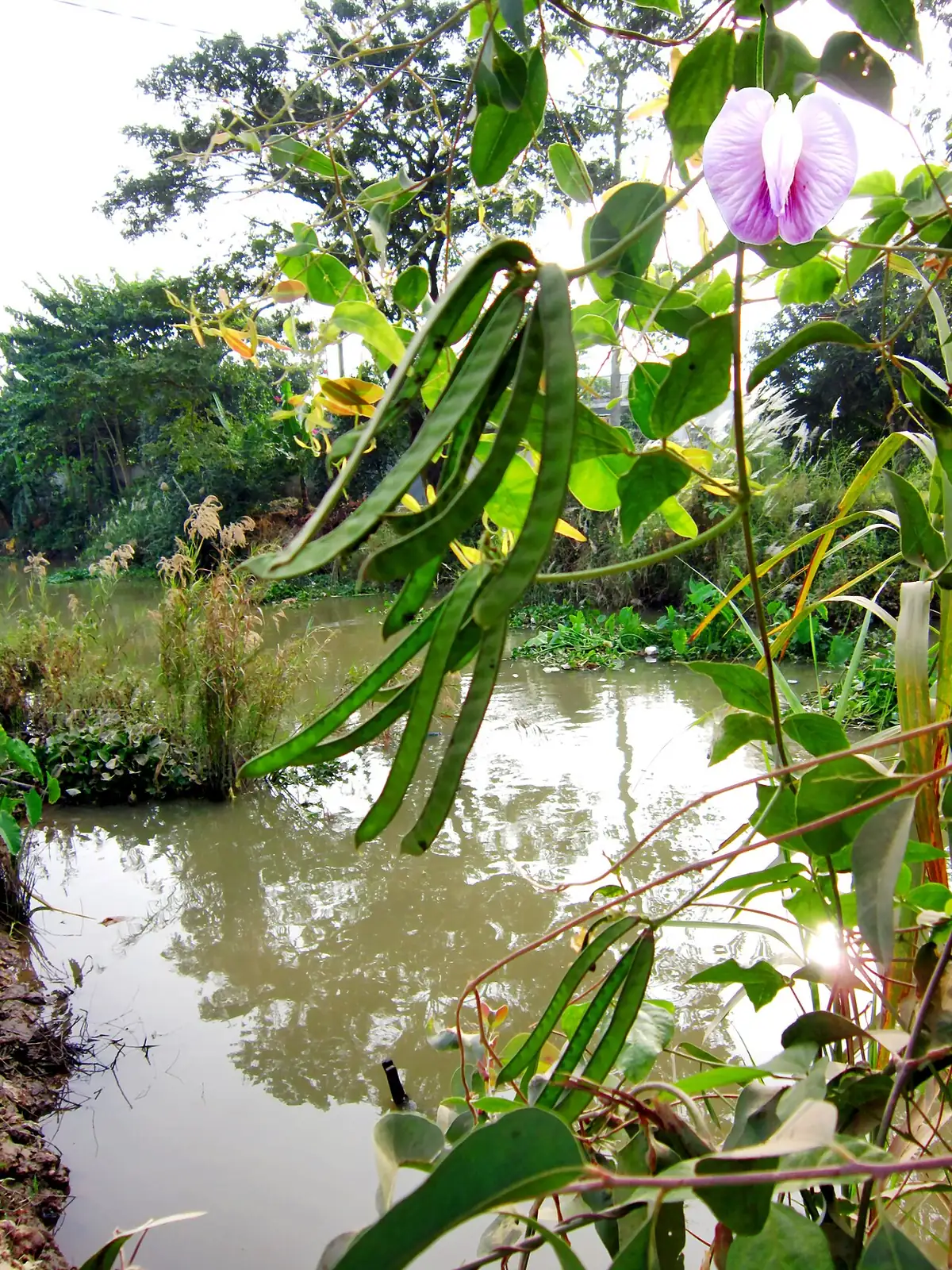
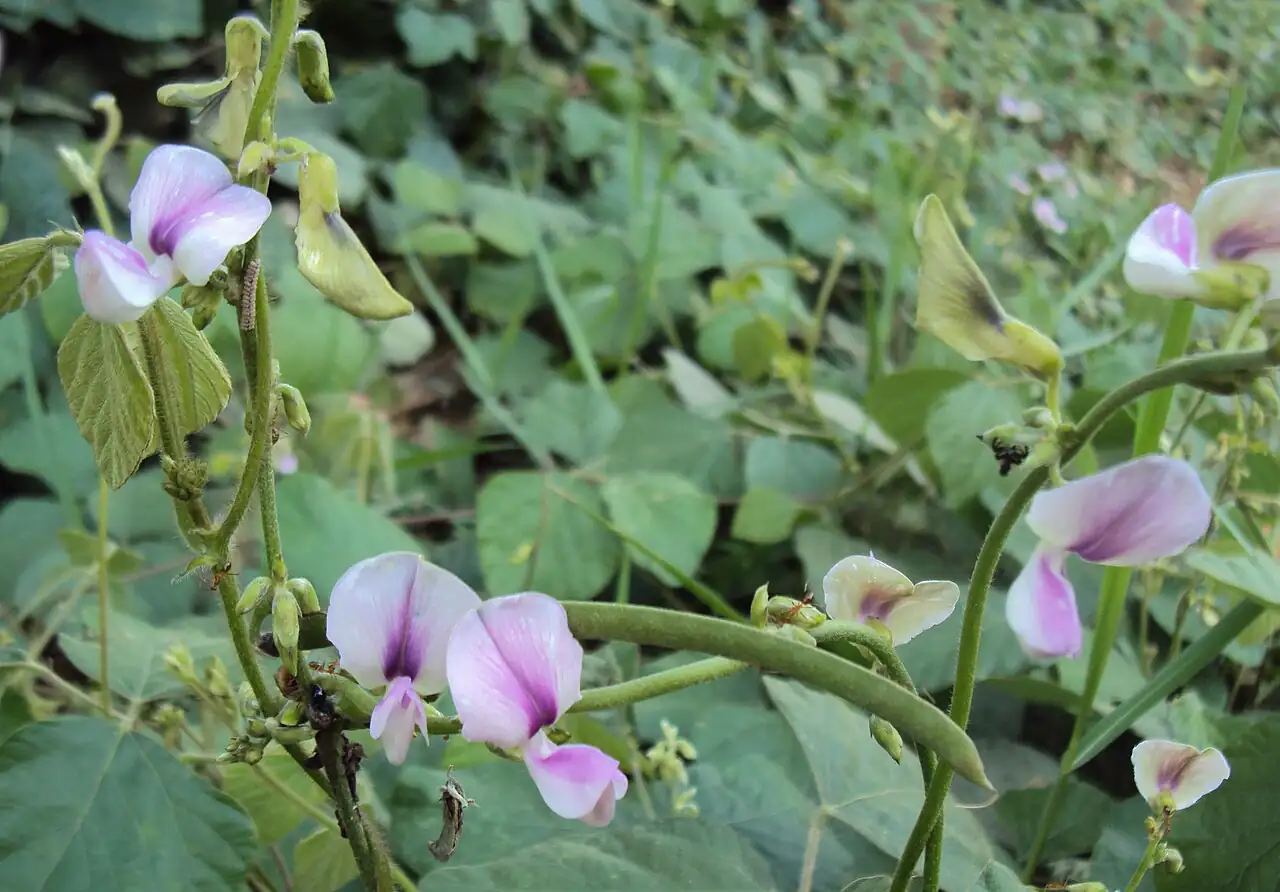
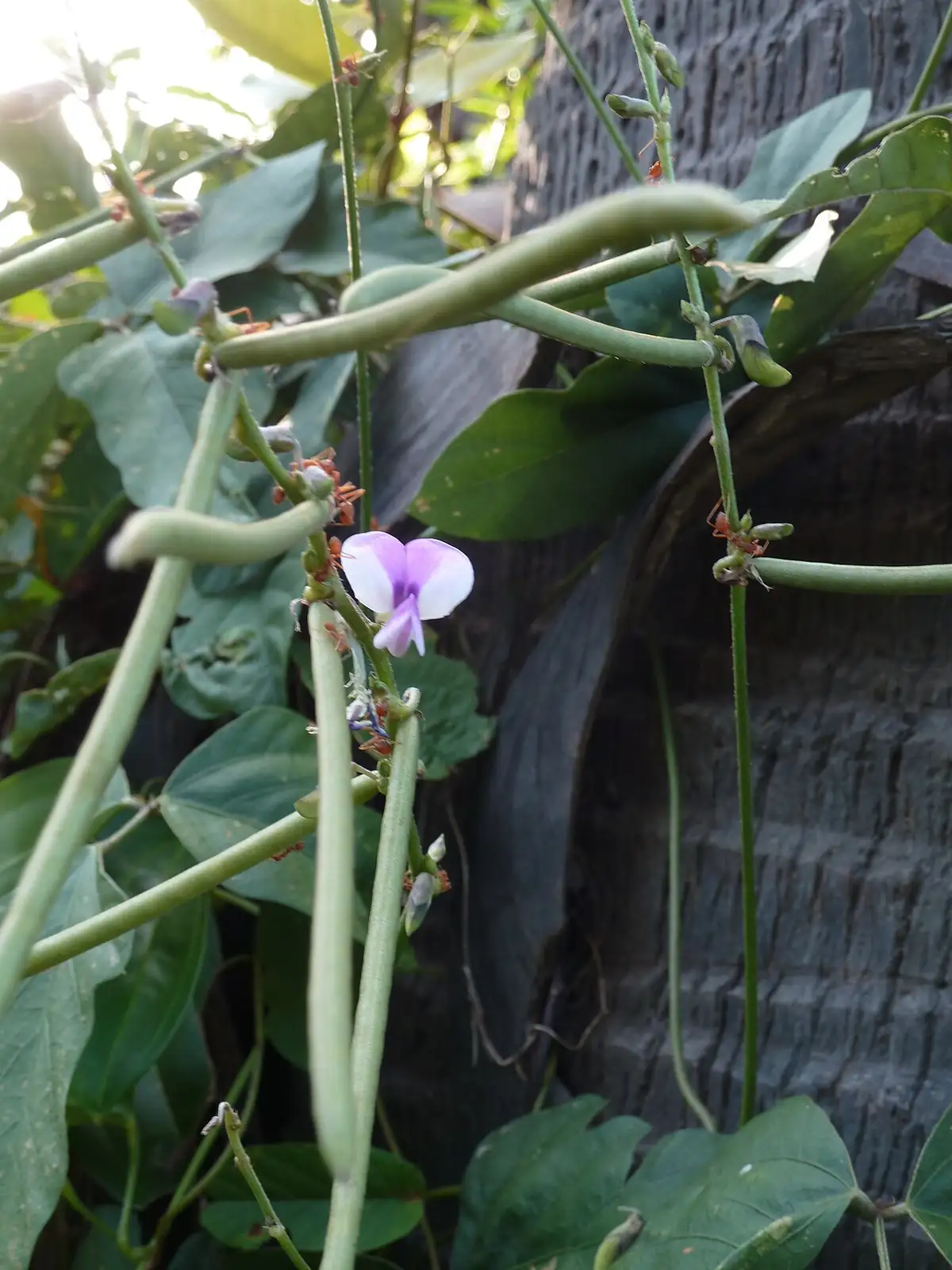
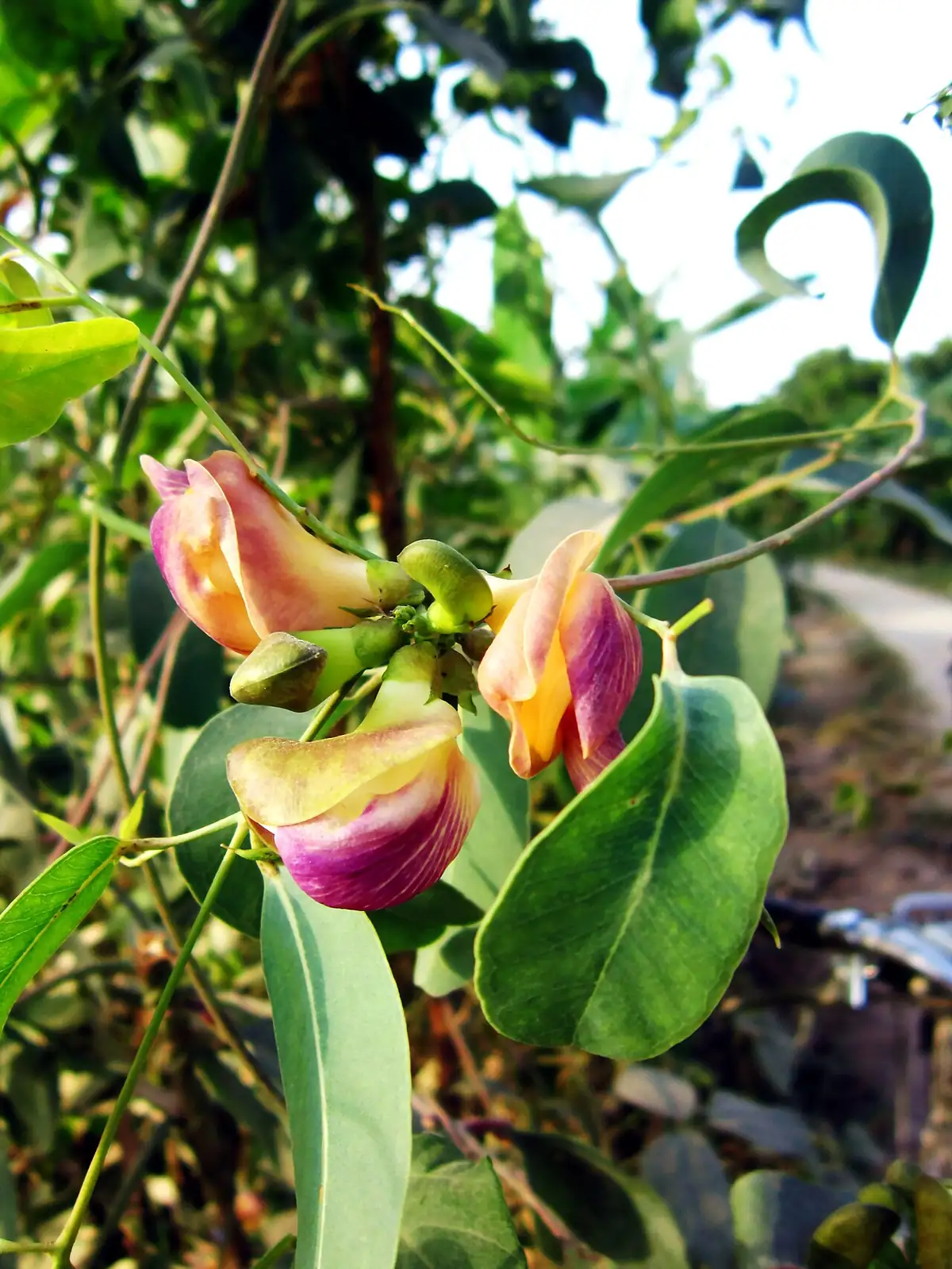
- Flower: Pea-family, pea-like flowers carried in racemes (clustered flower spikes), followed by legume pods (bean-like fruits).
- Flowering Season: August–September (in its China range).
- Growth Habit: Herbaceous twining/climbing vine with slender stems; stems are hairy with noticeable stiff hairs. Can trail as groundcover or climb over nearby vegetation if unmanaged.
Environment
Sunlight
Full sun to partial shade; grows best and covers ground most densely in brighter light.
Temperature
Warm-growing; best around 20–30°C (68–86°F). Frost-tender—protect below about 10°C (50°F).
Humidity
Moderate to high humidity preferred. Tolerates some seasonal dryness once established, but looks and grows best with steady moisture.
Soil
Adaptable, including low-fertility soils. Prefers well-drained soil; as a legume it can enrich soils via nitrogen fixation when paired with the right soil microbes.
Placement
Best outdoors as a fast groundcover on slopes, embankments, and open edges of shrubland or plantings where quick soil coverage is needed. Use with care near gardens or young shrubs/trees because it can scramble and smother.
Hardiness
Frost-tender; generally suited to tropical/subtropical climates (roughly USDA Zone 10–12).
Care Guide
Difficulty
Easy in warm climates, especially in the ground. The main “challenge” is its vigor—regular trimming is often needed so it doesn’t overtake neighboring plants.
Buying Guide
Pick plants with fresh, active new growth and healthy, green trifoliate leaves. Avoid pots that smell sour or stay waterlogged, and avoid plants with stem dieback. If you’re planting it for groundcover, confirm the ID (species/cultivar) and check local rules—this vine can behave aggressively in suitable climates.
Watering
During establishment, water regularly so the soil stays evenly moist (not soggy). Once established it becomes more drought-tolerant, but it fills in fastest and stays lush with consistent moisture—especially during hot weather.
Fertilization
Usually needs little feeding. If growth is sluggish, use a light, balanced fertilizer during the warm growing season. Avoid heavy nitrogen fertilizing, which can push overly lush, sprawling growth.
Pruning
Trim or cut back as needed to control spread and keep it from climbing over shrubs or young trees. Remove wandering runners promptly to keep it within bounds.
Propagation
Propagate by seed, stem cuttings, or layering (stems that touch soil often root). You can also divide and replant rooted sections during the warm season.
Repotting
Most often grown in the ground. If container-grown, repot in spring to early summer into a larger container with a free-draining mix, and provide a trellis or let it trail.
📅 Seasonal Care Calendar
Spring–Summer: plant out, water to establish, and trim to guide coverage. Late Summer–Autumn: flowering and pod set; continue control pruning if it spreads. Winter (cool areas): protect from cold and reduce watering.
Pests, Diseases & Safety
Common Pests & Diseases
Generally hardy. Watch for aphids, spider mites during hot/dry spells, and fungal leaf spots when growth is crowded and constantly wet. Improve airflow, avoid frequent overhead watering, and treat early with insecticidal soap or other appropriate controls if needed.
Toxicity
No widely cited toxicity concerns for normal handling. Still, discourage pets (and children) from chewing large amounts of any unfamiliar plant material.
Culture & Symbolism
Symbolism: Often linked with resilience and renewal—an energetic “land healer” that quickly clothes bare soil and helps hold it in place.
History & Legends: Long used in tropical and subtropical farming and land management as a cover crop and green manure, prized for rapid biomass production and soil protection.
Uses: Primarily used as groundcover for soil stabilization and erosion control, and as a cover crop/green manure. Also used as fodder in some systems; roots are noted for their starch content.
FAQ
Is tropical kudzu a good groundcover for slopes?
Yes. It can cover exposed soil quickly and help reduce erosion. Give it warmth and moisture to get established, and plan on trimming so it doesn’t overrun nearby plants.
Can it grow in poor soil?
Yes. It tolerates low-fertility soils well and often establishes strongly once rooted in.
Will it climb and smother other plants?
It can. If it has something to scramble over, it may climb and shade out smaller plants. Regular cut-backs and clear boundaries help keep it where you want it.
Fun Facts
- As a legume, it can support soil improvement through nitrogen fixation when the right soil bacteria are present.
- It’s often planted as a living mulch because it knits into a dense, weed-suppressing cover quickly.
- In southern China it’s associated with shrublands on hills and mountains.