

Plant Features
- Size: Typically 5–10 m (16–33 ft) tall; occasionally up to 20 m (66 ft).
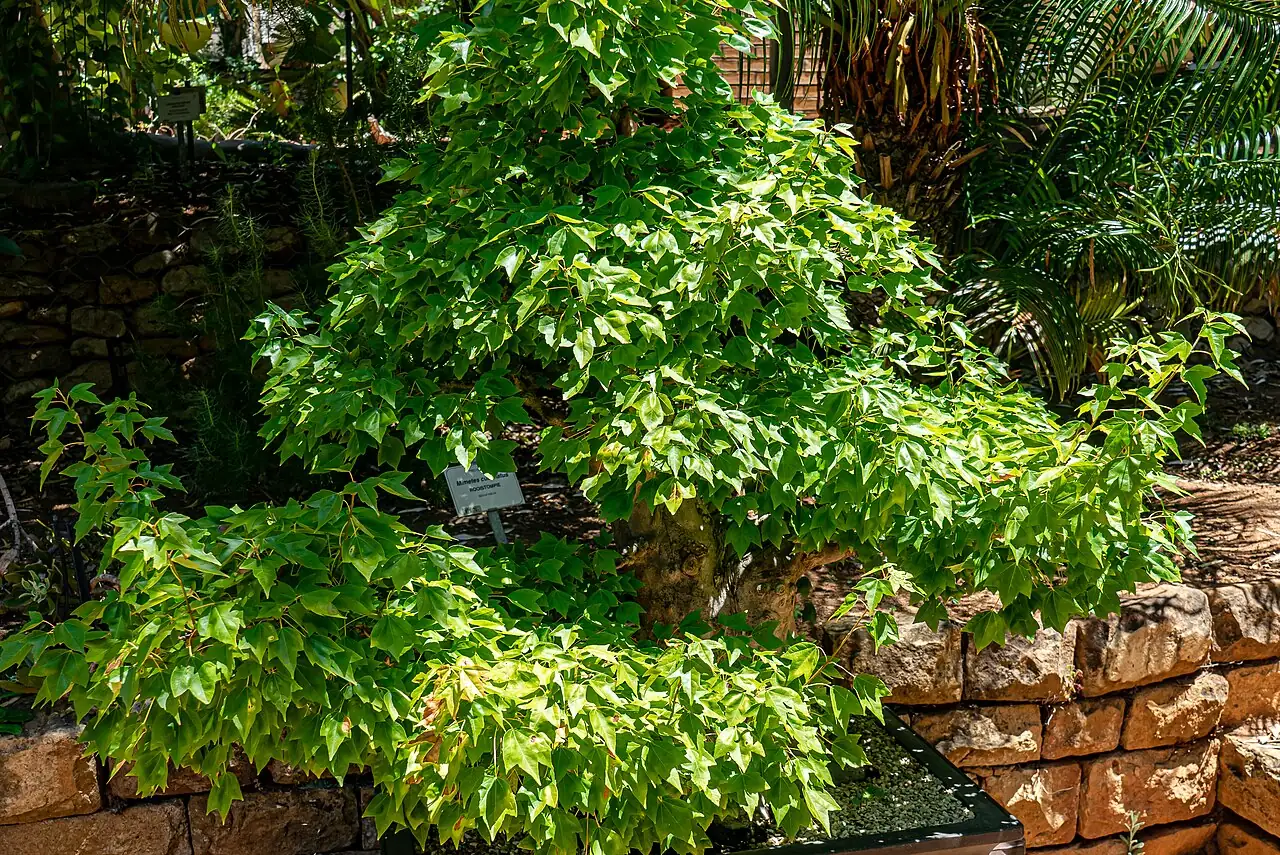
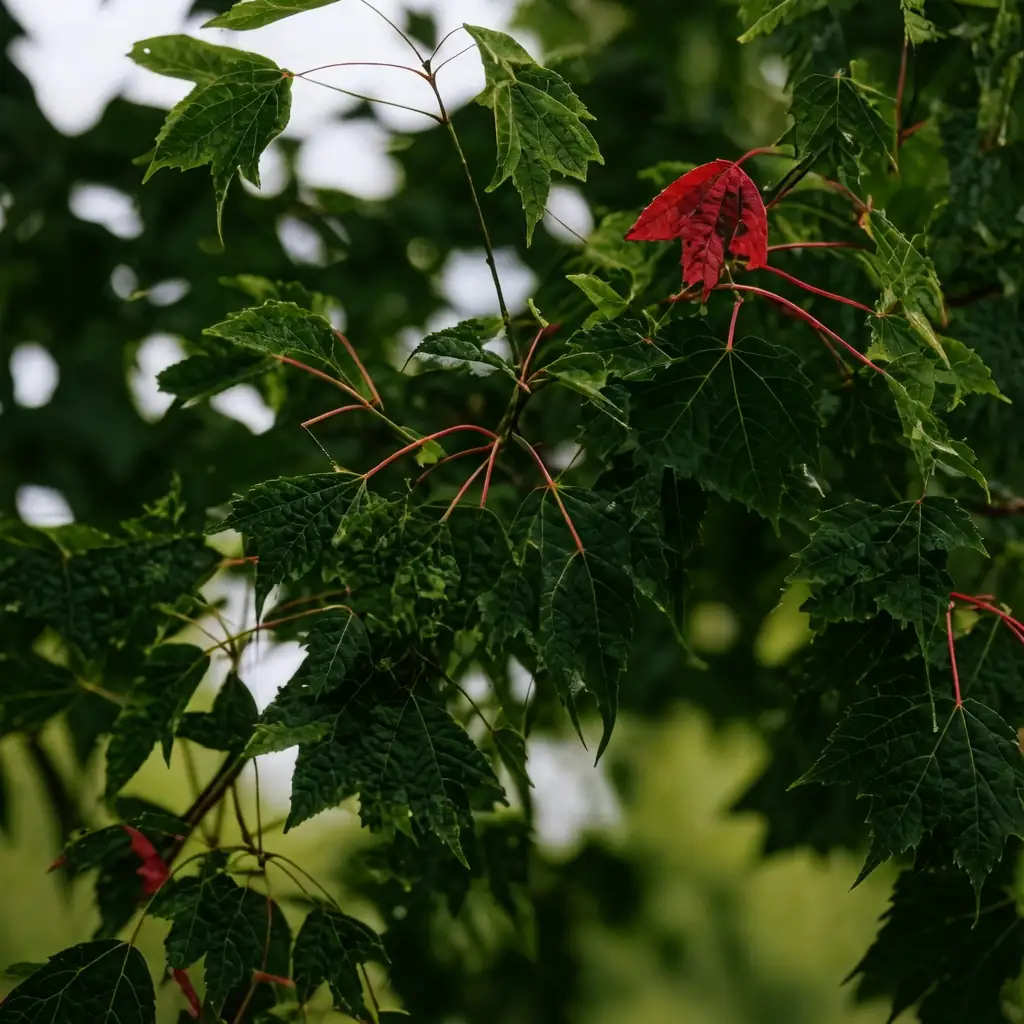
- Foliage: Leaves are usually 3-lobed (sometimes unlobed) with three main veins radiating from the base. Lobes are triangular with short, tapering tips; margins are mostly smooth (entire) to slightly irregularly toothed. The upper surface is dark green, while the underside is paler with a bluish to powdery-green cast.
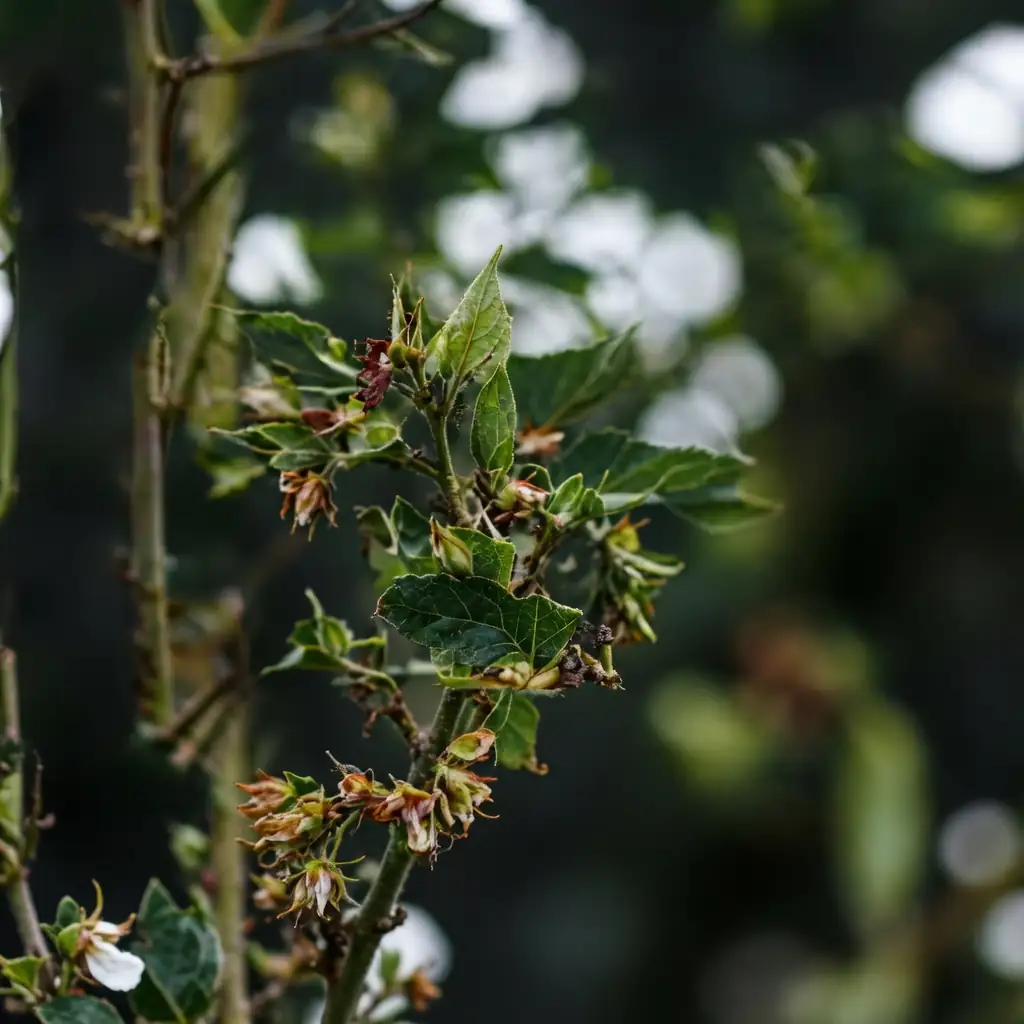
- Flower: Small, inconspicuous flowers borne in terminal corymbs; lightly hairy.
- Flowering Season: April (spring)
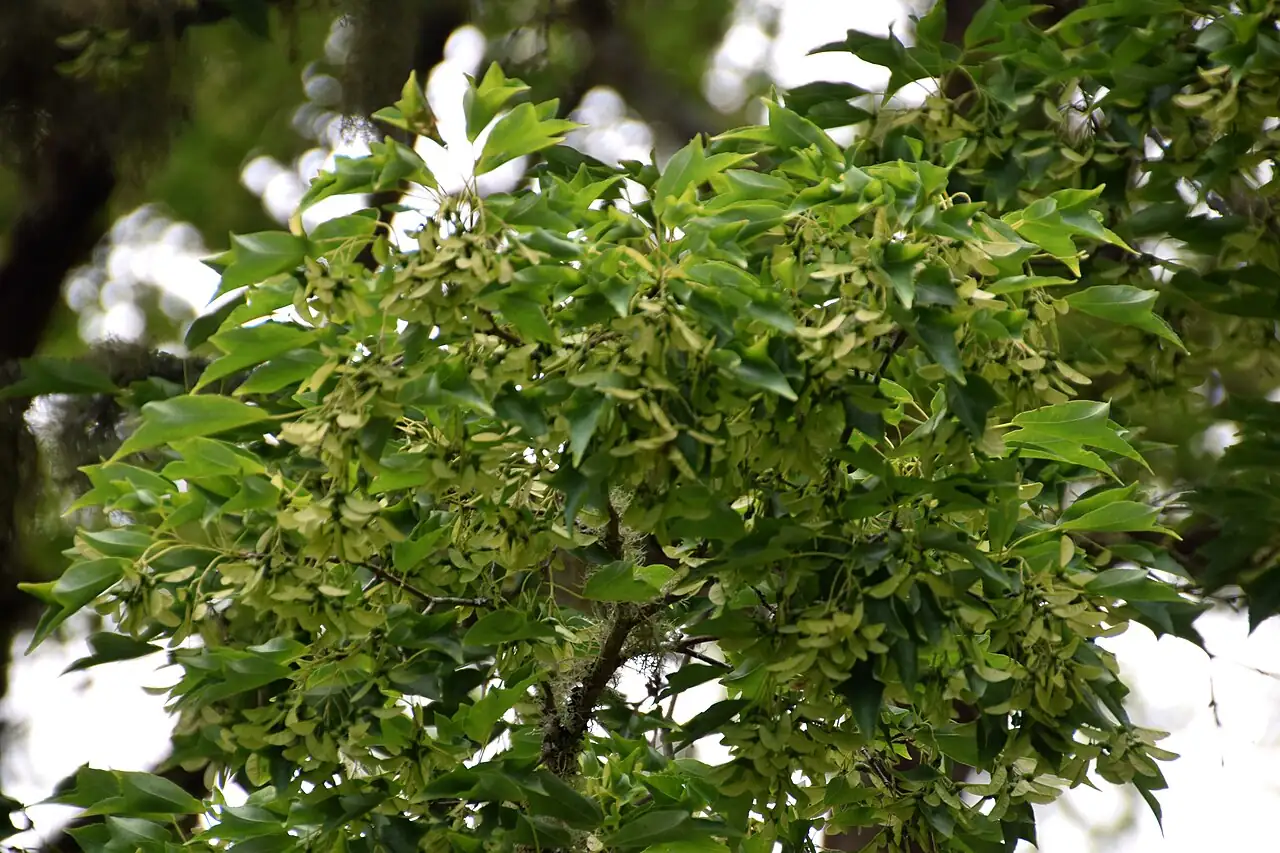
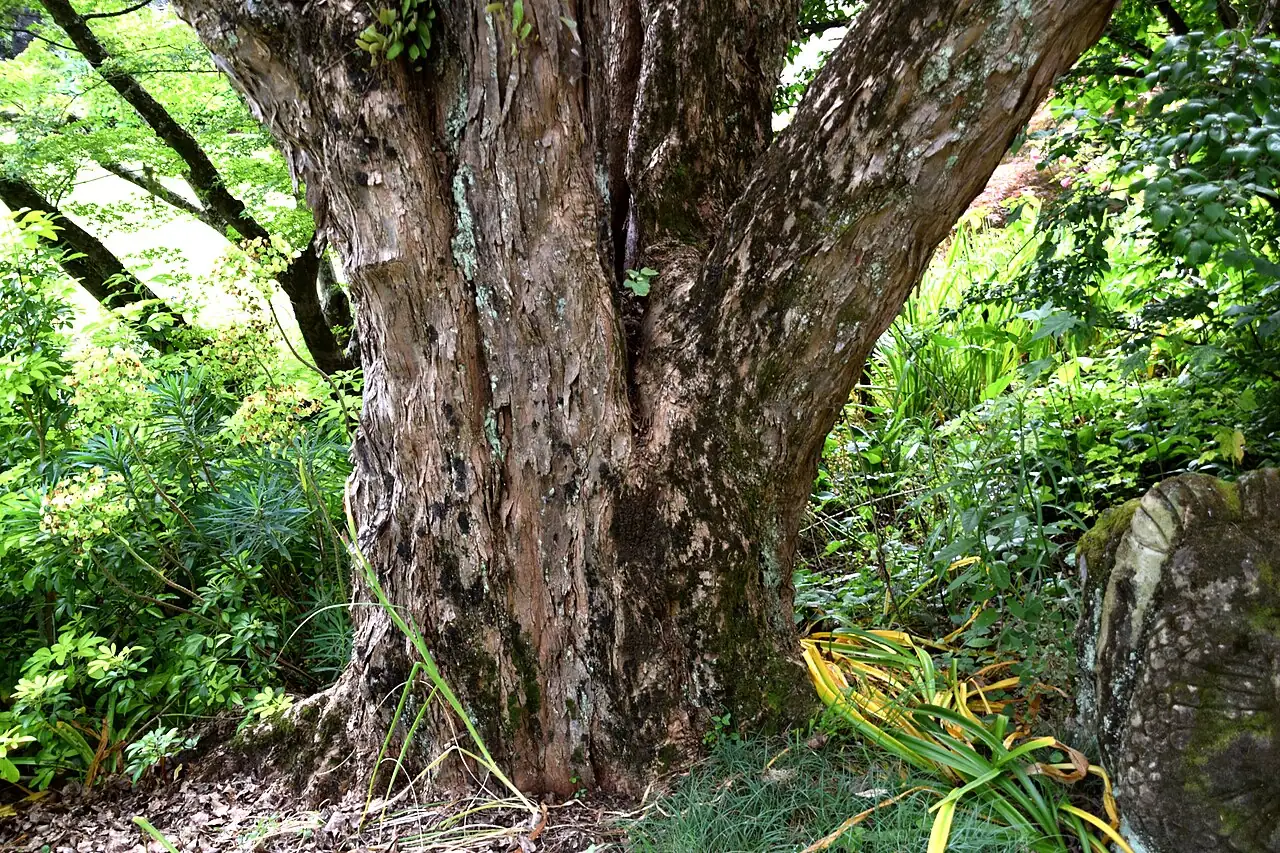
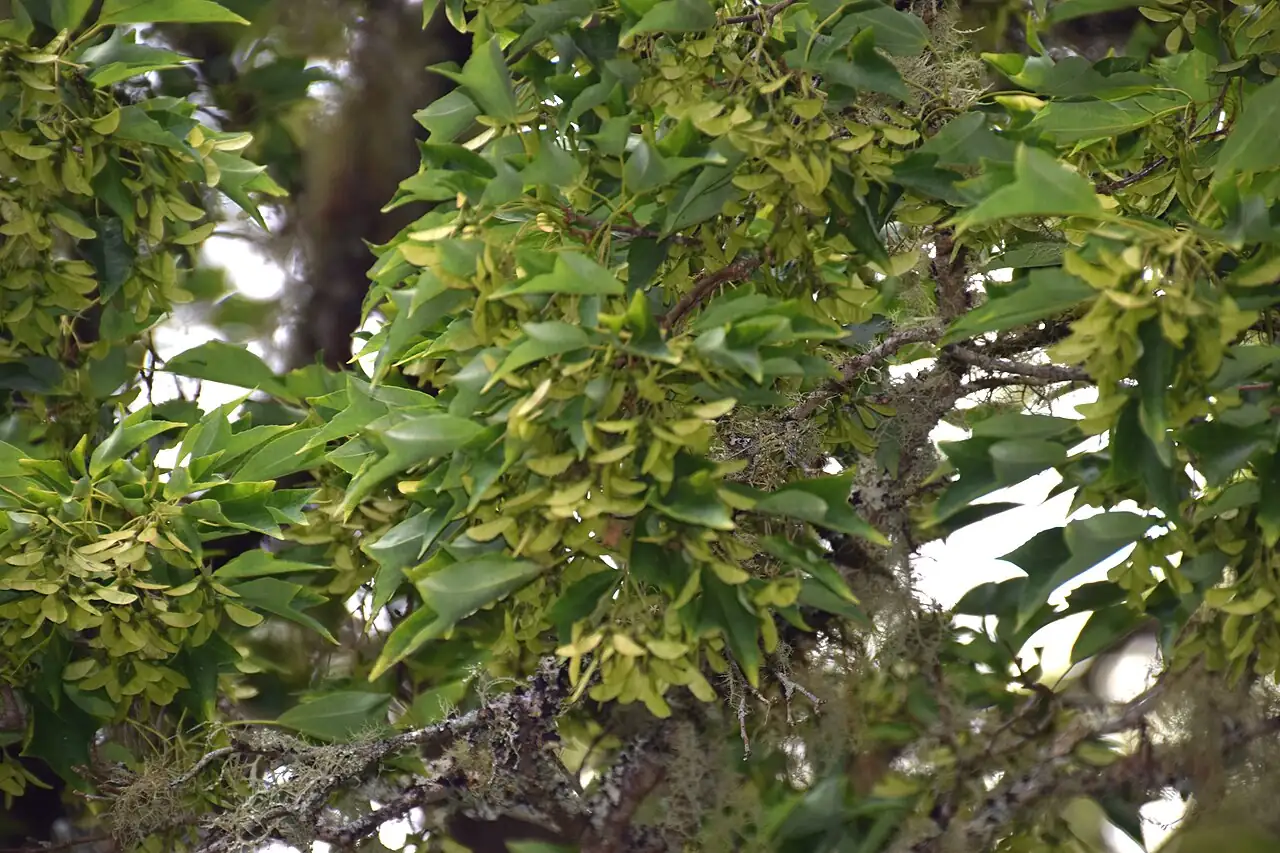
- Growth Habit: A deciduous tree with dense branching and a tidy, well-shaped crown. Bark is gray-brown and can exfoliate in long strips. Fruits are yellow-brown winged samaras.
Environment
Sunlight
Full sun to light shade; full sun generally gives the best color and denser growth.
Temperature
Prefers a warm, humid climate but is reliably cold-hardy once established. Typical growth range about 10–30°C (50–86°F); can tolerate winter lows around -20°C (-4°F) in suitable conditions.
Humidity
Moderate to high humidity is ideal, though established trees adapt well to average garden humidity.
Soil
Grows best in fertile, well-drained loam. It tolerates a range of soils and can handle occasional wetness, but avoid long-term waterlogging and persistently soggy conditions.
Placement
Outdoors in gardens, parks, and streetscapes; also excellent for containers and bonsai—keep in a bright, airy position.
Hardiness
USDA Zone 5–9 (approx.).
Care Guide
Difficulty
Easy to moderate. Very adaptable overall, but it looks its best with good light, consistent moisture during establishment, and well-drained soil.
Buying Guide
Pick a plant with a healthy structure: a straight trunk for landscape trees (or strong surface roots/nebari for bonsai), evenly spaced branches, and plump, healthy buds. Avoid signs of dieback, trunk wounds, girdling roots, or a potting mix that smells sour (often a red flag for poor drainage). In containers, the rootball should feel firm and well-established, not loose or waterlogged.
Watering
Water deeply after planting and keep evenly moist through the first growing season. Once established, water during dry spells. In containers, allow the top few centimeters of soil to dry slightly between waterings, then water thoroughly. Avoid constantly soggy soil.
Fertilization
In the ground, use a balanced slow-release fertilizer in spring if growth is weak. For containers/bonsai, feed lightly during active growth (spring to mid-summer) with a balanced fertilizer; reduce or stop feeding from late summer into autumn to help the tree harden off.
Pruning
Do structural pruning in late winter to early spring before strong sap flow. Use light summer pruning for shaping and to keep the canopy open—remove crossing, weak, or crowded shoots. For bonsai, regular pinching and selective pruning help refine branching and can reduce leaf size over time.
Propagation
Propagate by seed (fresh seed is best; typically benefits from cold stratification). It can also be propagated by cuttings or layering. Named cultivars are commonly grafted to preserve their traits.
Repotting
For container plants/bonsai, repot in early spring as buds swell: every 2–3 years for younger trees and about every 3–5 years for older specimens. Trim roots moderately and use a free-draining mix.
📅 Seasonal Care Calendar
Spring: repot container plants, begin feeding, watch tender new growth. Summer: water during heat, pinch/prune lightly for shape, monitor pests. Autumn: enjoy fall color, reduce fertilizer, collect seed if desired. Winter: do structural pruning; protect container roots from severe freezes.
Pests, Diseases & Safety
Common Pests & Diseases
Can be bothered by aphids, scale insects, mites, and caterpillars. Leaf spots and powdery mildew may appear in humid, still conditions. Improve airflow, avoid late-day overhead watering, and treat early with horticultural soap or oil when appropriate.
Toxicity
Not commonly listed as toxic to people. As with most ornamentals, it’s best to discourage pets from chewing leaves or twigs; seek veterinary advice if ingestion leads to symptoms.
Culture & Symbolism
Symbolism: Often linked with elegance, resilience, and the beauty of seasonal change—qualities that also make it beloved in bonsai.
History & Legends: Long cultivated in China and widely embraced in East Asian-style gardens and bonsai traditions, prized for manageable leaf size, attractive branching, and characterful peeling bark.
Uses: Widely grown as an ornamental for parks, gardens, and street planting; also a standout bonsai species thanks to its tidy habit and excellent response to pruning and training.
FAQ
When does it flower?
Typically in April (spring).
When does it set fruit?
The winged seeds (samaras) usually mature around August (late summer).
How tall does trident maple grow?
Most commonly 5–10 m (16–33 ft), but it can occasionally reach about 20 m (66 ft).
What family and genus is it in?
It’s a maple in genus Acer, within the family Sapindaceae.
Where is it native to?
China—especially widespread in the Yangtze River basin—typically in broadleaf forest habitats.
What is it mainly used for?
Ornamental landscape planting (parks, gardens, streetscapes) and bonsai.
Fun Facts
- On older trunks, the bark can peel away in long strips, giving the tree a naturally weathered, textured look.
- Its classic three-lobed leaves create a triangular outline—this is the “trident” feature behind its common name.
- Even though the flowers are modest, the overall form, branching, and foliage make it a standout ornamental tree.
- Like many maples, it makes “helicopter” seeds (samaras) that turn yellow-brown as they mature.
- It’s a China-native maple that has become a worldwide favorite, especially among bonsai growers.


