Plant Features
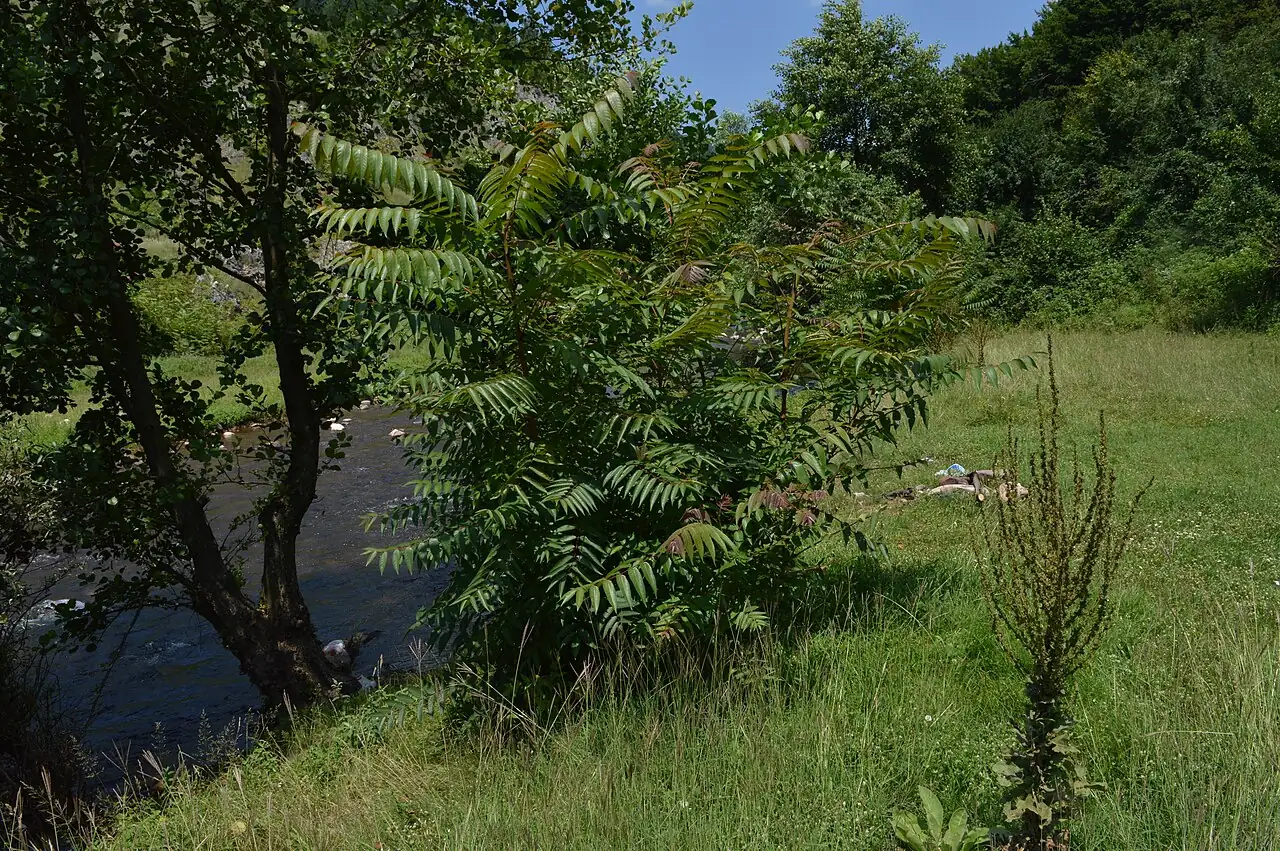
- Size: Up to about 30 m (98 ft) tall; typically forms a broad, open, often flat-topped crown.
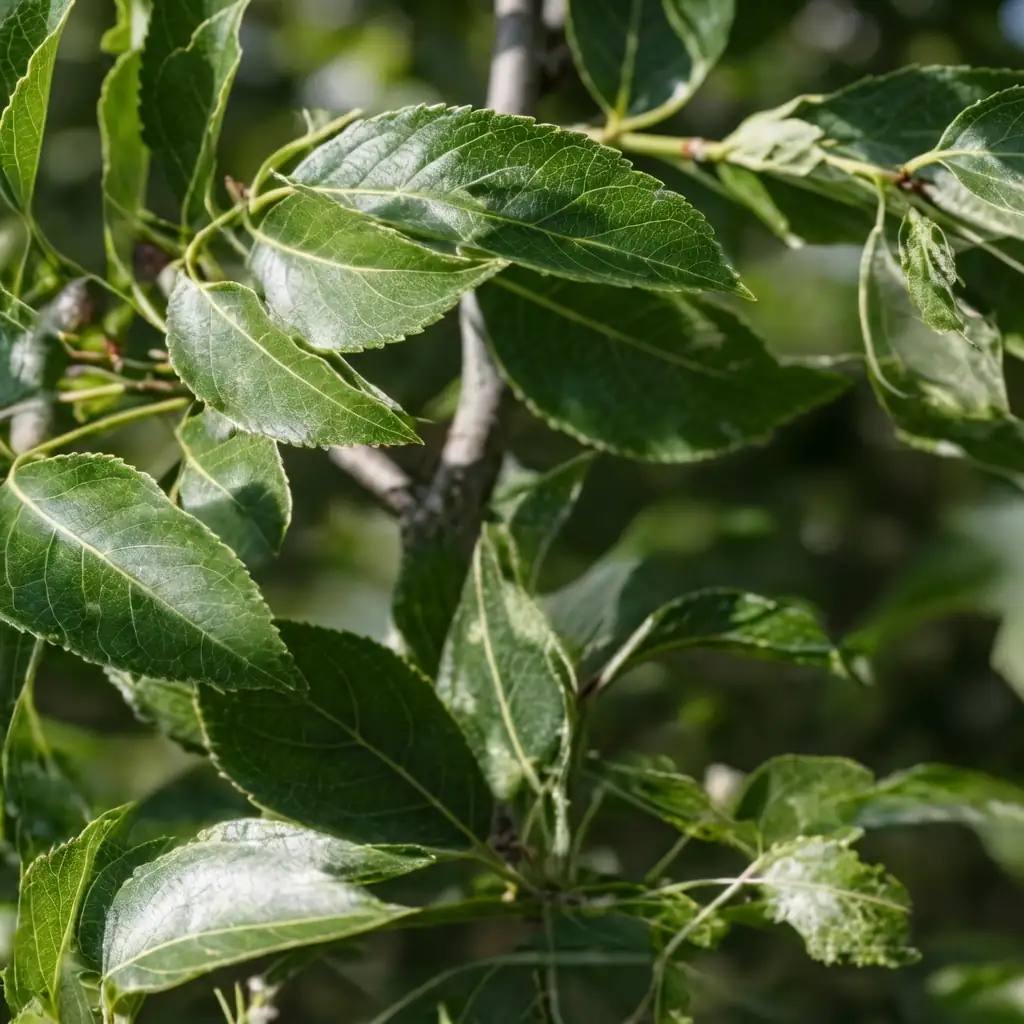
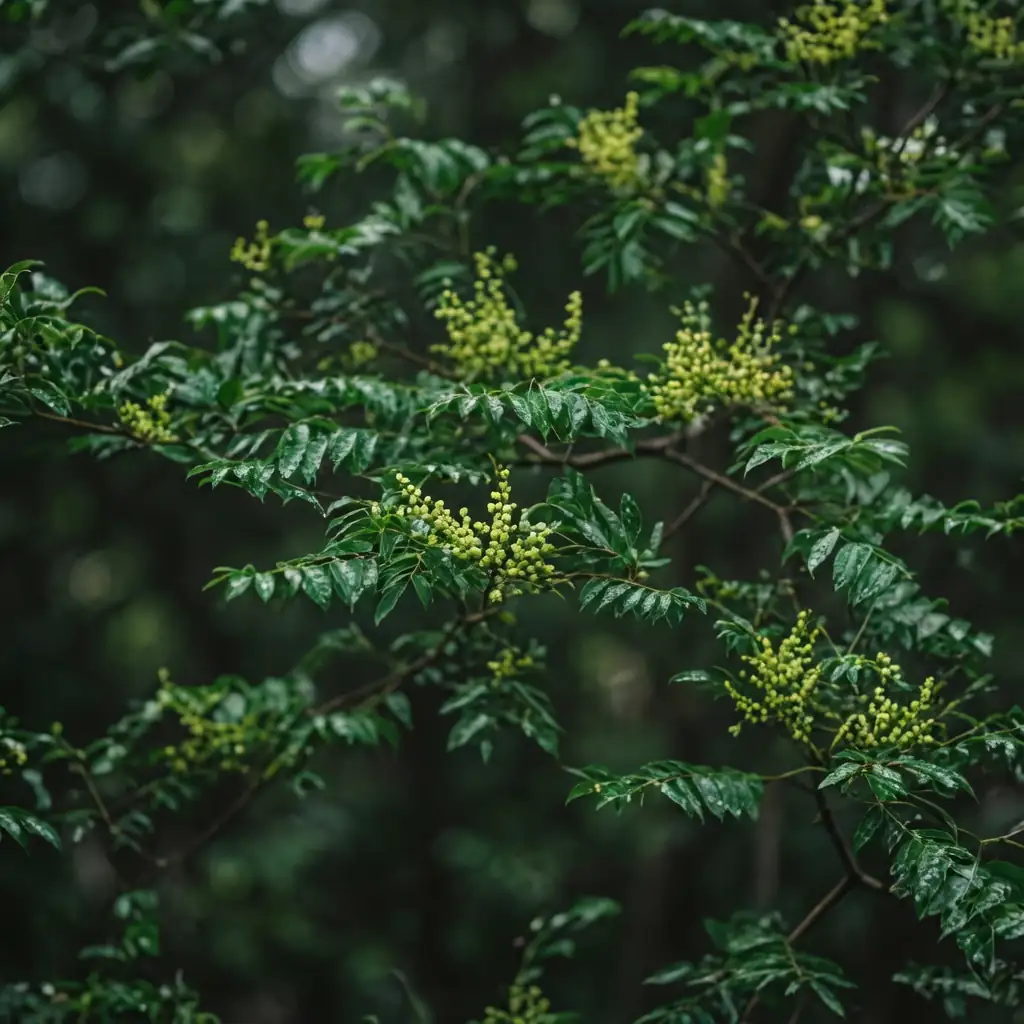
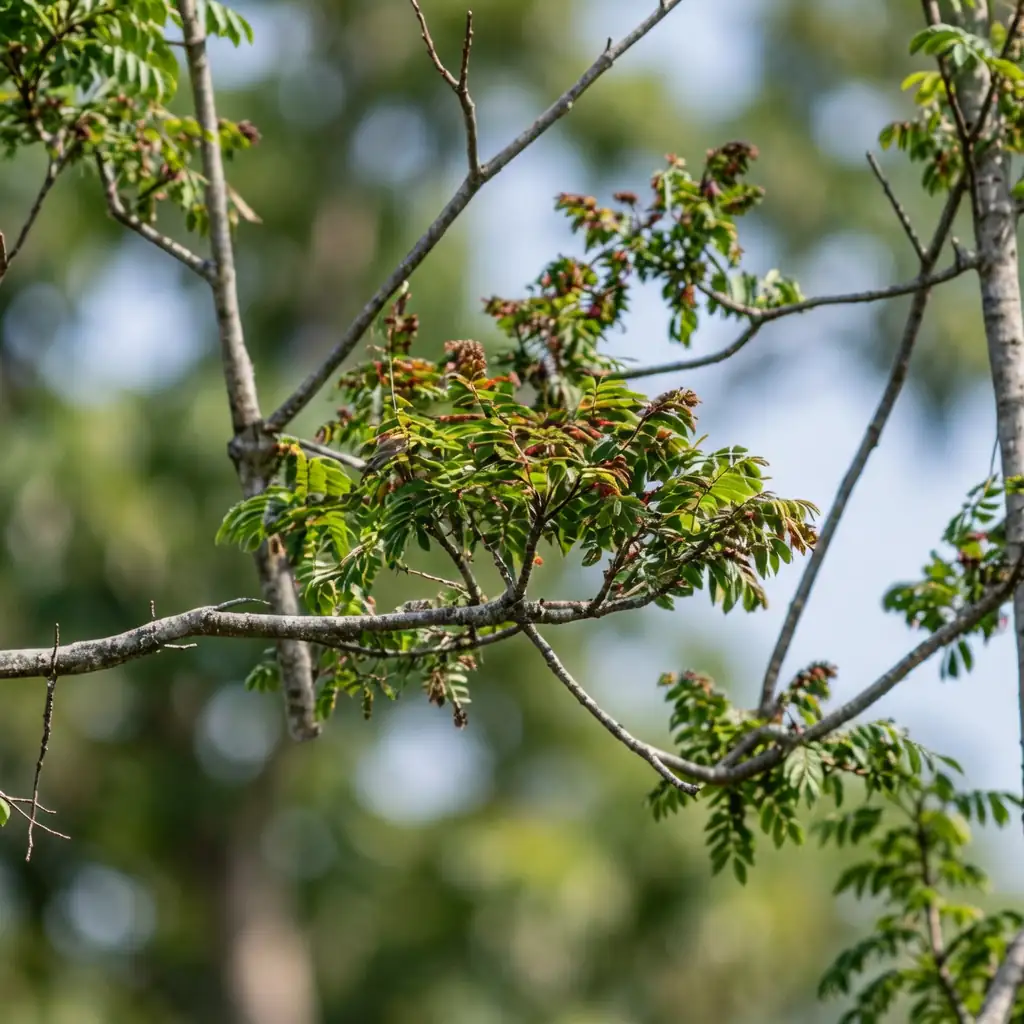
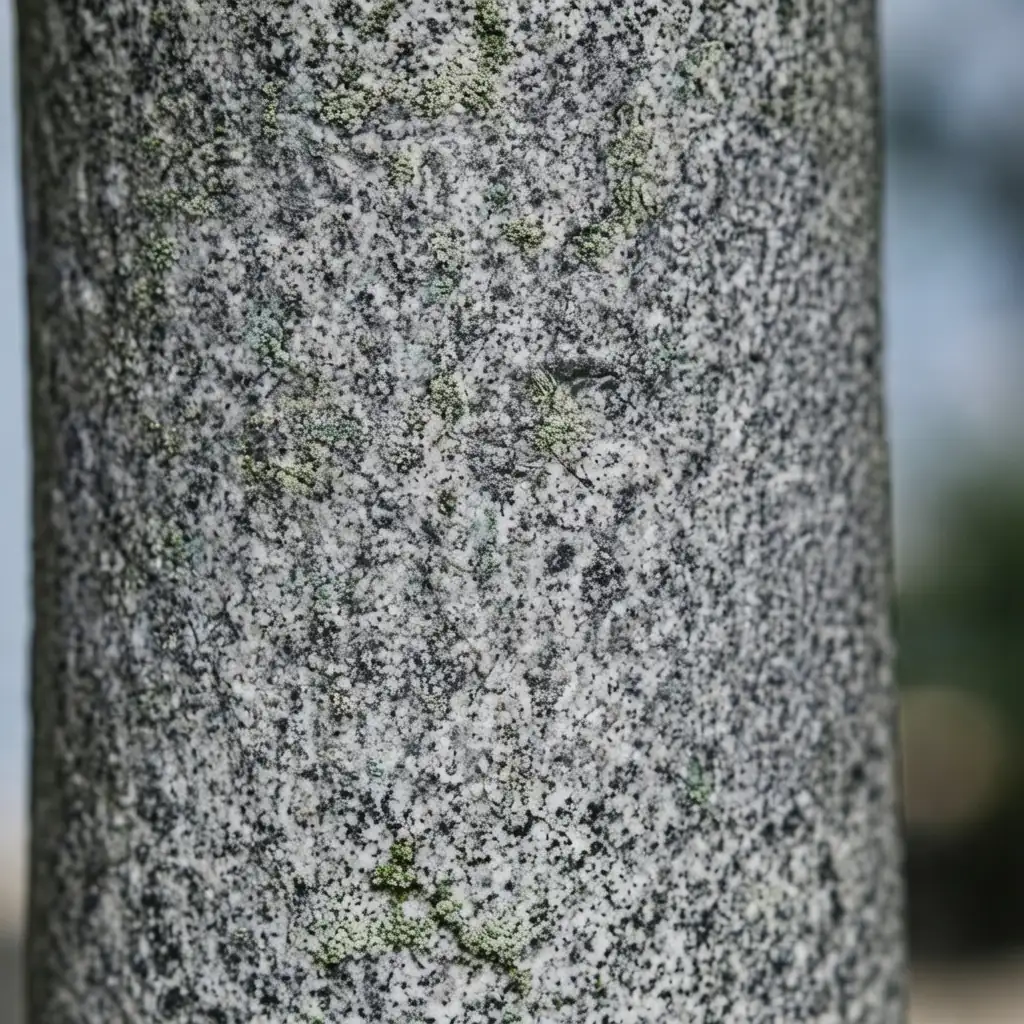
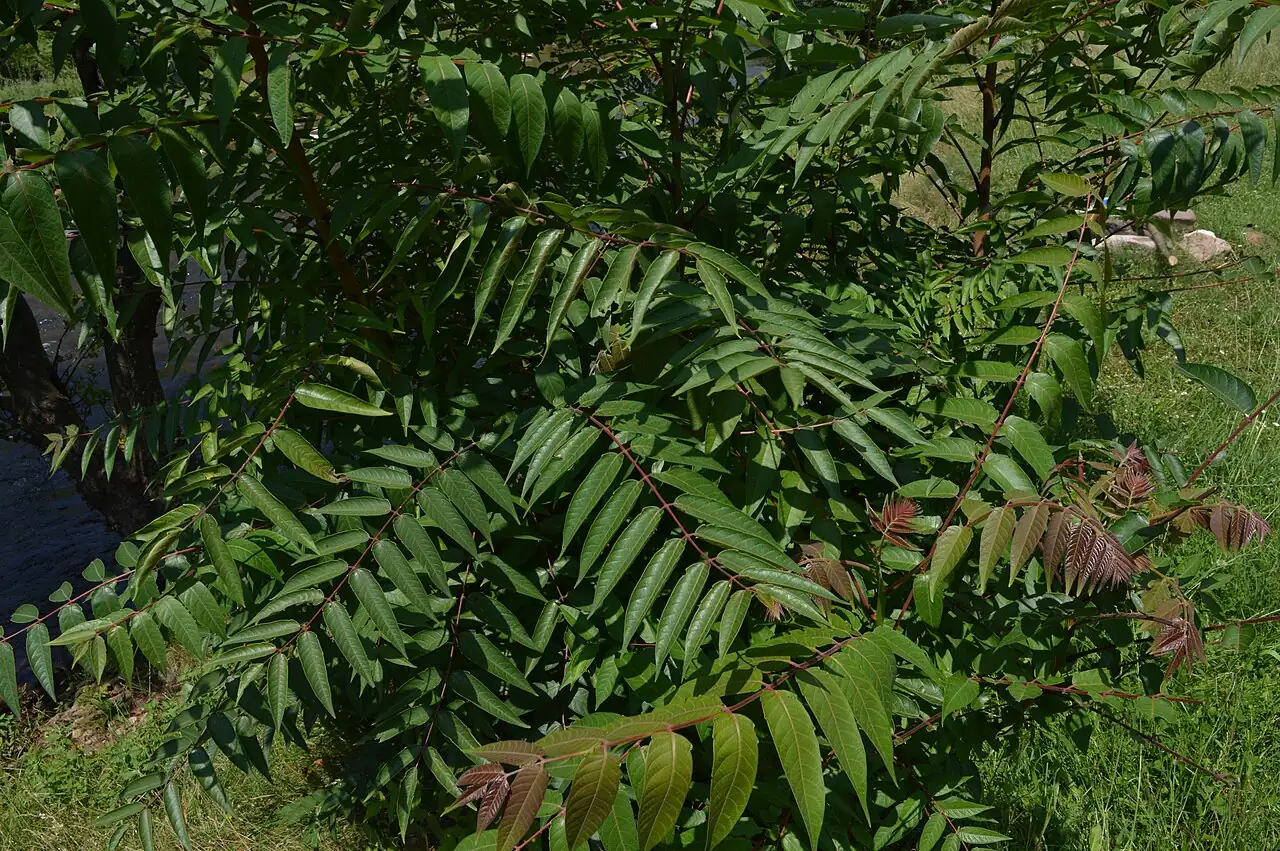
- Foliage: Large, odd-pinnate compound leaves with about 13–25 leaflets. Leaflets are ovate-lanceolate and usually have a pair of coarse teeth near the base; small glandular dots at the tooth tips can release a noticeable odor when crushed. Bark is gray and rough, often not deeply fissured on many trees.
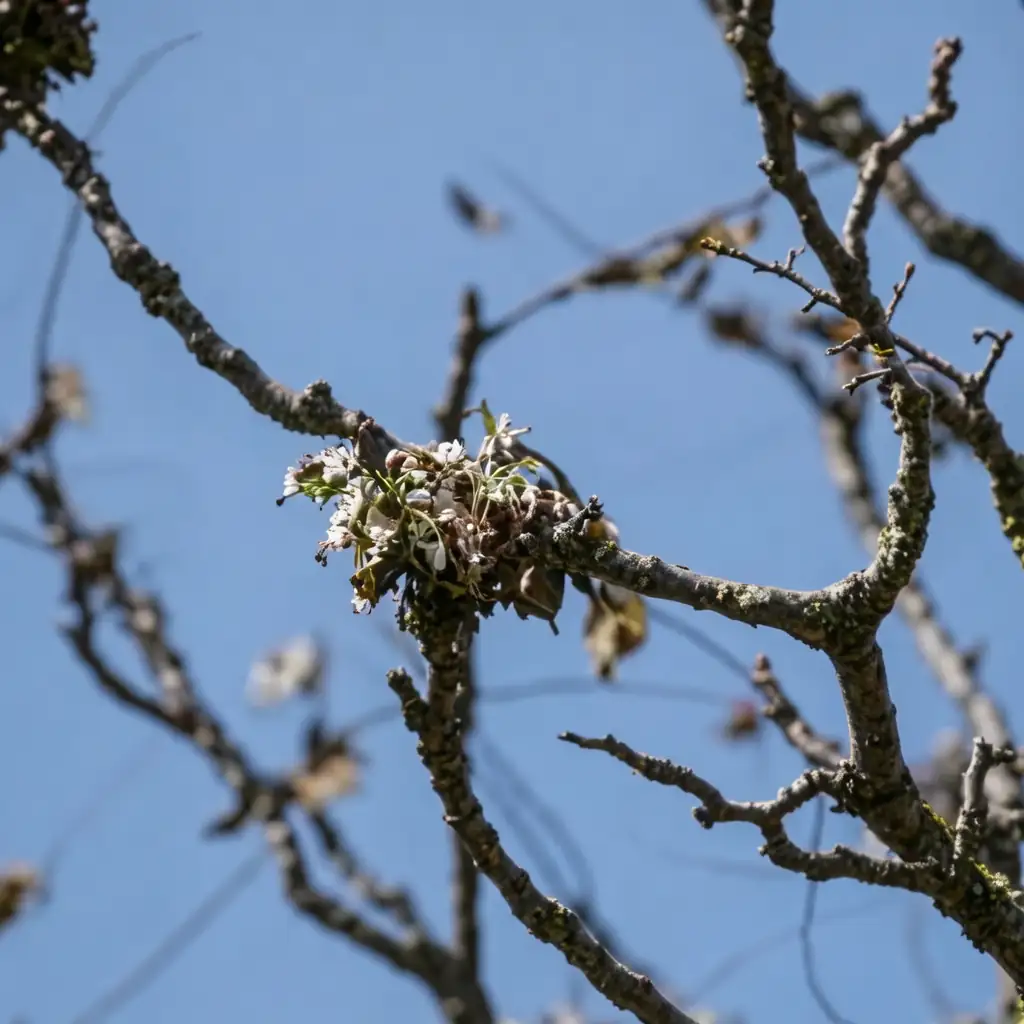
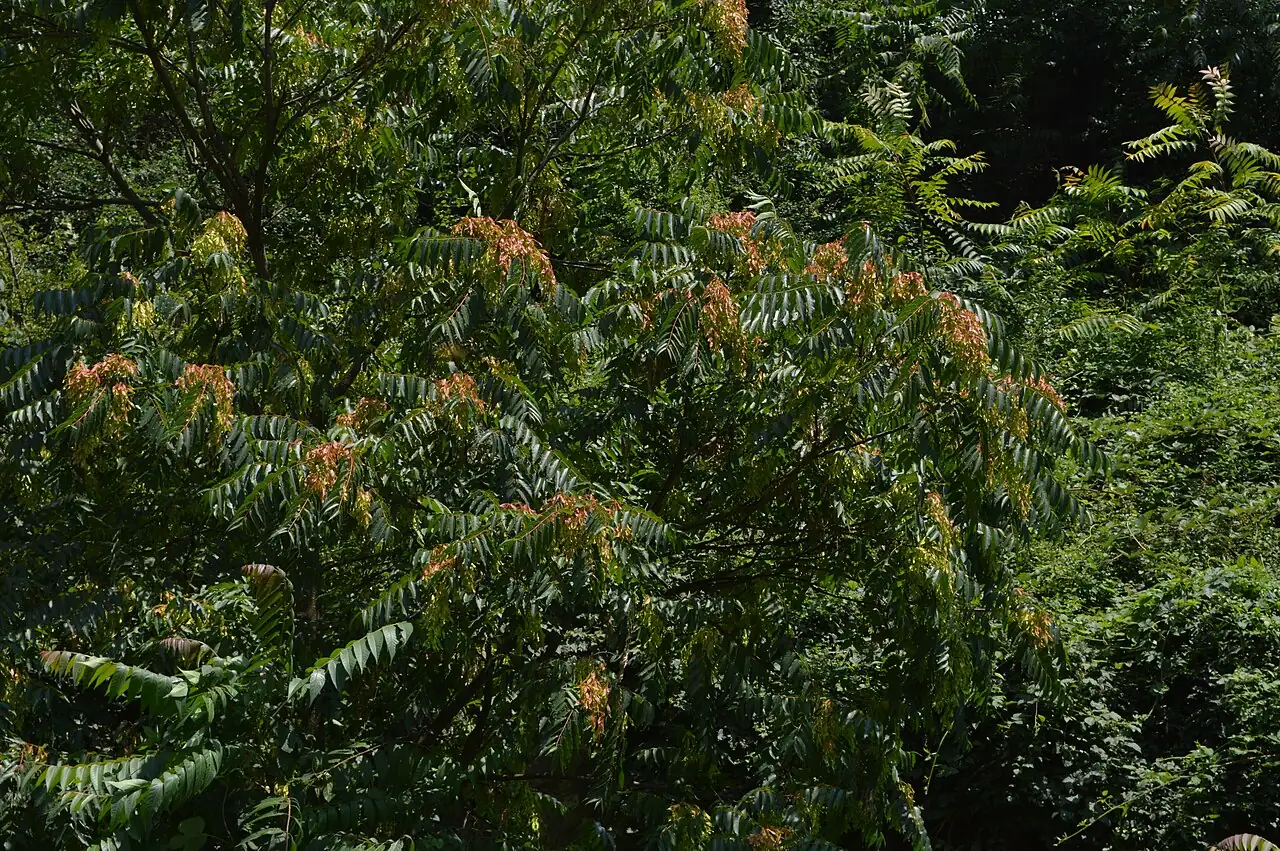
- Flower: Small greenish to yellowish flowers appear in large clusters. After flowering, the tree produces abundant winged seeds (samaras) that mature tan to reddish-brown and can be quite showy later in the season.
- Flowering Season: April–May (spring) (approx. 4–5)
- Growth Habit: Fast-growing deciduous tree with an open crown. Strongly suckering from roots and often forming thickets or colonies; deep-rooted and notably tolerant of wind, dust, and urban air pollution.
Environment
Sunlight
Full sun; tolerates light shade but grows best with strong light.
Temperature
Adapted to cool, dry climates and winter cold; best growth around 15–30°C (59–86°F). Established trees are cold-hardy well below freezing.
Humidity
Flexible: can grow in relatively moist open woodland settings, but once established it tolerates dry air and drought.
Soil
Highly adaptable; tolerates poor, stony soils (including limestone) and alkaline/saline conditions. Needs good drainage and performs poorly in waterlogged soil.
Placement
Outdoors only, best for large spaces (shade tree or tough street sites) where spread can be managed. Avoid planting near foundations, paving, or small garden beds due to vigorous roots and suckering.
Hardiness
Commonly grown in USDA Zone 4–8 (approx. -34 to -7°C / -29 to 19°F), sometimes beyond depending on local conditions.
Care Guide
Difficulty
Easy to grow, hard to control: low-maintenance and very tolerant once established, but can spread aggressively via root suckers and abundant seed.
Buying Guide
Choose plants only where permitted and appropriate. Look for nursery stock with a single straight leader and no obvious basal suckers. Avoid planting where it is listed as invasive or discouraged by local guidance.
Watering
Water regularly during establishment (first 1–2 growing seasons). Once established, water only during prolonged drought. Avoid consistently wet or poorly drained ground.
Fertilization
Usually unnecessary in average soils. If growth is weak, apply a light balanced fertilizer in spring; avoid heavy/high-nitrogen feeding that can push weak, overly vigorous growth.
Pruning
Prune in late winter to early spring to remove dead/crossing branches and maintain structure and clearance. Remove root suckers promptly to help limit spread.
Propagation
Spreads readily by seed and (especially) by root suckers; suckering can be strong enough to create colonies.
Repotting
Not typically suitable as a long-term container plant due to size and vigorous roots. If grown young in a pot, shift to a larger container as needed using a free-draining mix.
📅 Seasonal Care Calendar
Flowering: April–May (spring) (approx. 4–5). Seed/fruit display: August–October (late summer to fall) (approx. 8–10). Spring flush may be reddish; samaras can show red to yellow tones in autumn.
Pests, Diseases & Safety
Common Pests & Diseases
Generally tough and often trouble-free. Depending on region, it may develop occasional wilt, leaf spots, or insect problems; stress from waterlogging or severe drought can increase the chance of decline.
Toxicity
Sap and plant tissues may irritate sensitive skin. Not an edible plant; discourage pets and children from chewing any parts.
Culture & Symbolism
Uses: Often used (and historically planted) as a hardy shade or street tree for difficult sites because it tolerates drought, poor soils, alkaline/saline conditions, and urban pollution. Ornamental interest comes from its large foliage and late-season clusters of winged seeds—though its odor and aggressive spread are major drawbacks in gardens and natural areas.
Fun Facts
- It can sprout in surprisingly harsh places, including cracks in rock and masonry.
- It’s notably tolerant of dust and urban air pollution, which is why it has been used in tough city sites.
- It tolerates alkaline/saline soils but performs poorly in waterlogged ground.
- Crushed leaves (and other tissues) can give off a strong, distinctive smell—one reason for the Chinese name “臭椿”.
- Young spring foliage may appear reddish, and the winged seeds can color from red to yellow tones in autumn.
- It grows quickly, develops deep roots, and spreads strongly by root suckers, sometimes forming thickets.