Plant Features
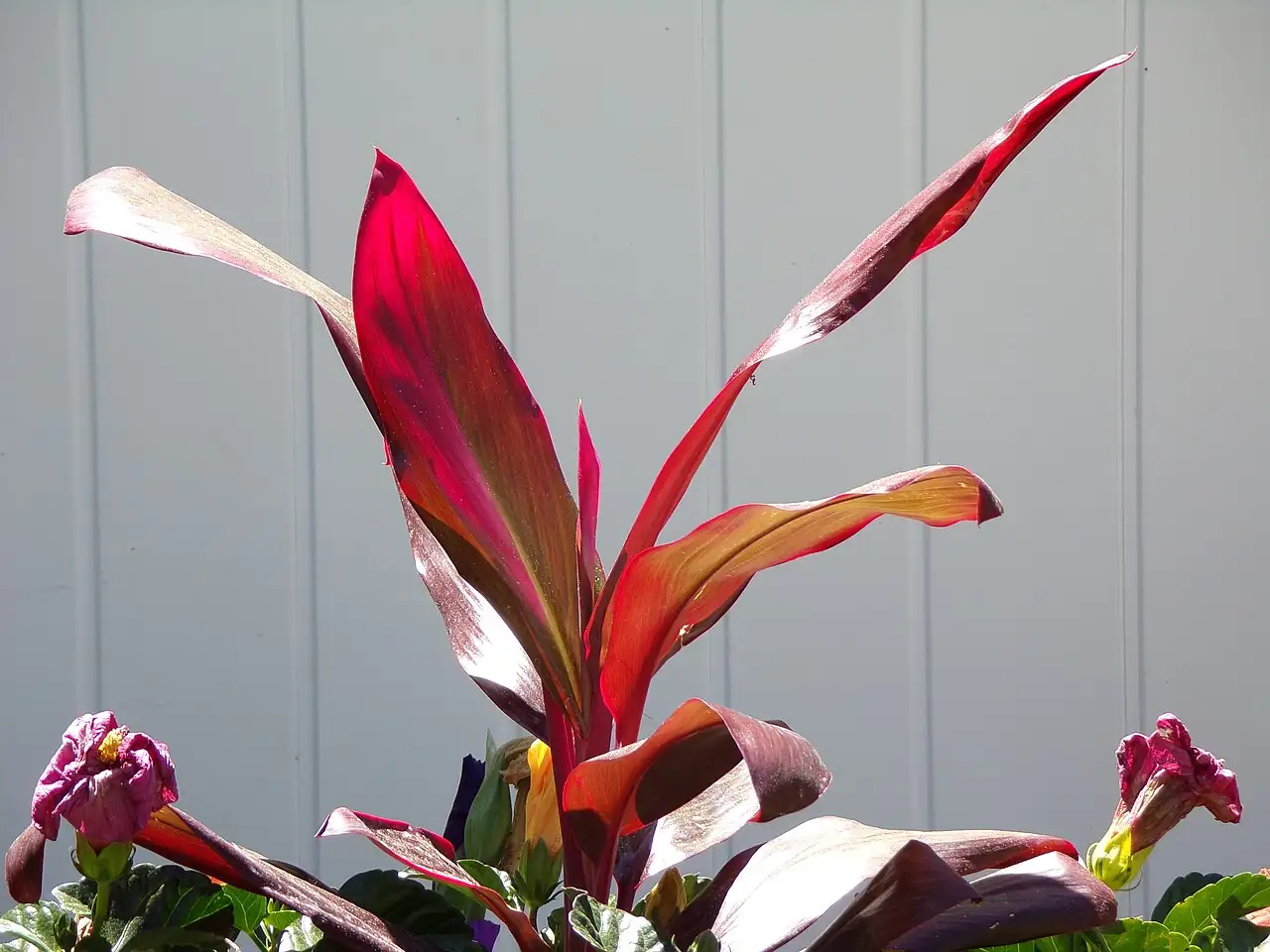
- Size: Indoors typically 40 cm–1.5 m tall (16 in–5 ft), depending on pot size and pruning; an upright, cane-like plant with a leafy crown.
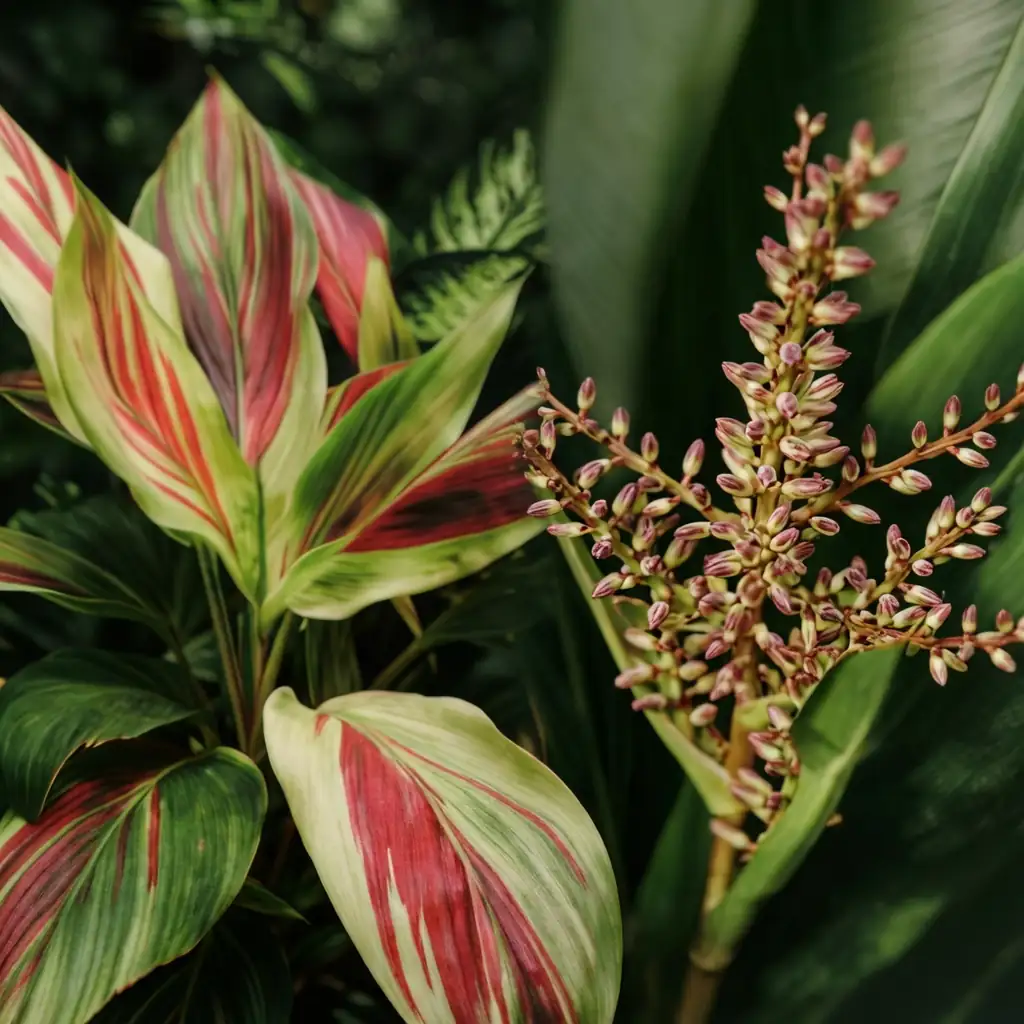
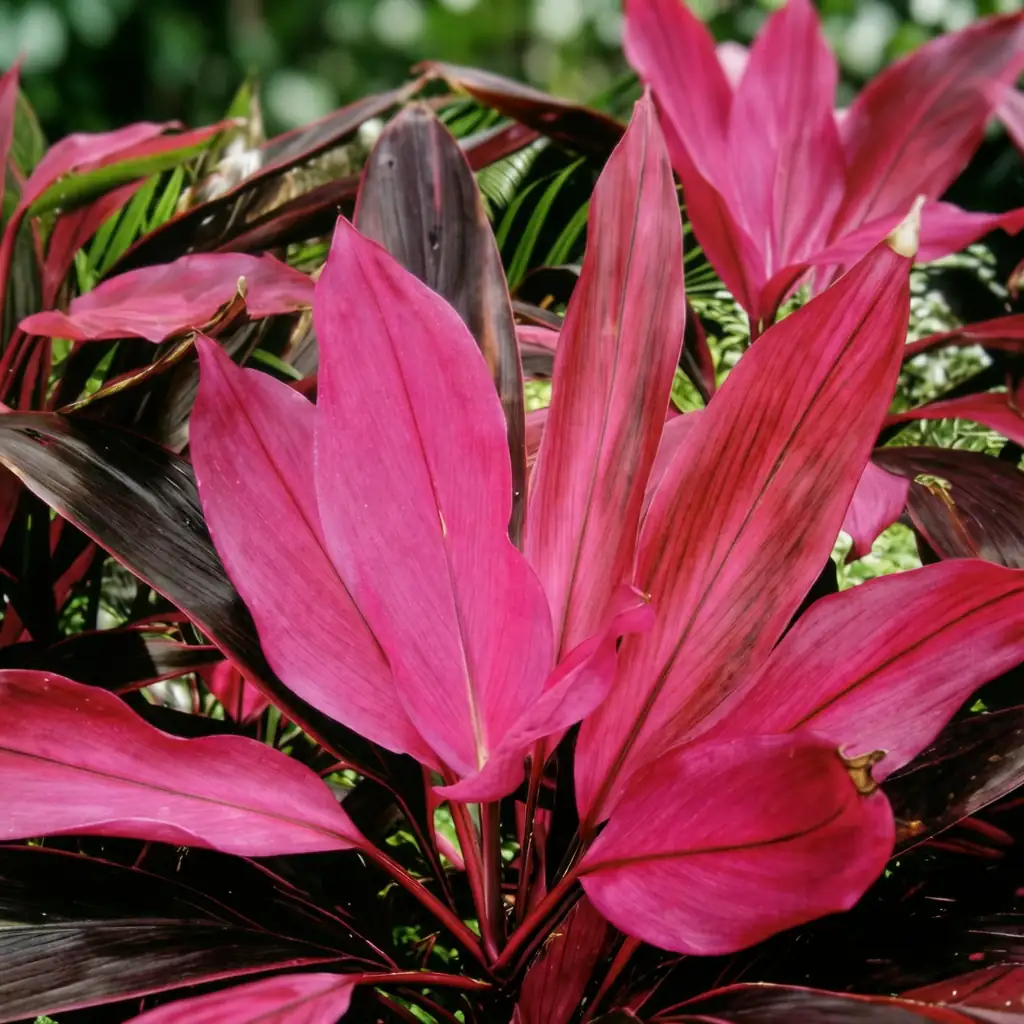
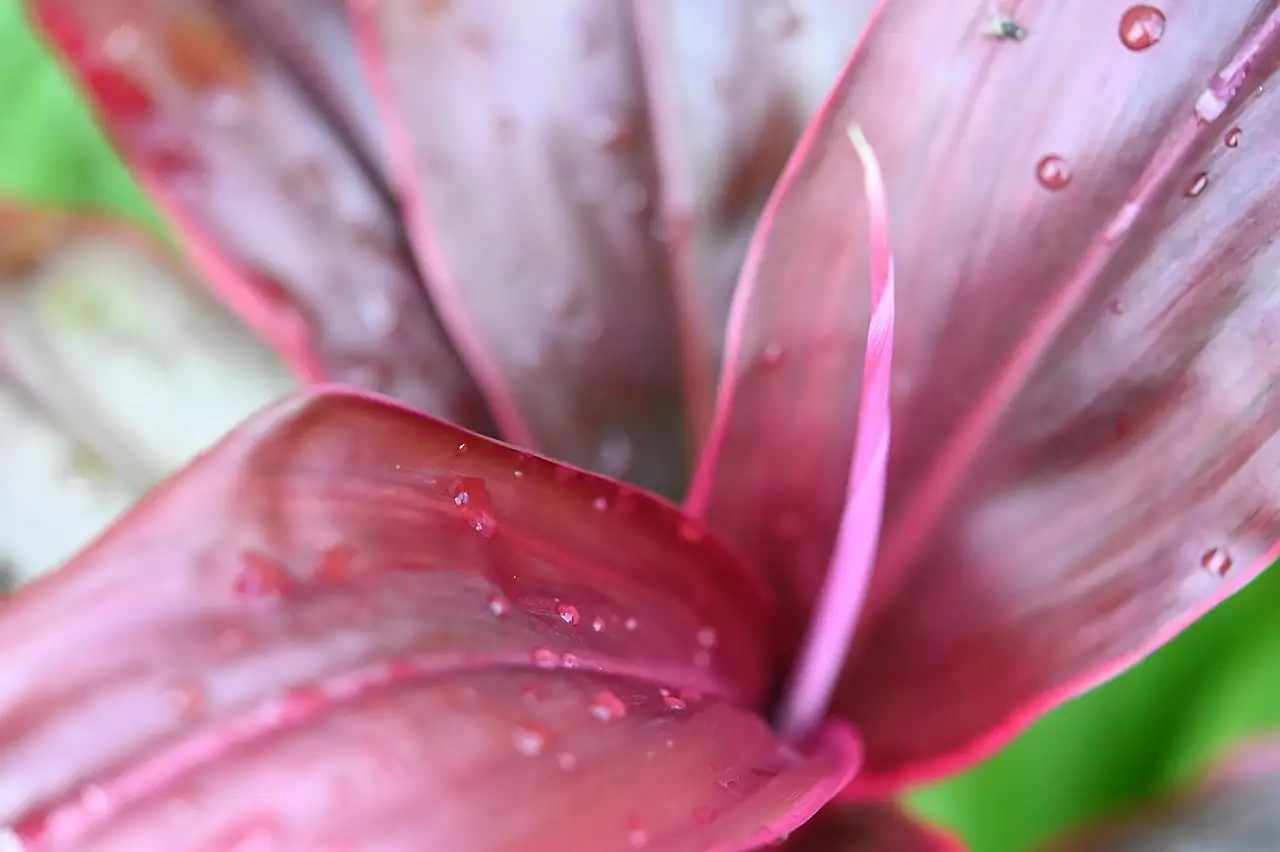
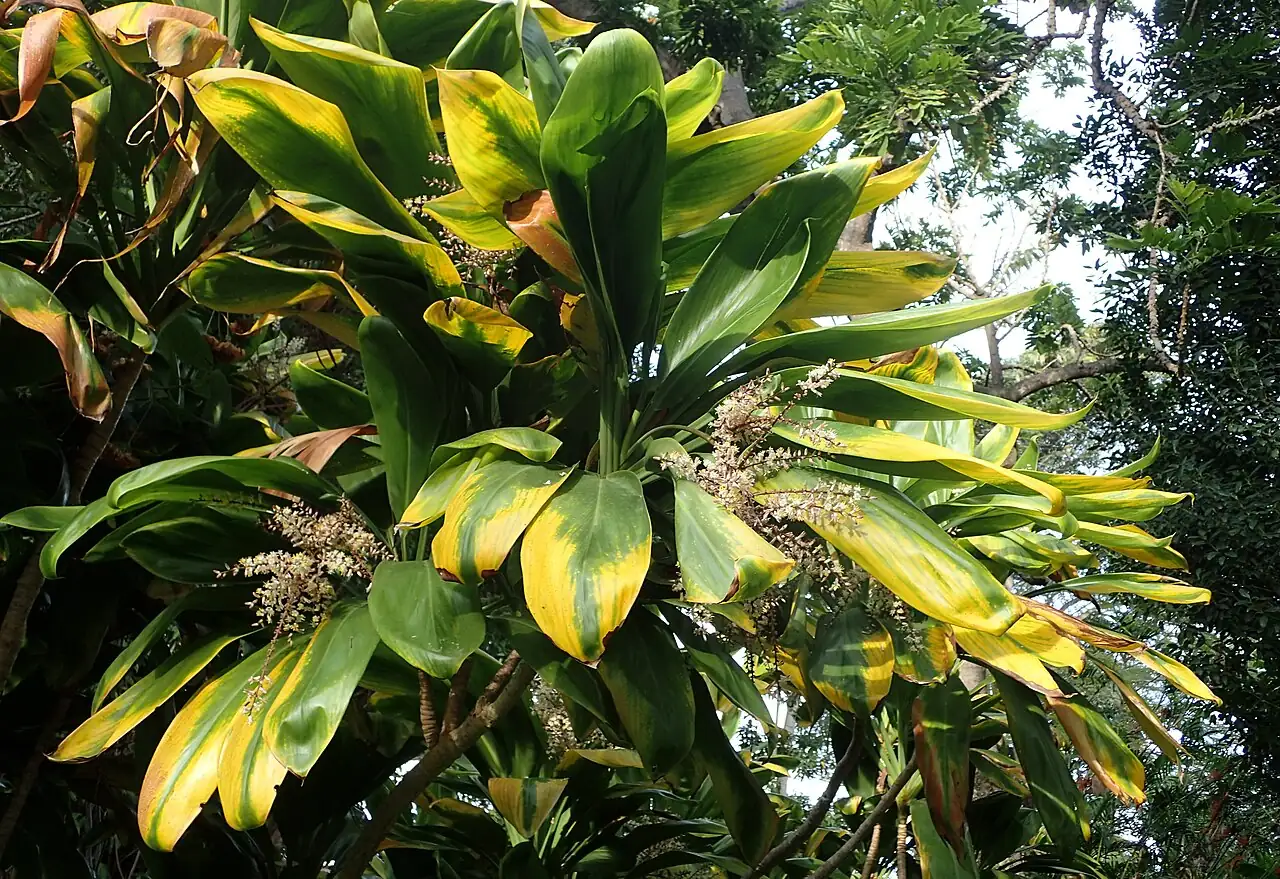
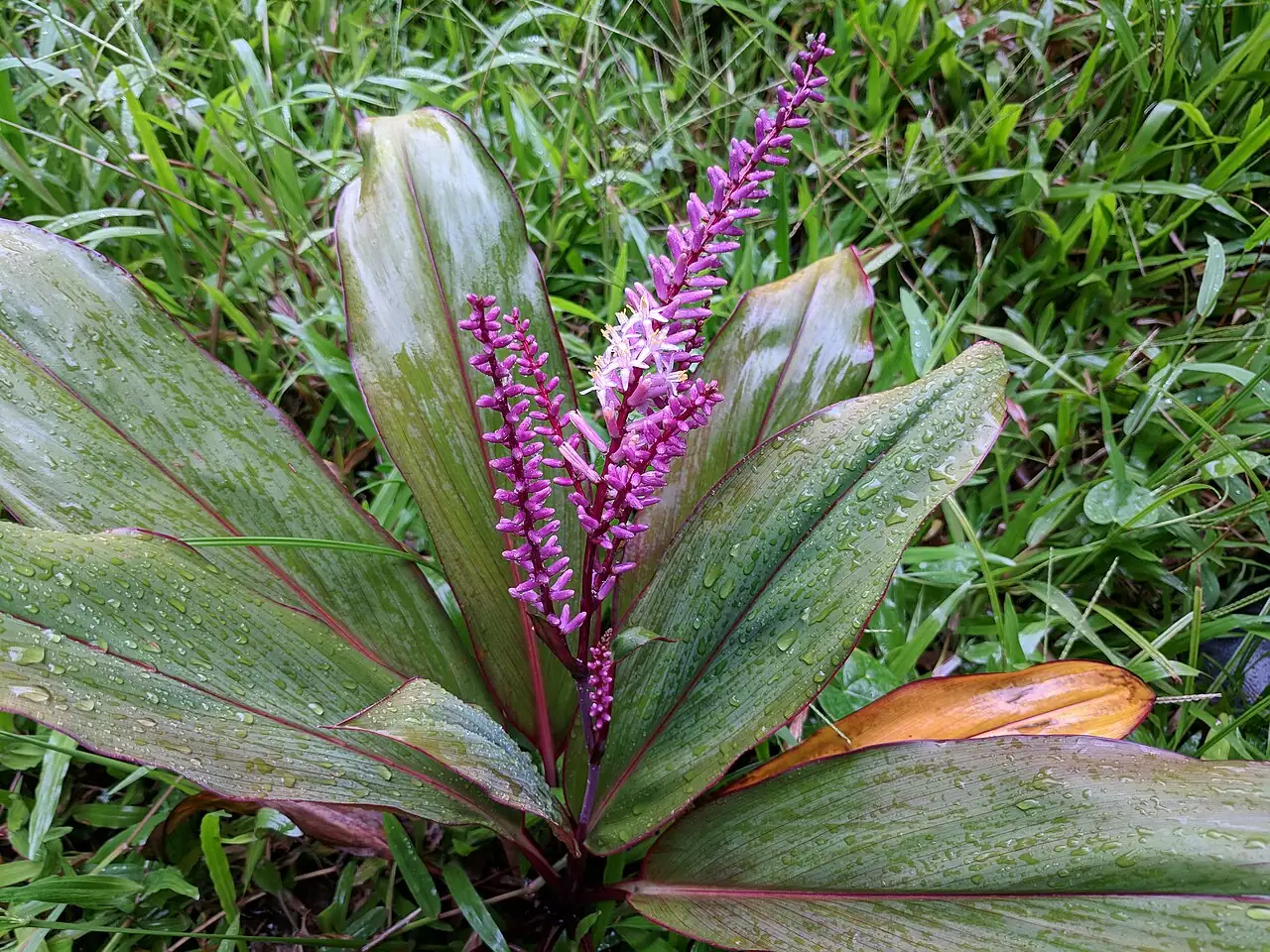
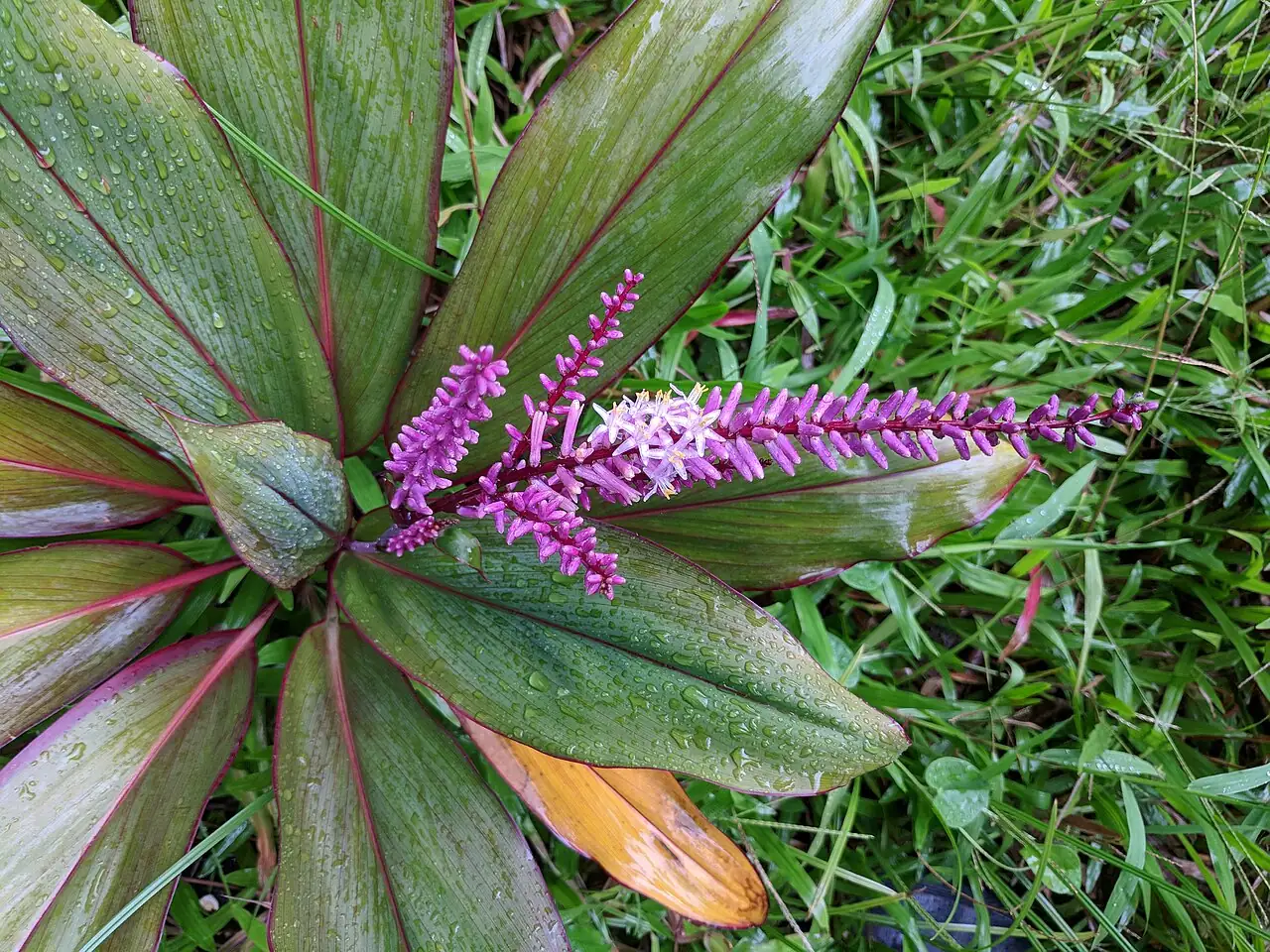
- Foliage: Arching, strap-like leaves held in a rosette at the top of the stems. Color ranges from solid green to deep red, pink, and multicolor variegation. Cold damage shows up quickly—below 5°C (41°F) leaf edges may scorch or rot. Drought stress can trigger leaf drop, and fading color is often linked to being root-bound or growing in old, tired potting mix.
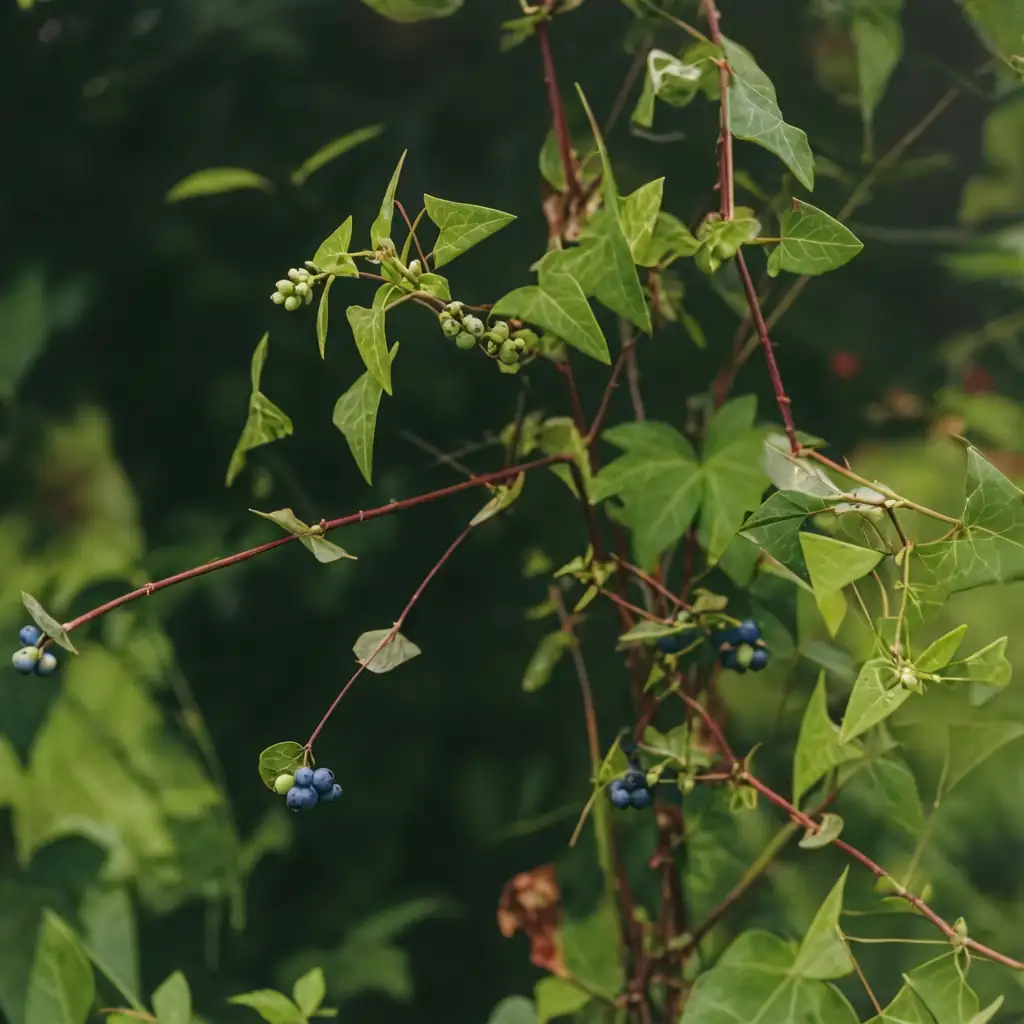
- Flower: May produce small, starry flowers in branched clusters, sometimes followed by berries. Flowering is uncommon indoors; the plant is prized mainly for foliage.
- Flowering Season: Summer
- Growth Habit: Upright, woody-stemmed shrub. As stems lengthen, lower leaves naturally yellow and drop; cutting back encourages branching and a fuller, bushier crown.
Environment
Sunlight
Adaptable, but happiest in bright, filtered light (bright indirect light). Avoid harsh midday sun that can scorch leaves; tolerates partial shade. A bright east- or south-facing window with a sheer curtain is ideal.
Temperature
Warmth-loving. Ideal growth range 20–25°C (68–77°F); summer days 25–30°C (77–86°F). Can tolerate winter nights around 7–10°C (45–50°F), but keep above 5°C (41°F) to prevent leaf damage; some cultivars may briefly tolerate about 0°C (32°F).
Humidity
Prefers moderate to high humidity, about 50–60% relative humidity. Misting or a humidifier helps during active growth. Avoid constantly wet conditions/standing water, which can contribute to yellowing tips; overly dry conditions can lead to leaf drop.
Soil
Use a free-draining, airy potting mix (e.g., quality potting soil mixed with compost/leaf mold plus coarse sand or perlite). Keep evenly, lightly moist—never waterlogged—and always use a pot with drainage holes.
Placement
A bright indoor spot near an east or south window with filtered light. Keep away from cold drafts. Avoid long-term deep shade, which can speed up leaf aging and encourage brown spotting.
Hardiness
Not frost-hardy. Best kept above 5°C (41°F); suitable outdoors year-round only in warm climates (approximately USDA Zone 10–12).
Care Guide
Difficulty
Moderate. The sweet spot is consistent moisture without soggy soil: ti plants dislike drying out completely but are also prone to root trouble if kept wet. They perform best with warmth and bright, filtered light—avoid cold snaps and harsh sun.
Buying Guide
Look for a plant with a full, balanced silhouette, dense leaves, and strong coloration. Avoid specimens with pest signs (speckling, sticky residue, or bumps on stems). Indoor plants commonly range from under 40 cm (16 in) in small pots to around 1.5 m (5 ft) as large floor plants. After purchase, keep it warm (above 5°C/41°F) and give it bright light—long periods in dim corners often lead to decline and brown spotting.
Watering
Keep the mix lightly and evenly moist during active growth. Water when the top 2–3 cm (1 in) feels dry, then water thoroughly and let excess drain away. Don’t leave water sitting in the saucer. Too much water can cause yellowing tips and root issues; too little can cause leaf drop.
Fertilization
Feed during the growing season (roughly May–September) about every 2 weeks with a balanced liquid fertilizer (or a foliage-plant feed) at label strength. Too much nitrogen may reduce variegation; adequate potassium can help leaf quality. Pause feeding in winter when growth slows, especially in cooler rooms.
Pruning
Remove naturally yellowing lower leaves. If it becomes tall and bare, cut back stems to encourage side shoots—new growth usually sprouts below the cut, making the plant fuller over time.
Propagation
Stem cuttings: early summer to autumn (about June–October), take semi-mature tip cuttings 10–15 cm (4–6 in), keep 5–6 leaves and shorten leaves by about half; root in moist sand/perlite and expect roots in ~4 weeks. Air-layering: late spring to early summer (about May–June), ring-bark about 1.5 cm (0.6 in) wide roughly 20 cm (8 in) below the tip, wrap with moist sphagnum/peat and plastic; roots often form in ~5–6 weeks. Seed: sow indoors when ripe (often around September); germination at 24–27°C (75–81°F) with sprouts in ~2 weeks; pot up when seedlings reach 4–5 cm (1.6–2.0 in).
Repotting
Repot every 2–3 years in spring into a slightly larger pot (often 15–25 cm / 6–10 in diameter, depending on size) using fresh, well-draining mix. Trim damaged fine roots lightly and keep the plant warm while it re-establishes.
📅 Seasonal Care Calendar
May–September: active growth—feed every 2 weeks; maintain ~50–60% humidity; good time for propagation by cuttings. Spring (every 2–3 years): repot. May–June: air-layering. June–October: stem cuttings. September: sow ripe seed indoors at 24–27°C (75–81°F). Summer: provide midday shade. Winter: bring indoors, reduce watering, stop fertilizing in cool rooms, and keep above 5°C (41°F).
Pests, Diseases & Safety
Common Pests & Diseases
Can develop leaf spot or anthracnose, especially when foliage stays wet and airflow is poor—improve ventilation, avoid splashing leaves, and remove affected tissue. Scale insects are common; treat early with horticultural oil or insecticidal soap and repeat as needed. Quarantine new plants to prevent spread.
Toxicity
Potentially toxic to pets (especially cats and dogs) if chewed, possibly causing drooling and gastrointestinal upset. Keep out of reach of pets and small children.
Culture & Symbolism
Symbolism: Often linked with good luck and protection in Pacific cultures, and commonly kept as a “good luck plant” at home.
History & Legends: In Hawai‘i and across the Pacific, ti leaves have long been used for decoration and traditional adornment, including festive displays and accents on traditional clothing.
Uses: Mostly grown as an ornamental foliage plant indoors (or outdoors in tropical climates) for its bold leaf color. The leaves are also used decoratively in Pacific Island celebrations and cultural practices.
FAQ
My ti plant’s leaf color is fading—how can I bring the variegation back?
Fading is often a sign of tired potting mix or a root-bound plant. Repot in late spring to early summer into fresh, fertile, well-draining mix, then give bright filtered light and feed during active growth. Avoid overdoing nitrogen, which can push greener growth and reduce variegation.
How do I choose a healthy ti plant, and where should I place it at home?
Choose a plant with dense foliage, strong color, and no pest signs (speckles, sticky residue, or bumps). Place it in bright indirect light near an east or south window with a sheer curtain, keep it warm (above 5°C/41°F), and avoid long-term dim corners that can cause early leaf aging and brown spotting.
Fun Facts
- Ti leaves are widely used in Pacific Island decoration and cultural traditions, especially in Hawai‘i.
- Cold is the fastest way to spoil the foliage: below 5°C (41°F) leaf edges may scorch or rot, though a few cultivars can briefly handle about 0°C (32°F).
- Seeds germinate best at 24–27°C (75–81°F) and can sprout in about 2 weeks under warm indoor conditions.