

Plant Features
- Size: Typically up to about 1.5 m tall x 0.9 m wide (5 ft tall x 3 ft wide) indoors, depending on light and pot size.
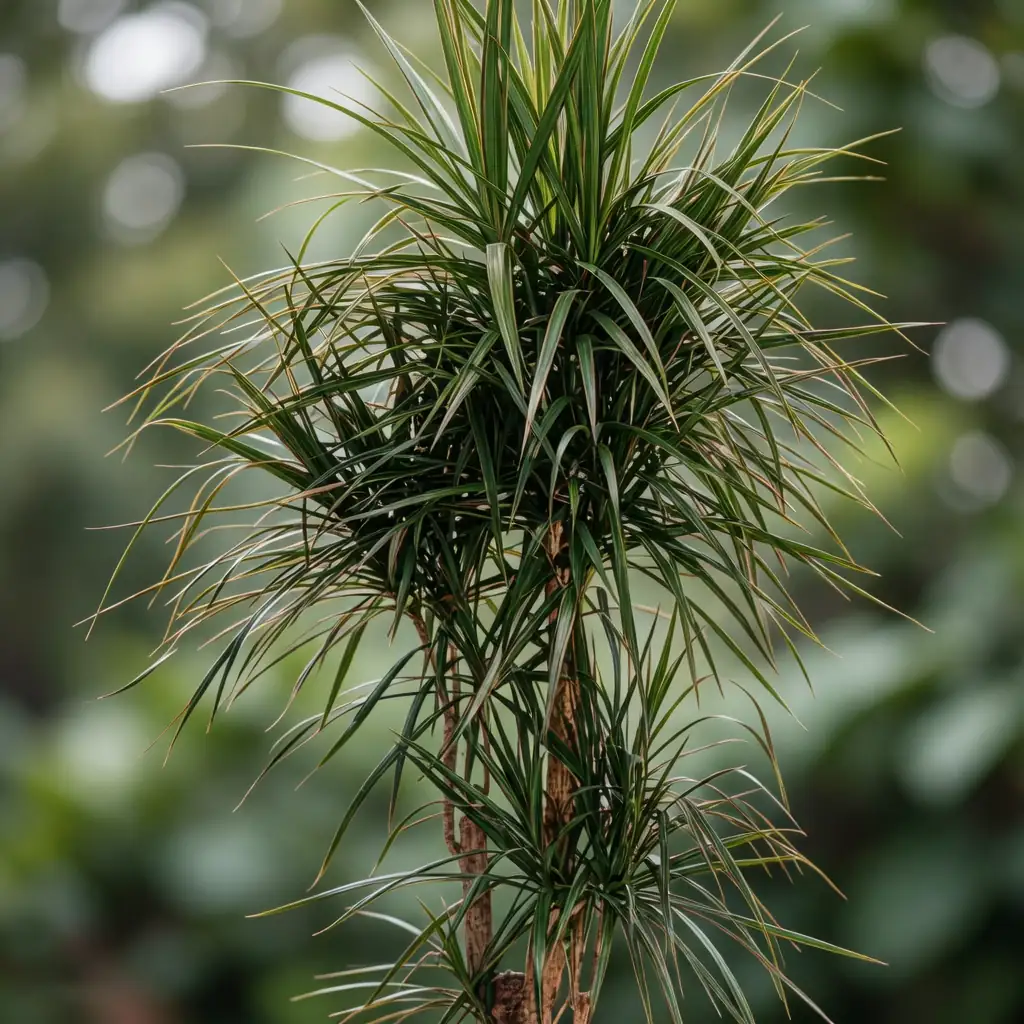
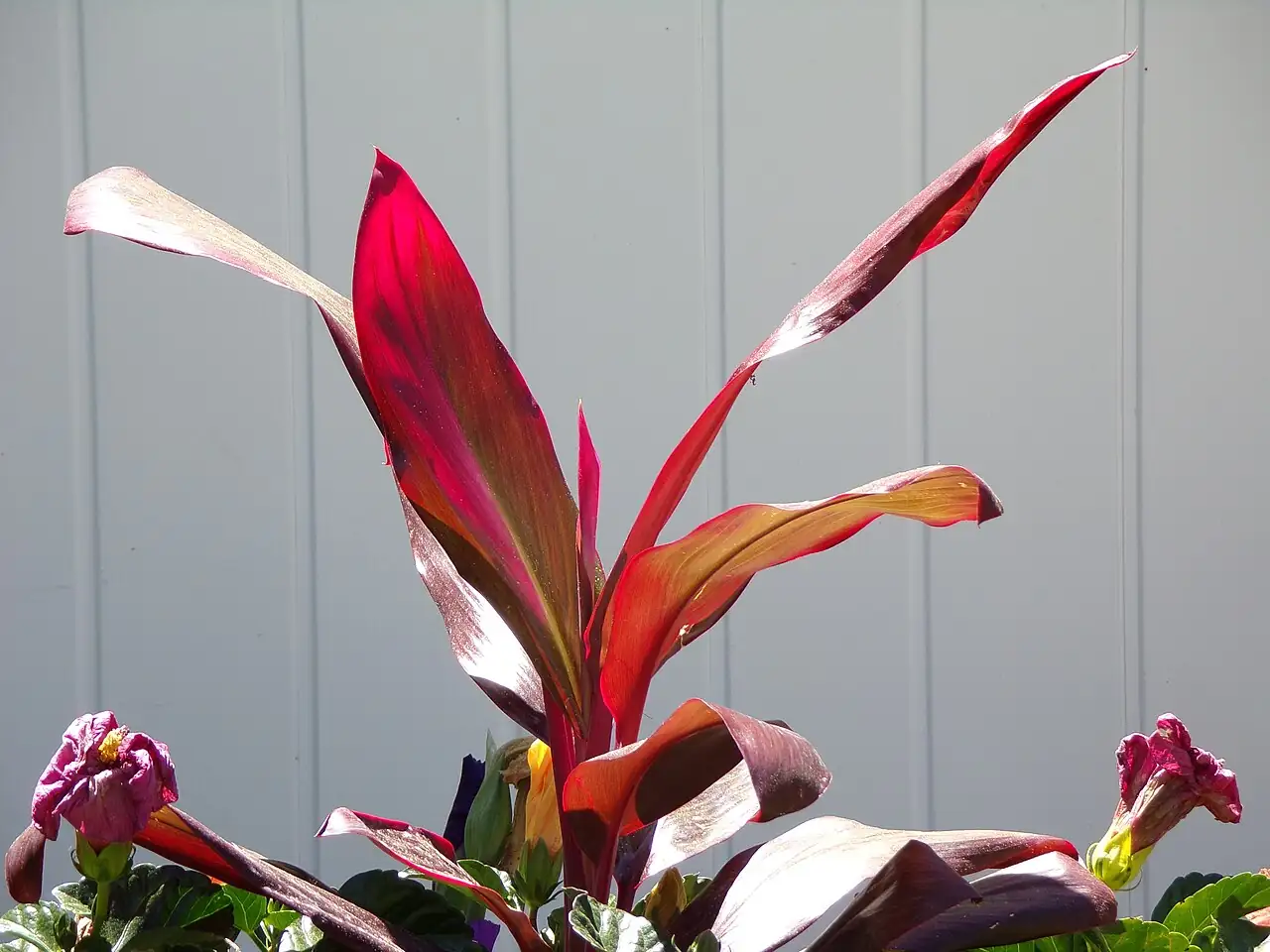
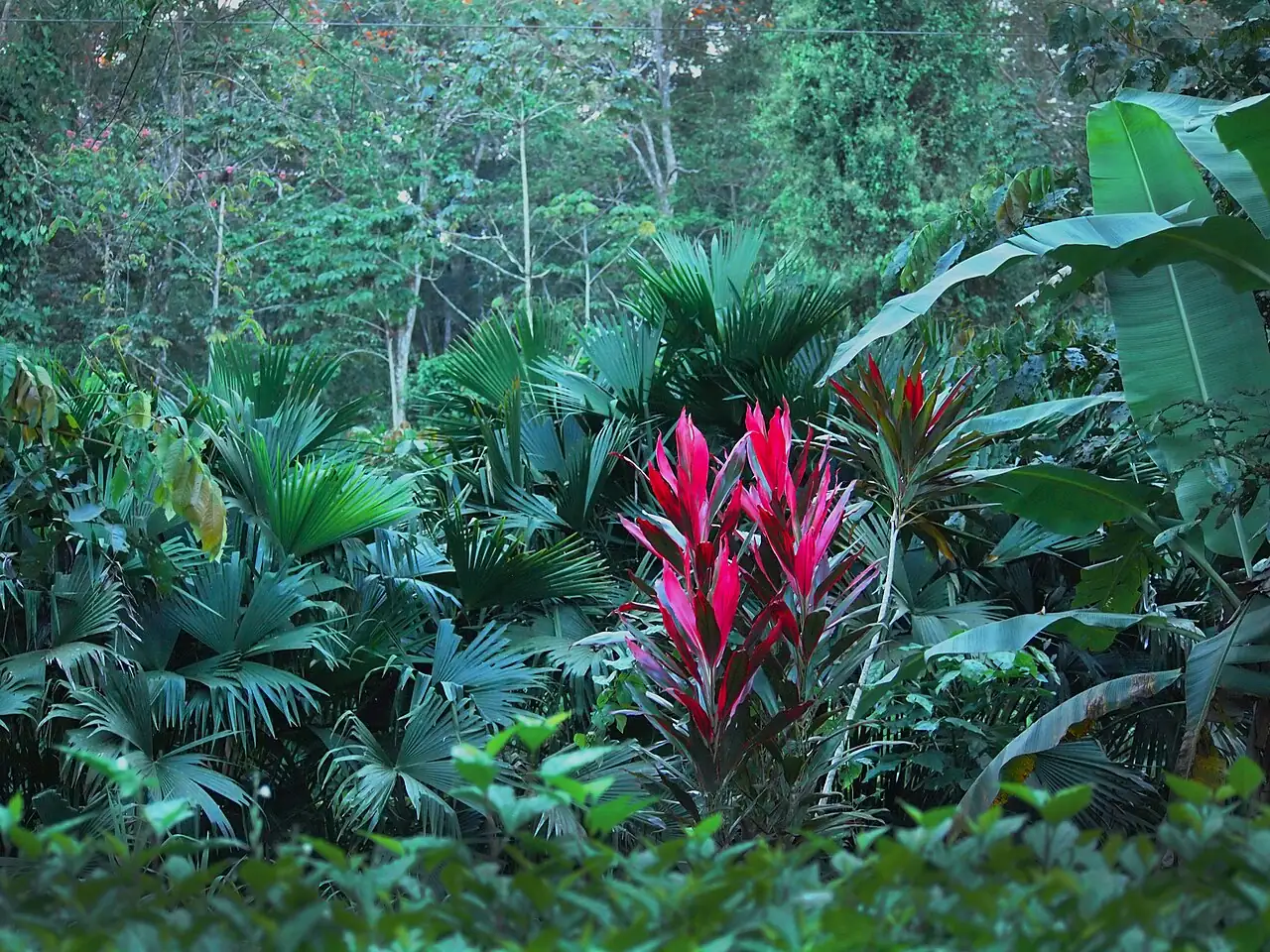
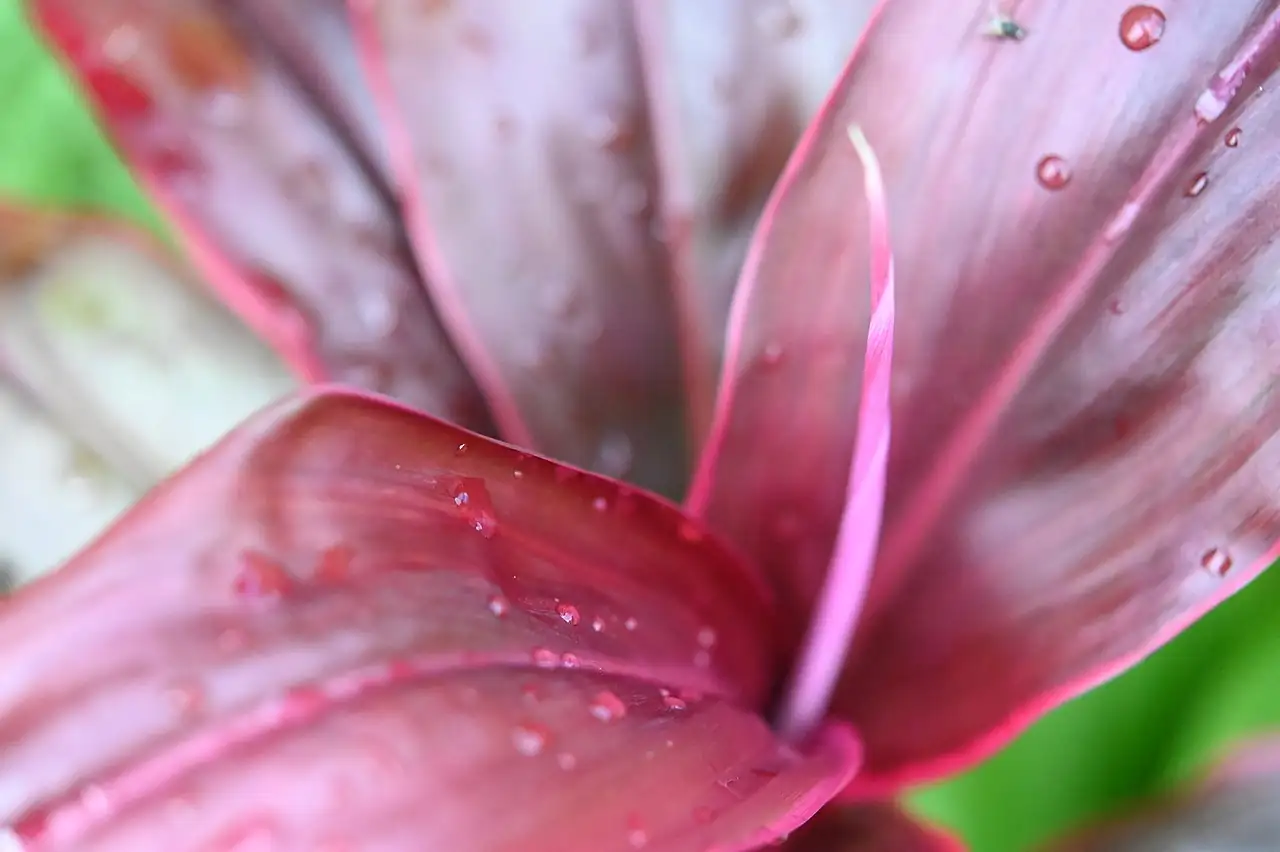
- Foliage: Long, narrow, pointed, sword-like leaves form dense tufts/rosettes at the ends of woody canes, giving a palm-like silhouette. Foliage is often richly colored or variegated with green plus pink/red and creamy striping or flushing.
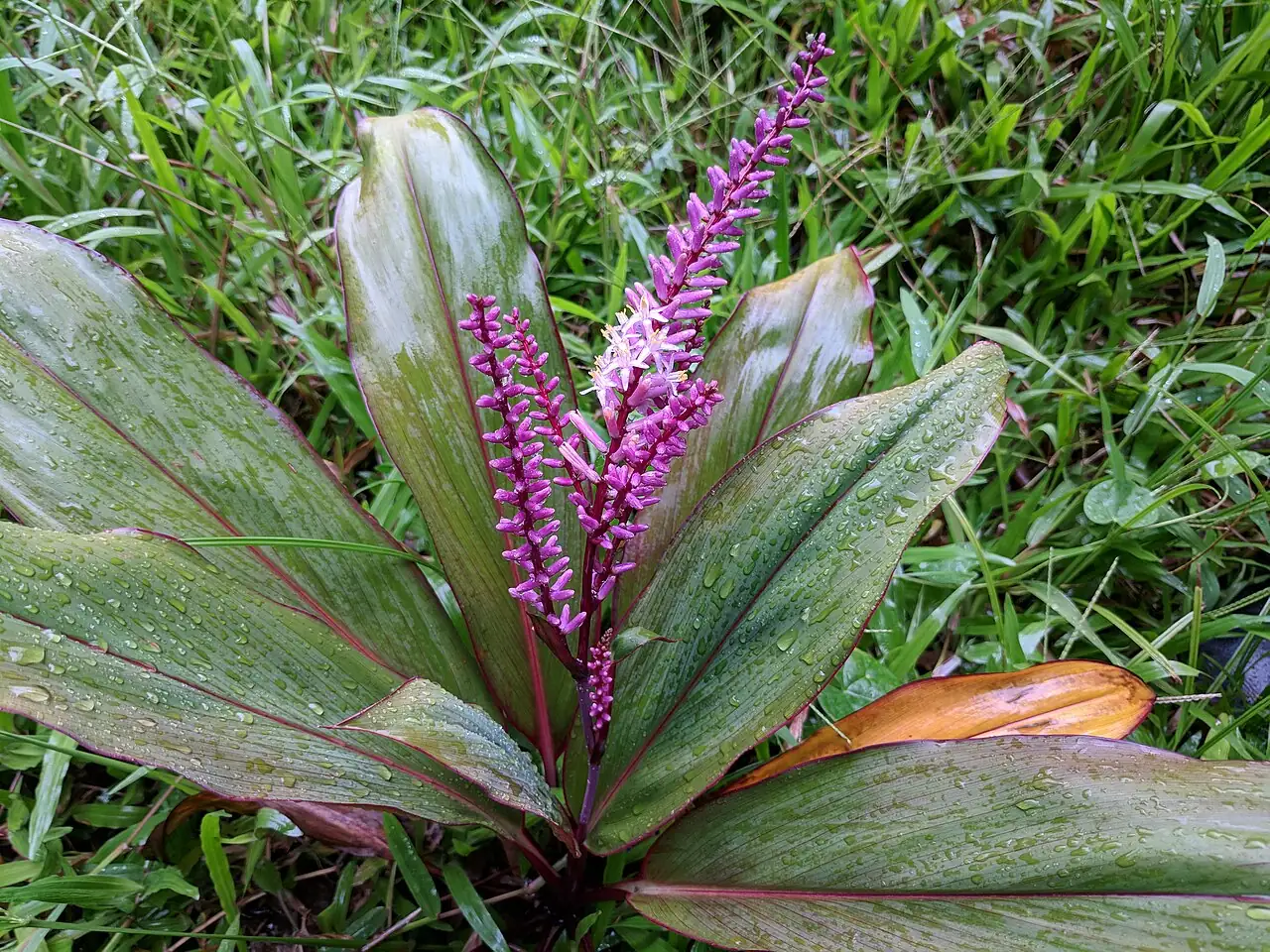
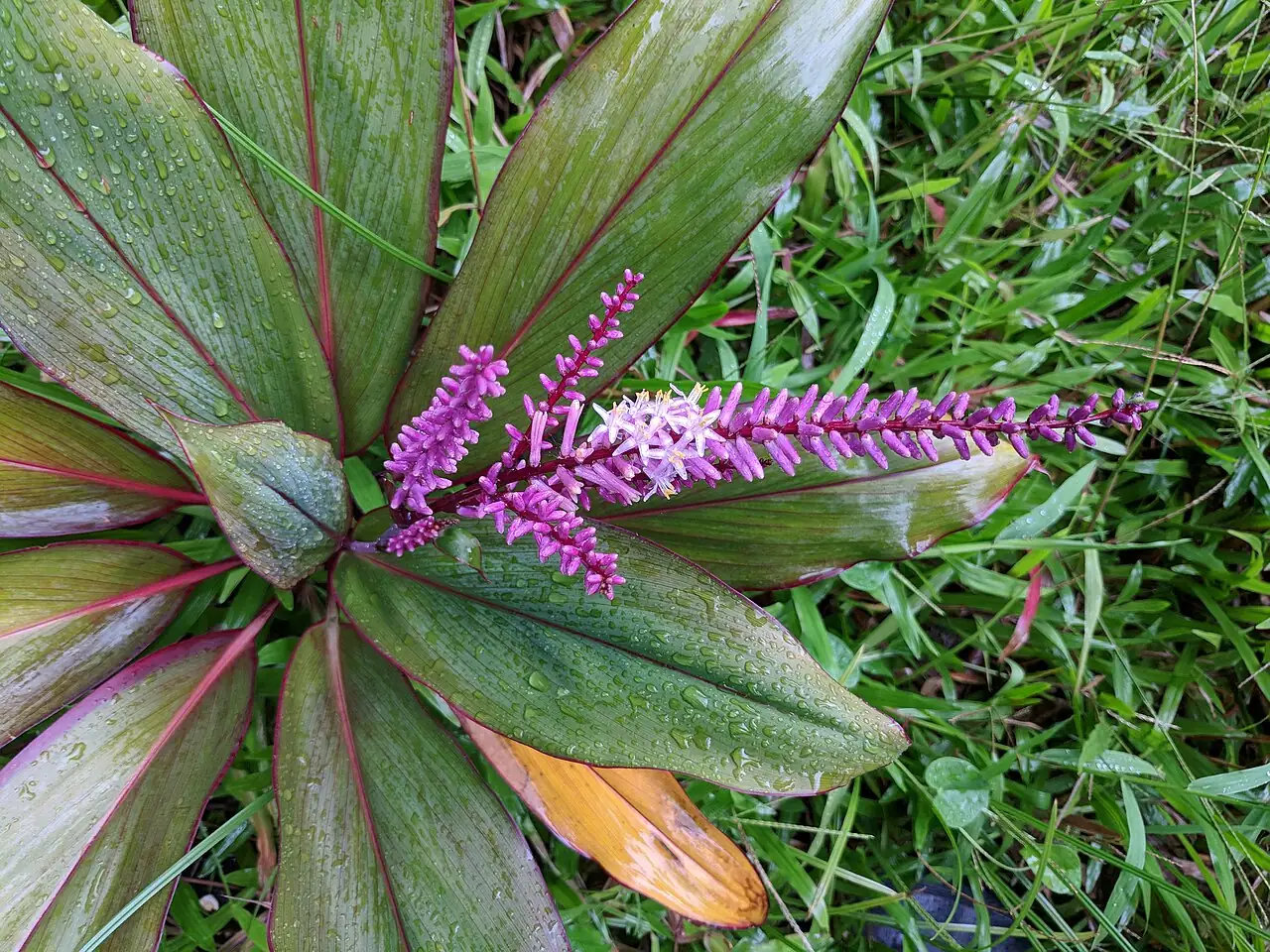
- Flower: Rare indoors. When it flowers (more commonly outdoors in warm climates), it produces small, star-shaped, lightly fragrant flowers in branched clusters, followed by berry-like fruits.
- Flowering Season: Sporadic; mainly summer in warm outdoor conditions.
- Growth Habit: Upright, cane-forming evergreen shrub with tufted rosettes at stem tips; can be cut back to encourage branching and a fuller shape.
Environment
Sunlight
Bright, indirect light is ideal for strong color; tolerates partial sun/partial shade. Avoid harsh midday sun indoors, which can scorch leaves.
Temperature
Best at 15–24°C (59–75°F). Keep above about 10°C (50°F) and protect from cold drafts and chilly windows.
Humidity
Tolerates low to medium humidity, but does best with medium to higher humidity to reduce brown tips—roughly 40–60%+ is a good target.
Soil
Loose, well-draining potting mix (quality houseplant mix improved with perlite and/or fine bark for extra airflow). Use a pot with drainage and avoid heavy, soggy mixes.
Placement
Indoors near a bright east window or a filtered south/west window; works well in bright offices. Keep away from cold drafts and cold glass in winter.
Hardiness
USDA Zone 10–12; frost-tender and not cold hardy.
Care Guide
Difficulty
Easy. Most setbacks come from low light (faded color/legginess), cold stress, or overwatering (root issues).
Buying Guide
Pick a plant with firm, solid canes and crisp, well-colored leaves. Avoid mushy stems, heavy spotting, or a sour-smelling potting mix—common warning signs of rot or poor care.
Watering
Spring to autumn: keep soil evenly moist but never waterlogged—water when the top 2–5 cm (1–2 in) dries. Winter: reduce watering and keep it just lightly moist. Always empty the saucer so roots don’t sit in water.
Fertilization
Spring to autumn: feed every 2 weeks with a balanced liquid fertilizer at half strength. Reduce or pause feeding in winter when growth slows.
Pruning
Trim to shape and control height by cutting back canes; new shoots usually sprout below the cut, helping a leggy plant fill out. Remove yellow or damaged leaves anytime.
Propagation
Propagate from stem (cane) cuttings: take a healthy section, let the cut end dry briefly, then root in warm conditions in moist mix or water. Air-layering is also effective on mature canes.
Repotting
Repot about every 3 years, or sooner if root-bound. Step up just one size—about 2–5 cm (1–2 in) wider—and refresh the mix.
📅 Seasonal Care Calendar
Spring–autumn: bright indirect light, evenly moist soil, and fertilize every 2 weeks at half strength. Winter: water less and reduce/stop feeding; keep warm and away from drafts. Repot every ~3 years or when root-bound; prune canes as needed to manage size.
Pests, Diseases & Safety
Common Pests & Diseases
Common indoor pests include spider mites (often worse in dry air), mealybugs, scale, and thrips. Root rot can develop if soil stays wet or drainage is poor. Improve airflow, avoid soggy soil, raise humidity if mites are persistent, and treat infestations with insecticidal soap or horticultural oil.
Toxicity
Toxic to cats and dogs. Chewing may lead to drooling, vomiting, and reduced appetite—keep out of reach and contact a veterinarian if ingestion is suspected.
Culture & Symbolism
Symbolism: Widely sold as a “good luck” or prosperity plant, especially for homes and offices.
History & Legends: Across many Pacific cultures, ti leaves have been traditionally used in ceremonies and everyday life (including decoration and wrapping), helping the plant become culturally iconic beyond its ornamental appeal.
Uses: Grown mainly as an ornamental foliage plant for its bold color and architectural, tropical shape. It’s also frequently promoted as an indoor air-improving plant, though real-world air quality depends more on ventilation and overall room conditions.
FAQ
What light does a ti plant need?
Bright, indirect light is best for strong leaf color. It tolerates partial sun/partial shade, but harsh midday sun indoors can scorch leaves.
What temperature is ideal?
Aim for 15–24°C (59–75°F). Keep it above about 10°C (50°F) and away from cold drafts.
How often should I water it?
In spring through autumn, water when the top 2–5 cm (1–2 in) of soil feels dry, keeping the mix evenly moist but not soggy. In winter, water less and keep it lightly moist.
How do I fertilize ti plant?
Feed every 2 weeks in spring to autumn with a balanced liquid fertilizer at half strength. Reduce or stop feeding in winter.
Is ti plant safe for pets?
No—Cordyline fruticosa is toxic to cats and dogs, so place it where pets can’t chew the leaves.
When should I repot?
About every 3 years, or earlier if roots are circling the pot and the plant dries out very quickly (signs it’s root-bound).
Fun Facts
- Leaf colors and striping usually look their best in brighter light—just avoid scorching midday sun through glass.
- If your plant gets tall and bare, cutting back the canes often triggers new shoots, letting you “restart” it into a fuller, bushier shape.


