Plant Features
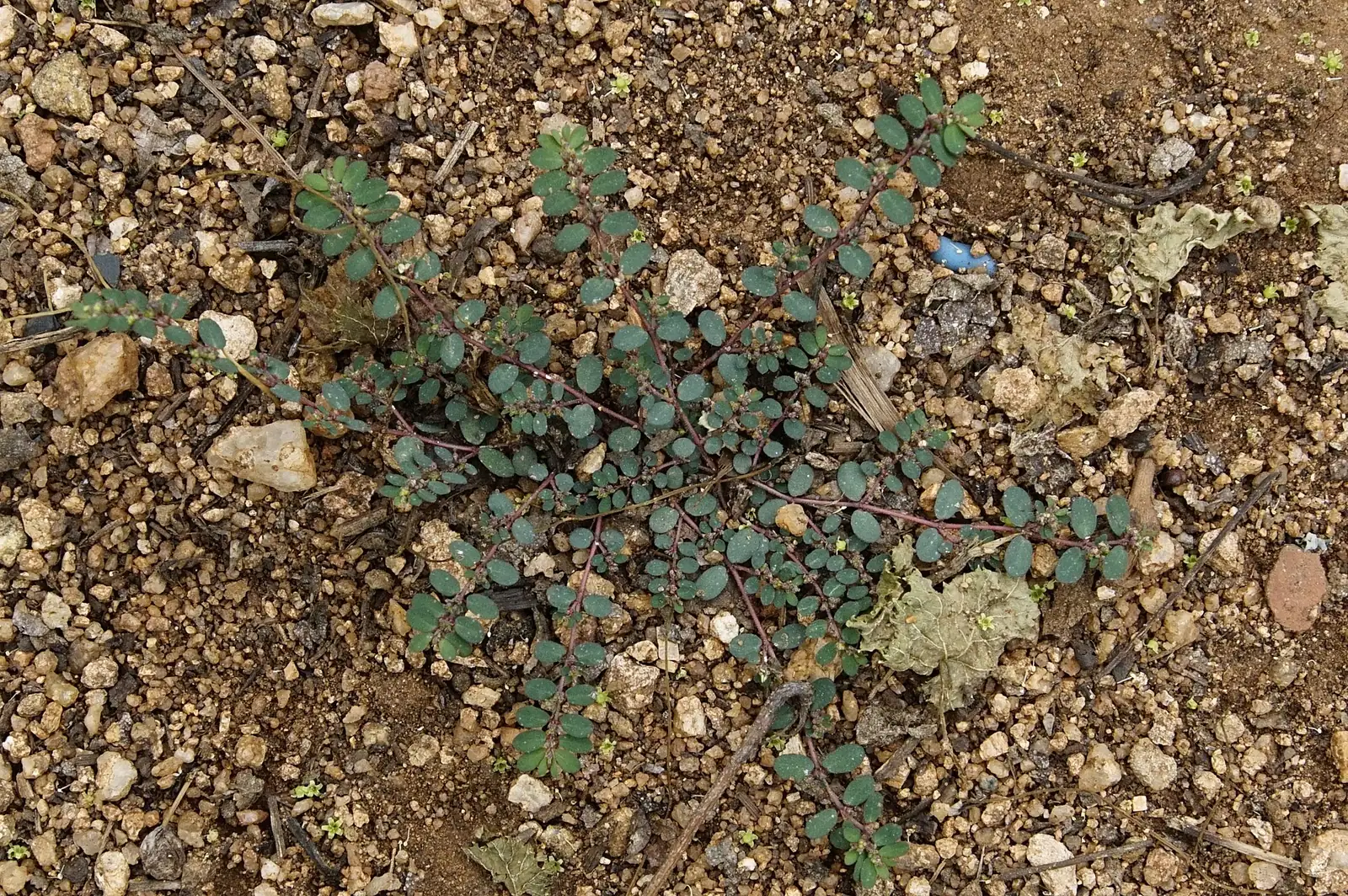
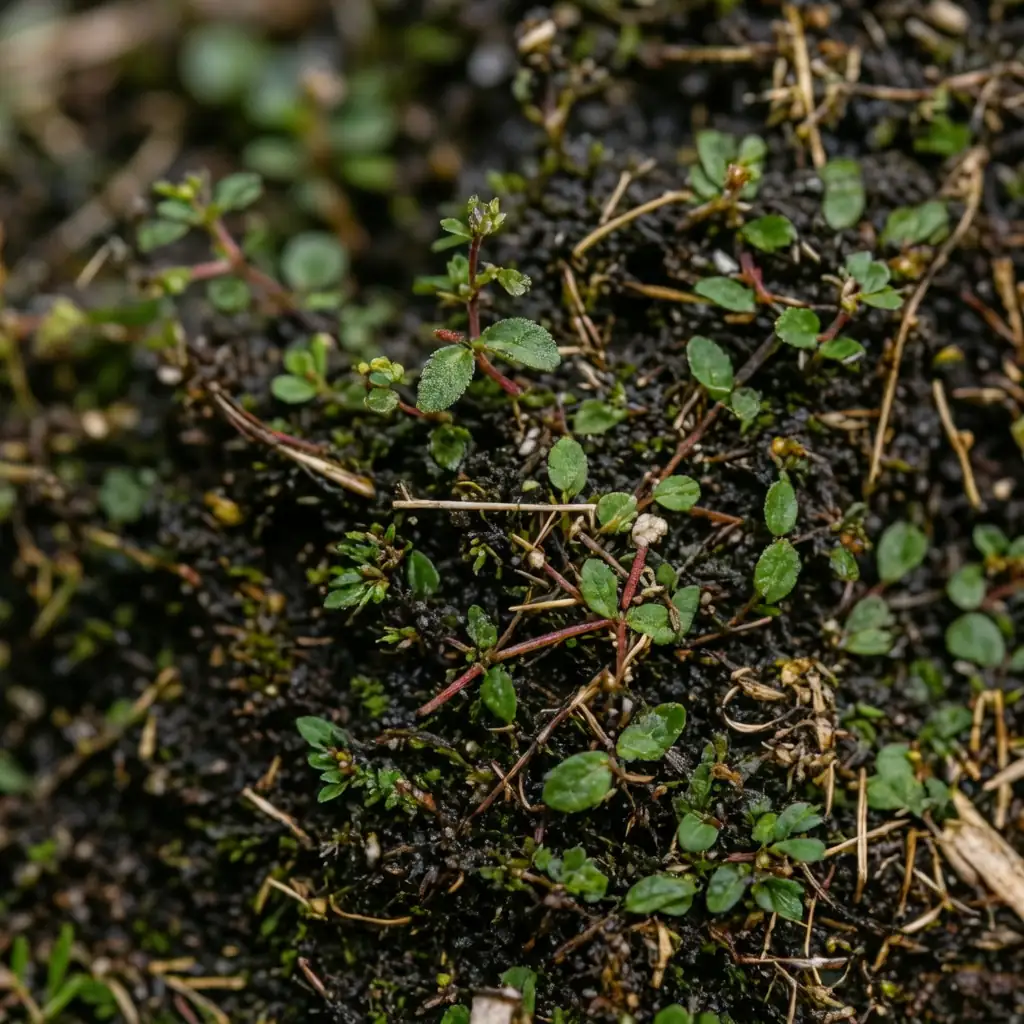
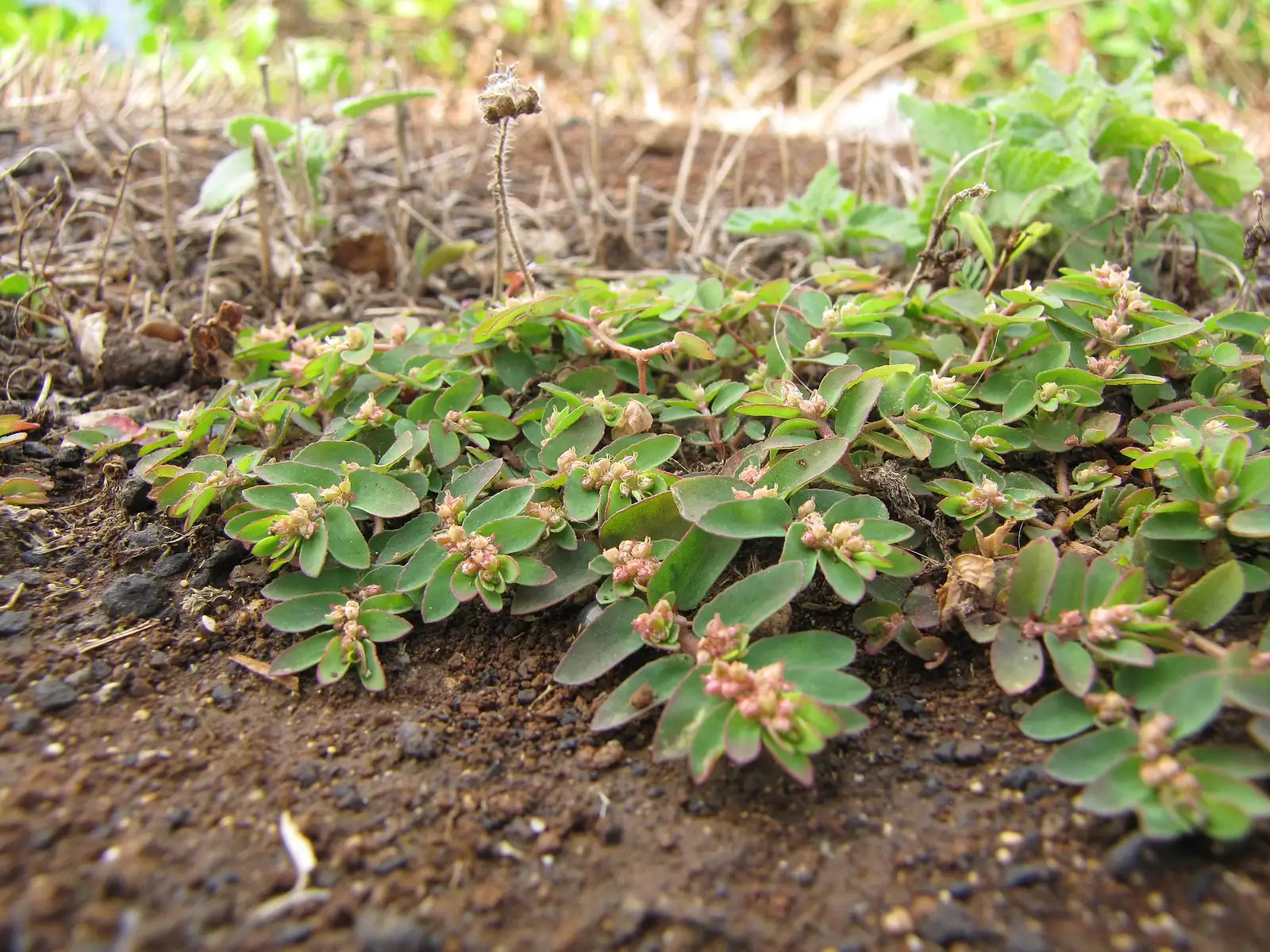
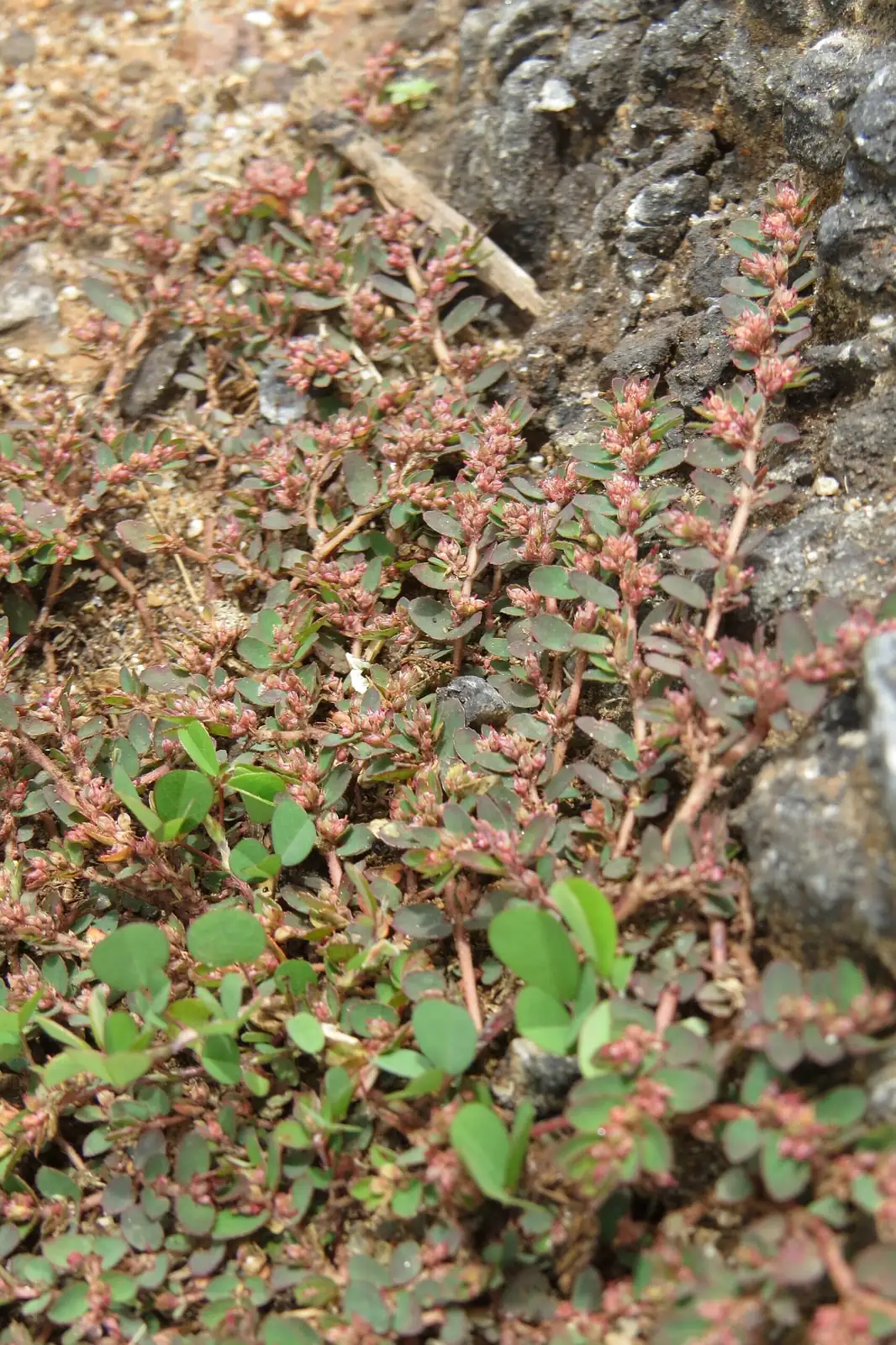
- Size: Low, mat-forming annual; stems trail and branch densely, commonly reaching about 5–20 cm (2–8 in) tall and spreading roughly 15–60 cm (6–24 in) or more in good conditions.
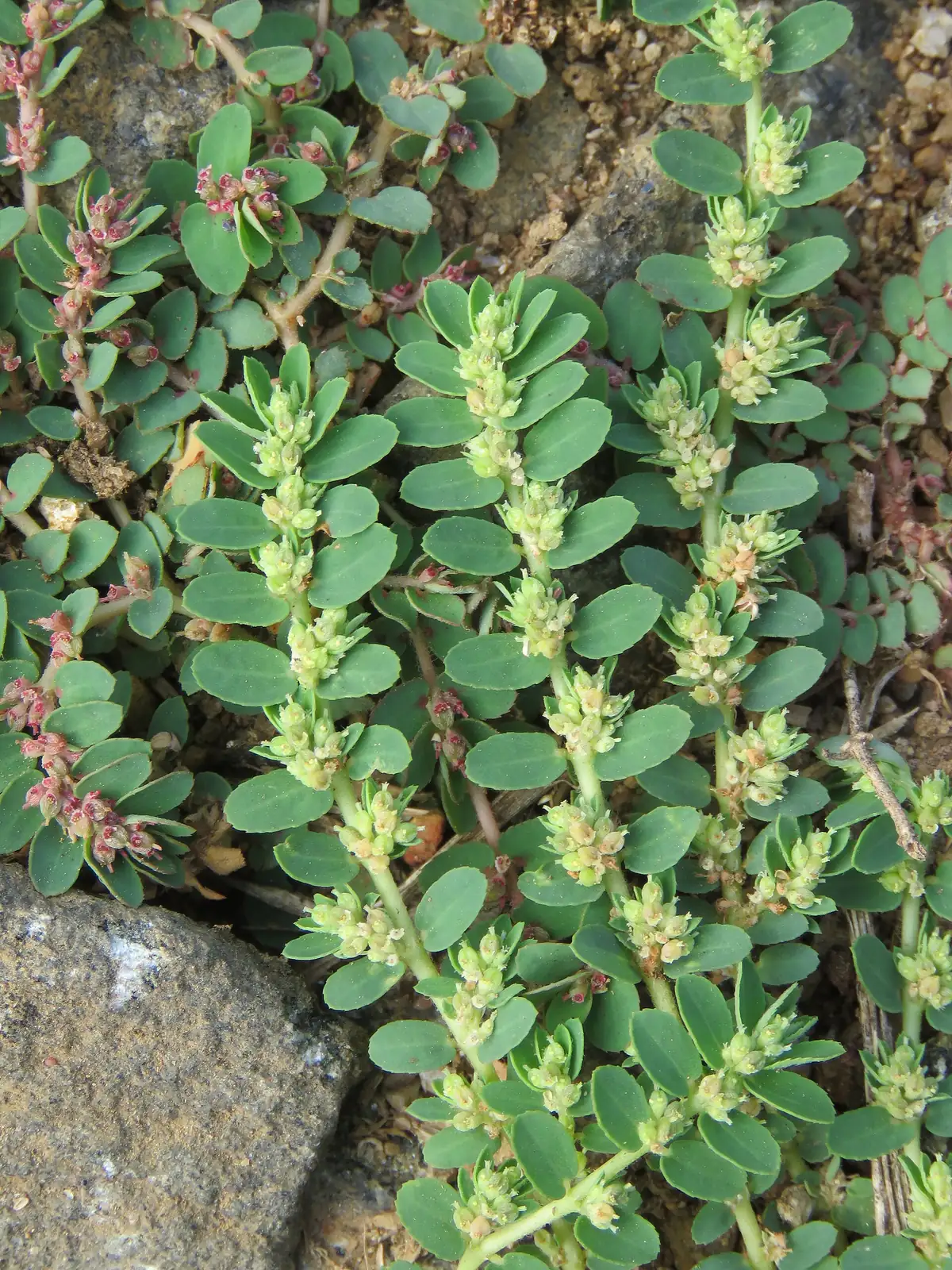
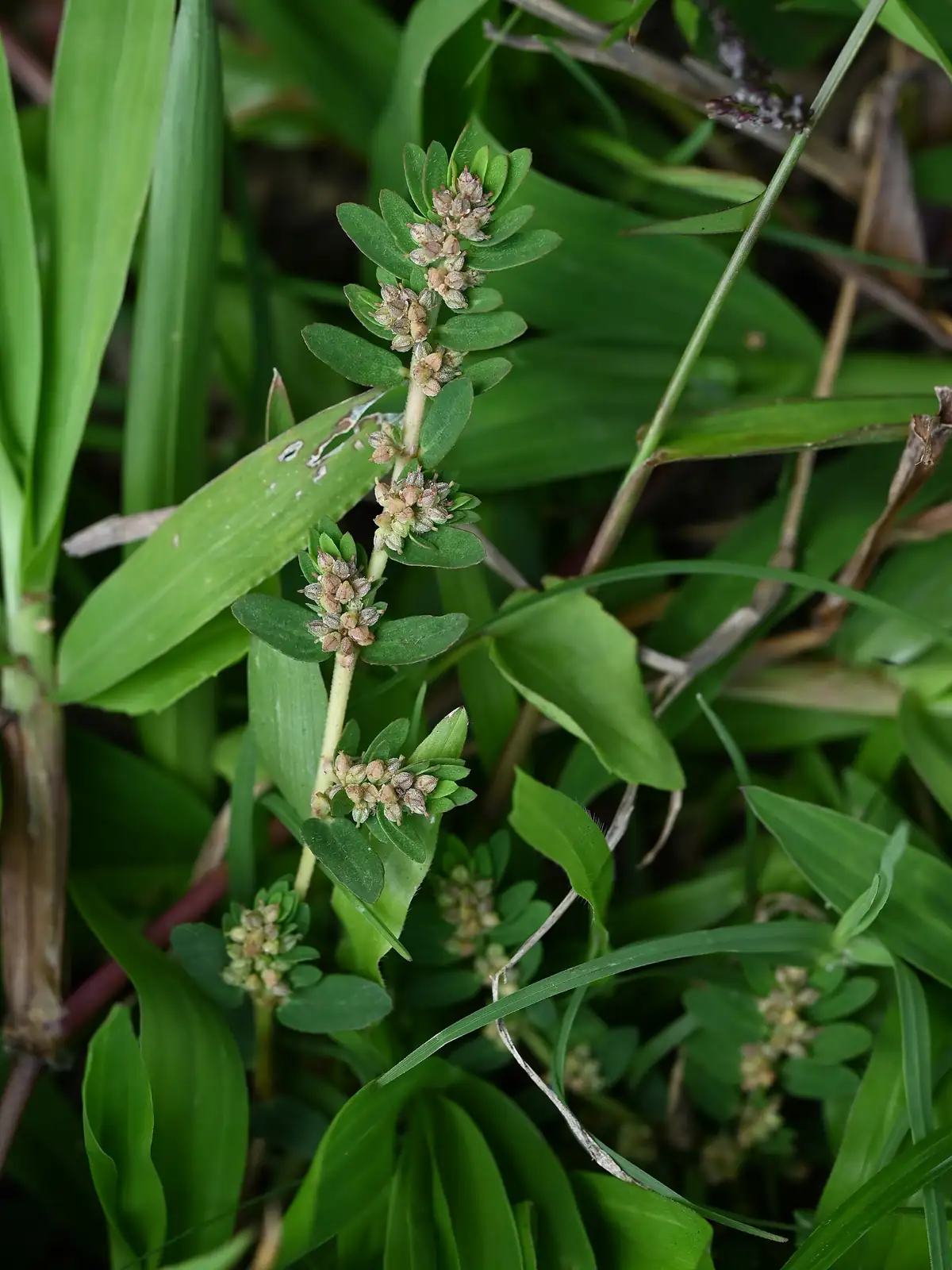
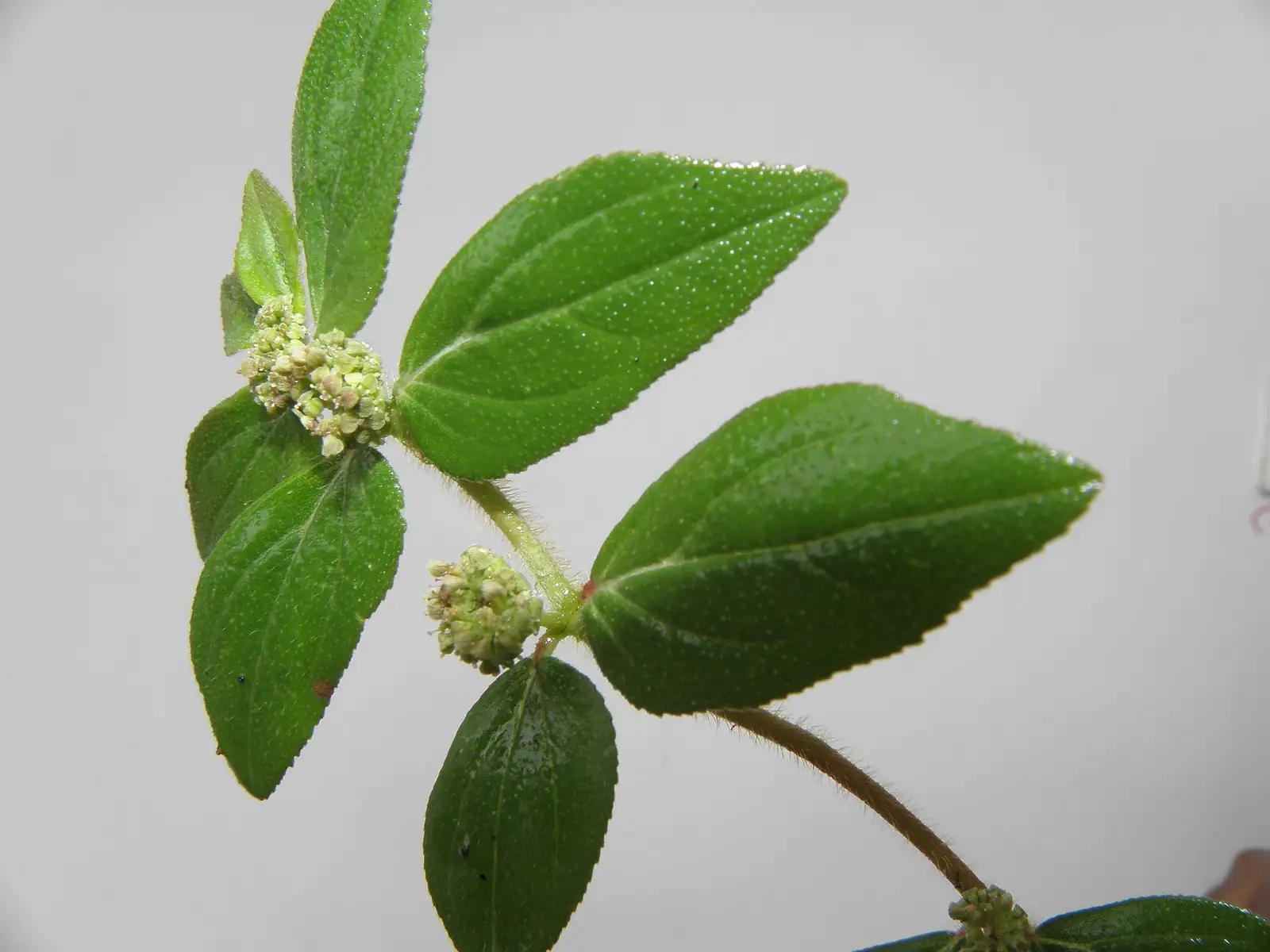
- Foliage: Leaves are opposite, small, and oval to elliptic with very short stalks. Because the plant makes many slender, creeping stems, the overall foliage reads as delicate and fine-textured.
- Flower: Flowers are tiny Euphorbia cyathia (not showy) that appear singly or in small clusters in the leaf axils. The fruit is a small, three-angled capsule about 1.5 mm (0.06 in) long, often with short, appressed hairs.
- Flowering Season: June–November (in warm climates; timing varies by region).
- Growth Habit: Prostrate and creeping, heavily branched from the base; forms a ground-hugging mat and may root where stems touch soil.
Environment
Sunlight
Full sun to very bright light; performs best and stays denser in full sun.
Temperature
Warm-season grower; happiest around 20–35°C (68–95°F). Sensitive to frost—protect below about 5°C (41°F).
Humidity
Adaptable; fine in average outdoor humidity and tolerates dry air after it’s established.
Soil
Well-drained soil is essential. Tolerates sandy/gravelly mixes and relatively low fertility; avoid waterlogged or constantly wet soil.
Placement
Best outdoors in sunny, open places—slopes, lawn edges, disturbed ground, between shrubs, or as a temporary groundcover in dry, well-drained beds.
Hardiness
Frost-tender; usually grown as an annual in temperate climates. Roughly USDA Zone 10–12 where it may persist longer (minimum around 10°C/50°F).
Care Guide
Difficulty
Easy when given sun and drainage; most problems come from shade or persistently wet soil.
Buying Guide
Choose plants that look like evenly green, low mats with plenty of side branching. Skip any with blackened stems, soggy soil, widespread yellowing, or obvious damage from sap/rough handling.
Watering
Water to help it establish, then let the surface dry between waterings. In the ground it’s drought-tolerant; in pots, water when the top 2–3 cm (0.8–1.2 in) of mix is dry. Avoid keeping it constantly wet.
Fertilization
Often unnecessary. If container growth is weak, use a balanced fertilizer at 1/4 strength every 4–6 weeks during active growth.
Pruning
Pinch or trim to encourage a denser mat and to keep it from creeping into neighboring plants. Wear gloves—its milky sap can irritate skin.
Propagation
Mainly by seed and it may self-seed freely. Creeping stems can also root at nodes when they contact soil, helping it spread.
Repotting
Usually not needed because it’s an annual. In containers, refresh the top layer of mix or replant into fresh, well-drained soil if it becomes crowded.
📅 Seasonal Care Calendar
Spring–summer: give full sun, water occasionally, and trim to shape. Summer–autumn: peak flowering/fruiting; remove seedlings or seed capsules if you want to limit self-seeding. Late autumn–winter: declines with cold; pull spent mats and compost only if you’re happy with potential reseeding.
Pests, Diseases & Safety
Common Pests & Diseases
Generally low-trouble. Wet soil can cause root/stem rot. In hot, dry conditions, aphids or spider mites may appear—blast off with water or treat with insecticidal soap if needed.
Toxicity
Produces a milky latex sap typical of spurges that can irritate skin and eyes. Keep away from children and pets; seek medical help if sap gets in eyes or is ingested.
Culture & Symbolism
Symbolism: Not known for formal flower symbolism, but it’s often appreciated as a symbol of persistence—small, hardy, and determined to cover bare ground.
History & Legends: No well-known legends are commonly recorded for this species in mainstream horticultural references.
Uses: Primarily used as a quick, sun-tough, low groundcover for open, dry, well-drained places; valued more for its mat-forming texture than for its tiny flowers.
FAQ
Is thyme-leaf spurge a good ornamental groundcover?
Yes—if you want a temporary, very low mat in full sun with good drainage. The flowers are tiny, so the main appeal is the neat green carpet effect.
Why is my plant turning yellow or thinning out?
Most often it’s too much shade or soil staying wet. Move it into stronger sun, improve drainage, and only water again after the surface dries.
Fun Facts
- It can complete its entire life cycle in a single warm season.
- Dense basal branching helps it form a tight, ground-hugging mat.
- The seed capsule is extremely small—about 1.5 mm (0.06 in)—and distinctly three-angled.
- It has been reported from multiple provinces in southern China, often in sunny, open habitats like slopes and grassland edges.
- In warm regions, it can flower and fruit for months, roughly from June through November.