Plant Features
- Size: Annual twining vine; typically climbs about 1–3 m (3–10 ft) depending on support and growing conditions.
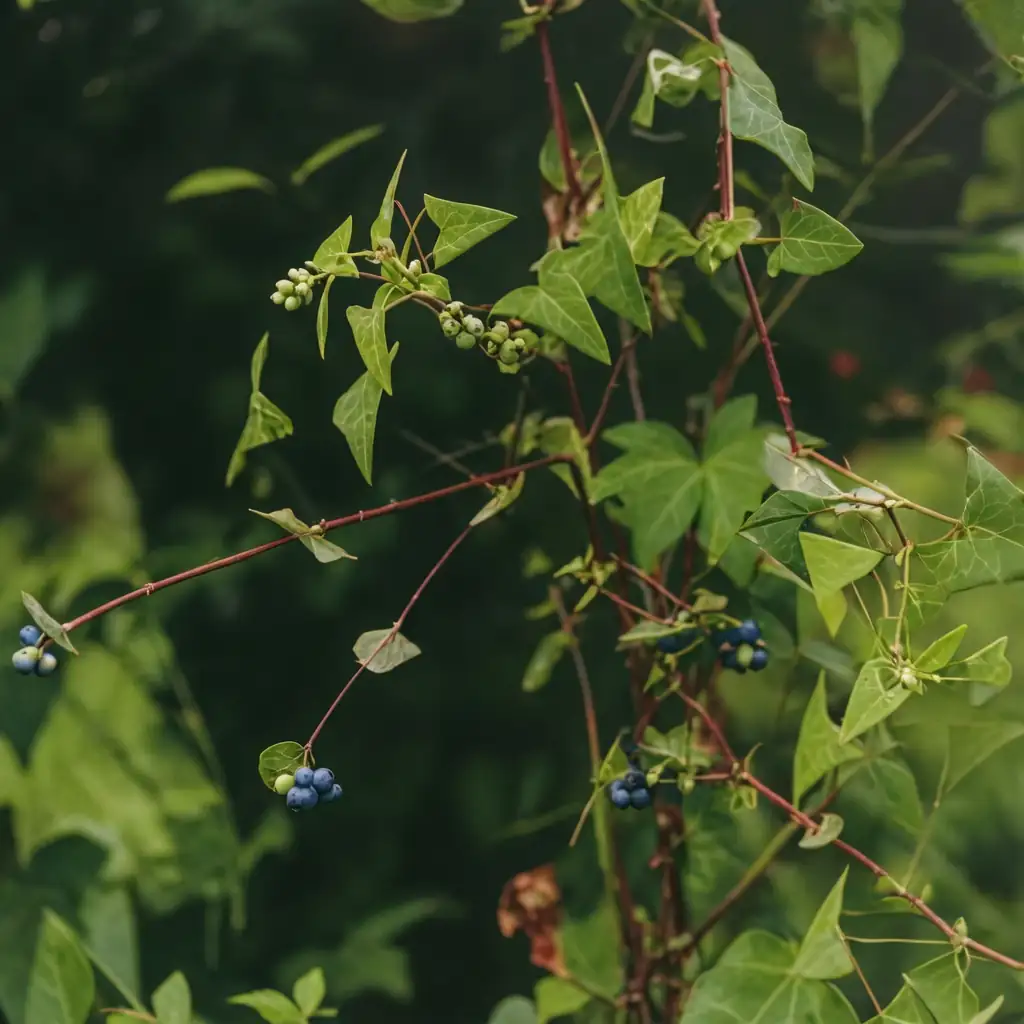
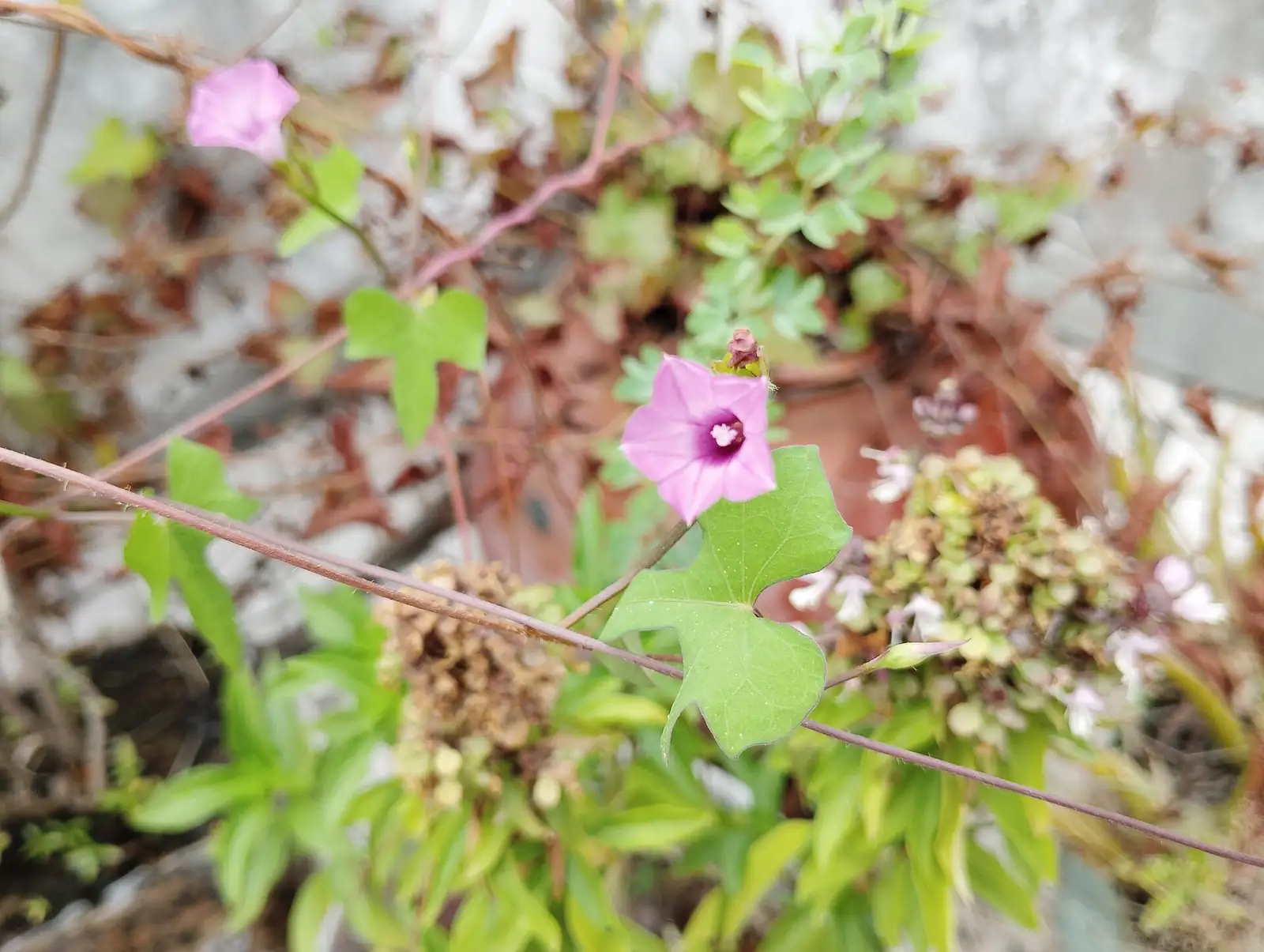
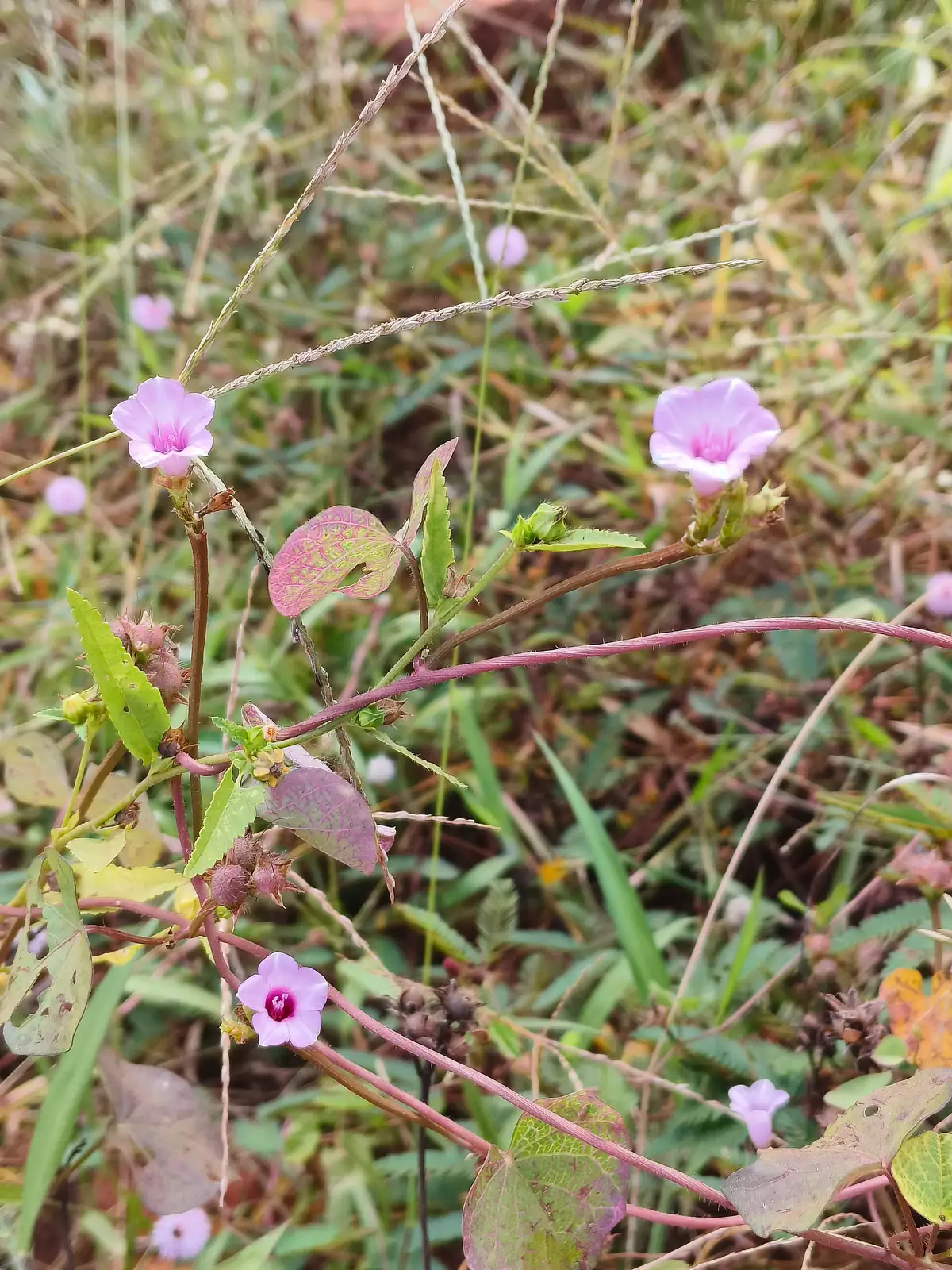
- Foliage: Leaves broad-ovate to nearly round with a distinctly heart-shaped base. Margins can be entire, coarsely toothed, or (very often) deeply 3-lobed—sometimes all on the same plant.
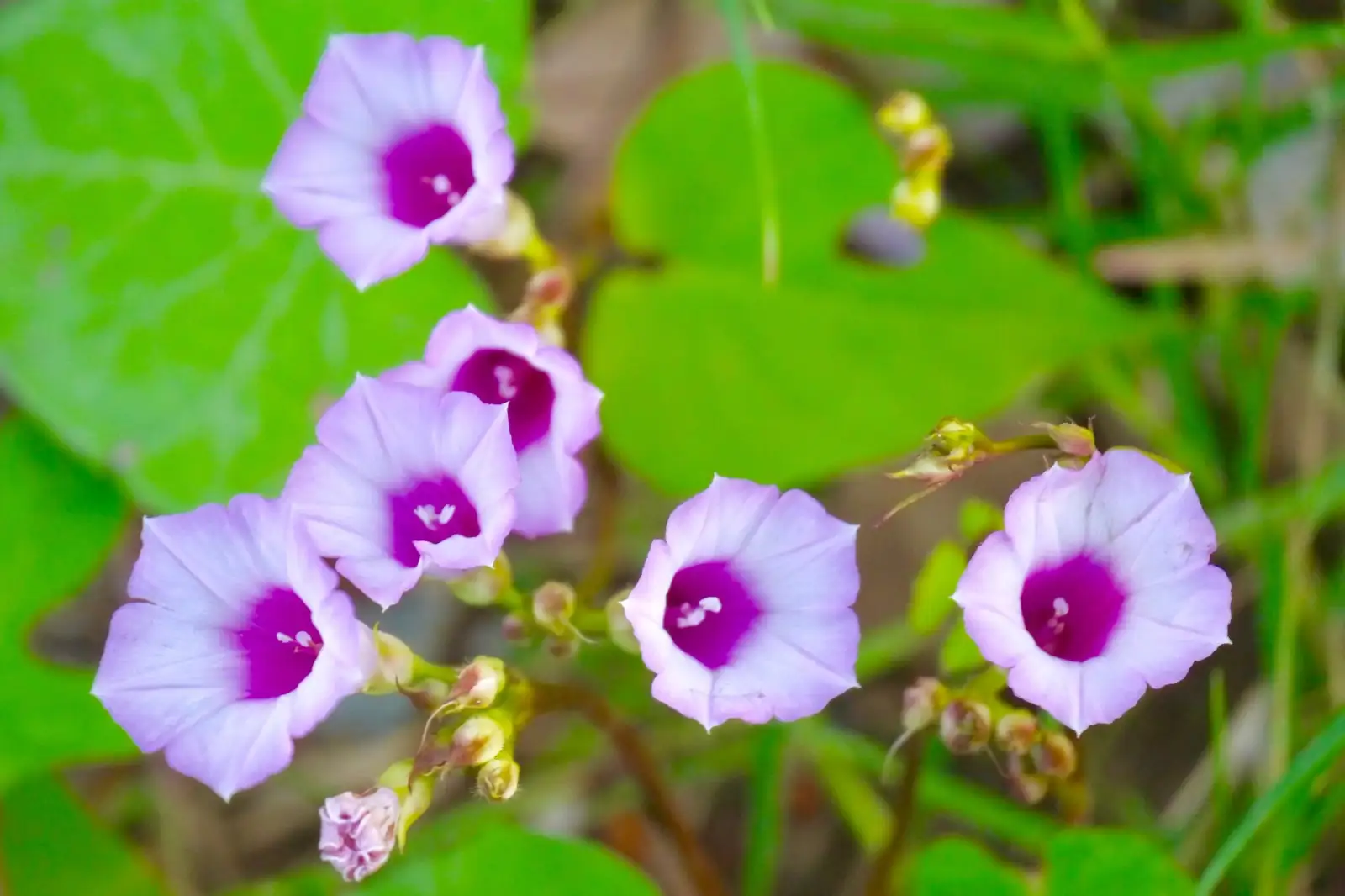
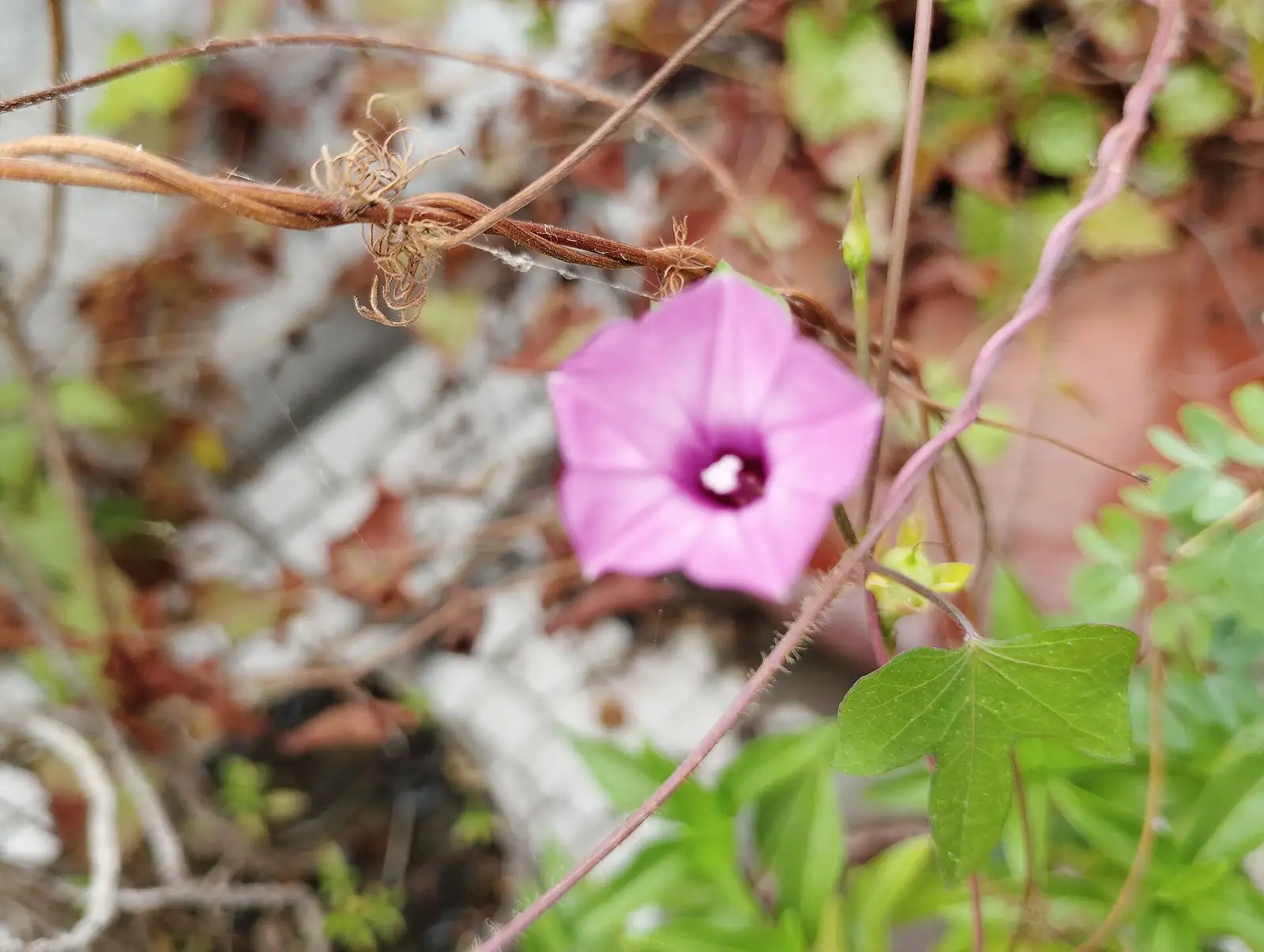
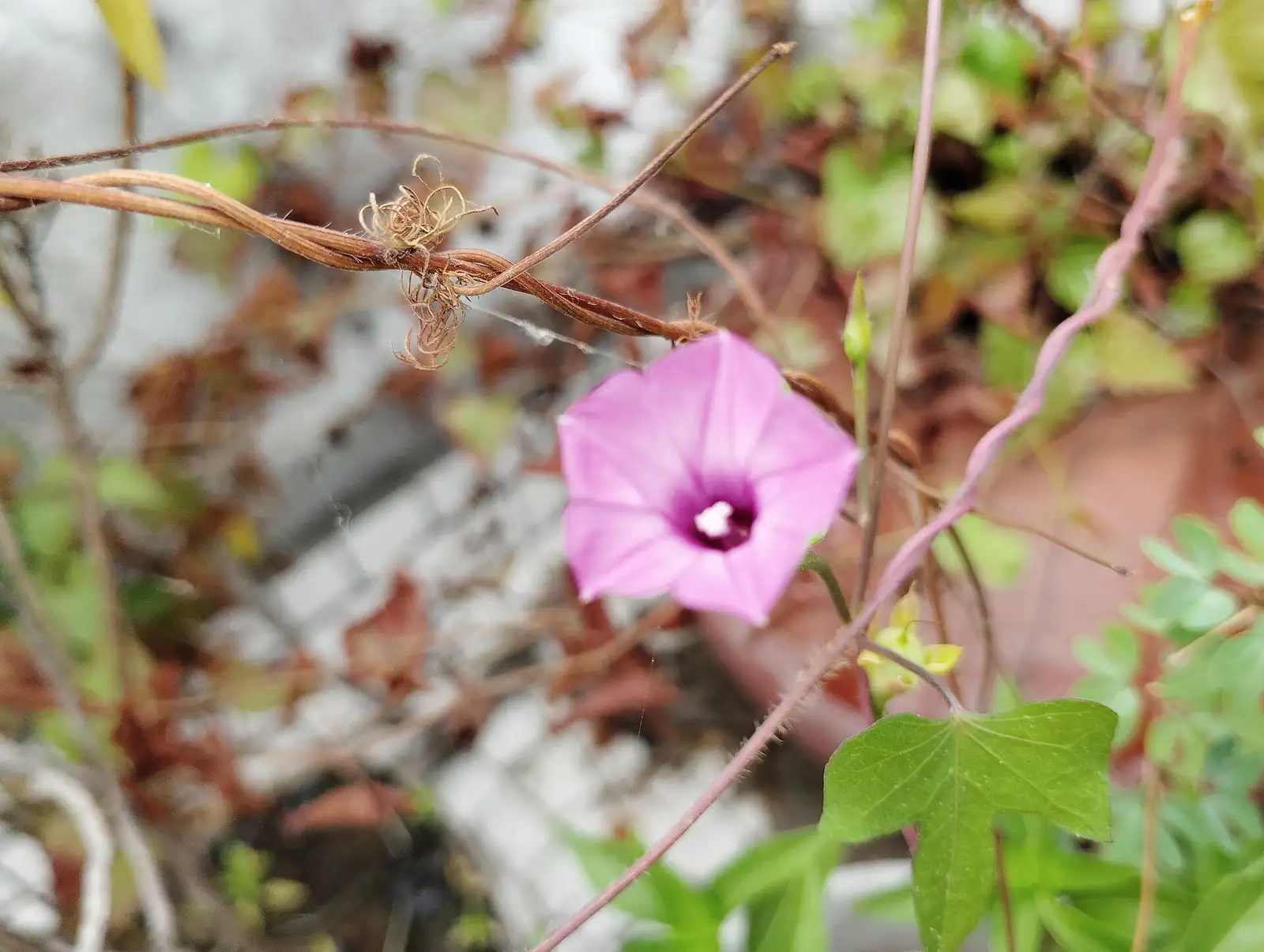
- Flower: Small, delicate, funnel-shaped flowers borne singly or in small clusters (umbel-like cymes). Color is commonly pink to purplish with a paler throat, though it can vary by population.
- Flowering Season: September–October (in South China; varies with climate).
- Growth Habit: Twining (sometimes trailing) annual vine with fast growth. Stems are usually hairless or only lightly hairy, with hairs often more noticeable around the nodes.
Environment
Sunlight
Full sun to very bright light; blooms best with 6+ hours of direct sun per day.
Temperature
Warm-season grower; best around 20–30°C (68–86°F). Frost-tender; growth slows below about 10°C (50°F).
Humidity
Prefers moderately humid to humid conditions, but generally copes with average outdoor humidity if the soil doesn’t dry out too hard.
Soil
Adaptable, but happiest in well-drained soil of average fertility. Avoid waterlogged sites. In pots, use a loose, free-draining mix.
Placement
Sunny outdoor spots with support: fences, trellises, and rails; also common at field edges and other disturbed, open ground where it can naturalize.
Hardiness
Tender annual; not frost-hardy. Typically grown as an annual in temperate areas; may persist where winters are frost-free (roughly USDA Zone 10–12).
Care Guide
Difficulty
Easy in warm weather. Can be very vigorous and may behave weedy where conditions suit it—trim and deadhead/seed-manage if you want to keep it contained.
Buying Guide
Choose plants with healthy green leaves and active new growth. Avoid seedlings that are badly root-bound, stunted, heavily pest-infested, or showing distorted foliage.
Watering
Keep soil evenly moist while establishing. Once growing strongly, water when the top 2–3 cm (about 1 in) of soil is dry. Avoid constant saturation, especially in containers.
Fertilization
Usually unnecessary in the ground. In containers, feed lightly with a balanced fertilizer at half strength every 2–4 weeks during active growth—too much nitrogen can mean lots of leaves and fewer flowers.
Pruning
Pinch tips early to encourage branching. Trim back long runners to keep it tidy and reduce unwanted spread.
Propagation
Mostly by seed. Seed capsules are nearly spherical and often hold up to 4 seeds; seeds are about 3.5 mm (0.14 in) long. Sow after frost (or start indoors). Light scarification of the seed coat can improve germination.
Repotting
If container-grown, pot up when roots fill the pot and provide a trellis. A container about 20–30 cm (8–12 in) wide suits a single plant.
📅 Seasonal Care Calendar
Spring: sow or start seedlings after frost. Summer: provide support, water consistently, pinch to shape. Early fall: peak flowering in warm regions. Winter: dies back with cold; collect dry capsules if you want to re-sow.
Pests, Diseases & Safety
Common Pests & Diseases
Can attract aphids, spider mites, and whiteflies; caterpillars may chew leaves. In humid, crowded growth, watch for leaf spots and powdery mildew. Improve airflow, avoid overhead watering late in the day, and use insecticidal soap for soft-bodied pests if needed.
Toxicity
Not commonly listed as a major household poison plant, but ingestion of seeds from Ipomoea species may cause gastrointestinal upset. Keep seeds/plant material away from children and pets; do not consume.
Culture & Symbolism
Symbolism: Like many morning glories, it’s often linked with fleeting beauty, fresh starts, and a tough, resilient spirit.
History & Legends: More of a charming “found” vine than a formal garden staple in many places—this is a widely naturalized morning glory that often shows up on its own, brightening roadsides and field edges with small blooms.
Uses: Ornamental climber or informal groundcover for sunny spaces. Useful for quickly covering fences and trellises in a single season; also valued simply as a pretty wildflower in warm regions.
FAQ
When does it flower?
Often September–October in South China, though timing shifts earlier or later depending on local climate.
When does it set fruit?
Commonly from about December to February of the following year, depending on region and weather.
How can I identify it?
Look for a fast annual twining/trailing vine with heart-based leaves that are often deeply 3-lobed, small funnel-shaped pink-to-purple flowers in small clusters, and nearly spherical seed capsules (often up to four seeds).
Where does it grow naturally?
In China it’s recorded from places like Guangdong (including coastal islands) and Taiwan (Kaohsiung), commonly along hillside roadsides, in weedy grassland, and in fields. Globally it’s widespread in warm regions and often naturalized.
What growing conditions does it like?
Sun, warmth, and steady moisture—especially during warm, rainy periods—plus something to climb if you want it to grow upward.
Fun Facts
- Leaf shapes can vary wildly—even on the same plant you may see entire, toothed, and deeply three-lobed leaves.
- It often self-seeds and pops up as a familiar roadside “wild morning glory” in warm areas.
- Each rounded capsule often holds up to four seeds, each about 3.5 mm (0.14 in) long.
- Those dainty flowers hide a surprisingly fast grower that can cover a support in one season.