Plant Features
- Size: Typically 3–4 m (9.8–13.1 ft) tall; often a similar spread at maturity depending on pruning.
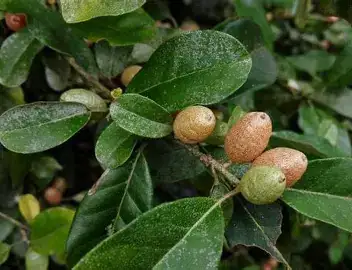
- Foliage: Evergreen, leathery leaves with slightly rolled or gently wavy margins; undersides are coated with distinctive silvery and brown scaly particles. Branches are arching and spreading, often scaly as well, and usually armed with sharp thorns.
- Flower: Small, drooping, silvery-white flowers borne in the leaf axils (often 1–3 together); powerfully fragrant despite their modest size.
- Flowering Season: September–December (Sep–Dec)
- Growth Habit: Evergreen, spreading, arching shrub with thorny branches; takes well to clipping and shaping.
Environment
Sunlight
Full sun to partial shade; flowering and fruiting are usually best with more sun.
Temperature
Warm-temperate plant; grows best around 15–28°C (59–82°F). Protect young plants and containers from severe freezes.
Humidity
Very adaptable—tolerates dry air and drought once established, and can also handle periods of moisture (but not constant waterlogging).
Soil
Flexible in most well-drained garden soils; tolerates a wide pH range from acidic to slightly alkaline. Avoid permanently waterlogged sites to prevent root problems.
Placement
Outdoors as a hedge/screen, specimen shrub, or patio container plant; especially useful for urban, roadside, and industrial areas due to pollution tolerance. Site it where thorns won’t snag passersby.
Hardiness
USDA Zone 7–10 (approx.); not reliably hardy where winters are severe or prolonged.
Care Guide
Difficulty
Easy and resilient. Handles sun or partial shade, drought and poor soils, a broad pH range (acidic to slightly alkaline), and even short wet spells—making it a very forgiving landscape shrub in warm-temperate climates.
Buying Guide
Pick plants with dense, healthy foliage and clean, unblemished leaves. Check stems for strong buds and avoid specimens with lots of dieback. For hedges, choose evenly sized plants for a uniform row; for containers or bonsai, look for an interesting trunk line and well-spaced branching. Handle carefully—thorns are sharp.
Watering
Water regularly during the first growing season to establish roots. Once established, water deeply during extended dry spells and allow the top few centimeters of soil to dry between waterings. In pots, water when the top 2–5 cm (1–2 in) feels dry.
Fertilization
Light feeder. In the ground, a balanced slow-release fertilizer in spring or a compost top-dress is usually enough. In containers, feed at half-strength every 4–6 weeks through active growth (spring–summer).
Pruning
Prune after flowering or in late winter/early spring to shape and manage size. It responds well to hedge clipping. Remove dead, damaged, or crossing branches; wear gloves and long sleeves because of thorns.
Propagation
Semi-ripe cuttings in summer are reliable. Seed is possible but offspring may vary. Layering also works on low, flexible branches.
Repotting
Container plants: repot every 2–3 years in spring into a slightly larger pot with a free-draining mix. Trim circling roots, refresh soil, and ensure strong drainage.
📅 Seasonal Care Calendar
Spring: light feed, repot if needed, and do shaping/maintenance pruning. Summer: watch watering (especially in containers) and take semi-ripe cuttings. Autumn–winter: enjoy peak fragrance during bloom; avoid heavy pruning during flowering; protect containers from hard freezes.
Pests, Diseases & Safety
Common Pests & Diseases
Generally robust. Can occasionally get scale insects, aphids, or spider mites (more likely in hot, dry, sheltered spots). Root issues may occur in poorly drained soil. Improve airflow, avoid waterlogging, and treat pests with horticultural oil or insecticidal soap when needed.
Toxicity
Not widely listed as toxic to people or pets, but the thorns can cause painful scratches or punctures. Place thoughtfully and use gloves when pruning or handling.
Culture & Symbolism
Symbolism: Often linked with resilience and protection—fitting for a plant that stays evergreen, shrugs off stress, and wears its thorns like armor.
History & Legends: Long grown in East Asia as a practical ornamental: fragrant autumn flowers, colorful spring fruit, and a reputation for coping well in tough urban conditions made it a classic hedge and garden shrub.
Uses: Ornamental shrub for evergreen structure, fragrance, and seasonal fruit; widely used for hedges/screens and as bonsai material. Particularly valued for roadside and urban greening thanks to its air-pollution tolerance.
FAQ
When does it flower?
Usually from September to December (Sep–Dec), producing small silvery-white flowers with a strong fragrance.
When does it fruit?
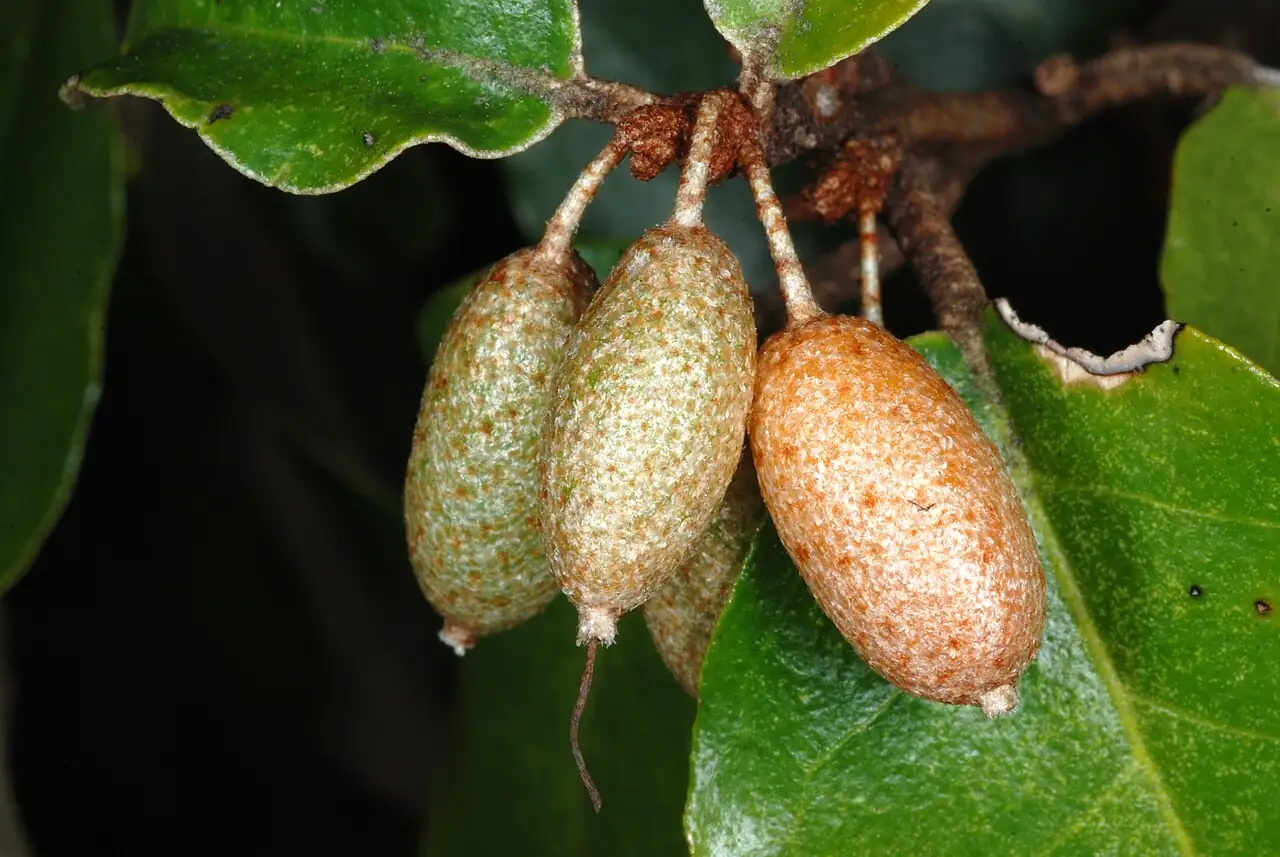
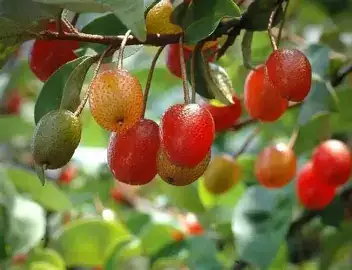
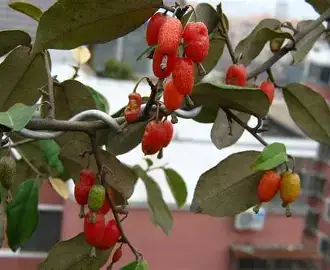
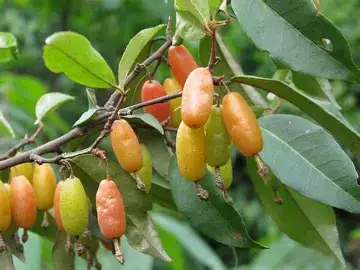
Fruits typically ripen the following spring, often around April–June (Apr–Jun), turning orange-red.
How big does Thorny Elaeagnus get?
Commonly about 3–4 m (9.8–13.1 ft) tall, often with a similar spread if left unpruned.
Is it suitable for difficult urban sites?
Yes—it’s known for tolerating air pollution, drought, poor soils, and a wide soil pH range, making it a strong choice for urban and roadside planting.
Are there variegated varieties?
Yes. Variegated cultivars with gold-edged, silver-edged, or gold-centered leaves are commonly grown.
Fun Facts
- The silvery-brown scales on the leaf undersides create a striking two-tone effect when the wind flips the foliage.
- The flowers are tiny, but the fragrance can be surprisingly strong—especially on mild autumn days.
- This shrub is often chosen for hedging not just for evergreen coverage, but because it tolerates pollution better than many ornamentals.
- Many gardeners grow variegated forms specifically to brighten up winter gardens with evergreen color.