

Plant Features
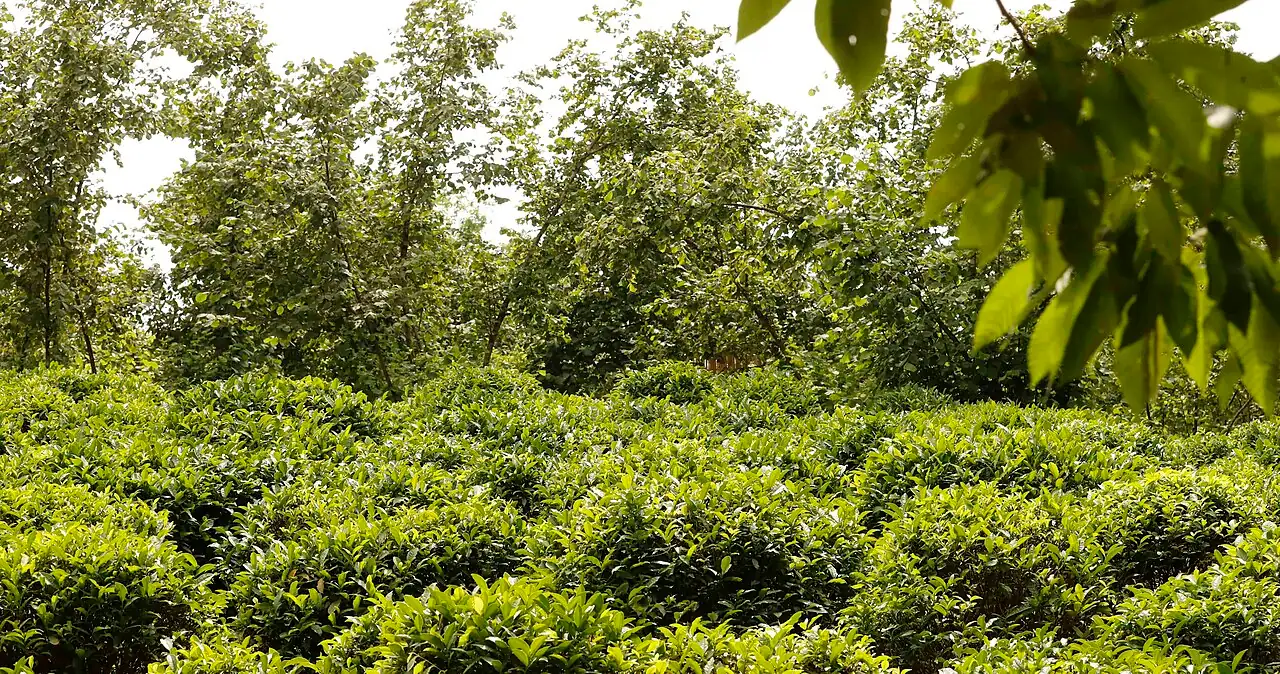
- Size: Evergreen shrub to small tree; commonly maintained as a multi-stem shrub. In cultivation it is often kept around 1–2 m (3–6.5 ft) by pruning; unpruned plants can become larger.
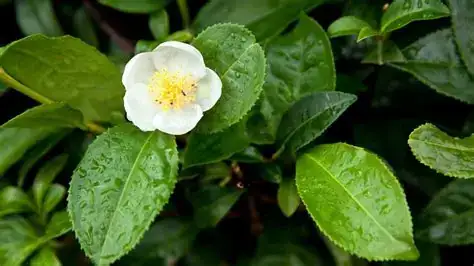
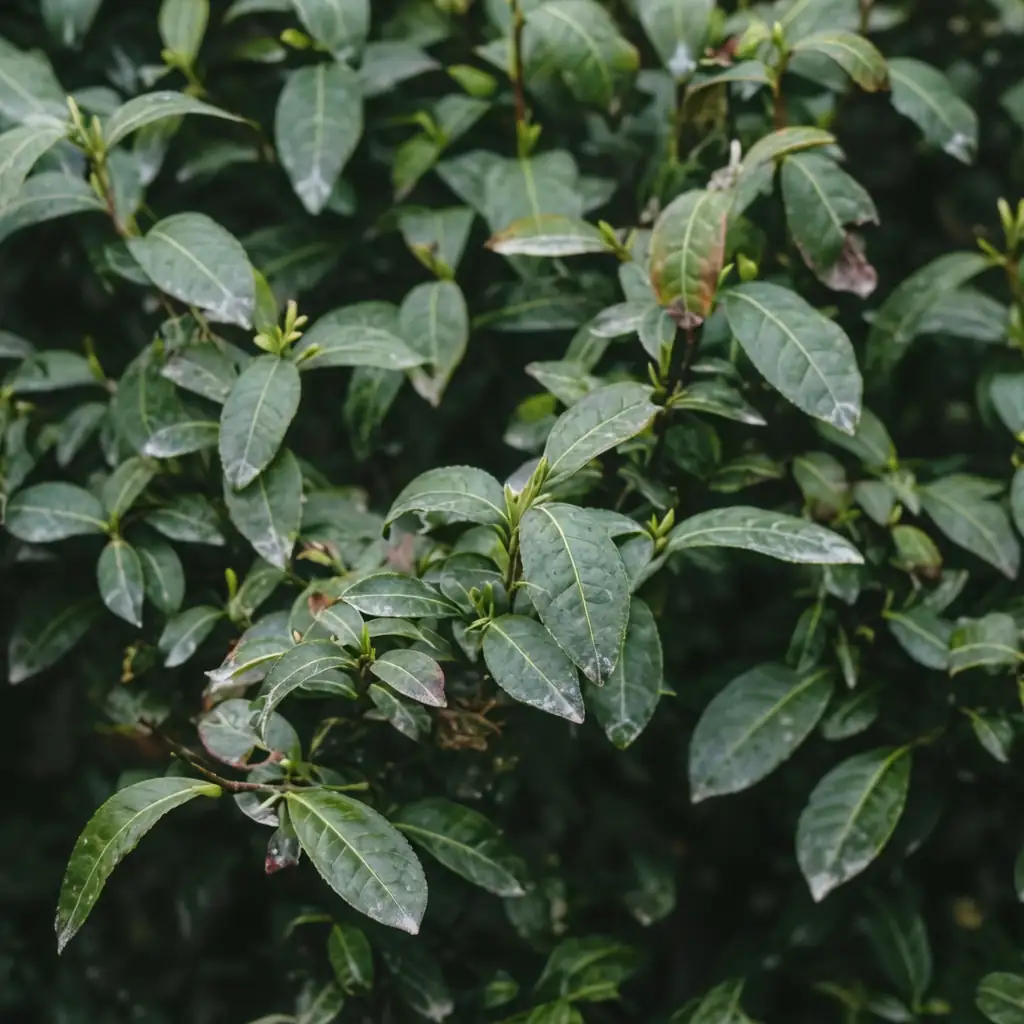
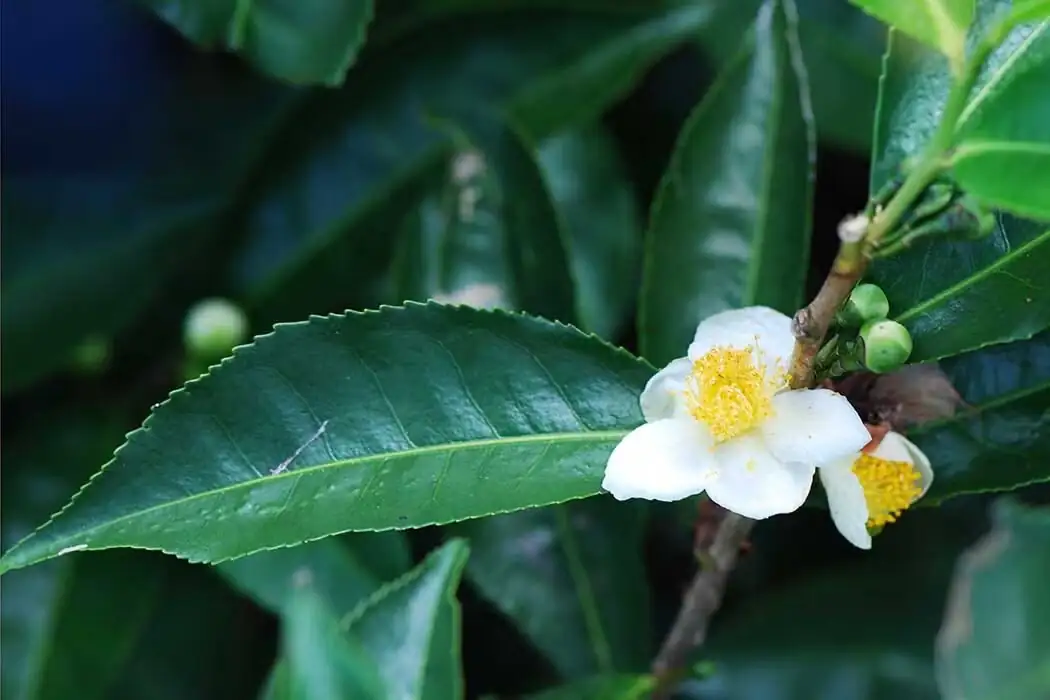
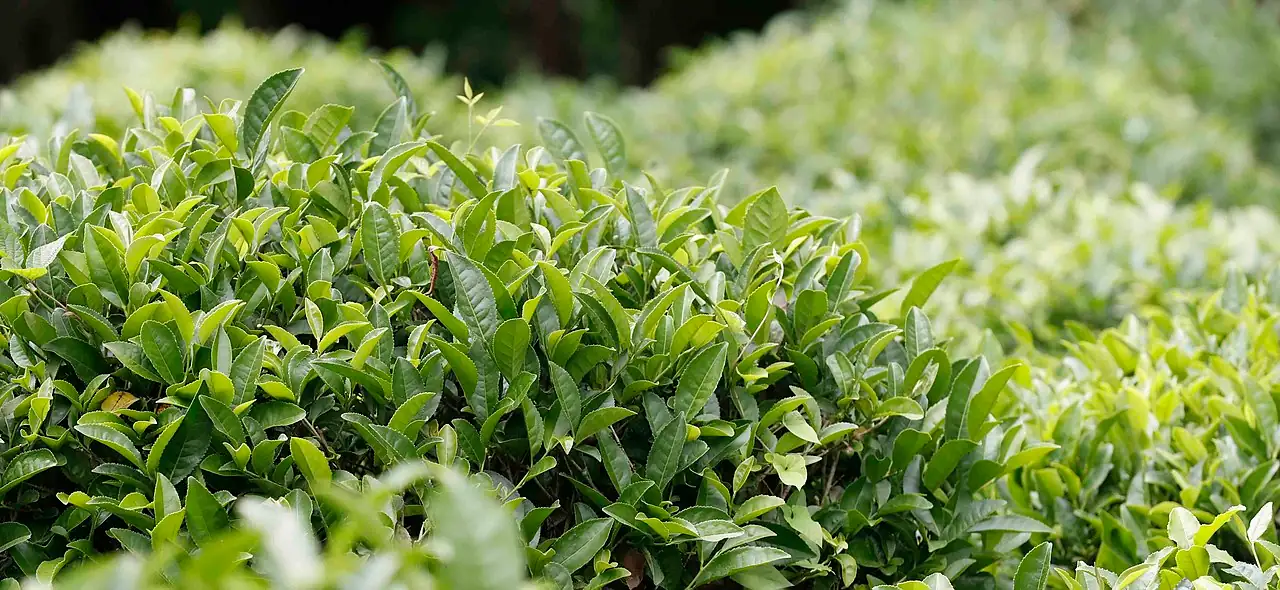
- Foliage: Leathery, elliptic to oblong leaves with a pointed (sometimes slightly notched) tip and shallow serrations along the margin; prominent lateral veins. Young leaf undersides may be slightly hairy.
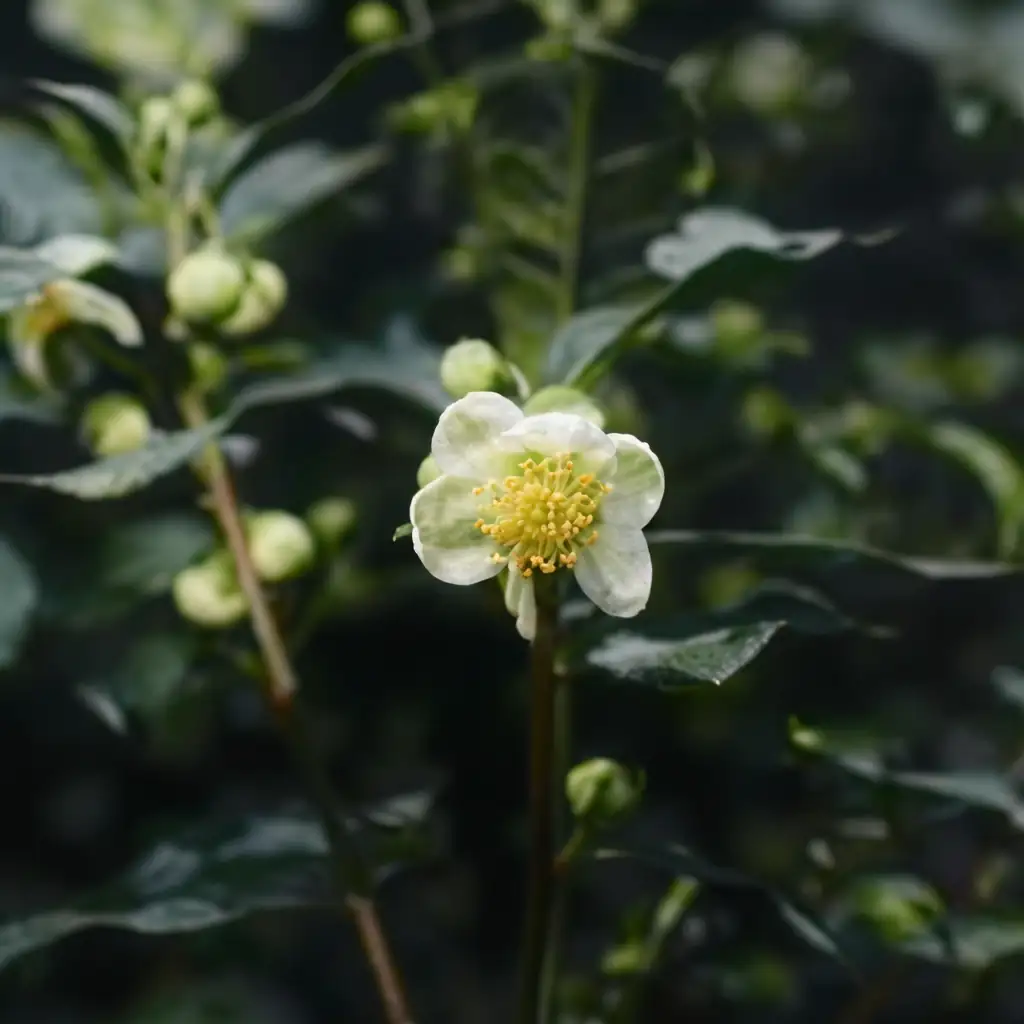
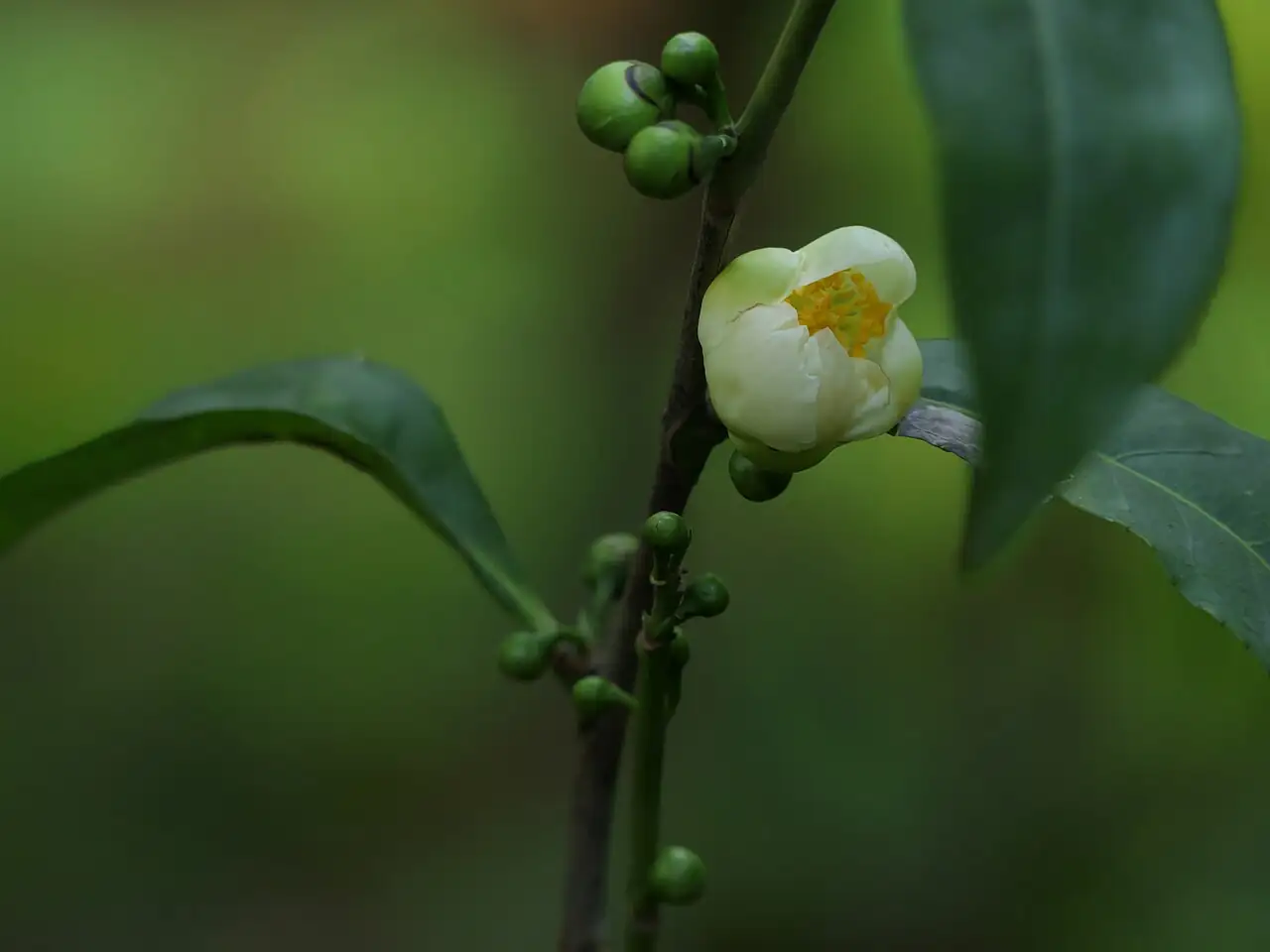
- Flower: Small, white, axillary flowers. Fruits are rounded, capsule-like and may mature the following year; seeds are brown.
- Flowering Season: October to February (in much of its cultivated range; varies by climate)
- Growth Habit: Evergreen, usually bushy and multi-stemmed; can be trained into a small tree. Prefers warm, humid conditions; tolerates brief cold snaps. Best growth in fertile, well-drained, acidic soils; full sun to partial shade.
Environment
Sunlight
Full sun to partial shade (best leaf quality often comes from bright light with some afternoon shade in hot climates).
Temperature
Best growth around 15–25°C (59–77°F); can tolerate short periods of lower temperatures if not severe.
Humidity
Prefers a humid, moisture-balanced environment; avoid prolonged hot, dry air.
Soil
Deep, fertile, well-drained acidic soil; aim for roughly pH 4.5–6.0. Avoid waterlogged or highly alkaline soils.
Placement
Outdoors in gardens, hedges, or landscape plantings; also suitable for large containers in a bright patio, conservatory, or greenhouse.
Hardiness
Generally hardy in USDA Zone 7–9 (approx.), depending on cultivar and local conditions; protect from hard freezes and drying winter winds.
Care Guide
Difficulty
Moderate. Performs well when given acidic, well-drained soil, consistent moisture, and protection from extremes (drought, waterlogging, and hard freezes).
Buying Guide
Choose plants with dense, glossy foliage and no leaf spotting. Check for pests (especially scale insects) on the undersides of leaves and along stems. If buying for tea harvest, select a known tea cultivar suited to your climate and intended use (green/black/oolong styles).
Watering
Keep evenly moist but not soggy. Water deeply when the top 2–5 cm (1–2 in) of soil begins to dry. Container plants dry faster and may need more frequent watering; reduce watering in cool seasons while preventing the rootball from fully drying out.
Fertilization
Feed in spring through summer with an acid-loving plant fertilizer (e.g., azalea/camellia-type). Apply lightly but regularly according to label directions; avoid heavy feeding in late fall and winter. Mulch with pine bark/needles to help maintain acidity and moisture.
Pruning
Prune after flowering or after the main flush of growth to shape and encourage bushiness. For tea production, plants are often kept low by regular tip-pruning to promote tender new shoots. Remove dead, weak, or crossing branches to improve airflow.
Propagation
Commonly propagated by semi-hardwood cuttings in late summer to early autumn, or by seed (seed-grown plants can vary). Layering is also possible for home growers.
Repotting
Repot container plants every 2–3 years, or when roots circle the pot. Use a free-draining, acidic mix. Move up one pot size at a time and avoid burying the crown.
📅 Seasonal Care Calendar
Spring: begin feeding, refresh mulch, prune for shape after bloom. Summer: maintain consistent moisture and watch for pests. Autumn: reduce fertilizer, continue steady watering, protect from early frosts if needed. Winter: protect from hard freezes and drying winds; water sparingly but do not let roots dry out completely.
Pests, Diseases & Safety
Common Pests & Diseases
Common issues include scale insects, aphids, spider mites (in dry conditions), and tea mosquito bug in some regions. Leaf spot and sooty mold can occur, especially when scale is present. Improve airflow, avoid overhead watering late in the day, and manage pests early with horticultural oil or insecticidal soap where appropriate.
Toxicity
Generally considered non-toxic to people and pets as an ornamental plant. However, concentrated caffeine in processed tea products can be harmful to pets if ingested in quantity; keep brewed tea, tea bags, and caffeine-containing products away from animals.
Culture & Symbolism
Symbolism: Often associated with hospitality, calm focus, and everyday ritual; tea culture is linked to mindfulness and social connection in many societies.
History & Legends: Originating in China, tea cultivation and tea drinking spread across East Asia and later to the rest of the world through trade routes and cultural exchange, becoming one of the most globally influential plant-based beverages.
Uses: Primary use is harvesting young leaves and buds to produce green, black, oolong, white, and other teas. It is also grown as an evergreen ornamental shrub or hedge in suitable climates. Tea leaves contain naturally occurring compounds such as caffeine and polyphenols that contribute to flavor and widely discussed wellness-related properties.
FAQ
Is green tea a different plant from black tea?
No—both come from the same species, Camellia sinensis. The difference is mainly in how the leaves are processed (especially how much oxidation occurs).
Can I grow a tea plant in a pot?
Yes. Use a free-draining, acidic potting mix, keep the soil evenly moist (not soggy), and place it in bright light—often with afternoon shade in hot climates. Repot about every 2–3 years.
Why are my tea plant leaves looking dull or developing spots?
Common culprits are scale insects (often followed by sooty mold), uneven watering, poor airflow, or leaf-spot diseases. Check leaf undersides for pests, improve airflow, and avoid late-day overhead watering.
Fun Facts
- All traditional teas (green, black, oolong, white) come from the same species—Camellia sinensis; the differences come from processing and oxidation.
- Tea plants are evergreen and can live for decades; in production they are kept low by pruning to make harvesting easier.
- Small white tea flowers are attractive to pollinators, even though the plant is mainly grown for its leaves.


