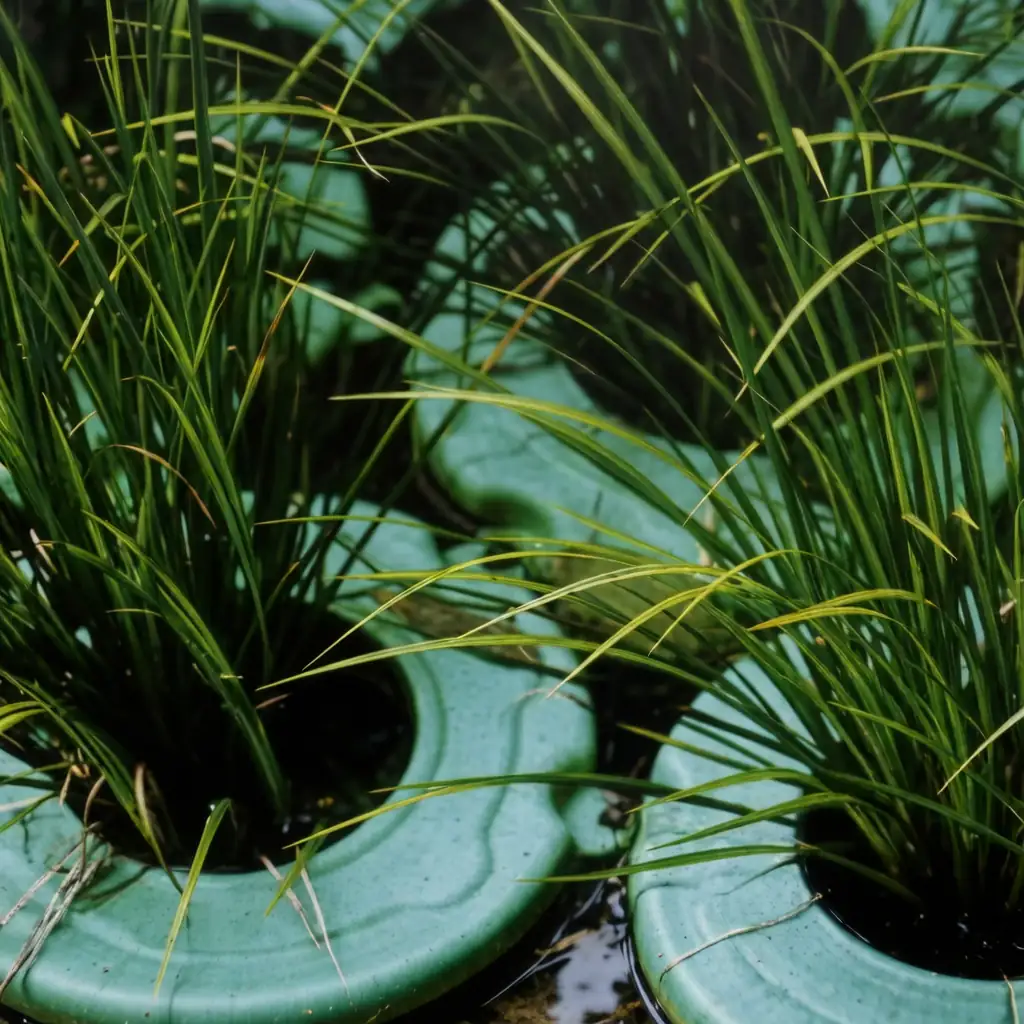
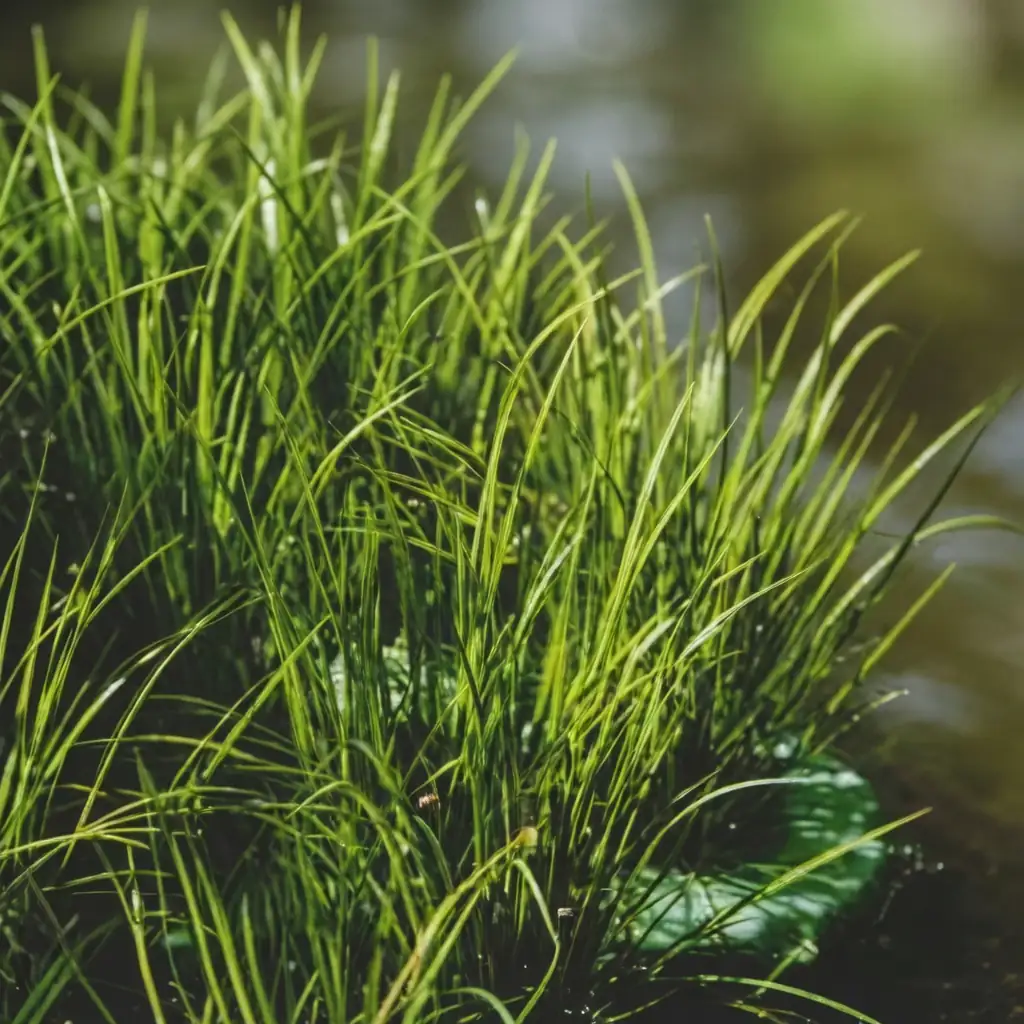
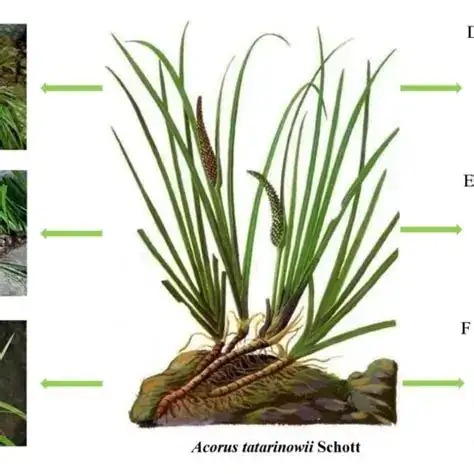
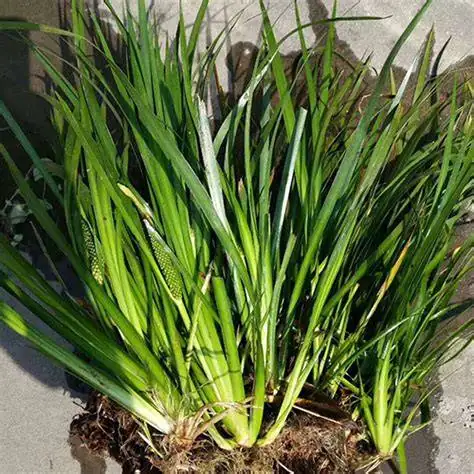
Plant Features
- Size: Typically 30–50 cm (12–20 in) tall; forms clumps that slowly spread via rhizomes.
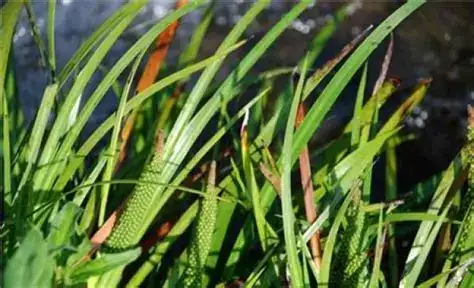
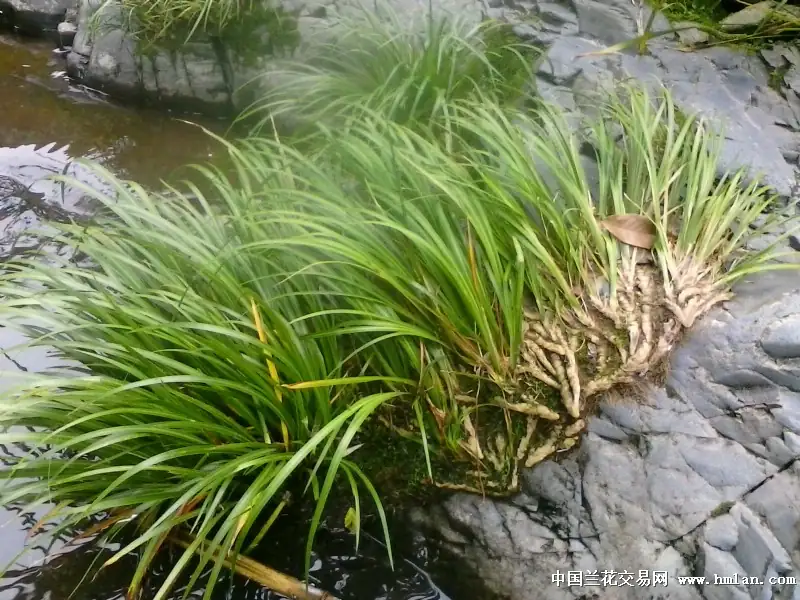
- Foliage: Evergreen, glossy, linear (strap-like) leaves with smooth, entire margins. The leaves are arranged in two ranks, giving a tidy, fan-like look in clumps.
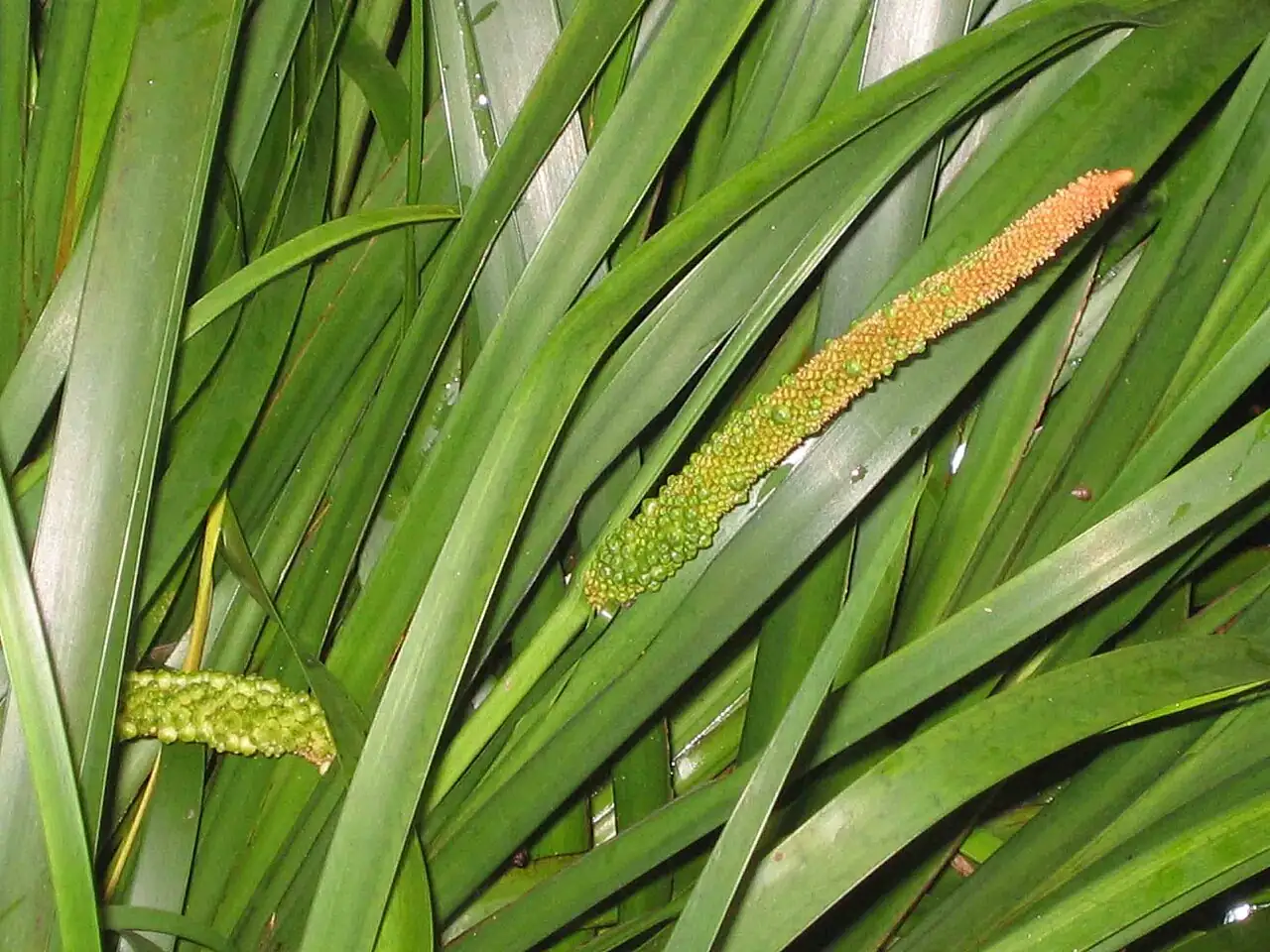
- Flower: Small, greenish flowers packed tightly onto a short spadix; the spathe is leaf-like and not showy (more interesting than flashy).
- Flowering Season: February–June
- Growth Habit: Evergreen, rhizomatous perennial herb; clump-forming and gradually spreading, often used as a dense groundcover in shaded, moist woodland-style plantings.
Environment
Sunlight
Partial shade to full shade; avoid harsh direct midday sun.
Temperature
Prefers cool to warm conditions; generally tolerates about -10–30°C (14–86°F) as long as it stays evenly moist.
Humidity
Moderate to high humidity; happiest with consistently damp air/soil and dislikes drying conditions.
Soil
Moist to wet, humus-rich, well-aerated soil. Also adapts to gravelly streamside substrates if water is reliably present.
Placement
Woodland gardens, shaded borders, and stream/pond edges; excellent beneath trees where the soil stays consistently moist. Can be grown at pond margins or in shallow water if the crown isn’t deeply submerged.
Hardiness
Approximately USDA Zone 6–10; protect from prolonged deep freezes and drying winds, especially in containers.
Care Guide
Difficulty
Easy to moderate: very forgiving when kept consistently moist, but it declines quickly if the root zone dries out.
Buying Guide
Choose plants with firm, healthy, fresh-smelling rhizomes and clean, glossy leaves. Avoid pots that smell sour (often a sign of anaerobic, stagnant conditions) or plants with browned tips from drought stress.
Watering
Keep soil evenly moist to wet. Water whenever the surface begins to dry—don’t let the root zone dry out. Increase watering frequency in hot weather. Suitable for pond edges and shallow water culture as long as the crown is not deeply submerged.
Fertilization
Light feeder. Feed gently in spring and early summer: use a diluted balanced fertilizer every 4–6 weeks, or top-dress with compost. Avoid heavy feeding, which can cause overly soft, weak growth.
Pruning
Remove yellowed or damaged leaves at the base as needed. Tidy clumps in late winter to early spring before strong new growth starts.
Propagation
Divide rhizomes in spring or early autumn. Make sure each division has roots and at least one growth point; replant promptly and keep consistently moist while re-establishing.
Repotting
Repot or divide every 1–2 years (or whenever clumps become crowded). Use a moisture-retentive mix and a pot that won’t dry too quickly.
📅 Seasonal Care Calendar
Spring: divide/repot and begin light feeding. Summer: maintain constant moisture and protect from strong sun. Autumn: divide if needed; keep evenly moist as temperatures cool. Winter: stop feeding; keep soil slightly moist and protect containers from hard freezes.
Pests, Diseases & Safety
Common Pests & Diseases
Generally trouble-free. Aphids may appear on tender growth, and leaf spotting can occur in stagnant, overcrowded conditions. Improve airflow, remove old leaves, and avoid drought stress to keep plants clean and vigorous.
Toxicity
Not recommended for ingestion. Although the aromatic rhizomes have traditional uses, self-medication is unsafe. Keep out of reach of children and pets; seek professional advice if ingestion occurs.
Culture & Symbolism
Symbolism: Often linked with purification and protection in East Asian cultural and garden traditions, where sweet-flag plants are valued for their clean, fresh fragrance and evergreen presence.
History & Legends: Acorus species have been grown in East Asia for centuries for fragrance and traditional purposes. 石菖蒲 is especially appreciated for its scented rhizomes, shade tolerance, and ability to thrive beside water.
Uses: Primarily ornamental: an evergreen, glossy-leaved groundcover for shaded, moist sites such as woodland gardens, stream edges, and under-tree planting; also appreciated for its aromatic rhizomes in traditional contexts.
FAQ
When does it flower?
Typically from February to June.
When does it fruit?
If fruits form, they usually develop around the flowering period, roughly February–June.
How tall does it get?
Usually about 30–50 cm (12–20 in) tall.
What growing conditions does it prefer?
Shade (partial to full) and consistently moist soil; it dislikes harsh sun and does not tolerate drought.
Where is it commonly grown or found?
Widely cultivated across China and naturally associated with moist, shaded mountain stream habitats—like rock crevices and gravel along running water.
Fun Facts
- It stays evergreen and glossy even in fairly deep shade, which is why gardeners love it as a woodland groundcover.
- Its flowers don’t have showy petals—instead, they sit on a green spadix with a leaf-like spathe.
- In nature, it often wedges itself into narrow, wet gaps between stones where water is constantly moving.
- The rhizome is notably aromatic, giving the plant much of its traditional and ornamental appeal.