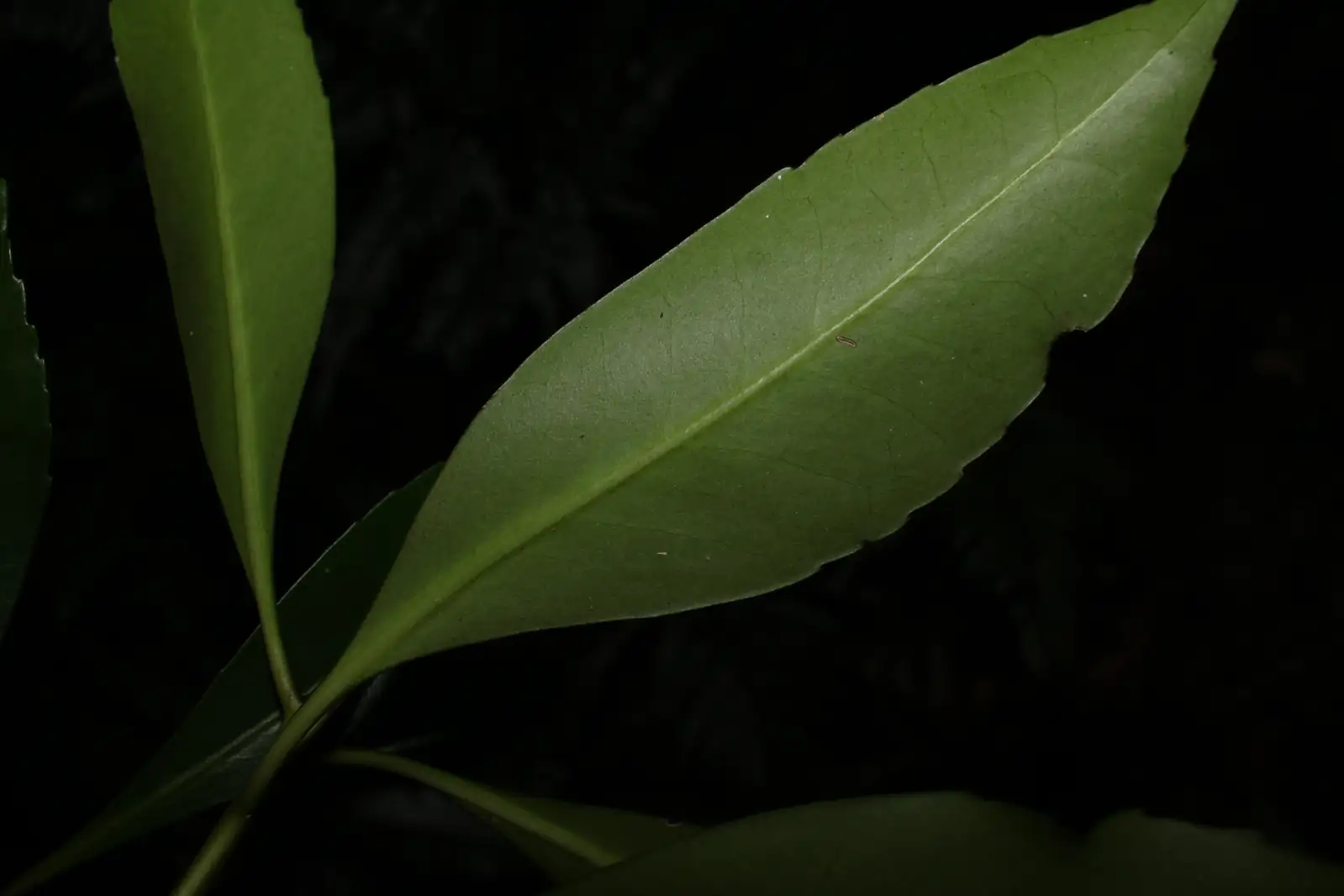
Plant Features
- Size: Typically 5–10 m (16–33 ft) tall; often grown as a large shrub or small tree.
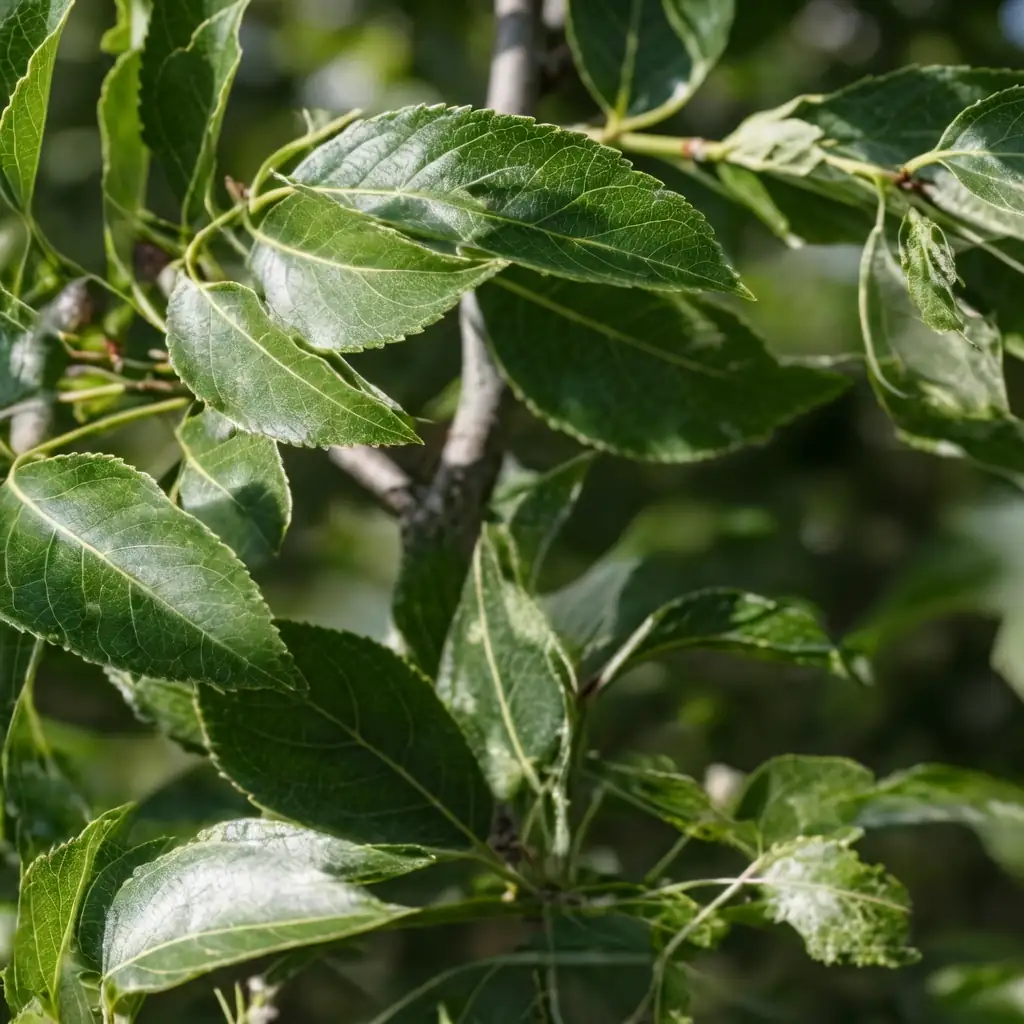
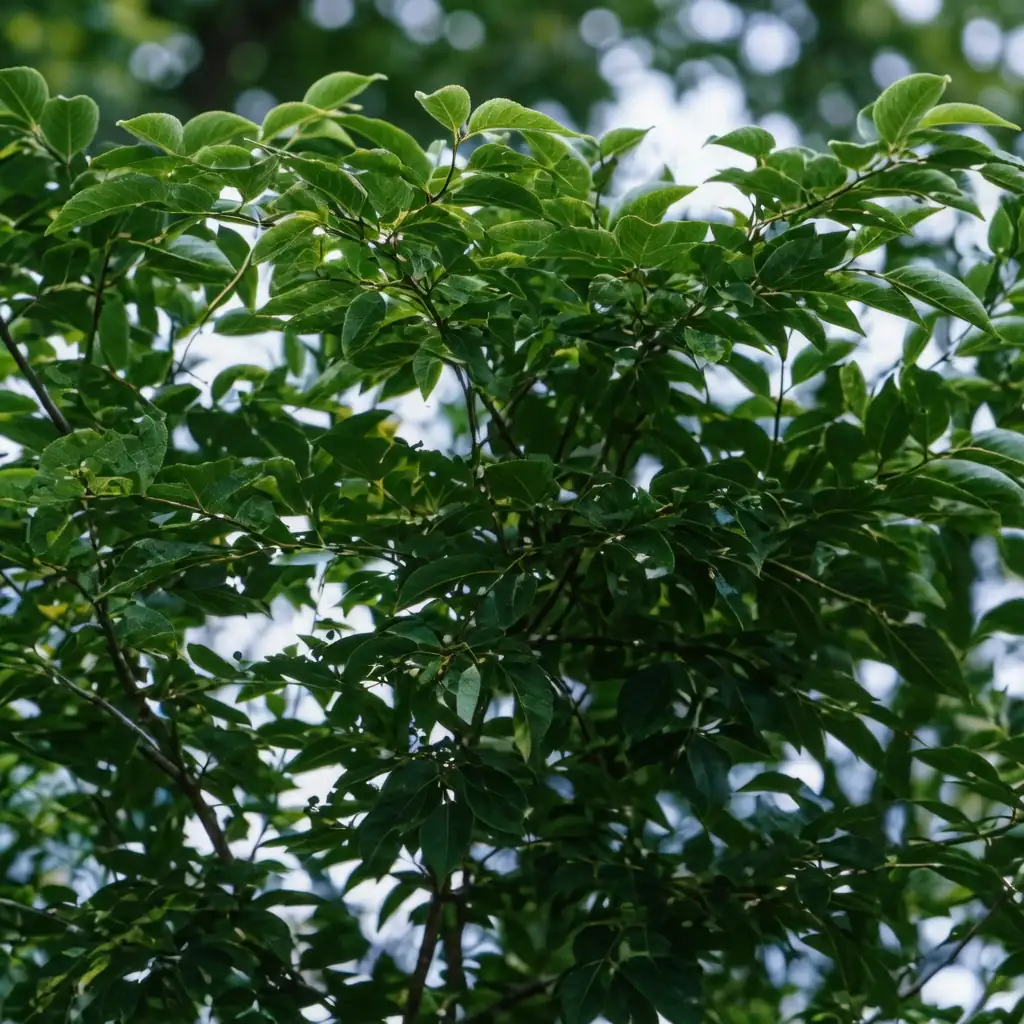
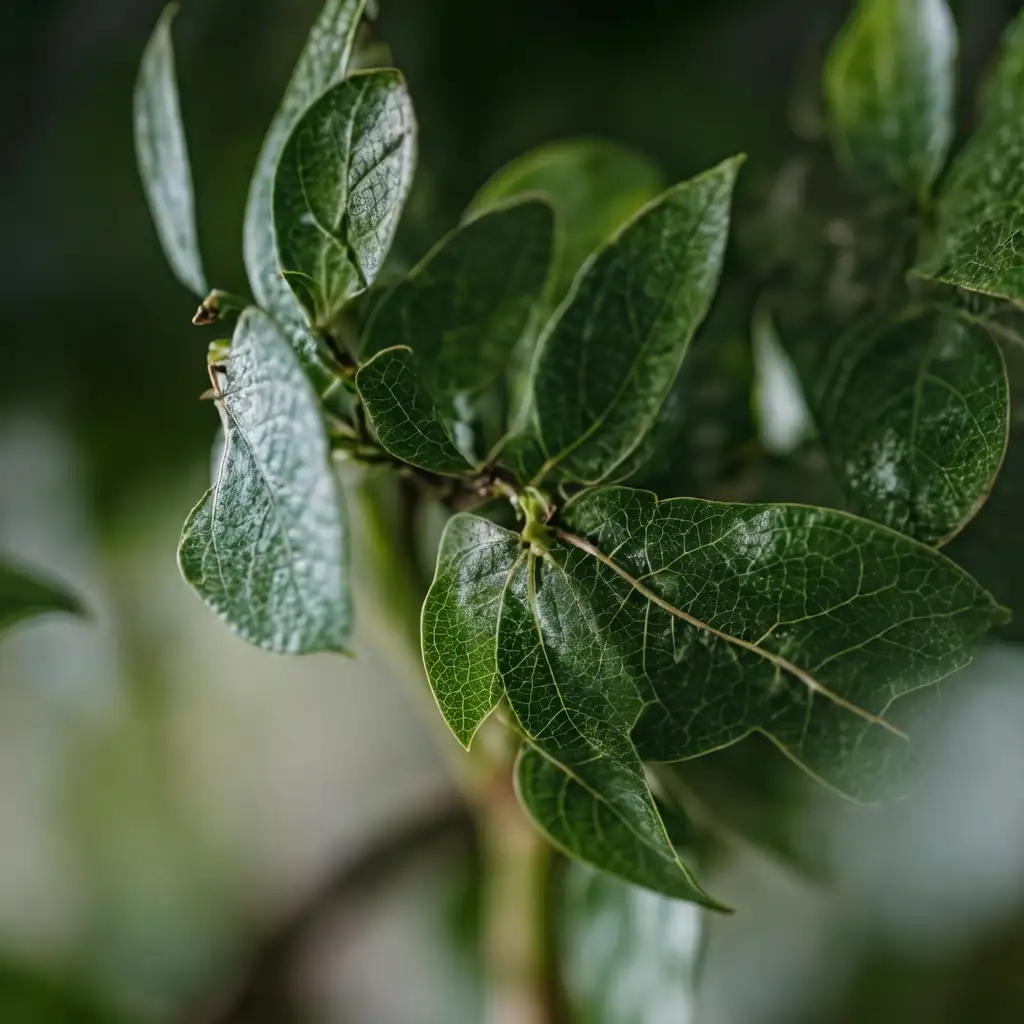
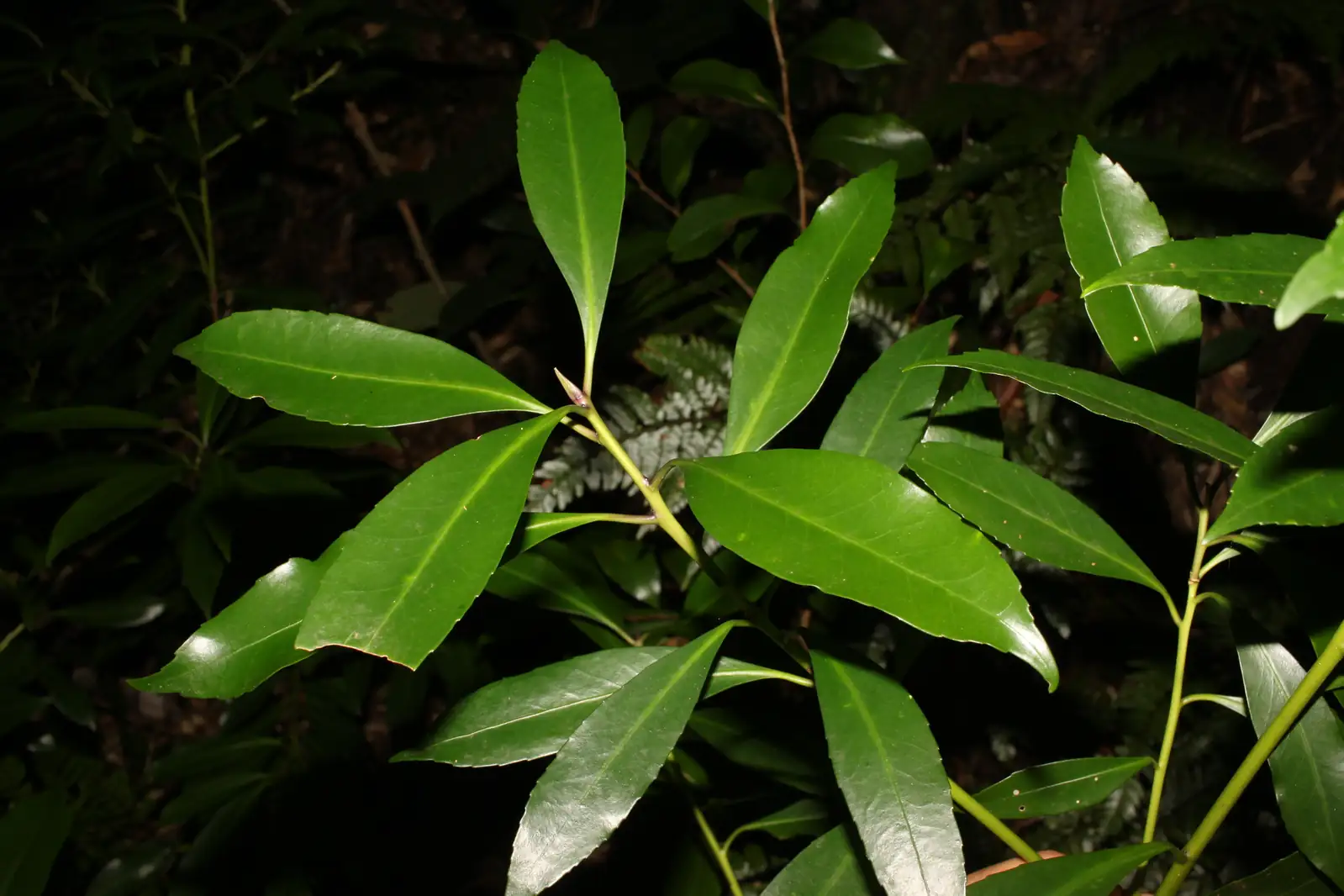
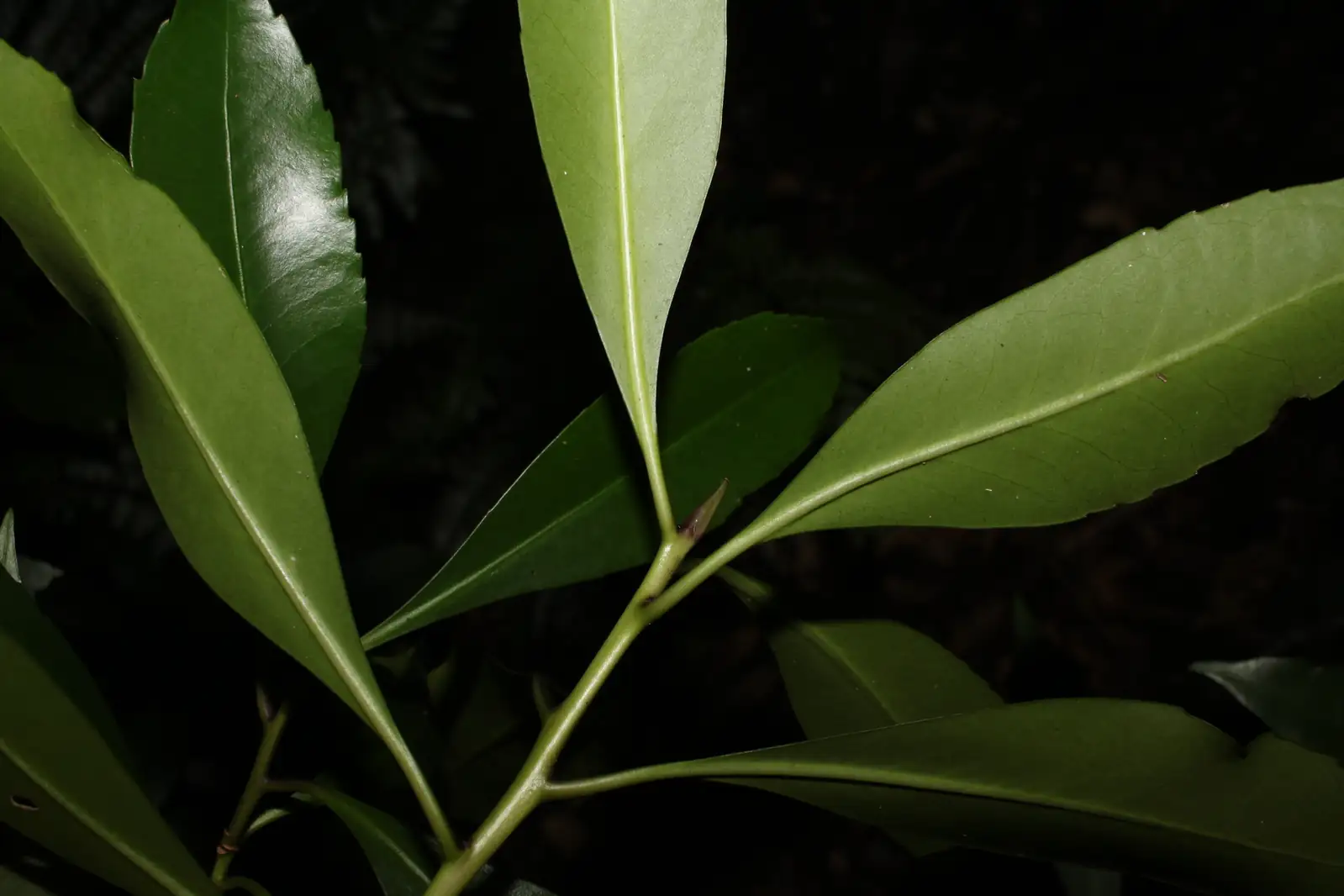
- Foliage: Young twigs are covered with soft, grayish-white hairs, becoming smooth as they age. The leaves have a thin, papery-to-mემბranous texture and vary in shape, commonly obovate to elliptic-obovate or ovate.
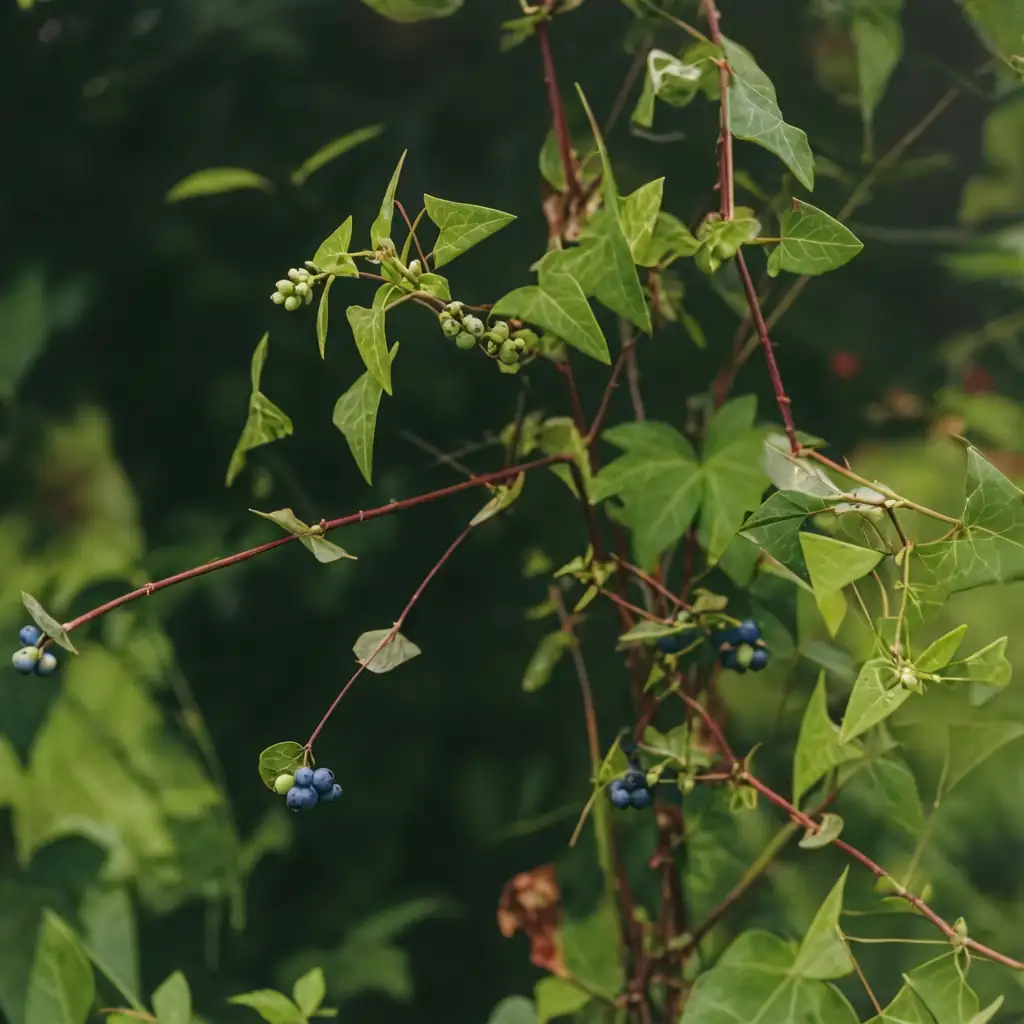
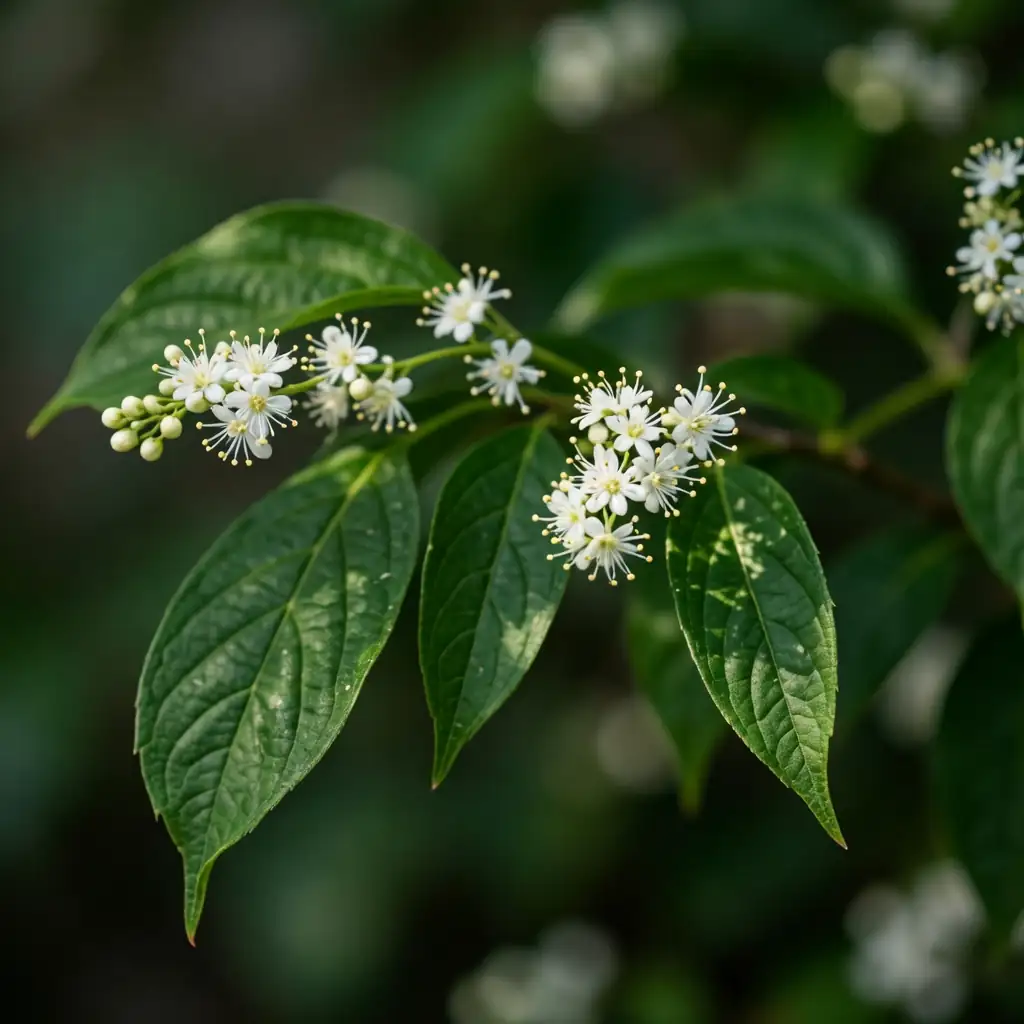
- Flower: White flowers are carried in panicles and can be noticeably fragrant up close. After flowering, the plant forms small drupes that mature to an ornamental blue; the fruits are egg-shaped to nearly spherical, slightly asymmetric, about 5–8 mm (0.2–0.3 in) long, and topped with persistent, upright calyx lobes.
- Flowering Season: May
- Growth Habit: Deciduous shrub or small tree
Environment
Sunlight
Full sun to partial shade; flowering is usually best with at least 6 hours of sun.
Temperature
Cold-tolerant; grows best in cool to temperate conditions, roughly 10–25°C (50–77°F).
Humidity
Adaptable. Prefers moderate moisture, tolerates short dry periods once established, but dislikes prolonged waterlogging.
Soil
Well-drained garden soil; adapts to woodland soils and sloped sites. Keep evenly moist during establishment, then allow slight drying between deep waterings.
Placement
Outdoors in gardens and parks—sunny borders, woodland edges, and naturalistic plantings. Lovely near paths where you can enjoy the spring blooms (and their fragrance) at close range.
Hardiness
Cold-hardy; suitable for temperate climates (approx. USDA Zone 6–9).
Care Guide
Difficulty
Easy to moderate outdoors: generally robust once established, with good cold tolerance and the ability to handle short dry spells.
Buying Guide
Choose a young, well-rooted plant with healthy buds and clean, unblemished leaves. Avoid severely pot-bound specimens, and check that the potting mix isn’t waterlogged or sour-smelling—healthy roots are key to quick establishment.
Watering
Water deeply after planting and keep soil evenly moist through the first growing season. Once established, water during extended droughts; let the top 2–5 cm (1–2 in) dry slightly between waterings. Avoid constantly soggy soil.
Fertilization
In early spring, top-dress with 2–5 cm (1–2 in) of compost or use a balanced slow-release fertilizer. Avoid heavy nitrogen, which can encourage leafy growth at the expense of flowers.
Pruning
Prune lightly after flowering to shape and to remove crossing, weak, or damaged branches. If training as a small tree, raise the canopy gradually by removing lower branches over several seasons.
Propagation
Seed (clean and sow; cold stratification may improve germination) or semi-hardwood cuttings in summer using rooting hormone and bottom heat.
Repotting
Usually planted in the ground. In containers, repot every 2–3 years in early spring into a slightly larger pot with a free-draining mix and excellent drainage.
📅 Seasonal Care Calendar
Spring: compost/fertilize; enjoy flowering; light post-bloom pruning. Summer: deep water during hot, dry stretches; take semi-hardwood cuttings. Autumn: enjoy the blue fruits; ease off watering as temperatures cool. Winter: minimal care; protect newly planted shrubs from drying winds if needed.
Pests, Diseases & Safety
Common Pests & Diseases
Typically trouble-free. Occasional aphids on tender new growth, scale insects, or leaf spot can occur—especially in persistently wet, poorly ventilated conditions. Improve airflow, avoid overhead watering, and use horticultural oil or insecticidal soap when necessary.
Toxicity
No widely cited, well-documented toxicity for Symplocos tanakae; still, it’s best practice not to ingest any parts and to keep fruits/leaves away from small children and pets.
Culture & Symbolism
Symbolism: Often linked with spring freshness and understated elegance—thanks to its clean woodland look and profuse white blossoms.
History & Legends: Primarily known as a regional East Asian woodland species appreciated for horticultural beauty and practical timber use rather than famous folklore.
Uses: Ornamental shrub/small tree for gardens and parks, prized for spring bloom (and fragrance) and blue autumn fruits. Wood is considered good quality and has been used locally for construction and industrial purposes.
FAQ
Does Tanaka sweetleaf need full sun to flower well?
It can grow in partial shade, but it usually flowers most heavily in full sun to light shade—aim for about 6+ hours of sun a day.
Why are the fruits blue?
The drupes naturally develop a distinctive blue coloration as they ripen, making them a standout ornamental feature in autumn.
Is it drought tolerant?
Once established it can handle short dry periods, but it looks best with occasional deep watering during prolonged drought.
Fun Facts
- In spring it can be covered in white flowers, and the blooms are often noticeably fragrant at close range.
- Its fruits ripen to an eye-catching blue and are only about 5–8 mm (0.2–0.3 in) long, with persistent calyx lobes at the tip.
- Young twigs start out softly hairy and grayish-white, then become smooth as they mature.
- It grows across many parts of China, from roadsides to open and dense woodland habitats.
- Besides being ornamental, it’s also noted locally for good-quality timber used in building and industry.