Plant Features
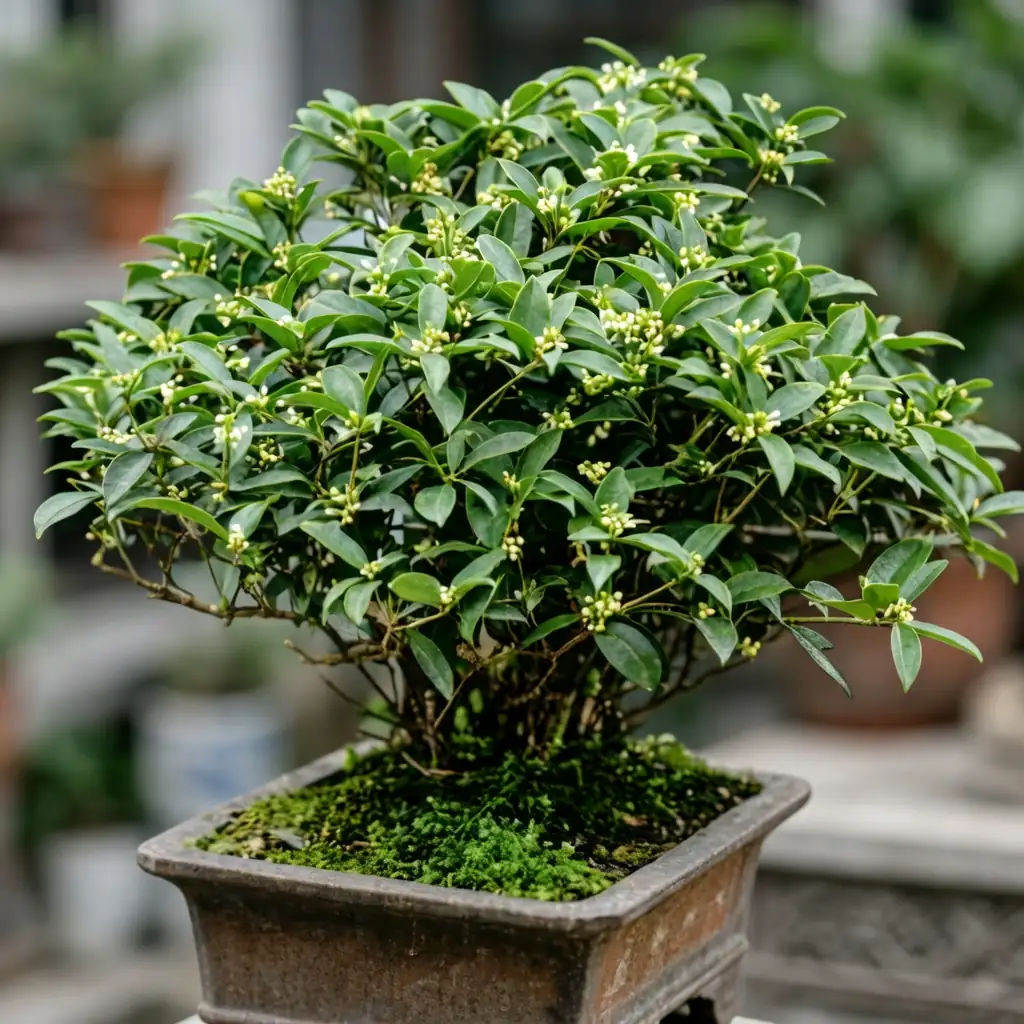
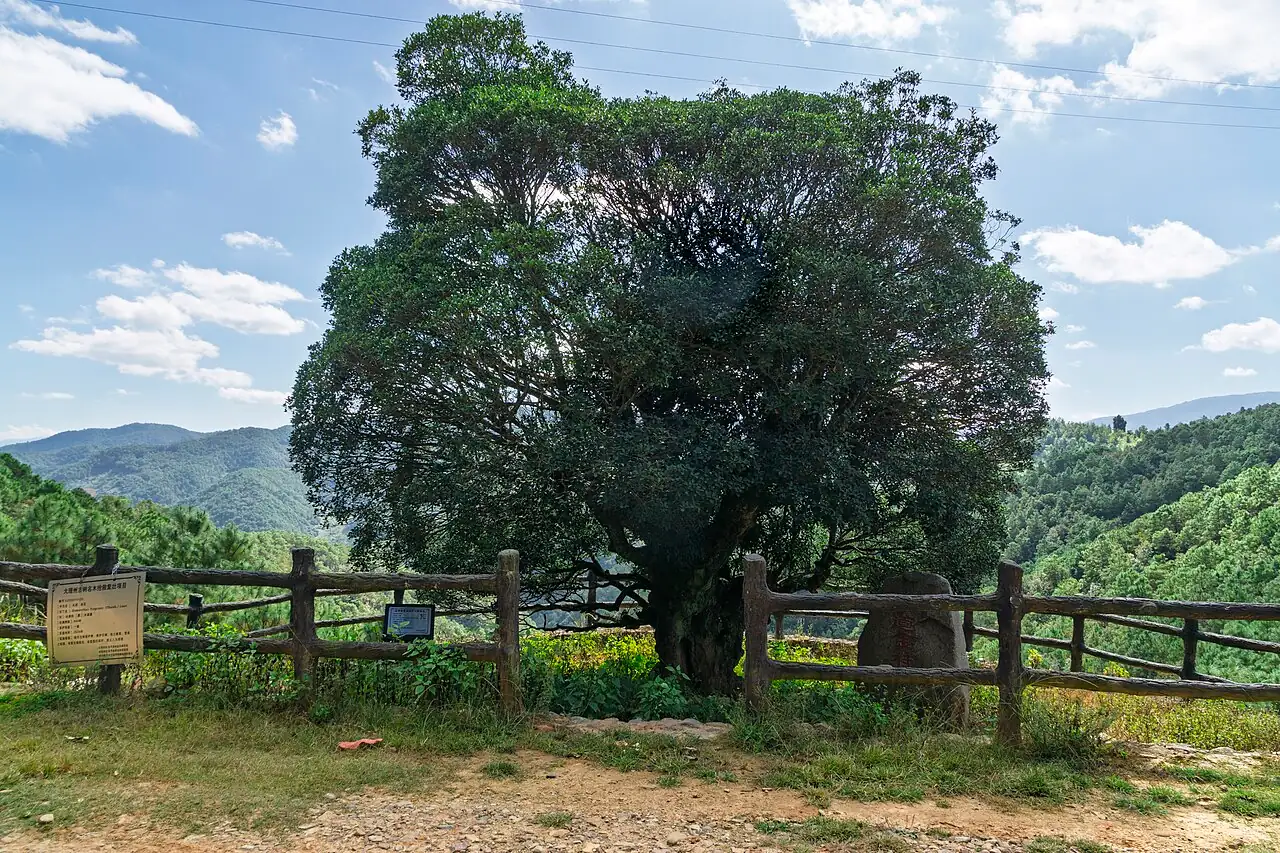
- Size: Evergreen shrub to small tree; in containers it’s commonly kept under 1 m (3.3 ft). A plant around 40 cm (16 in) tall typically suits a 20–30 cm (8–12 in) pot.
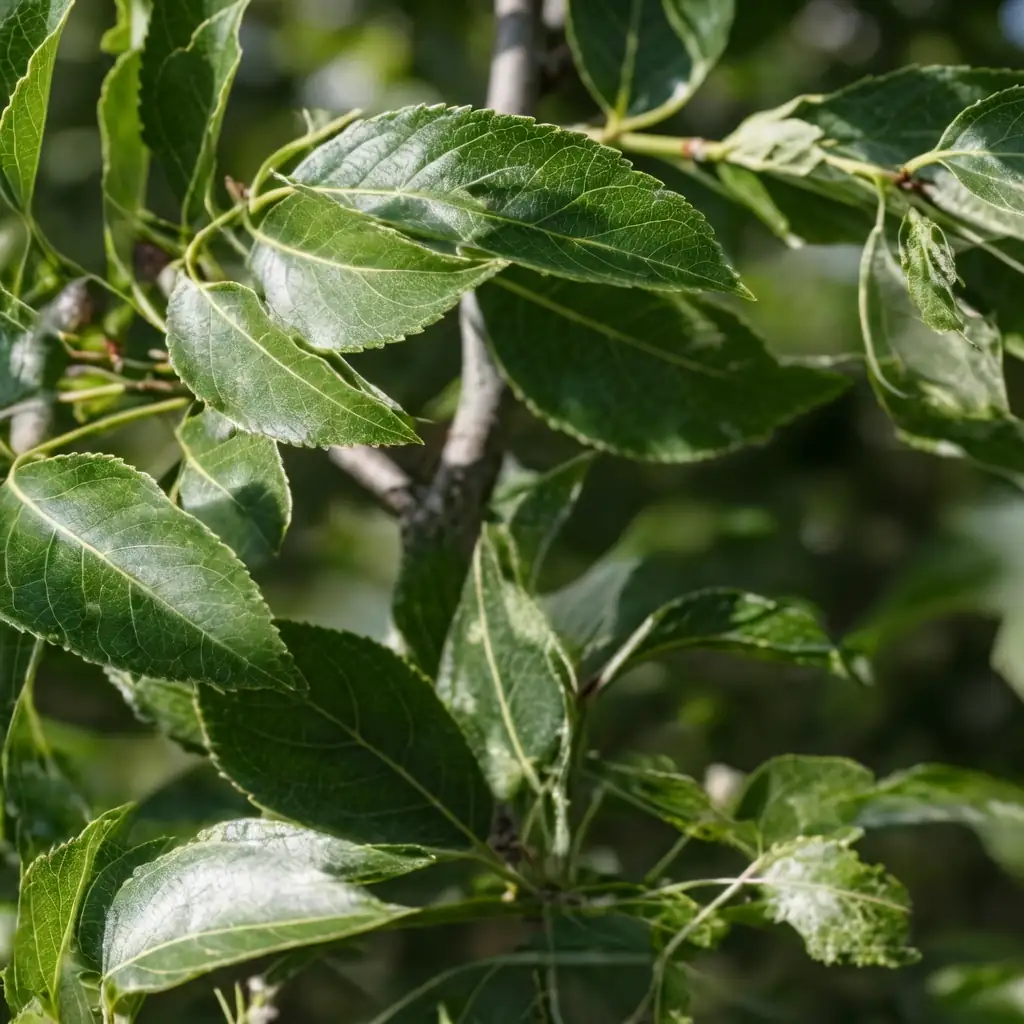
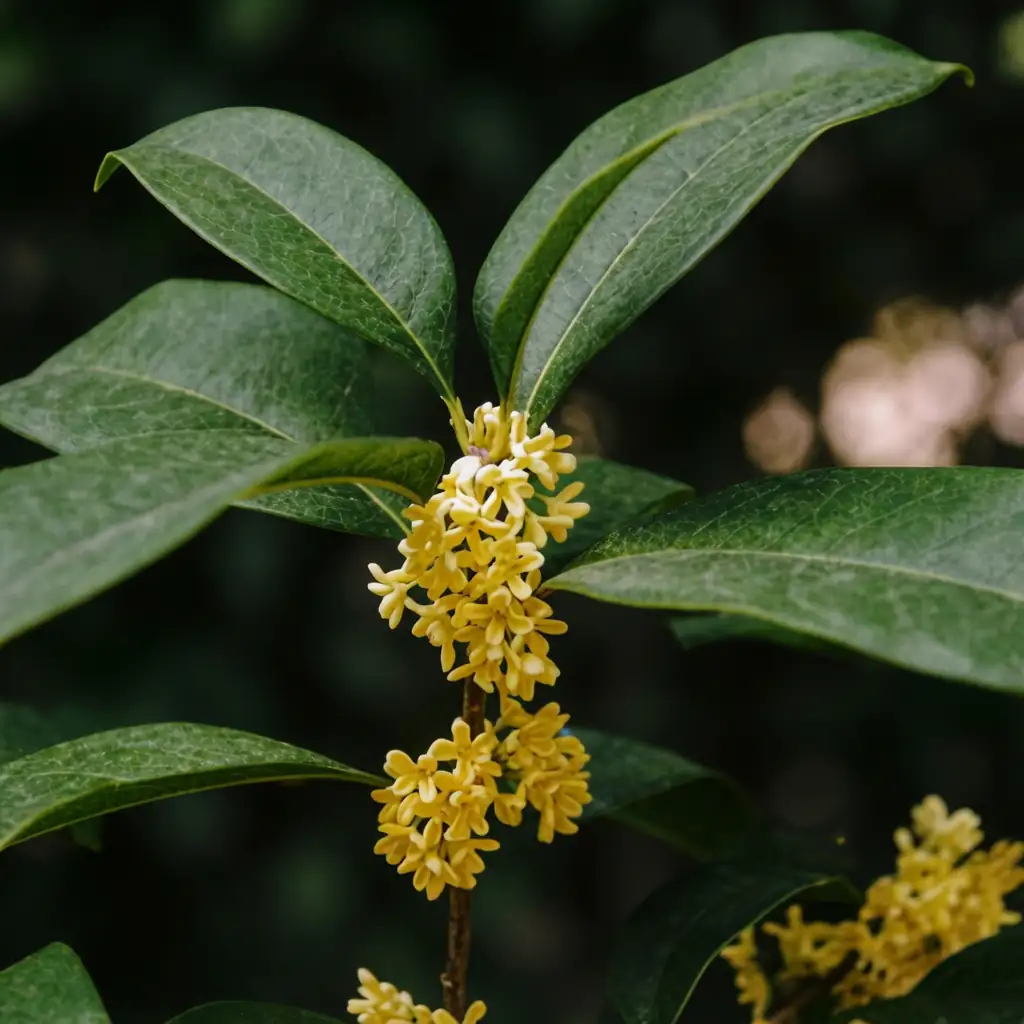
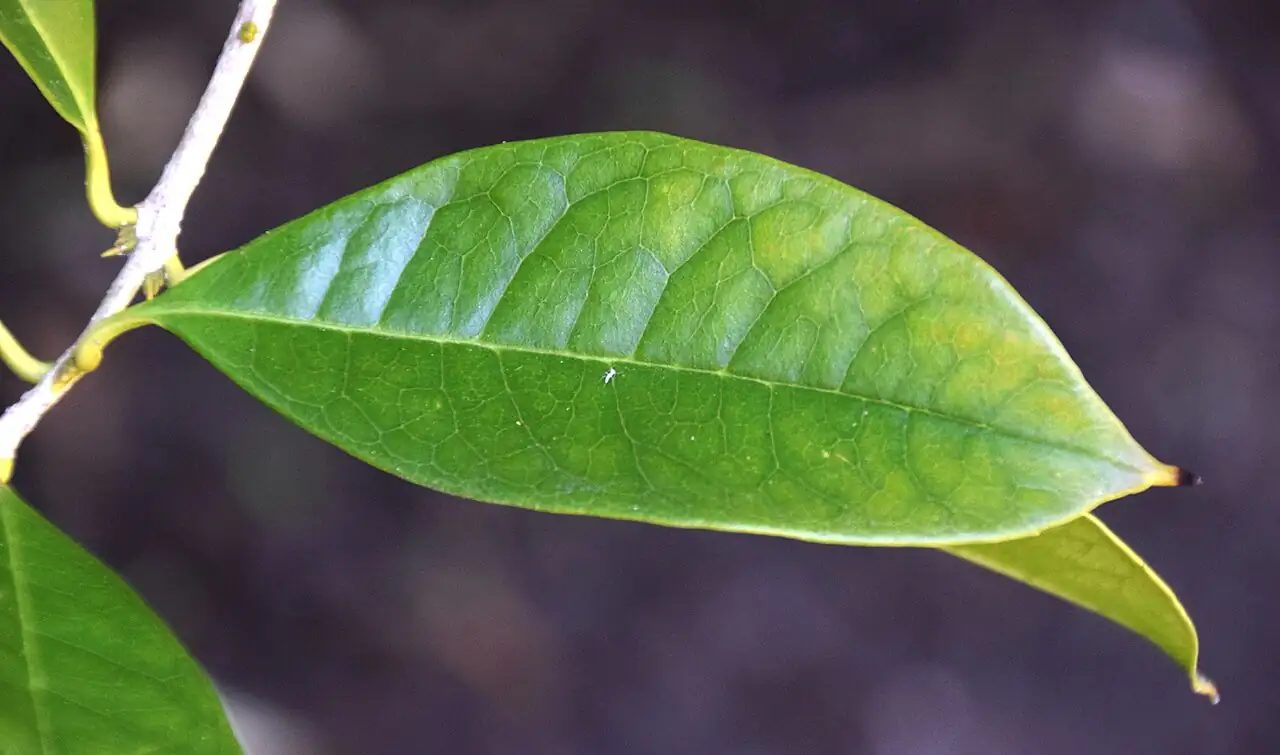
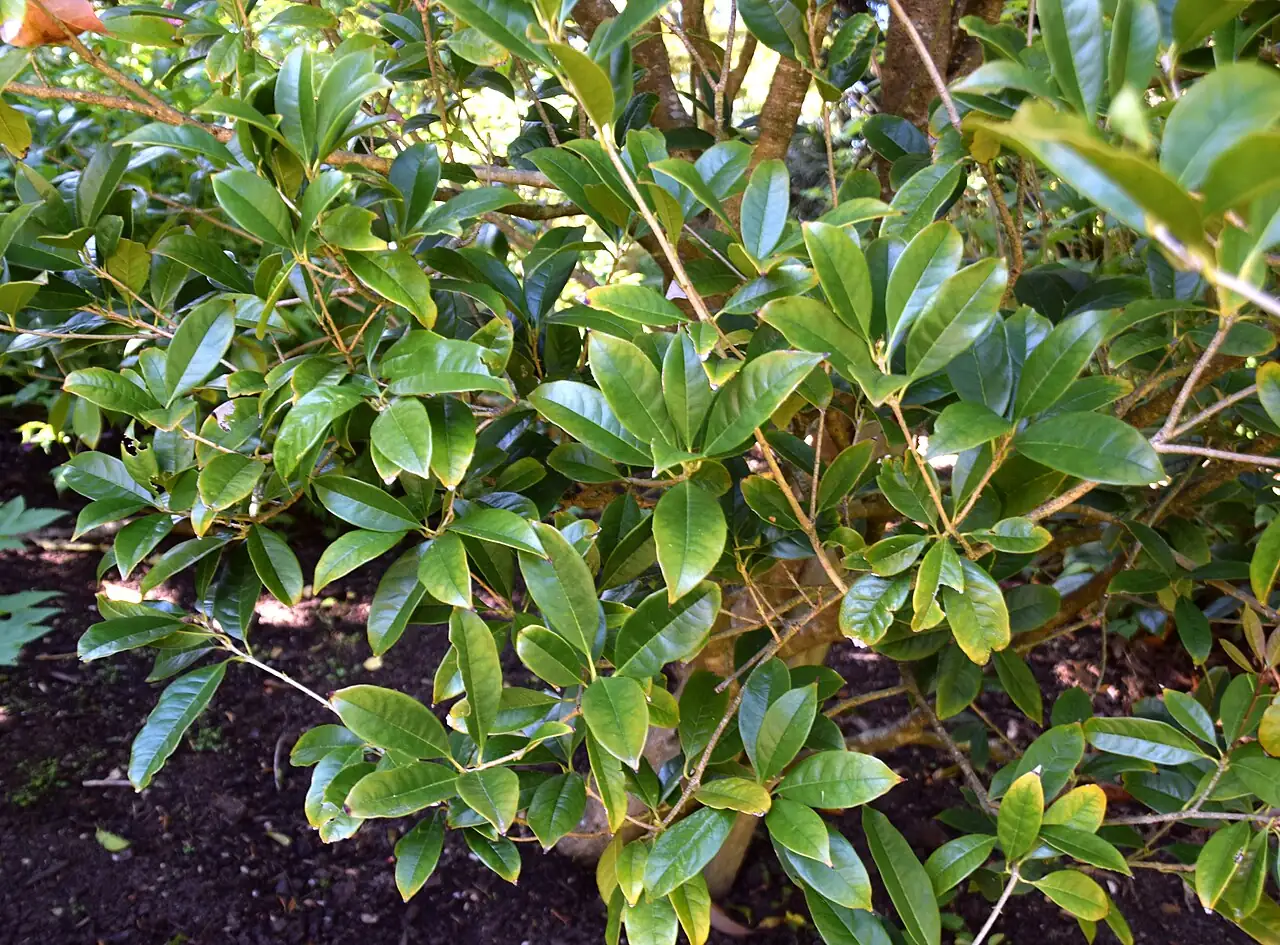
- Foliage: Dense, deep green, evergreen foliage. Well-grown plants look full and tidy with minimal bare twigs; the overall shape is naturally neat and upright when given good light and regular care.
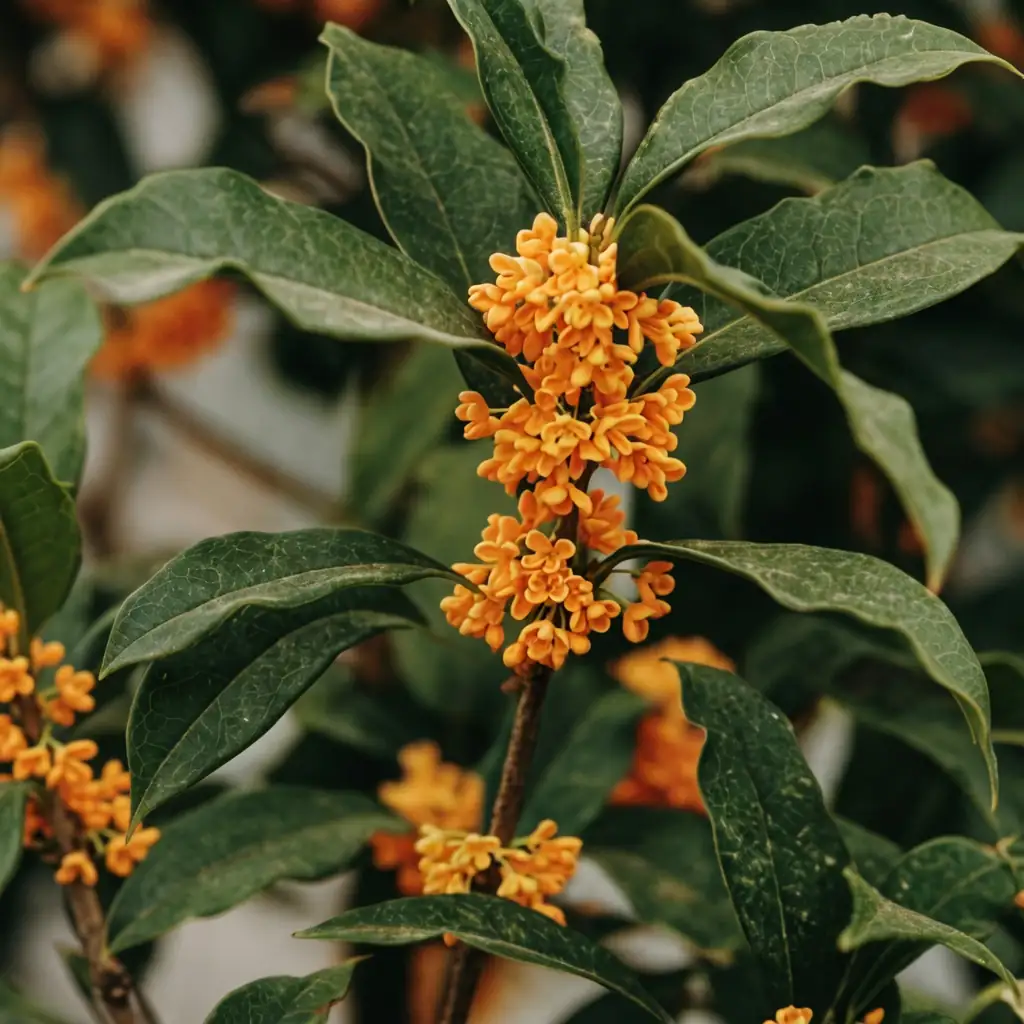
- Flower: Small, clustered blossoms with an intensely sweet perfume; many cultivated forms flower in orange-yellow shades. Flowers are edible and commonly used for scenting teas and flavoring sweets and beverages.
- Flowering Season: Autumn (often September–October).
- Growth Habit: Naturally upright, well-shaped evergreen shrub or small tree. In pots it’s often maintained compact and well-branched; low light can lead to leggy growth and fewer blooms.
Environment
Sunlight
Full sun to partial shade. Bright light is key for good flowering. Young plants appreciate light shade during intense summer sun to prevent leaf scorch. Indoors, keep at a bright east- or south-facing window; outdoors, choose a sunny, airy spot.
Temperature
Prefers warm, humid conditions; best growth around 18–28°C (64–82°F). Can tolerate brief lows near -8°C (18°F), but harsher freezes or cold, wet soil can cause damage and leaf drop. Hot, dry weather may delay flowering, while cooler, wetter early autumn conditions can trigger earlier bloom.
Humidity
Moderate to high humidity is ideal, but avoid stagnant air and waterlogged soil. Occasional misting can help newly purchased or stressed plants—provided airflow is good.
Soil
Fertile, well-drained soil. For pots, use a loose mix such as loam/garden soil plus leaf mold/compost and sand for drainage. Avoid constantly soggy media.
Placement
Warm regions: plant outdoors in gardens/courtyards as a specimen or in groups. Cold regions: grow in pots and overwinter in a bright, cool, well-ventilated space. Avoid dim, stuffy rooms.
Hardiness
Not reliably frost-hardy in very cold climates. Often grown outdoors year-round in mild-winter regions; elsewhere, best as a container plant that can be protected. Brief dips to about -8°C (18°F) may be tolerated, but severe freezes and winter wet increase risk of damage.
Care Guide
Difficulty
Easy overall with bright light and well-drained soil; flowering improves with strong light and careful watering (especially slightly drier conditions around bloom).
Buying Guide
For container growing, choose a compact, sturdy plant under 1 m (3.3 ft) with a balanced crown and many evenly spaced branches (not stretched/leggy). Leaves should be dense, deep green, and unblemished. For quick enjoyment, pick a plant with lots of buds and a few open, fragrant orange-yellow flowers. After bringing it home, give it bright light and good airflow (sunny window/balcony/courtyard). Avoid low-light, poorly ventilated rooms; a light misting or slight thinning of foliage can reduce water loss while it settles in.
Watering
During active growth, keep soil evenly moist: typically every 2–3 days, and in hot summer to early autumn it may need daily watering (especially in pots). Reduce watering before flowering, and keep on the drier side during bloom—do not keep the soil wet. In winter, water sparingly so the mix stays just slightly moist (neither bone-dry nor soggy).
Fertilization
Container plants: feed about once a month during growth/flowering using well-rotted oil-cake fertilizer tea or a balanced fertilizer (e.g., 20-20-20). In-ground plants: fertilize twice a year—once in winter and once in July; winter feeding is often applied in a shallow trench around the root zone.
Pruning
Prune in winter: remove diseased and weak branches and shorten overly vigorous shoots to encourage fresh flowering wood and a fuller, heavier bloom display.
Propagation
Seeds: sow fresh in late spring, or store in moist sand and sow the following spring; germination usually in 3–4 weeks, but seedlings may take many years to flower. Semi-ripe cuttings: take in early summer; rooting often takes about 8–12 weeks. Layering: in spring, peg down 1–2-year-old low branches into a shallow trench with the tip exposed; separate and pot up the following spring. Grafting: commonly done March–April using side/veneer grafting; privet (Ligustrum) is a frequent rootstock, often used for reliable-flowering forms.
Repotting
A 40 cm (16 in) plant typically fits a 20–30 cm (8–12 in) pot. Repot young container plants annually in spring; older plants every 2–3 years. Use a fertile, well-drained mix (loam + leaf mold/compost + sand). If planting or moving in the ground, do so in spring or autumn, avoid planting too deep, and lightly reduce the canopy to balance root loss.
📅 Seasonal Care Calendar
Growing season: keep evenly moist (about every 2–3 days; daily in hot spells) and ensure good airflow. Pre-bloom & bloom: reduce watering and avoid wet soil. Winter: water lightly, keeping soil only slightly moist. Feeding: containers monthly during growth/flowering; in-ground plants in winter and again in July. Repot: young plants each spring; mature plants every 2–3 years. Prune: winter cleanup and shortening of long shoots. Propagation: sow in late spring (or after moist-sand storage), take semi-ripe cuttings in early summer (rooting ~8–12 weeks), layer in spring (separate next spring), graft in March–April.
Pests, Diseases & Safety
Common Pests & Diseases
May develop leaf blight or brown leaf spot; treat early with Bordeaux mixture or a labeled broad-spectrum fungicide (follow local directions). Common pests include spider mites, whiteflies, scale, and aphids—improve airflow, rinse foliage, and use horticultural oil or insecticidal soap; stronger controls may be used where permitted and appropriate.
Toxicity
Generally considered non-toxic to people and pets, and the flowers are traditionally used in foods. Still, eating large amounts of any plant material may cause mild stomach upset in pets.
Culture & Symbolism
Symbolism: Often linked with autumn, elegance, refinement, and “fragrance that lingers”—and is widely associated with good fortune in East Asian culture.
History & Legends: One of China’s most celebrated traditional ornamental plants, long favored in classical gardens for its evergreen form and unforgettable perfume.
Uses: Ornamental shrub/small tree for gardens, courtyards, hedges, and containers. Edible flowers used to scent tea and flavor desserts, syrups, and beverages.
FAQ
How do I choose a good sweet osmanthus plant, and where should I place it after purchase?
Choose a compact plant under 1 m (3.3 ft) with a balanced crown, lots of well-spaced branches, and dense, deep green leaves without blemishes. For fastest enjoyment, pick one with many buds and a few open, fragrant flowers. Place it in bright light with good airflow—an east- or south-facing window, sunny balcony, or courtyard. Avoid dim, stuffy rooms; light misting (with ventilation) can help it settle in.
My plant grows well but never flowers—what’s going on?
If it was grown from seed or is still young, it may simply be immature—seedlings can take many years (sometimes over a decade) to reach flowering age. Many nursery plants are grafted from mature flowering wood, which helps them bloom sooner and more reliably. Also make sure it gets strong light and avoid keeping the soil too wet around the flowering period.
Fun Facts
- The flowers are tiny, but the scent can fill an entire garden during peak bloom.
- Osmanthus blossoms are a classic flavoring for teas, desserts, and syrups in Chinese cuisine.
- In mild climates it’s an evergreen landscape shrub or small tree; in colder climates it’s often cherished as a patio pot plant that’s moved to shelter in winter.
- Best growth is usually at 18–28°C (64–82°F).
- It may tolerate brief cold near -8°C (18°F), but prolonged freezing or winter-wet soil can cause real damage.