Plant Features
- Size: Up to about 13 m (43 ft) tall.
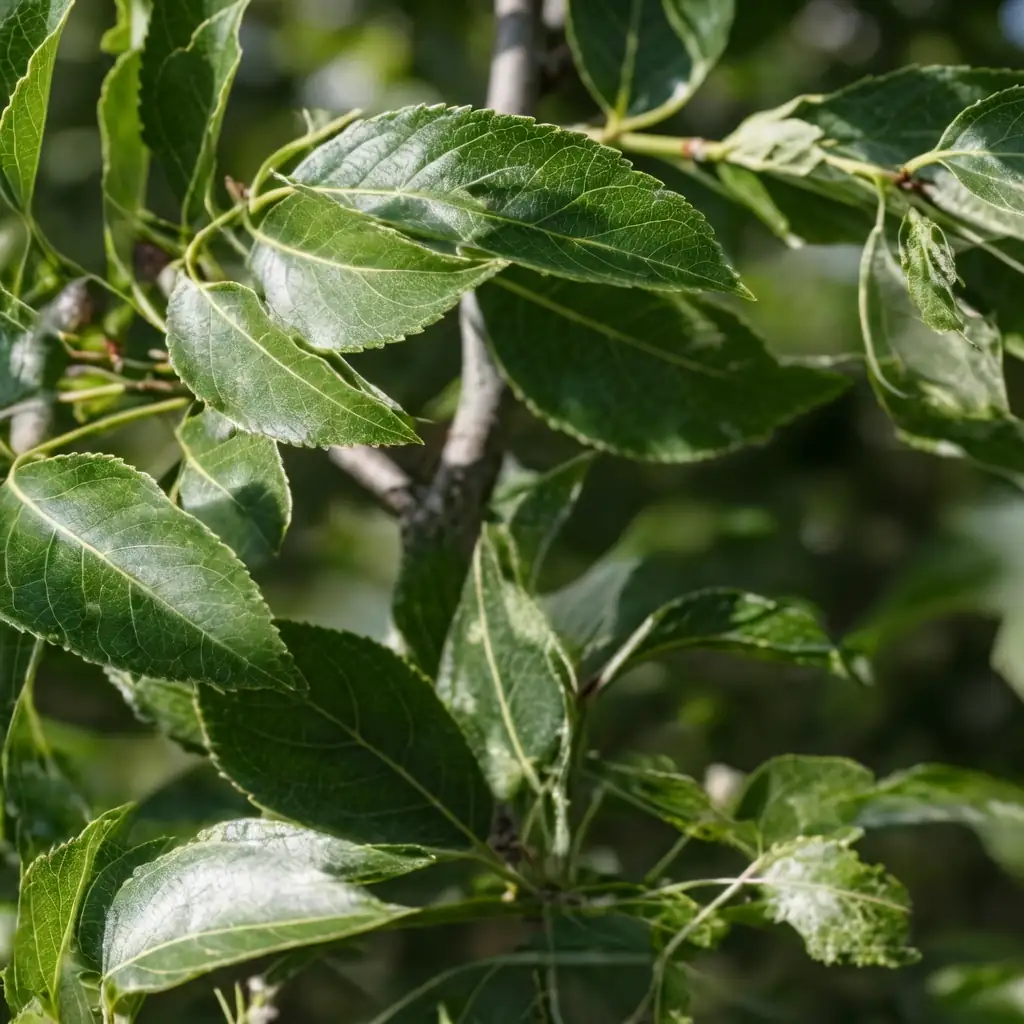
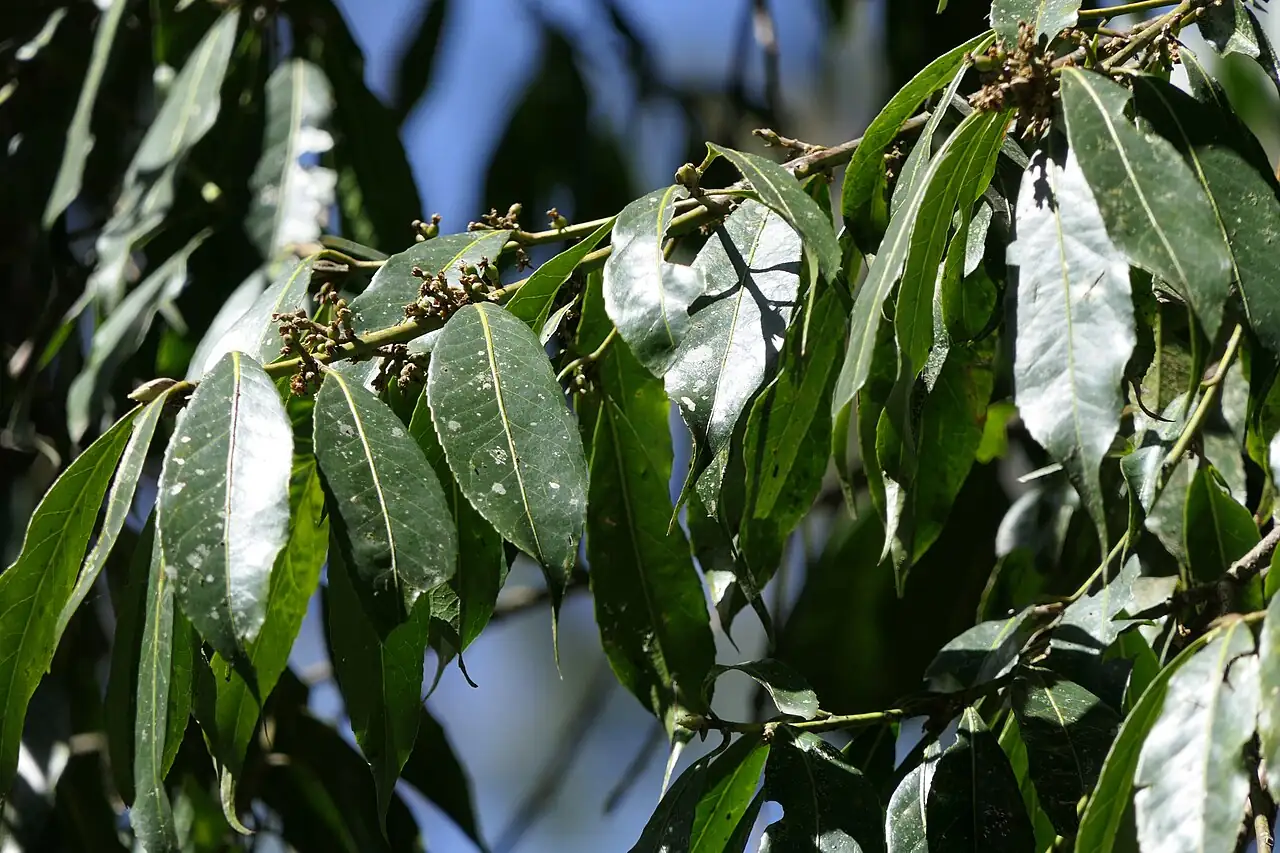
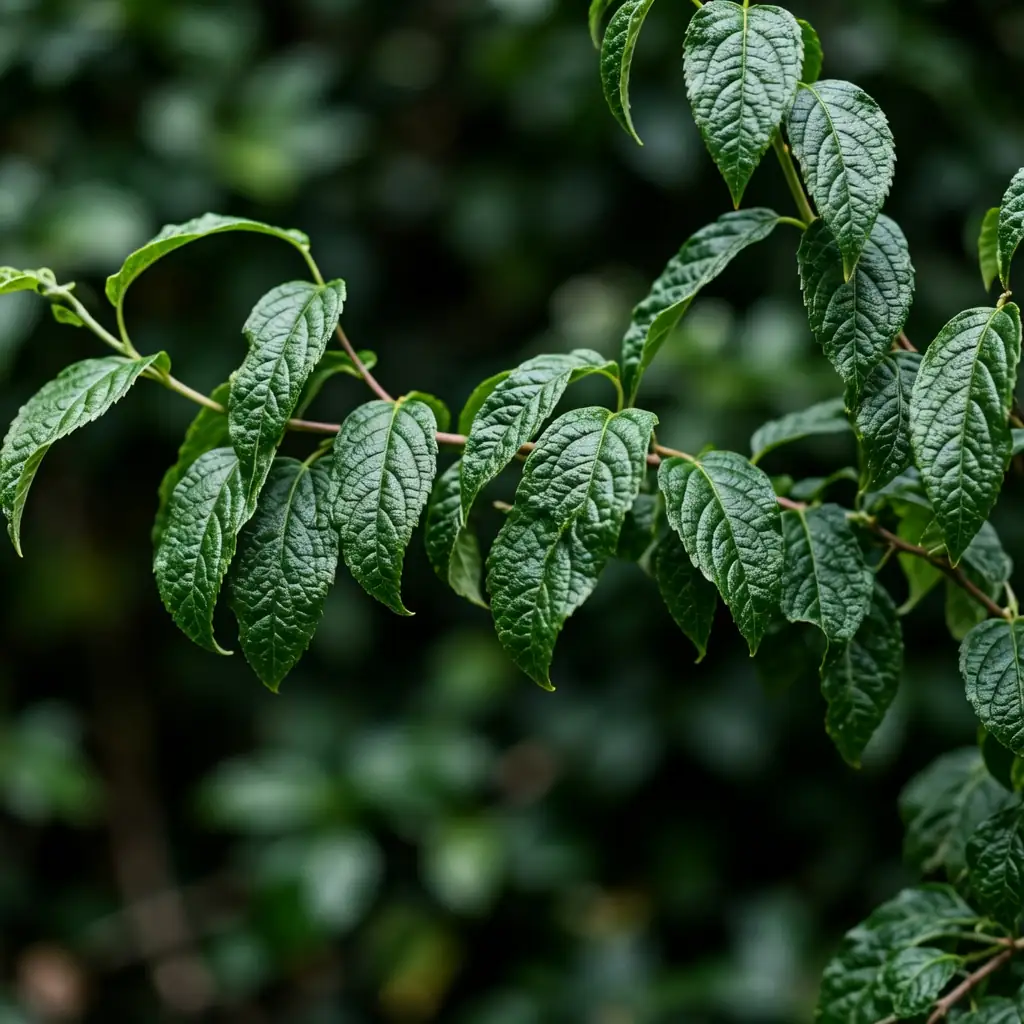
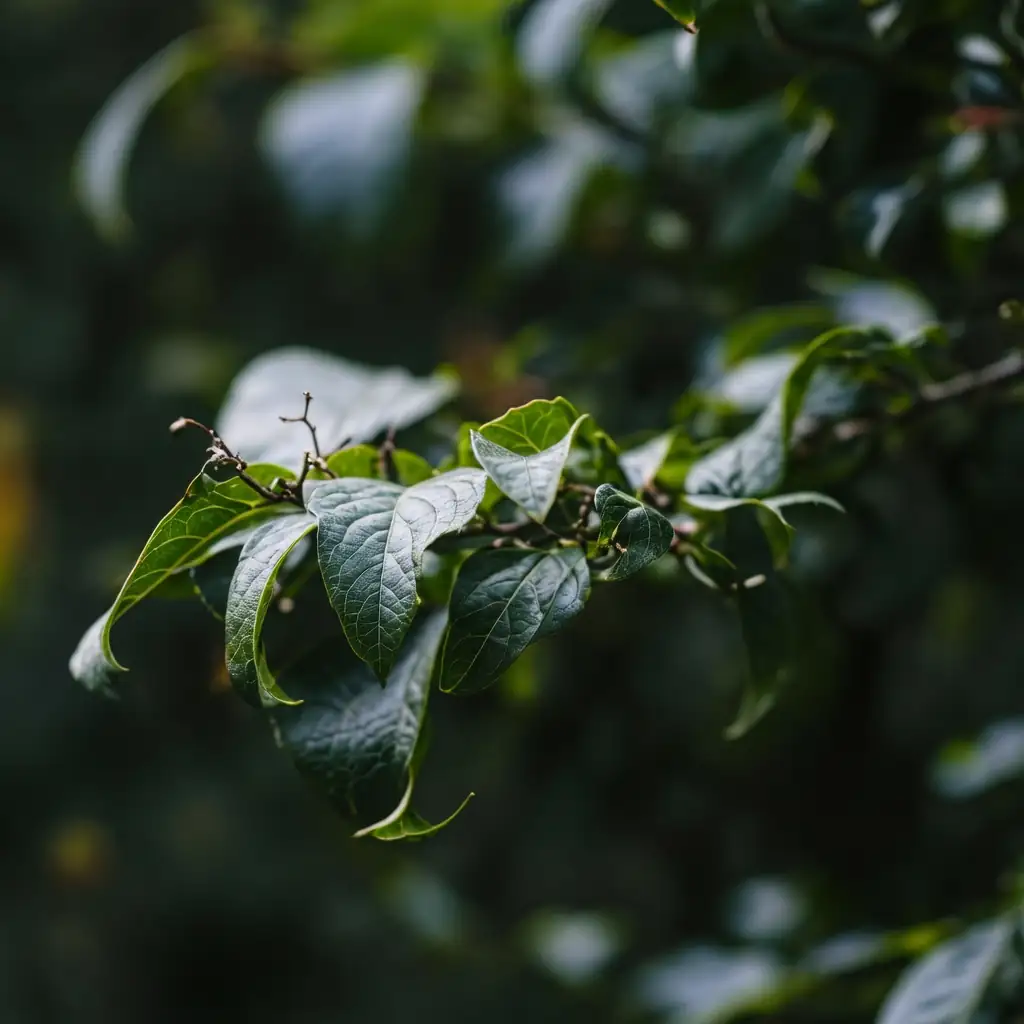
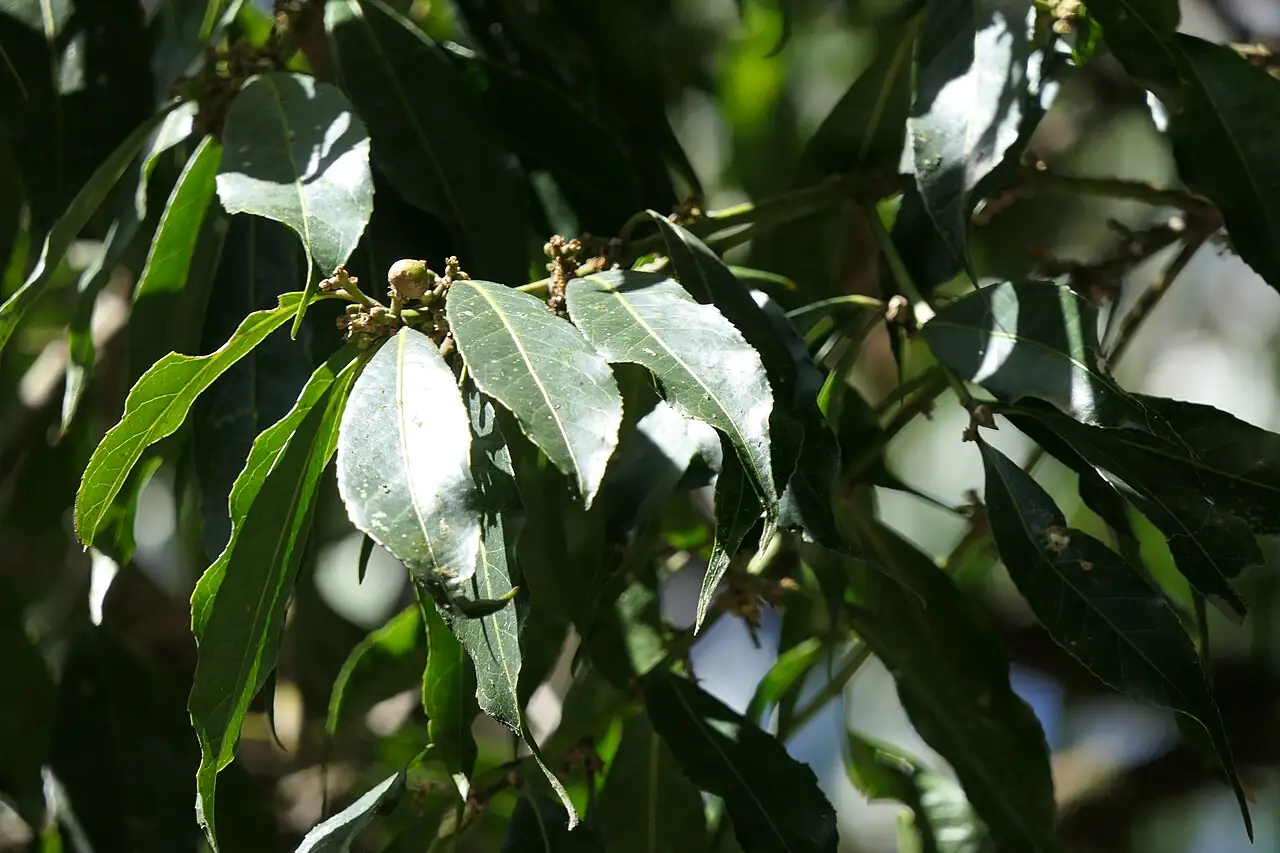
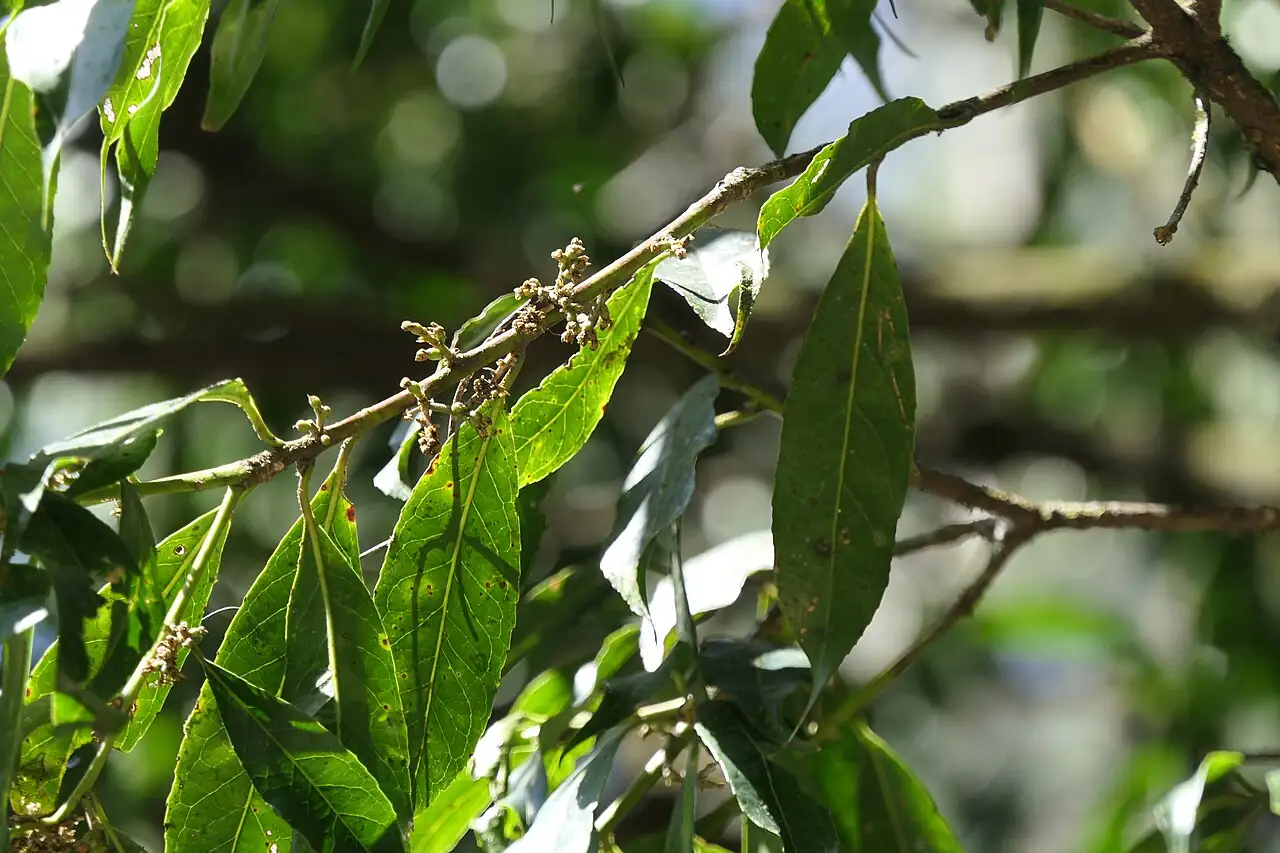
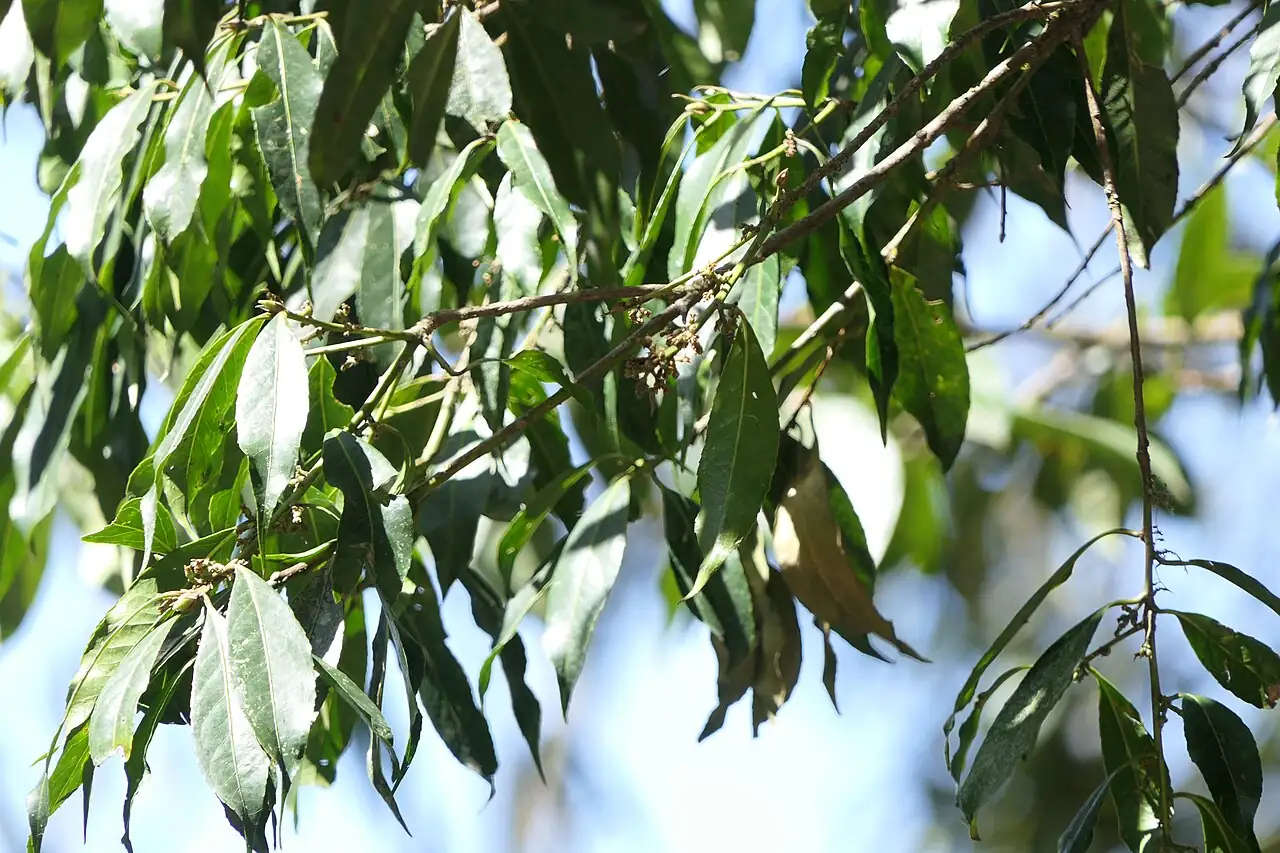
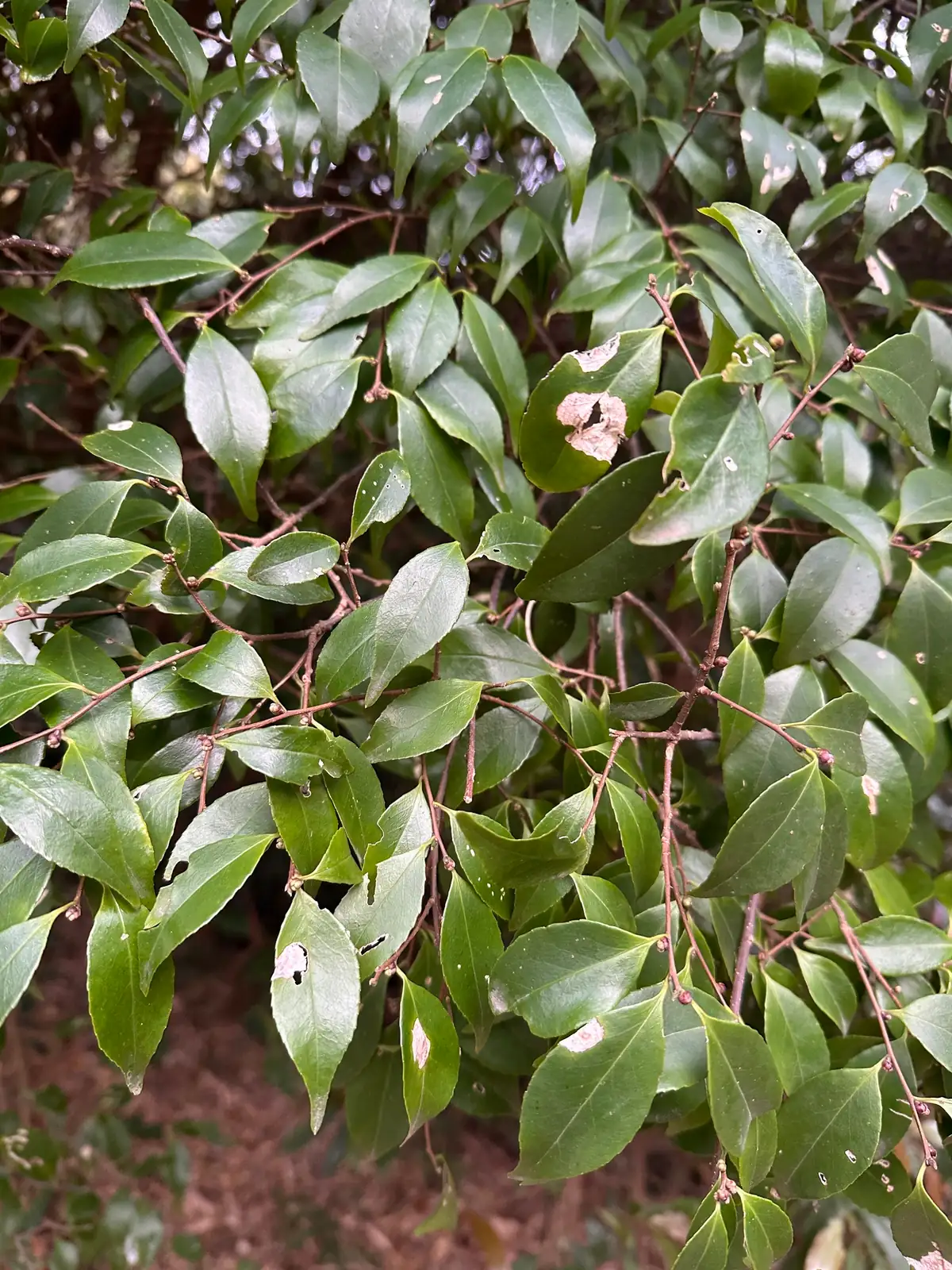
- Foliage: Evergreen leaves are thinly leathery and quite variable in shape—often ovate, narrowly obovate, or elliptic-lanceolate. Young twigs are typically brown.
- Flower: Flowers appear in racemes with a white corolla; the floral disc is ring-like and hairless. After flowering, the plant develops flattened, egg-shaped drupes about 7–10 mm (0.28–0.39 in) long, with a thin, brittle outer layer. The calyx lobes persist at the fruit tip—often standing upright, though they may sometimes fall away.
- Flowering Season: February–March (Feb–Mar).
- Growth Habit: Upright, woody evergreen tree (arborescent).
Environment
Sunlight
Full sun to partial shade; flowering is generally best with more sun.
Temperature
Cool-to-warm temperate conditions; generally cold-tolerant, though exact minimum temperature can vary by local provenance.
Humidity
Moderate humidity; once established it tolerates short dry spells and is relatively drought-tolerant.
Soil
Well-drained woodland-type soil; adapts to loam and sandy loam. Avoid waterlogged or poorly drained sites to prevent root problems.
Placement
Best grown outdoors—woodland edges, mountain-garden plantings, or as a small landscape tree; not typically used as a houseplant.
Hardiness
Frost-tolerant and suitable for temperate regions; precise USDA zone is not consistently standardized for this species.
Care Guide
Difficulty
Moderate. The key is good drainage and consistent watering while it establishes; once settled, it’s fairly resilient to cold and brief drought.
Buying Guide
Pick plants with firm stems and healthy, leathery green leaves. Avoid pot-bound specimens, and steer clear of plants with blackened roots, which can signal past waterlogging and rot.
Watering
Water regularly through the first growing season to help roots establish. After that, water deeply during prolonged dry periods, letting the top layer of soil dry slightly between thorough waterings. Avoid soggy soil.
Fertilization
In spring, feed lightly with compost or a balanced slow-release fertilizer. Avoid heavy feeding, which can push soft, weak growth.
Pruning
Prune lightly after flowering to shape the tree and remove dead, damaged, or crossing branches. Avoid harsh pruning unless it’s truly needed.
Propagation
Most commonly grown from seed; fresh seed usually germinates best. Semi-hardwood cuttings can also be attempted in warm months under high humidity, though results may be variable.
Repotting
If grown in a container, repot about every 2–3 years into a slightly larger pot with a well-draining mix, ideally in spring.
📅 Seasonal Care Calendar
Late winter–spring: enjoy flowering; apply light feeding and do gentle shaping after bloom. Summer: watch moisture during heat; fruits develop. Autumn: reduce watering and avoid late heavy fertilization. Winter: protect young plants from severe drying winds and extreme freezes.
Pests, Diseases & Safety
Common Pests & Diseases
Generally hardy. Watch for scale insects and aphids on tender new growth. Root issues can occur in poorly drained soils—improve drainage and airflow, avoid waterlogging, and use horticultural soap or oil for pest outbreaks when necessary.
Toxicity
No widely documented toxicity to humans or pets for Symplocos sumuntia. Even so, avoid casual ingestion; traditional medicinal use should be guided by qualified professionals.
Culture & Symbolism
Symbolism: Often associated with simple springtime elegance—its clean white blossoms are a classic woodland-season highlight.
History & Legends: Known in parts of China as a practically useful tree with a folk history tied to everyday medicine and dyeing traditions.
Uses: Grown ornamentally for its evergreen foliage and early-season white flowers. Traditionally, roots, leaves, and flowers have been used medicinally, and the leaves have been used as a dye mordant to help bind color to fibers.
FAQ
When does it flower?
Typically February–March (Feb–Mar).
When does it fruit?
Typically June–July (Jun–Jul).
Where is it native to?
It is native to China and is widely distributed across many provinces, commonly in mountain forests.
How tall can it grow?
Up to about 13 m (43 ft) tall.
What is it used for?
Traditionally, roots, leaves, and flowers have been used medicinally, and the leaves have been used as a mordant in dyeing.
What family and genus does it belong to?
Family Symplocaceae; genus Symplocos.
Fun Facts
- Its fruits are flattened, egg-shaped drupes about 7–10 mm (0.28–0.39 in) long with a thin, brittle outer layer.
- Different parts of the plant (roots, leaves, flowers) have a long record of traditional medicinal use in its native range.
- The leaves have been used as a mordant in dyeing—helping pigments bind more strongly to fabric.
- The flowers are arranged in racemes, and the floral disc is ring-like and hairless.