Plant Features
- Size: Highly variable by species: from miniature plants just a few centimeters tall to large, shrub- or tree-sized succulents several meters tall; many can live 25+ years with good care.
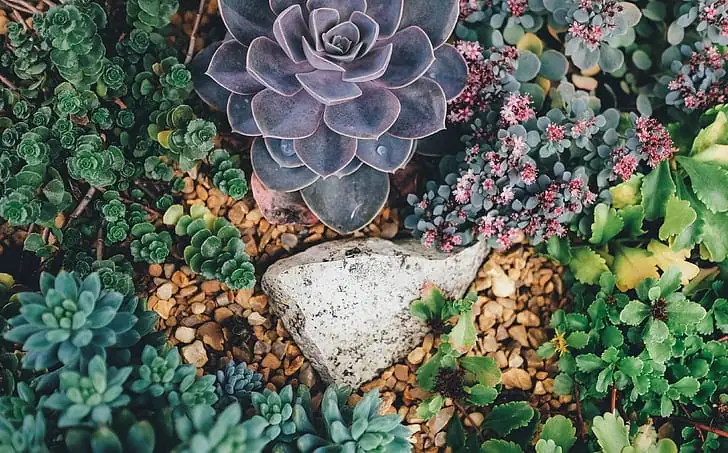
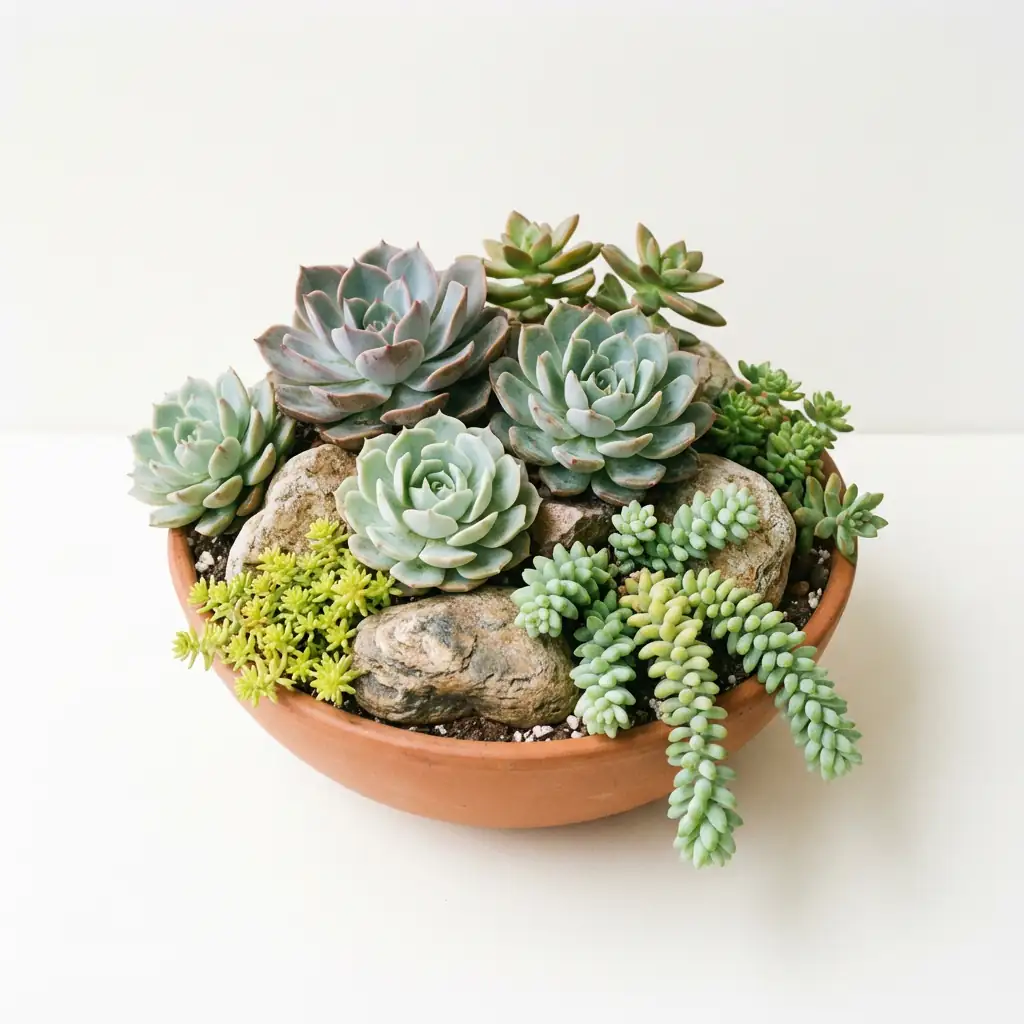
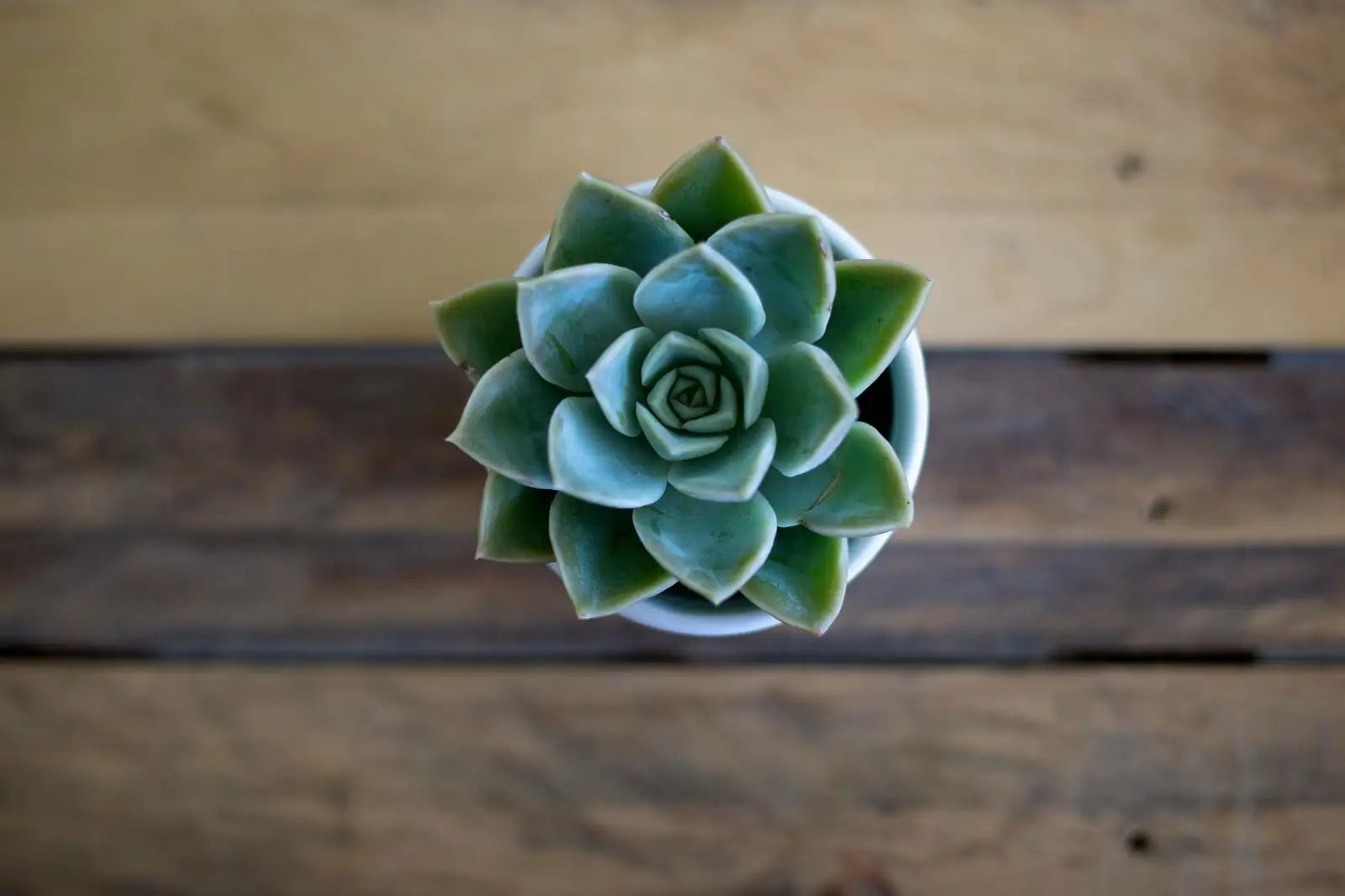
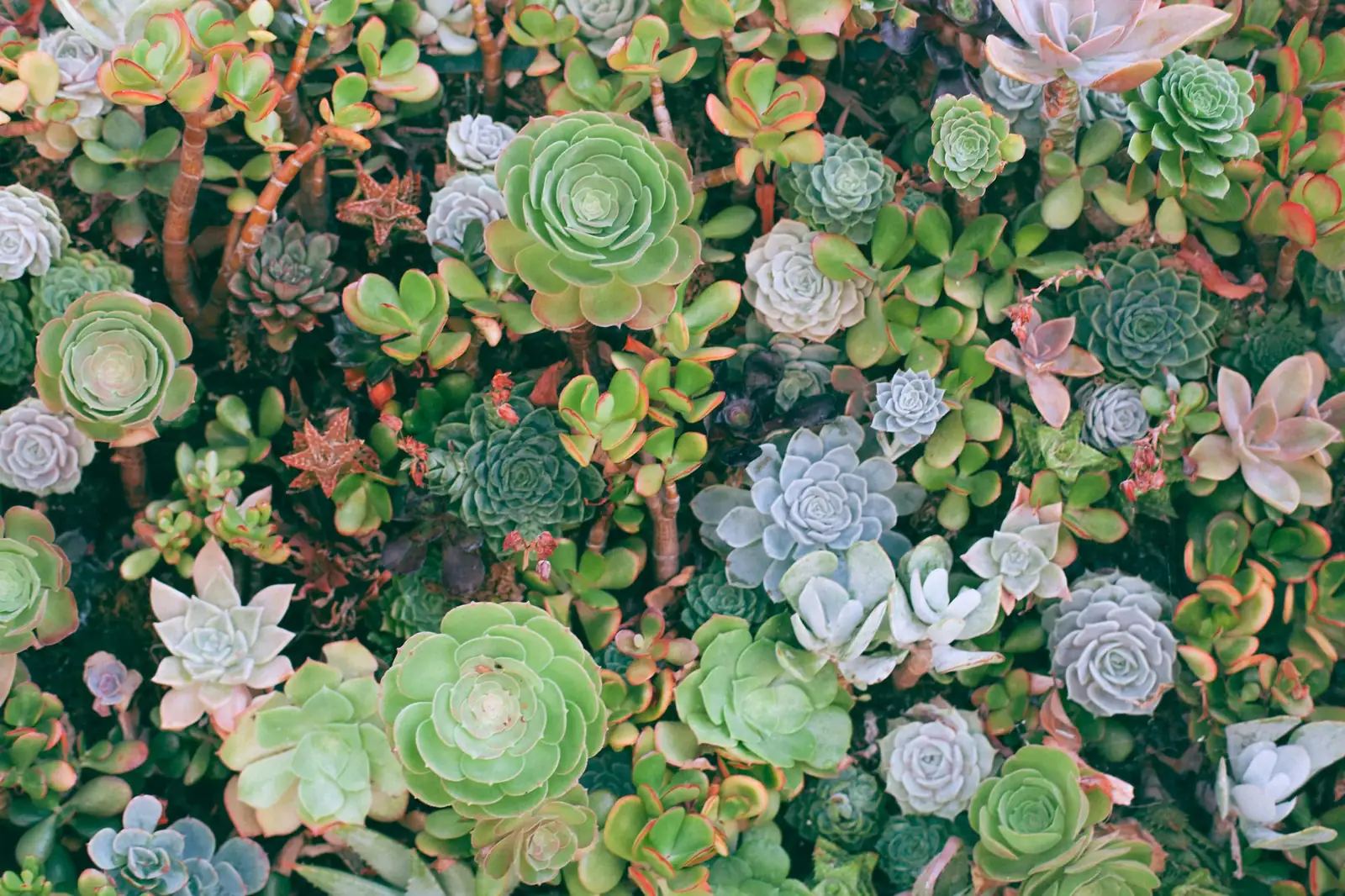
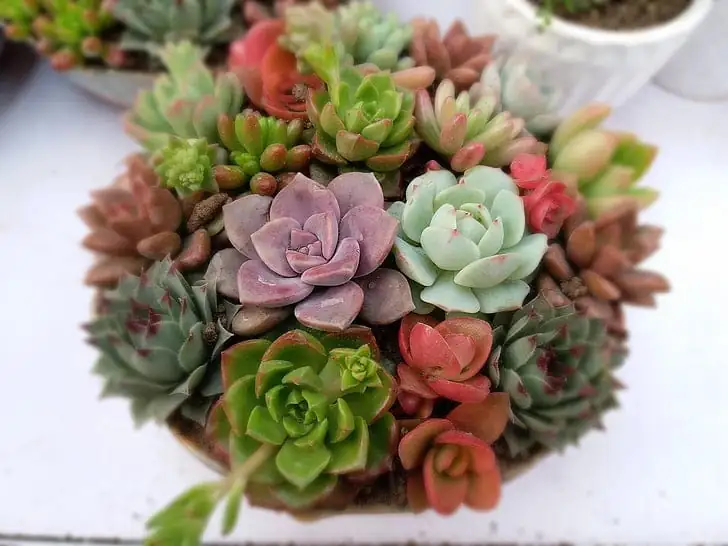
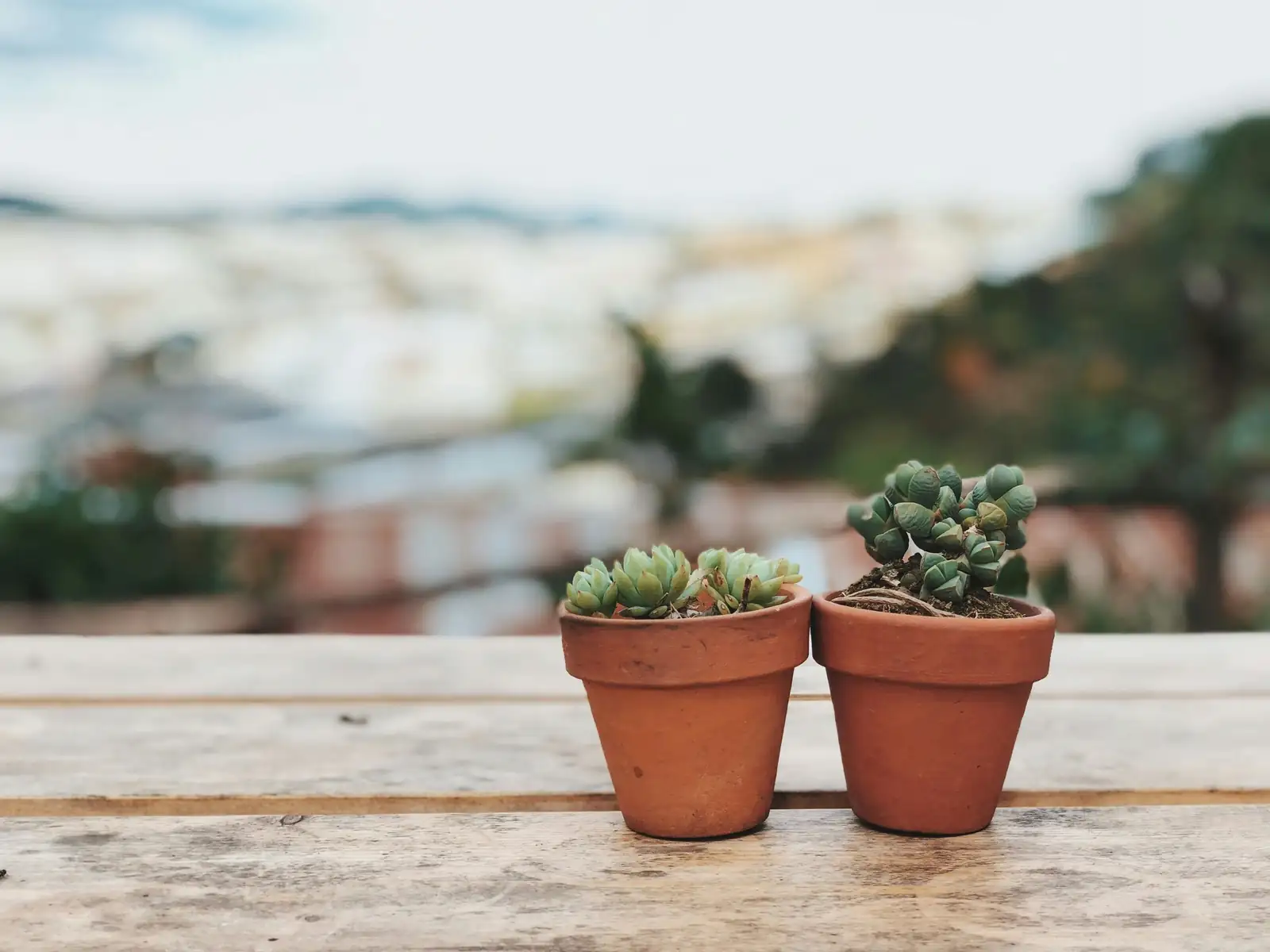
- Foliage: Typically thick, fleshy, water-storing leaves (or leaf-like structures), often shaped to reduce water loss—cylindrical, spoon-shaped, bead-like, or almost spherical. Many form rosettes, tight clusters, or trailing chains. Colors range widely: green and gray-green are common, but many species blush red, purple, or bronze under strong light, cool nights, or mild drought.
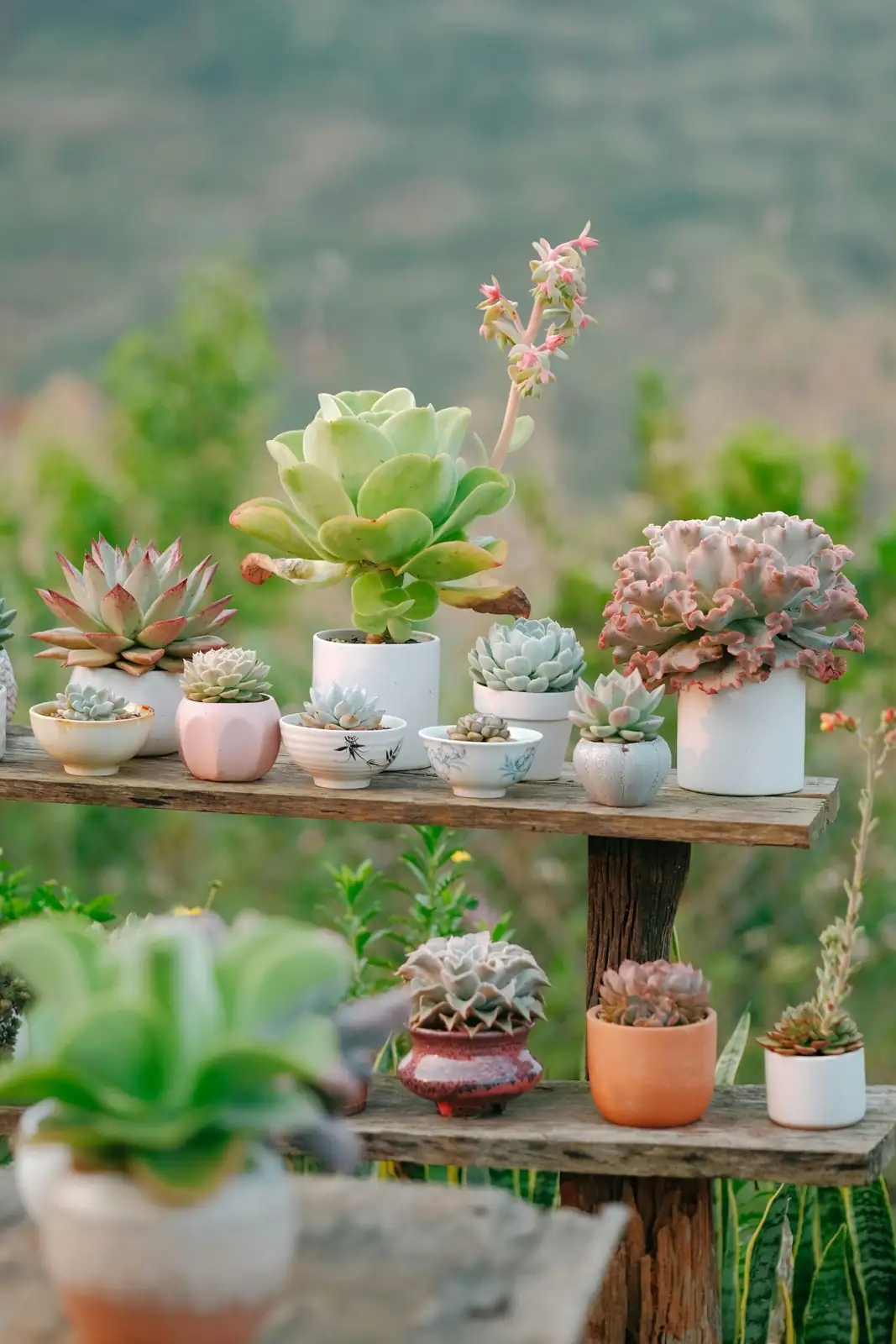
- Flower: Flowers vary hugely across families. Many Crassulaceae-type succulents produce sprays or clusters of starry blooms in white, pink, red, or yellow. Cacti are famous for dramatic, often large blossoms—some night-blooming and short-lived (sometimes lasting only a single night).
- Flowering Season: Varies by species; many commonly bloom in spring and summer.
- Growth Habit: Extremely diverse: upright, creeping, trailing, climbing, or densely clumping. Many species form offsets (“pups”) that create clusters over time. Growth rate depends on species and conditions.
Environment
Sunlight
Bright light is key for compact growth and strong color. Many succulents prefer bright direct sun, while others do best in bright indirect light (especially indoors). As a practical target, aim for about 4–6 hours of good light daily; acclimate gradually before moving a plant into full sun to avoid sunburn.
Temperature
Generally happiest in warm conditions: about 15–27°C (59–81°F), with many enjoying daytime warmth around 21–29°C (70–85°F). Avoid frost for most succulents, and protect from sudden temperature swings. In extreme heat above about 35°C (95°F), provide airflow and reduce harsh midday sun.
Humidity
Prefers low humidity and good air circulation. Average household humidity is usually fine; persistently damp, stagnant air increases rot risk.
Soil
Needs fast-draining, airy soil to prevent soggy roots. A gritty mix is ideal (often using mineral components like pumice, perlite, volcanic rock, diatomaceous earth, or akadama). One suggested recipe is roughly 10–20% peat moss (or other organic matter) + ~20% sand + ~60–80% inorganic/gritty materials.
Placement
Great for sunny windowsills, balconies, bright offices, and well-lit living rooms. Shade-tolerant types (such as some Haworthia) can handle filtered light and are better choices for lower-light indoor spots.
Hardiness
Drought-tolerant overall, but cold tolerance varies widely by species. Many common house succulents are not frost-tolerant and must be protected from freezing temperatures.
Care Guide
Difficulty
Easy to moderate. Most succulents are beginner-friendly as long as you avoid the classic mistake: overwatering.
Buying Guide
Choose plants with firm, plump leaves (not shriveled or mushy), clean growth tips, and no visible pests (especially mealybugs). Check that the base isn’t soft and the roots look healthy rather than blackened or sour-smelling.
Watering
Use the “soak and dry” method: water thoroughly, then wait until the potting mix is completely dry before watering again. Frequency depends on season, light, pot size, and species. Many are watered more during active growth (often spring and fall). In hot summer weather, some guidance suggests watering more often (even every ~4 days) but only when the soil is fully dry and preferably in the evening; in winter, reduce watering sharply. When in doubt, wait—many succulents can handle about two weeks without water better than they can handle constantly wet soil.
Fertilization
Feed lightly during the growing season with a balanced, water-soluble fertilizer diluted to about half strength, roughly once per month. Reduce or stop fertilizing during dormancy or low-light winter conditions.
Pruning
Prune mainly to shape the plant, remove dead leaves, and take cuttings. Spring is commonly a great time to trim and propagate because plants are gearing up for growth.
Propagation
Many succulents propagate easily from leaf cuttings, stem cuttings, division/offsets, or seed. A common method is to let a healthy leaf or cutting callus (dry) for a short time, then place it on or into well-draining soil so it can root and sprout.
Repotting
Repot when the plant outgrows its container or the soil has degraded. Avoid jumping to a much larger pot—move up about 2.5–5 cm (1–2 in) in diameter at a time. Fall is often cited as a good repotting season; any mild season works if the plant is actively growing and kept dry for a few days after repotting.
📅 Seasonal Care Calendar
Spring/fall: main growth for many types—normal watering (after full dry-down) and light feeding. Summer: watch for heat stress; some groups may slow down or go semi-dormant and prefer less water plus midday shade. Winter: reduce watering, stop fertilizing, and protect from cold—especially frost.
Pests, Diseases & Safety
Common Pests & Diseases
Often relatively trouble-free, but mealybugs and scale can show up, especially indoors. The most common serious issue is root rot from overwatering or poorly draining soil. Treat pests with isolation, wiping/sprays (e.g., alcohol swabs for mealybugs), and improve airflow; prevent rot with gritty soil, drainage holes, and conservative watering.
Toxicity
Varies by plant. Some succulents—especially many Euphorbia—bleed a milky white sap (latex) that can irritate skin and eyes and may be harmful if ingested by people or pets. Other succulent groups range from mildly irritating to generally safe. If you can’t identify your plant, assume it may irritate and keep it away from children and pets.
Culture & Symbolism
Symbolism: Succulents are often associated with resilience, perseverance, and thriving under tough conditions. In feng shui-style beliefs, they’re sometimes linked with protection and good fortune.
History & Legends: European fascination with succulents grew over centuries as exploration expanded. Cacti reached Europe after early contact with the Americas, and by the 18th century plant-hunting expeditions made unusual succulents prized collector’s items. Botanical gardens and horticultural societies in the 19th and 20th centuries helped popularize succulent growing worldwide.
Uses: Mostly grown as ornamentals for homes, patios, and landscaping in dry climates. Some succulent plants have edible or useful parts—examples include prickly pear (Opuntia), dragon fruit (Hylocereus/Selenicereus), and aloe (widely used topically). Certain commonly grown “succulent-like” houseplants are often promoted for indoor air quality, though real-world effects depend heavily on ventilation and plant quantity.
FAQ
Why is my succulent getting tall and stretchy (leggy)?
Almost always it’s asking for more light. Move it to a brighter spot (gradually), rotate the pot for even growth, and consider trimming and re-rooting the top if it’s become very elongated.
How often should I water succulents?
There’s no single schedule—water only when the soil is completely dry, then soak thoroughly. Many need more water in active growth (often spring/fall) and much less in winter. If you’re unsure, wait a few more days.
Can succulents live indoors?
Yes—choose the brightest window you have, or add a grow light. If your home is lower light, pick more shade-tolerant kinds (for example, many Haworthia types).
Why did my succulent change color?
Color shifts are usually driven by light levels and temperature swings. Brighter light and cooler nights often bring out reds, purples, and orange tones—especially in fall through early spring.
Fun Facts
- There are 10,000+ recorded succulent species spread across 100+ plant families—“succulent” is a lifestyle, not a single lineage.
- Many succulents use CAM photosynthesis, opening their stomata at night to reduce water loss during the day.
- Some cactus blooms are famously fleeting—certain species open at night and can fade by morning.
- South Africa’s Succulent Karoo is one of the world’s great hotspots for succulent diversity.