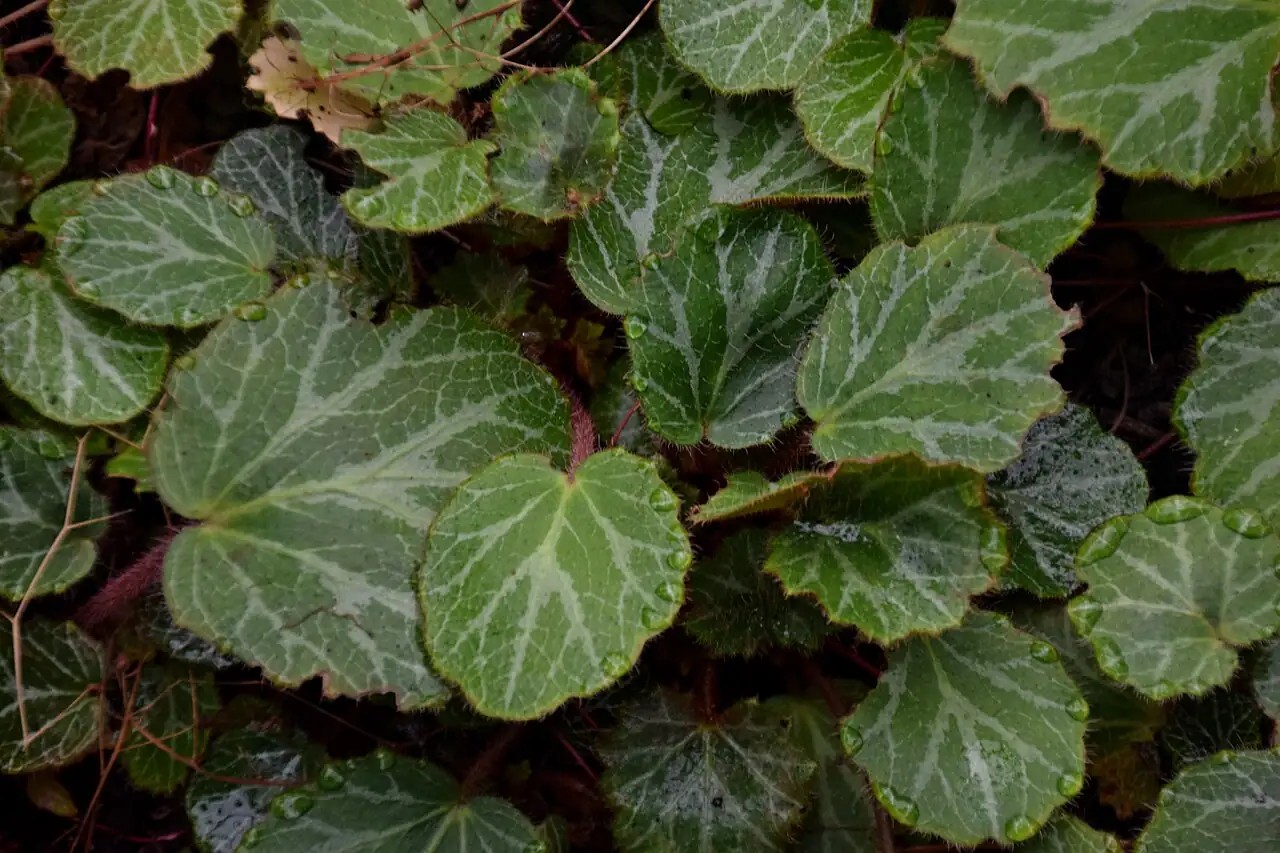
Plant Features
- Size: Typically 8–45 cm (3–18 in) tall; spreads by stolons/runners to form a low clump or mat.
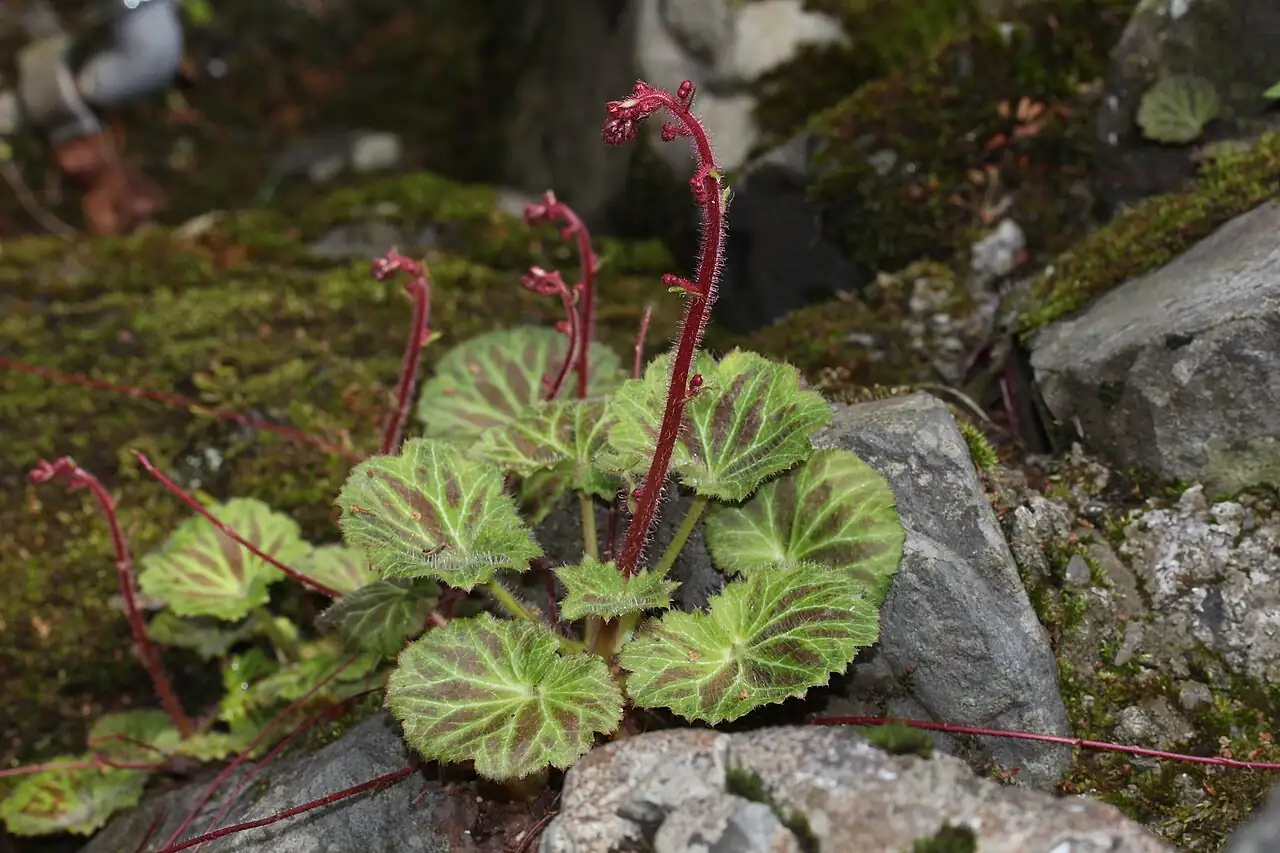
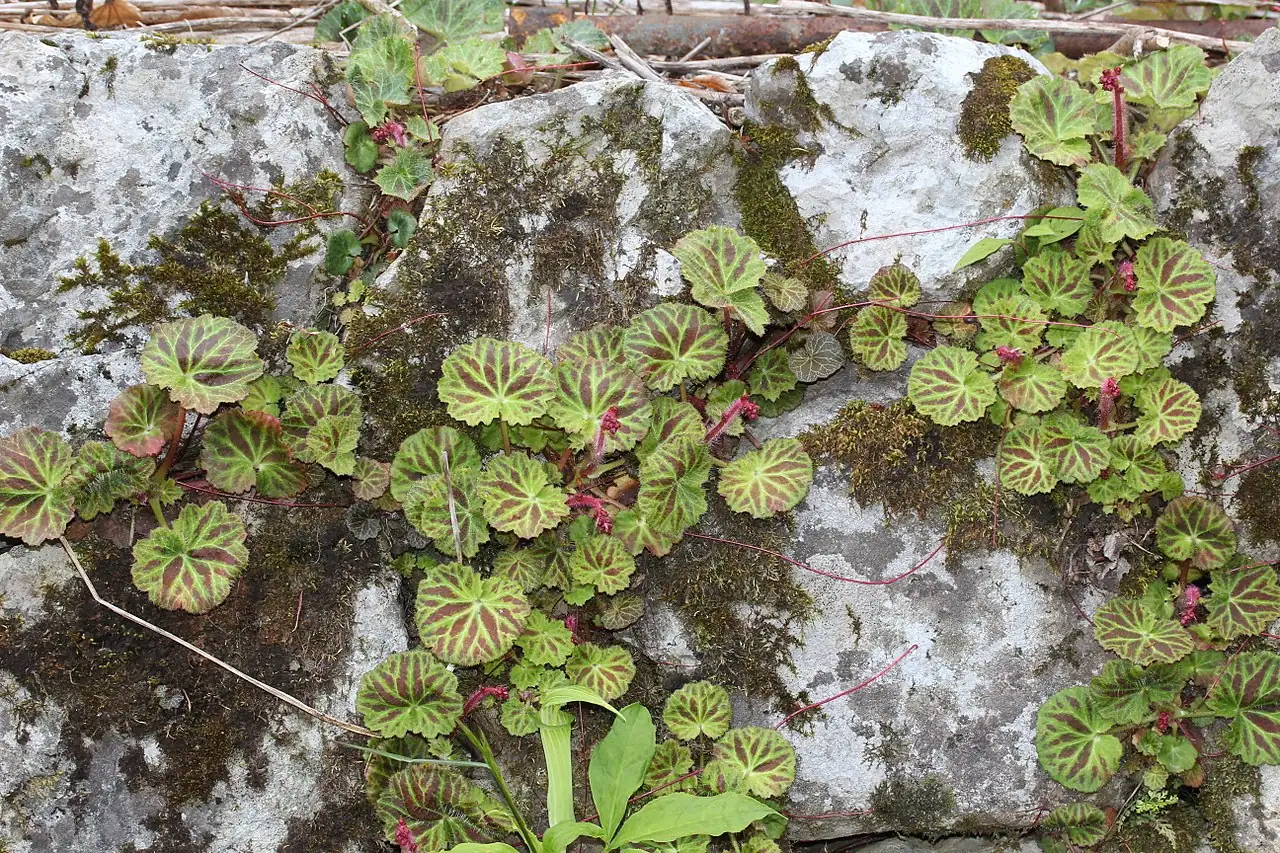
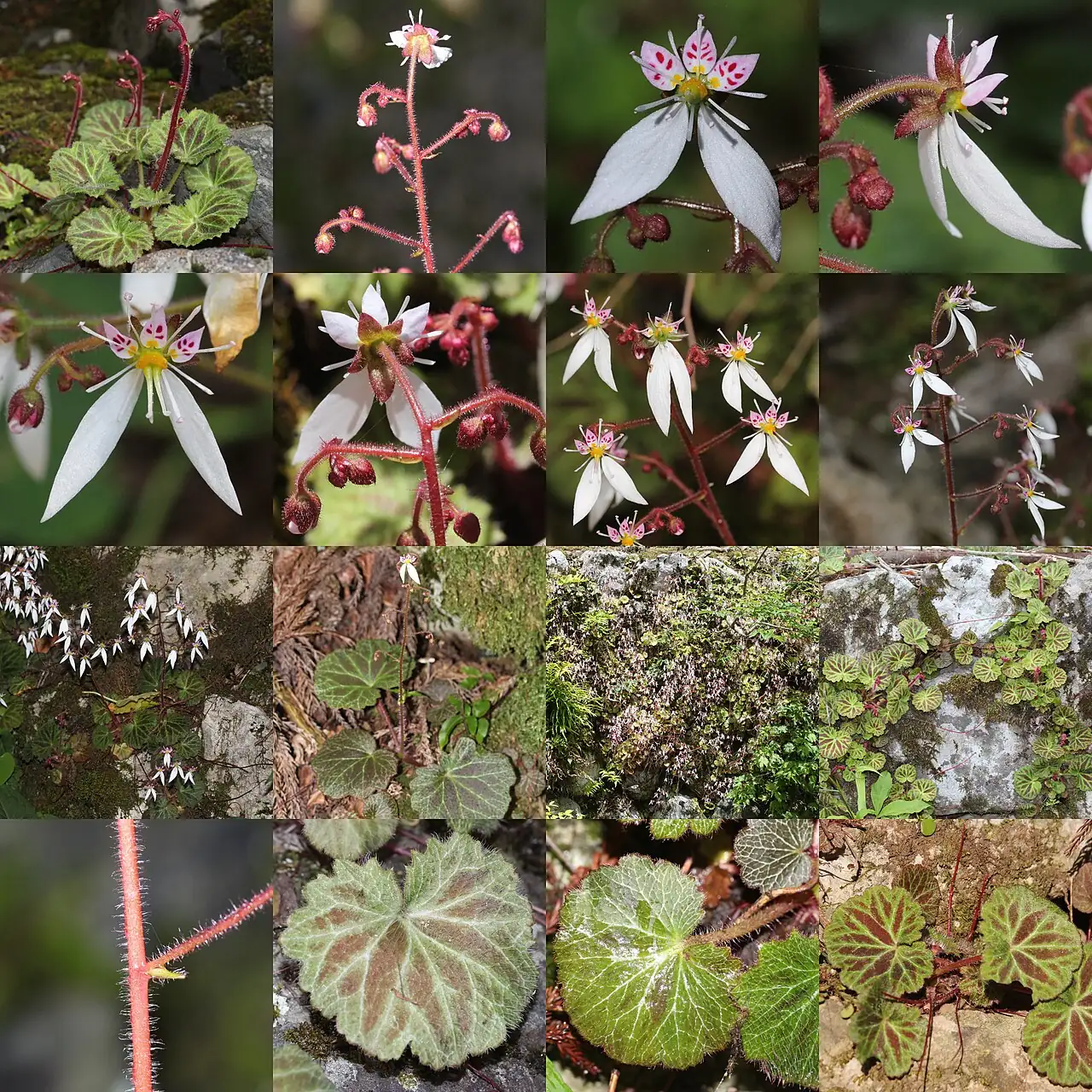
- Foliage: Leaves grow in a basal rosette on long stalks. The leaf blades are rounded to kidney- or heart-shaped (sometimes fan-rounded) and softly hairy, giving the plant a plush, touchable look. Flowering stems may be glandular-hairy, and any small stem leaves are usually narrower and lance-shaped.
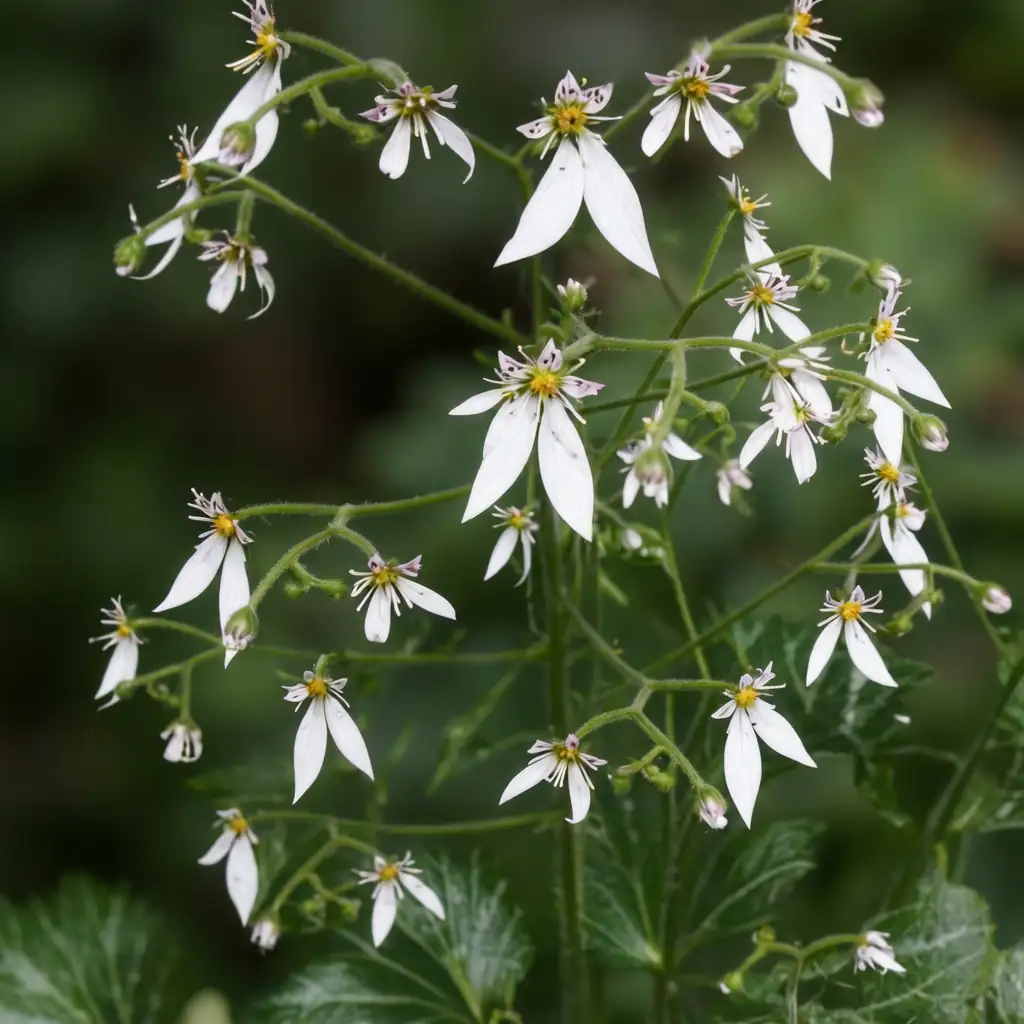
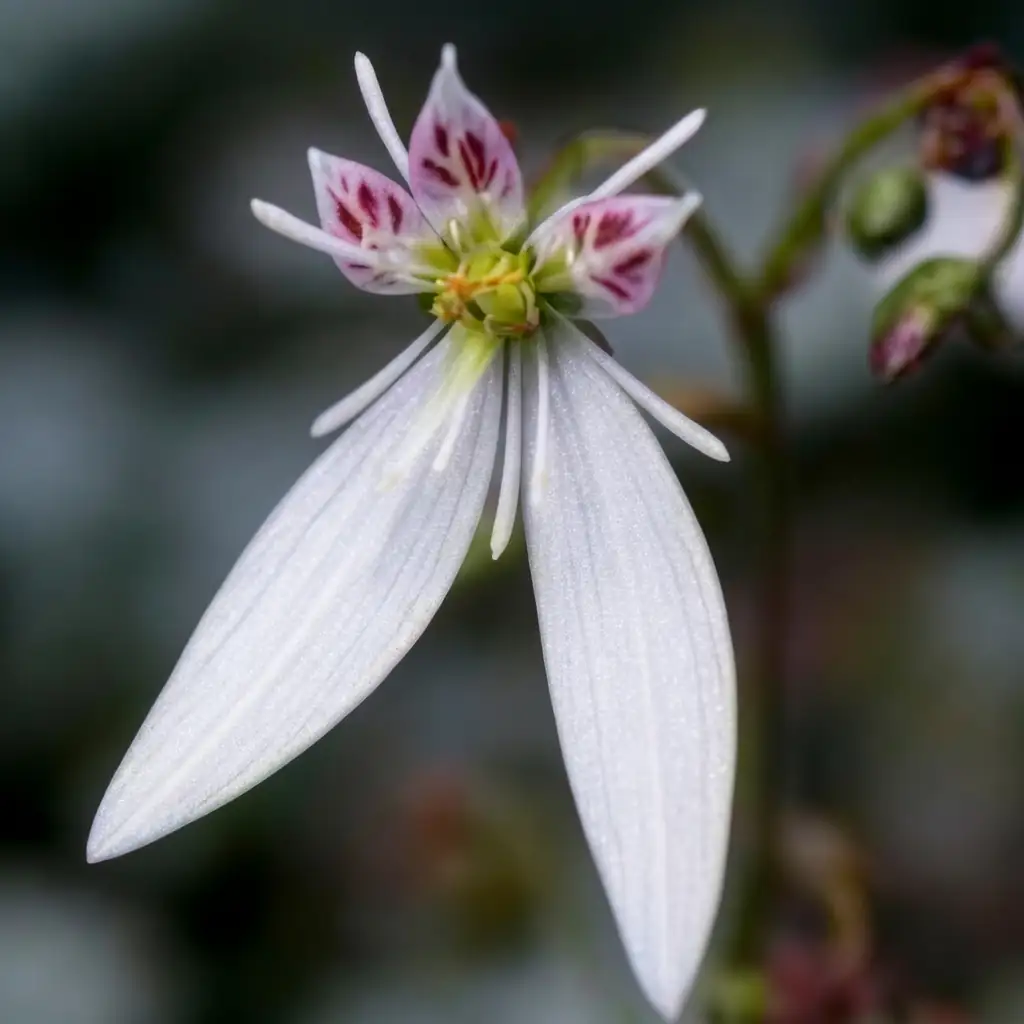
- Flower: Produces airy, branched sprays of small white flowers. Many blooms have two noticeably longer lower petals, creating a delicate, starry, slightly “butterfly-like” effect.
- Flowering Season: April–November (Apr–Nov)
- Growth Habit: Evergreen to semi-evergreen, stoloniferous perennial herb forming spreading clumps and mats.
Environment
Sunlight
Partial shade to full shade outdoors; bright, indirect light indoors. Avoid hot direct midday/afternoon sun, which can scorch leaves.
Temperature
Best at 10–24°C (50–75°F). Protect from hard frost and from prolonged heat above about 30°C (86°F).
Humidity
Prefers moderate to high humidity; happiest when the air is slightly humid and the root zone stays evenly moist (not soggy).
Soil
Fertile, humus-rich, moisture-retentive yet well-drained soil or potting mix. Good drainage is essential to prevent crown/root rot.
Placement
Shaded borders, woodland gardens, and moist rock crevices; as groundcover under shrubs; also excellent in indoor containers or hanging baskets near an east- or north-facing window.
Hardiness
USDA Zone 6–9 (about −23 to −1°C / −10 to 30°F), depending on local conditions; shelter from extreme freezes and from cold, wet winter conditions.
Care Guide
Difficulty
Easy to moderate: very cooperative in shade when kept evenly moist, but it resents hot sun, drought, and waterlogged soil.
Buying Guide
Pick plants with firm, fresh leaves and a solid (not mushy) crown. Avoid plants with spotting or rot, and skip pots that are bone-dry or sour-smelling (often a sign of root trouble). Visible runners with healthy little plantlets usually mean the plant is growing vigorously.
Watering
Keep evenly moist but never soggy. Water when the top 1–2 cm (0.4–0.8 in) of mix feels slightly dry, then water thoroughly and let excess drain. Reduce watering during cooler, low-light periods.
Fertilization
Feed lightly during active growth (spring through early autumn) with a balanced fertilizer at 1/4–1/2 strength every 4–6 weeks. Avoid heavy feeding—too much nitrogen can make growth soft and weaker.
Pruning
Remove yellowing leaves and spent flower stems to keep it neat. Trim, train, or redirect runners if it starts wandering beyond its intended space.
Propagation
Exceptionally easy from runners: pin a baby plantlet onto moist soil until it roots, then cut it free from the mother plant. You can also divide established clumps in spring.
Repotting
Repot every 1–2 years in spring, or whenever the crown becomes crowded. Refresh with a humus-rich, well-draining mix and confirm drainage holes stay clear.
📅 Seasonal Care Calendar
April–November (Apr–Nov) is typically the main flowering/fruiting window. Spring: refresh soil and begin light feeding. Summer: prioritize shade, steady moisture, and a bit of humidity. Autumn: taper off fertilizer. Winter: keep slightly drier, avoid cold soggy soil, and protect from hard freezes.
Pests, Diseases & Safety
Common Pests & Diseases
Watch for aphids on flower stems, spider mites in hot/dry indoor air, and vine weevils outdoors (larvae damage roots). Overwatering can trigger crown or root rot. Prevention helps most: airy conditions, well-drained soil, and prompt treatment (e.g., insecticidal soap for soft-bodied pests).
Toxicity
Generally regarded as non-toxic to people and pets, though chewing/ingestion can still cause mild stomach upset in sensitive individuals.
Culture & Symbolism
Symbolism: Often linked with quiet resilience—an unshowy plant that thrives where others struggle, especially in shade.
History & Legends: Despite its common names, it isn’t a true begonia or a geranium. The “strawberry” part comes from its strawberry-like runners that produce little plantlets, like tiny clones on a string.
Uses: Popular as a shady groundcover in mild climates, a woodland-garden accent, and a very rewarding houseplant. It’s especially pretty in hanging baskets, where its runners can cascade.
FAQ
Why are the leaves turning yellow?
The most common causes are overwatering/poor drainage or low light combined with cool, wet soil. Let the top 1–2 cm (0.4–0.8 in) dry slightly between waterings, improve drainage, and move it to brighter (but indirect) light.
Can it handle direct sun?
A little gentle morning sun is usually fine, but strong midday or afternoon sun often scorches leaves. Partial shade outdoors or bright, indirect light indoors is ideal.
How do I propagate it quickly?
Use the runners: press a baby plantlet onto moist potting mix (you can hold it down with a hairpin or small pebble), keep it lightly moist until rooted, then snip the connecting runner.
Fun Facts
- Its Chinese name refers to the leaf shape resembling an animal ear.
- It can flower for a surprisingly long stretch—often from April to November (Apr–Nov).
- It stays compact (typically 8–45 cm / 3–18 in tall) but can spread widely via runners.
- In the wild, it’s often found in cool, shaded, damp places like woodland understory and moist rock crevices.