

Plant Features
- Size: Climbs to about 10 m (33 ft) with support; as a groundcover it’s typically kept much lower with pruning.
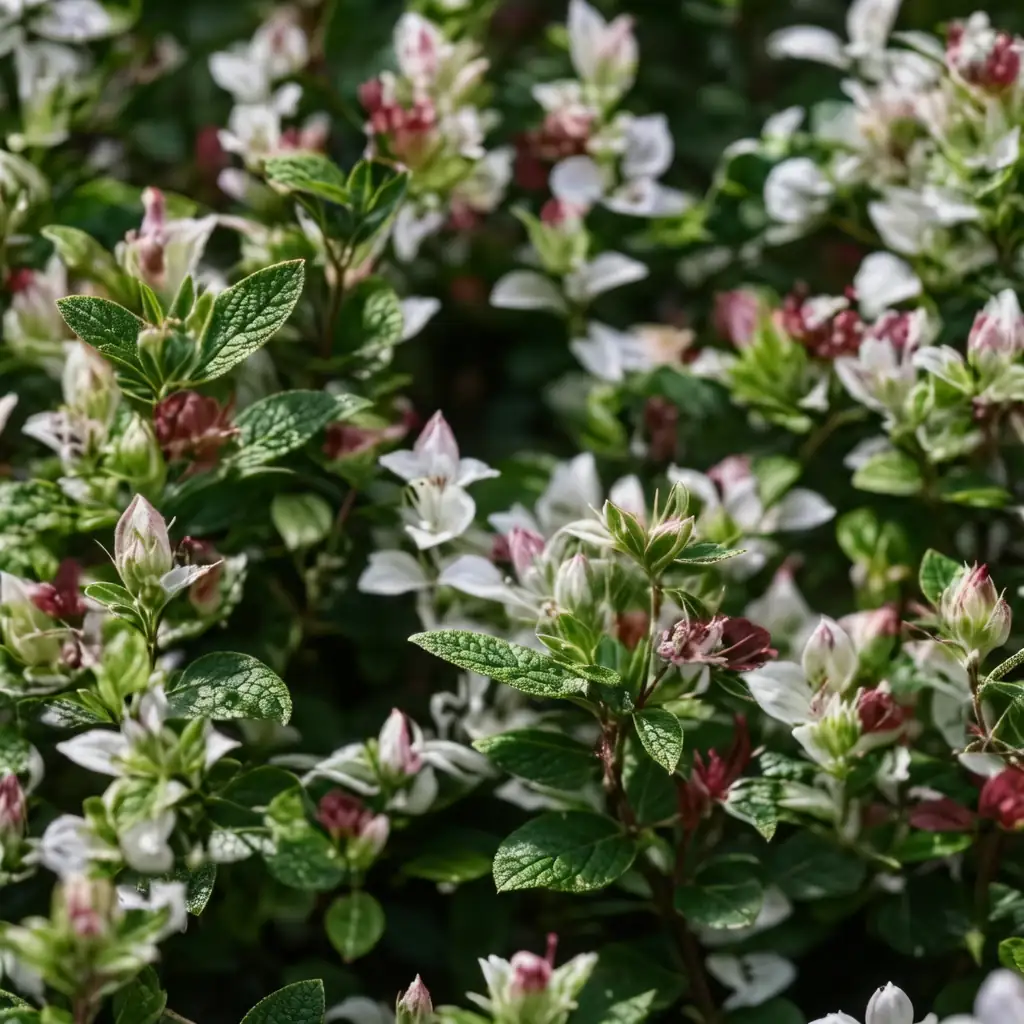
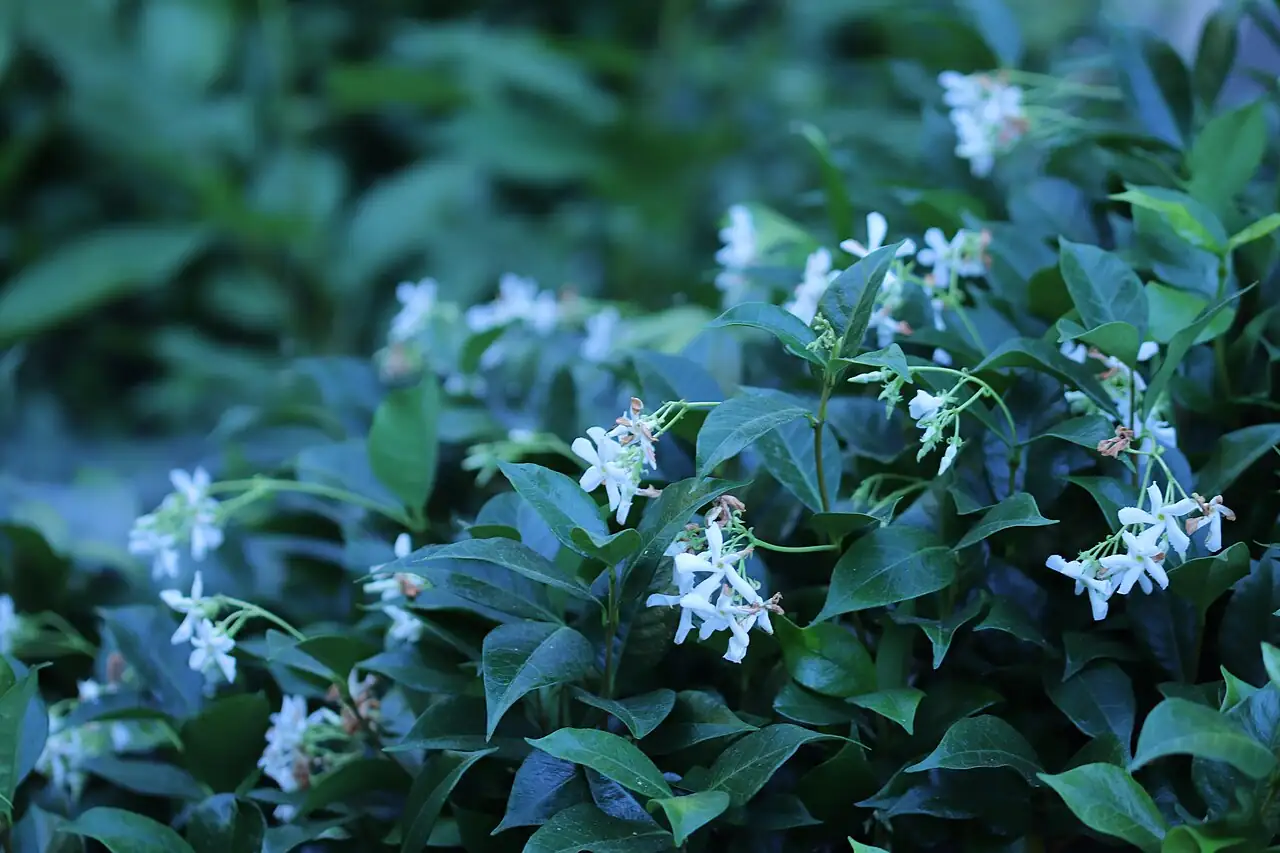
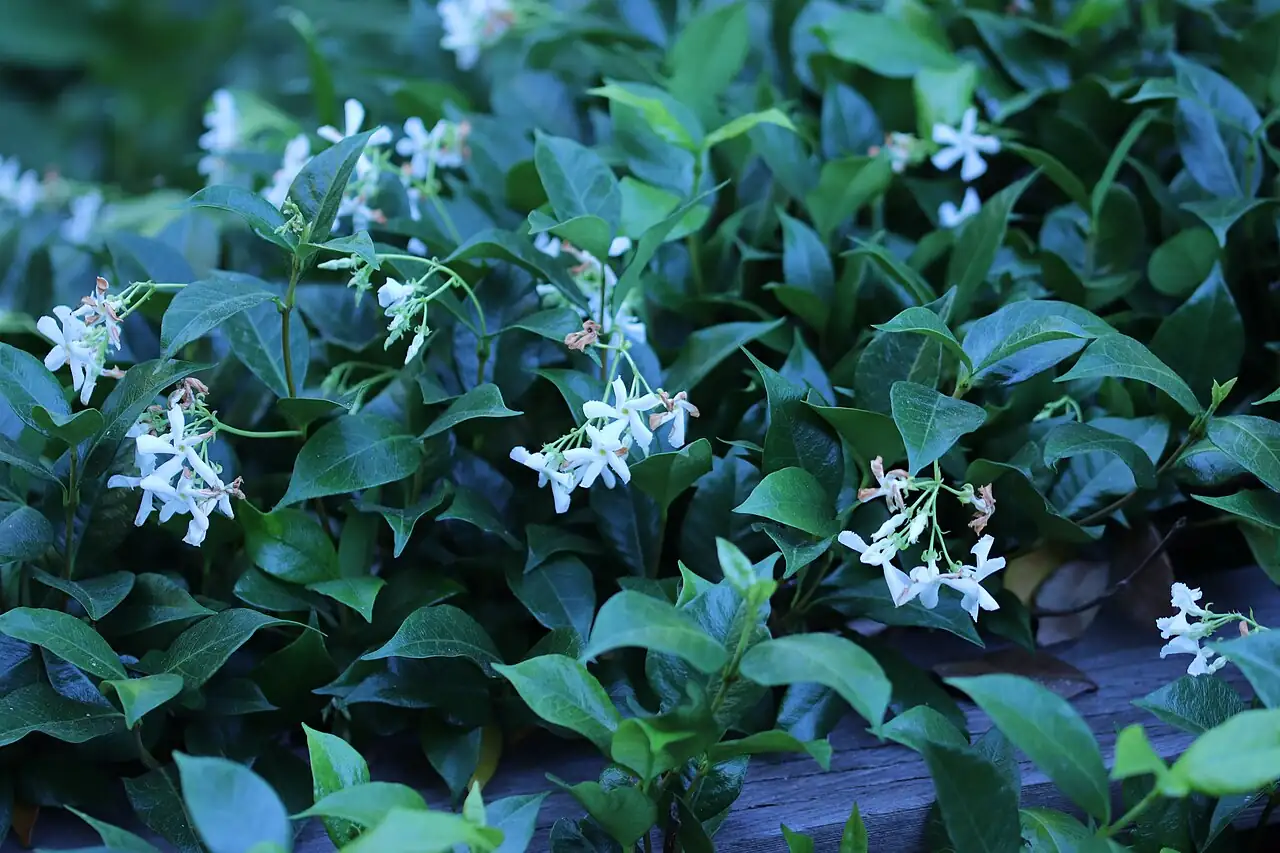
- Foliage: Evergreen, leathery, oval leaves with smooth (entire) margins and a glossy deep-green look. In cooler seasons the foliage may flush reddish. Veins can appear paler; the underside may be softly hairy.
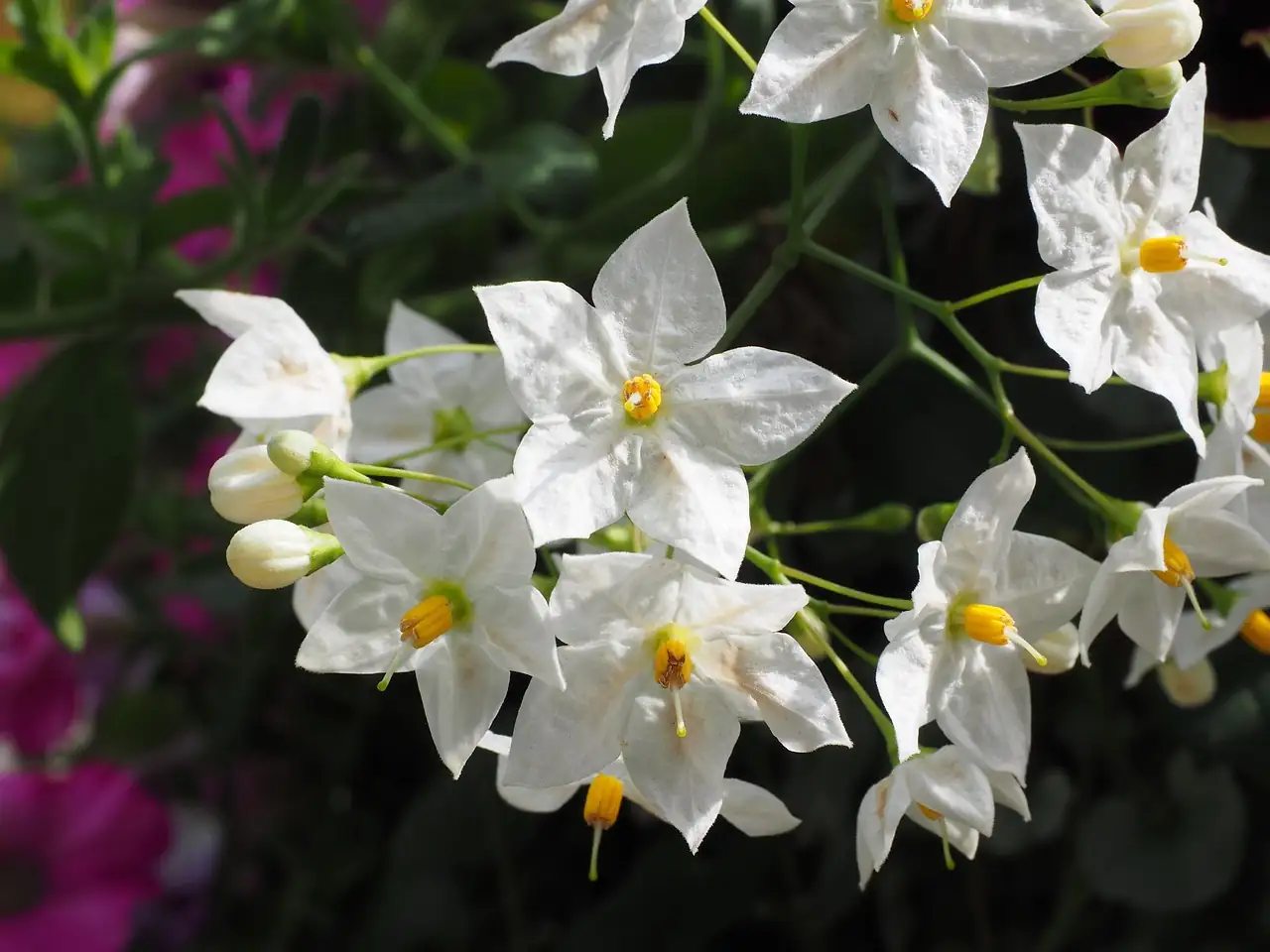
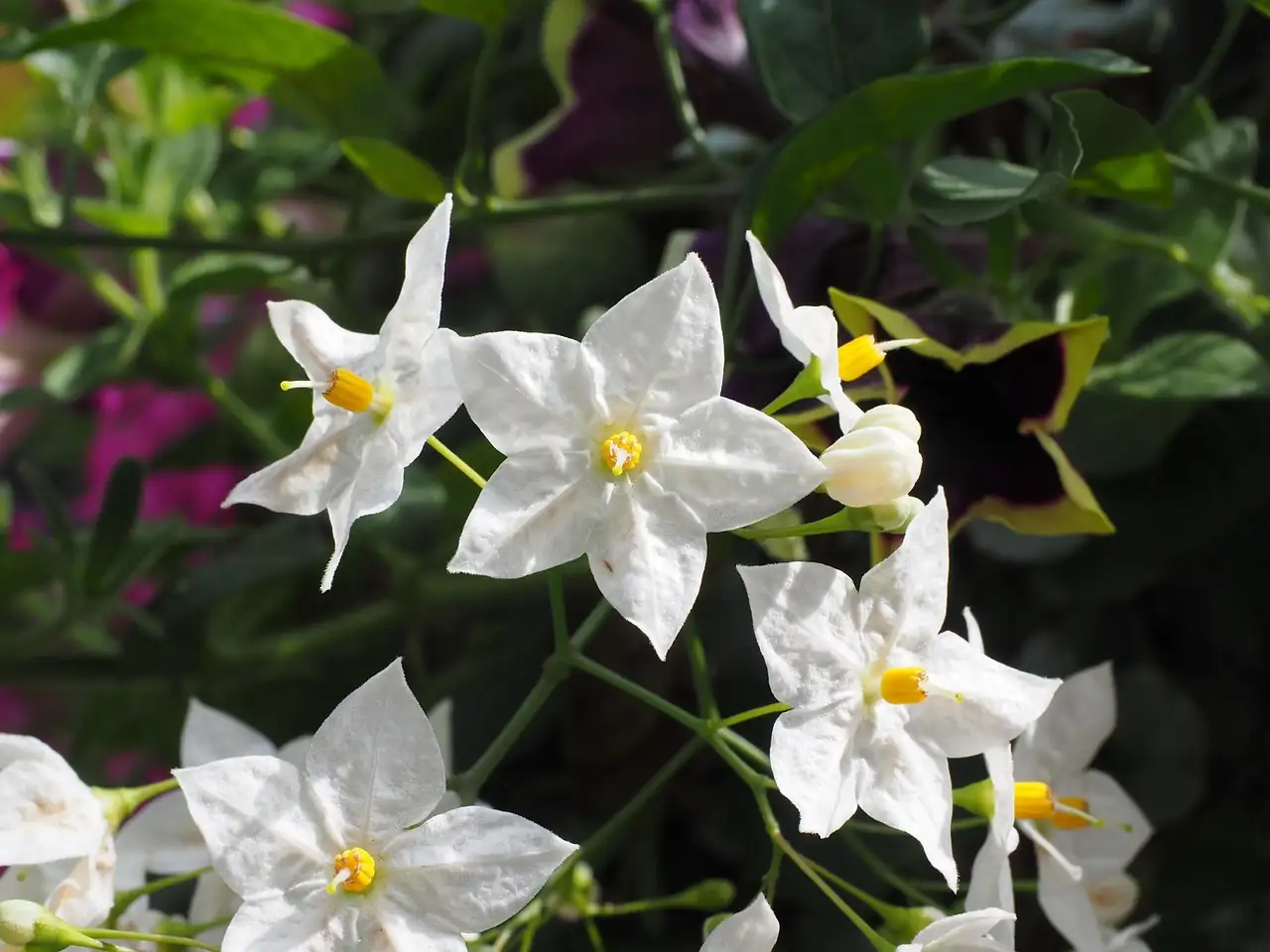
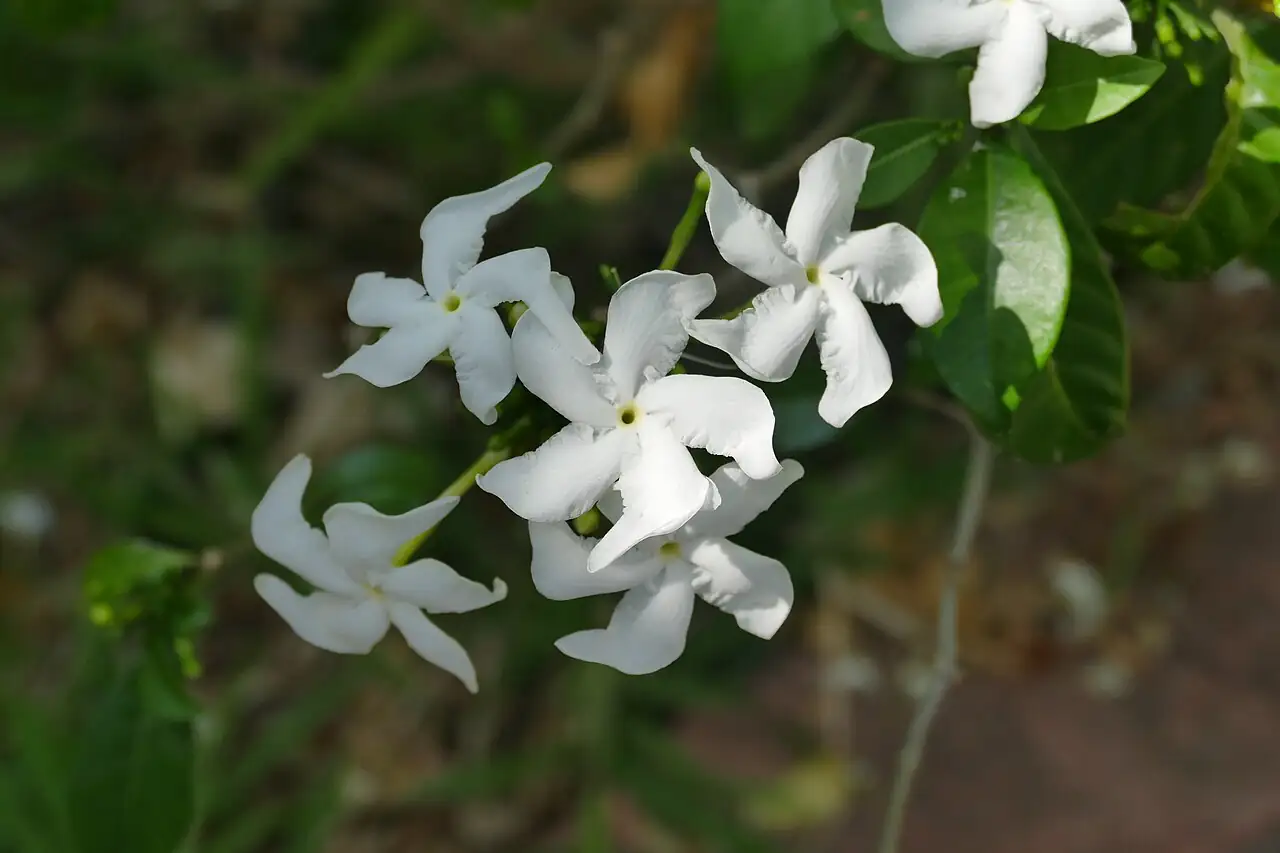
- Flower: Produces clusters of very fragrant, white flowers with five twisted lobes that create a windmill/pinwheel effect. After flowering it may form paired, slender seed pods about 15 cm (6 in) long.
- Flowering Season: March to August
- Growth Habit: Evergreen twining/climbing vine with vigorous growth; stems may produce aerial roots that help it cling and scramble.
Environment
Sunlight
Full sun to bright partial shade; blooms best in full sun.
Temperature
Prefers warmth; grows best around 15–30°C (59–86°F). Established plants handle brief cool spells, but protect from hard frost.
Humidity
Average humidity is fine; adapts well once established.
Soil
Prefers well-drained soil, but is adaptable to many soil types as long as it isn’t kept waterlogged long-term.
Placement
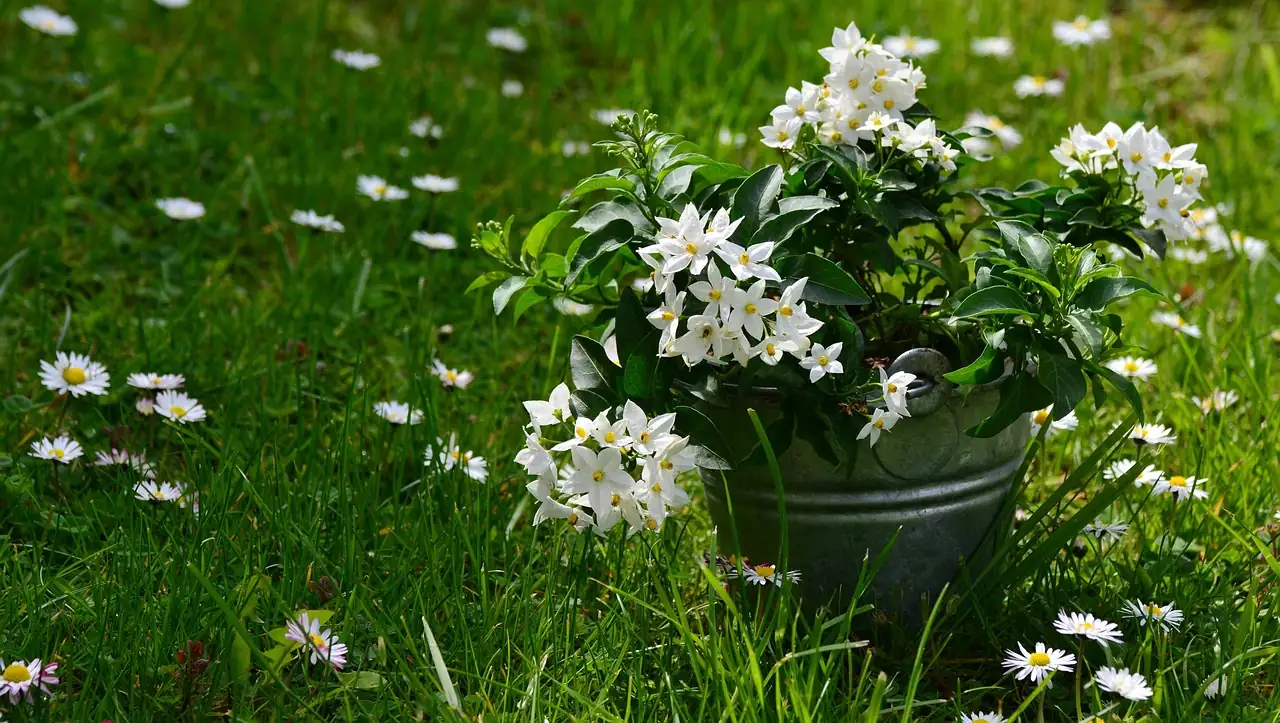
Great for training on walls, fences, pergolas, and trellises, or letting it climb into trees. Also excellent as an evergreen groundcover on banks, slopes, and rockeries.
Hardiness
USDA Zone 8–11 (approx.). Tolerant of heat, drought once established, short-term waterlogging/flooding, and some trampling when used as groundcover.
Care Guide
Difficulty
Easy to moderate: tough and forgiving once established, but benefits from training and occasional pruning so it doesn’t wander.
Buying Guide
Look for plants with dense, glossy foliage and no signs of scale insects or mealybugs. Avoid pots with sour-smelling, waterlogged mix, and check that the stem bases aren’t blackened or mushy.
Watering
Water regularly during the first growing season to help it establish. After that, water when the top few centimeters of soil are dry. In pots, water thoroughly until it drains, then allow the mix to partially dry before watering again—avoid constantly soggy soil.
Fertilization
Feed in spring and early summer with a balanced slow-release fertilizer, or use a diluted liquid feed every 2–4 weeks during active growth. Reduce or stop feeding from late summer into autumn.
Pruning
Prune after the main flush of flowering to shape and control size. Remove weak, tangled, or damaged stems, and trim groundcover plantings to keep edges neat.
Propagation
Best propagated by semi-hardwood cuttings in summer, layering, or by lifting rooted sections where stems have formed aerial roots.
Repotting
For container plants, repot every 1–2 years in spring into a fresh, well-draining mix. Move up only one pot size at a time and provide a trellis or other support.
📅 Seasonal Care Calendar
Spring: feed, repot if needed, and train new shoots. Summer: water during heat, take semi-hardwood cuttings, and lightly prune after flowering. Autumn: reduce feeding and watering; tidy growth. Winter: protect young plants from hard frost and avoid overwatering.
Pests, Diseases & Safety
Common Pests & Diseases
May attract scale insects, mealybugs, aphids, and spider mites (especially in hot, dry conditions). Root problems can develop in poorly drained soil. Improve airflow, avoid overwatering, and treat outbreaks with horticultural oil or insecticidal soap.
Toxicity
Contains a milky latex sap that can irritate skin and may be harmful if ingested. Keep away from pets and children, and wear gloves when pruning if you’re sensitive.
Culture & Symbolism
Symbolism: Often linked with enduring affection and sweetness—evergreen foliage plus a powerful, romantic fragrance.
History & Legends: In China it has long been appreciated as both a garden ornamental and a plant used in traditional herbal contexts.
Uses: Ornamental: a favorite for vertical greening and evergreen groundcover, valued for glossy leaves, occasional winter reddening, and abundant fragrant flowers. Traditional use: roots, stems, leaves, and fruits have been used in herbal practice (only under qualified guidance).
FAQ
When does it flower?
Usually from March to August, depending on your climate and how much sun it gets.
When does it set fruit?
Fruiting is commonly from June to December, forming paired, slender pods.
How tall can star jasmine grow?
With support it can climb to about 10 m (33 ft), but regular pruning can keep it compact.
Where does it grow naturally and what habitat does it prefer?
It’s native to China and is often found in mixed woodland on hillsides and in mountain valleys.
Is it toxic?
The milky sap can be irritating and ingestion may be harmful—handle with care and keep it away from pets and children.
Fun Facts
- It can produce aerial roots along the stems, helping it cling to surfaces as it climbs.
- Those starry blooms are actually twisted into a pinwheel shape—one of its signature looks.
- In cooler weather, the leaves may blush reddish, adding off-season color.
- It can form paired seed pods about 15 cm (6 in) long.
- Despite the common name, it isn’t a true jasmine (Jasminum)—the scent is jasmine-like, but botanically it’s in the dogbane family.


