
Plant Features
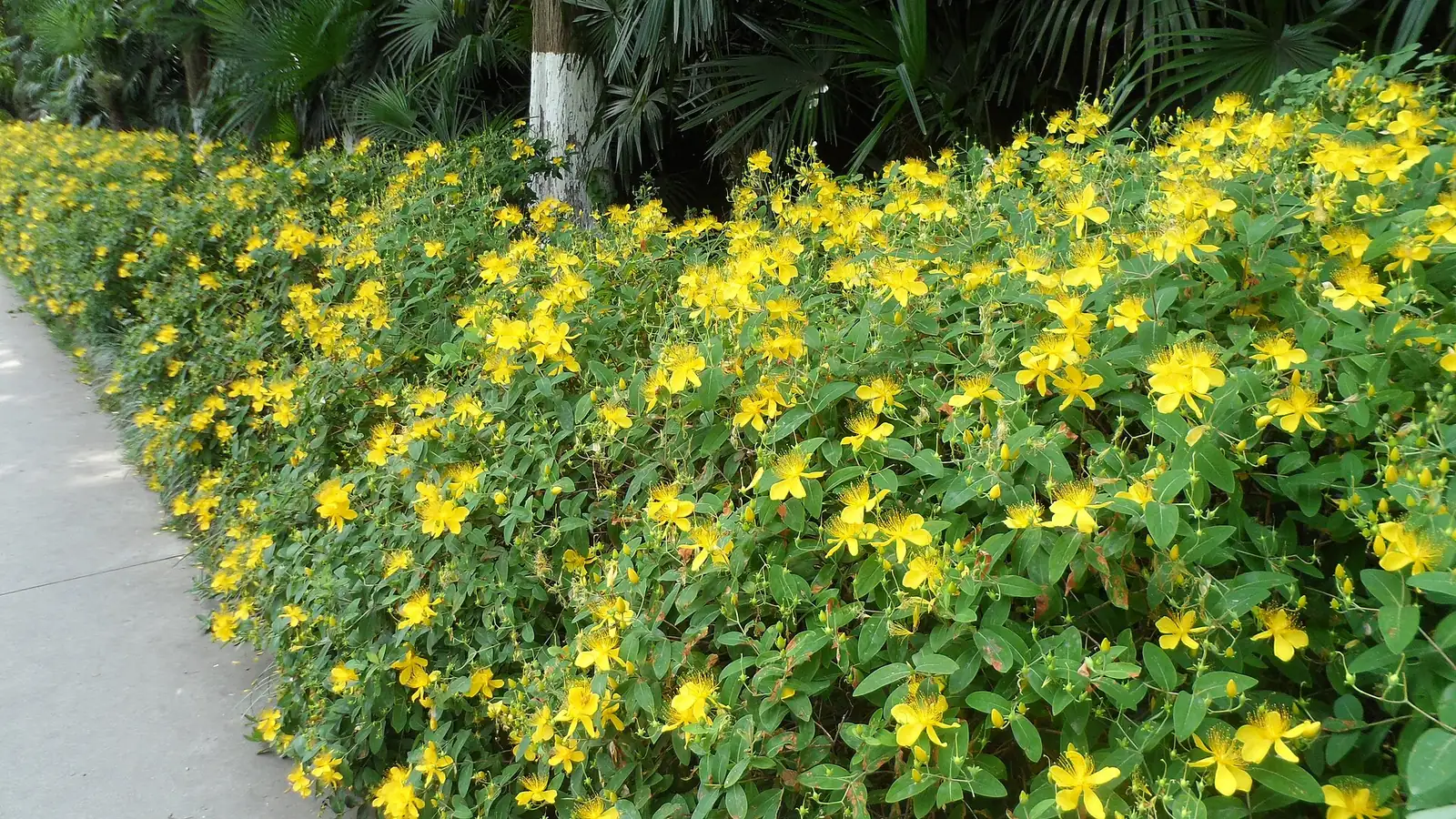
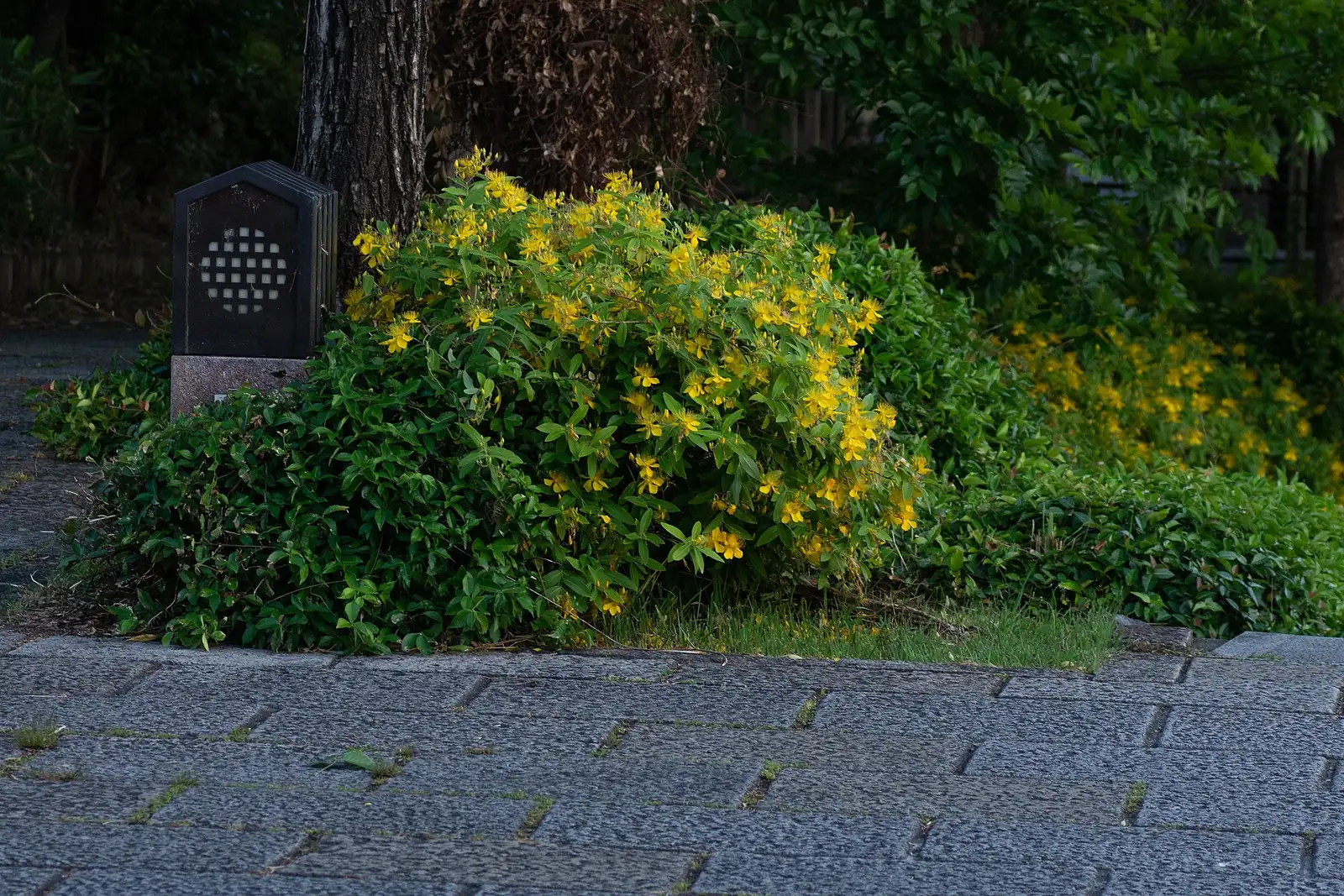
- Size: Typically 0.5–1.3 m (1.6–4.3 ft) tall; naturally forms a compact, bushy shrub.
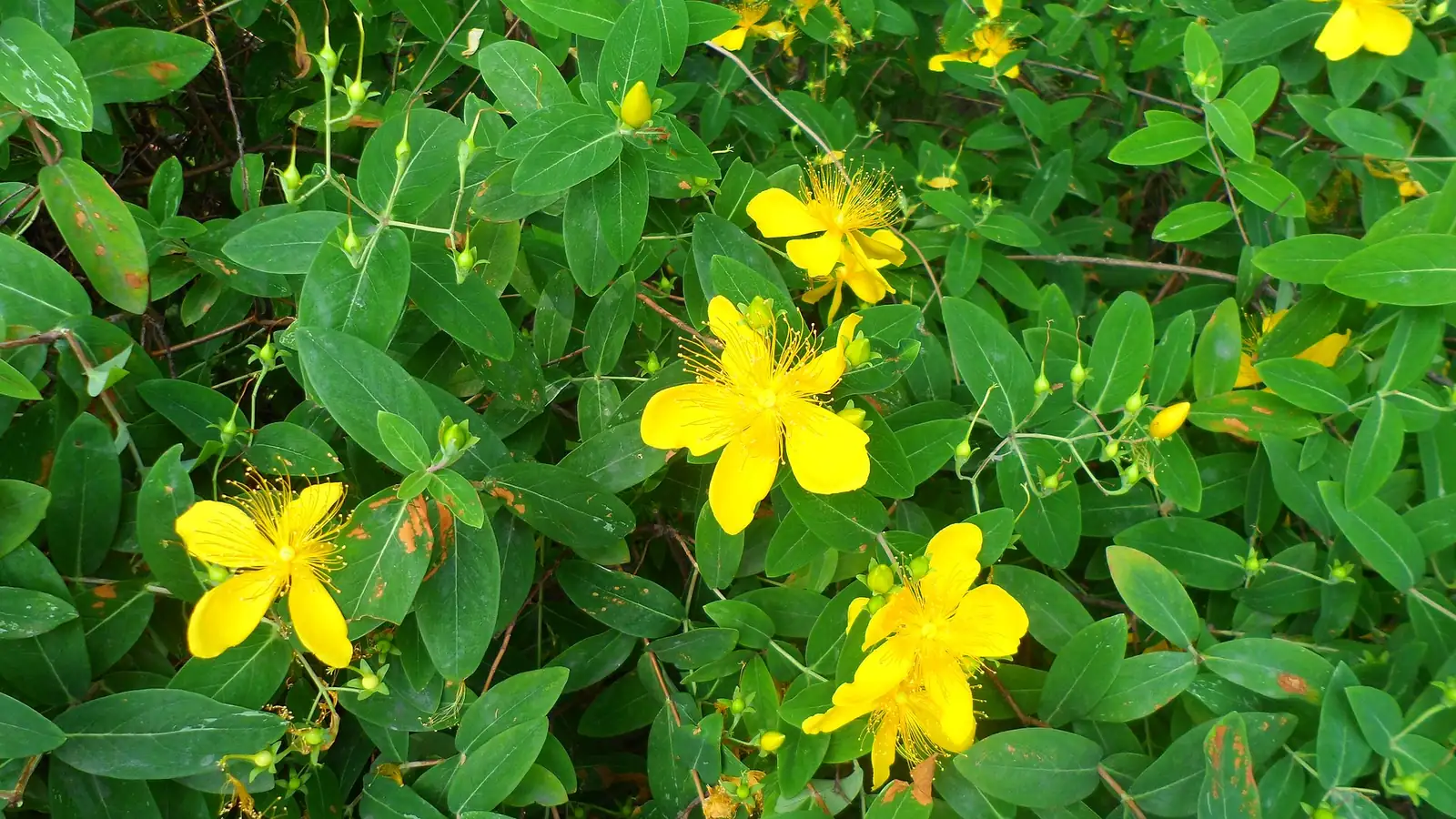
- Foliage: Leaves are sessile (essentially without a noticeable petiole), oblong to elliptic, green on top and paler beneath, with clearly visible net-like venation. Stems are smooth and hairless; young branchlets are cylindrical and often show a reddish-brown tint.
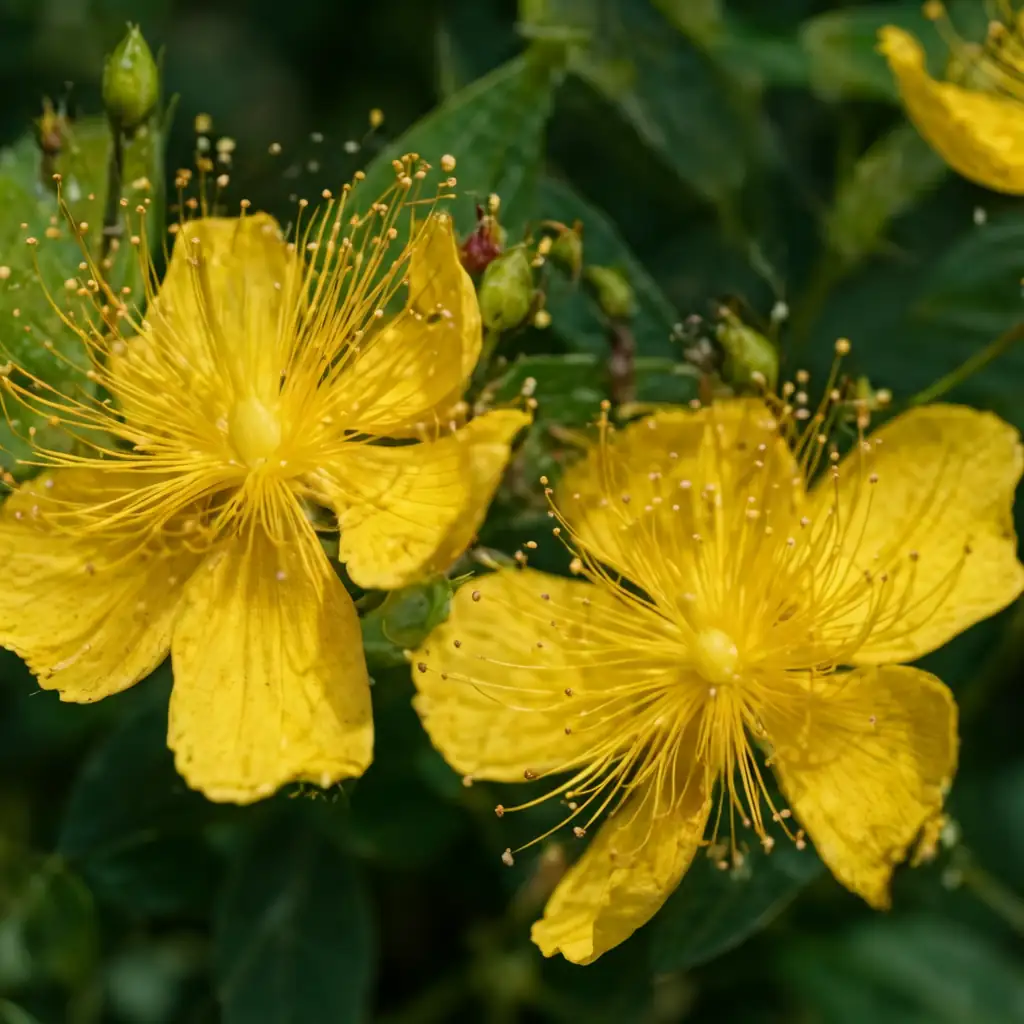
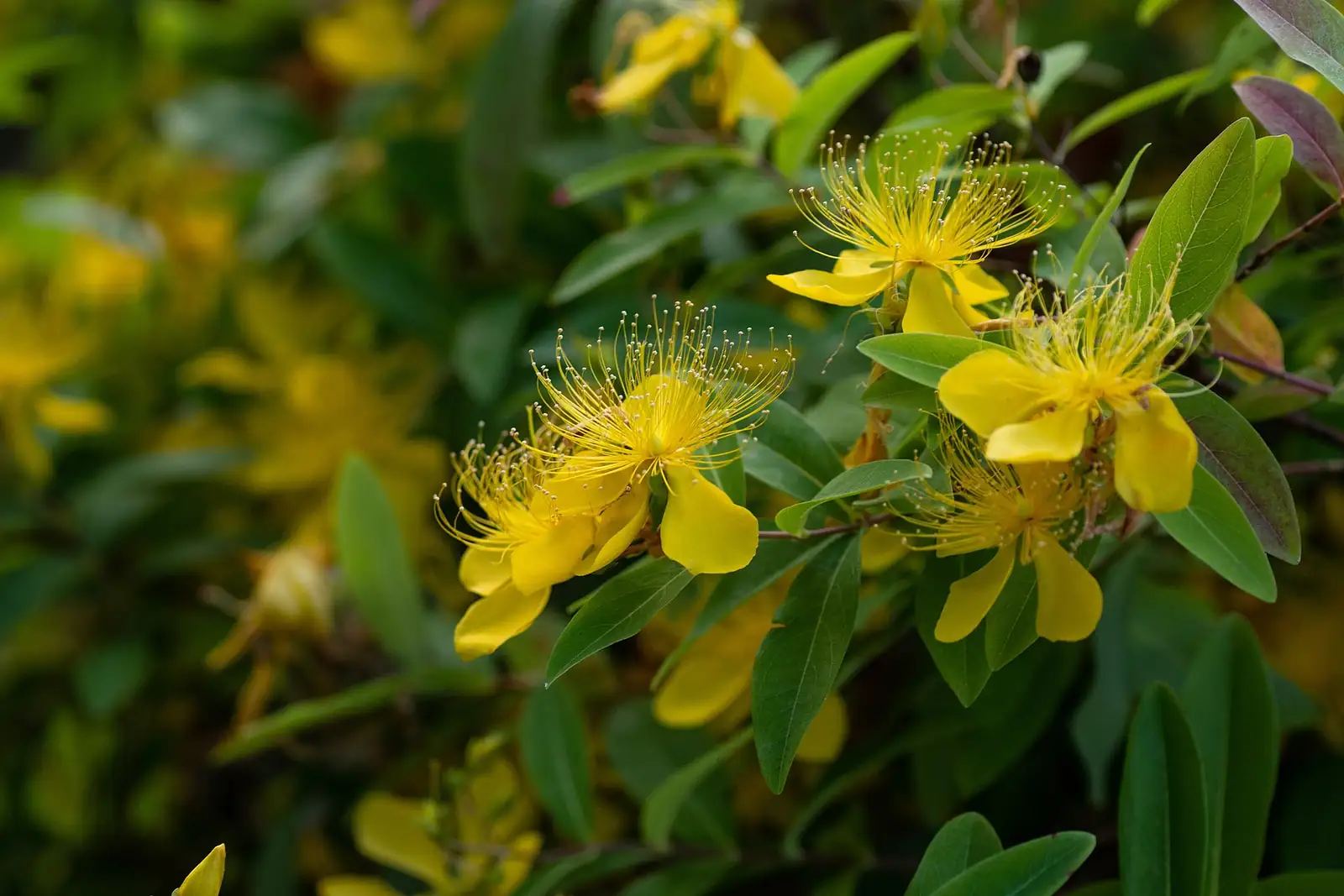
- Flower: Flowers are carried singly or in small cymes, with vivid yellow petals. The many stamens are grouped into five bundles and usually extend beyond the petals for a ‘firework’ look. After flowering, it forms an oval capsule fruit.
- Flowering Season: June–July
- Growth Habit: Evergreen to semi-evergreen (sometimes deciduous in colder climates); upright, compact, and bushy, with vigorous regrowth and strong tolerance of pruning—even fairly hard cuts.
Environment
Sunlight
Full sun to light shade; it flowers best in full sun.
Temperature
Best in mild to warm conditions; tolerates cool weather but should be protected from severe frost and prolonged freezing below about -5°C (23°F).
Humidity
Enjoys evenly moist conditions and handles naturally humid sites well, but dislikes staying wet around the roots.
Soil
Fertile, neutral, well-drained soil (especially sandy loam). Avoid heavy clay and any situation where water can stand around the roots.
Placement
Garden borders, courtyard plantings, and positions with open canopy/dappled light under trees. Excellent in containers (especially in colder regions where it can be moved for winter protection). Also suitable as a cut shrub for floral use.
Hardiness
Approximately USDA Zone 8–10; protect in colder areas and expect reduced reliability where winters are severe.
Care Guide
Difficulty
Easy to moderate: generally tough and forgiving thanks to strong resprouting and pruning tolerance, but it can struggle quickly in waterlogged soil.
Buying Guide
Pick plants with firm, well-branched stems and clean, healthy foliage. Avoid pots that smell sour or stay constantly wet—often a sign of poor drainage and stressed roots.
Watering
Keep the soil lightly and consistently moist, then let the top layer dry slightly before watering again. Prioritize drainage: never leave containers sitting in water, and avoid planting in sites that stay soggy (a common cause of root problems).
Fertilization
Feed in spring and early summer using a balanced slow-release fertilizer, or apply a general-purpose liquid fertilizer every 2–4 weeks. Reduce or stop feeding from late summer into autumn to help the plant settle before colder weather.
Pruning
Prune after flowering or in late winter/early spring to shape the plant and encourage dense, bushy growth. It tolerates and responds well to hard pruning when renovation is needed.
Propagation
Most commonly by cuttings: take semi-ripe cuttings in summer, or hardwood cuttings from late autumn into winter. Division is uncommon for this woody shrub.
Repotting
For potted plants, repot every 1–2 years in spring into a fresh, free-draining mix. If you don’t repot, refresh the top layer of soil annually.
📅 Seasonal Care Calendar
Spring: begin feeding and lightly shape as growth starts. Summer: water regularly during heat and enjoy flowering. After bloom: trim to maintain a neat form. Winter: keep a little drier and protect container plants from hard freezes.
Pests, Diseases & Safety
Common Pests & Diseases
Can attract aphids on soft new growth, spider mites in hot/dry weather, and occasional leaf spots. Good airflow, avoiding waterlogging, and regular checks on new shoots prevent most issues. Treat pests with insecticidal soap or horticultural oil when needed.
Toxicity
Hypericum species may cause photosensitivity if eaten in quantity (well documented in livestock). It’s best to keep it out of reach of pets and children who may chew plants, and seek medical/veterinary advice if ingestion is suspected.
Culture & Symbolism
Symbolism: Often linked with sunshine, cheerfulness, and resilience—thanks to its bright yellow blooms and its ability to bounce back strongly after pruning.
History & Legends: Many Hypericum species are known as “St. John’s wort” in European tradition and are associated with midsummer celebrations. Hypericum monogynum is especially appreciated in East Asian horticulture as a reliable ornamental shrub.
Uses: Primarily grown as an ornamental shrub in gardens, courtyards, and mixed borders; works well in lightly shaded planting under open tree canopies. Frequently grown in containers in colder regions and can be used as cut material in floral arrangements.
FAQ
Why does my St. John’s wort have lots of leaves but few flowers?
The usual culprit is insufficient sun. Move it to a brighter spot (full sun gives the best bloom), and avoid high-nitrogen feeding, which can encourage leafy growth at the expense of flowers.
Can it grow under trees?
Yes—light, dappled shade is fine, especially in hot climates. In deep shade it will flower less and may become leggy.
What’s the biggest mistake people make with this plant?
Poor drainage. It likes steady moisture but strongly dislikes waterlogged roots. Use a free-draining soil mix and never let pots sit in a saucer of water.
Fun Facts
- It can stay evergreen in warm climates, but may be semi-evergreen or deciduous where winters are cooler.
- Although it can occur near moist valleys and streams in nature, it still needs excellent drainage in cultivation to avoid root issues.
- It’s unusually tolerant of pruning and will resprout quickly, making it easy to keep compact and tidy.
- Besides being a landscape shrub, it’s also used as cut material for arrangements.