Plant Features
- Size: Typically 0.4–3 m (1.3–9.8 ft) tall, depending on pruning and whether it has support to scramble/climb.
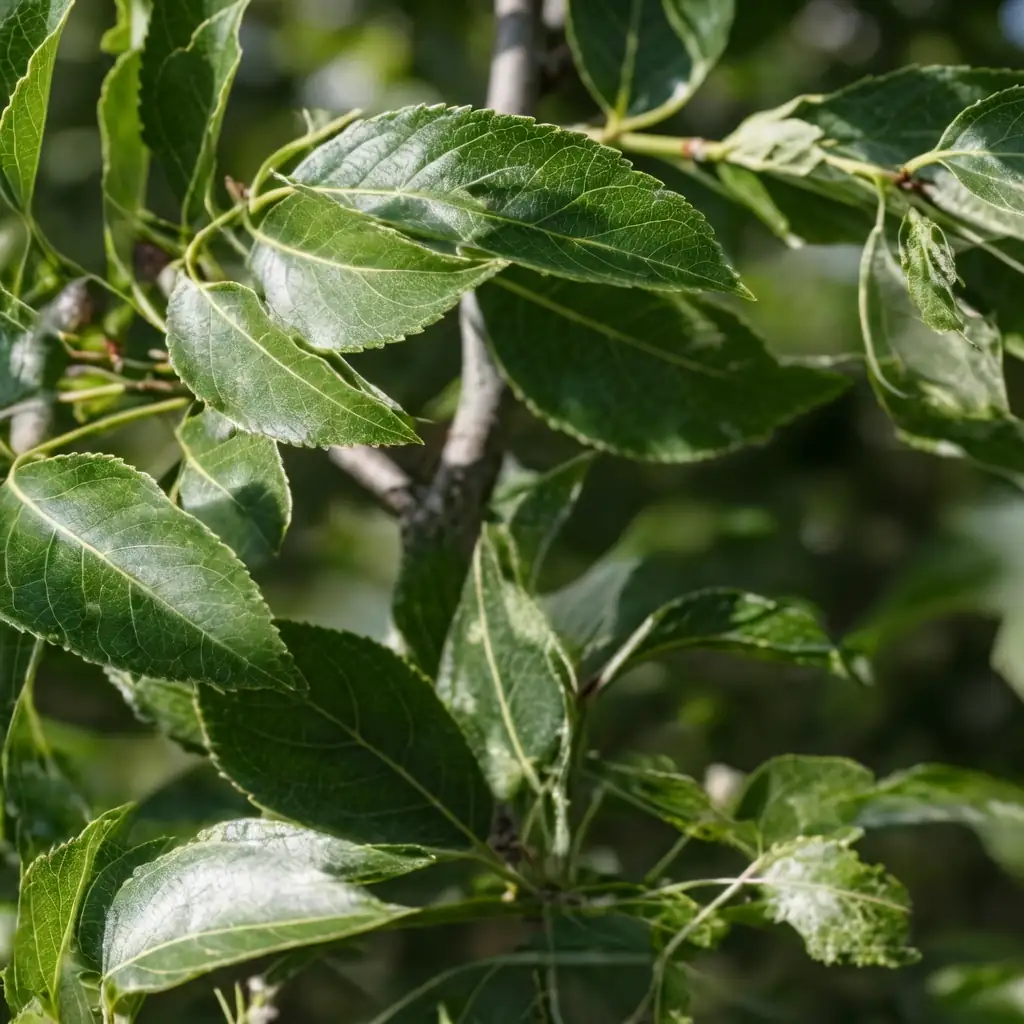
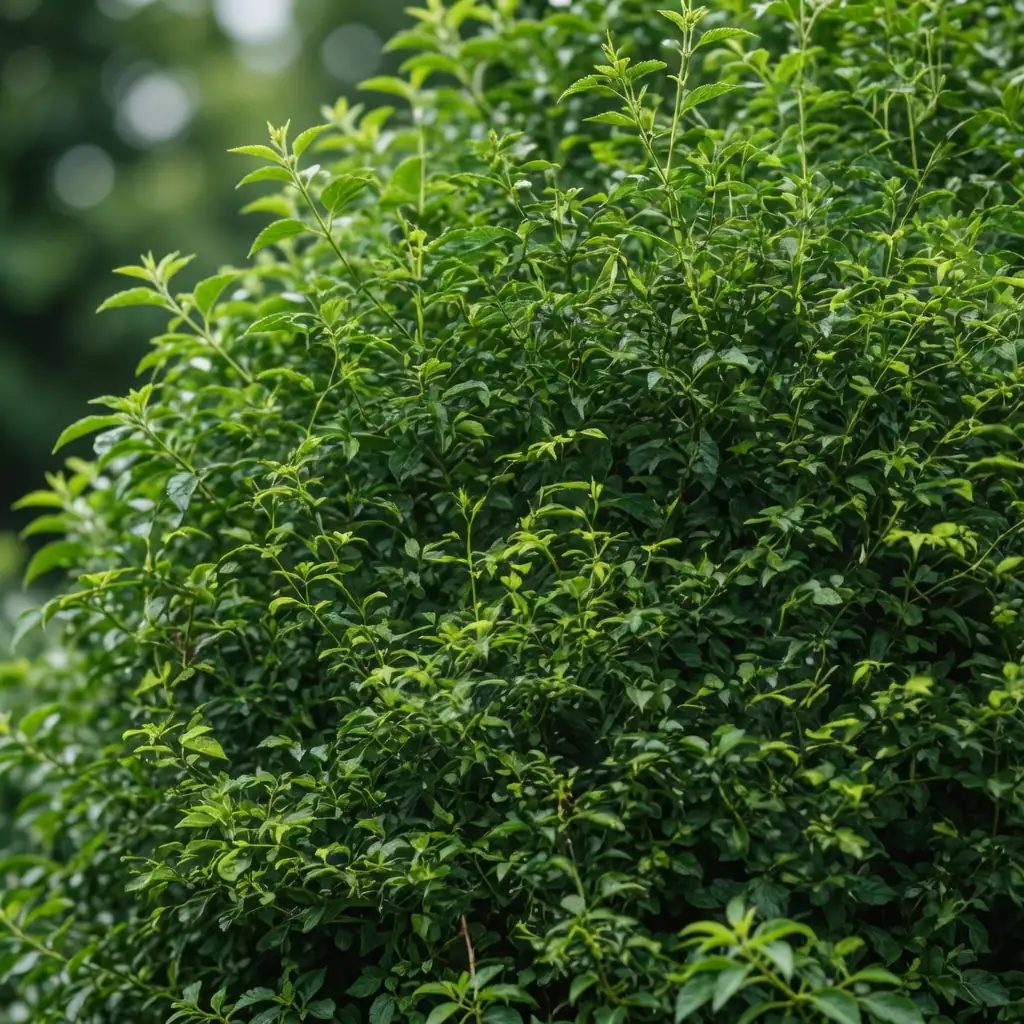
- Foliage: Young stems are green, smooth, and slightly angled. Leaves are opposite and pinnate, most often with 3–5 glossy green leaflets, giving the plant a neat, bright-green look—especially in the warm season. In mild winters it may retain much of its foliage (semi-evergreen).
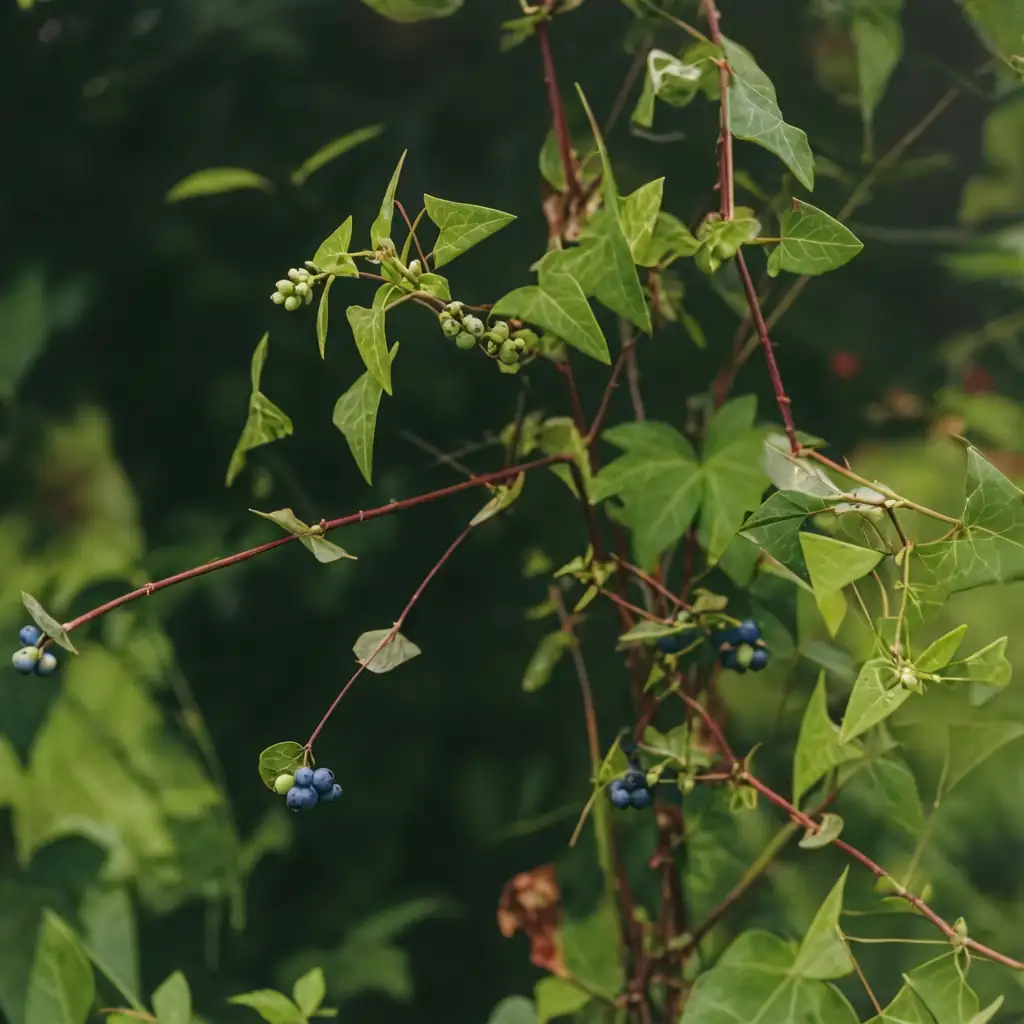
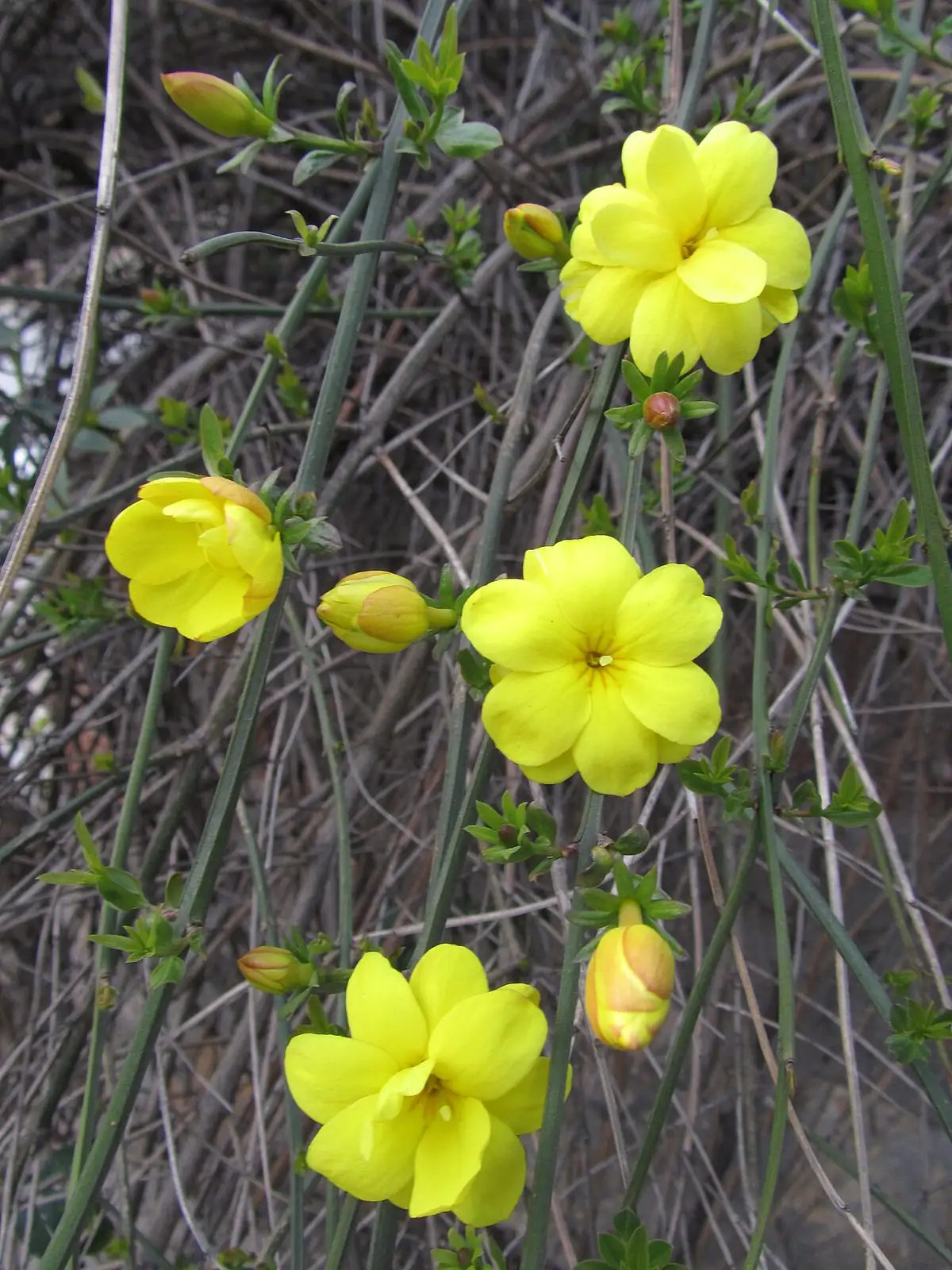
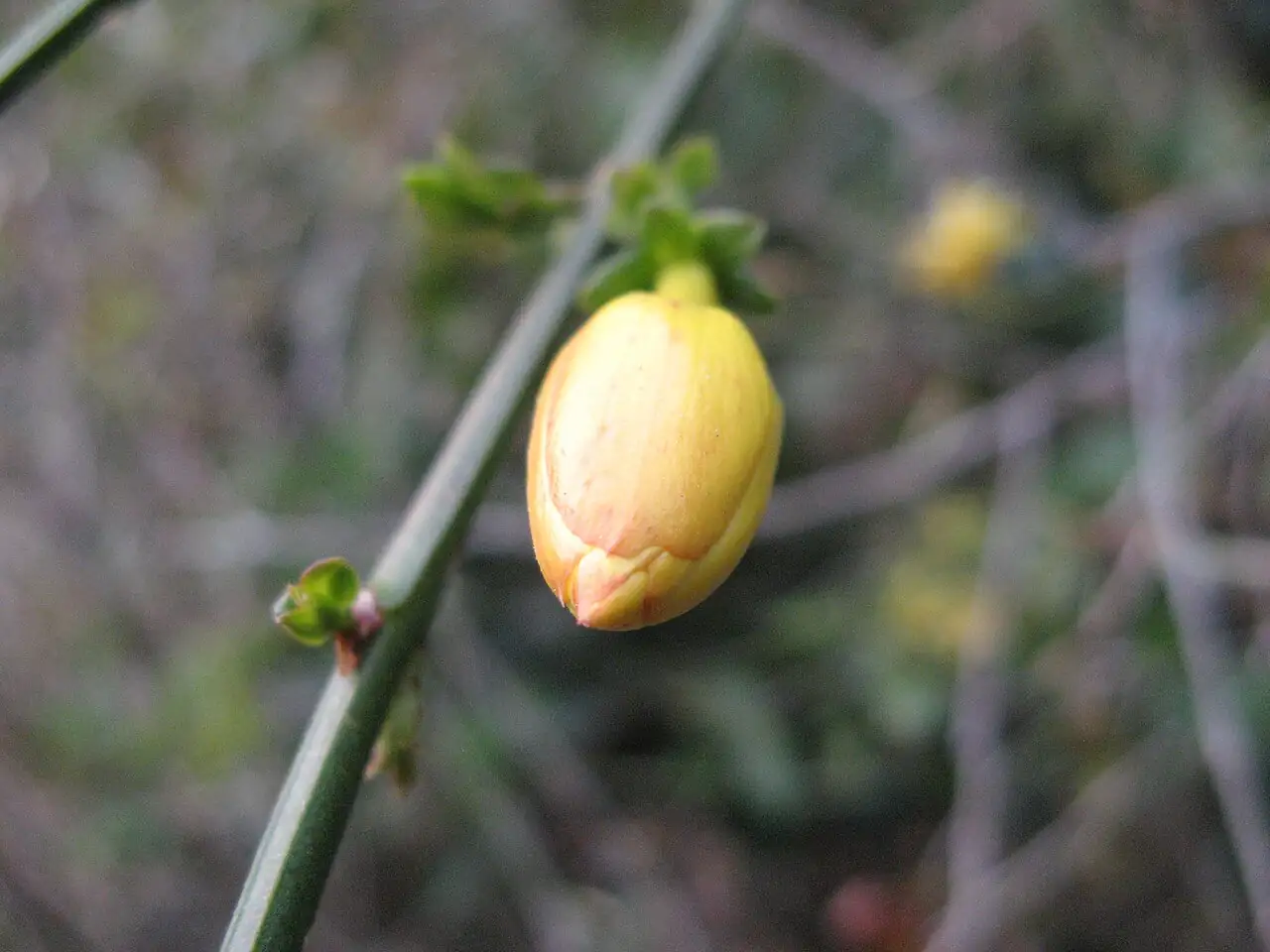
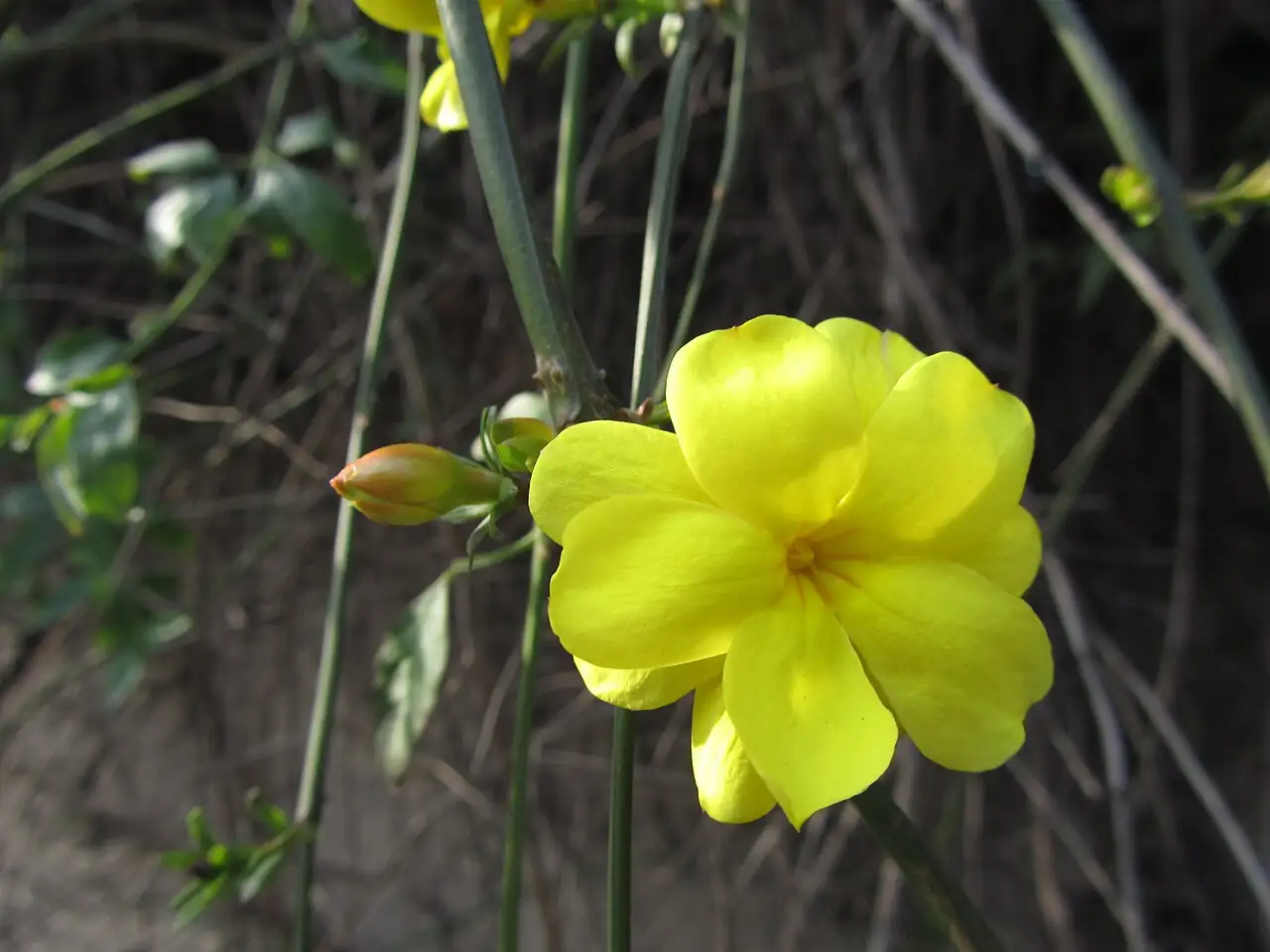
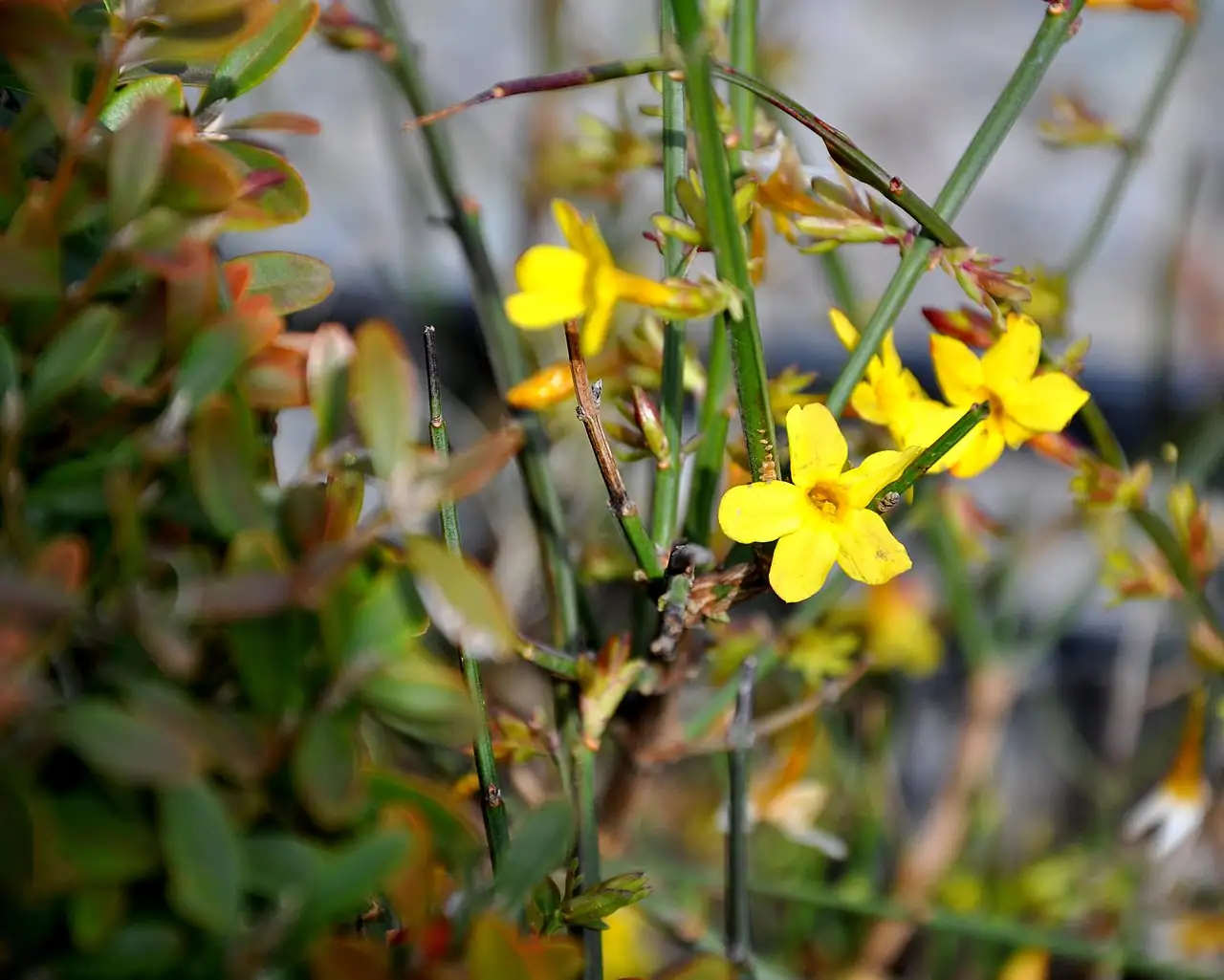
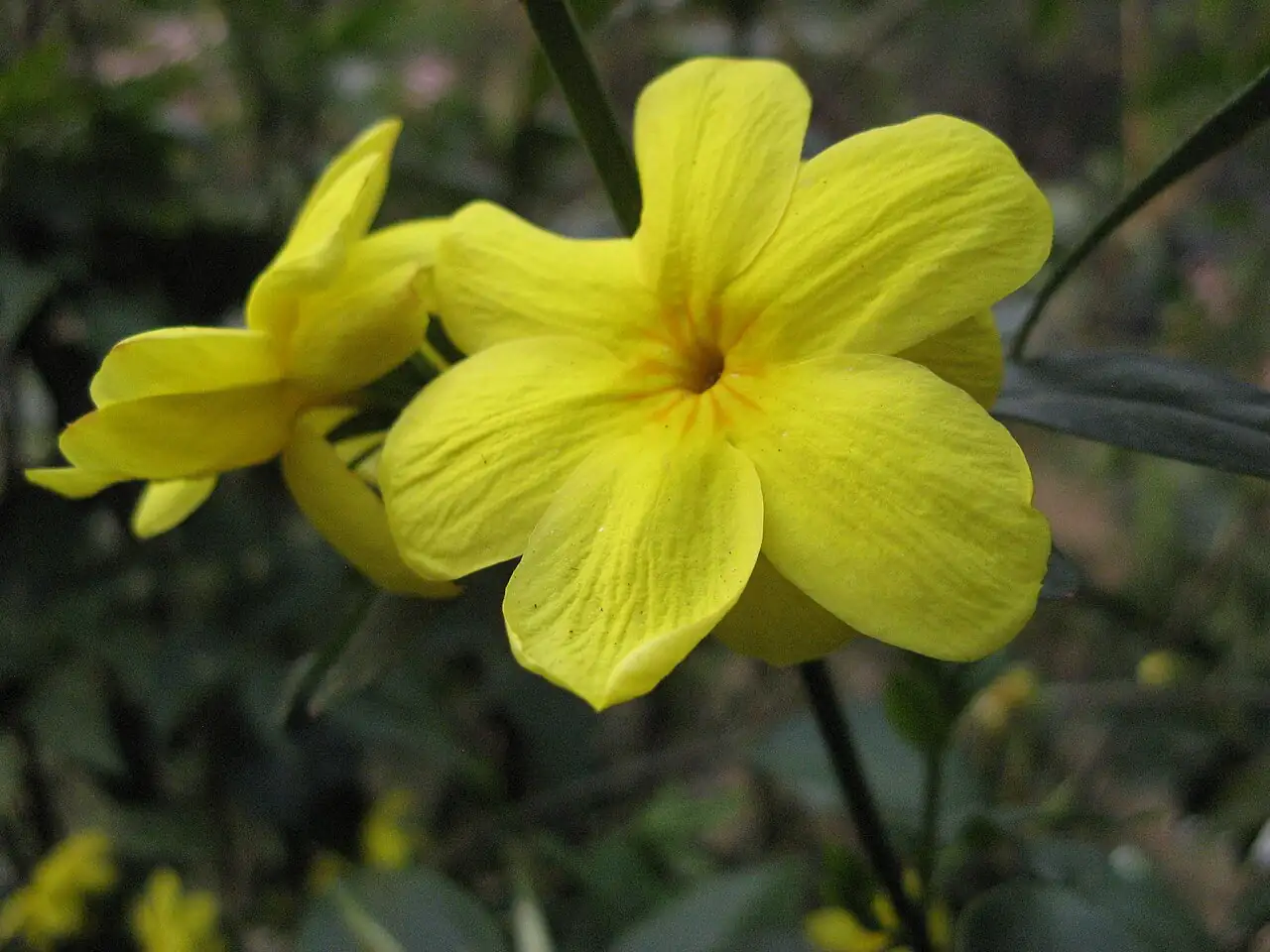
- Flower: Bright golden-yellow, pleasantly fragrant flowers about 1.5 cm (0.6 in) across, with a 5-lobed corolla. Blooms are carried in terminal cymes (clusters near the tips), creating a vivid “golden” effect when the plant is in full swing. After flowering, it may form a nearly round berry.
- Flowering Season: May–September
- Growth Habit: Semi-evergreen, scrambling to loosely climbing shrub; can be trained on supports or allowed to spill and mound.
Environment
Sunlight
Full sun to bright light; flowers best in full sun (aim for at least 6 hours/day).
Temperature
Likes warmth and is tolerant of summer heat. Protect from cold and frost; keep above about 5°C (41°F) in winter, with ideal active-growth temperatures around 15–30°C (59–86°F).
Humidity
Prefers moderate humidity but generally does fine in average garden humidity as long as watering is sensible and the root zone doesn’t stay soggy.
Soil
Adaptable, but happiest in fertile, loose, well-drained soil. In containers, use a free-draining mix (for example, a loam-based potting mix improved with grit/perlite) and ensure strong drainage.
Placement
Sunny balcony, patio, or bright garden position. Great trained on a small trellis, fence, or support, and also well-suited to containers and bonsai. Good airflow helps keep pests down.
Hardiness
Frost tender; best outdoors year-round in mild climates (approximately USDA Zone 9–11) or grown with winter protection in colder regions.
Care Guide
Difficulty
Easy to moderate: vigorous and rewarding in warm, bright conditions, but it dislikes frost and prolonged wet soil—good drainage and winter protection are the main keys.
Buying Guide
Pick a plant with firm green stems and healthy, glossy leaflets. Avoid plants with black spotting, sticky residue (often pest honeydew), or obvious pests. Skip pots that smell sour or look waterlogged, and avoid severely pot-bound plants unless you plan to repot promptly.
Watering
Water thoroughly, then let the top 2–5 cm (1–2 in) of the mix dry before watering again. In hot summer weather, potted plants may need more frequent watering. In cooler seasons, reduce watering to prevent root issues—this jasmine prefers “evenly moist, never soggy.”
Fertilization
Feed from spring through summer with a balanced fertilizer every 2–4 weeks, or use a slow-release fertilizer as directed. Reduce or stop feeding in autumn and winter when growth slows.
Pruning
Prune after the main flowering flush to shape and control size. Remove weak, crossing, or damaged shoots. Light tip-pruning encourages branching, which usually means more flowering wood and a fuller plant.
Propagation
Stem cuttings are the go-to method. Take semi-ripe cuttings and root them in water or in a free-draining propagation mix. Keep cuttings warm and bright (avoid harsh midday scorch) until well-rooted.
Repotting
Repot every 1–2 years in spring, moving up only one pot size. Refresh the mix and prioritize drainage; oversized pots can stay wet too long and encourage root rot.
📅 Seasonal Care Calendar
Spring: repot if needed, begin feeding, and increase watering as growth resumes. Summer: give full sun, water and feed regularly, and prune after flowering to shape. Autumn: taper feeding and reduce watering as temperatures drop. Winter: keep brighter and slightly drier, and protect carefully from frost.
Pests, Diseases & Safety
Common Pests & Diseases
Watch for aphids, spider mites, scale, and mealybugs—especially on stressed container plants or indoors. Improve conditions with bright light, steady watering habits, and good airflow. Treat early with insecticidal soap or horticultural oil. Overwatering and poor drainage can cause root rot.
Toxicity
No universally consistent toxicity listing is available for this exact species in common houseplant references. As a precaution, treat it as potentially mildly irritating if chewed/ingested, and keep away from pets and small children.
Culture & Symbolism
Symbolism: Often linked with warmth, welcome, and cheerful golden color—like a little burst of sunshine during its long blooming stretch.
History & Legends: In parts of China it’s grown as a traditional ornamental jasmine, treasured for its extended flowering season and how willingly it can be trained—whether onto supports or into bonsai-like forms.
Uses: Primarily ornamental: valued for its bright yellow, fragrant flowers in gardens and containers, and for bonsai training. Also popular because it propagates easily from cuttings (even rooting in water), making it a classic “share-with-friends” plant.
FAQ
When does it flower?
Most commonly from May to September (late spring through summer), with timing influenced by warmth and sun.
When does it fruit?
Fruiting is typically around September–October, forming a nearly round berry after flowering.
How big will it get?
Roughly 0.4–3 m (1.3–9.8 ft), depending on how you prune it and whether it’s allowed to scramble/climb on support.
What conditions give the best blooms?
Full sun (about 6+ hours/day), warm temperatures, and well-drained soil. It tolerates heat but needs protection from frost.
What’s the easiest way to propagate it?
Stem cuttings—many will root readily in water or in a light, free-draining propagation mix.
Fun Facts
- Each bloom is only about 1.5 cm (0.6 in) wide, but the clusters can make the whole plant look brilliantly golden.
- It’s semi-evergreen, so in mild winters it may keep much of its foliage instead of going completely bare.
- It responds very well to pruning, which is why it’s so often trained on supports or shaped as bonsai.
- In the wild it’s not just a garden plant—it naturally grows in shrub thickets, on slopes, and in wooded mountain ravines.
- Cuttings can root in plain water, making propagation surprisingly simple.