

Plant Features
- Size: Typically 20–40 cm (8–16 in) tall with a spread of 25–45 cm (10–18 in), depending on cultivar and conditions.
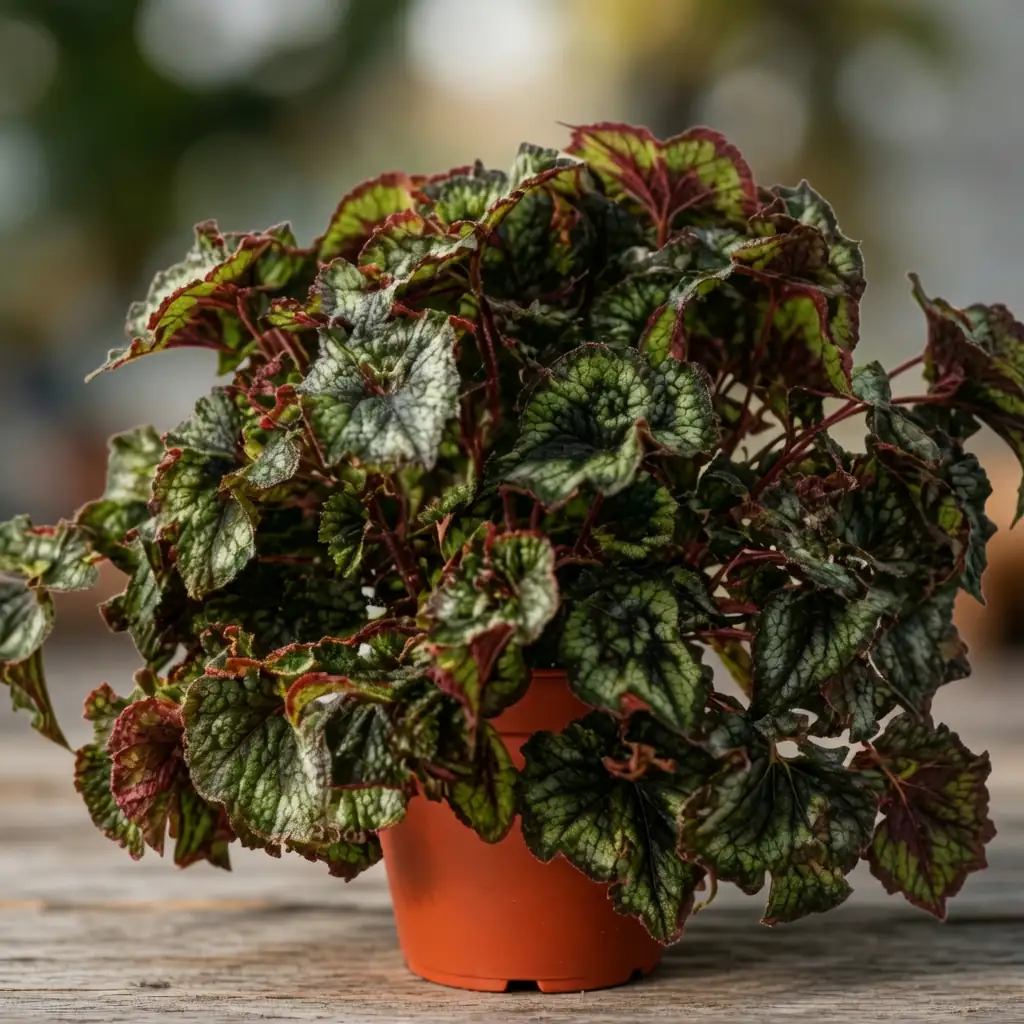
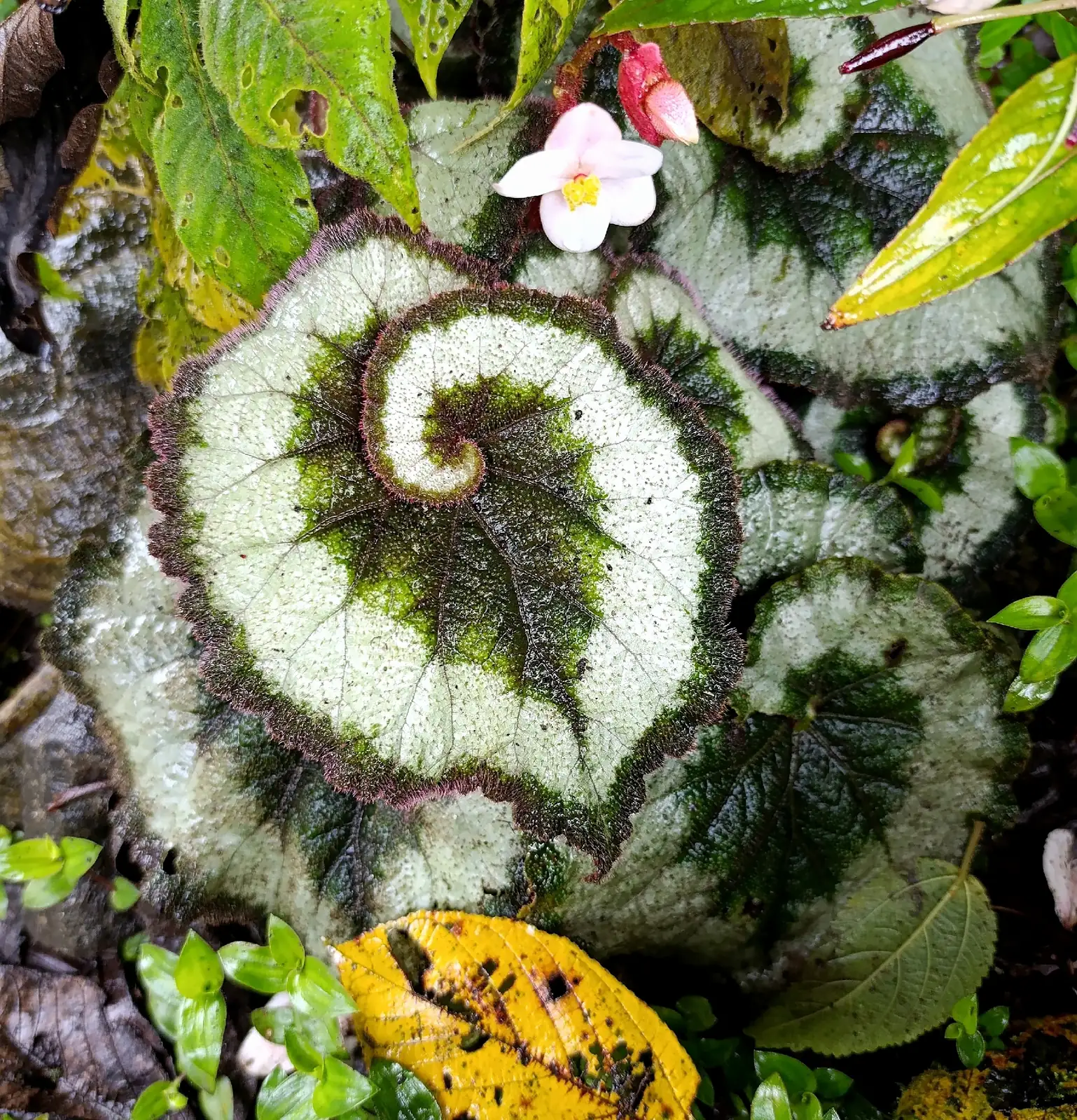
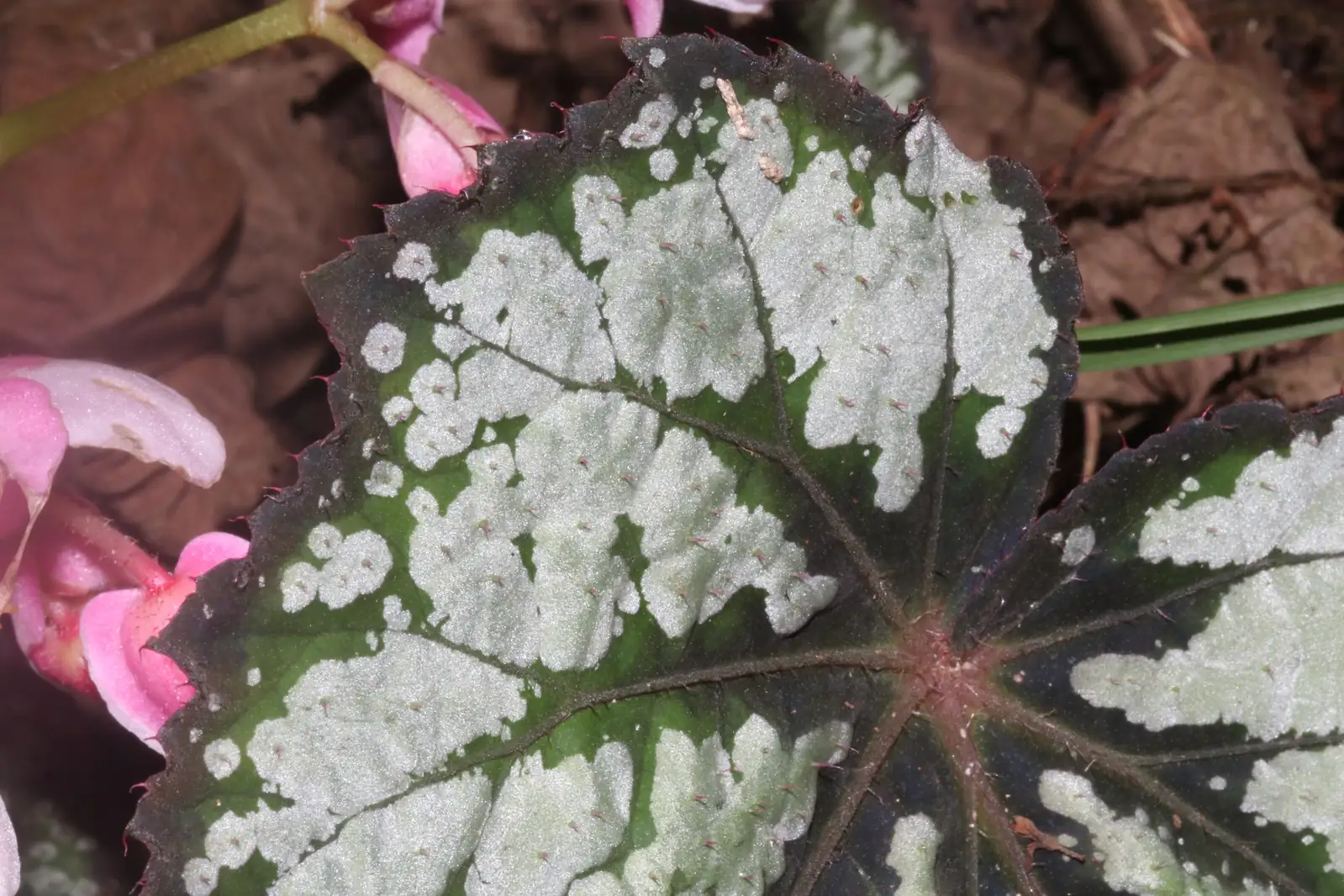
- Foliage: Silver-and-green bicolored leaves with a pronounced spiral/swirl pattern reminiscent of a seashell; leaf surfaces may be covered in delicate pinkish hairs for a velvety texture.
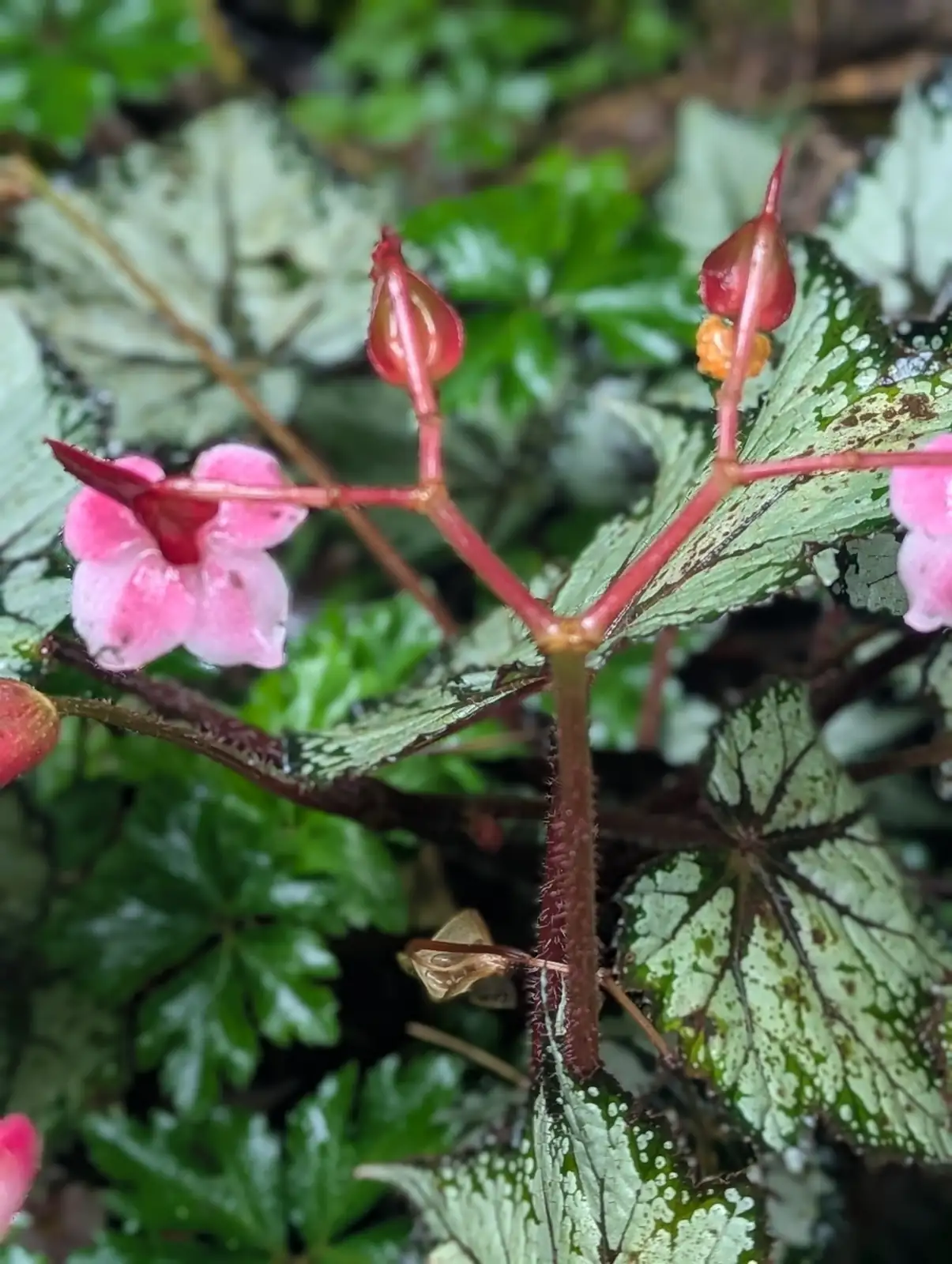
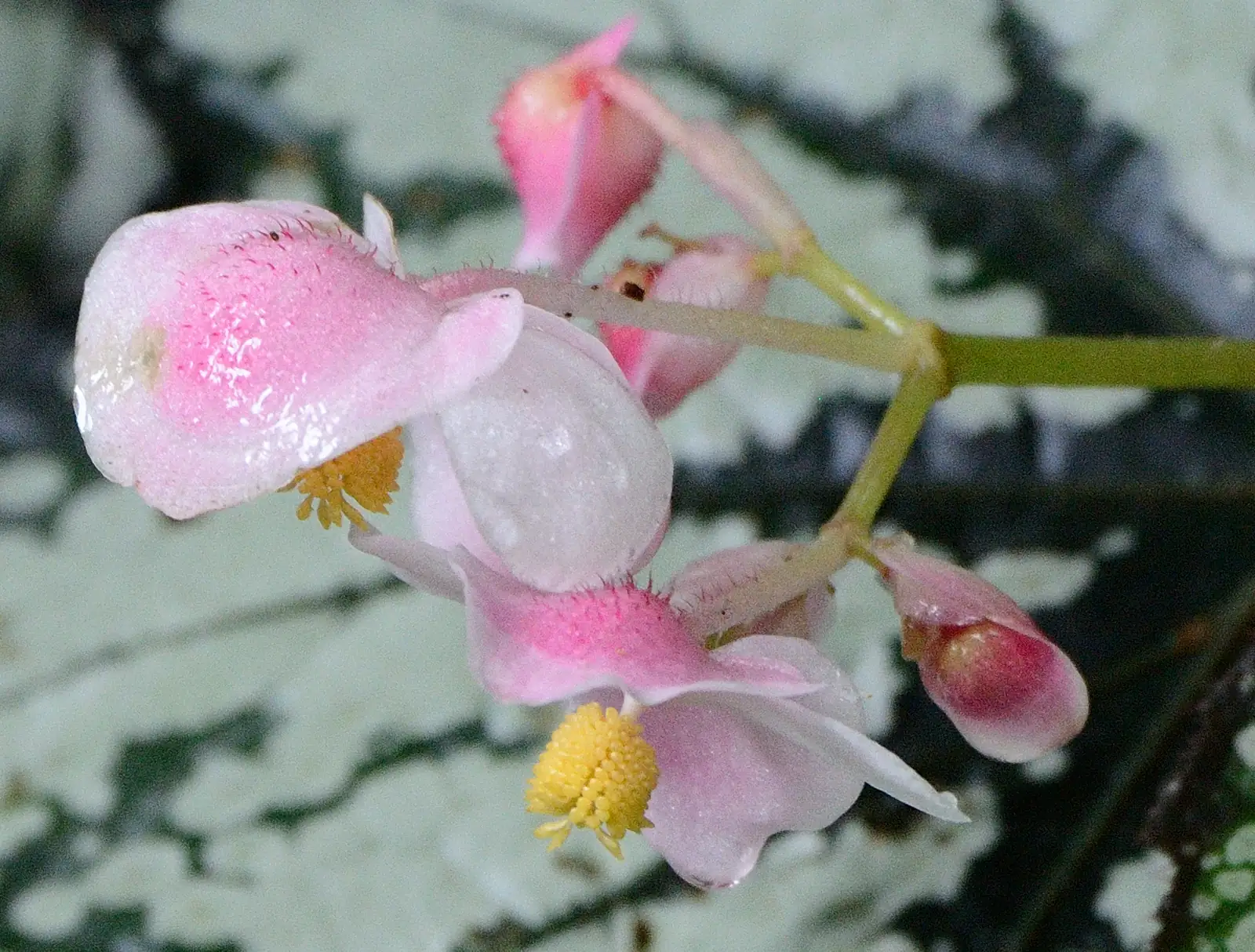
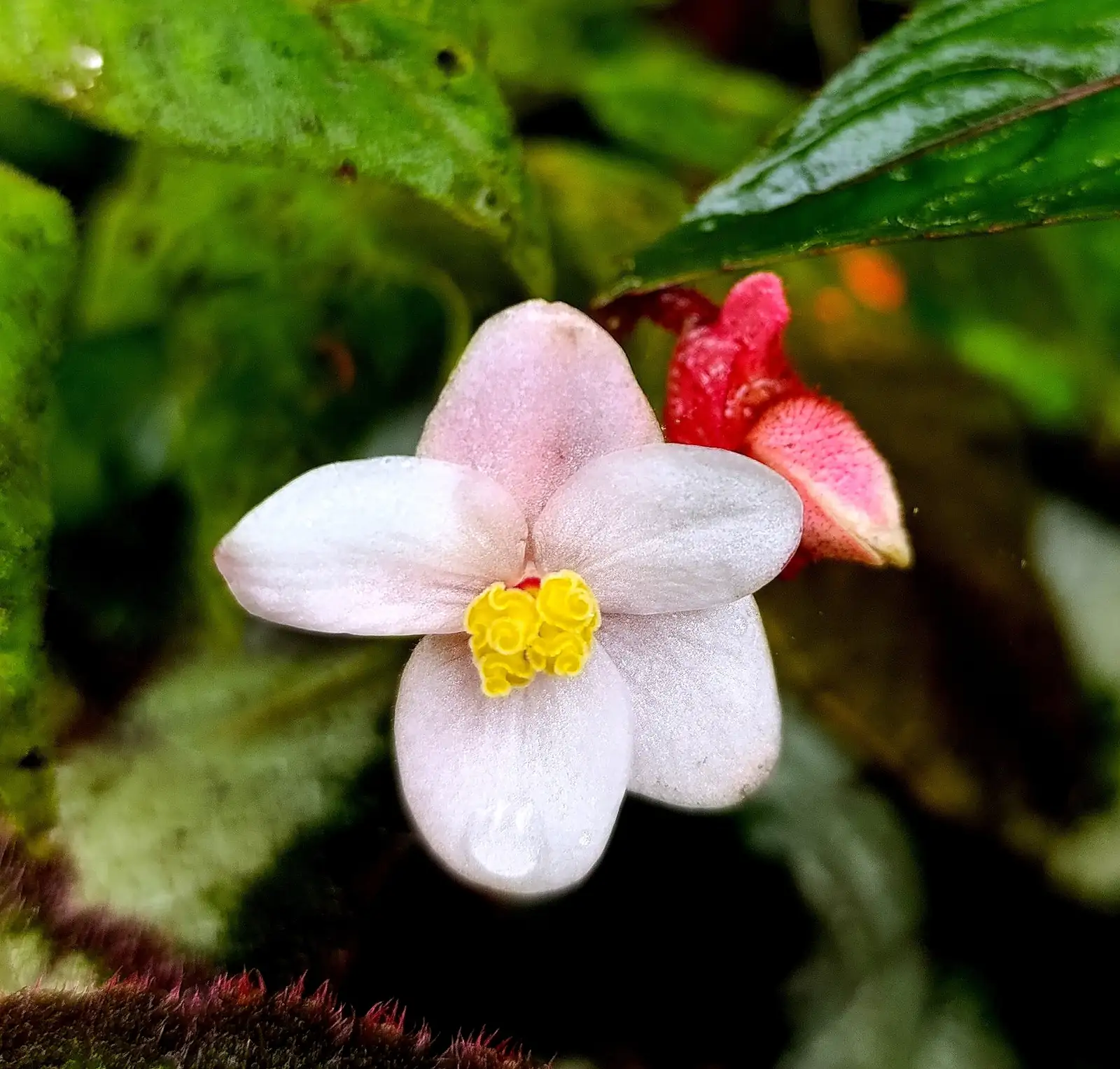
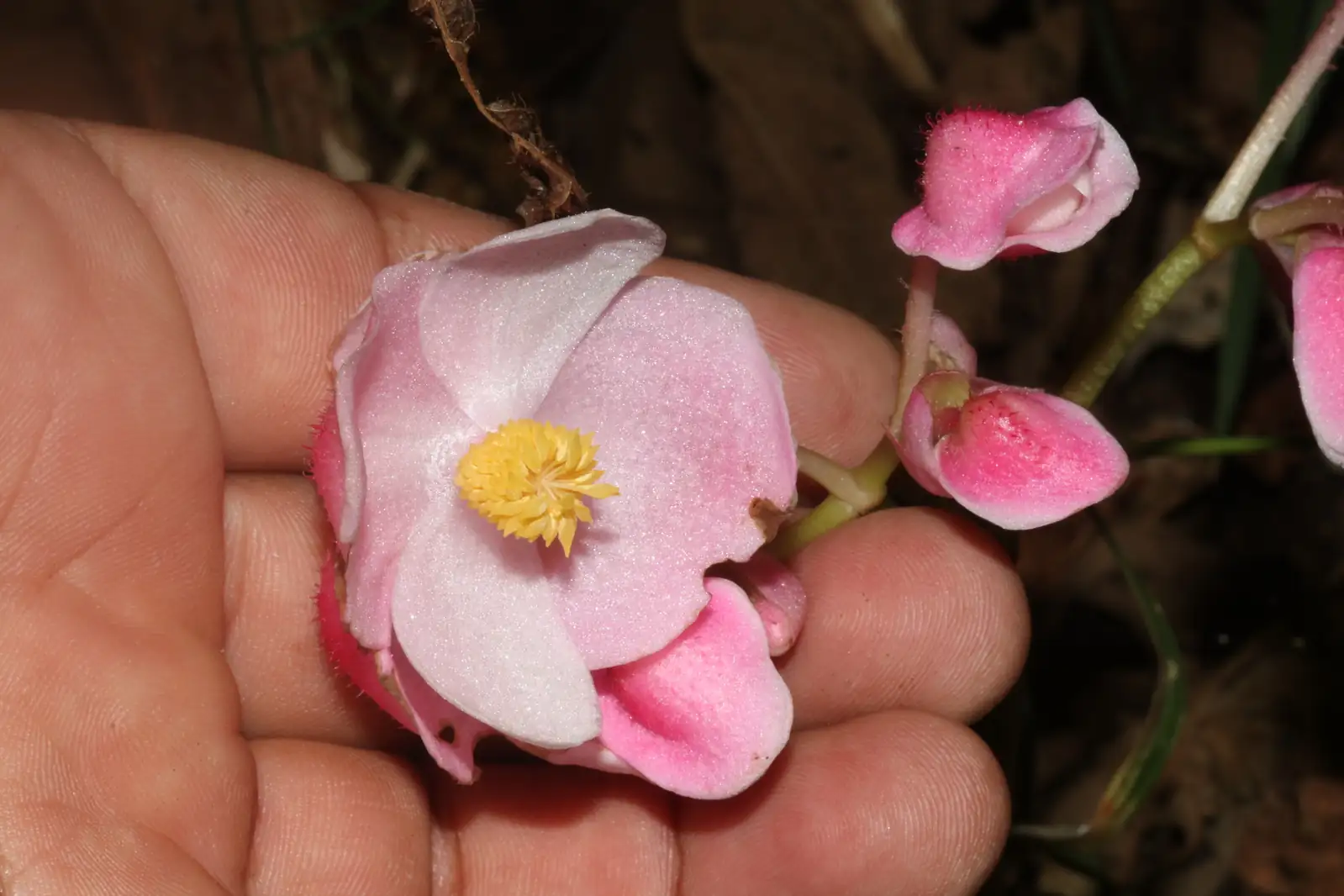
- Flower: Small, usually pale pink to white flowers may appear, but they are secondary to the foliage and can be removed to keep the plant compact.
- Flowering Season: Intermittent, most often late winter to spring indoors (varies by cultivar and conditions).
- Growth Habit: Rhizomatous, clump-forming; grown as a compact, mounding foliage plant.
Environment
Sunlight
Bright, indirect light; avoid harsh direct sun which can scorch leaves. Tolerates medium indirect light but colors may dull.
Temperature
18–27°C (64–81°F); avoid temperatures below 12°C (54°F) and cold drafts.
Humidity
Prefers moderate to high humidity, about 50–70% (ideal for best leaf quality).
Soil
Light, airy, well-draining mix (e.g., peat/coco-based houseplant mix amended with perlite and fine bark). Keep evenly moist but not waterlogged.
Placement
Indoors near an east or north window, or set back from a bright south/west window; good for shelves and desktops with stable warmth and humidity.
Hardiness
Not frost-hardy; typically grown indoors. Outdoors only in USDA Zone 10–11 (approx. 30–50°F to 40–70°F minimums), as a tender perennial.
Care Guide
Difficulty
Moderate: thrives with stable warmth, gentle light, and careful watering to avoid rot or leaf damage.
Buying Guide
Choose plants with firm rhizomes, crisp leaves, and no mushy stems. Avoid specimens with extensive brown edges, powdery residue, or visible pests under the leaves.
Watering
Water when the top 2–3 cm (1 in) of mix feels dry. Water thoroughly, then drain; do not let the pot sit in water. Aim to keep the mix lightly and evenly moist rather than alternating between very dry and soggy.
Fertilization
Feed in active growth (spring through early autumn) with a balanced liquid fertilizer at 1/4–1/2 strength every 2–4 weeks. Reduce or stop feeding in winter if growth slows.
Pruning
Remove damaged leaves at the base. Pinch or trim leggy growth to encourage a fuller clump. Many growers remove flower stalks to focus energy on foliage.
Propagation
Leaf cuttings (whole leaf with petiole or leaf sections), rhizome cuttings, or division during repotting. Root in a warm, humid environment with bright indirect light.
Repotting
Repot every 12–18 months, or when the rhizome crowds the pot. Use a shallow, wide pot to suit the rhizomatous habit and refresh the mix to prevent compaction.
📅 Seasonal Care Calendar
Spring: repot, divide, resume feeding. Summer: maintain even moisture and higher humidity; protect from hot sun. Autumn: reduce fertilizer as growth slows. Winter: keep warmer and slightly drier, avoid cold windowsills and overwatering.
Pests, Diseases & Safety
Common Pests & Diseases
Common issues include spider mites, thrips, mealybugs, and fungus gnats. Overwatering and poor airflow can lead to root/rhizome rot, powdery mildew, and botrytis. Use good drainage, avoid wetting foliage late in the day, and treat pests promptly with insecticidal soap or horticultural oil (test on a small area first).
Toxicity
Toxic to pets if chewed (especially the rhizomes) and may irritate the mouth and stomach. Sap can irritate sensitive skin; keep away from children and pets.
Culture & Symbolism
Symbolism: Often associated with individuality and artistry because of its bold, patterned leaves.
History & Legends: Spiral-leaf forms belong to the long-running rex begonia tradition—garden-bred selections derived from Asian Begonia species and refined over time for ever more dramatic leaf shapes, colors, and textures.
Uses: Primarily an ornamental indoor foliage plant for pots, terrariums (with airflow), and shaded patios in warm climates.
FAQ
Why are the leaf edges turning brown and crispy?
Most often from low humidity, inconsistent watering, or excess direct sun. Increase humidity to about 50–70%, keep moisture more even, and move the plant to bright indirect light.
Can I mist the leaves to raise humidity?
Light misting can help briefly, but it may encourage spotting or fungal issues on textured leaves. A humidifier or pebble tray (without the pot sitting in water) is usually safer.
Why is my begonia drooping even though the soil is wet?
Wet soil plus drooping can signal root/rhizome rot. Let the mix dry slightly, check drainage, and consider repotting into a fresher, airier mix after removing any rotten tissue.
Fun Facts
- The spiral pattern is caused by uneven growth across the leaf blade, producing a natural swirl that resembles a seashell.
- Rex begonias are often grown more for leaf color and texture than for flowers.
- Shallow, wide pots suit rhizomatous begonias because they spread horizontally rather than forming deep roots.


