Plant Features
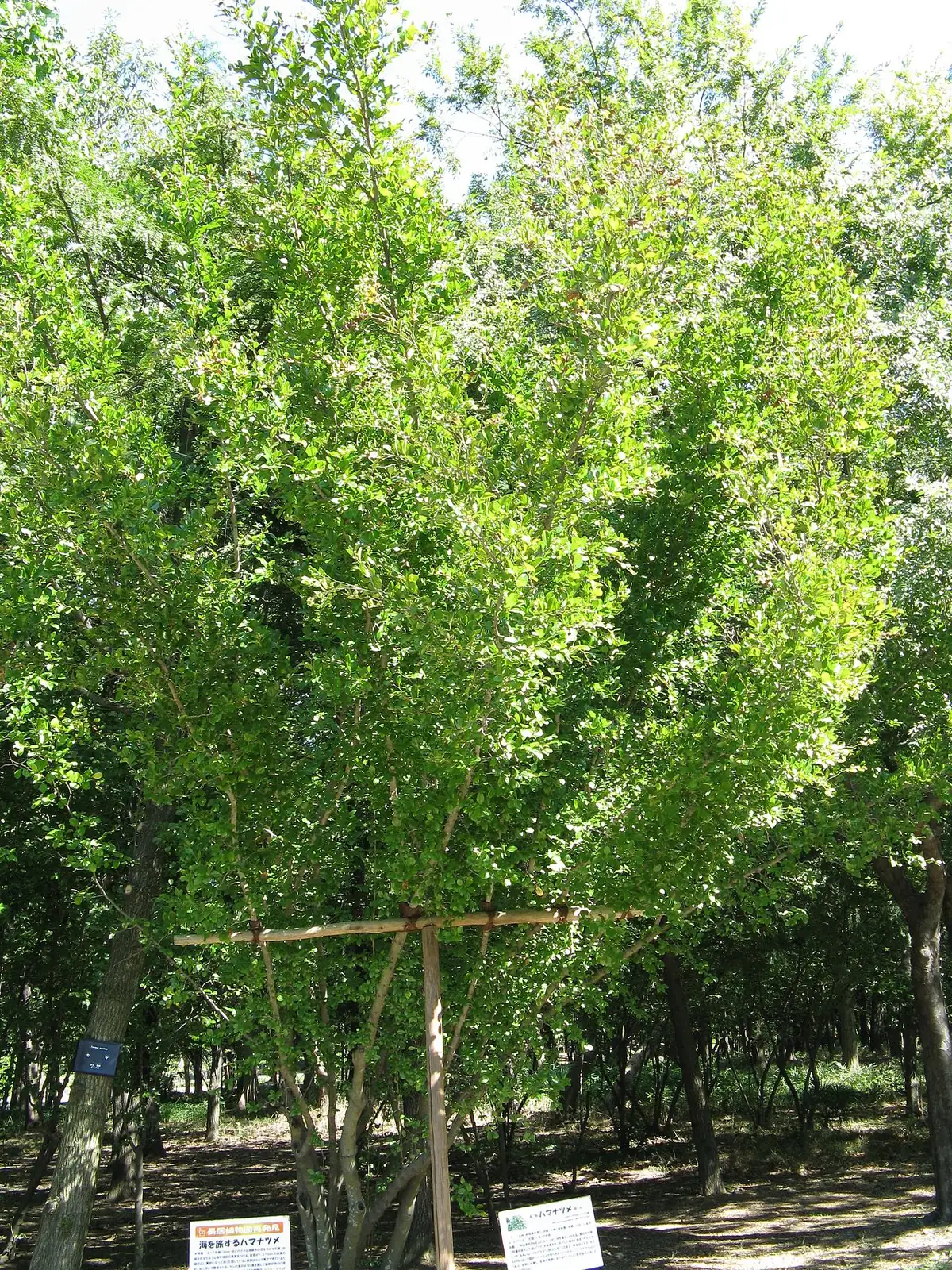
- Size: Up to about 6 m (20 ft) tall; typically forms a dense, heavily branched shrub suitable for hedging.
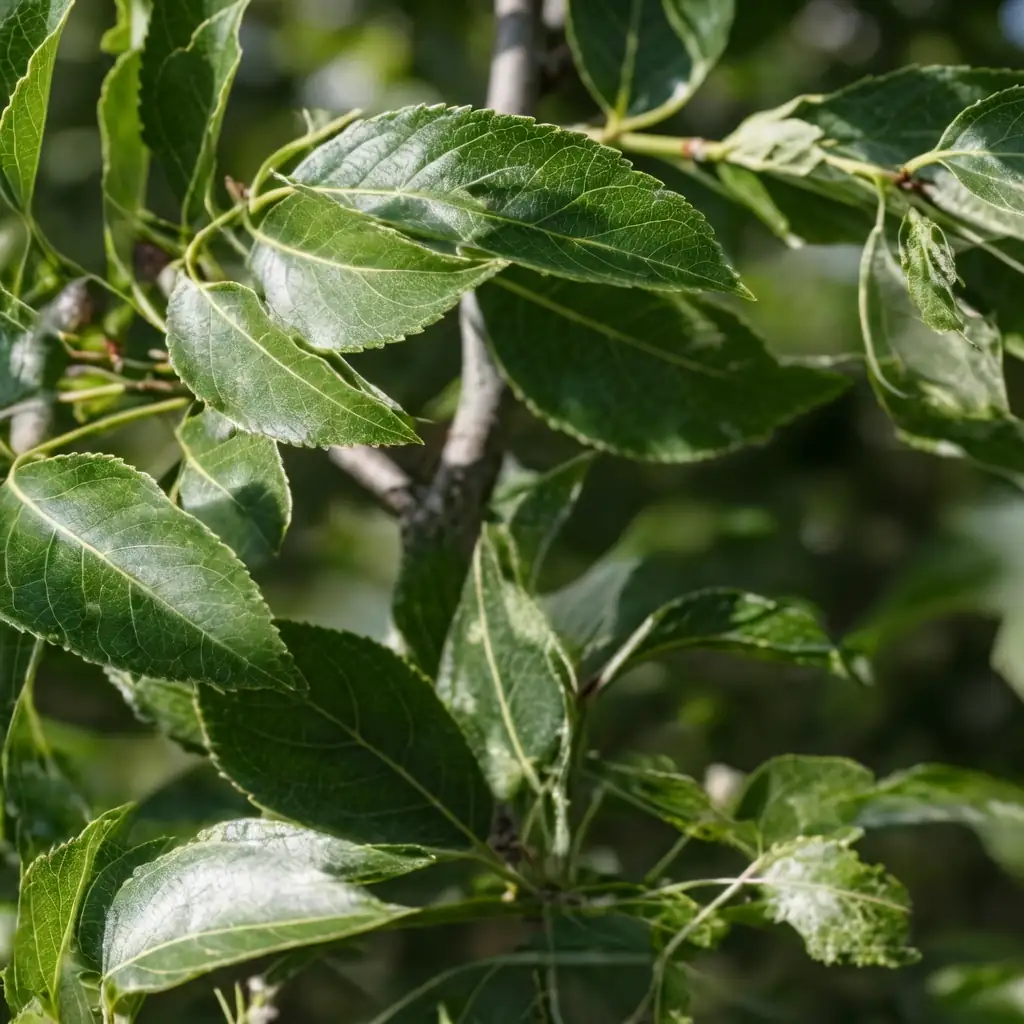
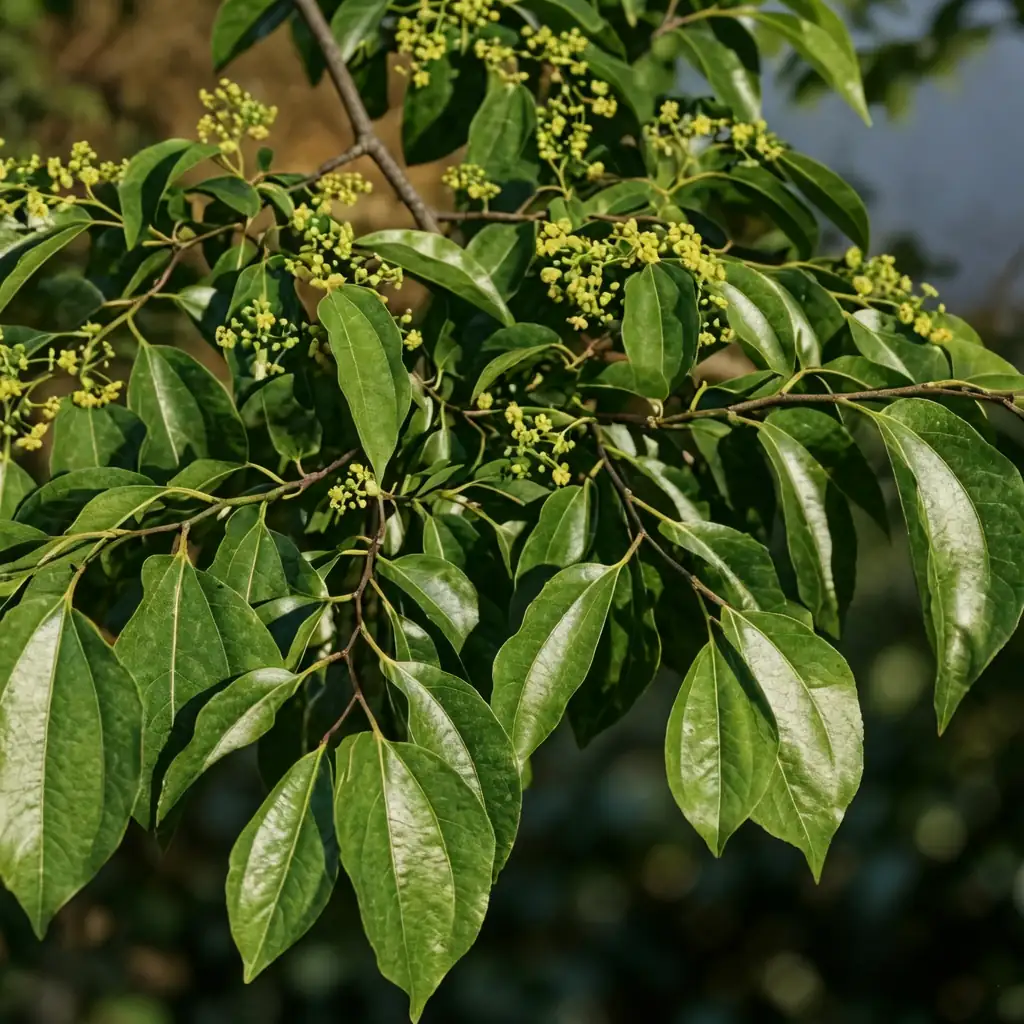
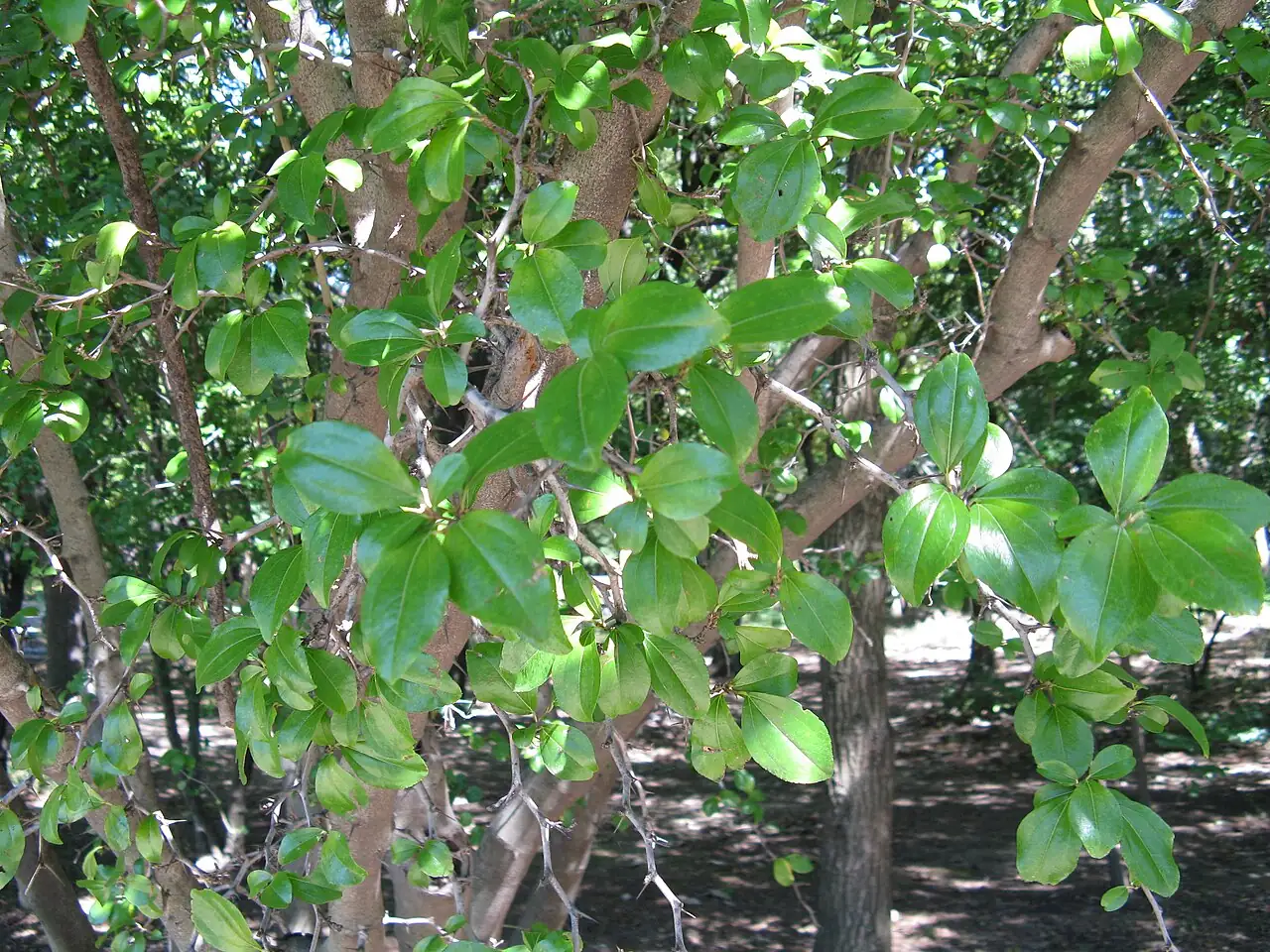
- Foliage: Twigs are brown to dark brown and usually finely hairy (sometimes nearly hairless). Leaves are alternate, papery, broadly ovate-elliptic to nearly round, with a blunt to rounded tip.
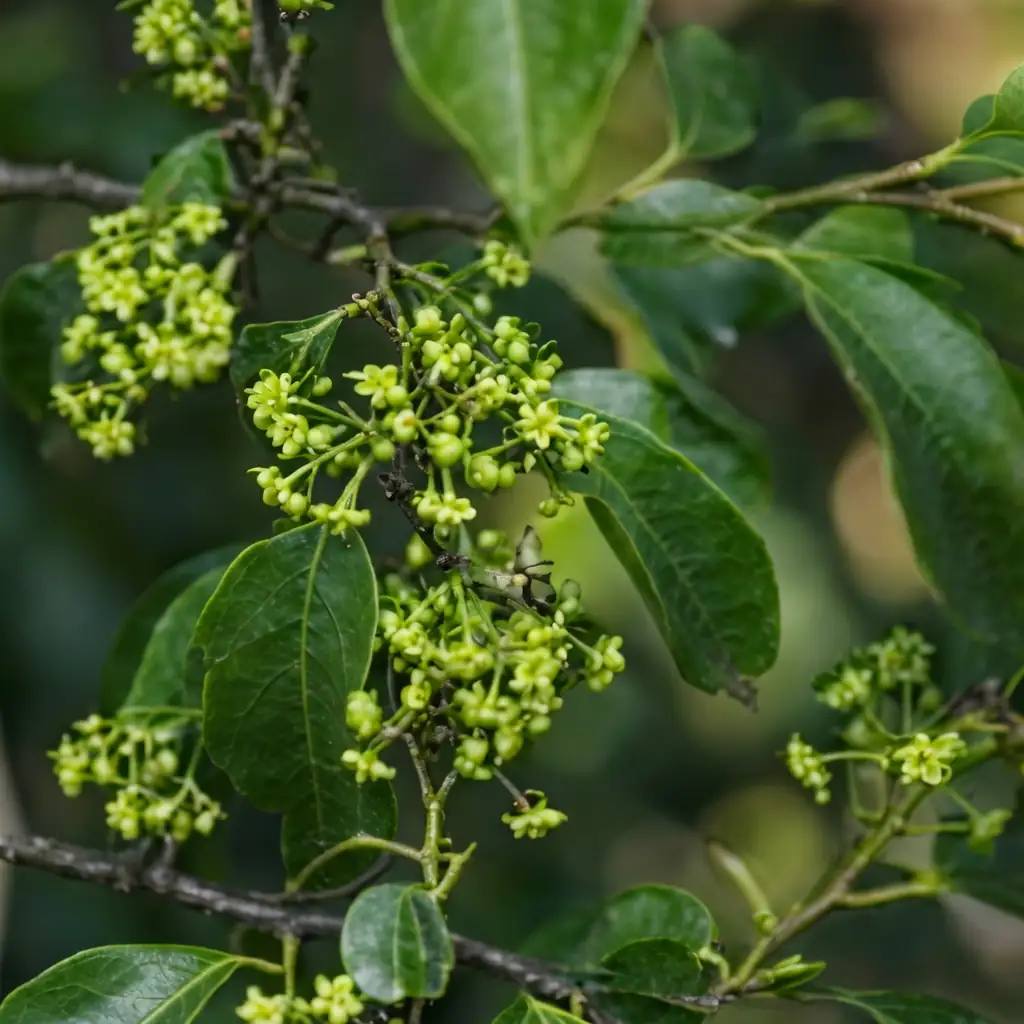
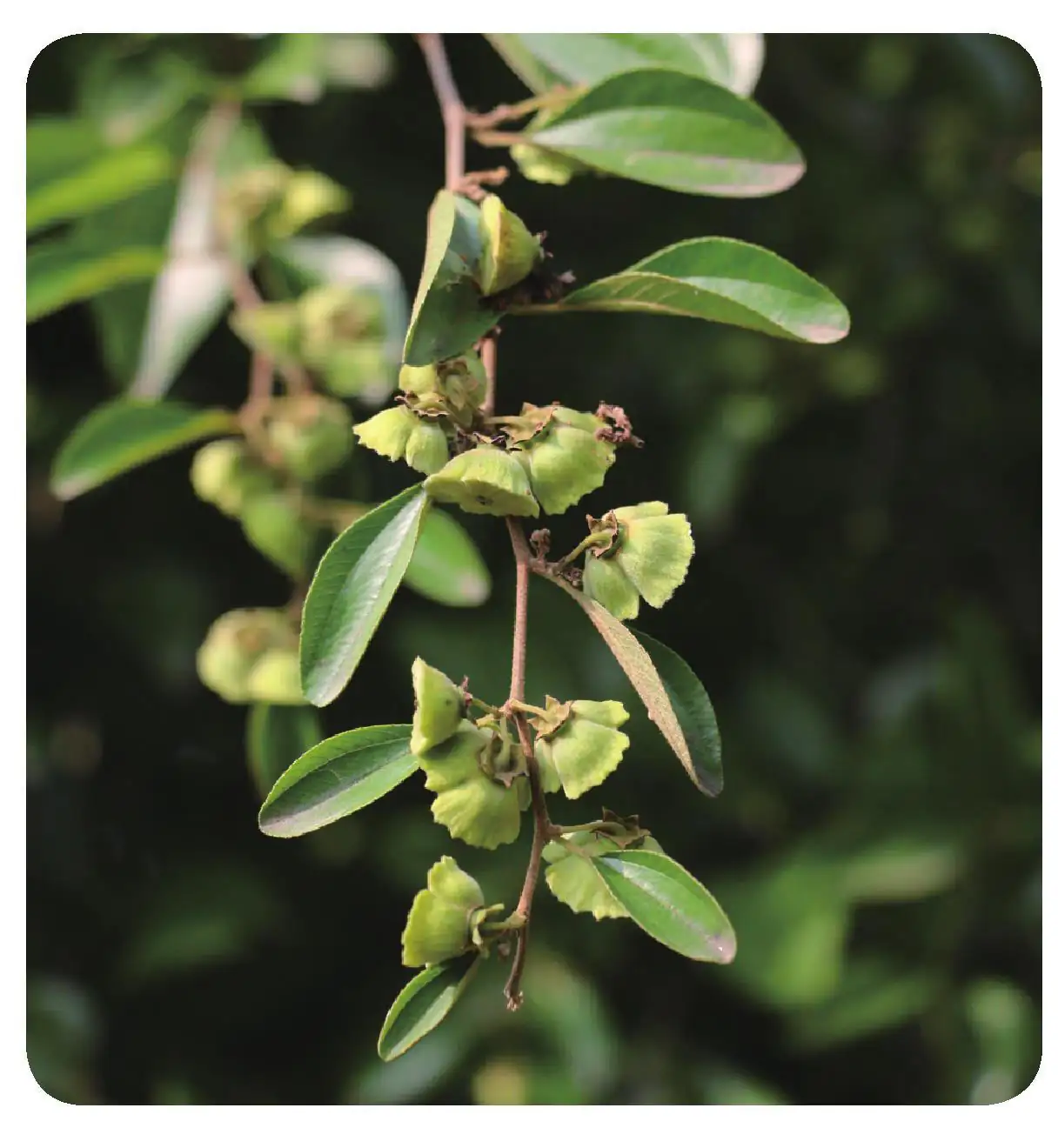
- Flower: Small flowers form in axillary cymes and are covered with yellowish fuzz, giving clusters a soft, velvety look. After flowering, fuzzy brown-haired fruits develop; the flattened, rounded seeds inside can be reddish-purple to red-brown and quite decorative.
- Flowering Season: May to August
- Growth Habit: Deciduous, densely branched, thorny shrub; responds well to shaping and thickening through pruning.
Environment
Sunlight
Full sun for best flowering and fruiting; tolerates light shade but becomes less floriferous.
Temperature
Prefers warm conditions; ideal growing-season temperatures around 18–30°C (64–86°F). Protect from hard frost.
Humidity
Prefers moderate to high humidity and does well in warm, humid climates as long as there’s decent air movement.
Soil
Well-drained, moderately fertile garden soil. Avoid waterlogged sites; mulch can help keep moisture more even without making the soil soggy.
Placement
Outdoors in a sunny, open spot—most often used as a hedge, boundary, or barrier planting. Keep away from narrow paths due to thorns.
Hardiness
Best in mild-winter regions; approximately USDA Zone 9–11. Not reliably frost-hardy.
Care Guide
Difficulty
Moderate: generally easy in warm climates once established, but the sharp thorns and low cold tolerance make placement, pruning, and handling more demanding.
Buying Guide
Pick plants with multiple healthy shoots, no obvious dieback, and clean, unscarred stems (thorns are normal). Avoid plants that are severely pot-bound. For hedges, choose evenly sized plants for a uniform line.
Watering
Water regularly in the first growing season to establish roots—aim for evenly moist soil, never waterlogged. Once established, water during dry spells; prolonged drought can reduce density and weaken flowering/fruiting.
Fertilization
Feed in spring with compost or a balanced slow-release fertilizer. Go easy on nitrogen—too much can push leafy, soft growth and reduce flowers and fruit.
Pruning
Prune after flowering or in late winter to shape and thicken. Remove crossing, weak, and dead branches to improve airflow. Wear gloves and protective clothing—this shrub is seriously thorny.
Propagation
Most often grown from seed (commonly improved by cold stratification) or from semi-hardwood cuttings in summer. Bottom heat and high humidity can improve rooting success for cuttings.
Repotting
If container-grown (less common due to size and thorns), repot in spring every 2–3 years into a slightly larger pot with a well-draining mix.
📅 Seasonal Care Calendar
Spring: light feeding; begin shaping. Summer: keep moisture steady; take semi-hardwood cuttings. Autumn: enjoy and harvest ornamental fruits; collect ripe seed. Winter: protect from frost in borderline climates; do structural pruning before bud break if needed.
Pests, Diseases & Safety
Common Pests & Diseases
Usually quite tough. Watch for aphids, scale insects, and spider mites, especially in hot, dry conditions. Improve airflow, avoid overwatering, and use horticultural soap or oil if infestations build up.
Toxicity
No well-documented toxicity to people or pets, but the thorns can cause painful puncture wounds. Handle carefully and plant thoughtfully.
Culture & Symbolism
Symbolism: Protection, boundaries, and security—fitting for a plant that naturally forms a thorny living fence.
History & Legends: Not strongly tied to widely known legends; it’s mainly appreciated as a practical hedge shrub and for its notably hard, useful wood.
Uses: Barrier or security hedge; ornamental fruits and colorful seeds for seasonal interest; very hard wood traditionally used for durable tool and implement handles.
FAQ
Can spiny paliurus be used as a security hedge?
Yes. With regular pruning to encourage dense branching, its sharp thorns and thick growth make an effective living barrier.
Why doesn’t it flower or fruit well?
Most often it needs more sun. Plant it in full sun, avoid heavy nitrogen feeding, and don’t let it dry out badly during the flowering period.
Is it suitable for cold climates?
Not really. It’s sensitive to frost and performs best where winters are mild; in colder areas it may die back or struggle long-term.
Fun Facts
- The flowers look “fuzzy” because they’re covered in yellowish hairs, giving clusters a velvety appearance.
- The fruits are also hairy and brown-toned, while the seeds can show a surprisingly rich reddish-purple to red-brown color.
- Its naturally dense branching and thorns are why it’s been used for living fences for a long time.
- The wood is notably hard—one reason it has been used for tool handles.