Plant Features
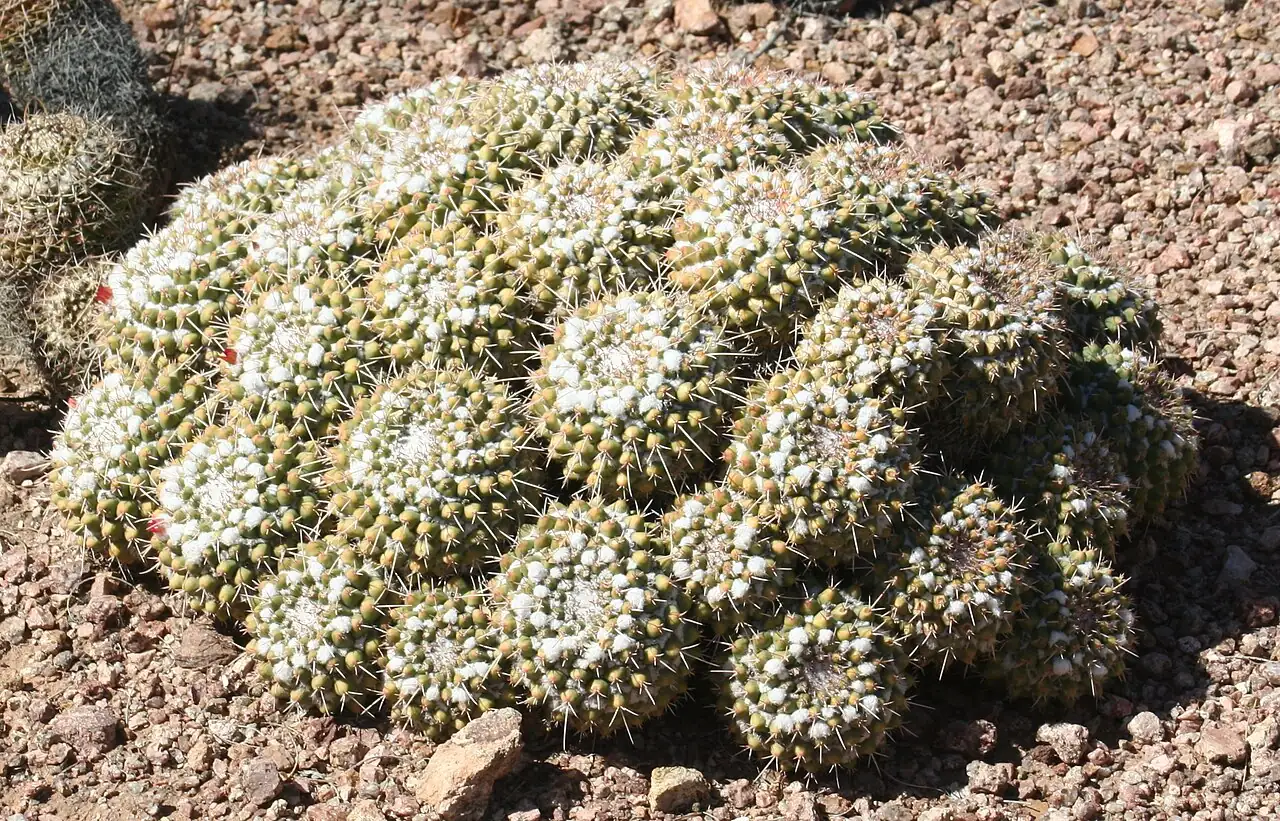
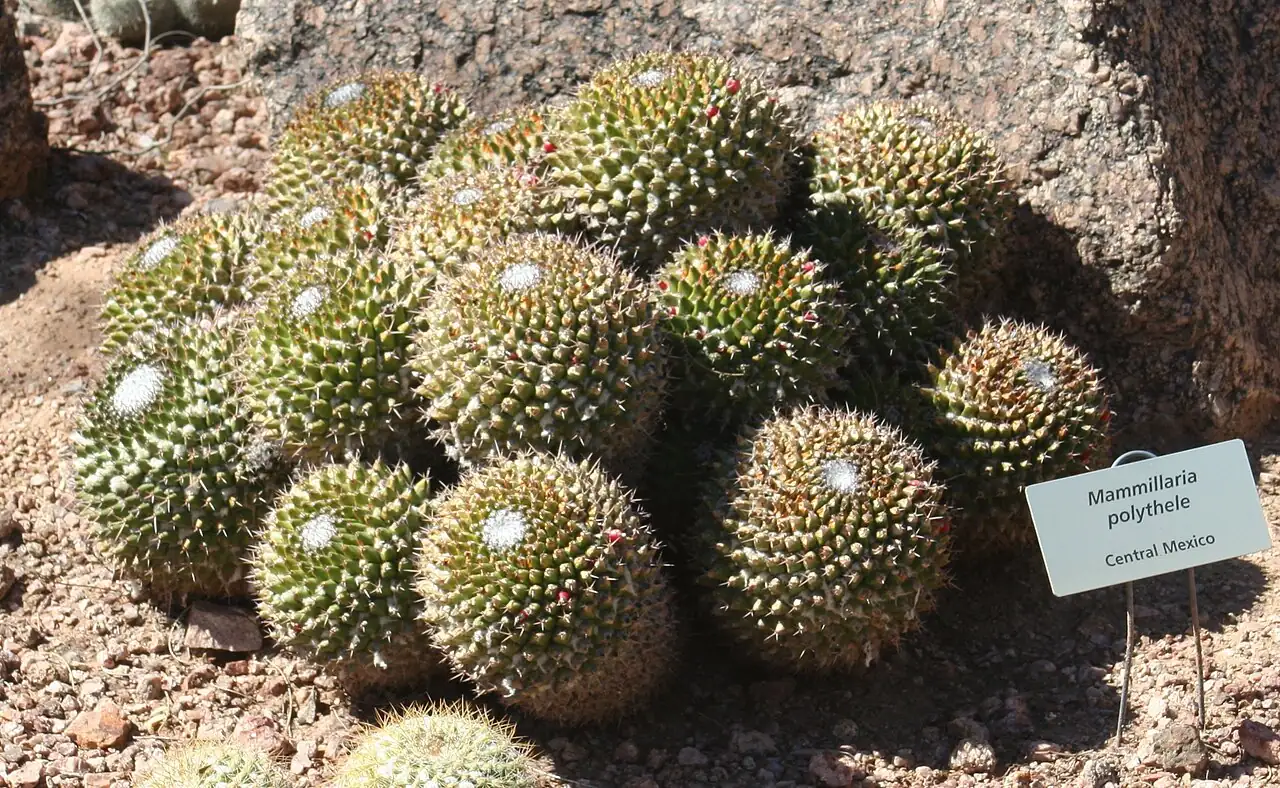
- Size: Typically 10–30 cm (4–12 in) tall and 6–10 cm (2.5–4 in) wide; may form clusters with age.
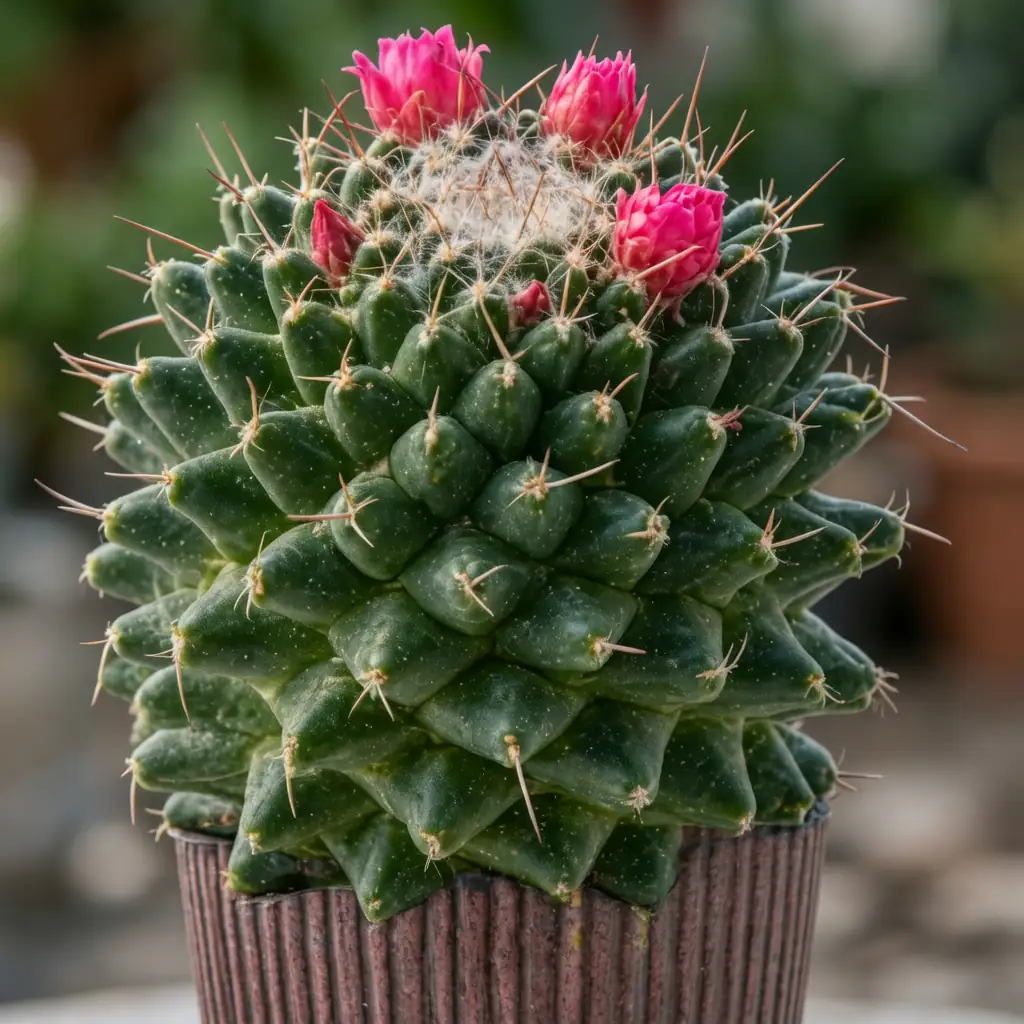
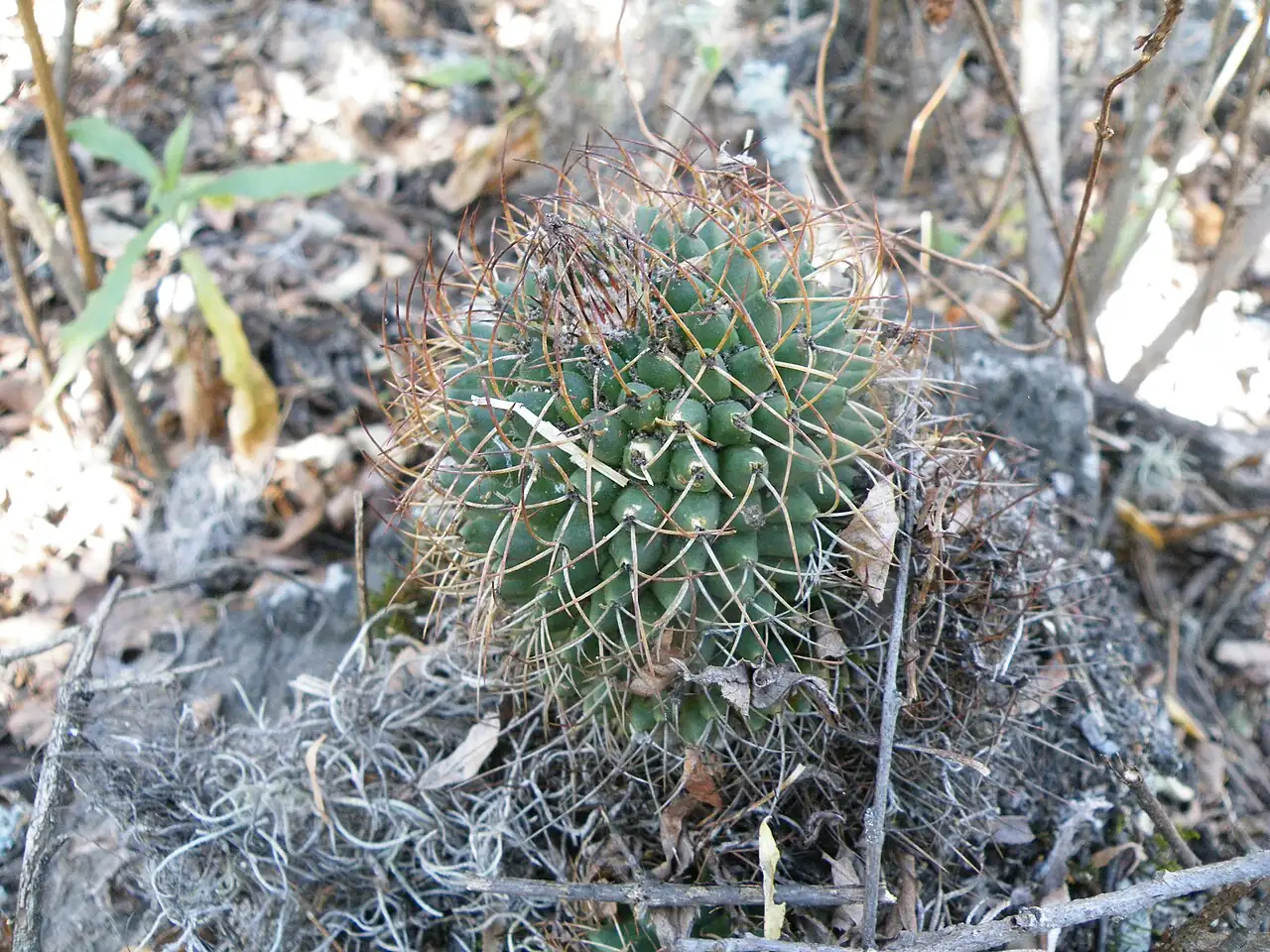
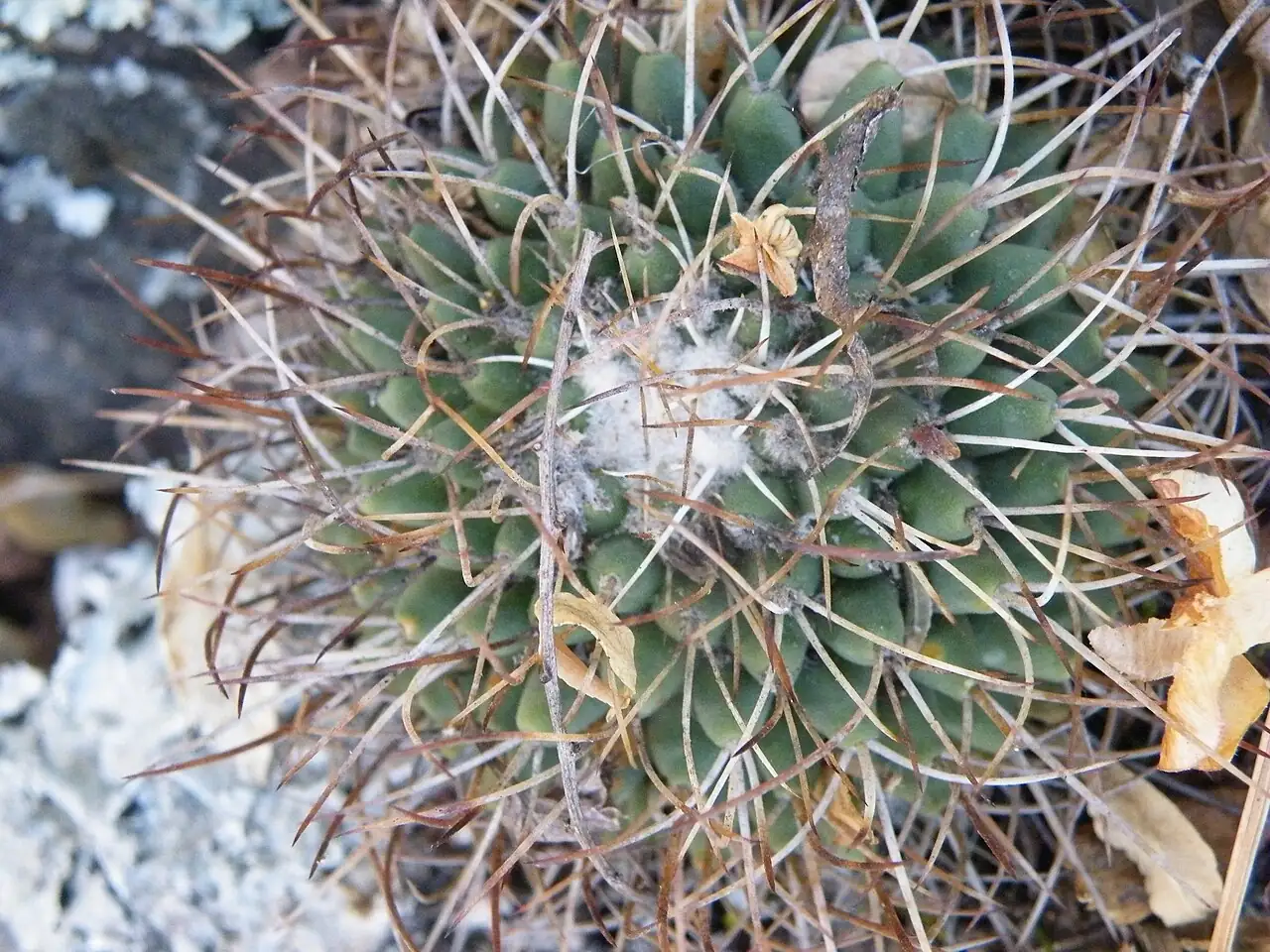
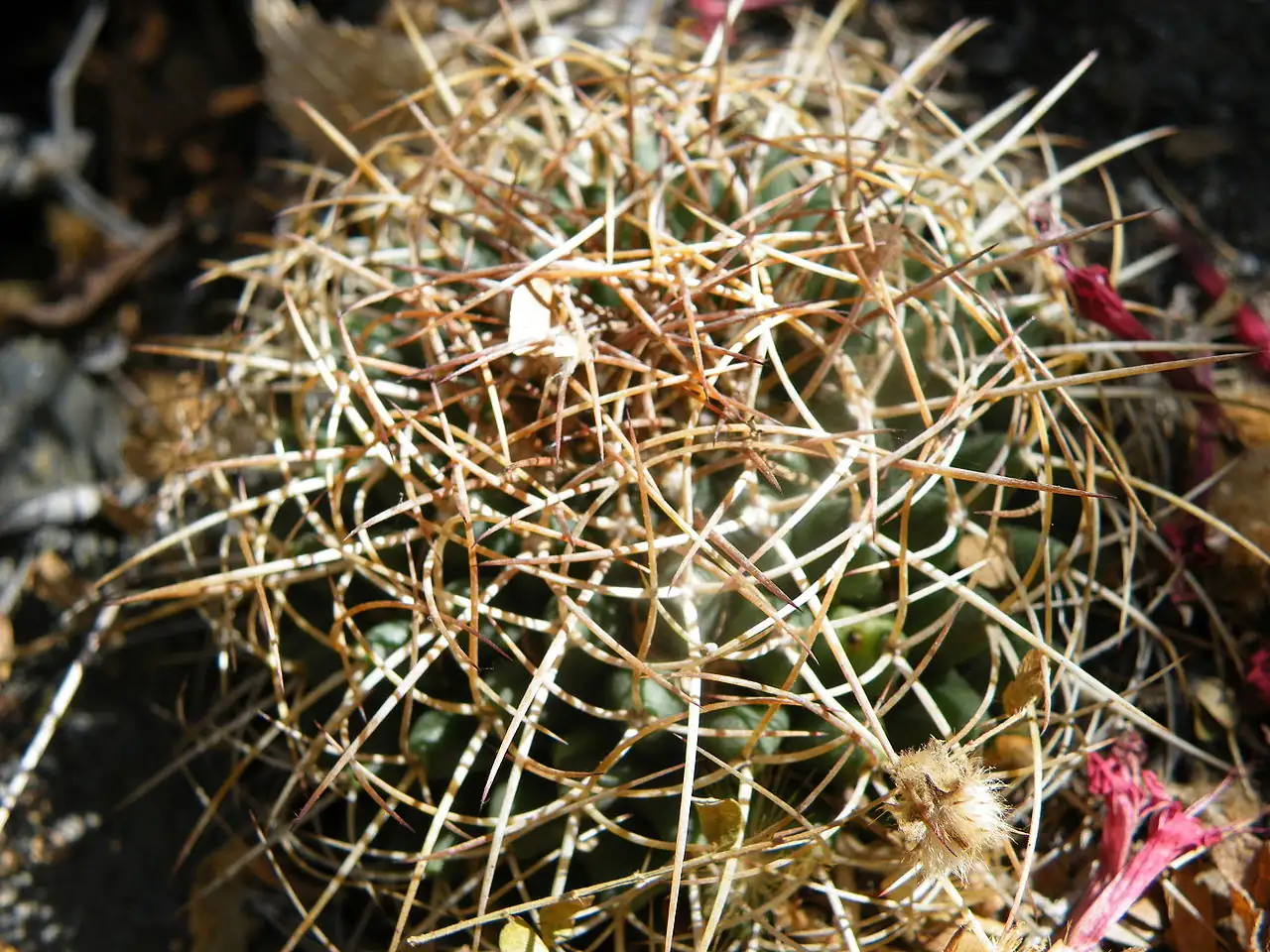
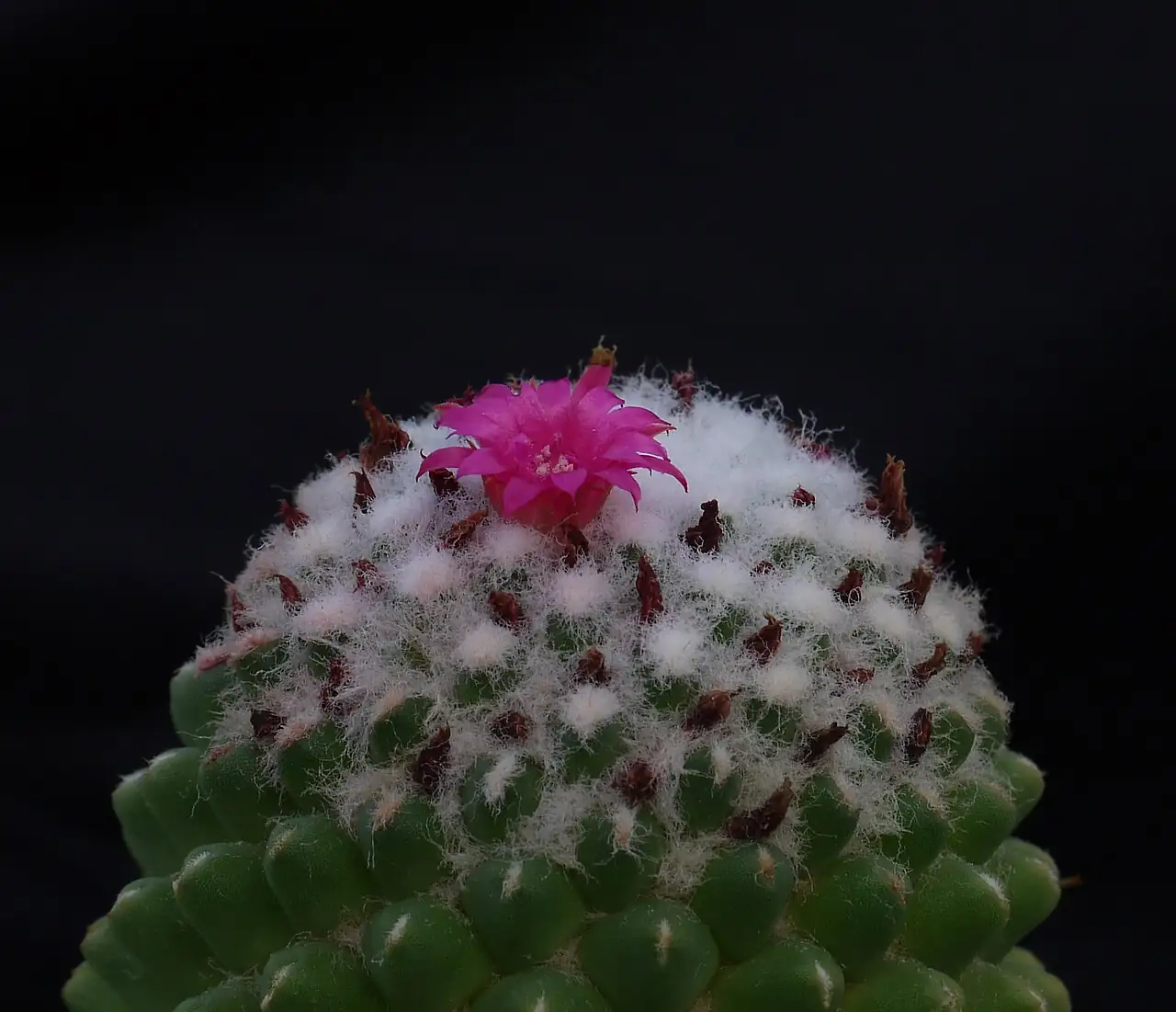
- Foliage: No true leaves; instead it has a green, fleshy stem covered in rounded tubercles (mammillae). Spines are often sparse and short compared with many other Mammillaria, which can make the plant look more “smooth” at a glance.
- Flower: Small, bright pink to magenta flowers that appear in a ring near the crown; individual blooms are short-lived, but the plant can produce them repeatedly over the season.
- Flowering Season: Spring to summer (often in repeated flushes).
- Growth Habit: Slow-growing, upright cylindrical to short-columnar cactus; may clump by producing offsets as it matures.
Environment
Sunlight
Bright light to full sun. Indoors, keep it in the sunniest window (south- or west-facing). In very hot climates, a touch of light shade during extreme midsummer heat can help prevent sun-scorch.
Temperature
Active growth: 18–30°C (64–86°F). Winter rest: ideally 5–12°C (41–54°F) and kept dry; protect from frost.
Humidity
Prefers low humidity. Good airflow is important to reduce the risk of rot.
Soil
Very fast-draining cactus/succulent mix—ideally a gritty, mineral-heavy blend with pumice/perlite and coarse sand. Always use a pot with drainage holes.
Placement
Indoors: brightest windowsill. Outdoors: sunny patio or rock garden in warm, dry regions; shelter from prolonged rain.
Hardiness
Not frost-hardy; generally suitable outdoors year-round only in USDA Zone 10–11 (approx.).
Care Guide
Difficulty
Easy to moderate. The main “skill” is giving strong light and resisting the urge to overwater—especially when it’s cool.
Buying Guide
Pick a firm, plump plant with no soft spots and no blackened or mushy base. Avoid specimens sitting in wet soil. Check closely for cottony residue (mealybugs), and if possible ensure the roots look healthy rather than brown and collapsing.
Watering
Use a soak-and-dry routine: water thoroughly, then let the potting mix dry out completely before watering again. In spring–summer, this is often every 7–14 days depending on heat, light, and pot size. In autumn, reduce gradually. In winter, keep almost dry—only a small sip every 4–6 weeks if the plant is visibly shriveling. Never leave water standing in a saucer.
Fertilization
Feed during spring and summer with a low-nitrogen cactus fertilizer at 1/4–1/2 strength every 4–6 weeks. Stop fertilizing in winter.
Pruning
No pruning needed. Remove spent flowers and any dead or damaged tissue with clean tools.
Propagation
Offsets (when produced): gently twist off a pup, let the cut end callus for 3–7 days, then set into dry gritty mix; water lightly only after rooting begins. It can also be grown from seed in warm, bright conditions.
Repotting
Repot every 2–3 years in spring, or when roots fill the pot. Move up only one pot size. After repotting, wait about 5–7 days before watering so any root damage can callus.
📅 Seasonal Care Calendar
Spring: restart watering, begin light feeding, and enjoy buds/flowers. Summer: strong light and regular soak-and-dry watering; protect from extreme heat and heavy rain. Autumn: taper watering and stop feeding. Winter: keep cool, bright, and very dry to encourage better flowering next season.
Pests, Diseases & Safety
Common Pests & Diseases
Watch for mealybugs (including root mealybugs), scale, and spider mites. The biggest non-insect issue is rot from overwatering or poorly draining soil. Spot-treat mealybugs with isopropyl alcohol on a cotton swab or use insecticidal soap. If rot appears, unpot the plant, remove affected tissue back to healthy firm material, and re-root/repot into a dry, gritty mix with improved airflow and drying intervals.
Toxicity
Generally considered non-toxic, but the plant can still cause injury: even “spineless” forms may have small spines/bristles that can irritate skin. Keep out of reach of small children and curious pets.
Culture & Symbolism
Symbolism: Often associated with resilience, patience, and enduring beauty—proof that something charming can thrive in tough conditions.
History & Legends: Mammillaria are classic collector cacti, treasured for their compact shapes and the way many species produce a crown-like ring of blooms. They’re also famously well-suited to windowsill growing when given strong light and a dry winter rest.
Uses: Primarily ornamental—ideal for cactus collections, sunny windowsills, and warm-climate rock gardens or patio pots.
FAQ
Why is my cactus not flowering?
It usually needs more light and a proper winter rest. Give it very bright sun during the growing season, then keep it cool and almost completely dry in winter (about 5–12°C / 41–54°F) to trigger better blooming in spring.
Why is it getting soft at the base?
That’s commonly a sign of rot from excess moisture. Stop watering immediately, unpot the cactus to inspect roots, remove any rotted tissue, and repot into a dry, gritty mix. Resume watering only after it has stabilized and when temperatures are warm.
Fun Facts
- Mammillaria are named for their nipple-like tubercles (mammillae) rather than ribs—one of the easiest ways to recognize the genus.
- A cool, dry winter rest often makes the difference between “no flowers” and a bright springtime ring of blooms.