

Plant Features
- Size: Typically 30–100 cm (12–39 in) tall; often forms a lightly branched clump.
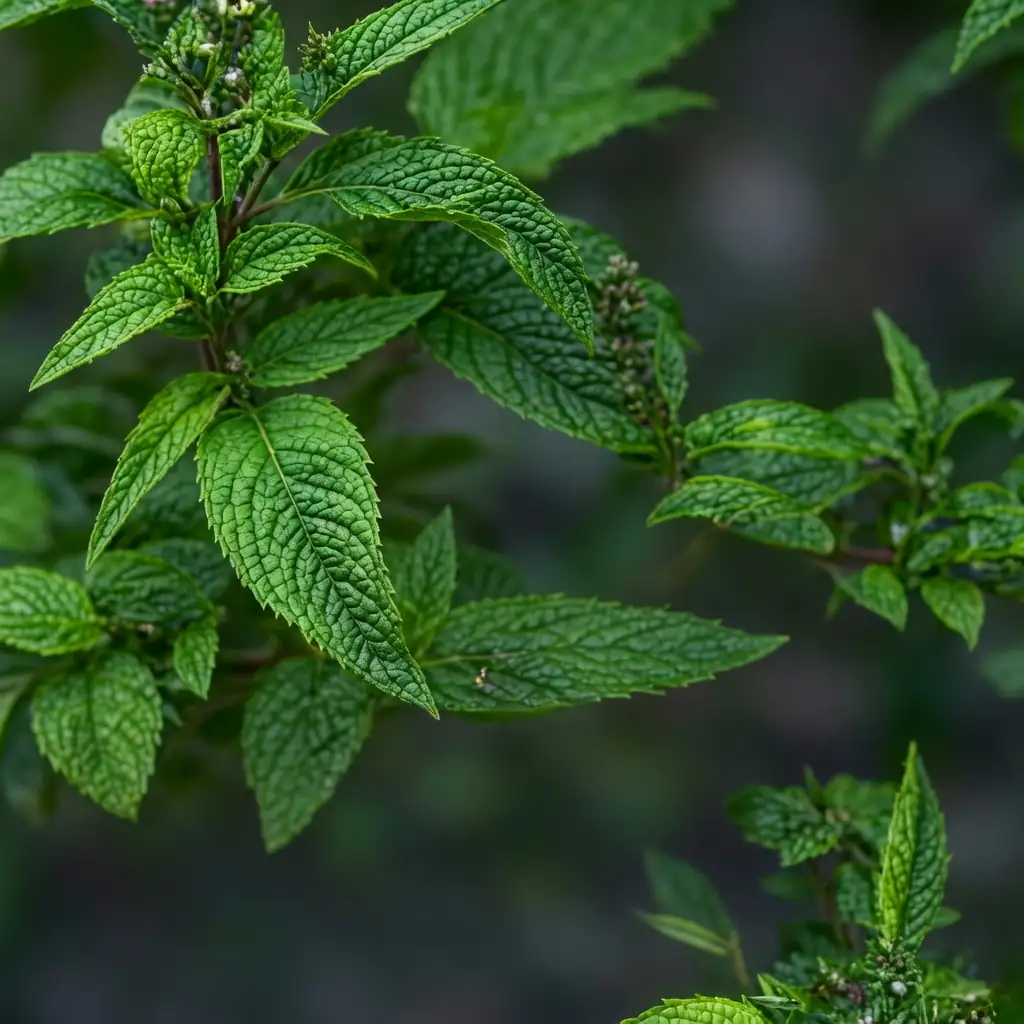
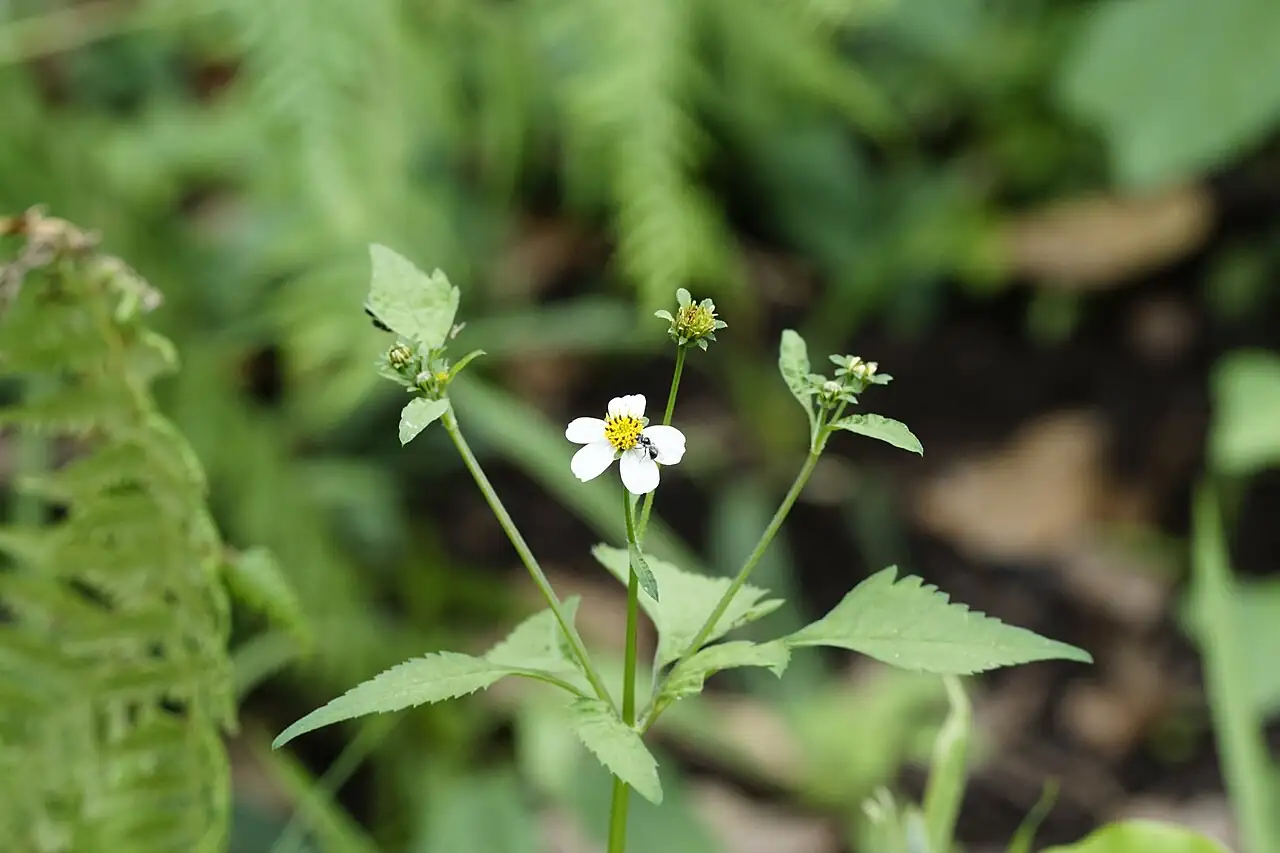
- Foliage: Leaves are opposite. Lower leaves may be smaller and can be divided; when side leaflets are present, they tend to be oval to egg-shaped (ovate).
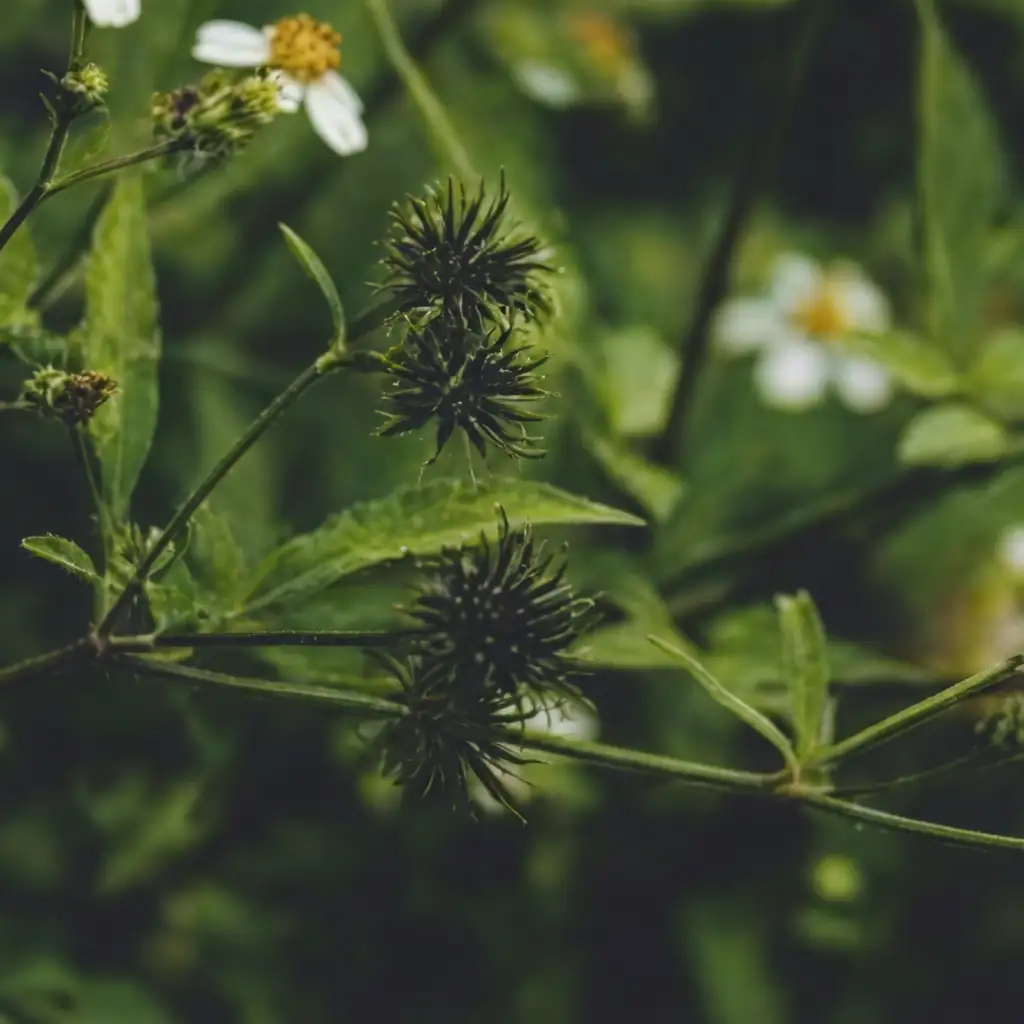
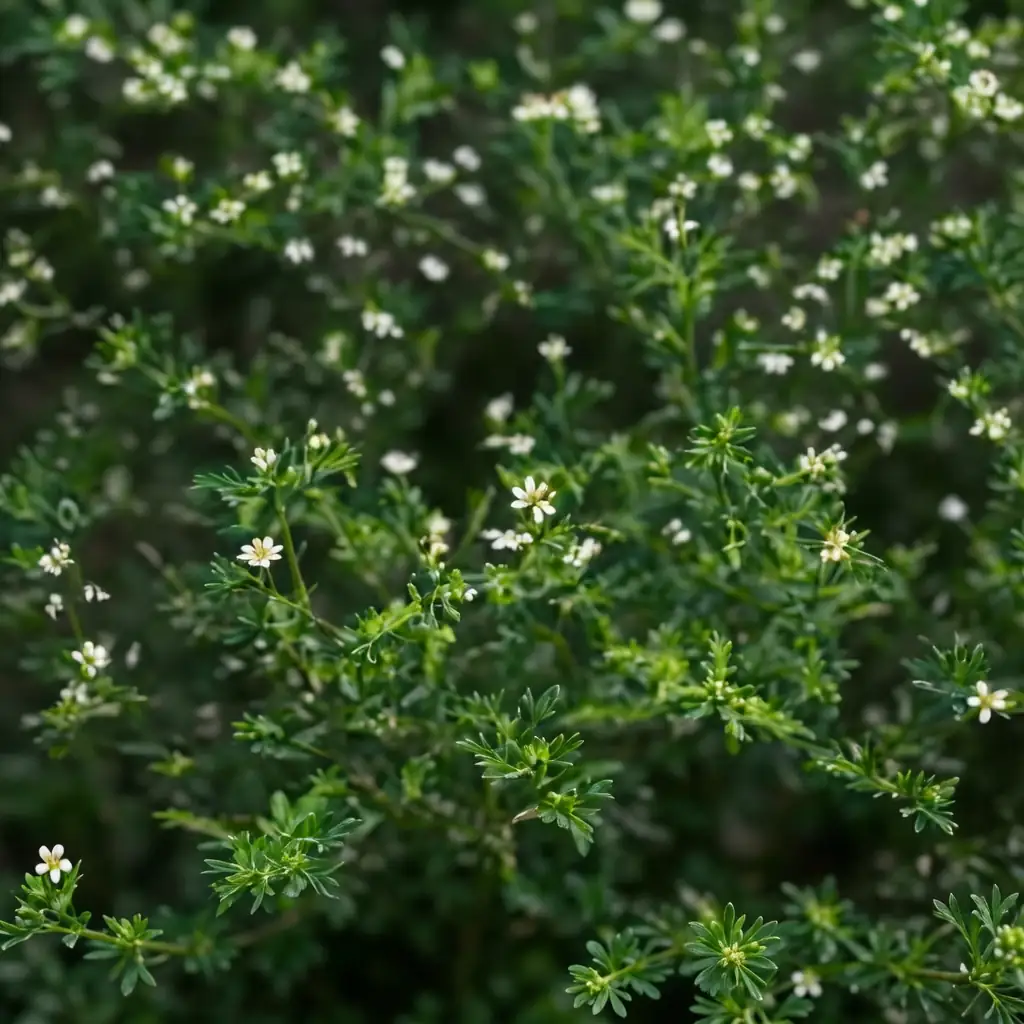
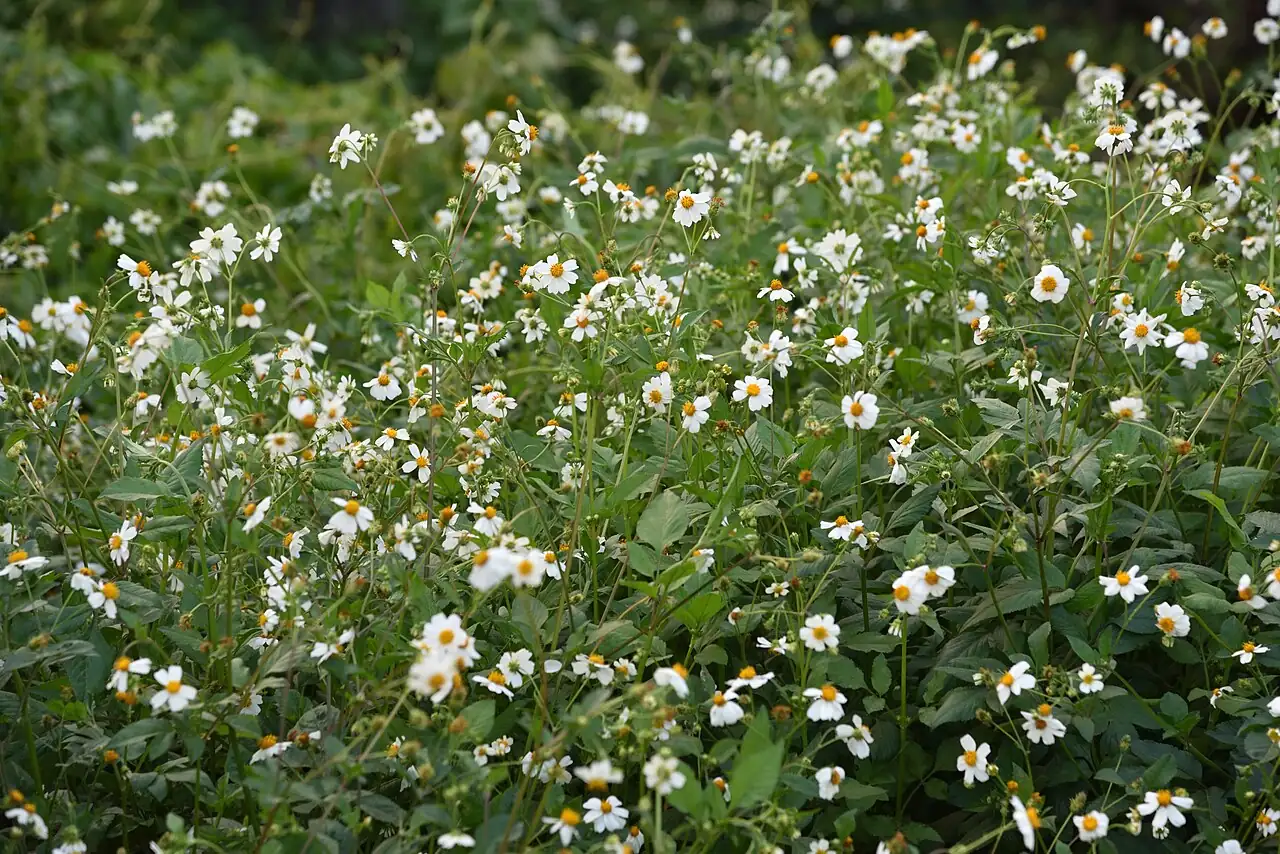
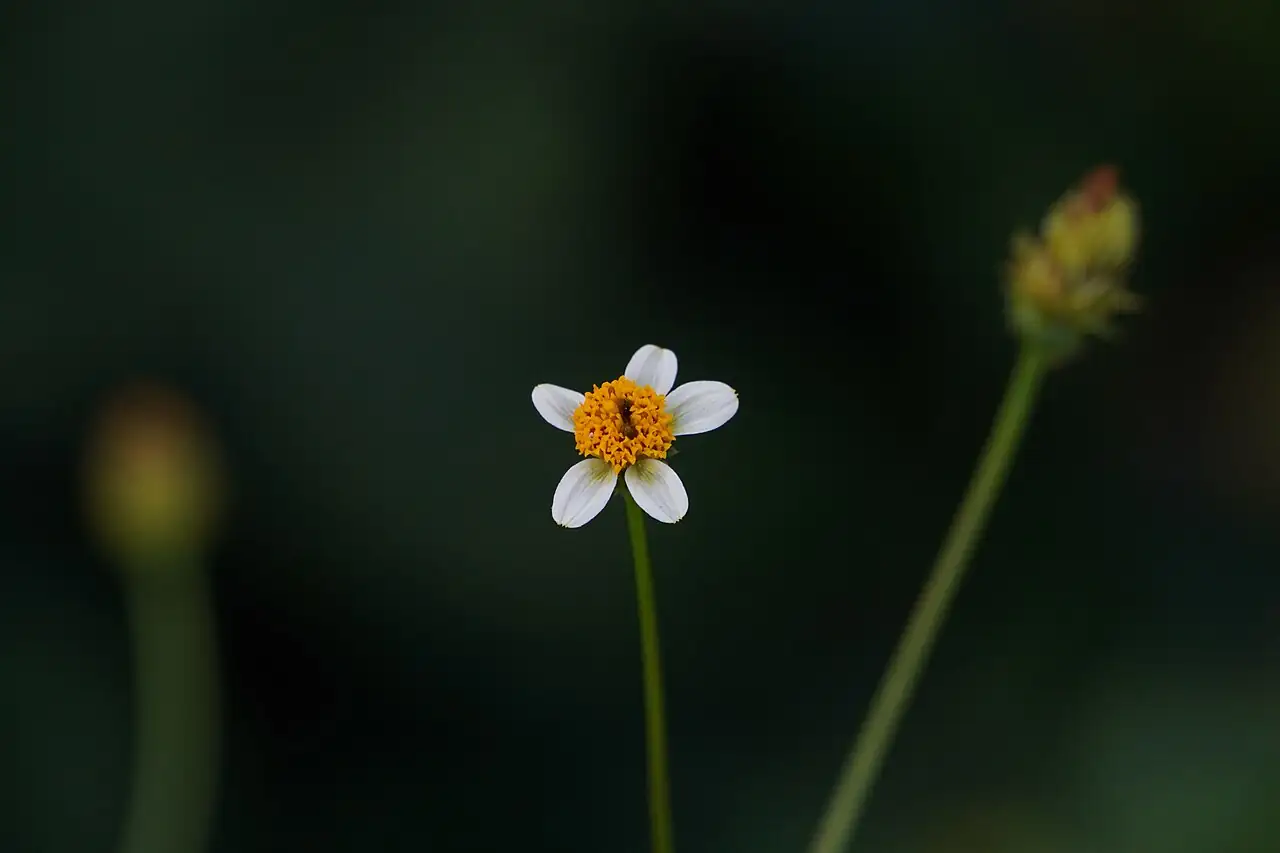
- Flower: Small daisy-type flower heads (capitula). Many plants show little to no obvious ray florets, so the visible bloom is mostly made up of tubular disc florets. The involucral bracts are narrow, usually about 7–8 in number, with fine short hairs near the base.
- Flowering Season: August–October
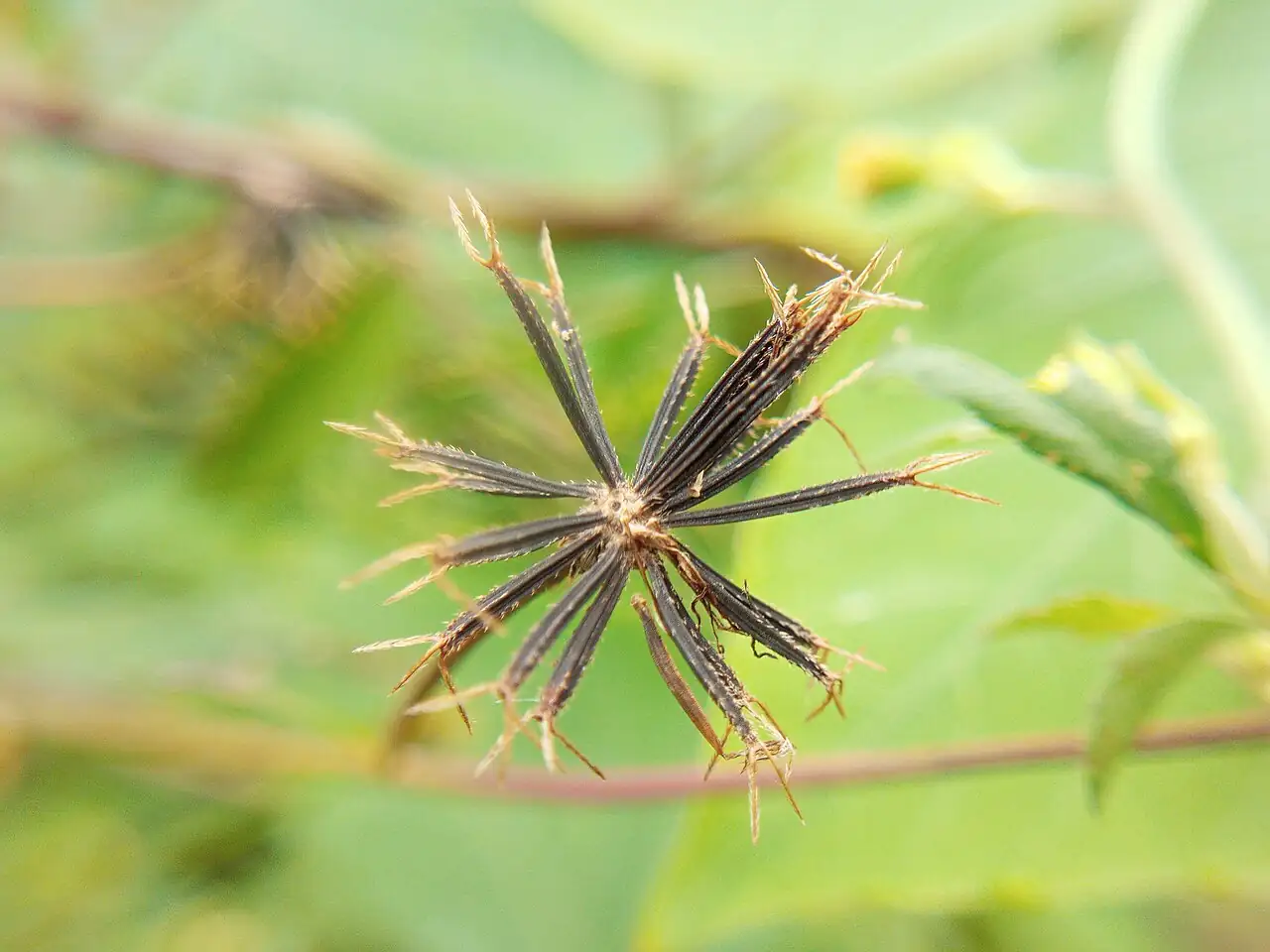
- Growth Habit: Annual, upright herb with erect stems. Fruits are slender black achenes with stiff bristles and backward-pointing barbs that readily hook onto clothing and animal fur for dispersal.
Environment
Sunlight
Full sun to partial shade (best flowering in brighter light).
Temperature
Prefers warm conditions; active growth typically around 18–30°C (64–86°F). Sensitive to frost.
Humidity
Adaptable, but tends to thrive in warm, moderately humid conditions (about 50–80% RH).
Soil
Best in loose, fertile, humus-rich sandy loam or clay loam with good drainage. Avoid persistently waterlogged soil.
Placement
Outdoors in sunny borders, naturalized patches, field margins, and along paths/roadsides—anywhere you don’t mind a vigorous self-seeder.
Hardiness
Frost-tender annual; grows through the warm season and dies back with frost. Often behaves as a self-seeding annual in warmer climates (roughly USDA Zone 9–11 depending on winter severity).
Care Guide
Difficulty
Easy—very vigorous and commonly self-seeds readily.
Buying Guide
Usually not sold as an ornamental. If you’re sourcing seed, choose reputable suppliers and be cautious about introducing it to areas where it’s considered invasive or a noxious weed.
Watering
Water to establish, then keep soil lightly moist; once established it tolerates short dry spells. Avoid constantly soggy conditions.
Fertilization
Generally unnecessary in average garden soil. In containers, feed lightly during active growth with a balanced fertilizer at 1/4–1/2 strength every 4–6 weeks.
Pruning
Deadhead or cut back before seeds mature if you want to limit spread. Pull or remove plants promptly if they appear where unwanted.
Propagation
Primarily by seed. The barbed achenes disperse easily by clinging to animals and clothing; sow on the soil surface and lightly cover.
Repotting
Not typically repotted (annual). If container-grown, refresh potting mix at the start of the growing season.
📅 Seasonal Care Calendar
Spring–summer: germination and rapid vegetative growth. Late summer–autumn (Aug–Oct): flowering and heavy seed set—remove seed heads early to control spread. After the first frost: plants decline and can be cleared.
Pests, Diseases & Safety
Common Pests & Diseases
Generally trouble-free. Occasionally hosts sap-suckers like aphids and whiteflies, or develops leaf spots in crowded, humid conditions. Improve airflow and avoid overwatering if problems appear.
Toxicity
Not known to be poisonous to people or pets through normal contact. However, the barbed seeds can cause mechanical irritation (stuck in fur or against skin). Keep pets from carrying mature seed heads indoors. If used medicinally, follow qualified guidance.
Culture & Symbolism
Symbolism: Often linked with persistence and “hitchhiking” spread—once it’s around, it’s very good at traveling and turning up again.
History & Legends: A common wild herb that has become widely naturalized in warm regions worldwide. Because it’s easy to find and quick to grow, it has a long history of use in local folk and traditional herbal practices.
Uses: Commonly grown (or gathered) as a wild herb in traditional practice. The above-ground parts are used in folk contexts for “heat-clearing and detoxifying” traditions and for bruise/swelling-related applications. This is traditional use and not a substitute for medical care.
FAQ
Why does this plant stick to my clothes and my pet’s fur?
Its fruits are barbed achenes built for dispersal. The backward-pointing bristles latch onto fabric and fur so the seeds can hitch a ride to new places.
How can I stop it from taking over my garden?
Pull seedlings early and remove plants before seeds mature. Bag and dispose of seed heads securely, and keep beds mulched to reduce germination.
Fun Facts
- It’s famous for “Velcro-like” barbed seeds that spread by hitchhiking on animals and clothing.
- Many plants have flower heads that are mostly disc florets, with little to no showy white ray florets.
- It commonly flowers and sets seed from August to October (Aug–Oct).
- It’s a classic roadside and field-edge plant and can act weedy because it self-seeds so prolifically.
- The whole herb is widely used in traditional herbal practices in various regions.


