

Plant Features
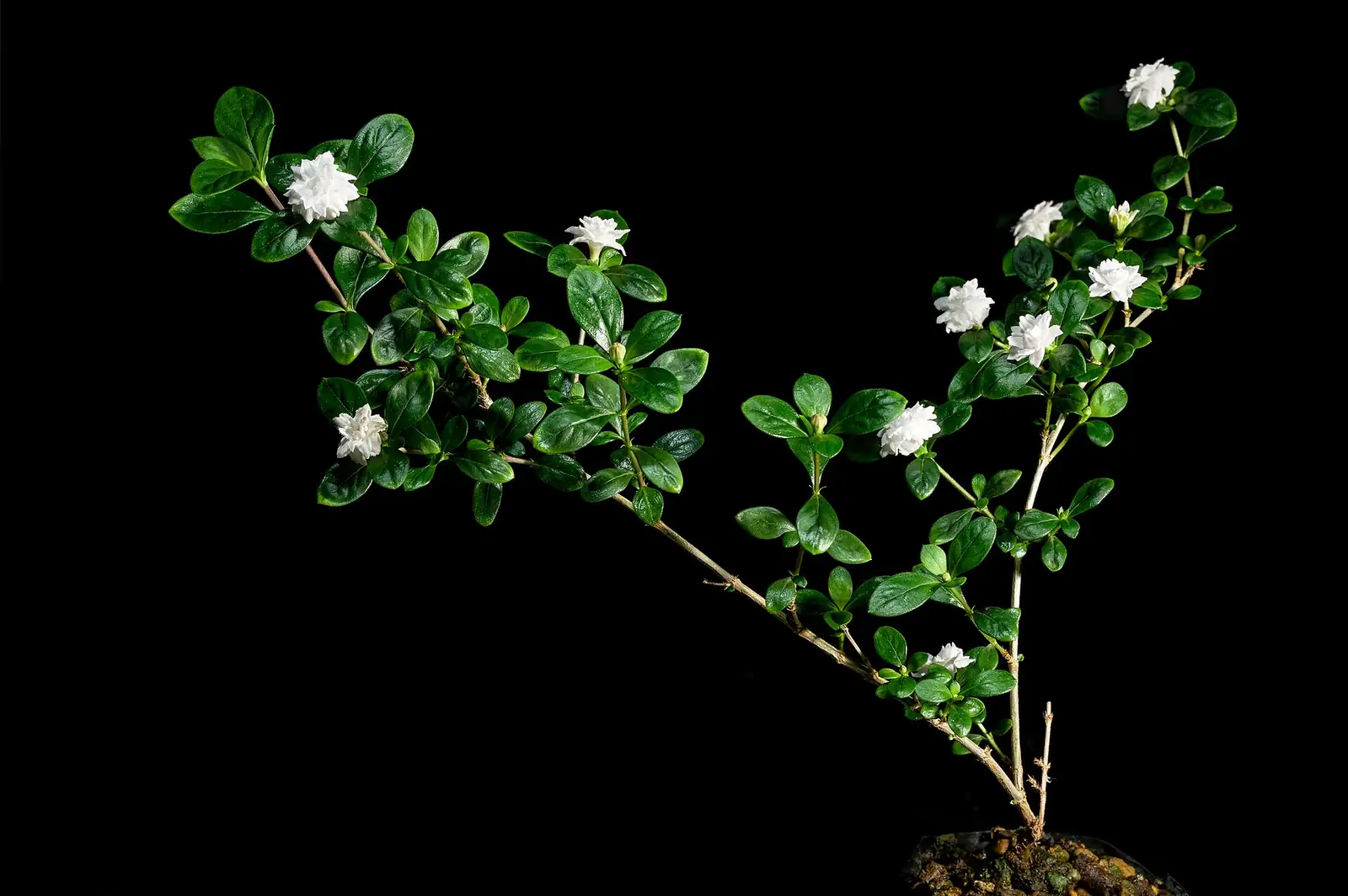
- Size: Typically 60–90 cm (24–35 in) tall when planted in the ground; much smaller when grown in containers or trained as bonsai.
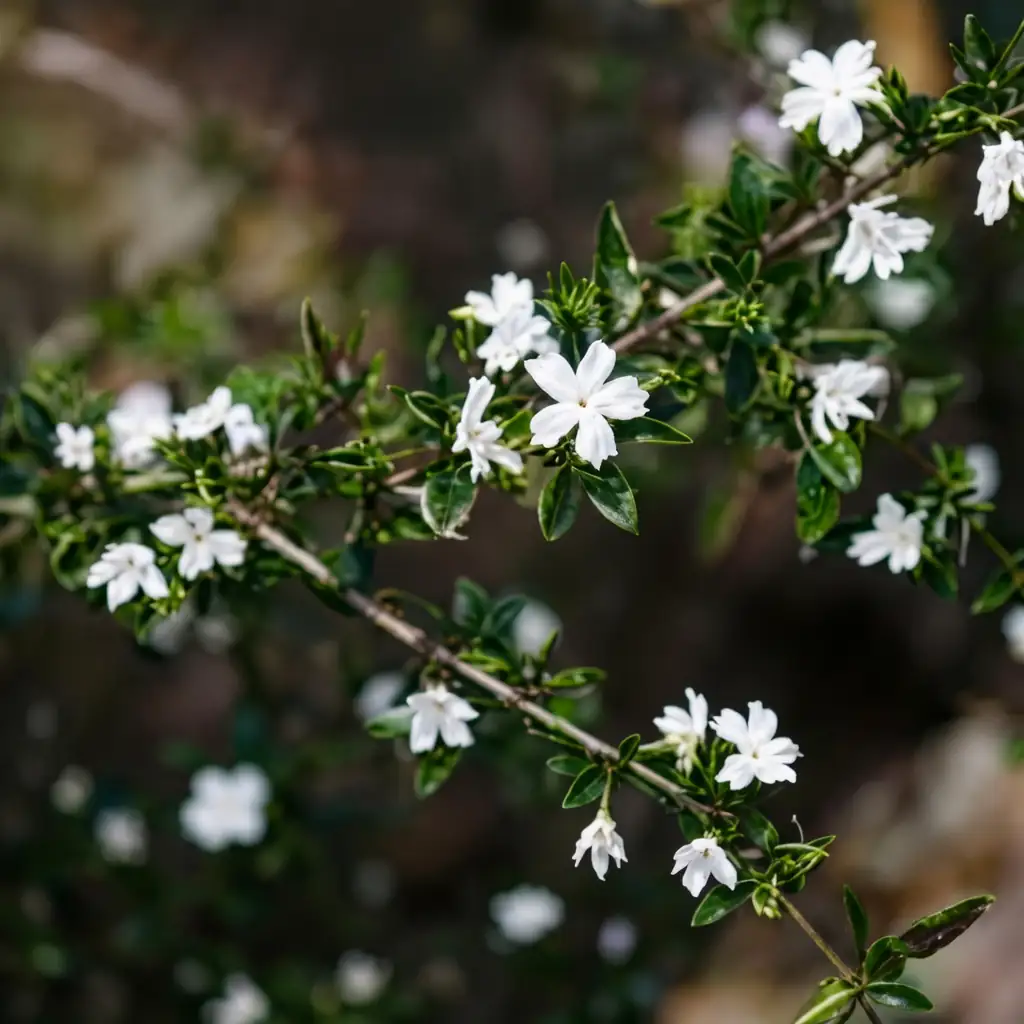
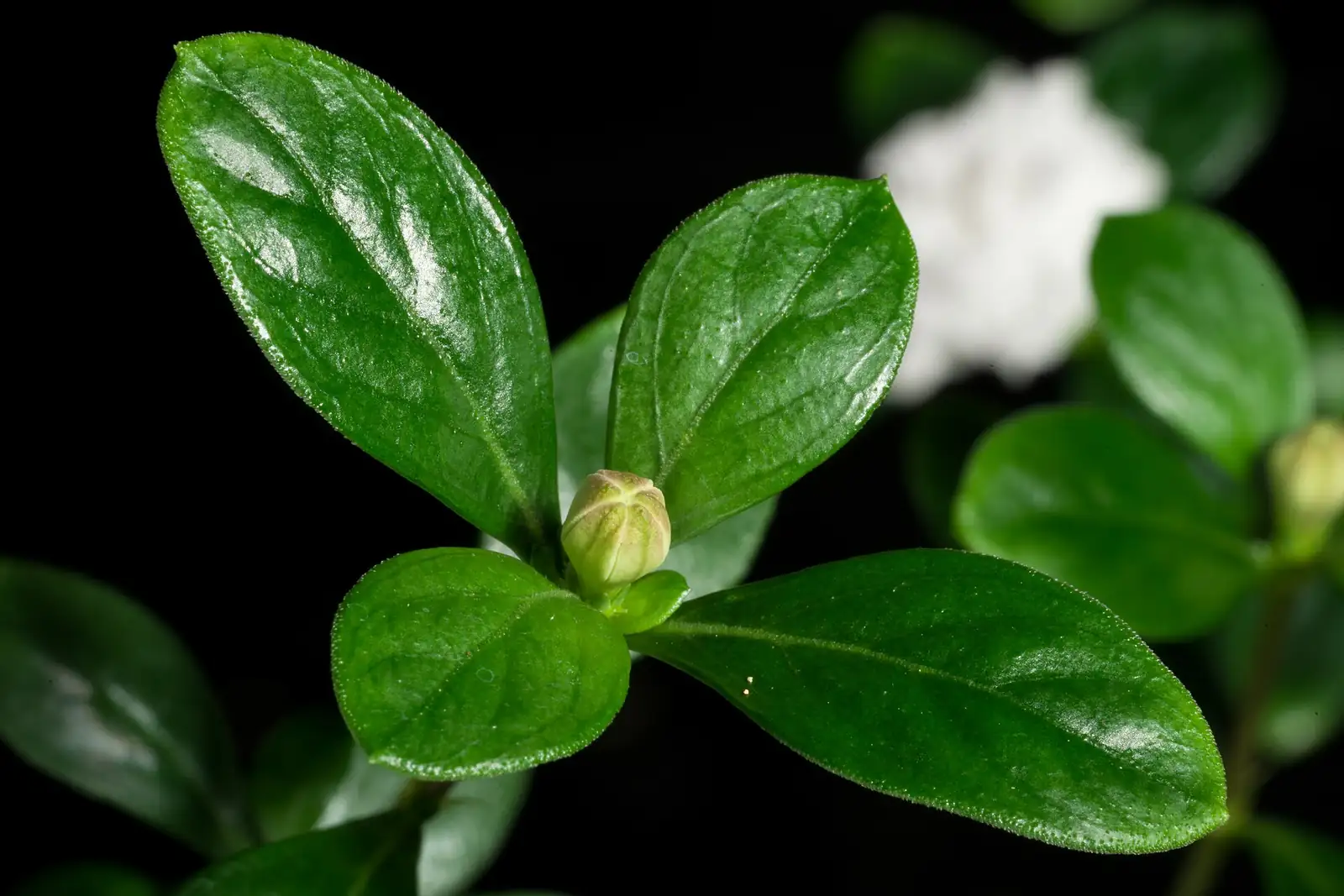
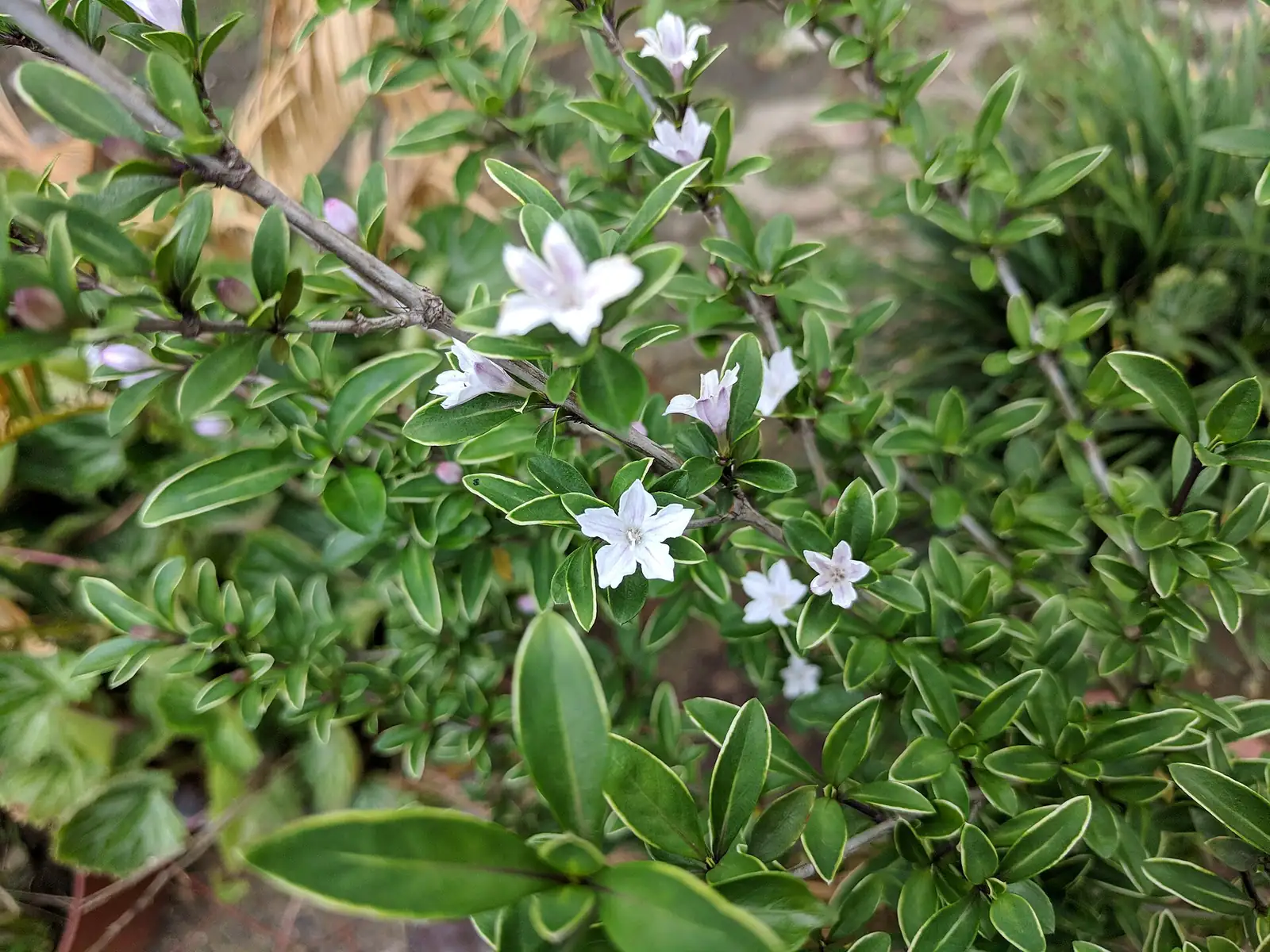
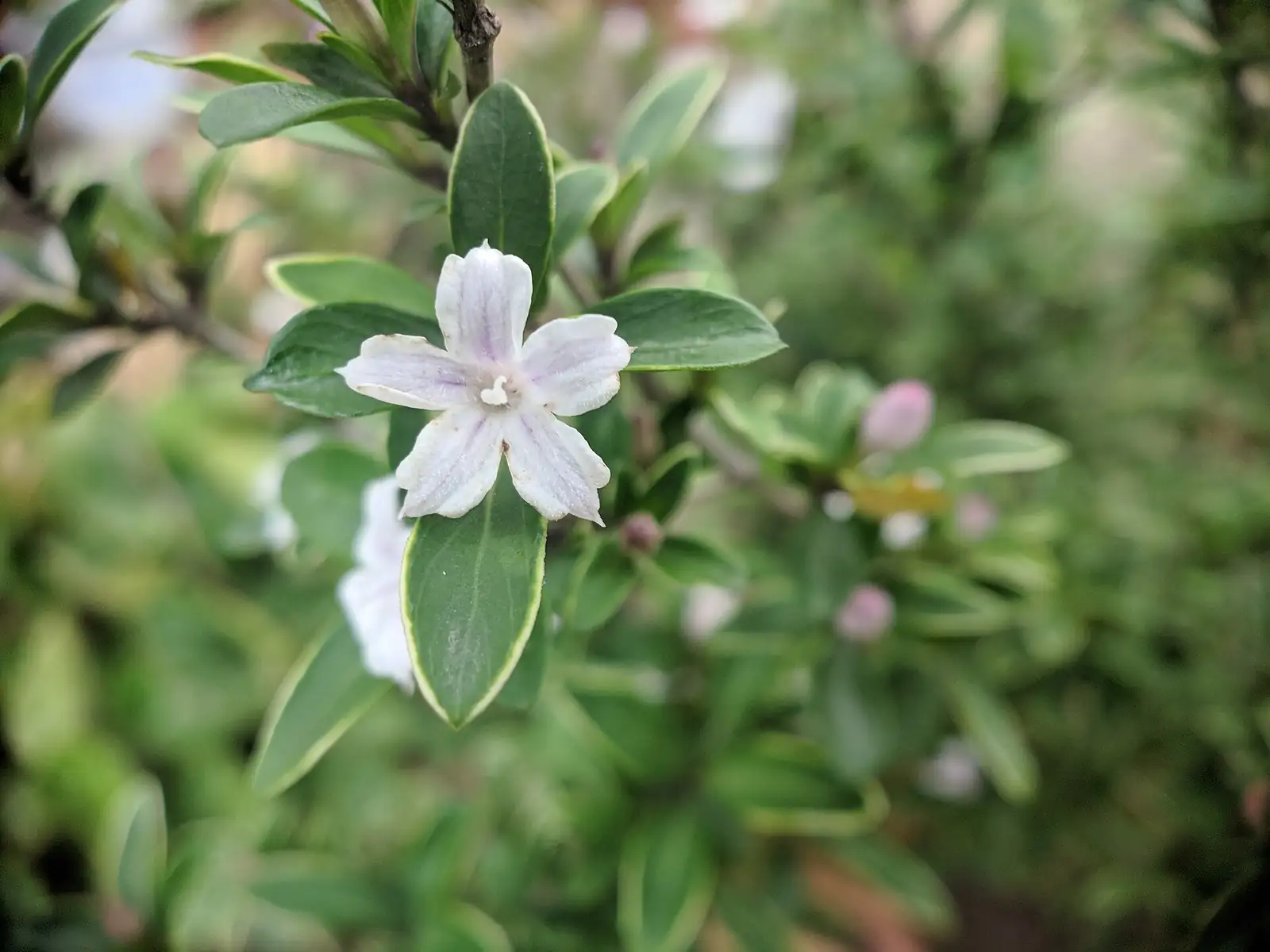
- Foliage: Leaves are tiny and usually opposite (sometimes appearing clustered on short shoots), narrow-elliptic with a small pointed tip and smooth margins. Depending on the plant and growing conditions, fine hairs may be present on the leaf surface, veins, edges, and petioles.
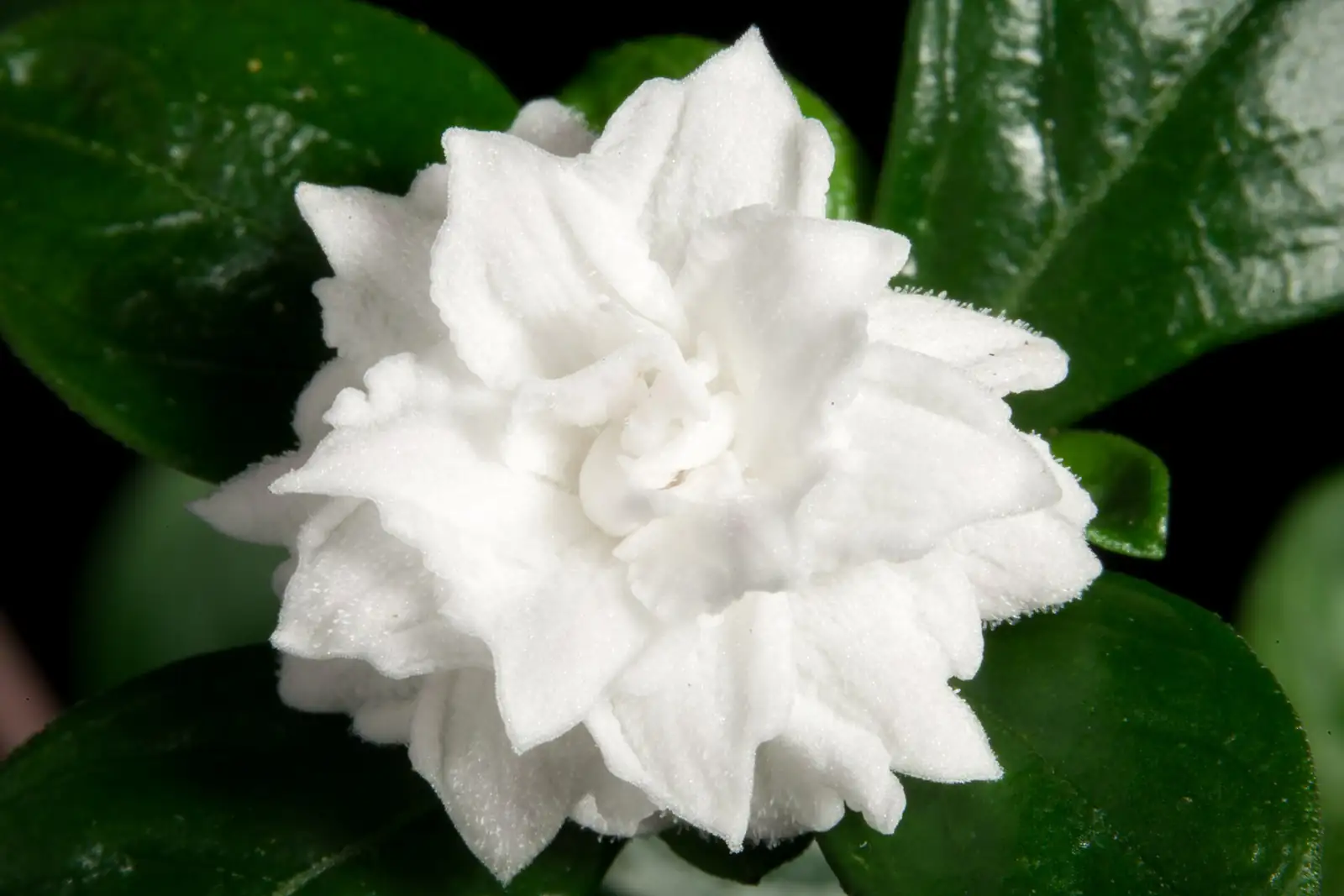
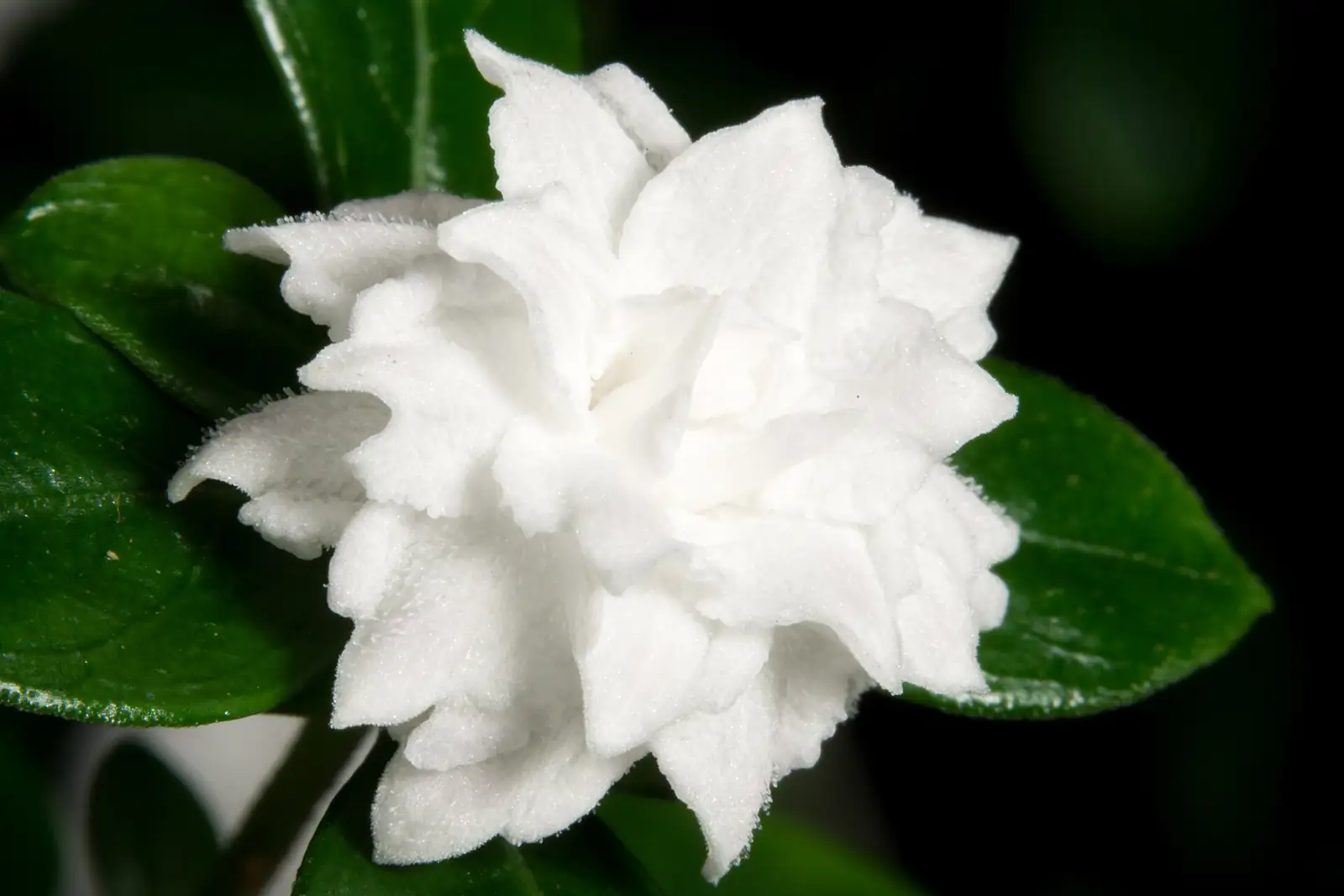
- Flower: Flowers are small, star-like, and borne singly or in small clusters; most often white, sometimes with a pale pink flush. After flowering, tiny round berry-like fruits (drupes) may form if pollinated.
- Flowering Season: May–July
- Growth Habit: Compact, densely branched evergreen or semi-evergreen shrub with strong regrowth; responds very well to shaping, pinching, and pruning.
Environment
Sunlight
Full sun to very bright light. For best flowering, provide strong light (about 6+ hours of sun outdoors, or the brightest window/strong grow light indoors).
Temperature
Prefers warmth: about 18–30°C (64–86°F). Protect from hard frost; for best results keep above roughly 5°C (41°F).
Humidity
Prefers moderate to high humidity; around 50–70% is helpful, especially for indoor bonsai.
Soil
Fertile soil that holds some moisture but drains freely. In pots/bonsai, use a fast-draining bonsai-style mix (e.g., akadama/pumice/lava or similar) to prevent waterlogging and root rot.
Placement
Outdoors on a sunny patio/courtyard, in borders, or as a low hedge. Indoors, keep at the brightest possible window with good airflow; avoid dark corners and stagnant air.
Hardiness
Frost tender; best in USDA Zones 9–11 (approx.). In colder climates, overwinter indoors or in a frost-free greenhouse.
Care Guide
Difficulty
Moderate. It’s vigorous and forgiving when given strong light and a free-draining mix, but may drop leaves if stressed by low light, soggy soil, or sudden temperature swings.
Buying Guide
Pick plants with dense branching and healthy green leaves. Avoid specimens with blackened tips or pots that smell sour/stay wet for days (possible root problems). For bonsai, look for a sturdy trunk base and fine branching (ramification).
Watering
Water thoroughly when the top 1–2 cm (0.4–0.8 in) feels just dry. Don’t let the rootball dry out completely, but avoid constant wetness. Expect more frequent watering in summer; reduce in winter and allow slightly drier intervals.
Fertilization
Feed during active growth (spring through early autumn) with a balanced fertilizer at half strength every 2–4 weeks. For bonsai, aim for mild, steady feeding; pause during extreme heat/cold or right after heavy repotting until new growth restarts.
Pruning
Pinch or trim after flowering to keep it compact and encourage fine branching. Remove weak, crossing, or inward-growing shoots. For bonsai training, prune shoots back to 2–3 pairs of leaves once they extend.
Propagation
Softwood to semi-hardwood cuttings root readily in warmth. Take 5–8 cm (2–3 in) cuttings, remove lower leaves, and root in a humid setup with bright, indirect light.
Repotting
Repot every 1–2 years for bonsai, ideally in spring as growth begins. Trim roots moderately and refresh with a free-draining mix. After repotting, keep in bright shade and shelter from strong sun/wind for 1–2 weeks.
📅 Seasonal Care Calendar
Spring: repot, restart feeding, increase light and watering as growth begins. Summer: keep strong light, water consistently, pinch/prune for shape, and watch for mites/scale. Autumn: reduce feeding, keep bright light, and allow slightly drier intervals. Winter: protect from frost and cold drafts, reduce watering, and maintain bright light.
Pests, Diseases & Safety
Common Pests & Diseases
Spider mites (especially in dry indoor air), scale insects, and aphids on tender growth are common. Root rot is the main cultural problem when drainage is poor or watering is excessive. Improve airflow, rinse foliage, and use horticultural soap/oil for pests as needed; prevent rot with a fast-draining mix and careful watering.
Toxicity
Not clearly established in major pet-toxicity references. Treat as potentially mildly irritating if ingested; keep away from children and pets and wash hands after heavy pruning.
Culture & Symbolism
Symbolism: Often linked with purity and a “snowy” bloom in summer. In bonsai, it’s admired as a symbol of refinement, patience, and the rewards of careful training.
History & Legends: Long cultivated across East Asia and widely grown worldwide as a classic bonsai subject. Its tendency to drop leaves when stressed has earned it a reputation as a “fussy” bonsai, but it performs beautifully when conditions stay steady.
Uses: Ornamental shrub for edging, low hedges, borders, and rock-garden crevices; also a major bonsai species in parts of China, especially for miniature and exposed-root styles thanks to its tiny leaves and strong regrowth.
FAQ
What is the scientific name?
Serissa japonica.
What is the Chinese name?
Liuyuexue.
Does it work well for bonsai?
Yes—its naturally small leaves, dense branching, and willingness to resprout after pruning make it excellent for miniature bonsai, including exposed-root styles.
When does it flower?
Most often from May to July, depending on light and temperature.
How tall does it grow?
Roughly 60–90 cm (24–35 in) in the ground, and much smaller in pots or bonsai training.
Where is it native or commonly found?
East Asia; in China it’s recorded from southeastern and central regions including Jiangsu, Zhejiang, Jiangxi, Guangdong, and Taiwan.
Fun Facts
- “Tree of a Thousand Stars” is a nickname inspired by its many tiny, starry blooms.
- It can react to stress (like low light, soggy soil, or sudden changes) by dropping leaves—steady care usually fixes the problem.
- Tiny round fruits may appear after flowering if the flowers are pollinated.
- Because the leaves are naturally small, it looks perfectly “in scale” even as a very small bonsai.


