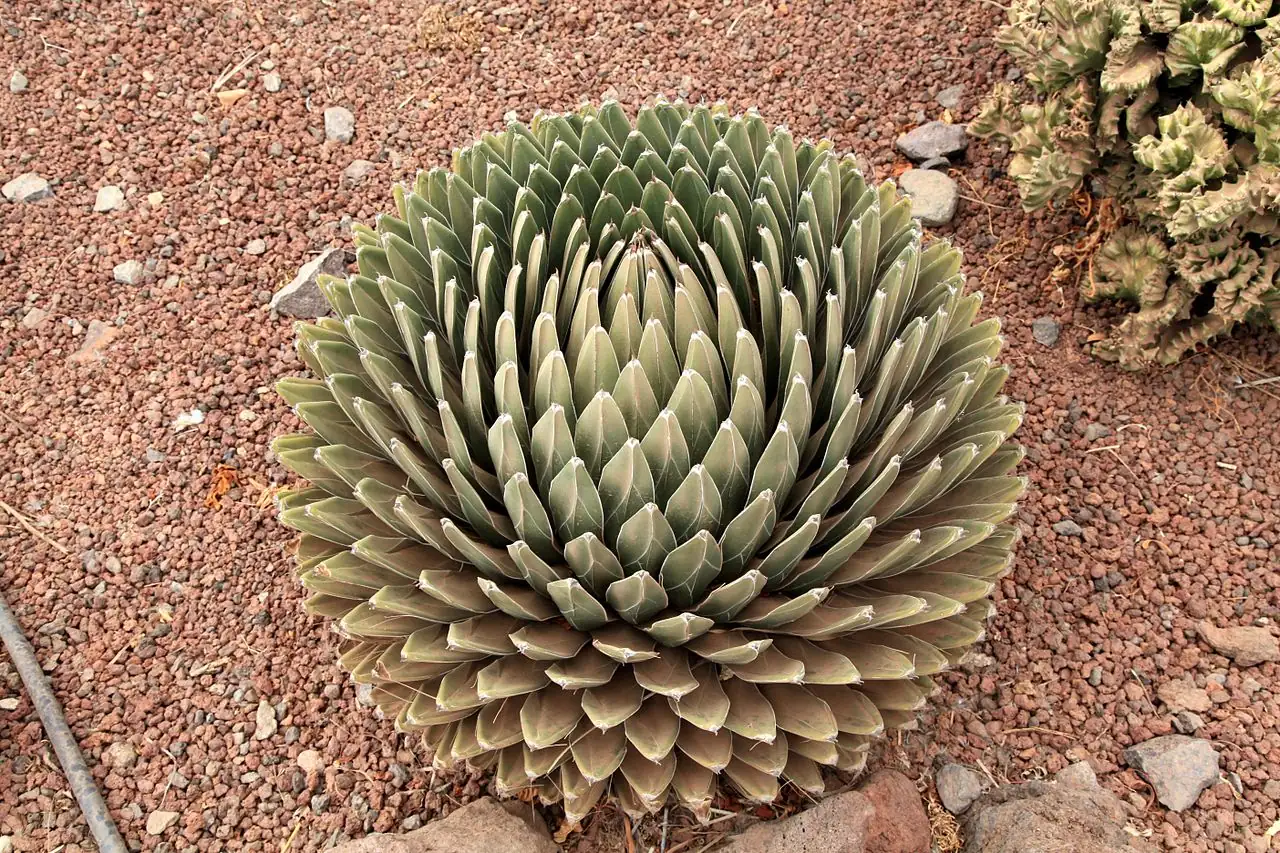
Plant Features
- Size: Mature size: up to 60 × 60 cm (24 × 24 in)
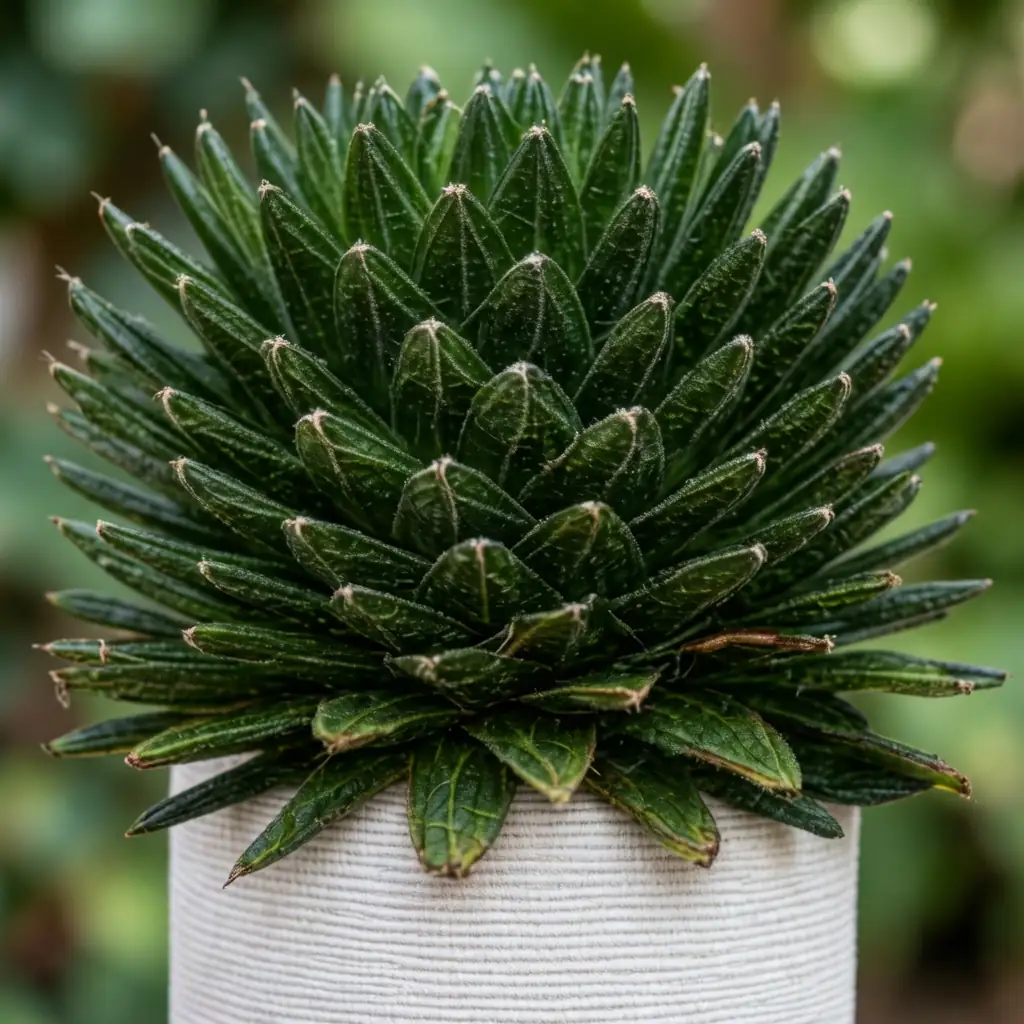
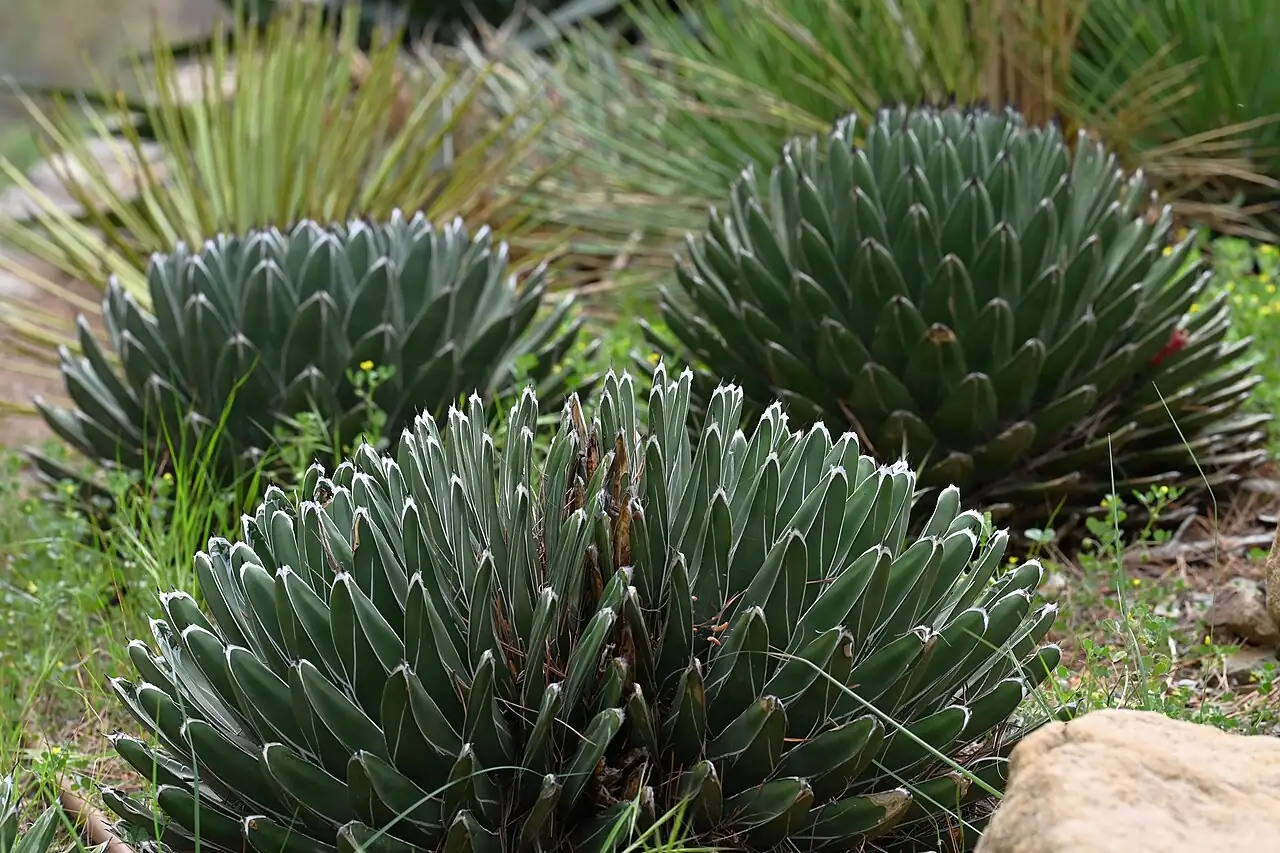
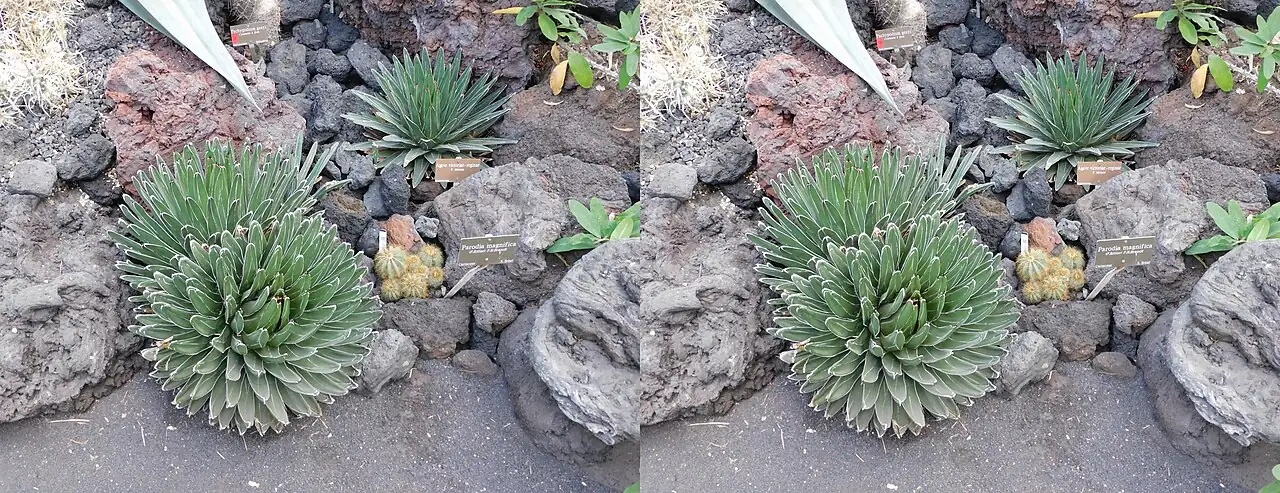
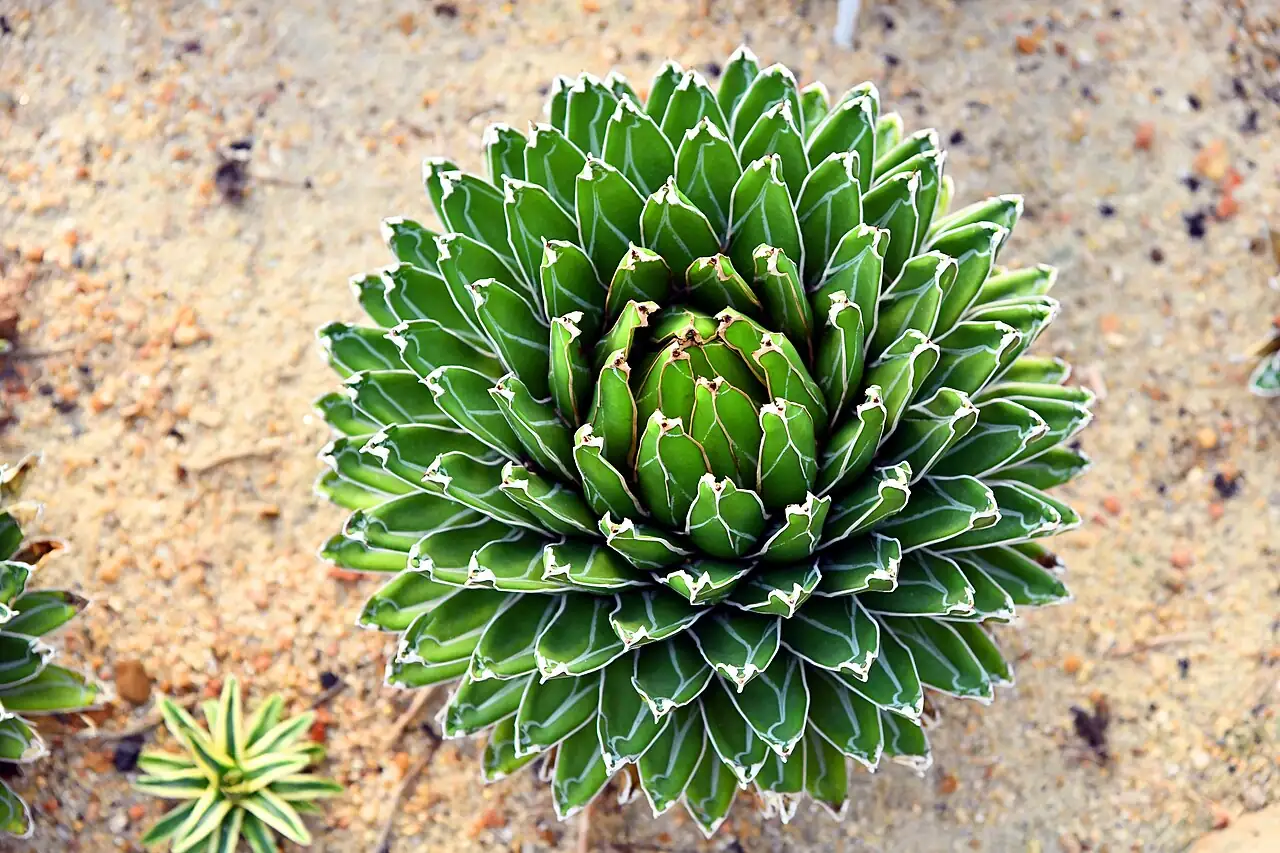
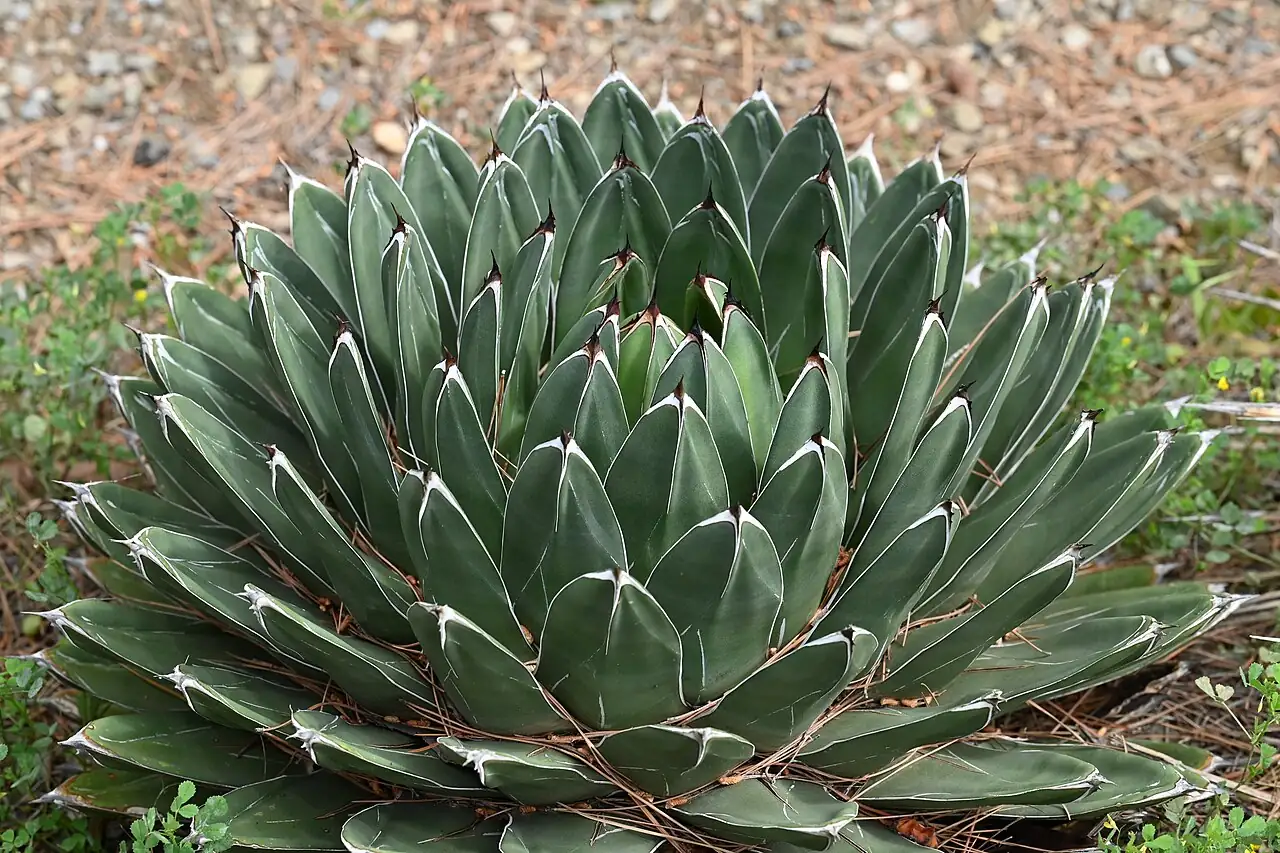
- Foliage: Stiff, thick, triangular leaves arranged in a dense, symmetrical rosette that can mound and slowly clump over time. Leaves show neat white edging/markings and finish with a small dark terminal spine; the overall texture is bold, geometric, and highly architectural.
- Flower: Flowering is uncommon in pots and indoor settings, but a mature plant may eventually send up a tall flowering spike with greenish to creamy-white blooms. Like many agaves, it is monocarpic—after flowering, the main rosette typically dies.
- Flowering Season: Late spring to summer (only on mature plants; irregular/rare indoors)
- Growth Habit: Compact rosette; slow-growing; can become clump-forming/mounding with age
Environment
Sunlight
Full sun to bright partial sun; ideally provide 4–6 hours of direct sun daily. Increase sun exposure gradually to prevent sun scorch, especially after winter or shipping.
Temperature
Best growth at 10–30°C (50–86°F). Can handle brief cold down to about -5°C (23°F) if kept very dry, but avoid prolonged frost and especially cold, wet conditions.
Humidity
Prefers low humidity; normal indoor humidity is fine. Avoid stagnant, constantly humid air.
Soil
Very fast-draining, gritty cactus/succulent mix (mineral-heavy). Use a pot with drainage holes and avoid oversized containers; excellent drainage is essential to prevent rot.
Placement
Bright, sunny windowsill or sunroom; outdoors in a sunny, sheltered spot during warm months. Place where it won’t be brushed against (sharp tips) and keep out of reach of children and pets due to irritating sap.
Hardiness
USDA Zone 8b–11 (roughly -9 to 10°C / 16 to 50°F) depending on exposure and, most importantly, dryness; not reliably frost-hardy in wet winters.
Care Guide
Difficulty
Easy, as long as it gets strong light and the potting mix dries out well between waterings.
Buying Guide
Pick a plant with firm, unblemished leaves and no softness at the base. Inspect the crown and leaf axils closely for mealybugs or scale, and avoid any plant sitting in soggy soil.
Watering
Water thoroughly, then let the mix dry well. From autumn through spring, water only when the surface and much of the pot feels dry. In winter, keep it mostly dry—often only 1–2 light waterings total if kept cool and in lower light. Never leave the pot standing in water.
Fertilization
In active growth (spring through early autumn), feed 2–3 times with a balanced liquid fertilizer diluted to 1/2 strength. Skip feeding in winter.
Pruning
Very little needed. Remove only fully dried lower leaves with clean tools; don’t cut into healthy tissue.
Propagation
Usually by offsets (pups) when the plant produces them: separate once pups have roots, let cut surfaces callus, then pot into a dry, gritty mix. Seed is possible but slow.
Repotting
Repot about every 2–3 years or when root-bound, moving up only slightly in pot size. Use a gritty cactus mix and handle carefully—leaf tips are sharp and sap can irritate skin.
📅 Seasonal Care Calendar
Autumn–spring: water only after the mix dries well. Winter: keep very dry; water just 1–2 times if needed. Spring–early autumn: fertilize 2–3 times at 1/2 strength. Repot every 2–3 years or when root-bound.
Pests, Diseases & Safety
Common Pests & Diseases
Mealybugs and scale can hide in leaf axils and the crown; treat with insecticidal soap or horticultural oil and improve airflow. Overwatering and slow-draining soil can cause root/crown rot—use a gritty mix, strong light, and let the pot dry between waterings.
Toxicity
Irritating/toxic sap: may cause skin irritation and is harmful if ingested. Keep away from children and pets; wear gloves when handling.
Culture & Symbolism
Symbolism: Often linked with endurance, protection, and resilience—its tight, armored rosette looks like it’s built to last.
History & Legends: The name victoriae-reginae honors Queen Victoria, reflecting the plant’s long-standing reputation as a prized ornamental agave.
Uses: Primarily ornamental; excellent for containers, rock gardens, and xeriscaping where a compact, geometric accent plant is wanted.
FAQ
Why are the leaf tips browning or the plant getting soft?
Most commonly it’s too much water or poor drainage leading to early rot. Let the mix dry thoroughly, increase light and airflow, and switch to a gritty cactus/succulent mix in a pot with drainage holes.
Can it live indoors year-round?
Yes—give it the brightest spot you have (a sunny south- or west-facing window in the Northern Hemisphere) and water sparingly, especially in winter.
Fun Facts
- Like many agaves, it typically flowers only once—when it finally blooms, the flower spike can tower dramatically above the rosette.
- Those crisp white markings are part of the leaf structure and look their sharpest under strong light and dry conditions.