Plant Features
- Size: Highly variety-dependent: dwarf types about 10–15 cm (4–6 in) tall; short types 23–30 cm (9–12 in); intermediate types 30–60 cm (12–24 in); tall types 60–120 cm (24–48 in).
- Foliage: Leaves are smooth-edged and lance-shaped to oblong, typically deep green. They’re opposite on the lower stems, then become alternate or slightly spiral as the stems rise.
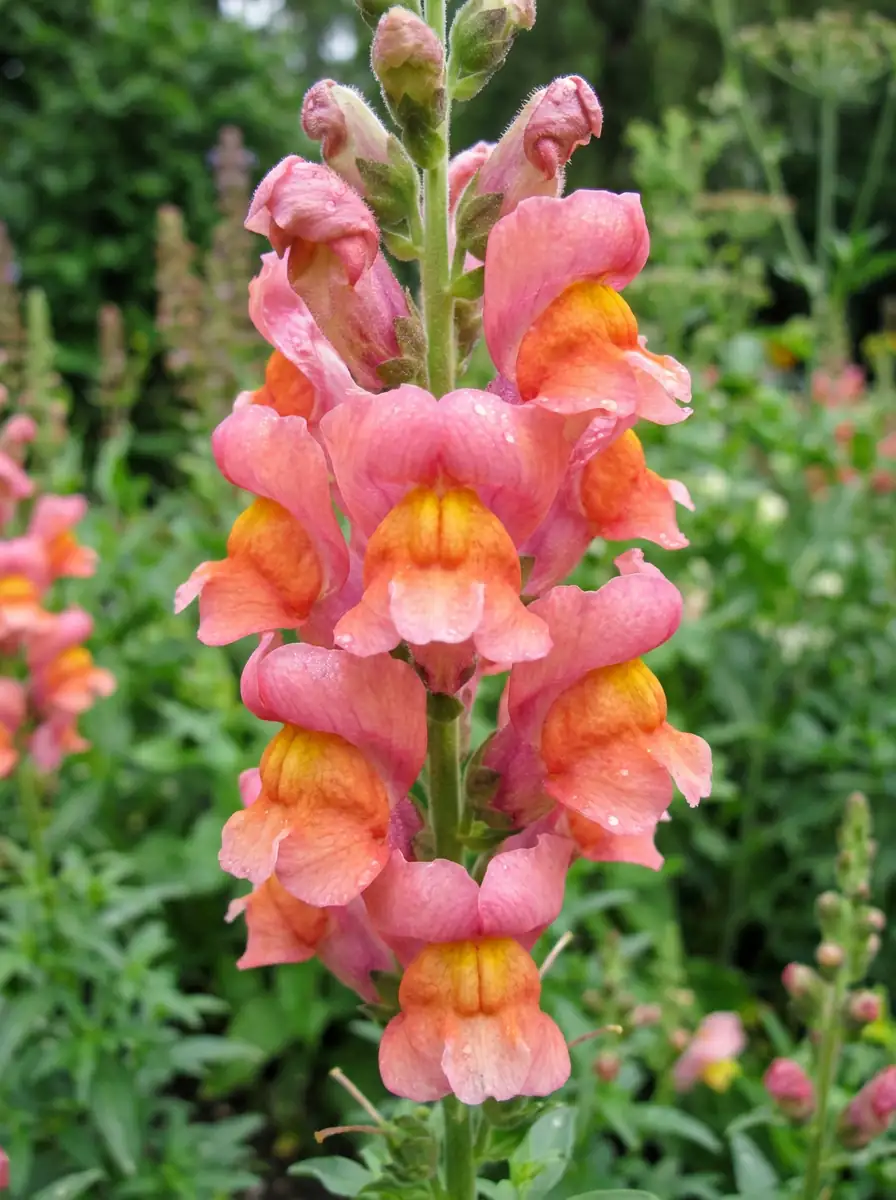
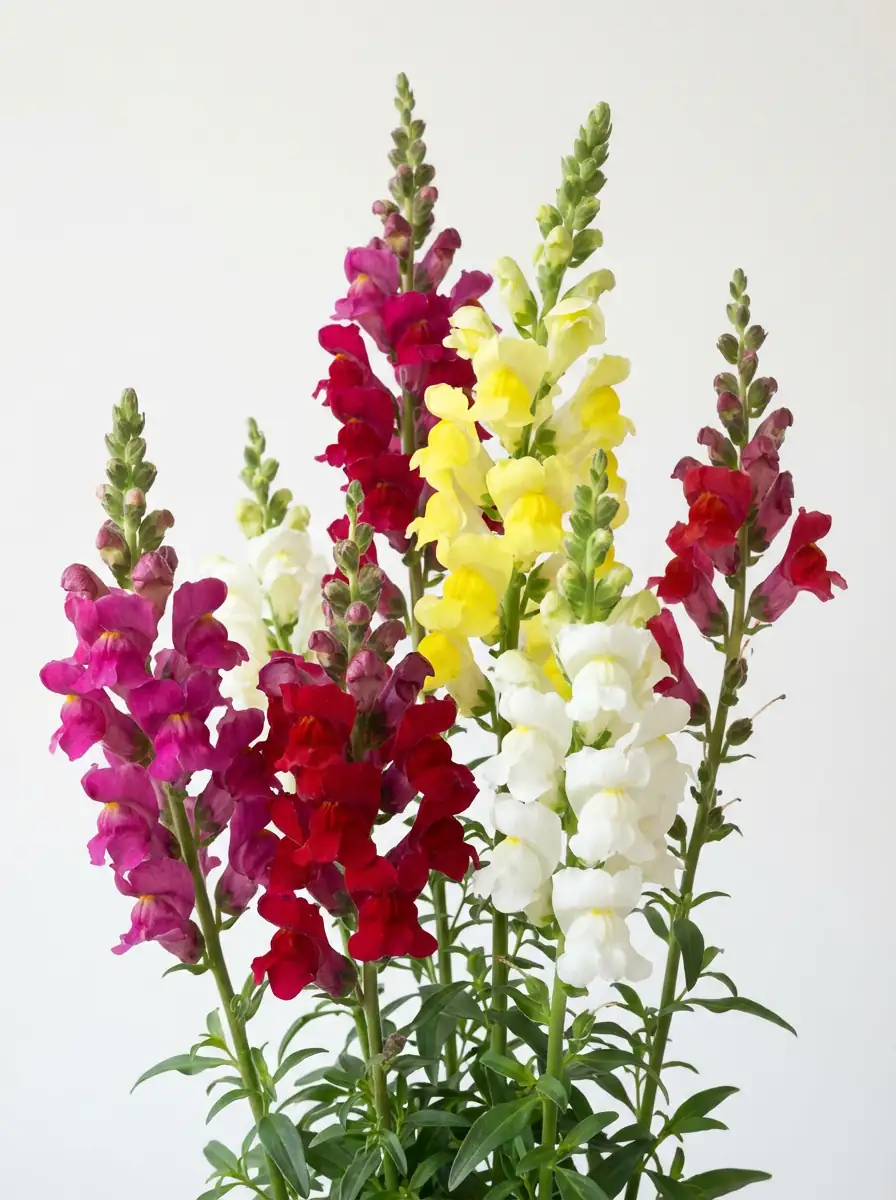
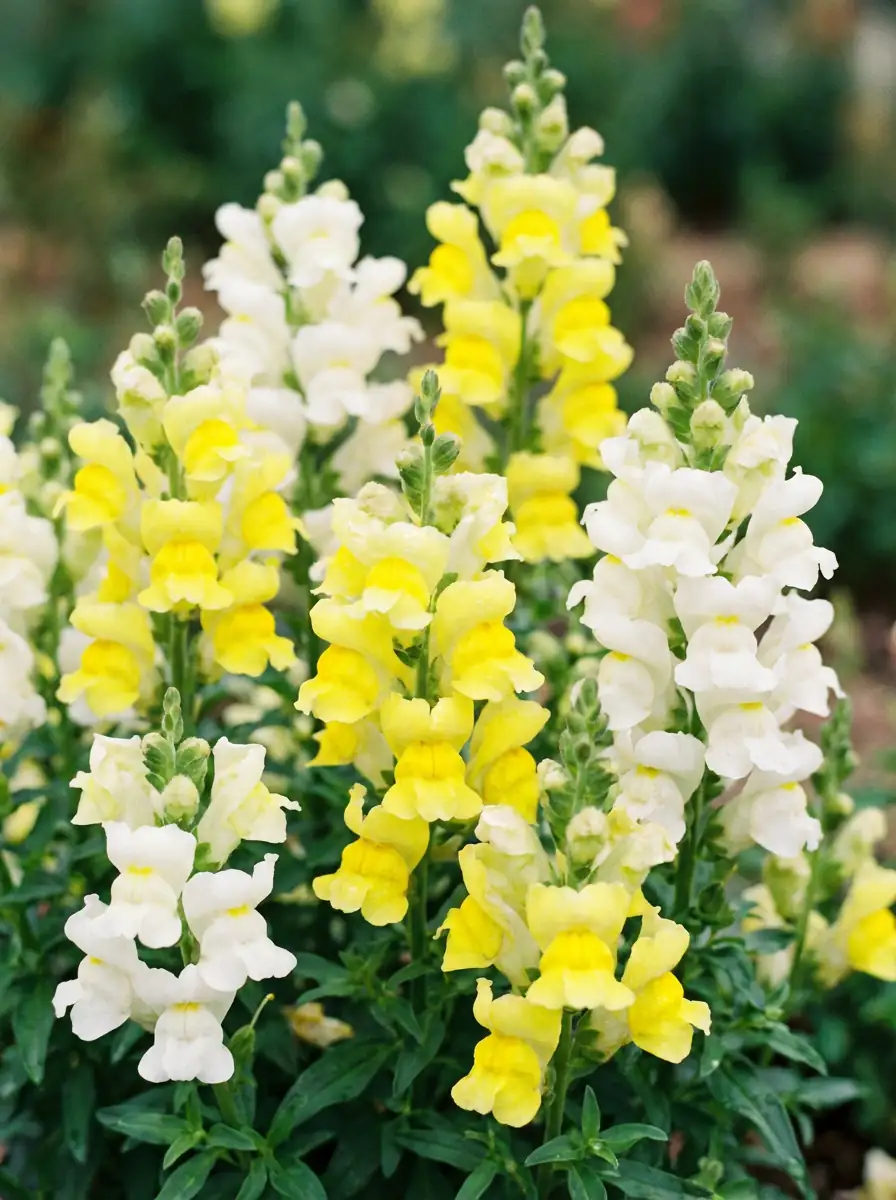
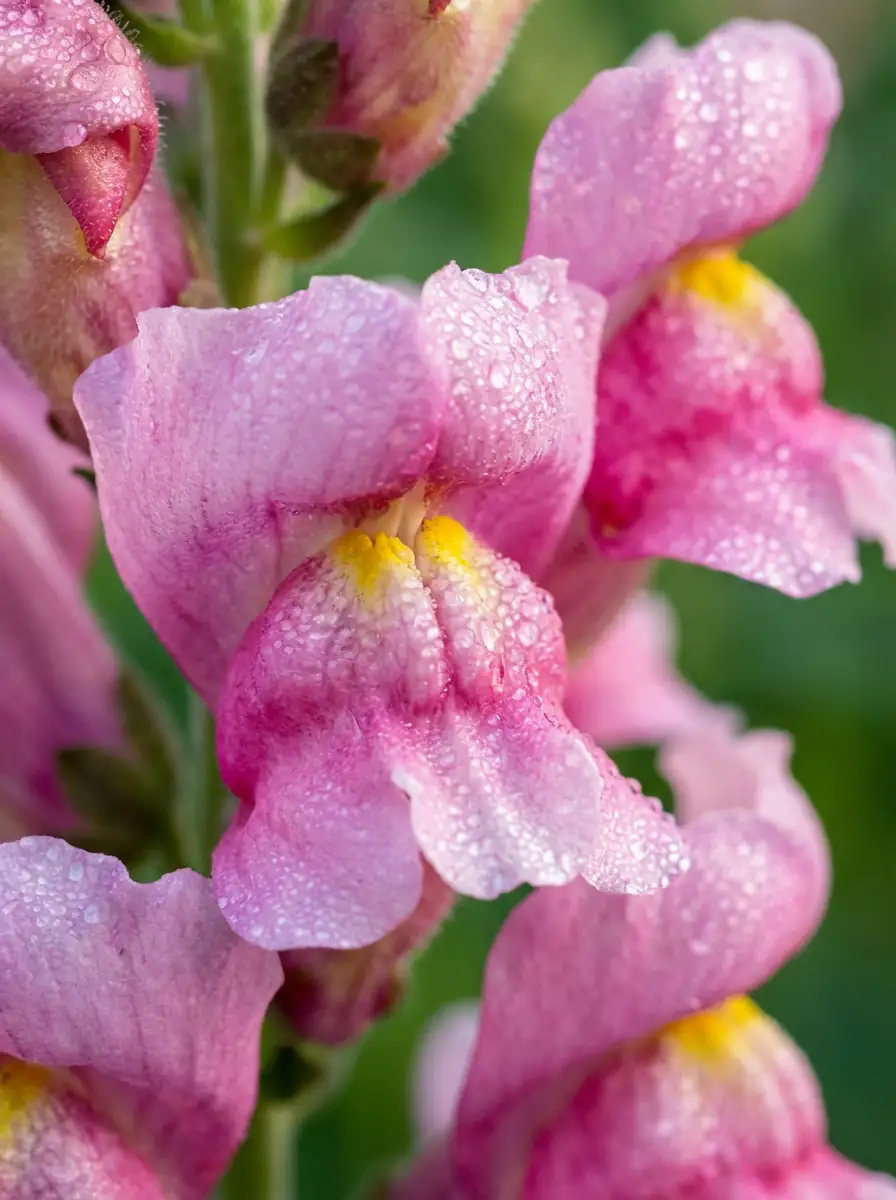
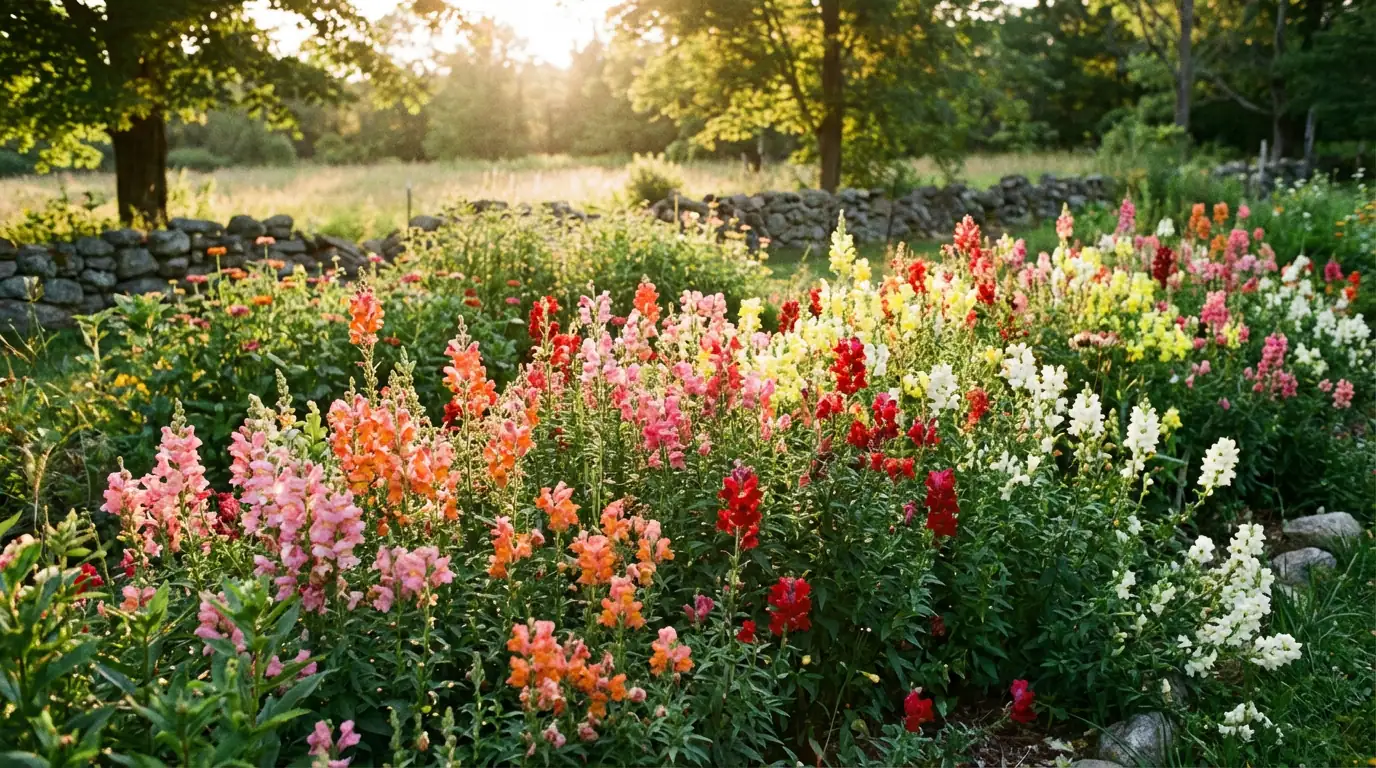
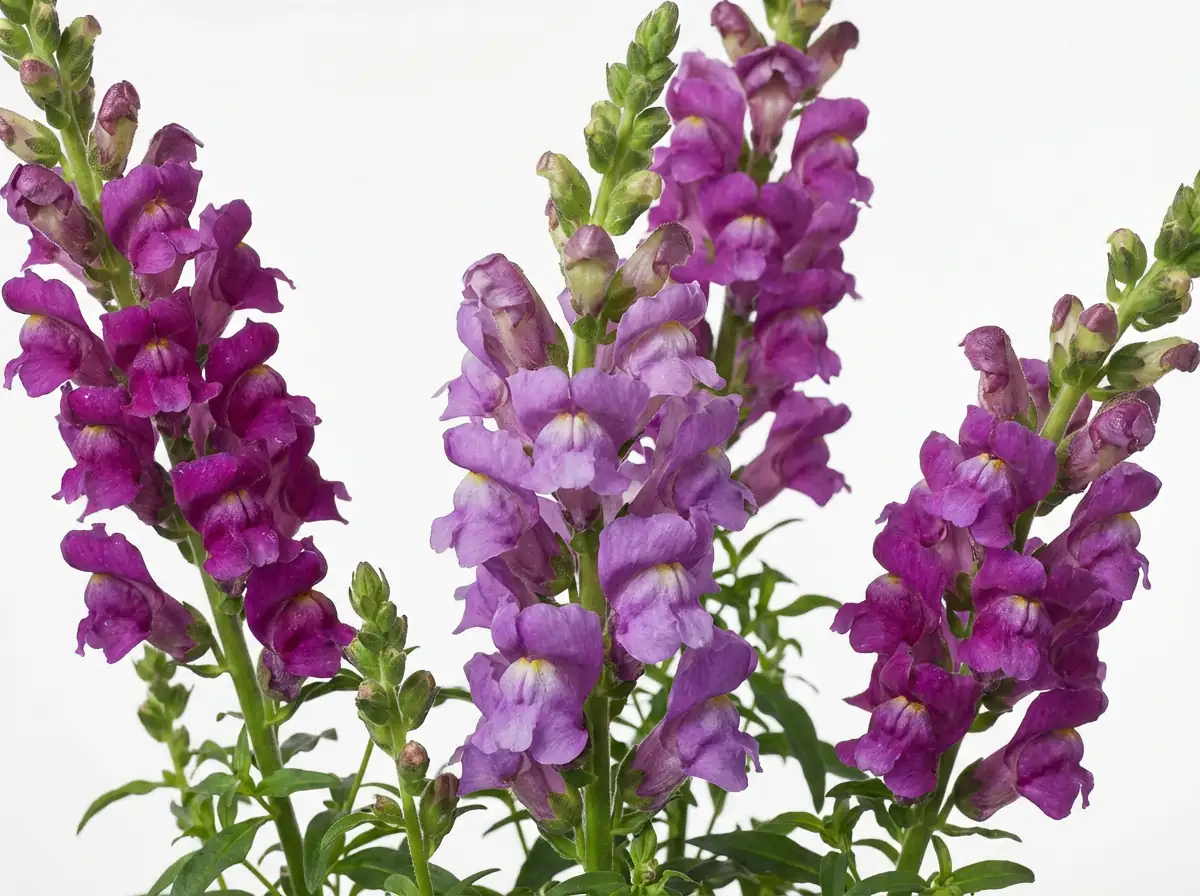
- Flower: Showy, tubular, two-lipped flowers carried on vertical spikes, opening from the bottom upward. Classic forms have a “closed mouth” that opens when pressed, like a tiny dragon. Colors include white, yellow, orange, pink, red, purple, and many bicolors; there are also double-flowered (azalea-type) and more open-faced forms.
- Flowering Season: Early spring through fall in cooler climates; in mild-winter areas (often Zones 8–11), it commonly blooms in winter and spring. Plants may pause in extreme summer heat and then rebloom when temperatures cool.
- Growth Habit: Mostly upright and clump-forming with sturdy stems (excellent for cutting), but breeding has produced compact mounded dwarfs and trailing basket varieties as well.
Environment
Sunlight
Full sun (about 6+ hours/day) for best flowering; tolerates partial shade, especially where summers are hot.
Temperature
Performs best in cool conditions—roughly 4°C (40°F) nights and 21°C (70°F) days. Once established, it can handle light frost and brief dips to about 0°C (32°F), but intense heat can slow flowering.
Humidity
Moderate humidity with good airflow is ideal. Avoid frequent overhead watering to reduce fungal issues.
Soil
Fertile, well-drained soil enriched with organic matter; likes evenly moist soil during growth. Near-neutral pH around 6.5 is a good target. Will grow in sandy or clay soils if drainage is improved.
Placement
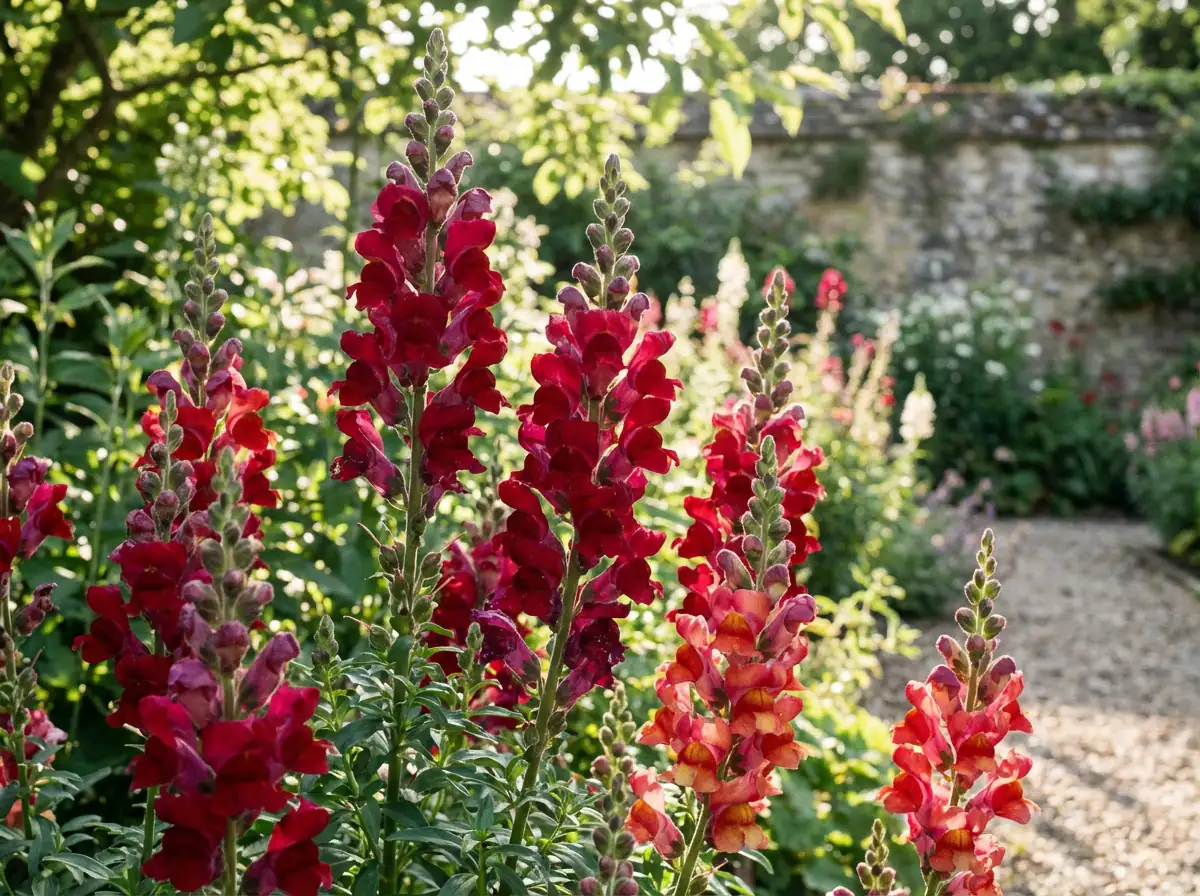
Great in borders, cottage gardens, pollinator beds, containers, and cut-flower rows. Put tall types toward the back or middle of beds, and use dwarfs for edging; trailing types shine in hanging baskets.
Hardiness
Often treated as an annual in cold regions; short-lived perennial in USDA Zones 7–11 (and frequently grown as a cool-season bedding plant in warmer zones). Generally not happy with prolonged hard freezes.
Care Guide
Difficulty
Easy and beginner-friendly, especially if you lean into its love of cooler weather. Most problems come from heat stress or damp, stagnant air.
Buying Guide
Pick compact plants with thick stems and healthy green leaves, ideally with few or no open blooms yet. Avoid leggy, floppy growth or yellowing foliage.
Watering
Keep soil consistently moist while plants establish. After that, water when the top 2.5 cm (1 in) of soil feels dry; a typical target is about 2.5 cm (1 in) of water per week from rain/irrigation. Water at the base (not overhead) and earlier in the day so foliage dries before night.
Fertilization
Work compost into the planting area (about 15 cm/6 in deep) before planting. During active growth and bloom, feed with a balanced fertilizer about every 2–4 weeks. Mulch helps hold moisture and keeps roots cooler in warm spells.
Pruning
Deadhead regularly by snipping spent spikes back to a leaf node to keep blooms coming. Pinch young plants at about 10–15 cm (4–6 in) tall to encourage branching. For cut flowers, harvest when the lower third of the spike is open; cutting low can encourage more long stems.
Propagation
Grown from seed, stem cuttings, or division. Seeds need light to germinate—press onto the surface rather than burying. Start indoors 8–10 weeks before the last frost; germination usually takes 10–14 days at about 15–21°C (60–70°F).
Repotting
In containers, refresh the potting mix and repot as needed (often annually in spring). Always use a well-draining mix and a pot with drainage holes.
📅 Seasonal Care Calendar
Spring: plant out after hard-freeze risk; begin feeding; pinch for bushiness. Summer: keep evenly watered and provide airflow—plants may rest in intense heat. Fall: cooler weather often triggers a strong second bloom. Winter: in mild climates, plants may continue blooming; elsewhere they’re typically treated as seasonal annuals.
Pests, Diseases & Safety
Common Pests & Diseases
Watch for aphids, thrips, and spider mites. Common diseases include snapdragon rust, anthracnose, botrytis blight, downy mildew, and powdery mildew. Prevent problems with spacing for airflow, watering at the soil line, and choosing rust-resistant varieties when possible.
Toxicity
Generally considered non-toxic to people and common pets (often listed as pet-safe). Flowers are sometimes used as an edible garnish but can taste bitter—only eat blooms that have not been treated with pesticides.
Culture & Symbolism
Symbolism: Often associated with grace and strength, with a playful double meaning in Victorian flower language that could hint at both graciousness and “deviousness.” Color meanings are commonly shared as: yellow for happiness and luck, red for love and energy, pink for elegance, purple for spirituality, and white for purity. Folklore also links snapdragons with protection against bad intentions.
History & Legends: Native to the Mediterranean world, snapdragons have long carried a whiff of legend. The name Antirrhinum comes from Greek, meaning “nose-like,” a nod to the flower’s shape. In medieval Europe, they were planted near homes and hung at doorways as a protective charm. Their dried seed pods famously resemble tiny skulls—an eerie detail that helped fuel their mystical reputation in old garden folklore.
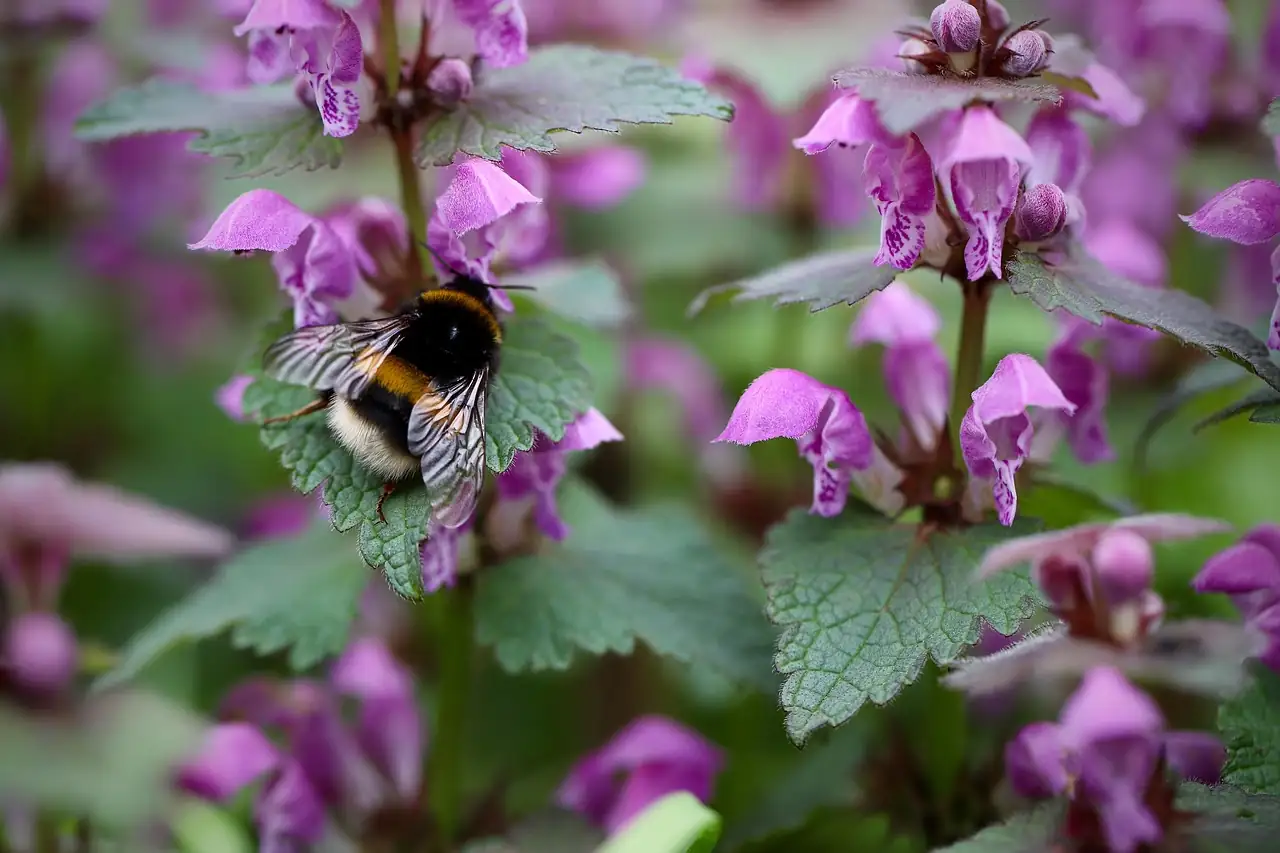
Uses: Primarily grown for ornamental display in beds, borders, and containers, and prized as a long-lasting cut flower (often over a week in a vase). Flowers are sometimes used as an edible garnish. Snapdragons are also popular in pollinator gardens, drawing in bees, butterflies, and (in many regions) hummingbirds.
FAQ
Are snapdragons perennials or annuals?
They’re short-lived perennials in milder areas (often USDA Zones 7–11), but in colder climates most gardeners grow them as annuals. Even when they survive winter, second-year flowering is often less impressive than the first.
When do snapdragons bloom best?
Cool weather is the secret. They flower most heavily in spring and fall, may pause in extreme summer heat, and can even bloom through winter in mild climates.
Do snapdragons need pinching?
Pinching at about 10–15 cm (4–6 in) tall helps plants branch and produce more flower spikes—especially useful for fuller garden plants and better cutting stems.
Can snapdragons grow well in containers?
Yes. Dwarf and trailing varieties are especially container-friendly. Use well-draining potting mix, keep moisture steady (not soggy), and give them plenty of sun.
Are snapdragons deer resistant?
They’re commonly considered deer resistant because the foliage and flowers tend to taste bitter, though very hungry deer may still sample them.
How do I harvest snapdragons as cut flowers?
Cut when the lower third of the spike has opened. Harvesting low on the stem can encourage new long stems, and fresh spikes typically last more than a week in a vase.
Fun Facts
- Traditional snapdragon blooms really do “snap”—gently squeeze the sides and the flower opens and closes like a tiny puppet mouth.
- If stems get bent over by wind, they often curve upward again as they reorient toward light and gravity.
- The dried seed pods can resemble miniature skulls, which helped inspire centuries of folklore.
- Snapdragons have been bred into different groups/series to better match cool-season or warmer-season flowering, extending their garden performance.