

Plant Features
- Size: Typically 20–80 cm (8–31 in) tall; forms small clumps rather than a broad shrub-like spread.
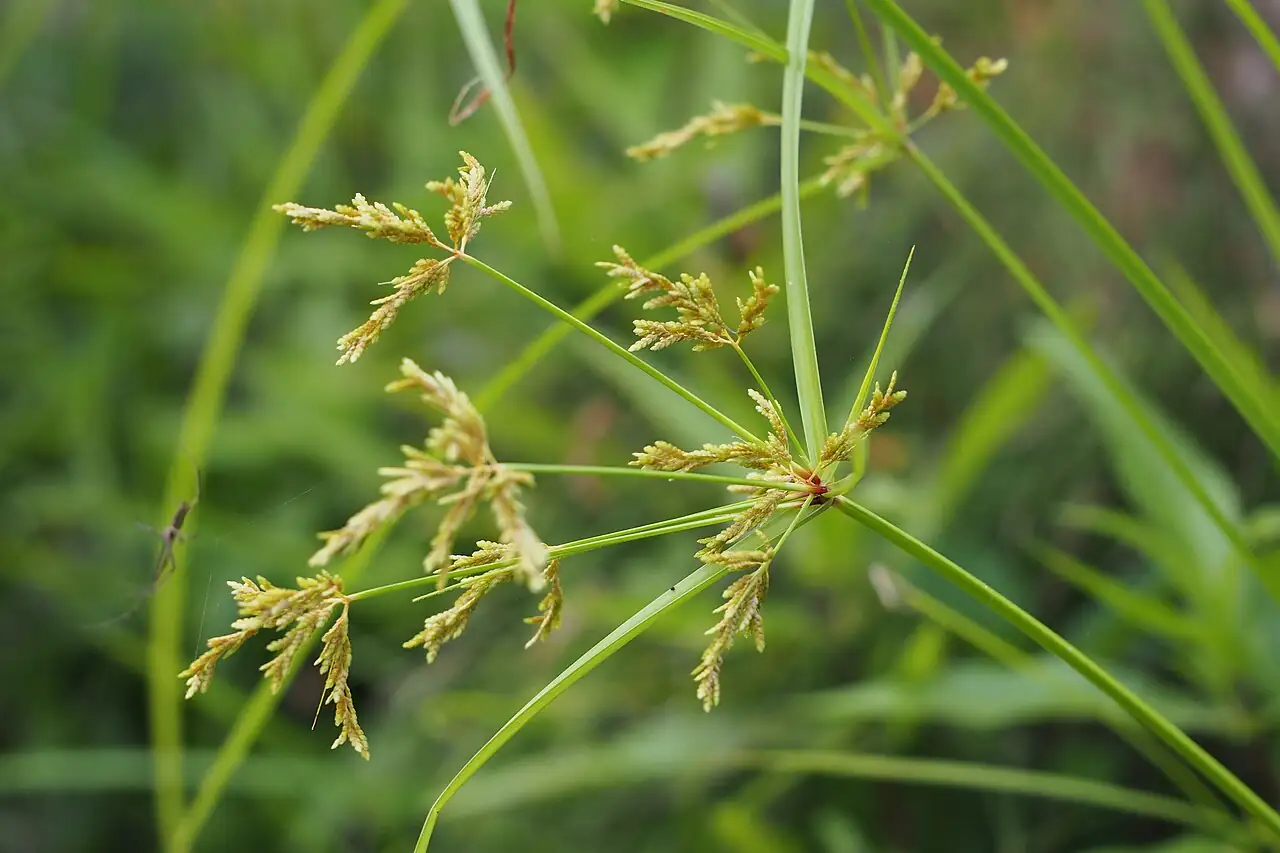
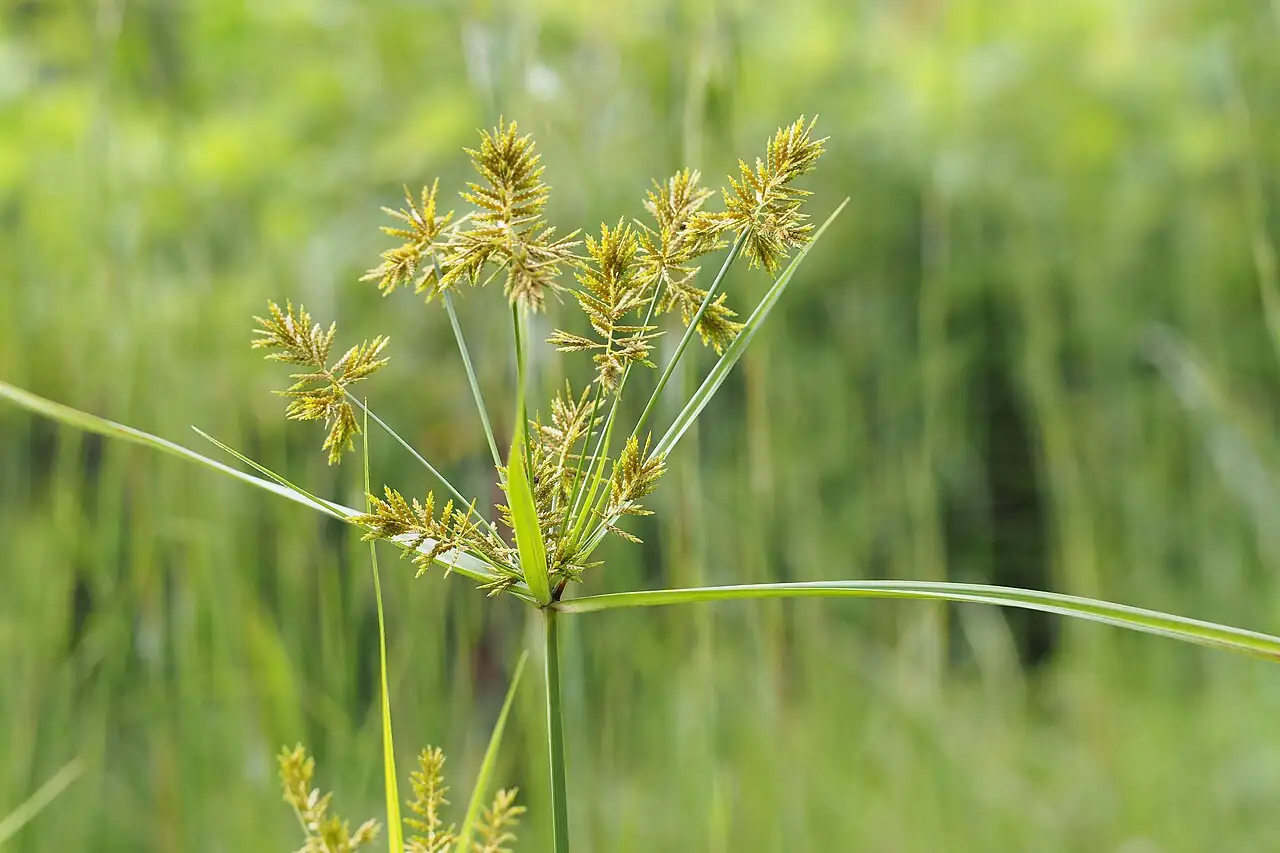
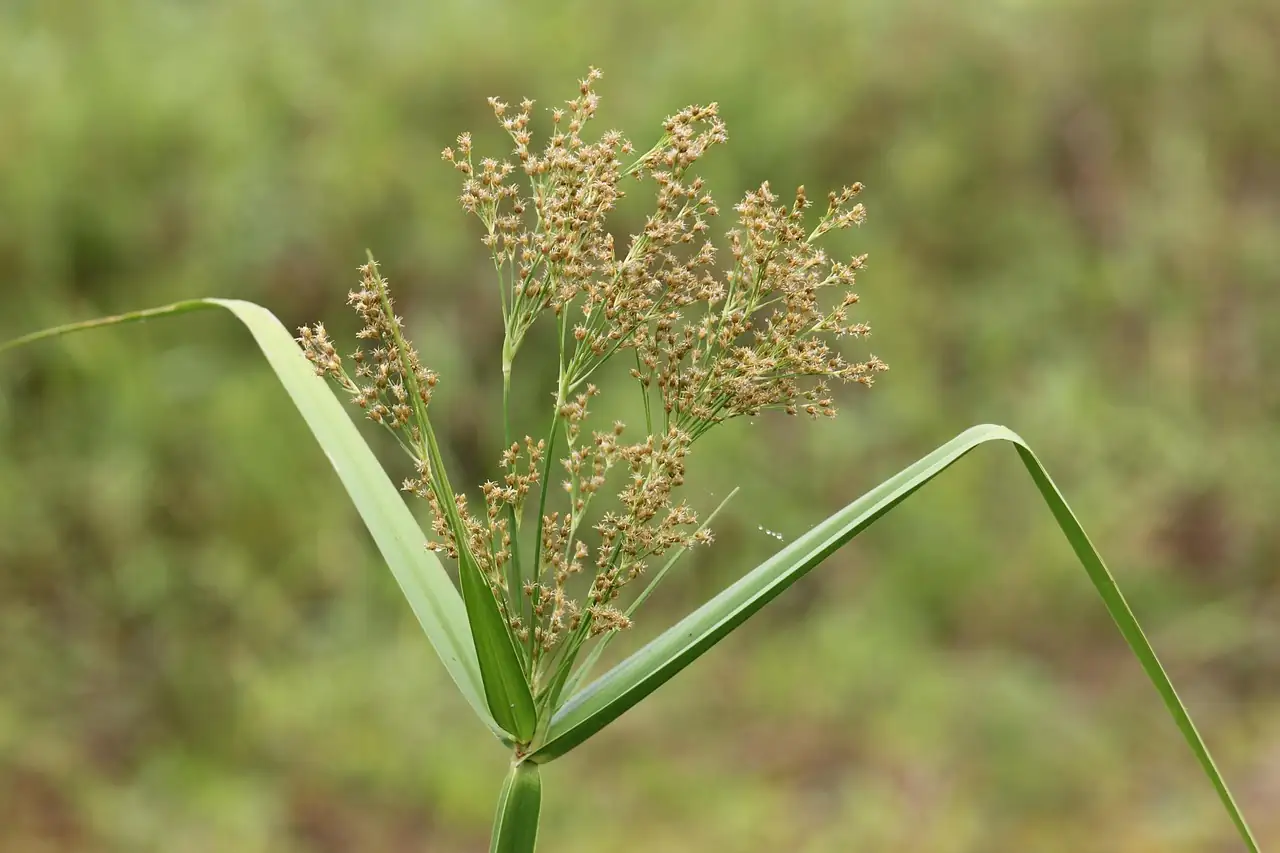
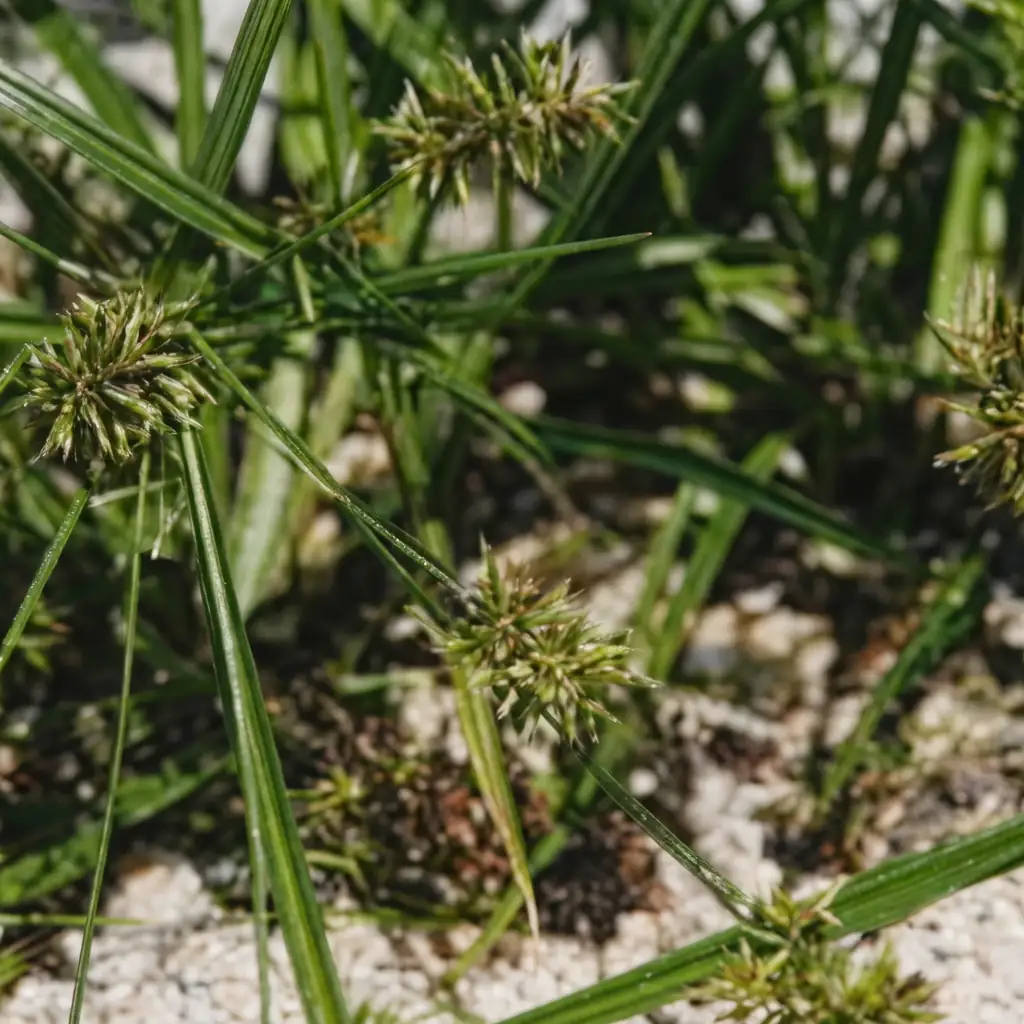
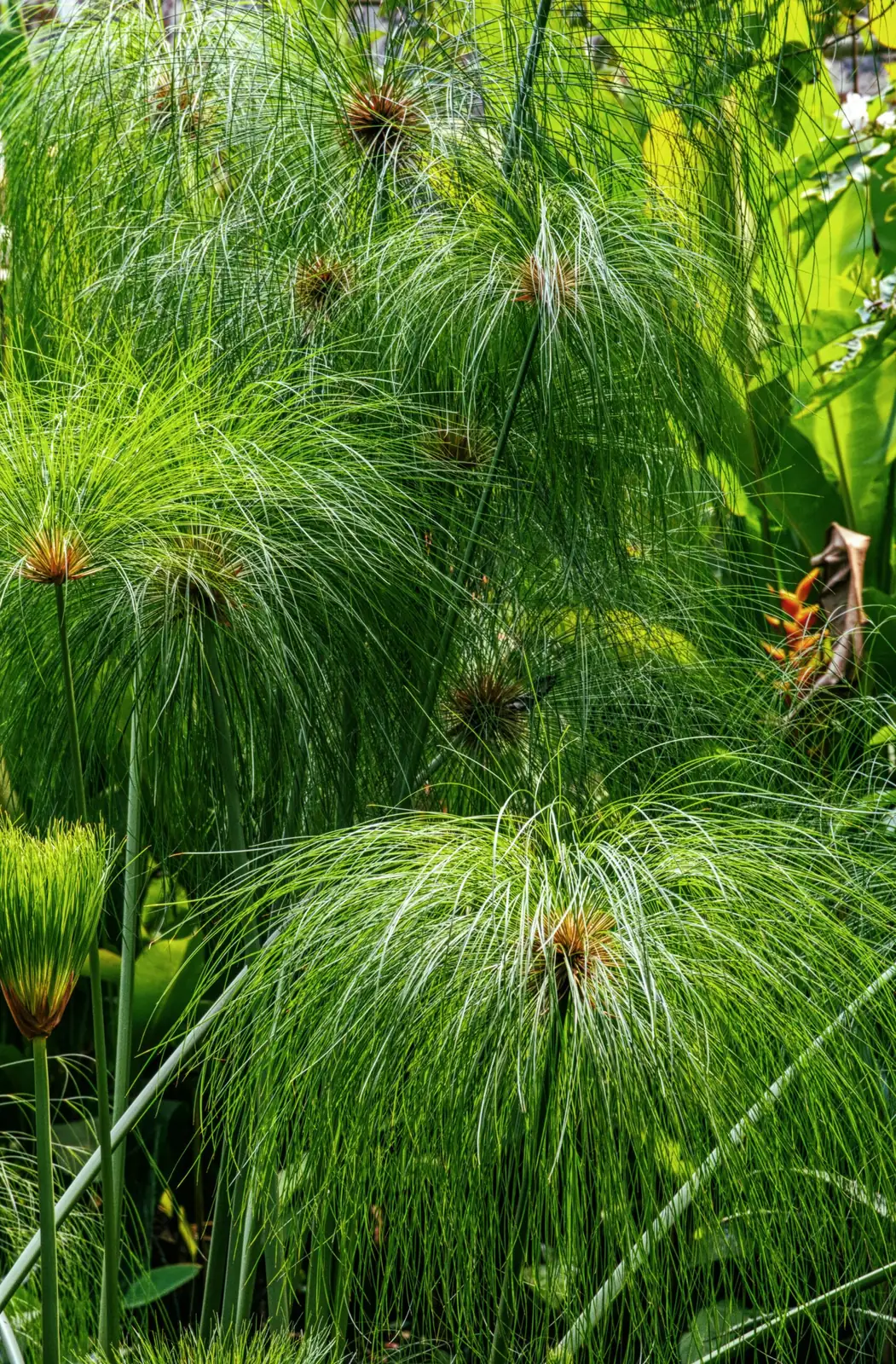
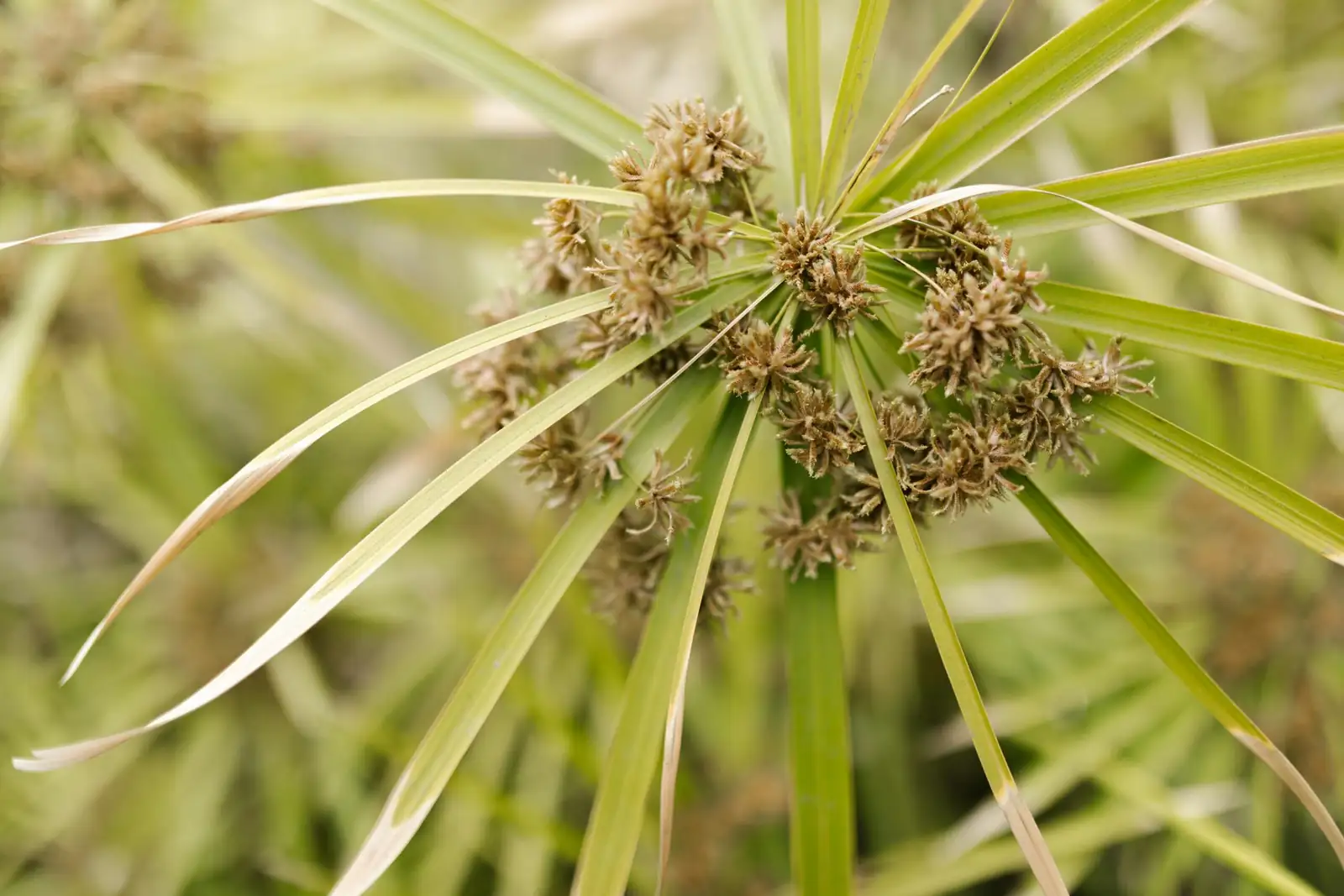
- Foliage: Narrow, grass-like leaves that are usually shorter than the flowering stems. Leaf sheaths often have a reddish-brown tint. Commonly shows 3–4 leaf-like bracts that extend beyond (overtop) the inflorescence, adding to its spiky, textural silhouette.
- Flower: Produces sedge-style, spikelet-like clusters rather than obvious petals. The scale-like bracts of the spikelets have a noticeable raised midrib, with short-pointed tips; the spikelet axis may show narrow whitish wings. After flowering, it sets dark brown nutlets with fine, dense surface bumps.
- Flowering Season: August–October
- Growth Habit: Annual herbaceous sedge; clump-forming and quick to colonize suitable damp ground; highly adaptable and often appears as a volunteer in moist sites.
Environment
Sunlight
Best in full sun to partial sun (about 4–6+ hours of direct sun daily). Tolerates light shade if the soil stays consistently moist.
Temperature
Cool-to-warm season annual; grows best around 15–30°C (59–86°F).
Humidity
No special air-humidity needs; success depends far more on steady soil moisture than on humid air.
Soil
Moist to wet soils; tolerates periodically waterlogged ground. Common in damp field soils, seepage slopes, and wetland margins. Prefers reasonably fertile, fine-textured soils but adapts to many soils as long as they don’t dry out.
Placement
Rain gardens, pond/stream margins, wet meadows, damp slopes, and informal naturalistic plantings—especially places that stay moist.
Hardiness
Usually treated as an annual (completes its life cycle in one season). In temperate regions it grows through the warm season and dies back after seeding; not a frost-tender tropical plant, but it doesn’t persist as a long-lived perennial.
Care Guide
Difficulty
Easy, as long as moisture is adequate. Most problems come from prolonged drought or very compacted, overly dry soil.
Buying Guide
More often encountered as a wild/volunteer plant than a typical nursery ornamental. If purchasing seed or plants, verify the scientific name (Cyperus microiria). Avoid collecting from protected wetlands or sensitive habitats.
Watering
Aim for consistently moist soil. In a garden bed, water when the top 2–3 cm (about 1 in) begins to dry. In hot weather, water more frequently. In containers, don’t let the pot dry out completely.
Fertilization
Usually unnecessary in average garden soils. For container growing, use a balanced fertilizer diluted to 1/4–1/2 strength every 3–4 weeks during active growth.
Pruning
No pruning required. For a tidier look, remove spent stems. If you want to limit self-seeding, shear or pull plants after seed set or remove seedheads before they fully mature.
Propagation
Primarily by seed (nutlets). Let seedheads mature and dry, then collect and sow on the soil surface where conditions remain moist. Also spreads by natural self-seeding in suitable wet ground.
Repotting
If container-grown, repot into a wider pot as clumps fill the container, using a moisture-retentive mix. Best done in spring to early summer before peak growth.
📅 Seasonal Care Calendar
Spring–summer: provide sun/bright light and keep evenly moist. Late summer–autumn: flowering and seed set; remove seedheads if you want to reduce spread. Winter: typically dies back after completing its annual cycle.
Pests, Diseases & Safety
Common Pests & Diseases
Generally trouble-free. In stagnant, poorly aerated conditions, seedlings may suffer damping-off. Aphids can appear occasionally on stressed plants. Improve airflow, avoid overcrowding, and keep growing media fresh and well-oxygenated to prevent issues.
Toxicity
No well-documented toxicity to people or pets is widely cited for this species. Still, it isn’t considered edible—discourage chewing by pets and treat as a non-food plant.
Culture & Symbolism
Symbolism: Not strongly tied to a classic “flower meaning,” but often valued for its calm, wild wetland/meadow vibe and naturalistic texture.
History & Legends: No widely recorded legends or famous historical stories are commonly referenced for this species in English sources.
Uses: Mostly used (or appreciated) as a naturalistic groundcover and texture plant in consistently moist areas—wetland edges, rain gardens, damp slopes, and informal meadow-style plantings.
Fun Facts
- It’s an annual sedge, meaning it completes its entire life cycle—from seed to seed—in a single growing season.
- Reddish-brown leaf sheaths and bracts that extend beyond the inflorescence are helpful field clues.
- Its dark brown nutlets have a finely bumpy surface, a common trait across many Cyperus species.
- Widespread across China, it readily appears in fields, on slopes, and along water edges—an excellent example of a highly adaptable volunteer plant.


