

Plant Features
- Size: Rhizomatous aquatic perennial with creeping rhizomes anchored in pond soil. Floating leaves rise on long stalks; in cultivation, the foliage typically spreads about 30–90 cm (12–35 in) depending on water depth, container size, and space.
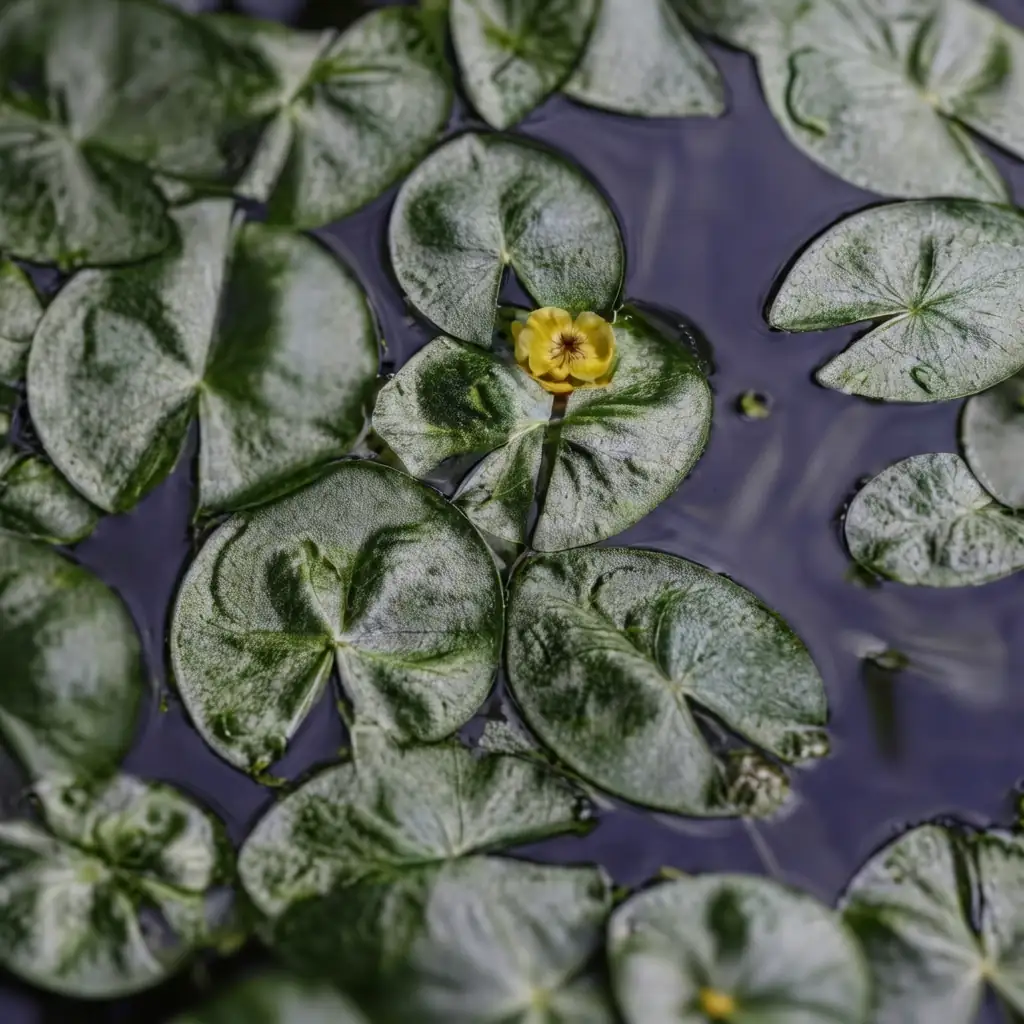
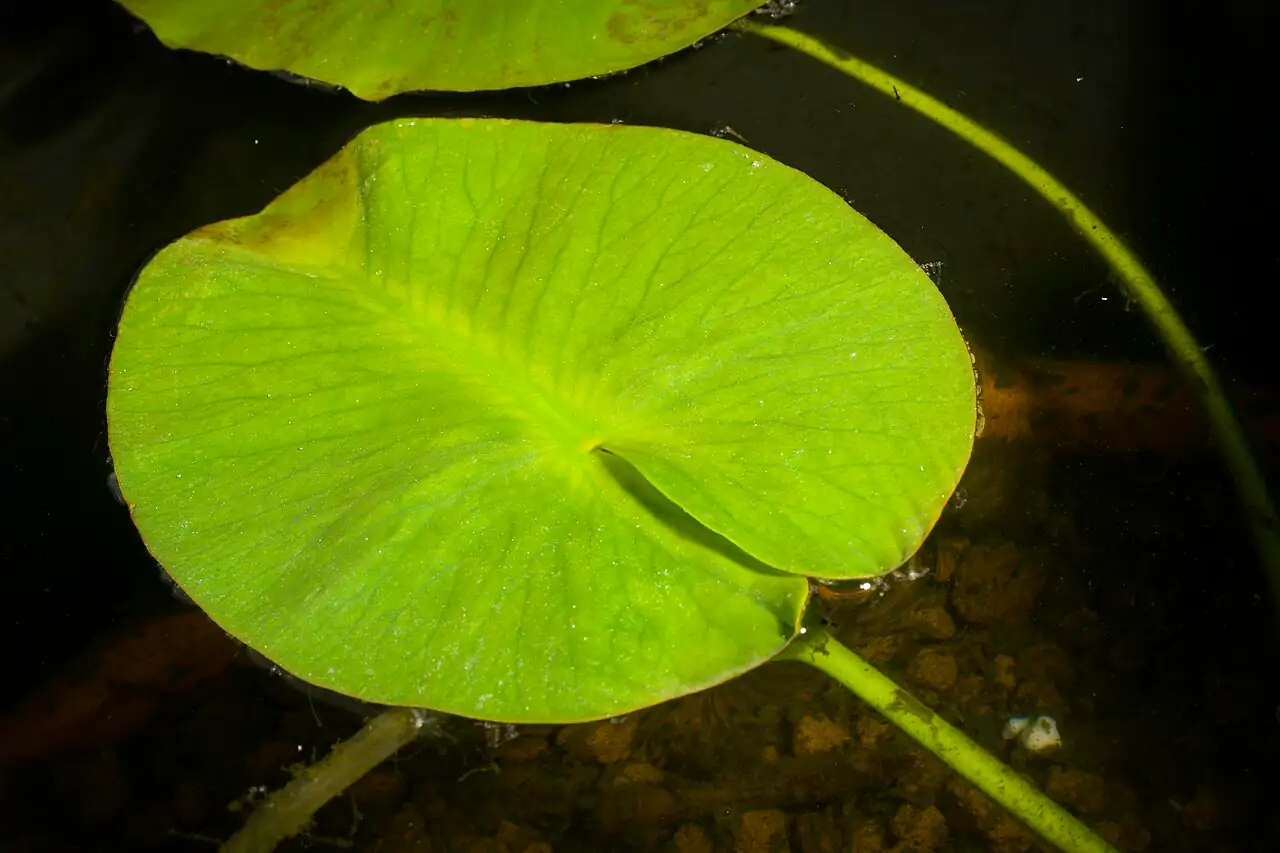
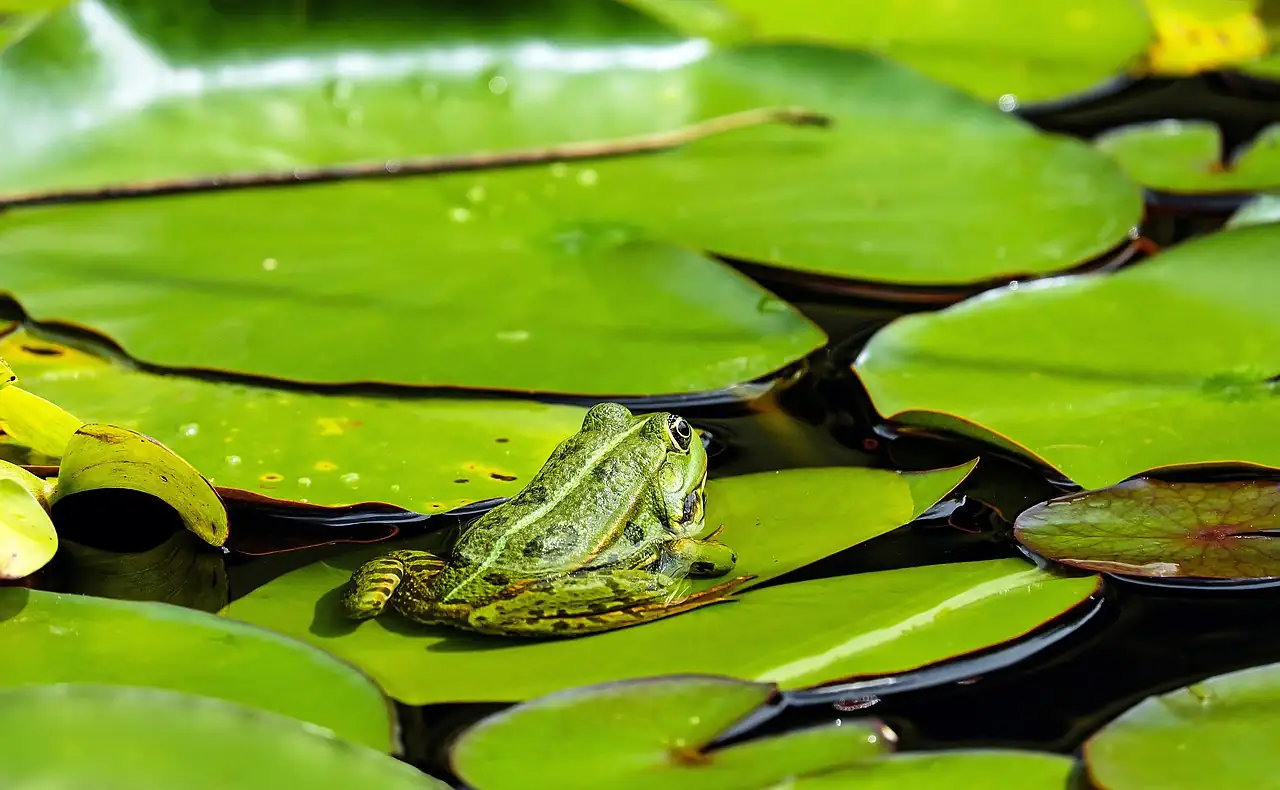
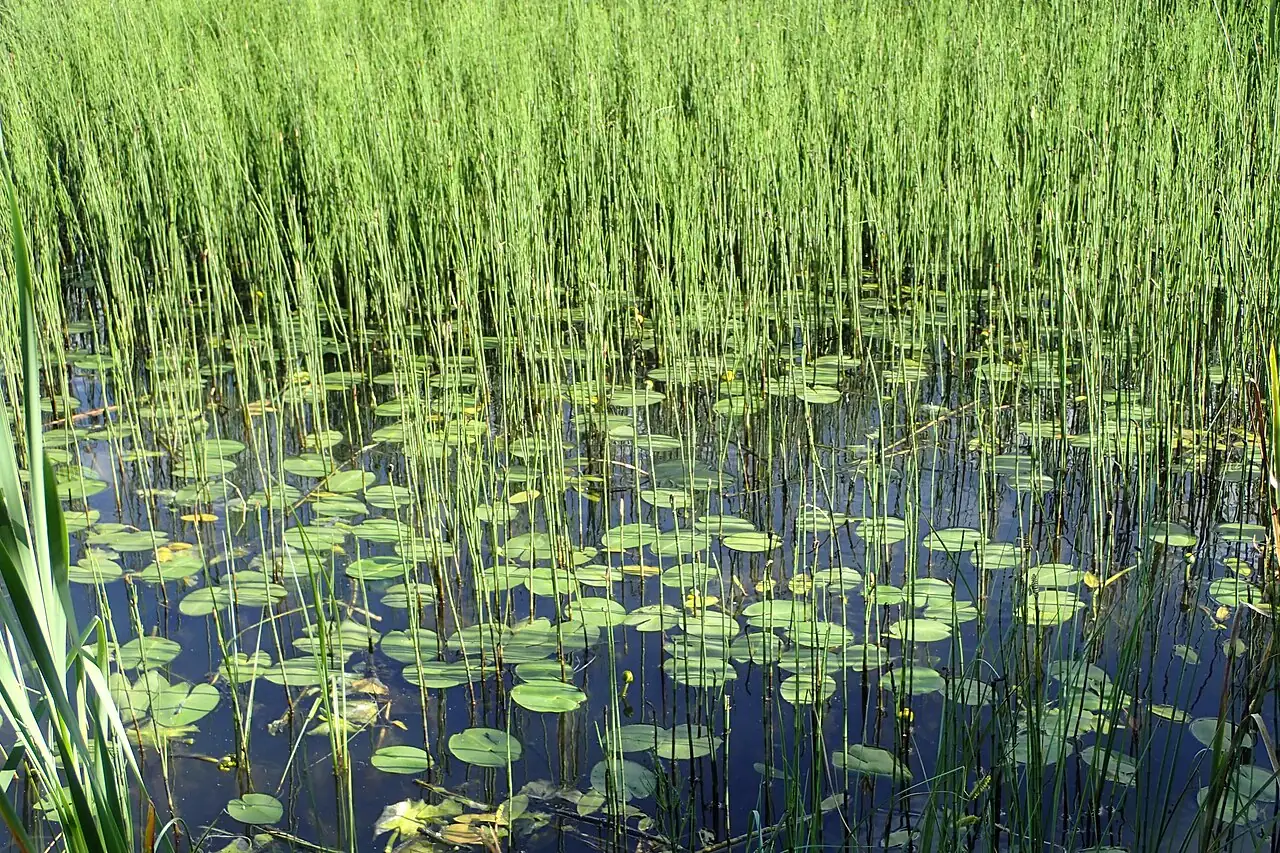
- Foliage: Leaves are papery to leathery and broadly ovate; many floating leaves are distinctly horseshoe-shaped. The upper surface is glossy green, while the underside may be purplish-red and softly hairy.
- Flower: Flowers are bright golden-yellow, cup-shaped, and held at or slightly above the water surface. Fruits are ovoid, containing brown, oblong seeds.
- Flowering Season: May–July
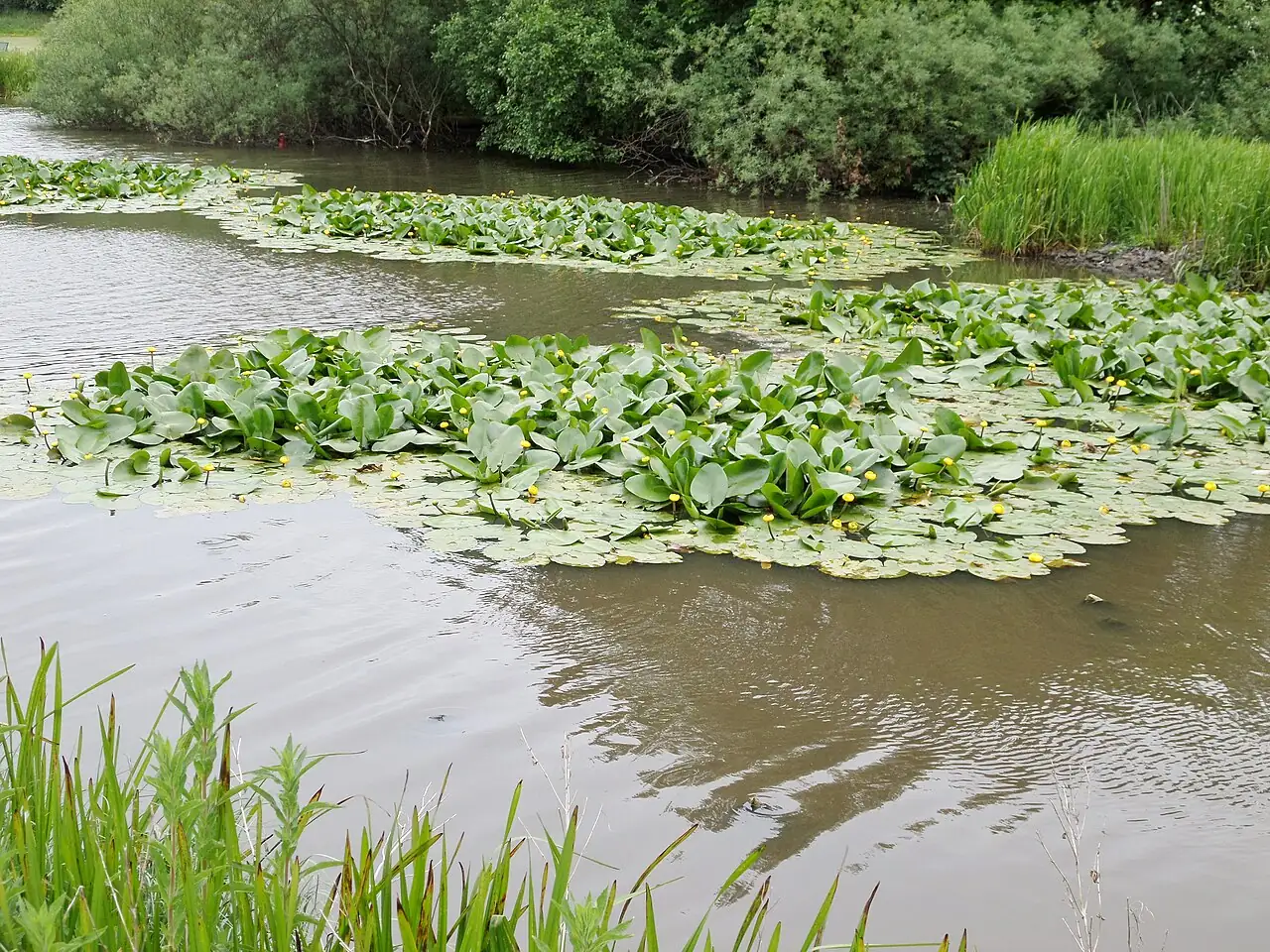
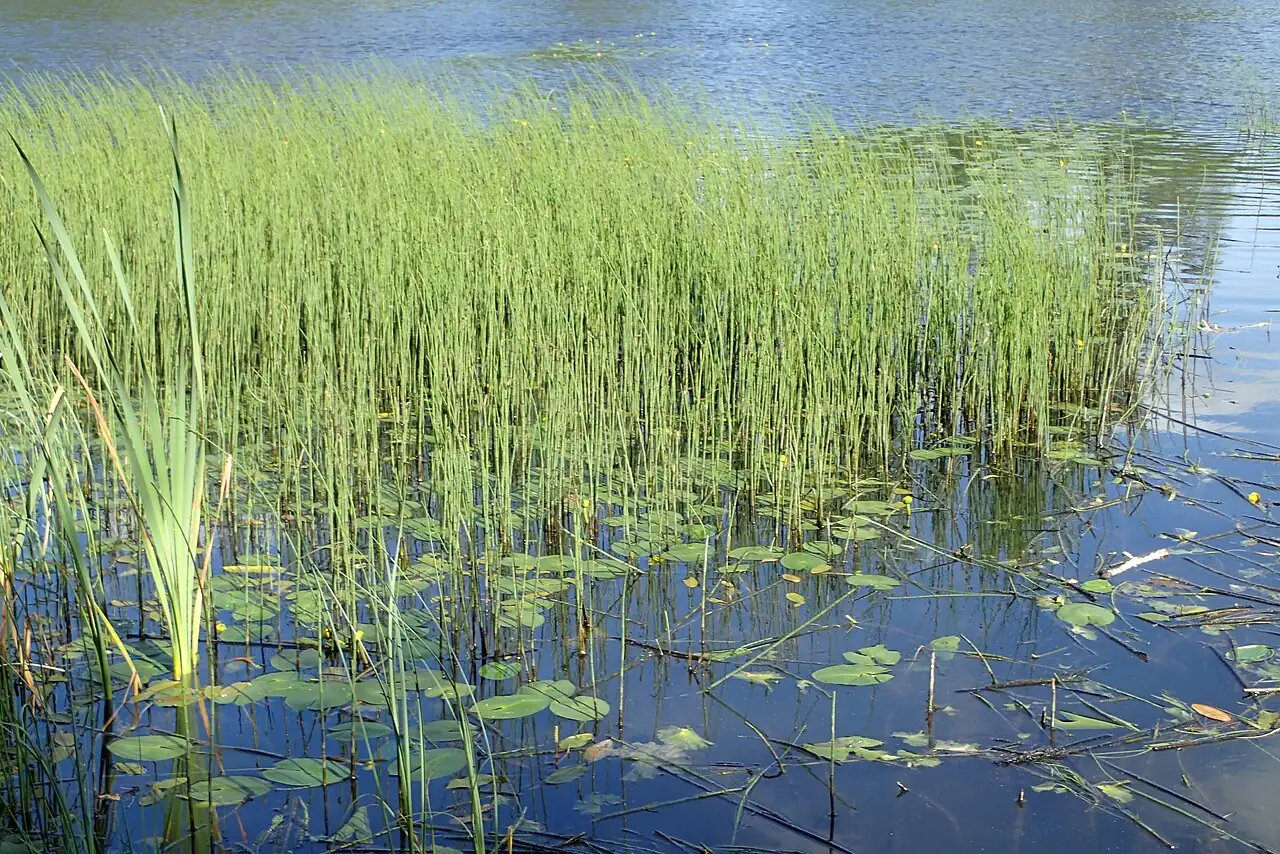
- Growth Habit: Rhizomatous, clump-forming aquatic perennial for still or slow freshwater; grows from anchored rhizomes with floating leaves.
Environment
Sunlight
Full sun to light shade; flowers best in full sun (about 6+ hours/day).
Temperature
Cool-temperate to warm-temperate; most active growth around 15–27°C (59–81°F).
Humidity
Not applicable (aquatic plant).
Soil
Rich, heavy aquatic planting media (loam/clay-based pond soil). Avoid very peaty mixes that can float or cloud the water.
Placement
Ponds, lake margins, and large water tubs. Best grown in submerged containers/baskets in still water.
Hardiness
Cold-hardy in temperate regions; commonly grown in USDA Zones 4–8 (approx.). In shallow containers, protect rhizomes from prolonged freezing by moving them below the ice line.
Care Guide
Difficulty
Moderate: generally easy once established, but it depends on the basics—steady water levels, enough sun, and a rich, heavy substrate.
Buying Guide
Look for firm, healthy rhizomes with clear growing points (buds) and no soft, blackened areas. Choose pond-grown stock when possible; avoid dried-out rhizomes and plants with heavily yellowed or torn leaves.
Watering
No traditional watering—keep it permanently in water. Maintain stable water levels and never allow the pot or rhizome to dry out.
Fertilization
A heavy feeder. Use aquatic fertilizer tablets in spring through mid-summer according to label directions. In small ponds, avoid overfeeding to help prevent algae blooms.
Pruning
Remove yellowing/damaged leaves and spent flowers to keep the plant tidy and reduce decaying material in the water.
Propagation
Divide rhizomes in spring. Cut into sections with at least one strong bud/growing point, then replant horizontally into heavy pond soil and secure (often topped with gravel).
Repotting
Repot or divide every 2–3 years, or whenever growth becomes crowded. Use a wide aquatic basket/container and top-dress with gravel to prevent soil from washing out.
📅 Seasonal Care Calendar
Spring: repot/divide; begin feeding. Summer: full sun for best blooms; feed regularly; remove old leaves/flowers. Autumn: reduce feeding; tidy back dying foliage. Winter: keep rhizomes below the ice line or move containers into deeper water to prevent freeze damage.
Pests, Diseases & Safety
Common Pests & Diseases
May attract aphids on new leaves and flower stalks; leaf spot can show up in stagnant conditions; snails or aquatic larvae may chew foliage. Remove damaged leaves, improve water quality/circulation where possible, and use only pond-safe controls (manual removal and rinsing are often enough).
Toxicity
Toxicity is not well documented for household settings. As a sensible precaution, treat as potentially irritating if eaten and discourage children and pets from chewing plant parts.
Culture & Symbolism
Symbolism: Often linked with calmness and purity, with its sunny yellow blooms adding a bright, uplifting feel to water gardens.
History & Legends: A classic hardy pond plant across temperate parts of Asia and Europe, long appreciated for its ability to thrive in naturalistic waters and for its clear yellow flowers.
Uses: Primarily ornamental—ideal for ponds and lake-edge plantings, grown for its glossy floating foliage and vivid yellow summer flowers.
FAQ
How deep should I place small yellow pond-lily in the pond?
Start with the crown about 15–45 cm (6–18 in) below the water surface. If needed, adjust gradually as it settles in and begins steady growth.
Why do I get lots of leaves but few flowers?
The usual culprits are not enough sun and low nutrients. Aim for 6+ hours of direct sun, feed with aquatic fertilizer tablets in the growing season, and divide crowded plants every few years.
Fun Facts
- Its thick rhizomes anchor the plant in pond soil while the leaves float calmly on the surface.
- Floating leaves often have a distinctive horseshoe shape—easy to spot once you know what to look for.
- Bloom time typically peaks from May to July, bringing a strong splash of yellow to the water’s surface.
- After flowering, ovoid fruits form and hold brown, oblong seeds.


