

Plant Features
- Size: Flowering stems typically reach 50–80 cm (20–31 in) tall; the foliage forms a lower mound/clump.
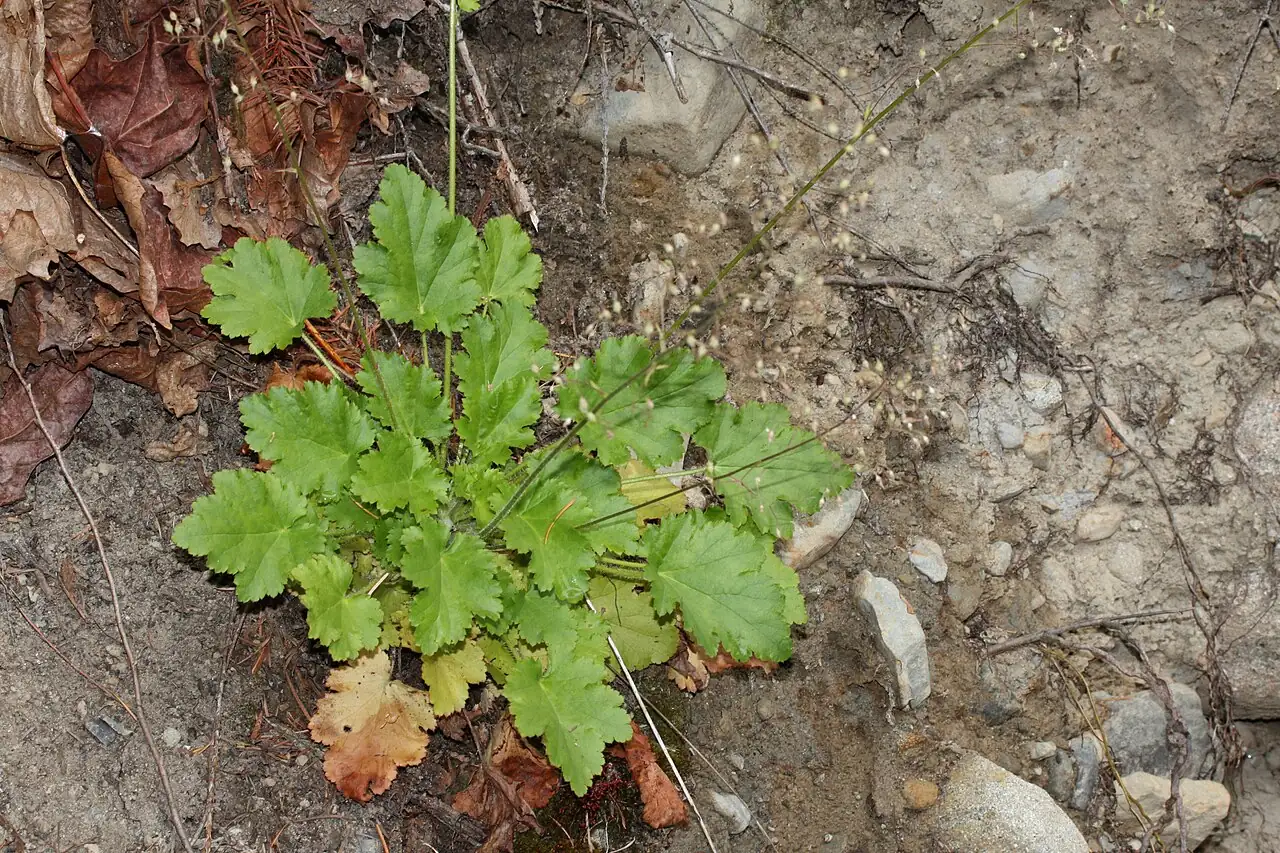
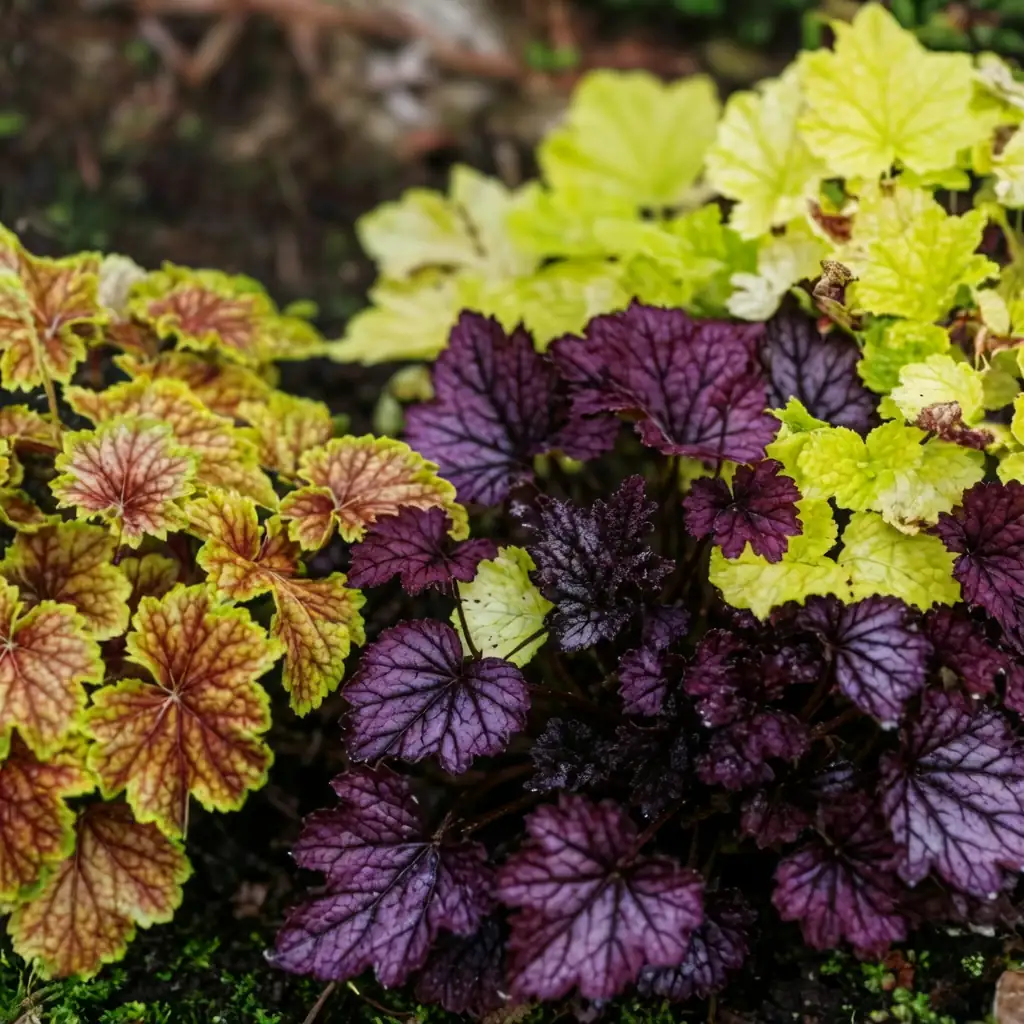
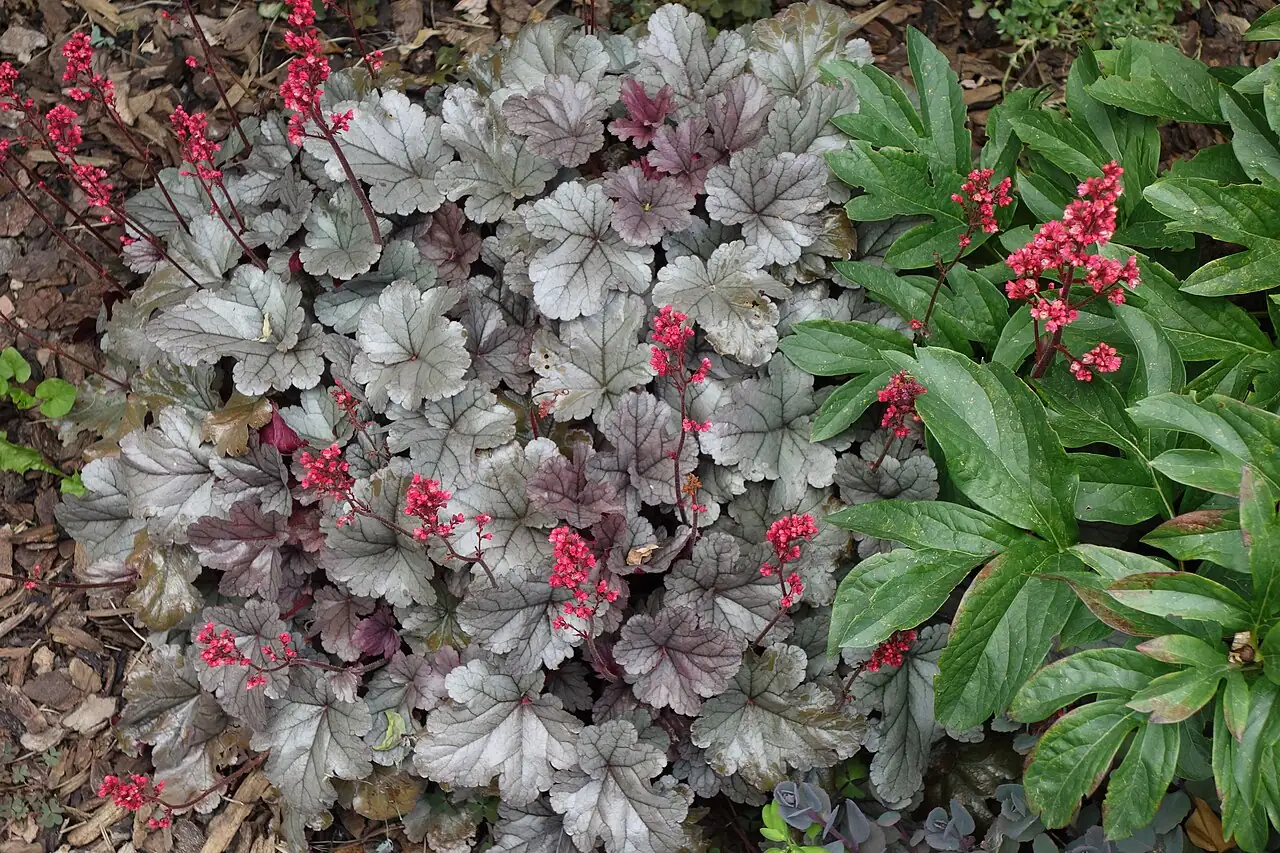
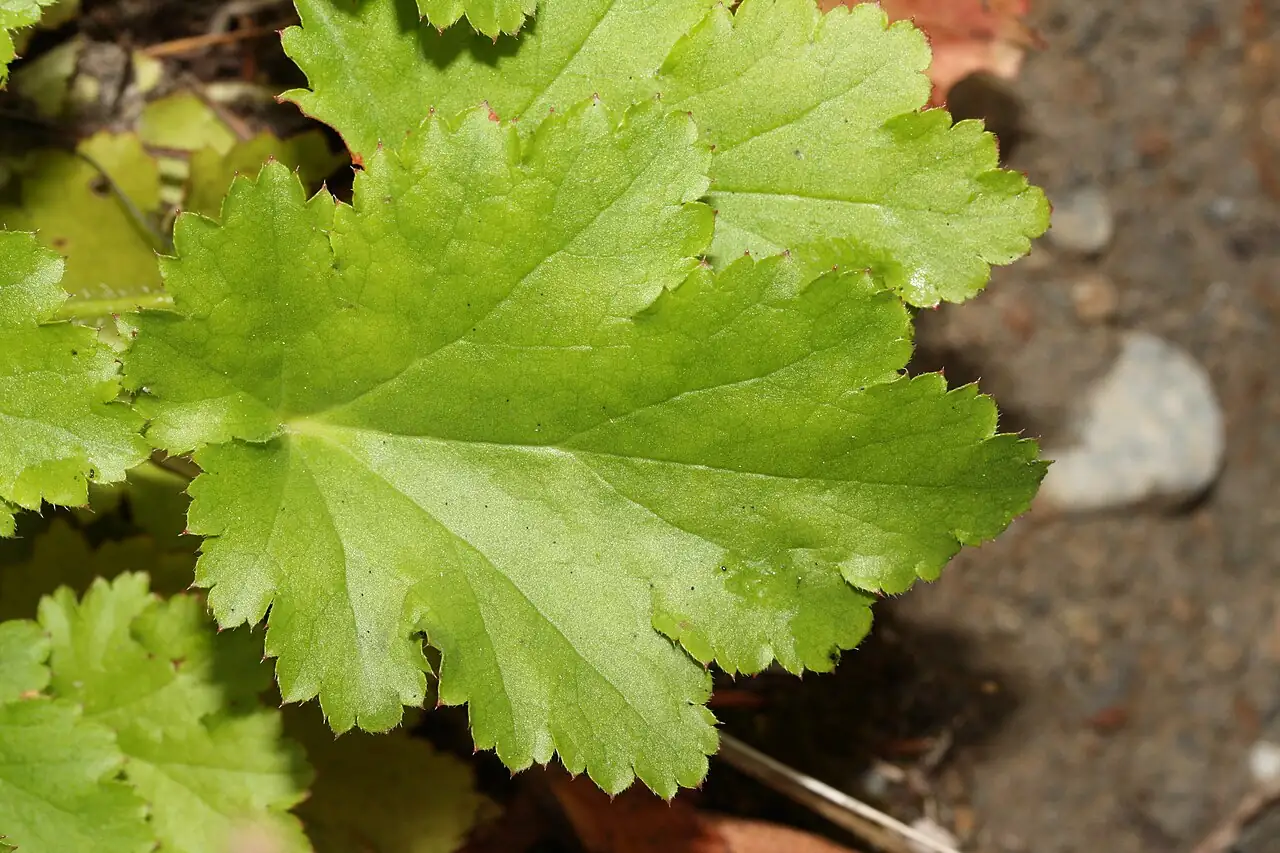
- Foliage: Leaves arise from basal rosettes, broad and heart-shaped. Mature leaves are commonly about 20–25 cm (8–10 in) long. Foliage color is quite variable, and plants may be semi-evergreen to evergreen where winters are mild.
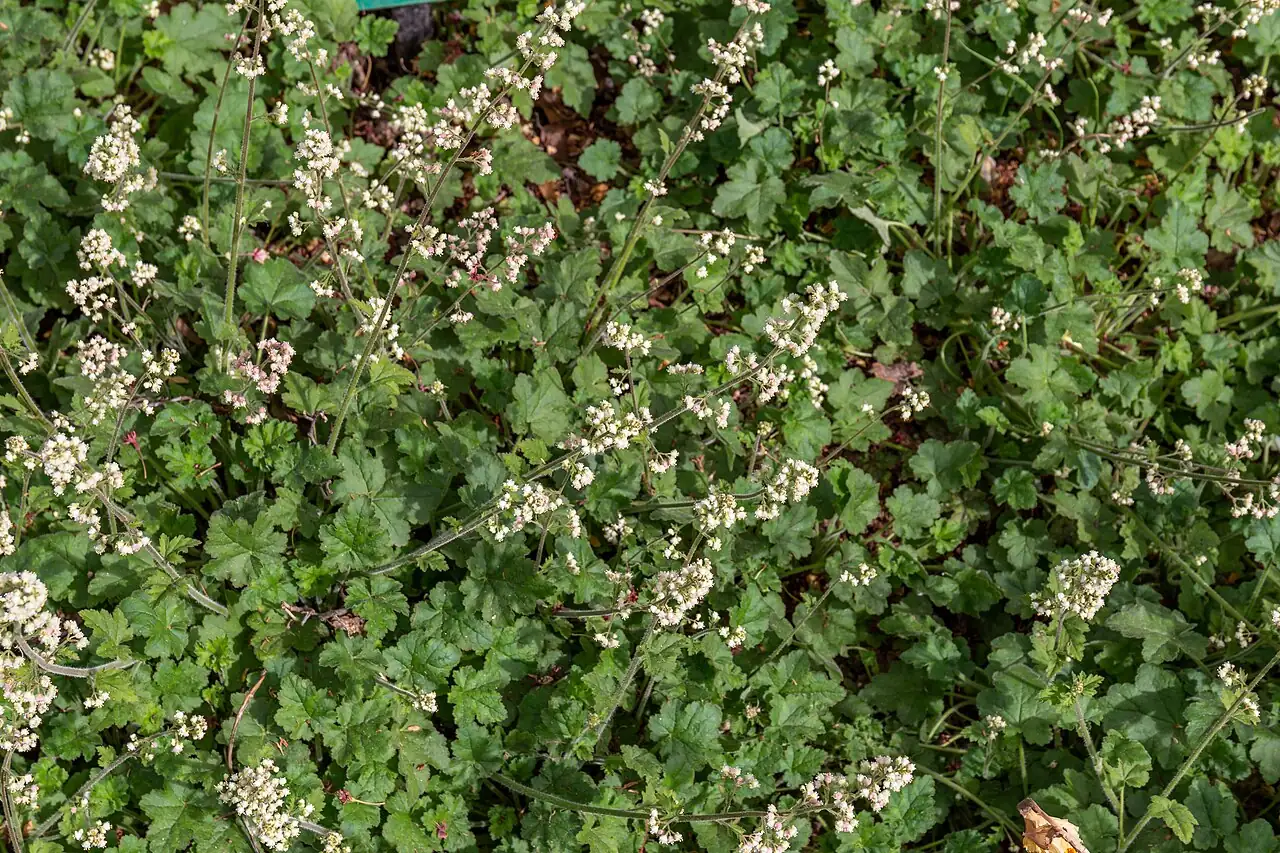
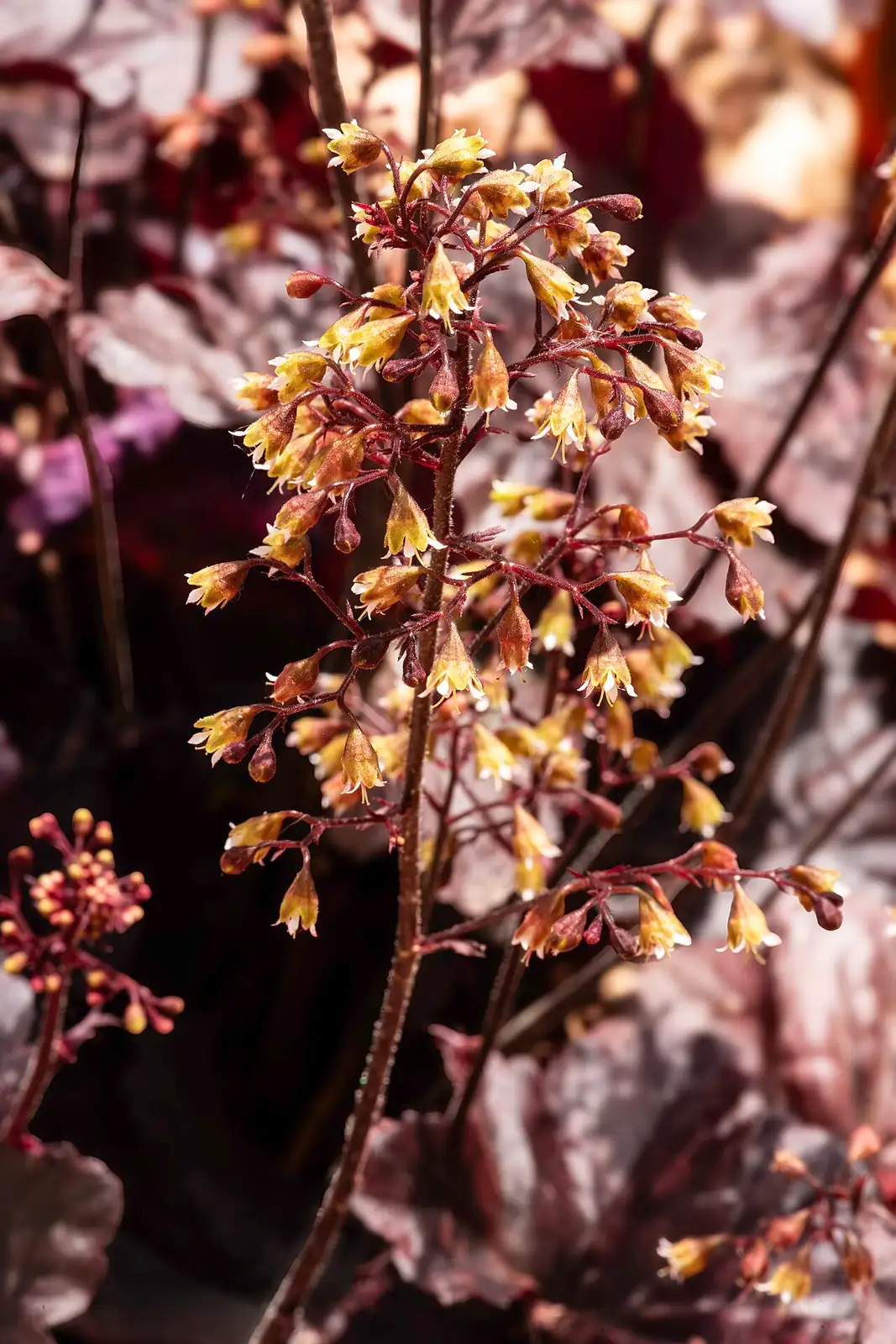
- Flower: Produces many tiny, bell-shaped flowers held in branched, open, airy spikes above the foliage. Flowers are often pinkish-red; each bloom is about 0.6–1.2 cm (0.24–0.47 in) across.
- Flowering Season: April–June
- Growth Habit: Herbaceous to semi-evergreen, shallow-rooted, clump-forming perennial with leaves emerging from the base and flower stems rising above.
Environment
Sunlight
Full sun to partial shade; in hot climates, give morning sun and afternoon shade for best leaf quality.
Temperature
Cold hardy and happiest in cool to mild conditions. Evergreen foliage is more likely when winter temperatures stay above about 0°C (32°F).
Humidity
Prefers evenly moist conditions; tolerates average humidity as long as the root zone doesn’t dry out completely.
Soil
Fertile, humus-rich, well-drained soil. Also performs well in rocky or gritty mixes if moisture remains consistent; avoid waterlogged winter soil.
Placement
Borders, beds, and mixed plantings; especially good at woodland edges and as an underplanting beneath open-canopy trees. Works well in containers when drainage is excellent.
Hardiness
USDA Zone 4–9 (approx. -34 to -1°C / -30 to 30°F), varying with local conditions and selections.
Care Guide
Difficulty
Easy to moderate. It’s very dependable when soil stays evenly moist but drains well; the main pitfalls are prolonged drought and soggy winter conditions (especially around the crown).
Buying Guide
Look for a firm, healthy crown and clean foliage without spotting. Avoid plants sitting in sour-smelling, waterlogged mix, and skip any with crowns that look lifted/heaved or unstable in the pot.
Watering
Water regularly to keep soil evenly moist, especially during the first growing season. Once established, water during dry spells. Aim for “moist, not soggy”—constant saturation can lead to crown and root problems.
Fertilization
In spring, top-dress with compost or use a balanced slow-release fertilizer at label rates. Don’t overfeed; excessive fertility can reduce foliage quality and make growth floppy.
Pruning
Snip off spent flower stems after bloom for a neat look. In late winter or early spring, remove tired, damaged, or weathered leaves to refresh the clump.
Propagation
Divide clumps in spring or early autumn. Seed is also possible, but seedlings may not match the parent plant’s foliage color (especially in cultivated selections).
Repotting
In containers, repot or refresh the top layer of potting mix every 1–2 years. Ensure excellent drainage and keep the crown at the soil surface—do not bury it.
📅 Seasonal Care Calendar
Spring: clean up foliage, divide if needed, and feed lightly. Summer: keep moisture even and mulch to cool roots. Autumn: optional division and tidying. Winter: mulch lightly to reduce freeze–thaw heaving; avoid wet, heavy soil around the crown.
Pests, Diseases & Safety
Common Pests & Diseases
Can be affected by vine weevil (especially larvae on container plants), aphids on flower stems, and leaf spot or powdery mildew in crowded, damp conditions. Improve airflow, avoid late-day overhead watering, remove infected leaves, and monitor container plants closely for vine weevil.
Toxicity
Generally considered non-toxic to people and pets, though nibbling any plant can cause mild stomach upset in sensitive individuals.
Culture & Symbolism
Symbolism: Often linked with quiet resilience and enduring beauty—hardy, steady, and attractive well beyond bloom time.
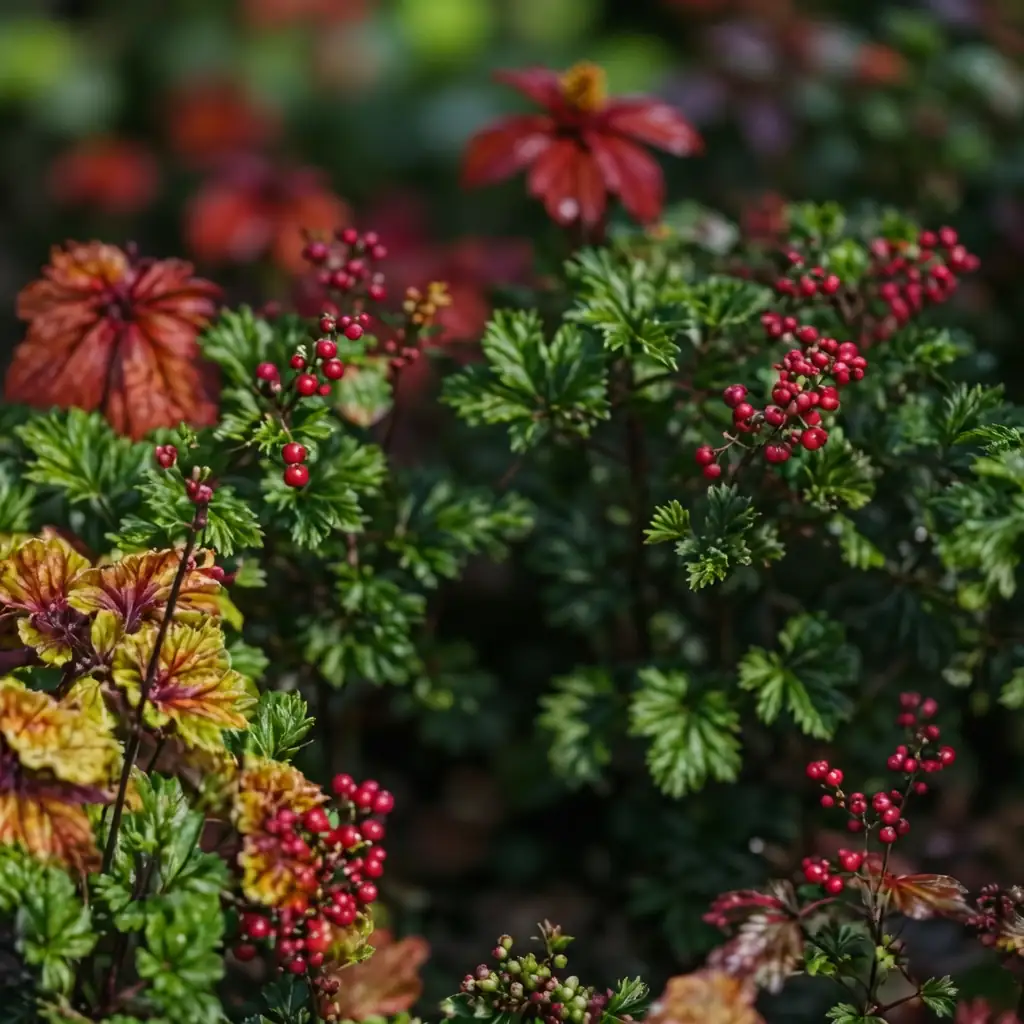
History & Legends: Heuchera are North American natives that have long been appreciated as adaptable garden perennials. Modern breeding—often using multiple Heuchera species, including H. micrantha—has greatly expanded the range of leaf colors and patterns seen in today’s “coral bells.”
Uses: Primarily ornamental: valued for colorful foliage, airy flower sprays, and season-long structure. Great in beds, borders, woodland-style plantings, and mass plantings; also a strong container plant when kept evenly moist and well drained.
FAQ
When does it bloom?
Typically April–June.
When does it set fruit/seed?
Usually from late spring into early summer, often overlapping the bloom period (around April–June), depending on climate.
How tall does it get?
About 50–80 cm (20–31 in) tall in flower; the foliage mound is usually shorter.
Where is it native, and where does it grow naturally?
Native to western North America, where it commonly grows in moist, rocky mountain habitats and along cliff edges.
What growing conditions does it like best?
Sun to partial shade (with afternoon shade in hot areas), and fertile, humus-rich, well-drained soil kept evenly moist. It’s cold hardy and can stay evergreen in mild-winter climates.
Fun Facts
- In mild climates, the foliage can look good through winter, providing year-round garden color.
- The flowers are tiny, but they appear in airy sprays that hover above the leaves like a soft mist.
- Many plants sold as “coral bells” are hybrids; Heuchera micrantha is one of the species that helped shape modern cultivars.


