

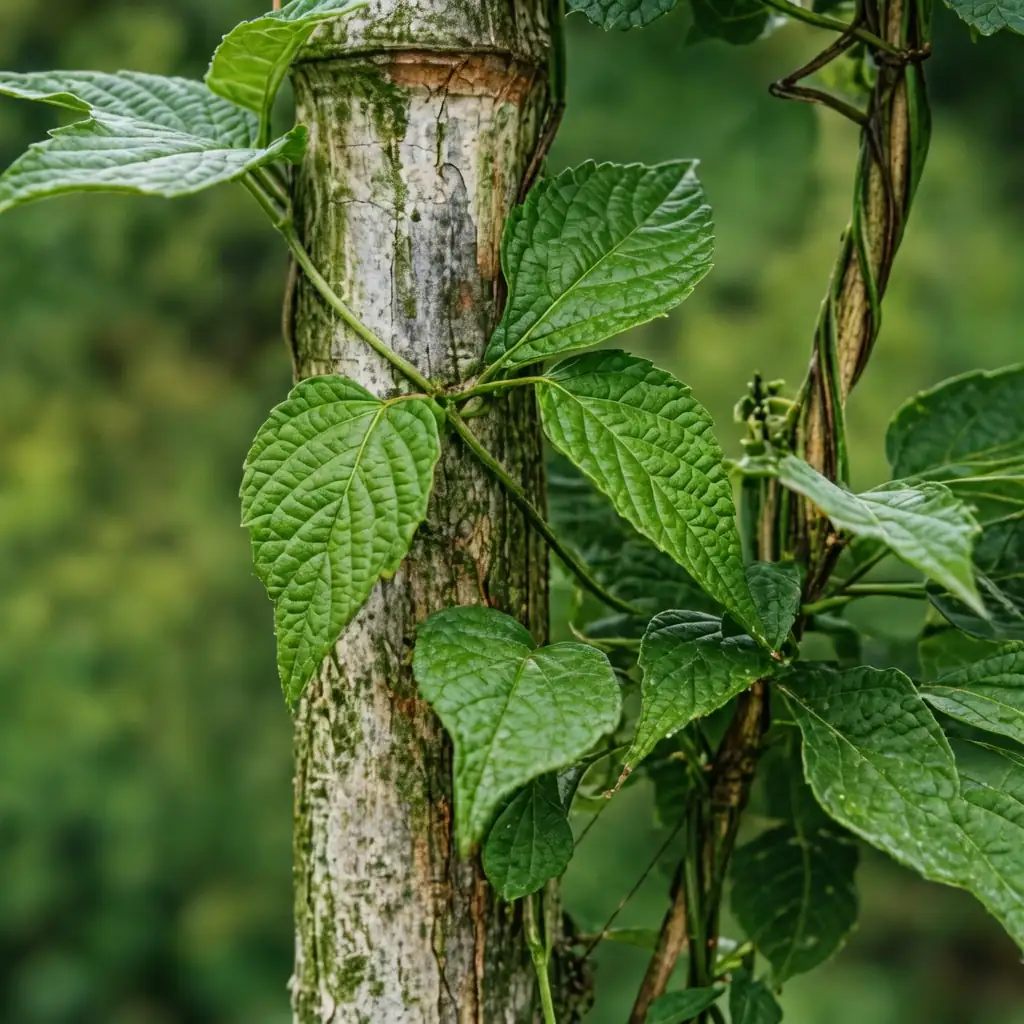
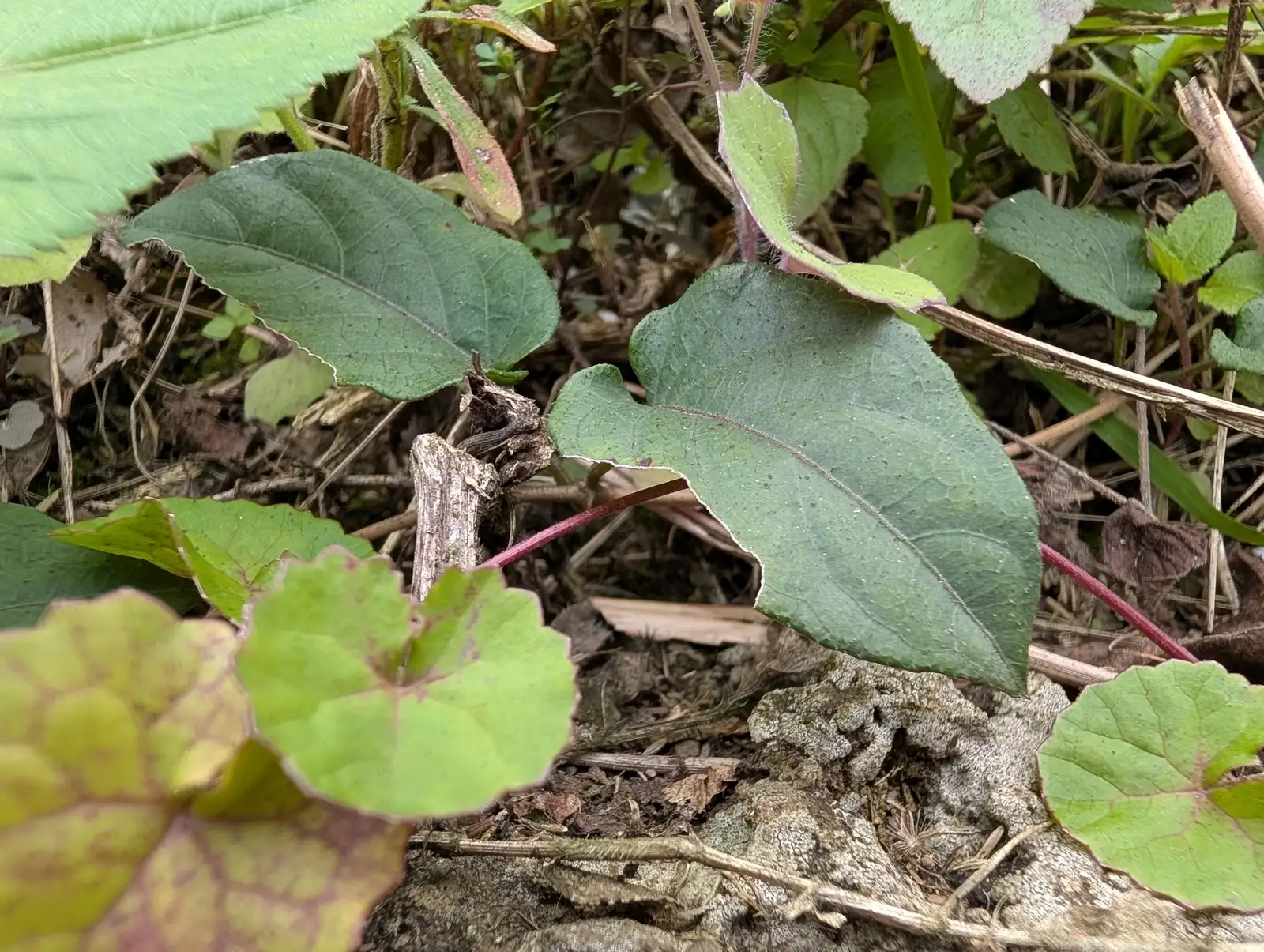
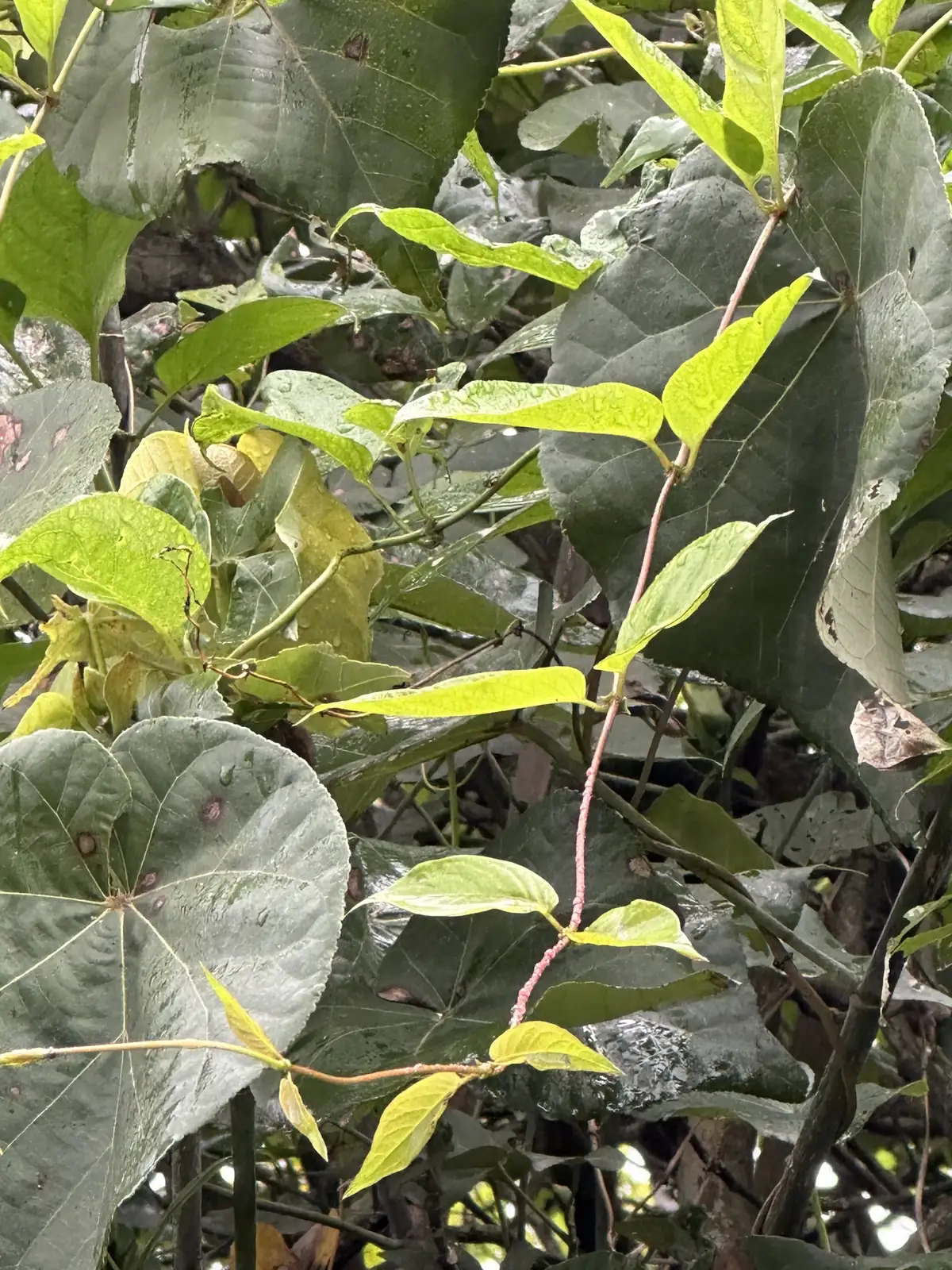
Plant Features
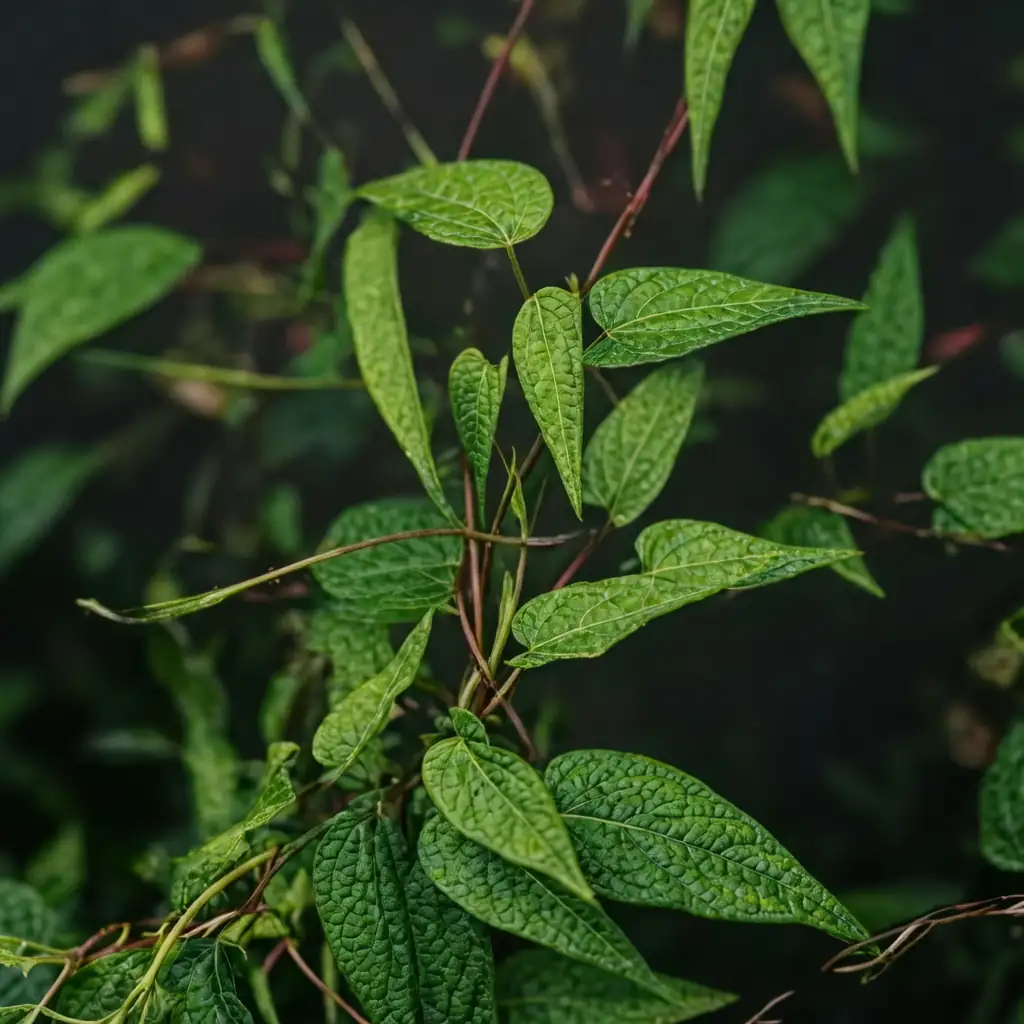
- Size: Climbing/twining vine; stems typically reach 3–5 m (9.8–16.4 ft) long.
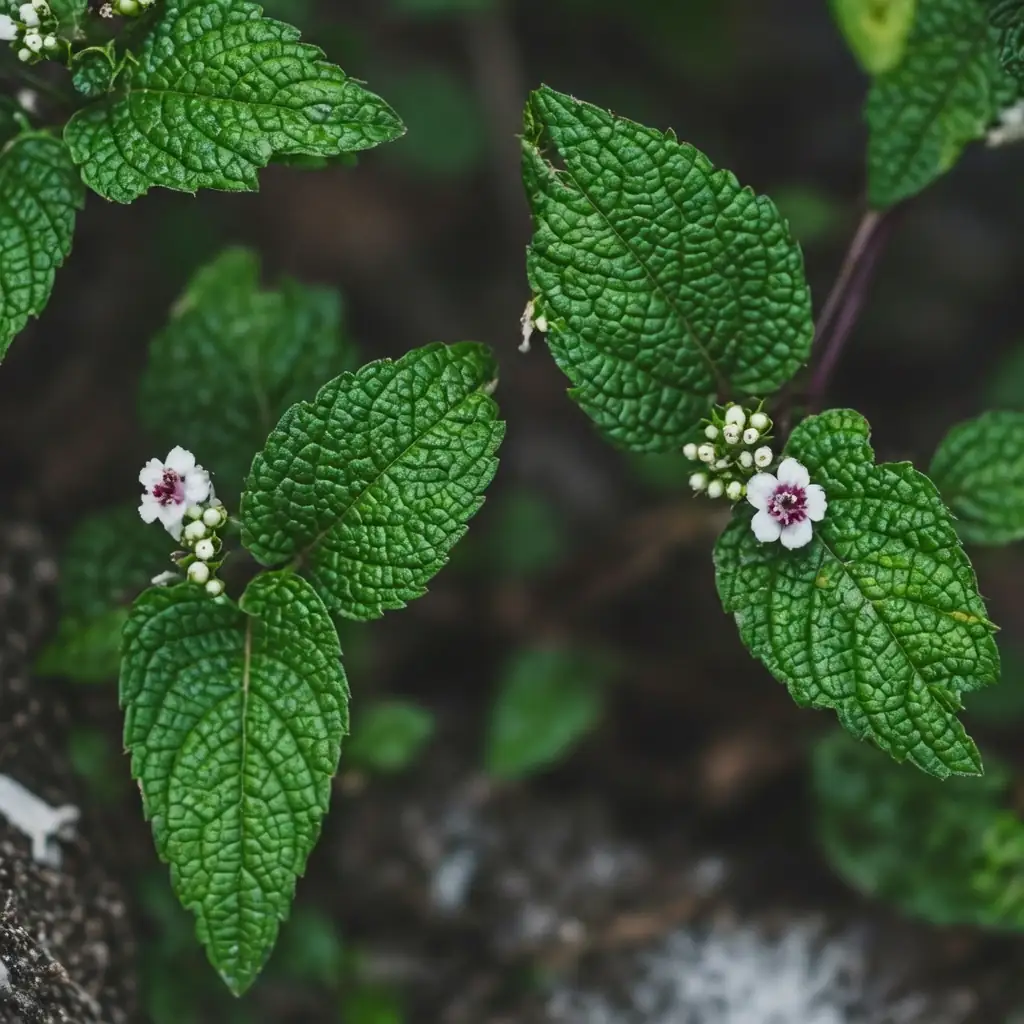
- Foliage: Leaves are opposite, papery to slightly leathery, and highly variable in shape—often ovate, oblong-ovate, or lanceolate, usually with a pointed tip. When crushed, foliage releases a strong, distinctive odor.
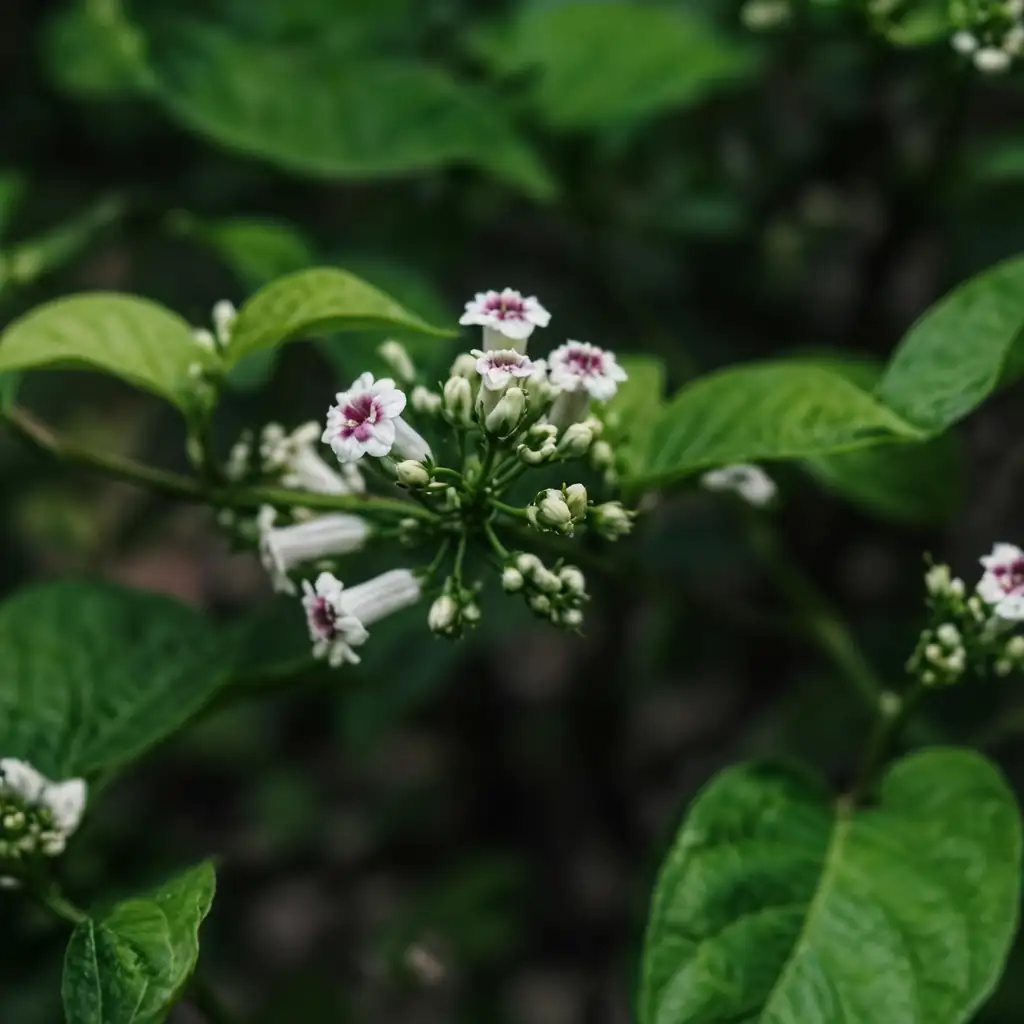
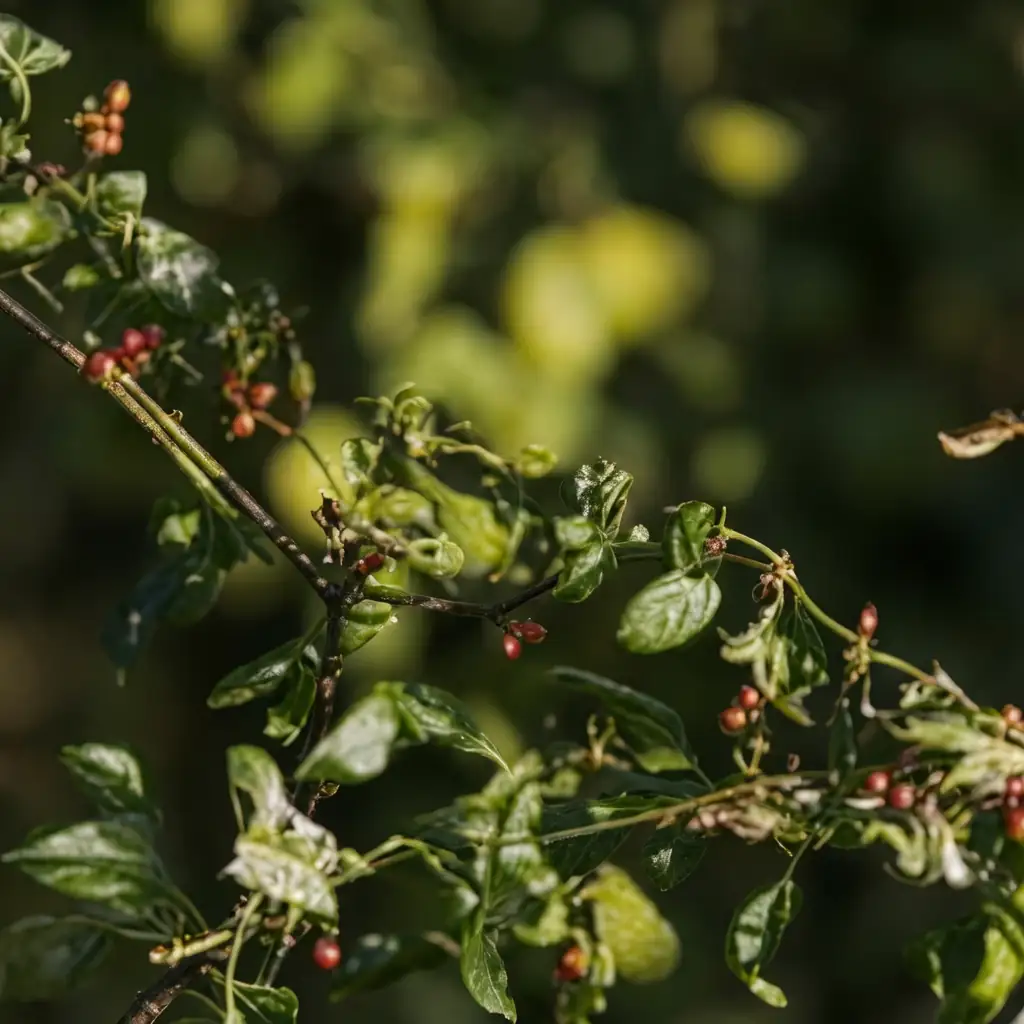
- Flower: Small, pale lavender tubular flowers in clusters; followed by smooth, spherical fruits (berries) that become yellowish and glossy when ripe.
- Flowering Season: May–July
- Growth Habit: Perennial twining/climbing vine that scrambles through shrubs and thickets, and can also be trained as a groundcover or up supports.
Environment
Sunlight
Best in full sun to partial shade; in hotter climates, light afternoon shade helps reduce stress.
Temperature
Prefers warm conditions; typical growing range about 15–30°C (59–86°F). Protect from hard frost.
Humidity
Prefers moderate to high humidity; performs best at ~50%+ relative humidity (50%+ RH).
Soil
Fertile, deep, consistently moist but well-drained sandy loam. Avoid waterlogged soils to prevent root problems.
Placement
Outdoors on slopes, rocky banks, and along low walls for quick cover; trained on trellises, pergolas, or fences for vertical greening; can be used as a living screen if regularly trimmed.
Hardiness
Roughly USDA Zone 8–11; tolerance varies with local winter severity and shelter. Not reliable in areas with hard, prolonged freezes.
Care Guide
Difficulty
Easy to moderate. Very vigorous once established; the main “challenge” is simply keeping it trained and trimmed so it doesn’t overrun nearby plants.
Buying Guide
Choose plants with firm, green stems and healthy, unspotted leaves. Avoid pots with sour-smelling, soggy media or plants showing heavy pest presence. For small gardens, start with a younger plant and plan a support system early.
Watering
Keep evenly moist during establishment. After it’s rooted in, water when the top 2–5 cm (1–2 in) of soil feels dry. Increase frequency during hot weather; reduce in cool seasons to avoid soggy roots.
Fertilization
Feed in spring and summer with a balanced fertilizer at half strength every 4–6 weeks, or top-dress with compost. Go easy on high-nitrogen feeding if you want better flowering rather than pure leafy growth.
Pruning
Prune after flowering or any time it becomes unruly. Remove weak, tangled, or inward-growing stems; trim back to shape. Provide a trellis and tie in new shoots to guide growth.
Propagation
Easily propagated by stem cuttings (softwood to semi-hardwood) or by layering. Cuttings root best in warm conditions with higher humidity and a free-draining mix.
Repotting
If grown in a container, repot every 1–2 years in spring, stepping up about 2–5 cm (1–2 in) in pot diameter. If not repotting, refresh the top layer of mix annually.
📅 Seasonal Care Calendar
Spring: restart feeding; train and tie in fresh growth. Summer: keep moisture steady; trim to control spread; enjoy flowers. Autumn: ease off fertilizer; tidy and lightly prune. Winter: protect from hard frost; water sparingly.
Pests, Diseases & Safety
Common Pests & Diseases
Generally resilient. On stressed plants, watch for aphids, spider mites, and scale. Root rot or decline can occur in poorly drained, waterlogged soil—improve drainage, avoid overwatering, and increase airflow. Treat pests with horticultural soap or horticultural oil as needed.
Toxicity
Not clearly established as toxic in common ornamental-plant references, but it is not a food plant in typical home-garden use. Prevent children and pets from chewing it. The strong odor released when crushed may irritate sensitive individuals.
Culture & Symbolism
Symbolism: Often linked with resilience and tenacity—once it gets going, it clings, climbs, and keeps growing with determination.
Uses: Ornamental landscape vine for fast coverage: stabilizing and greening slopes and rocky banks, softening walls, forming screens/hedges with pruning, and training over trellises or arbors for vertical greenery.
FAQ
Why does skunkvine smell when the leaves are crushed?
It contains aromatic compounds that release a strong odor when tissues are damaged. It’s normal, and it’s the reason behind the common name.
Can I grow skunkvine in a pot?
Yes—just plan for speed. Give it a sturdy support, use a rich but well-draining mix, prune regularly, and repot every 1–2 years to keep it healthy and manageable.
Fun Facts
- A perennial twining vine with stems commonly reaching 3–5 m (9.8–16.4 ft).
- Leaves grow in opposite pairs and can vary widely in shape—even on the same plant.
- Blooms in late spring to summer (May–July) with small, pale lavender tubular flowers.
- Produces smooth, round fruits that ripen to a yellowish, glossy look.
- Naturally common along forest edges, valleys, ditches, and shrub thickets in southern China, where it climbs over other vegetation.


