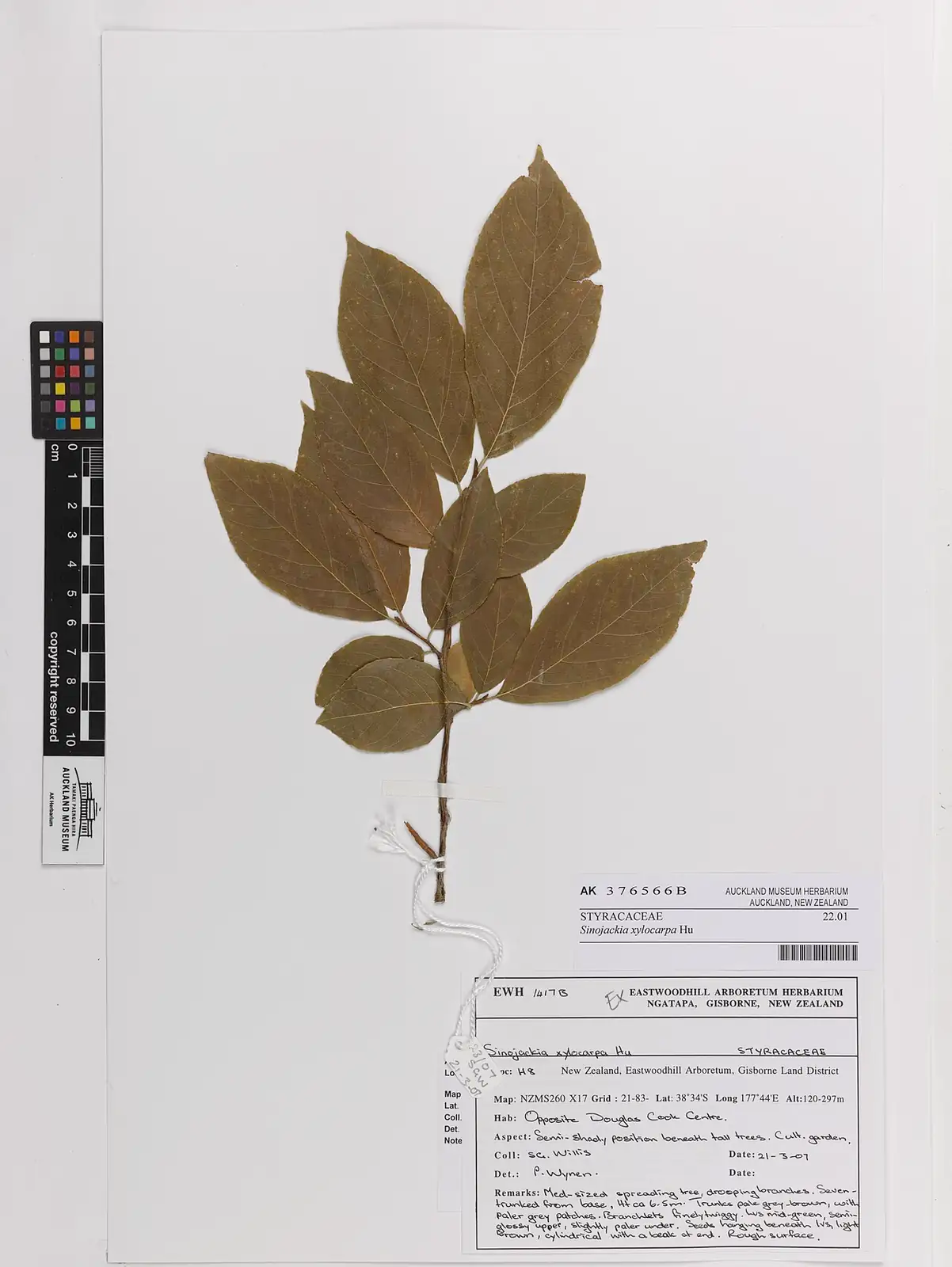
Plant Features
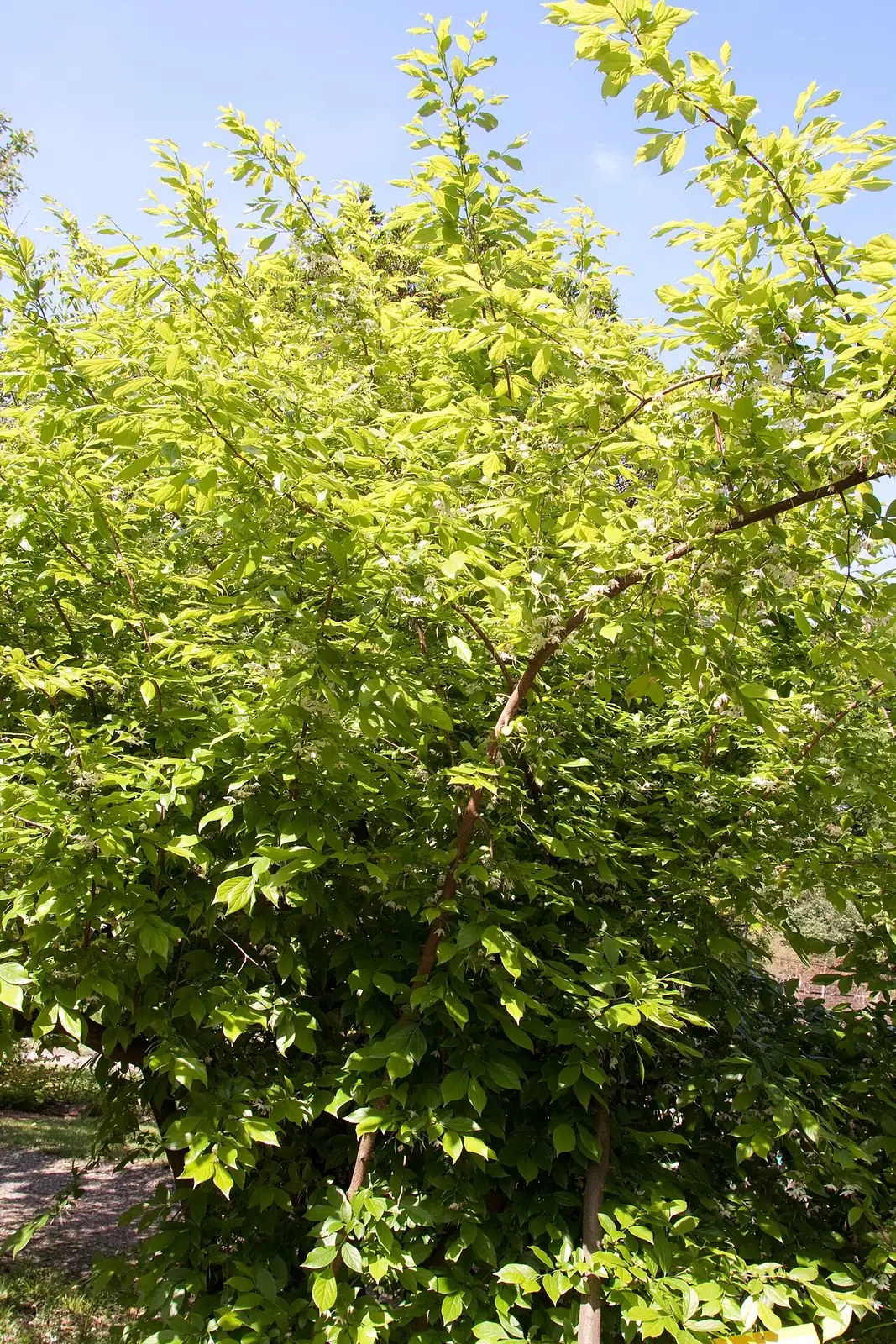
- Size: Up to about 7 m (23 ft) tall; forms a dense, rounded crown.
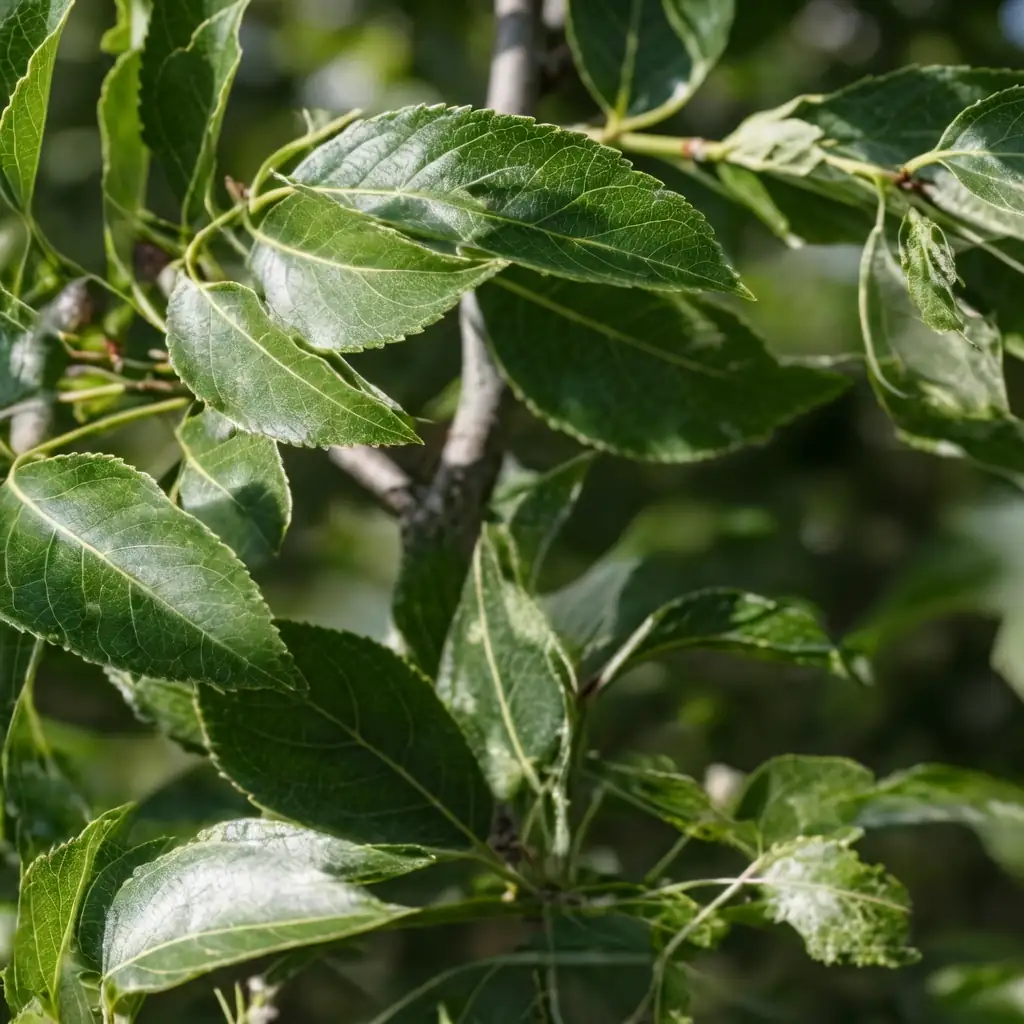
- Foliage: Young shoots are gray-brown and densely coated with short, star-shaped hairs. Leaves are papery, generally obovate to elliptic, creating a full, leafy look through the growing season before dropping in autumn.
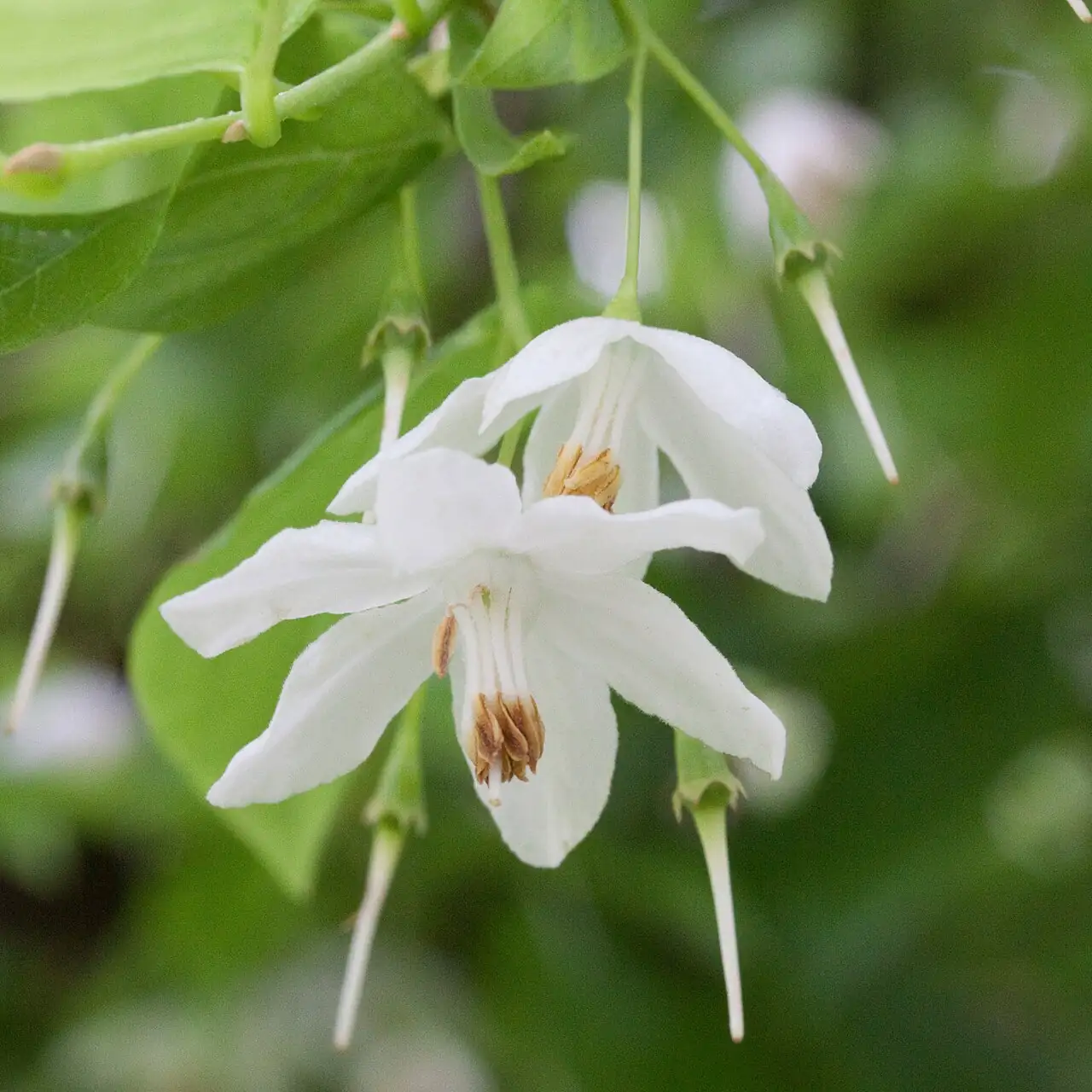
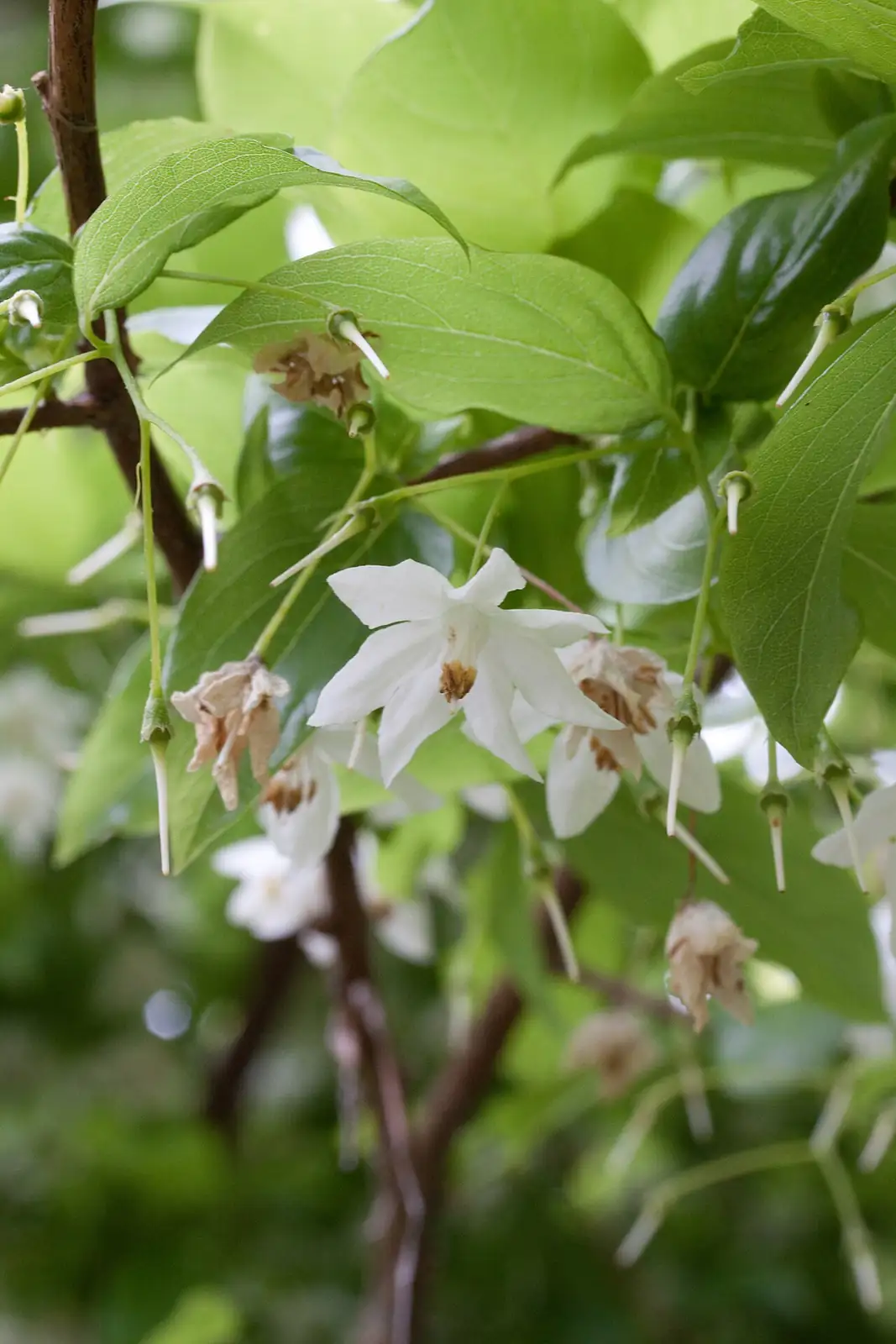
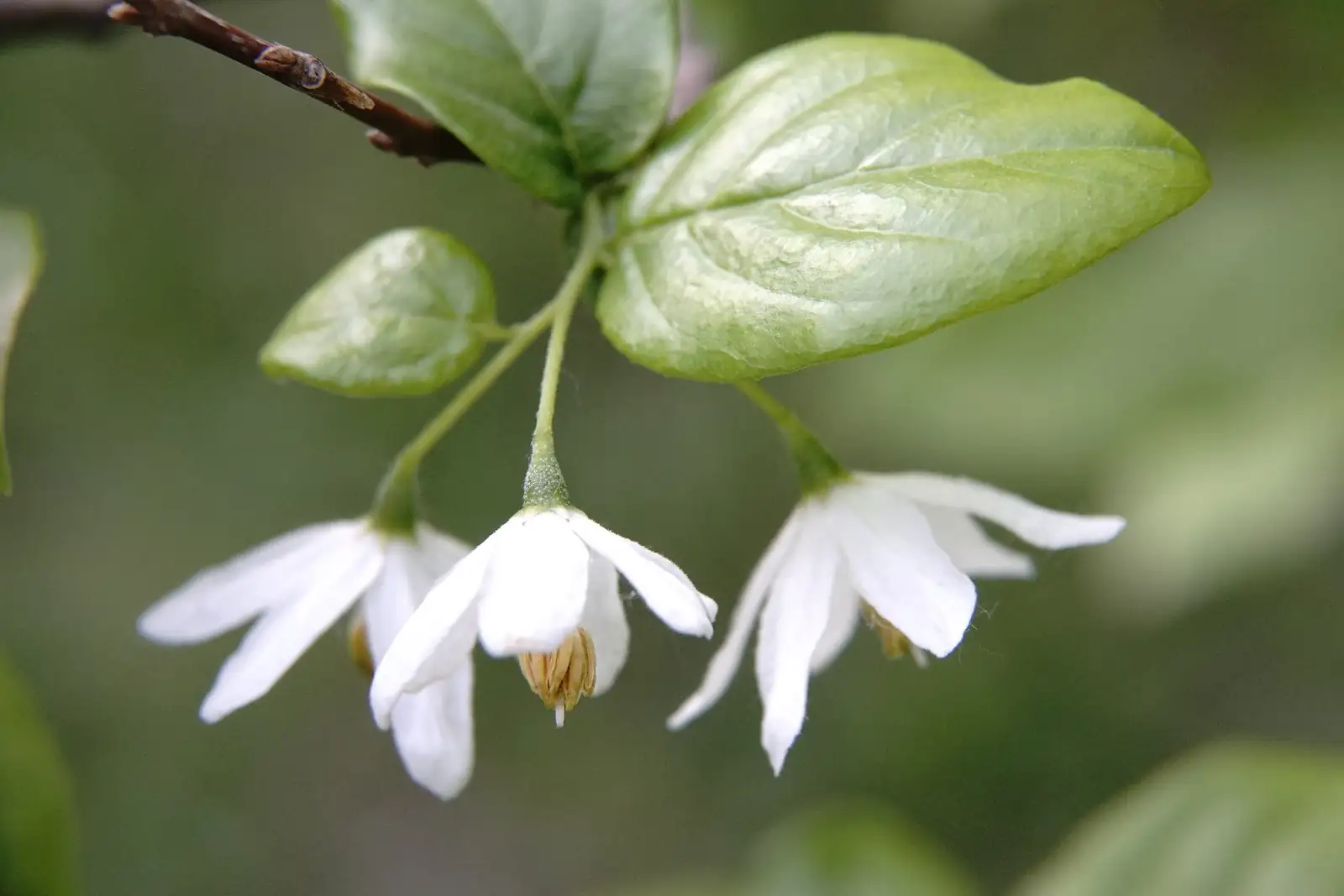
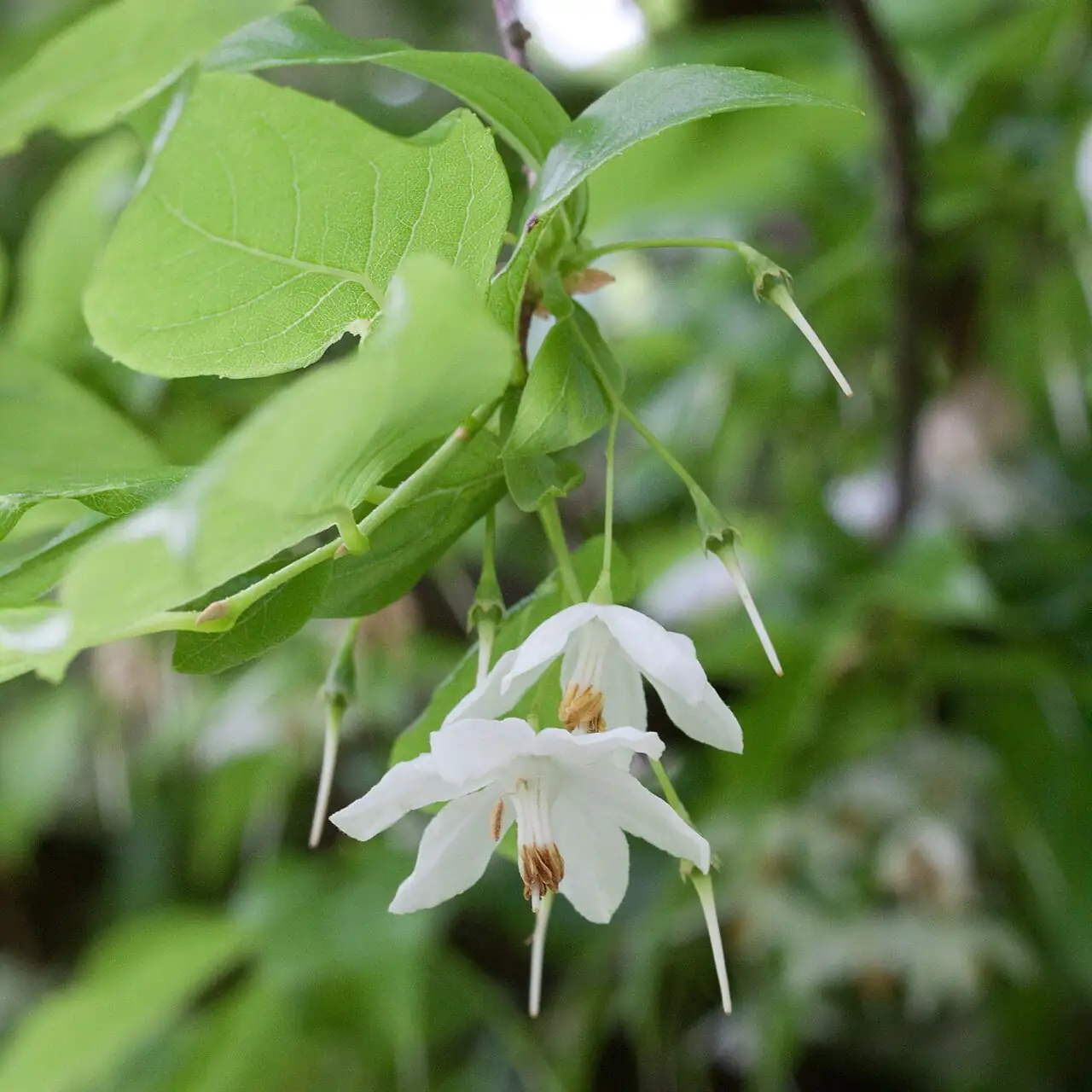
- Flower: Flowers are produced in raceme-like, cymose clusters at the ends of lateral shoots, creating a delicate spring display.
- Flowering Season: March–April (spring).
- Growth Habit: A deciduous tree with a dense crown; grown as a small landscape tree or trained as bonsai.
Environment
Sunlight
Full sun is ideal. Young plants in particular are not shade-tolerant, so avoid placing them in deep shade.
Temperature
Cold tolerant for a subtropical tree; can handle brief drops to about -16°C (3°F).
Humidity
Likes consistent moisture and does poorly with prolonged dry conditions.
Soil
Deep, fertile, moisture-retentive yet well-drained soil. Struggles in thin, dry, or nutrient-poor ground.
Placement
Best in sunny garden positions such as slopes, open woodland edges, or bright mixed borders. Looks especially good in group plantings, paired with rocks and evergreen shrubs/trees. For bonsai, keep it in a bright position and protect from extended drought.
Hardiness
Tolerates short periods down to about -16°C (3°F); best in warm-temperate to north subtropical regions.
Care Guide
Difficulty
Moderate. It’s not fussy once established, but it really rewards you if you give it rich soil, steady moisture, and plenty of sun—especially when young. The biggest pitfall is letting it dry out or planting it in poor, thin soil.
Buying Guide
Choose a healthy plant with a sturdy trunk, intact buds, and no dieback at branch tips. Avoid specimens with severely dried-out root balls. If possible, pick plants grown in well-drained, fertile media—this species dislikes being stressed by drought or nutrient-poor conditions.
Watering
Keep the soil evenly moist but never waterlogged. Water deeply during dry spells, especially in summer, and don’t allow the root zone to stay dry for long periods. Good drainage is important—moisture-retentive does not mean soggy.
Fertilization
Feed lightly in spring to support flowering and healthy growth. A balanced slow-release fertilizer or a compost top-dressing works well. Avoid over-fertilizing, especially with high nitrogen, which can push soft growth at the expense of overall balance.
Pruning
Prune lightly after flowering or during dormancy to shape the crown and remove dead, crossing, or weak shoots. Because the fruits can persist into winter, prune with your display goals in mind if you enjoy the winter “hanging counterweights” look.
Propagation
Most commonly propagated from seed (typically sown after a period of cold stratification to improve germination). Skilled growers may also try cuttings, but seed propagation is generally more reliable for this genus.
Repotting
In the ground, it rarely needs transplanting once established. For bonsai or container plants, repot in early spring before active growth, refreshing the mix to maintain fertility and drainage. Handle roots gently and keep evenly moist after repotting.
📅 Seasonal Care Calendar
March–April: flowering season—keep watering steady and avoid drought stress. July–September: fruiting period. Autumn into winter: leaves fall, but the woody fruits often remain hanging on bare branches, adding winter interest.
Pests, Diseases & Safety
Common Pests & Diseases
No specific major pests are noted in the provided sources. As with many deciduous ornamentals, watch for common issues such as aphids on soft new growth, scale insects, and occasional leaf spot in overly humid, stagnant conditions. Maintain airflow, avoid chronic overwatering, and remove fallen leaves if fungal spotting appears.
Toxicity
No reliable toxicity information is provided in the source. It is generally treated as an ornamental tree without widely reported toxicity, but if you have pets or small children, it’s still sensible to discourage eating any plant parts and consult local poison-control resources if ingestion occurs.
Culture & Symbolism
Symbolism: Often appreciated as a symbol of quiet endurance and “beauty that lasts,” thanks to its persistent fruits that decorate bare winter branches.
History & Legends: Recorded from eastern China (notably Jiangsu, including Nanjing) and known from historical cultivation around cities such as Hangzhou, Shanghai, and Wuhan—an example of a regional Chinese ornamental treasured for subtle seasonal beauty.
Uses: Primarily used as an ornamental tree. Ideal for landscape group plantings, especially on slopes or near rock features, and pairs beautifully with evergreen shrubs/trees for year-round contrast. Also suitable for training as bonsai, where the flowers and distinctive woody fruits can be highlighted.
FAQ
Why does my Sinojackia drop leaves but still have fruits hanging on the branches?
That’s one of its signature features. It’s deciduous, so leaves fall in autumn, but the egg-shaped fruits are woody and can persist on the branches into winter, creating that “counterweight” look.
Can Sinojackia grow in partial shade?
It prefers full sun, and young plants are especially not shade-tolerant. Light shade may be tolerated in some climates, but too little sun often leads to weaker growth and poorer flowering.
What’s the most common care mistake with this tree?
Letting it dry out for long periods or planting it in thin, nutrient-poor soil. It does best with fertile ground and consistent moisture (with good drainage).
Fun Facts
- The egg-shaped fruits are reddish-brown with pale lenticels, and both the outer and inner fruit walls are woody and do not split open.
- The long, narrow seeds are chestnut-brown.
- After leaf fall, the hanging fruits can remain on the branches and resemble small counterweights, giving the tree a striking winter silhouette.
- It’s a north subtropical Chinese tree recorded from eastern China and historically cultivated around Nanjing, Hangzhou, Shanghai, and Wuhan.
- It’s notably cold tolerant for a subtropical ornamental, surviving brief drops to about -16°C (3°F).