

Plant Features
- Size: Typically up to 4–5 m (13–16 ft) tall.
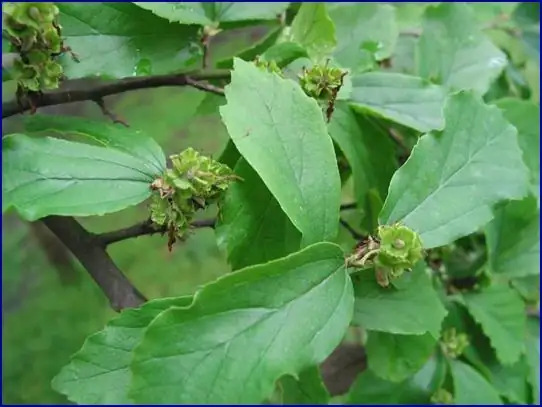
- Foliage: Leaves are thin-leathery and obovate with a blunt tip; the base is rounded to slightly heart-shaped. Upper surface green; underside paler and brownish.
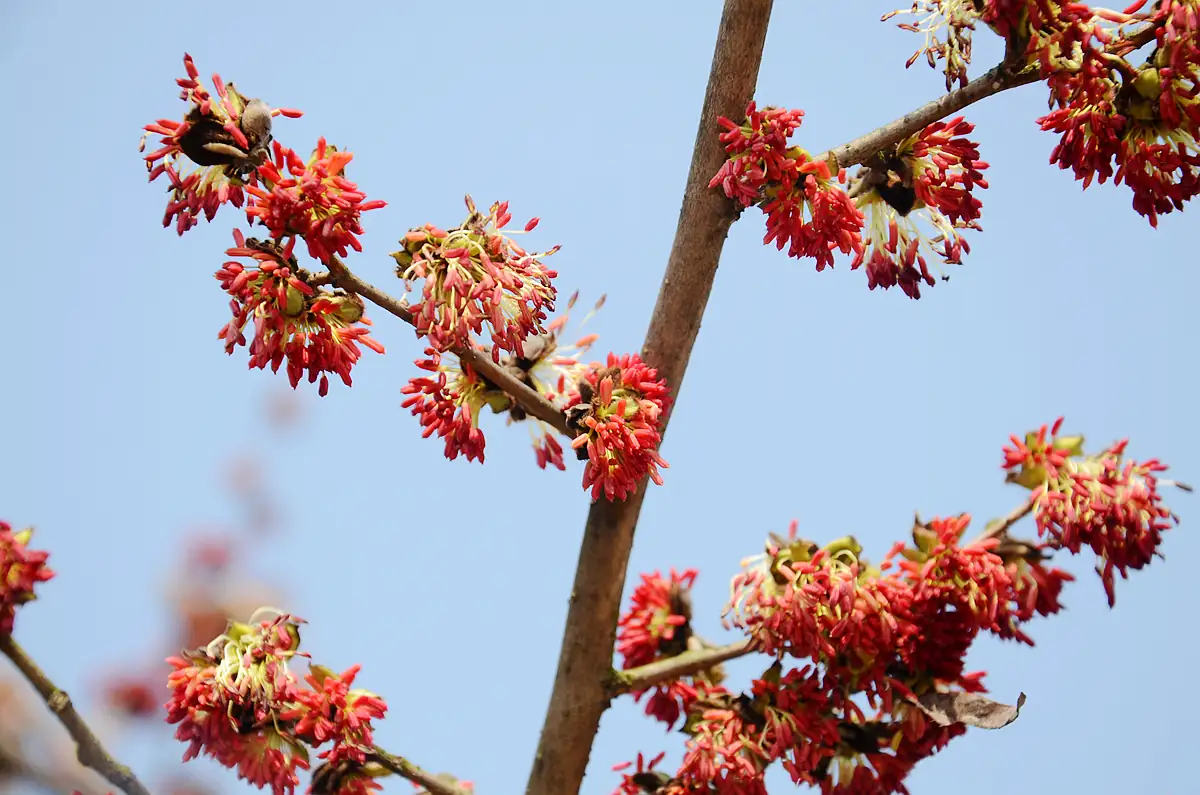
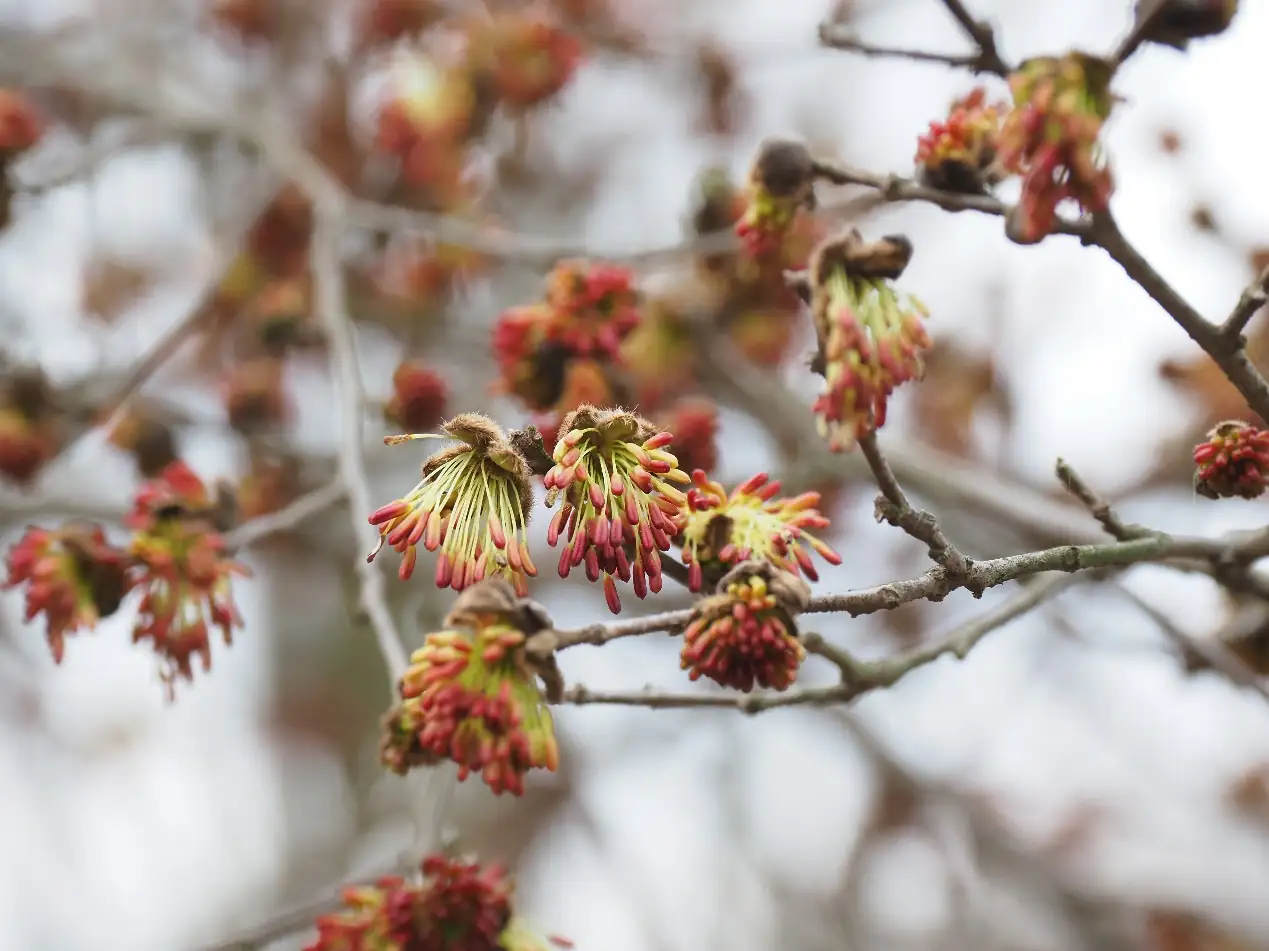
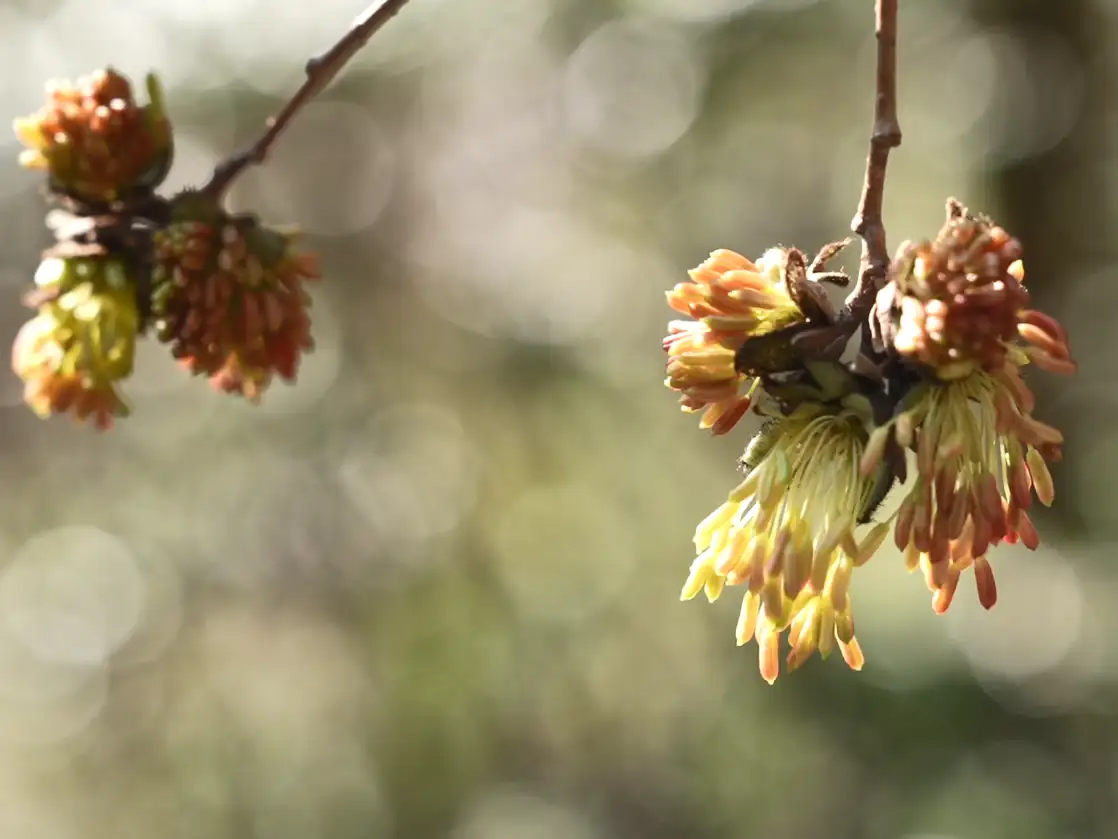
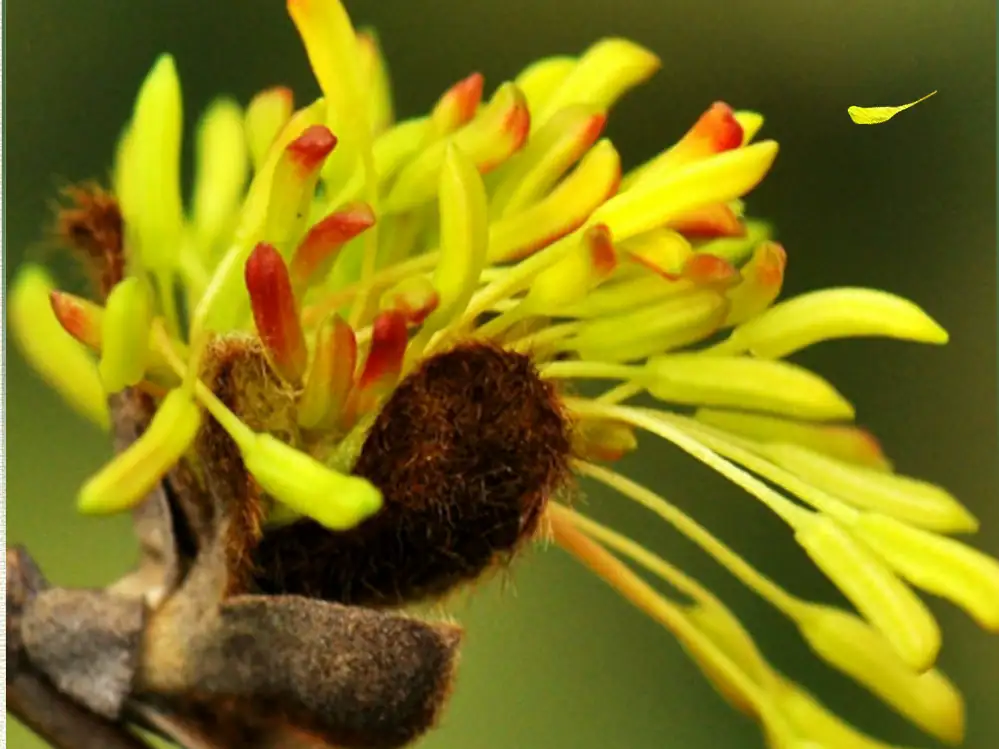
- Flower: Flower clusters form in the leaf axils on the current season’s shoots. Flowers are essentially stalkless with a shallow cup-shaped floral tube; the calyx lobes are broadly oval with rounded tips. Petals are very narrow and ribbon-like, creating the signature “silver thread” effect. Fruit is a nearly round capsule; seeds are spindle-shaped, pointed at both ends, and glossy brown.
- Flowering Season: May
- Growth Habit: Deciduous small tree with small, exposed buds that are softly hairy.
Environment
Sunlight
Full sun to light shade; best flowering in full sun.
Temperature
Temperate conditions; protect from extreme heat and severe cold. Ideal growing range about 10–28°C (50–82°F).
Humidity
Average outdoor humidity. Avoid prolonged stagnant, overly humid conditions in dense shade; good airflow helps prevent leaf spot issues.
Soil
Well-drained soil. Tolerates relatively infertile soils, but performs best in loam enriched with organic matter and kept evenly moist (never waterlogged).
Placement
Plant as a specimen tree in gardens/parks or train as bonsai. Choose a bright, open position with good air movement. In containers, keep outdoors in sun during the growing season and shelter from harsh winter winds and severe freezes.
Hardiness
Cold-hardy in temperate regions; exact USDA zone placement is not well standardized for this rare species. Provide winter protection where hard freezes are common, especially for potted plants.
Care Guide
Difficulty
Moderate to easy outdoors once established: adaptable, sun-loving, drought-tolerant, and able to cope with lean soils. Young plants establish best with consistent moisture.
Buying Guide
Choose plants with firm buds and healthy, unblemished leaves (in season). Avoid specimens with blackened twigs, soft roots, or sour-smelling potting mix. If buying for bonsai, look for an interesting trunk line and good low branching.
Watering
In the ground: water deeply during the first 1–2 growing seasons; afterward, water during extended dry spells. In pots/bonsai: water when the top 2–3 cm (0.8–1.2 in) begins to dry; don’t keep the rootball soggy.
Fertilization
Apply a balanced slow-release fertilizer in spring, or feed lightly every 4–6 weeks during active growth. For bonsai, use low-dose, steady feeding; avoid heavy nitrogen that leads to coarse growth.
Pruning
Prune after flowering or in late winter while dormant to shape and remove crossing, weak, or dead wood. For bonsai, pinch or trim new shoots during the growing season to maintain structure.
Propagation
Most commonly by seed (fresh seed often performs best). Semi-hardwood cuttings may work with humidity control and rooting hormone, though success can be variable.
Repotting
For container plants/bonsai, repot every 2–3 years (or when rootbound), ideally in early spring before budbreak. Use a free-draining mix and trim roots conservatively.
📅 Seasonal Care Calendar
Spring: repot/feed and monitor new growth. Late spring (around May): enjoy flowering; prune lightly after bloom if shaping. Summer: water during heat/drought; maintain airflow. Autumn: reduce feeding; enjoy yellow foliage. Winter: keep dormant plants cool; protect potted plants from severe freezes and drying winds.
Pests, Diseases & Safety
Common Pests & Diseases
Generally trouble-free. Possible issues include aphids on tender shoots, scale insects, and leaf spots in persistently wet, poorly ventilated conditions. Improve airflow, avoid overhead watering, and treat pests with horticultural oil/soap when needed.
Toxicity
No well-documented toxicity to people or pets; treat as non-edible and keep out of reach of pets that chew plants.
Culture & Symbolism
Symbolism: Often admired as a symbol of refined beauty and resilience—delicate, thread-like flowers held on a surprisingly tough, adaptable tree.
History & Legends: A relatively rare tree native to parts of eastern China, better known through botanical discovery and horticultural collecting than through widespread folklore.
Uses: Ornamental: grown for its distinctive silver, thread-like flowers and yellow autumn foliage; used as a specimen tree and as a bonsai subject. Wood: hard and straight-grained, traditionally valued as quality timber.
FAQ
Why isn’t my plant flowering well?
Too little light is the most common reason—move it to a sunnier spot for better bloom. Also avoid heavy nitrogen fertilizer, and make sure the plant isn’t stressed by drought while it’s setting buds.
Can it be grown in a pot or as bonsai?
Yes. Use a fast-draining substrate, water carefully (never waterlog), give strong light, and repot every 2–3 years to keep the root system vigorous.
Fun Facts
- The flowers have extremely narrow, ribbon-like petals that really do resemble fine silver threads.
- It offers two seasons of interest: spring flowering and yellow autumn foliage.
- The wood is notably hard with a straight grain and has been valued for timber.
- In the wild it often grows in secondary mixed woodland along valley bottoms and streamside gullies on lower hillslopes in eastern China.


