

Plant Features
- Size: Up to about 45 × 45 cm (18 × 18 in) in containers
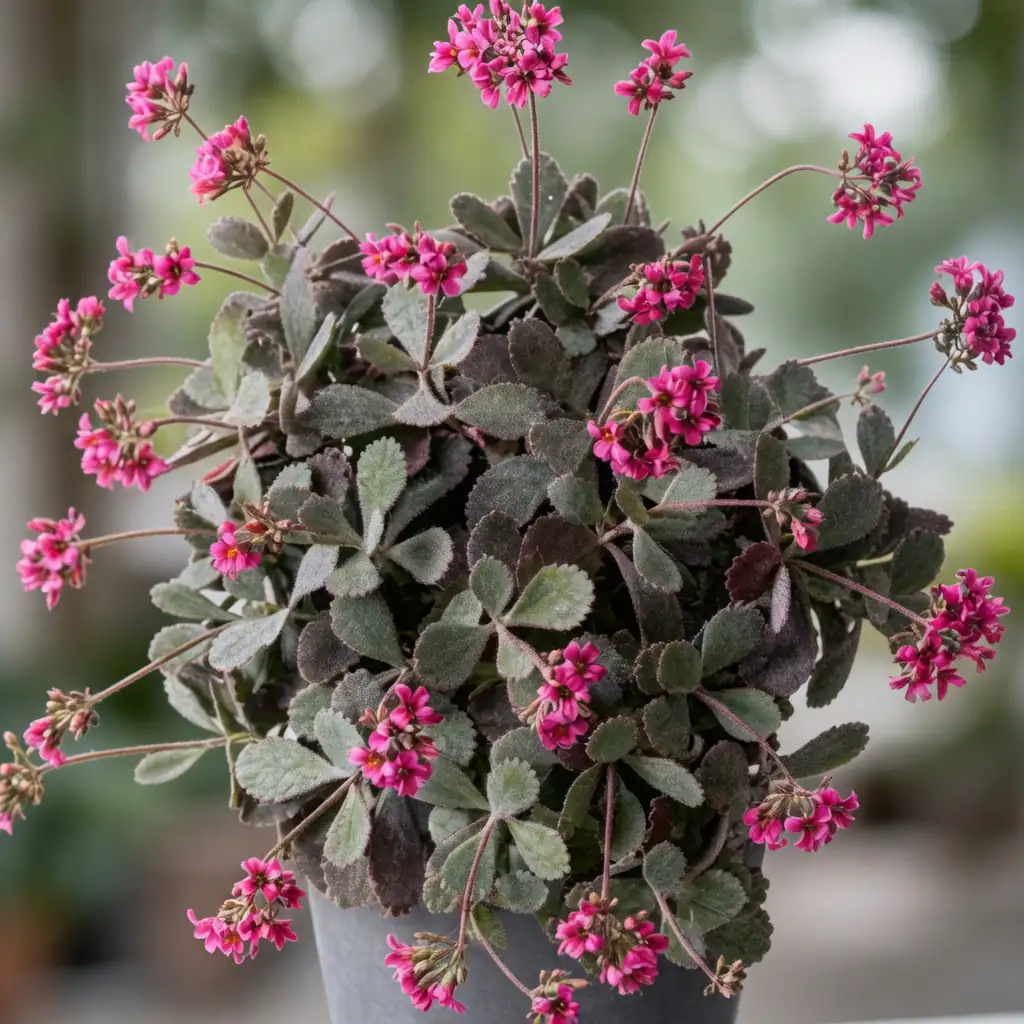
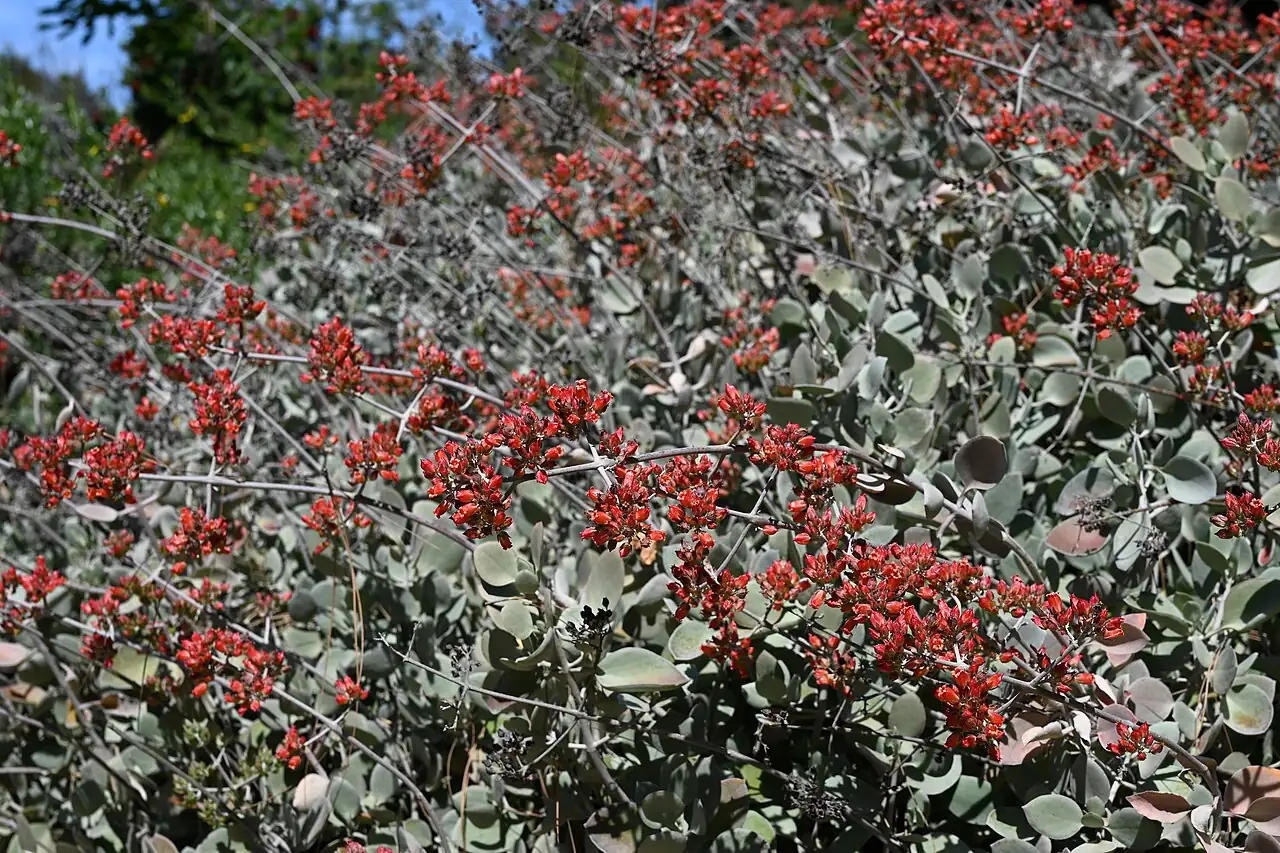
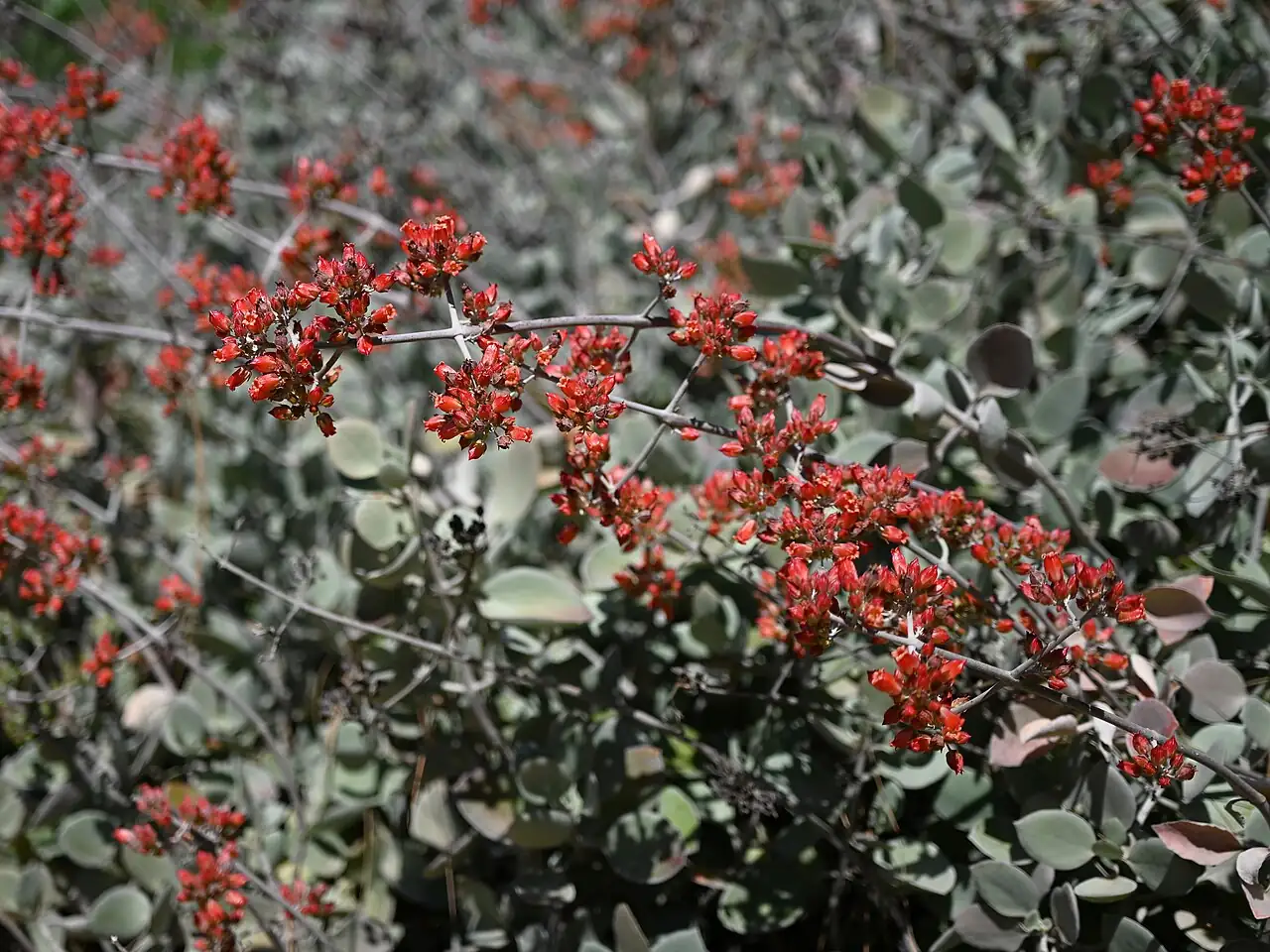
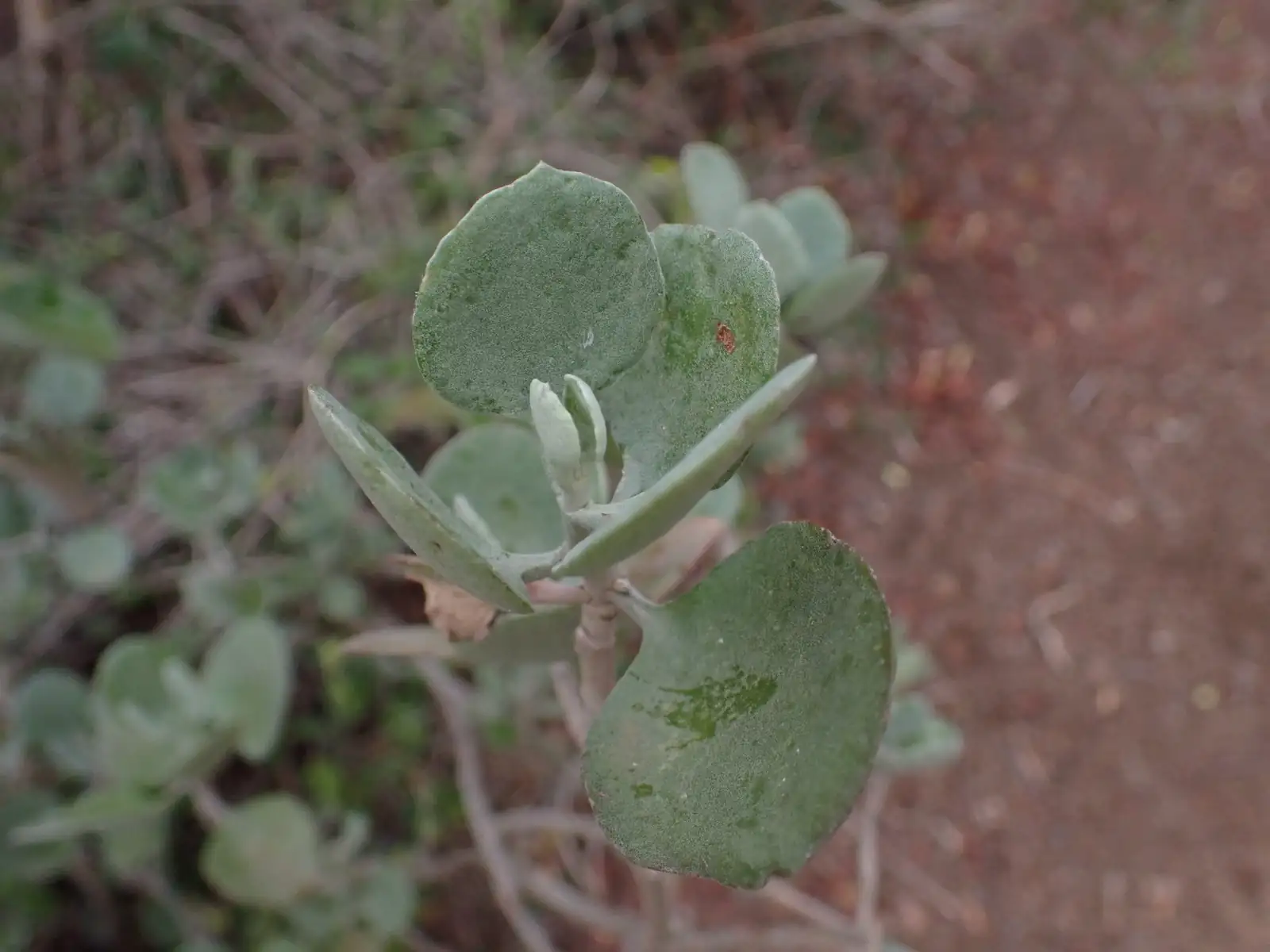
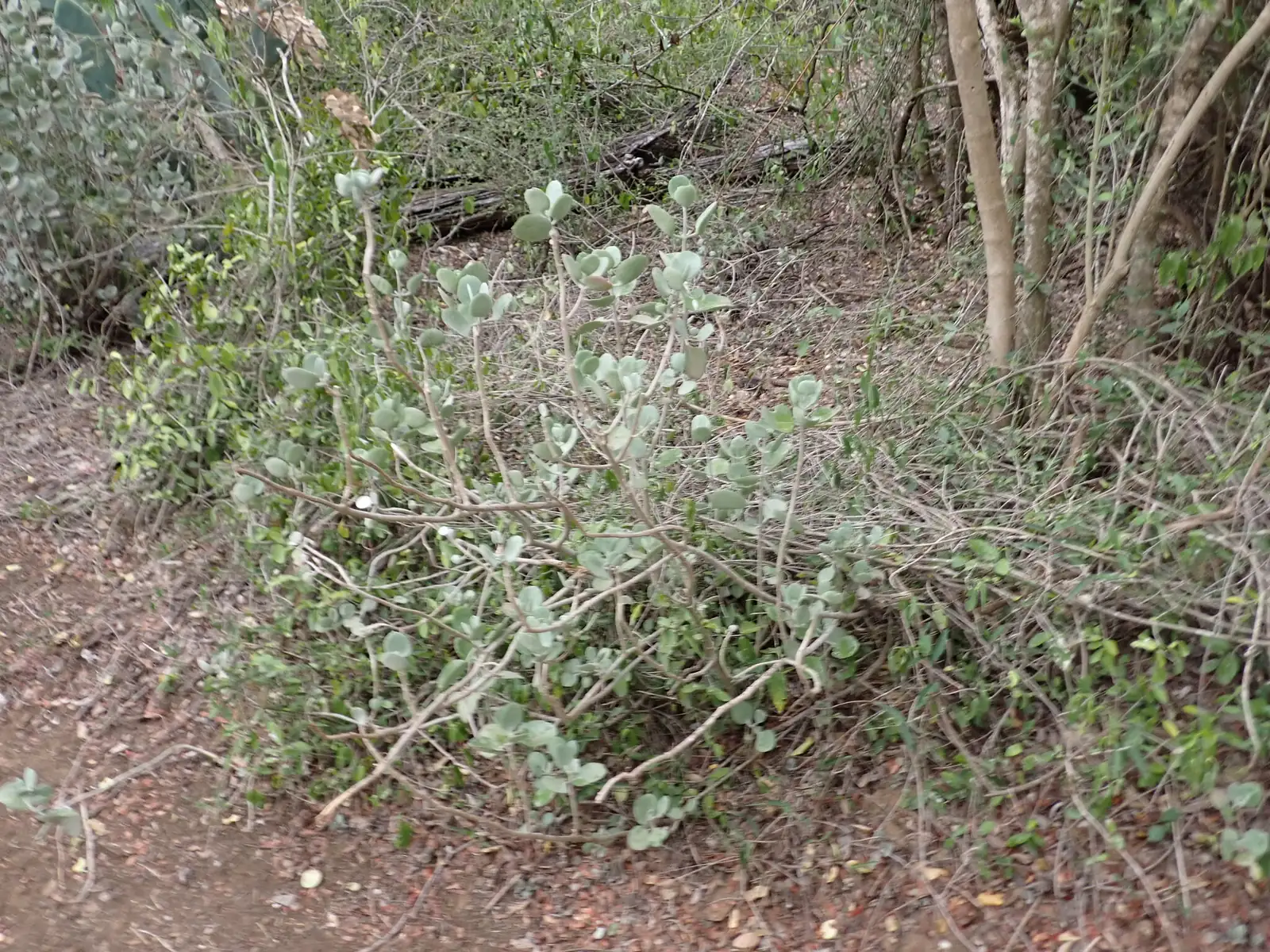
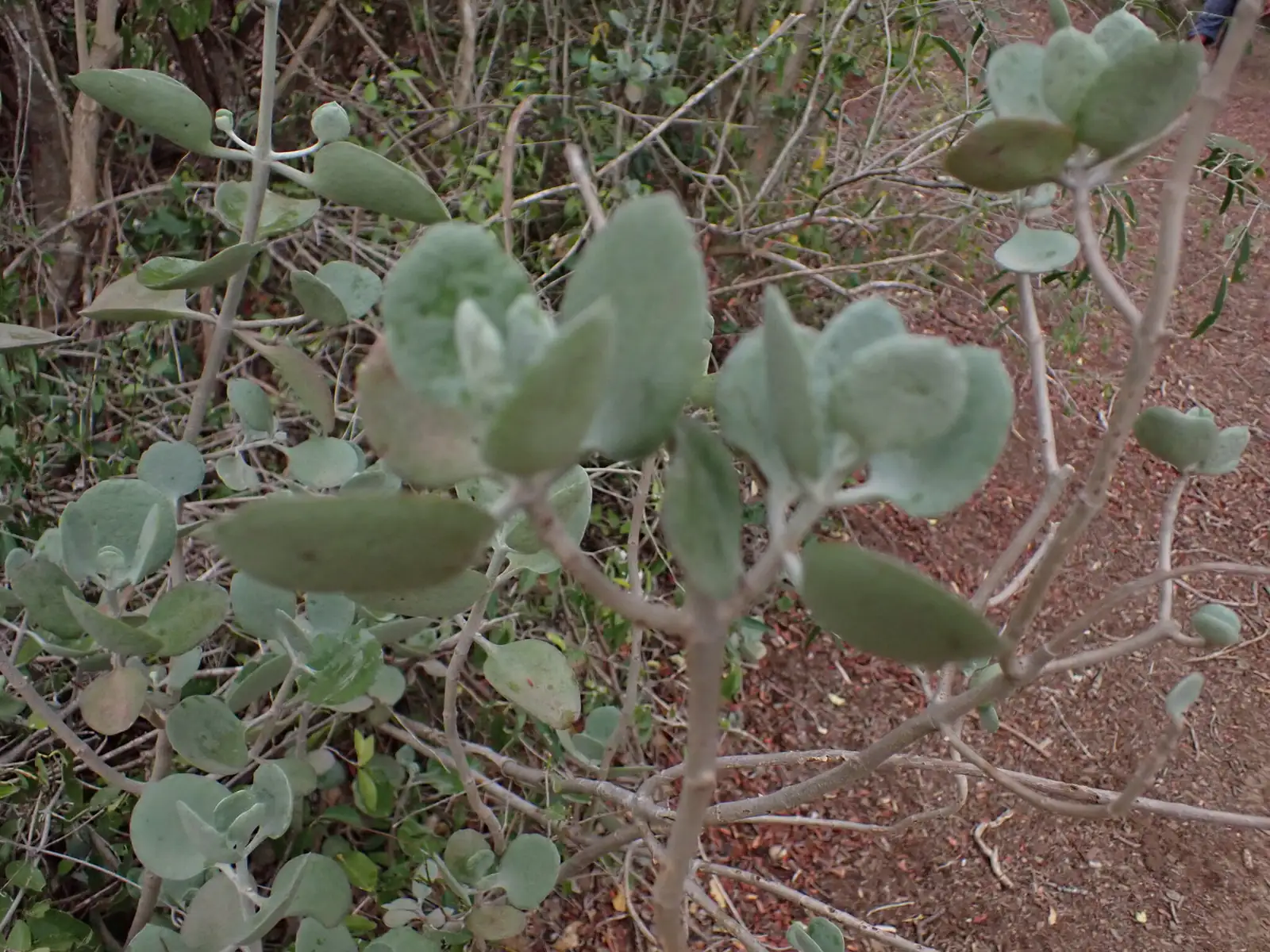
- Foliage: Thick, spoon-shaped leaves covered in a pale silvery-white felt of fine hairs, giving a soft, velvety look. Leaf margins are scalloped (“pinked”) and may show subtle tinting along the edges.
- Flower: Slender stems rise above the foliage and carry clusters of small, star-shaped pink flowers at the tips.
- Flowering Season: Summer
- Growth Habit: An upright, shrubby succulent that forms stems and stays most compact in strong light; blooms appear in clusters at the ends of tall, slender stalks.
Environment
Sunlight
Full sun to partial sun. Indoors, give it the brightest light possible (a sunny, well-ventilated window) to prevent stretching and keep the plant compact.
Temperature
10–27°C (50–81°F). Protect from frost and prolonged cold; avoid leaving it outdoors when nights drop near 10°C (50°F).
Humidity
Low to average indoor humidity. Avoid constantly damp conditions and stagnant air; good airflow helps prevent rot and pest issues.
Soil
Fast-draining cactus/succulent mix. You can also blend all-purpose potting mix with coarse grit at about 2:1 (mix:grit) by volume for extra drainage.
Placement
A bright, airy spot with several hours of direct sun—sunny patio in warm seasons, or indoors near a south- or west-facing window (depending on your home’s light).
Hardiness
Not frost-hardy; suitable outdoors year-round only in warm, frost-free climates (approximately USDA Zone 10–11).
Care Guide
Difficulty
Easy. Best for plant owners who can provide strong light and resist overwatering—letting the potting mix dry well between waterings is key.
Buying Guide
Choose a plant with compact growth and firm, silvery leaves. Avoid any with mushy stems, black spots, or a sour smell from the pot—classic signs of overwatering and early rot.
Watering
Spring–summer: Water thoroughly (or bottom-water), then wait until the surface is dry before watering again. Autumn–winter: Keep it much drier; water sparingly only when the mix is almost fully dry. When in doubt, wait—this plant tolerates dryness far better than soggy soil.
Fertilization
Spring to late summer: Feed monthly with a balanced liquid fertilizer at 1/2 strength. Stop fertilizing in winter.
Pruning
Remove spent flower stalks after blooming. Trim leggy or damaged stems to keep the plant tidy and compact; let cut ends dry/callus before watering heavily again.
Propagation
Stem or leaf cuttings: Take a healthy cutting, let it callus for several days, then set it into a dry, gritty succulent mix. Begin light watering only after roots start to form.
Repotting
Use a pot with drainage, typically 10–20 cm (4–8 in) wide for many home plants. Repot in spring every 2–3 years (or sooner if root-bound), moving up only one pot size at a time.
📅 Seasonal Care Calendar
Spring: Repot if needed (every 2–3 years) and resume regular watering as growth starts. Spring–summer: Water when the surface dries; fertilize monthly at 1/2 strength. Summer: Watch for flowering and remove spent stalks after bloom. Autumn–winter: Stop feeding and keep nearly dry—water only when the mix is close to fully dry.
Pests, Diseases & Safety
Common Pests & Diseases
Common pests include mealybugs, scale, and spider mites (especially indoors). The biggest health issue is root or stem rot from overwatering—prevent it with strong light, a gritty fast-draining mix, good airflow, and letting the soil dry well between waterings.
Toxicity
Toxic to pets (cats and dogs) if ingested. Keep out of reach; if chewing, vomiting, or lethargy occurs, contact a veterinarian promptly.
Culture & Symbolism
Symbolism: Often appreciated as a “quiet strength” plant—soft-looking silver leaves paired with a tough, drought-tolerant nature. (Not a formal flower-language classic, but a popular modern interpretation among plant lovers.)
History & Legends: Native to Madagascar, a hotspot for unusual succulents. While it doesn’t carry a major legend like some ornamentals, it’s become a modern favorite for its dramatic silver foliage and easy windowsill care.
Uses: Primarily an ornamental succulent for bright windowsills, sunny balconies, and patio containers—grown mostly for its silver foliage texture and, in good conditions, occasional summer flowers.
FAQ
Why is my plant getting tall and floppy?
That’s almost always a sign of not enough light. Move it to a brighter spot with several hours of direct sun (increase light gradually to avoid scorch), and prune back leggy stems to encourage bushier growth.
Do I need to mist it for humidity?
No—misting can actually encourage fungal problems. Silver Spoons Kalanchoe prefers low to average humidity, plus bright light and good airflow.
Fun Facts
- That silvery glow comes from a dense layer of fine leaf hairs, which helps the plant reduce water loss and cope with strong sun.
- Many kalanchoes are grown mainly for flowers, but this one is prized first for its foliage color and velvety texture.


