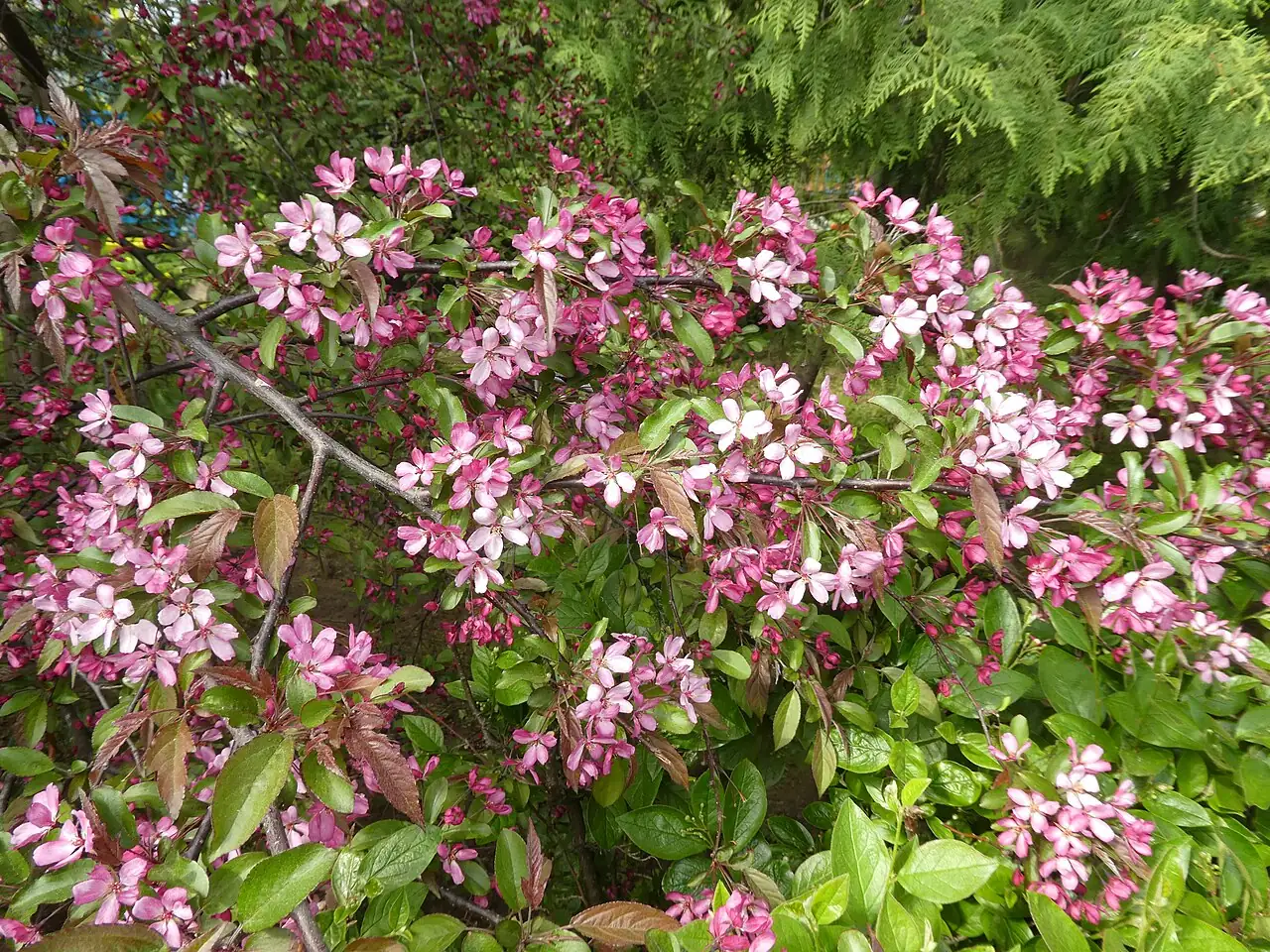
Plant Features
- Size: About 2–6 m (6.6–19.7 ft) tall
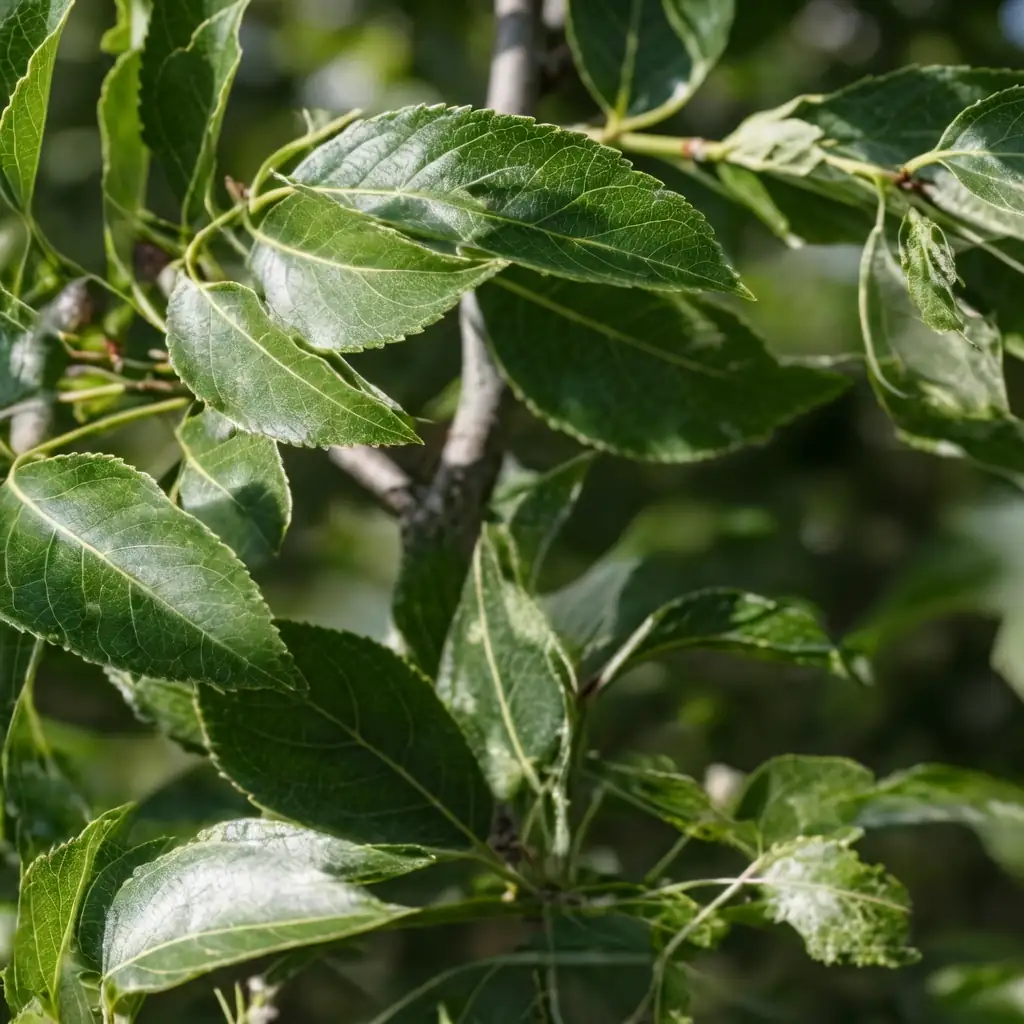
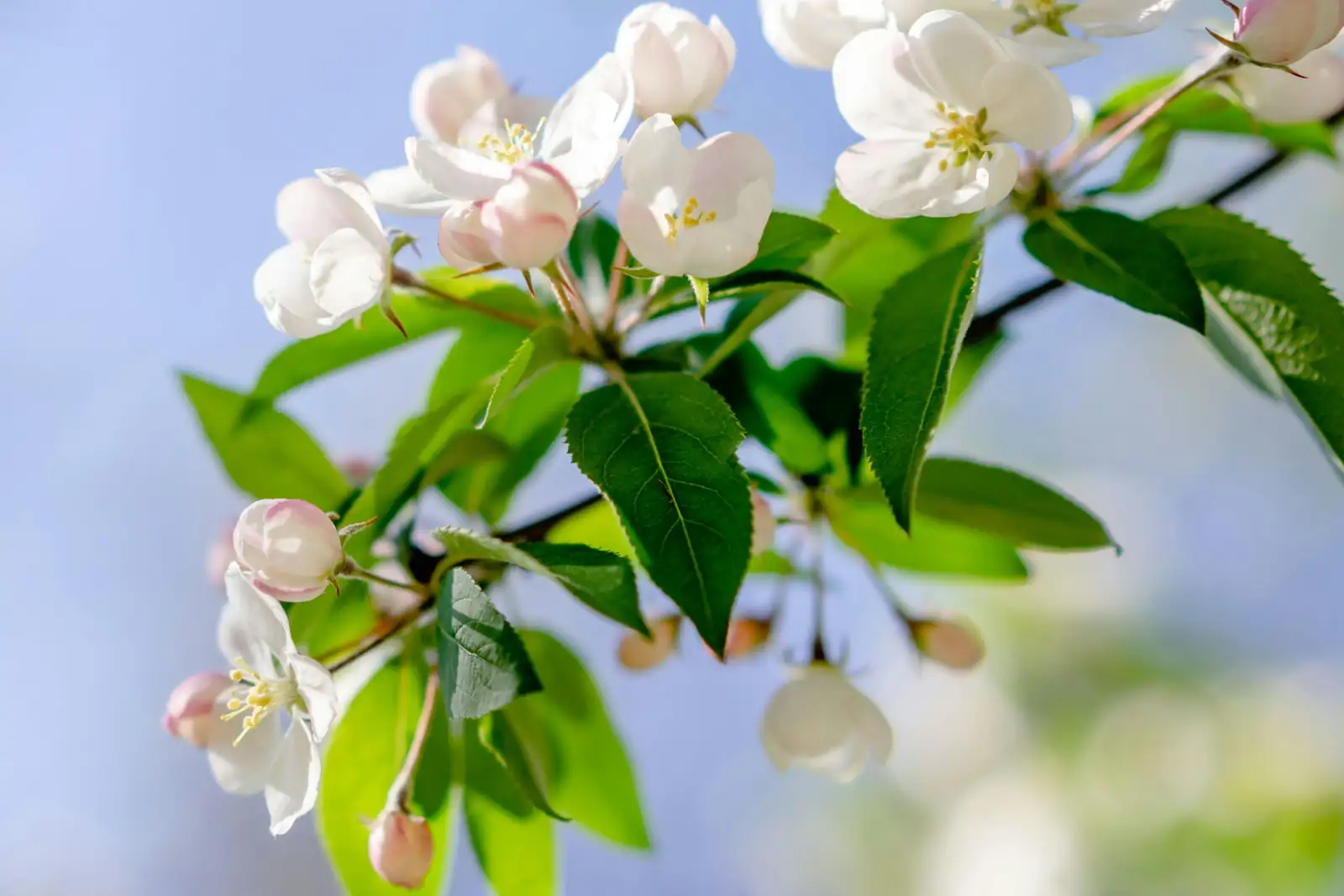
- Foliage: Leaves are alternate and oval to elliptic, usually shallowly 3-lobed (more rarely 5-lobed) with mostly entire margins. The undersides can show short, soft hairs along the midrib and side veins.
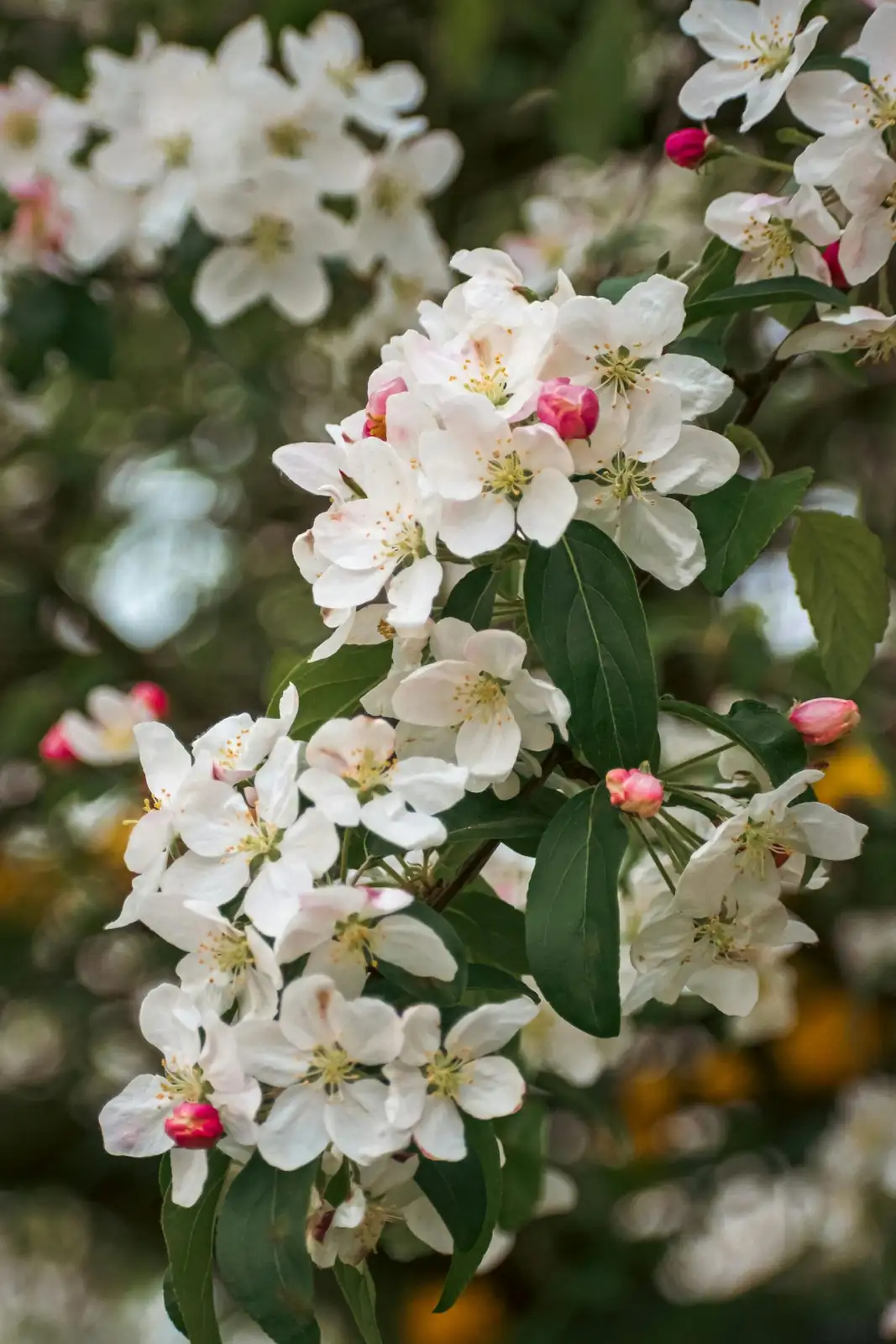
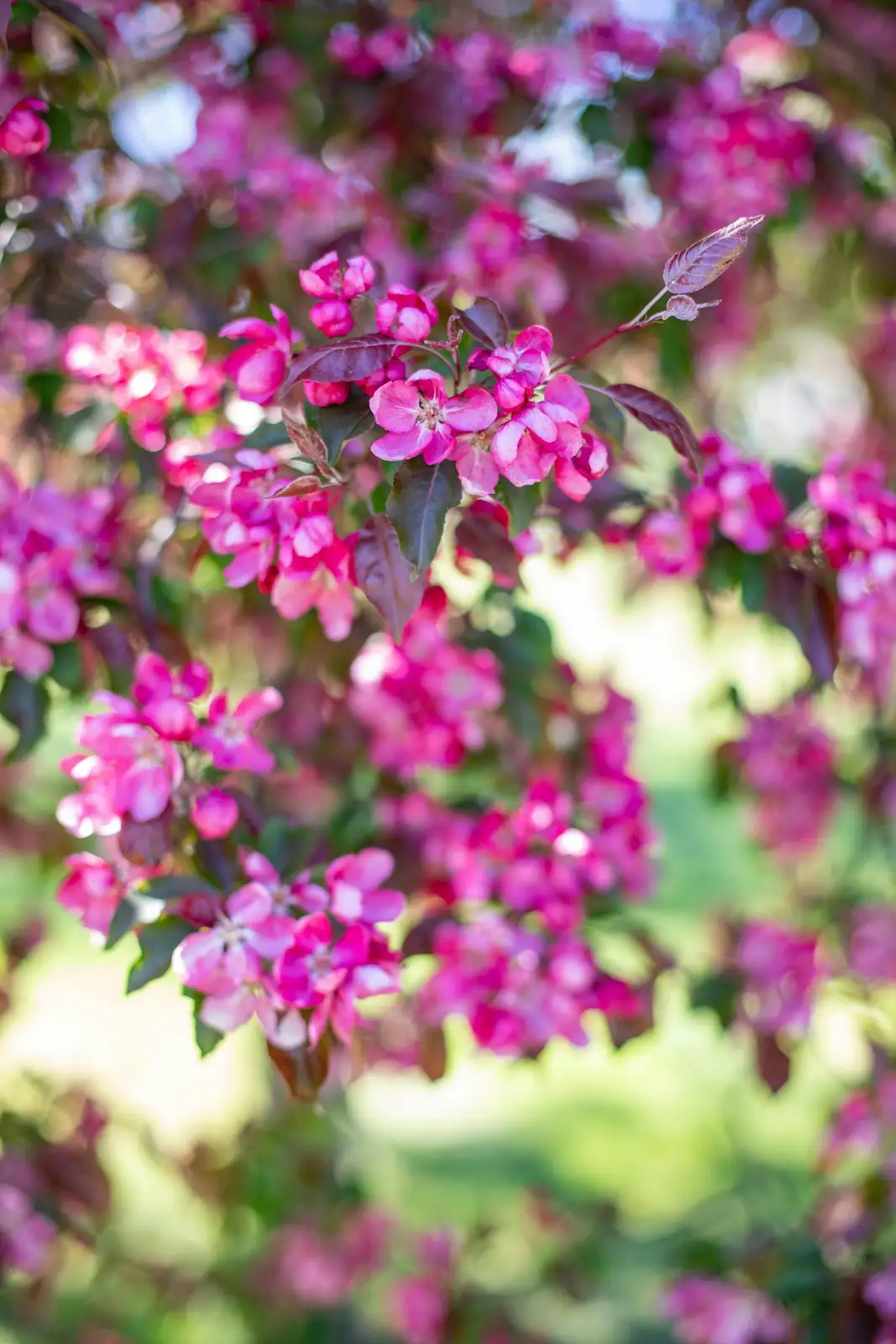
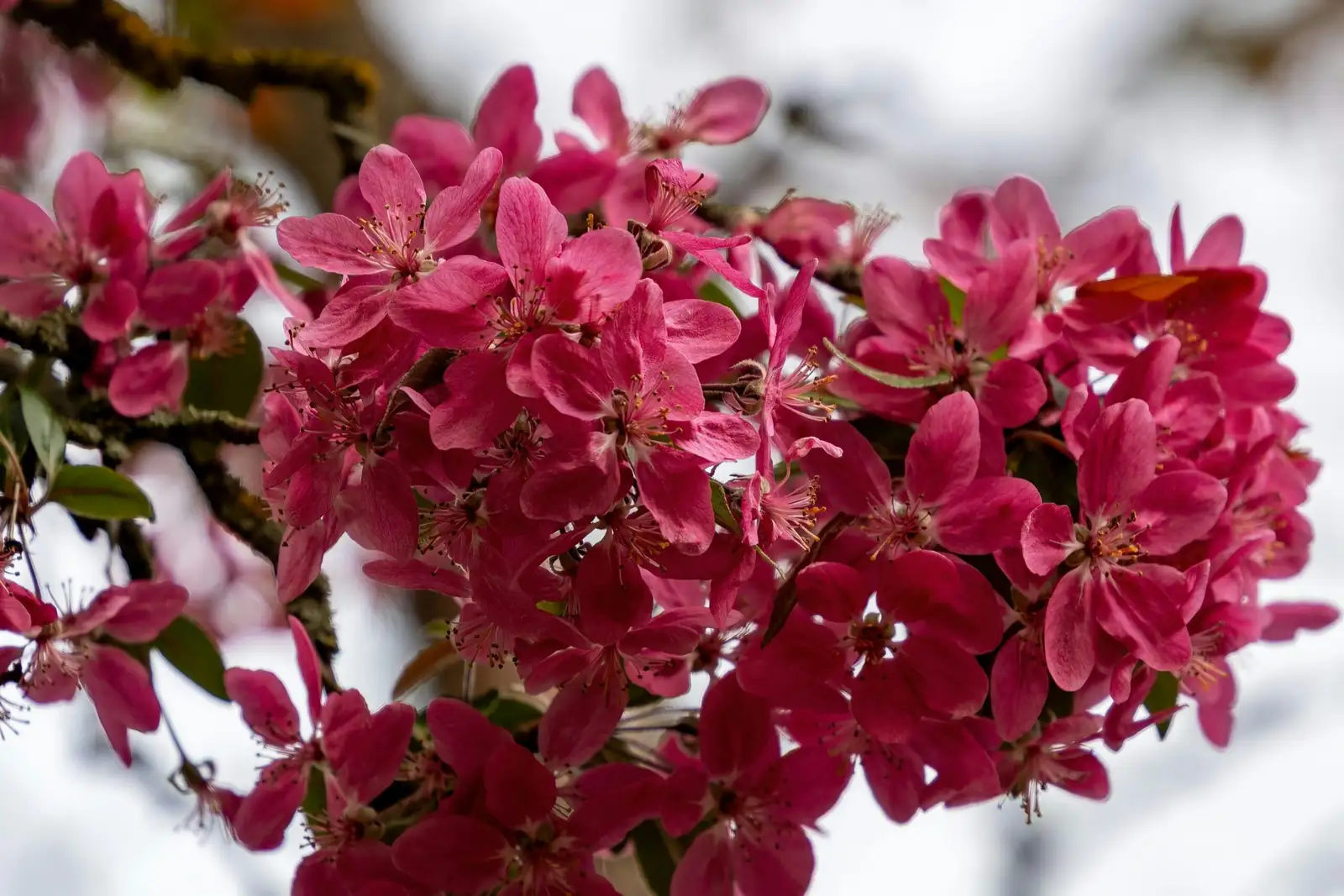
- Flower: Bisexual (perfect) flowers are borne in clusters of about 4–8 near the tips of short shoots. Petals are pinkish-white to red-tinged and oblong to obovate. After flowering, it forms very small, nearly spherical crabapples about 6–8 mm (0.24–0.31 in) across that mature red to brownish.
- Flowering Season: April–May
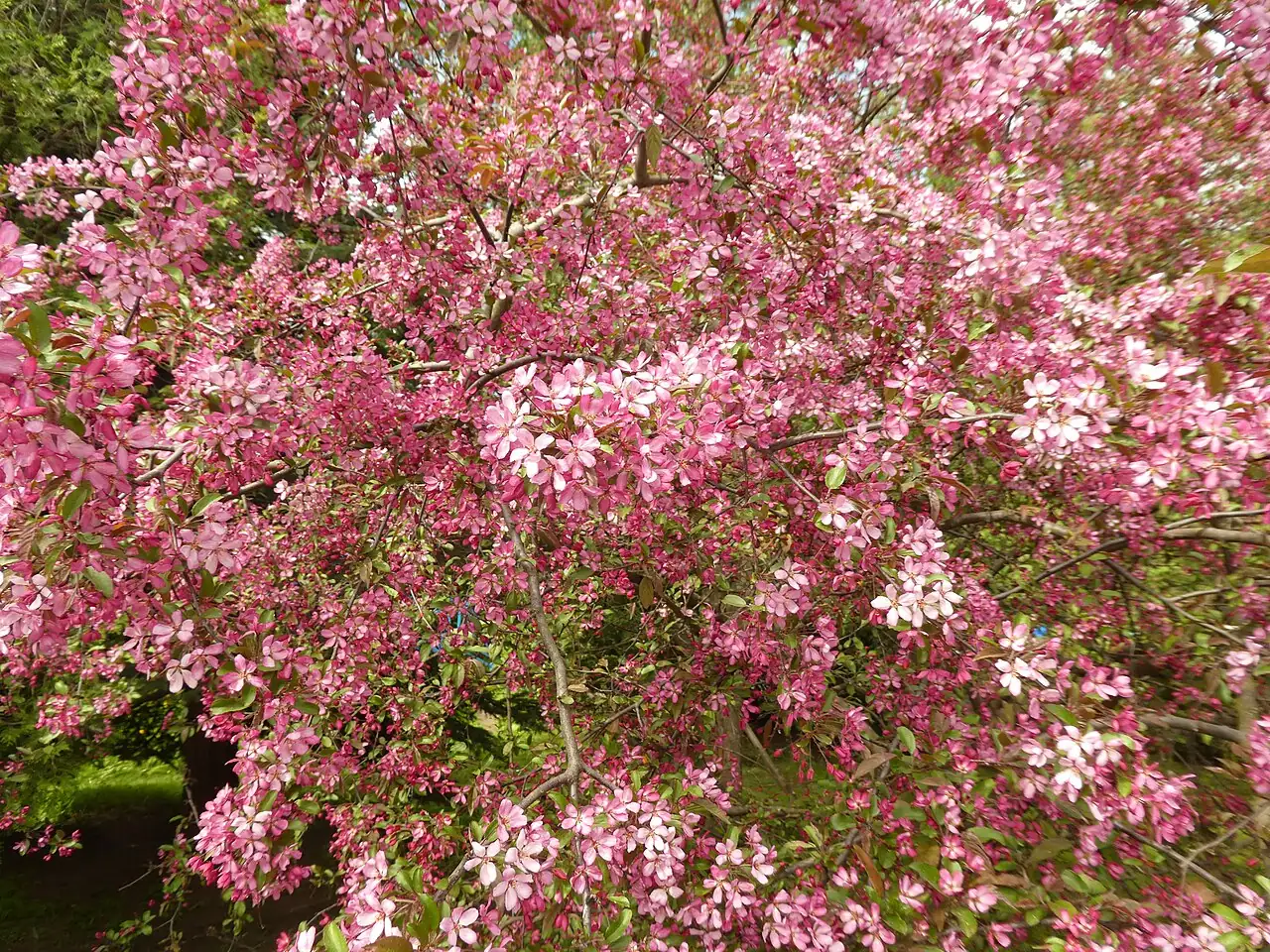
- Growth Habit: Deciduous, naturally forming a shrub to small tree; commonly occurs in hillside shrublands and thickets and tends to develop well with an open, airy crown.
Environment
Sunlight
Full sun to light shade; flowers and fruits best in full sun.
Temperature
Cool-temperate tolerant; best growth roughly 10–25°C (50–77°F).
Humidity
Average outdoor humidity; tolerates a range as long as airflow is good.
Soil
Well-drained loam or sandy loam; adaptable to many soils but dislikes waterlogged conditions.
Placement
Outdoors in gardens, slopes, hedgerows, or naturalistic shrub borders; plant where it gets sun and good air circulation.
Hardiness
Cold-hardy; suitable for USDA Zone 4–8 (approx.).
Care Guide
Difficulty
Easy overall; notably adaptable once established.
Buying Guide
Choose plants with healthy buds and smooth, unscarred bark. Avoid pot-bound plants and any with cankers or sticky honeydew (often a sign of pests).
Watering
Water regularly during the first growing season to help it establish. Once established, water deeply during prolonged dry spells; let the top few centimeters (1–2 in) of soil dry slightly between waterings.
Fertilization
Feed in early spring with a balanced slow-release fertilizer or a thin top-dressing of compost. Avoid heavy nitrogen, which can push soft growth and raise disease risk.
Pruning
Prune in late winter to early spring while dormant: remove dead wood, crossing branches, and congestion to keep an open canopy for airflow. Light summer pruning can be done if needed.
Propagation
Propagate by seed (after cold stratification) or by grafting/budding onto compatible Malus rootstock. This species itself may also be used as rootstock material in some regions.
Repotting
If grown in a container, repot in late winter/early spring every 2–3 years, stepping up one pot size and refreshing the mix; ensure excellent drainage.
📅 Seasonal Care Calendar
Spring: light feeding; enjoy bloom; monitor for scab/mildew-like issues. Summer: water in drought; check for aphids/caterpillars. Autumn: enjoy the fruit display; remove fallen leaves to reduce disease carryover. Winter: do dormant pruning and basic structure training.
Pests, Diseases & Safety
Common Pests & Diseases
Can face common crabapple pests such as aphids, caterpillars, scale, and spider mites. Possible diseases include apple scab, powdery mildew, rusts, and (in some areas) fire blight. Improve airflow, avoid overhead watering, and remove diseased leaves/fruit to limit spread.
Toxicity
Generally low toxicity. Like many Malus, the seeds contain small amounts of cyanogenic compounds—avoid consuming large quantities of seeds. The small fruits are usually ornamental rather than eaten.
Culture & Symbolism
Symbolism: Often linked with spring renewal and simple ornamental beauty, in the way many crabapples are celebrated.
History & Legends: No well-known, species-specific legends are widely recorded, but it belongs to the broader crabapple tradition valued in East Asian horticulture.
Uses: Primarily ornamental for spring flowers and decorative fruits; also valued as rootstock material for apple relatives and grafting work.
FAQ
What is the scientific name?
Malus sieboldii.
When does it flower?
April–May.
When does it fruit?
Typically August–September.
How tall does it grow?
About 2–6 m (6.6–19.7 ft) tall.
Where does it grow naturally?
On hillsides in shrub woodland and thickets; it is native to China and recorded from many provinces including Liaoning, Shaanxi, Gansu, Shandong, Zhejiang, Jiangxi, Fujian, Hubei, Hunan, Guangdong, Guangxi, Sichuan, and Guizhou.
Fun Facts
- Flower clusters often carry about 4–8 bisexual blooms at the ends of short shoots.
- The fruits are tiny—only about 6–8 mm (0.24–0.31 in) across—but can still give a nice late-season color effect.
- It’s appreciated not only for looks, but also for practical horticulture work as a Malus relative used in rootstock and grafting.
- Its natural home in thickets and shrublands helps explain why it’s often described as a tough, adaptable plant.