Plant Features
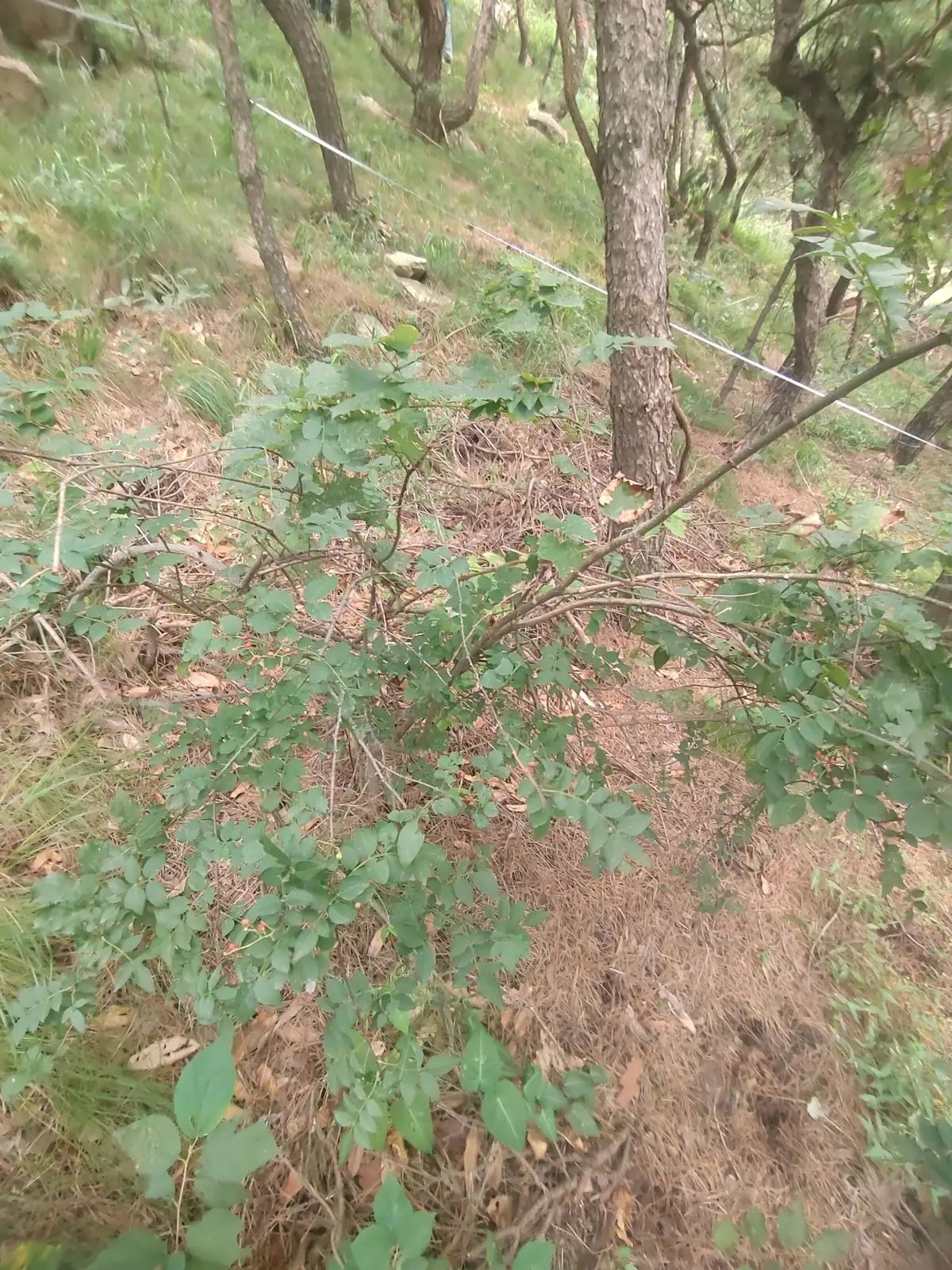
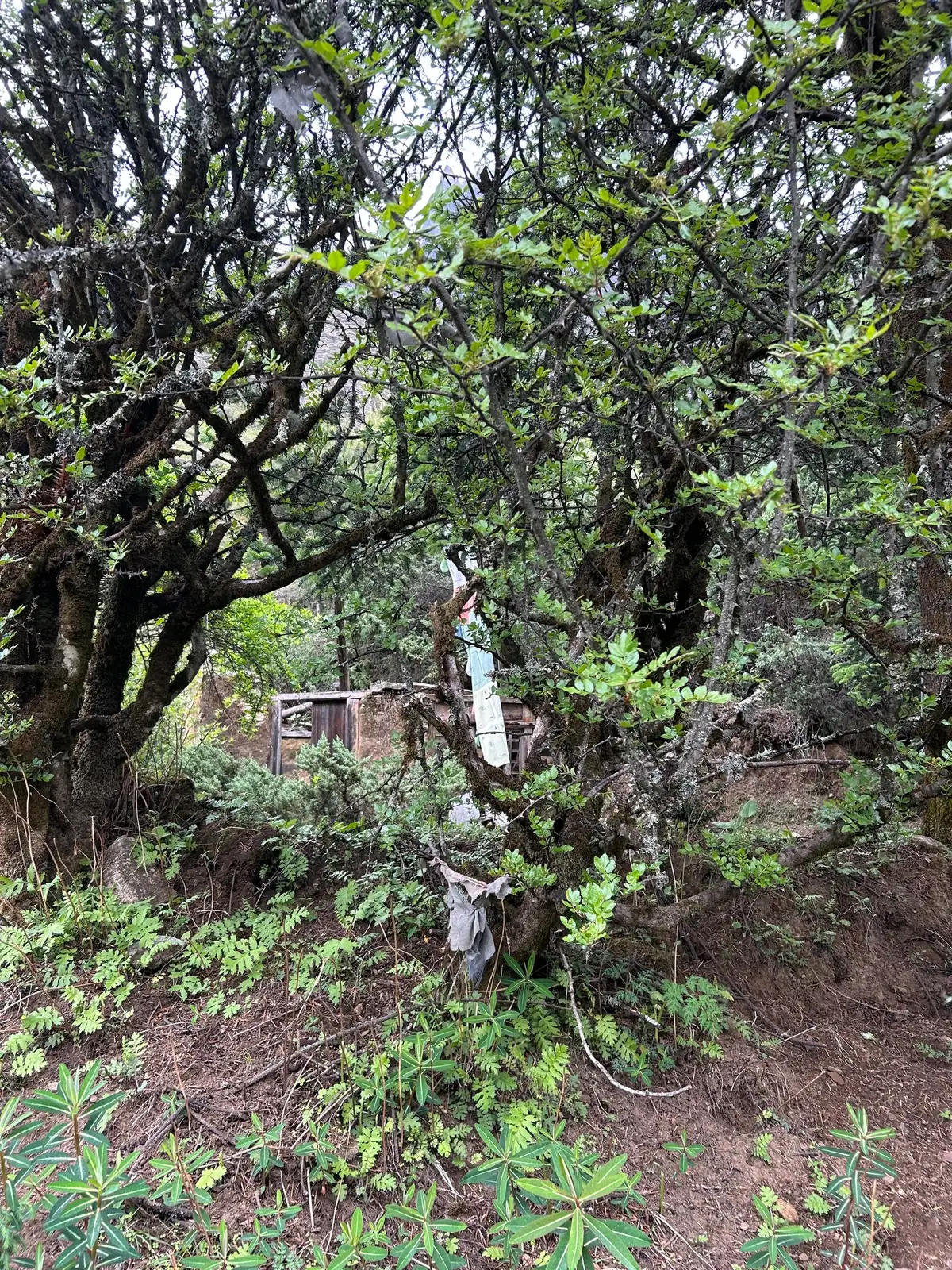
- Size: Typically 3–7 m (10–23 ft) tall.
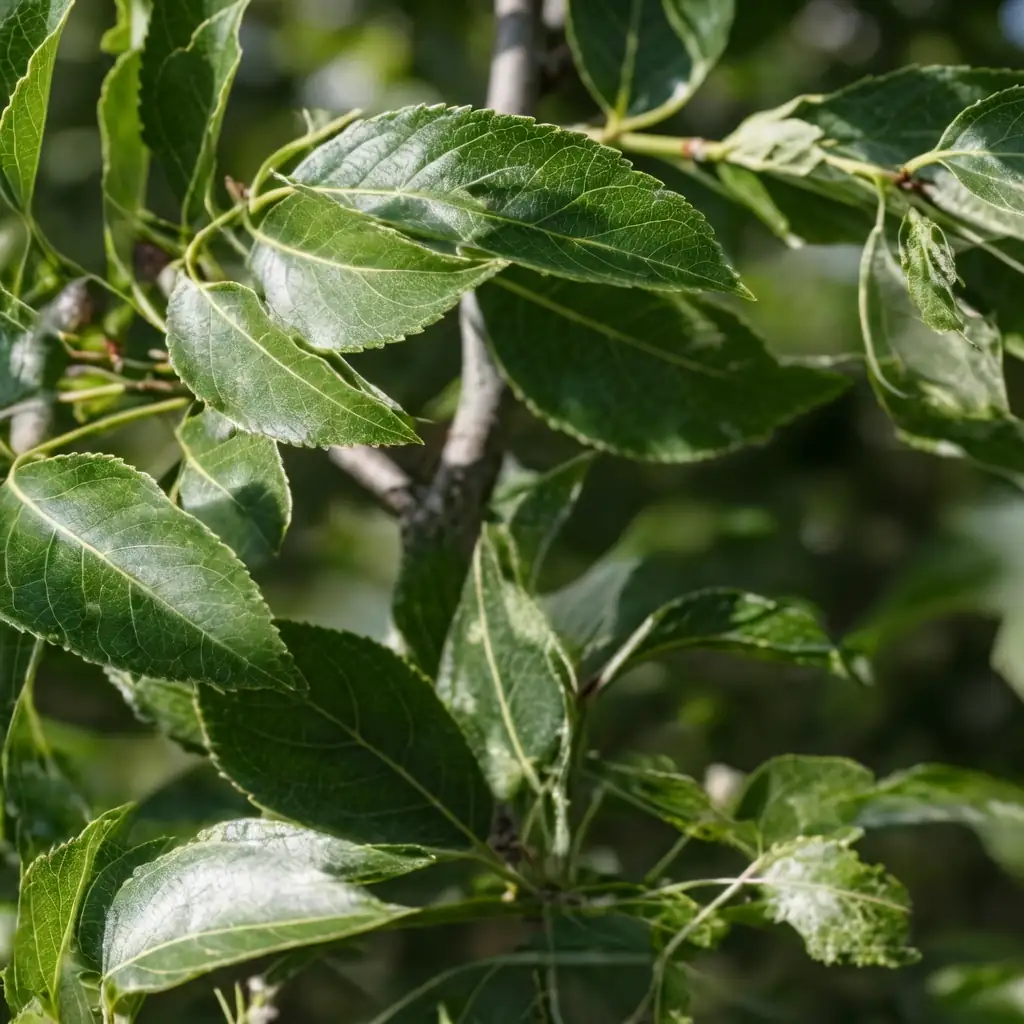
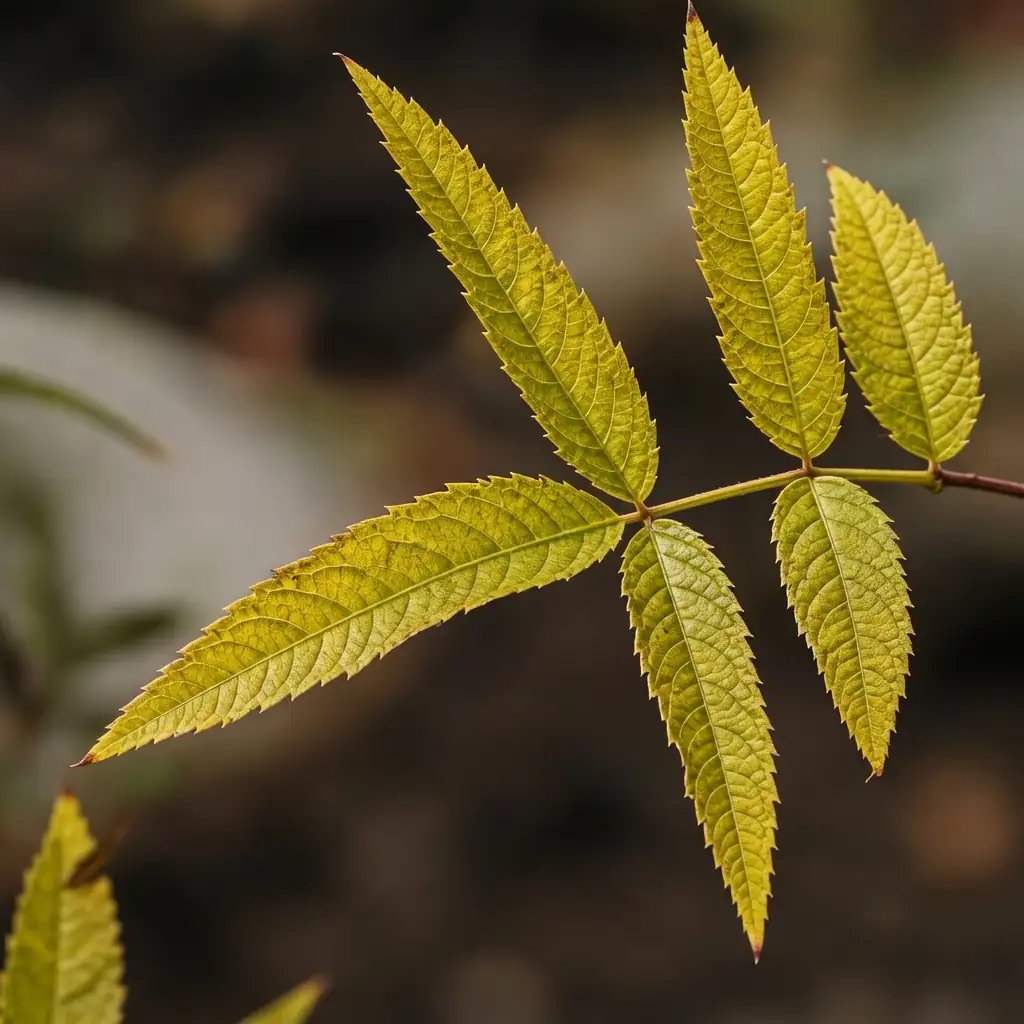
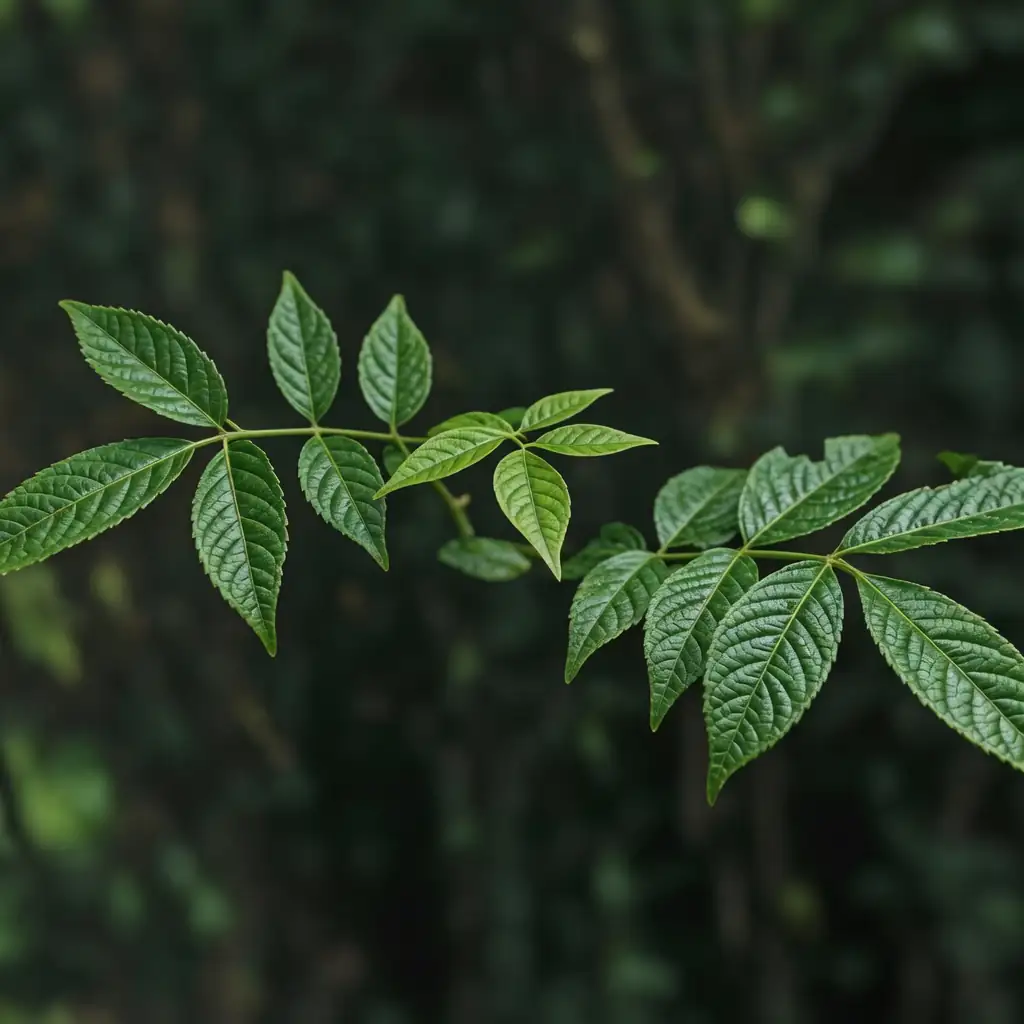
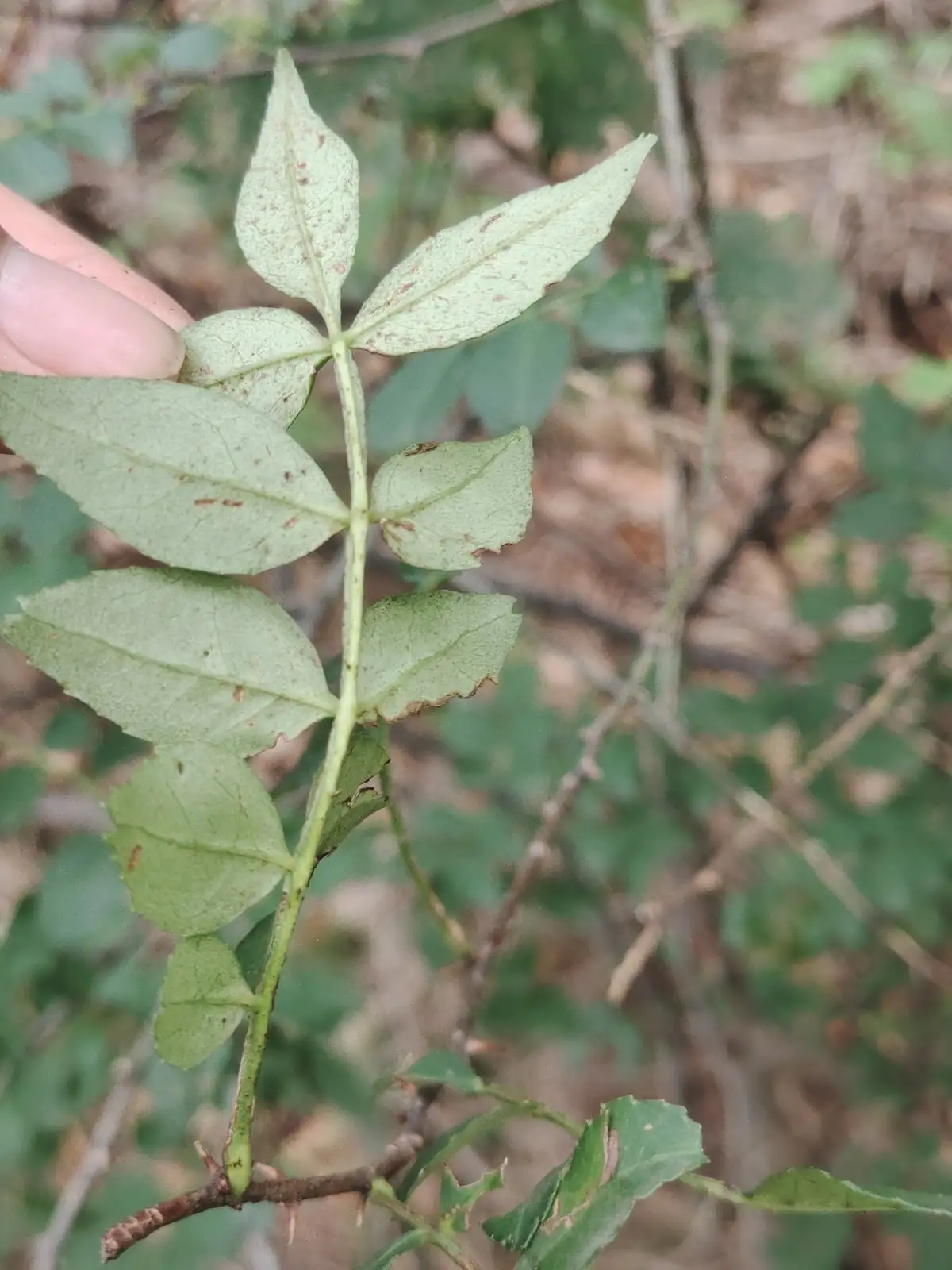
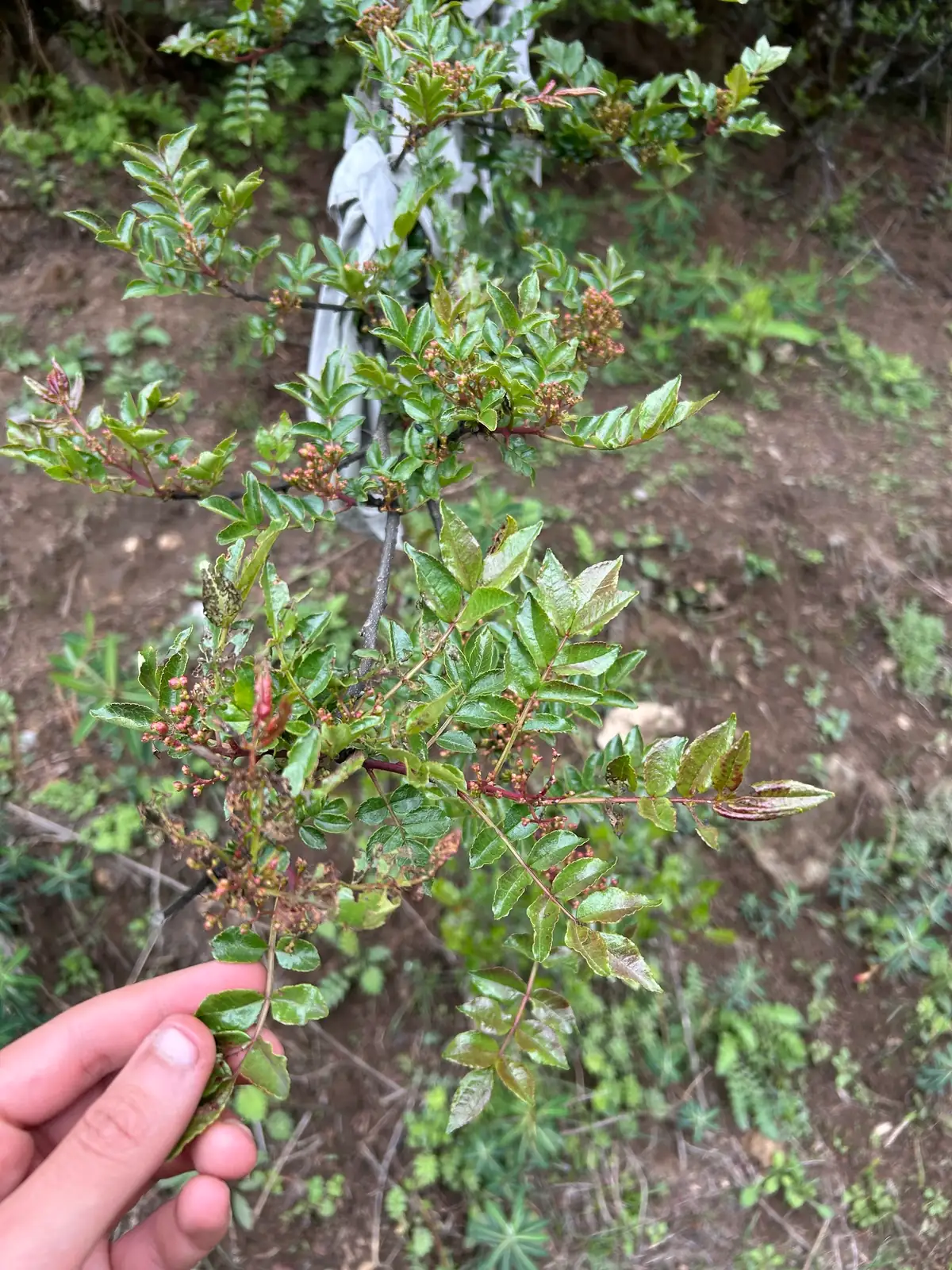
- Foliage: Odd-pinnate compound leaves with 5–11 ovate to ovate-elliptic leaflets. Leaflet margins are finely sharp-toothed, and translucent oil glands are often visible in the tooth sinuses. The leaf rachis commonly has narrow wings; crushed foliage releases a strong, citrusy aroma.
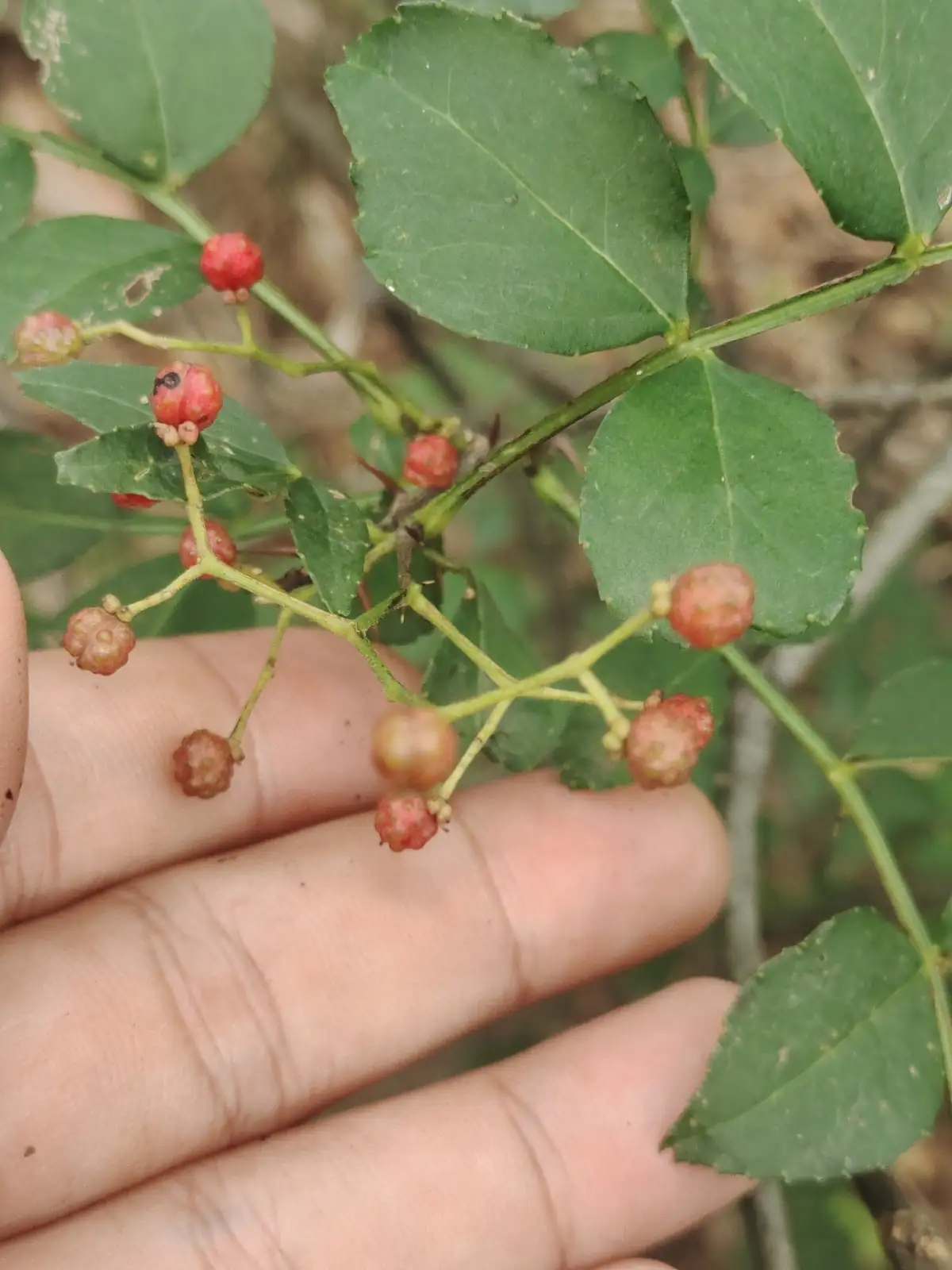
- Flower: Small, greenish-yellow flowers held in terminal, branched clusters (panicles). Plants may carry male and female flowers on the same plant. Fruits are small, spherical capsules that ripen red to purplish-red and are densely dotted with aromatic oil glands; the husks split open at maturity to reveal shiny black seeds.
- Flowering Season: April–May (Apr–May).
- Growth Habit: Deciduous shrub or small tree; slow-growing and long-lived. Bark may show wart-like bumps. Branches are armed with flattened, sharp prickles.
Environment
Sunlight
Full sun for strongest growth and best fruiting; tolerates light partial shade.
Temperature
Warm-temperate conditions are ideal. Best growth roughly 15–30°C (59–86°F). Avoid severe cold and hard freezes; young plants are more vulnerable.
Humidity
Adaptable to average outdoor humidity. Do best with good airflow and soil that doesn’t stay wet; avoid stagnant, waterlogged conditions.
Soil
Adaptable if well-drained. Performs best in moderately fertile, loamy soil. Avoid heavy, poorly drained clay.
Placement
Sunny garden border, productive orchard-style planting, or a defensive hedge. Site it away from narrow paths/play areas due to sharp thorns.
Hardiness
Generally around USDA Zones 6–9 (approx.), with cold tolerance varying by provenance/cultivar. Protect young plants from late frosts.
Care Guide
Difficulty
Easy to moderate outdoors: tough and drought-tolerant once established and not overly picky about soil, but it needs sun for good crops and dislikes extreme cold. Slow-growing, yet can live and produce for many years.
Buying Guide
Pick plants with firm, healthy stems and no dieback. For peppercorn harvest, choose named cultivars or clearly fruiting stock when possible. Avoid weak or pot-bound plants, and inspect for cankers, pest infestations, and damage around thorny stems.
Watering
Water deeply through the first 1–2 growing seasons to establish roots. After that, it’s fairly drought-tolerant—water mainly during prolonged dry spells. Let the top few cm (top 1–2 in) of soil dry between waterings; avoid waterlogging.
Fertilization
A light feeder. In spring, use a balanced slow-release fertilizer or top-dress with compost. Don’t overdo nitrogen—too much can push leafy, soft growth and reduce flowering/fruiting.
Pruning
Prune in late winter to early spring to shape and remove dead, crossing, or inward-growing branches. If using as a hedge, clip after the main flush of growth. Wear sturdy gloves and long sleeves—prickles are sharp.
Propagation
Grown from seed (fresh seed often performs best; cold stratification can help) or from semi-hardwood cuttings in summer. Suckers can sometimes be separated if the plant produces them.
Repotting
Usually grown outdoors in the ground. In containers, repot every 2–3 years in spring into a slightly larger pot with a free-draining mix; ensure excellent drainage to prevent root problems.
📅 Seasonal Care Calendar
Spring: plant new stock, lightly feed, and do formative pruning. Summer: water during drought and manage hedge trimming. Autumn: harvest ripe husks when red to purplish-red and beginning to split; tidy fallen fruit. Winter: protect young plants in colder regions; avoid heavy pruning during hard freezes.
Pests, Diseases & Safety
Common Pests & Diseases
Generally resilient. Watch for aphids, scale insects, and spider mites (especially in hot, dry weather). In overly wet, poorly ventilated sites it may develop fungal leaf spots or cankers—improve airflow, avoid overwatering, and prune out infected wood.
Toxicity
The husks are widely used as a culinary spice. Main hazard is physical: sharp thorns can cause painful scratches. As with many strongly aromatic plants, large accidental ingestion by pets may cause gastrointestinal upset, so keep curious animals away from fallen fruit and pruned material.
Culture & Symbolism
Symbolism: Often linked with warmth and “pungent vitality.” In folk tradition its powerful aroma and thorny branches are also associated with protection—like a living, fragrant guard around the home.
History & Legends: A long-cultivated Chinese spice prized for the numbing, citrusy fragrance that defines many Sichuan dishes. Beyond the kitchen, it has a history as a practical homestead planting—valued as a thorny hedge that helps mark boundaries and deter intruders.
Uses: Culinary: dried fruit husks (“peppercorns”) used as a spice for a citrusy, tingling flavor. Landscaping: ornamental-productive shrub/tree for sunny gardens; useful as a barrier hedge thanks to its prickles and toughness.
FAQ
When does Sichuan pepper flower?
Usually April–May (Apr–May), though timing shifts with local climate.
When do the peppercorns ripen?
Typically July–September (Jul–Sep). Harvest when the husks turn red to purplish-red and start to split open.
How tall does it get?
Commonly about 3–7 m (10–23 ft), depending on site conditions and pruning.
What light and climate does it prefer?
Full sun and a warm-temperate climate. It tolerates drought once established, but severe cold and hard freezes can damage it—especially when young.
What part is actually used as the spice?
The spice is the aromatic outer husk. The shiny black seed inside is usually removed because it’s gritty and less fragrant.
Fun Facts
- The famous “peppercorn” is actually the fragrant husk; the black seed inside is typically discarded for cooking.
- Leaves and fruit are dotted with oil glands—crush them and you’ll smell a bright, citrusy punch right away.
- Those flattened prickles make it a surprisingly effective living fence.
- It’s slow-growing but long-lived, so a well-sited plant can be both a landscape feature and a long-term spice source.