Plant Features
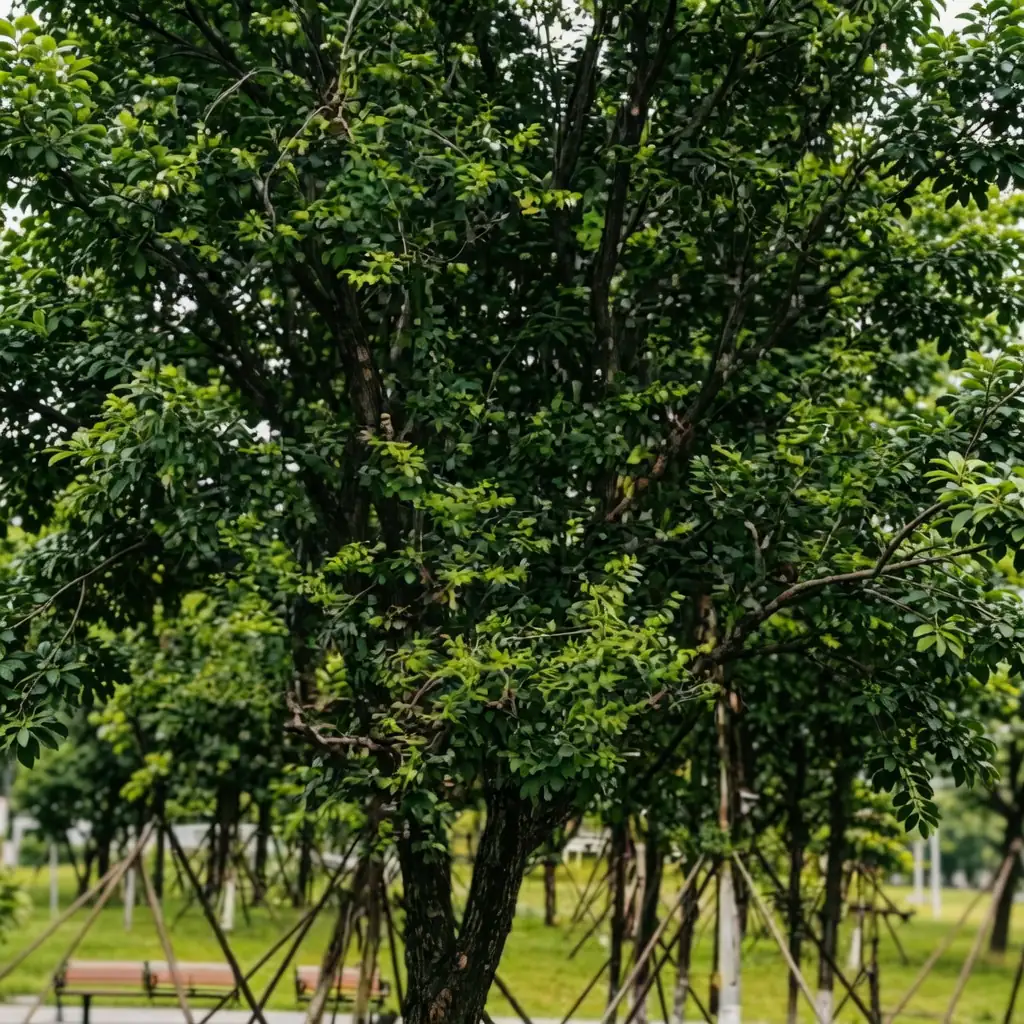
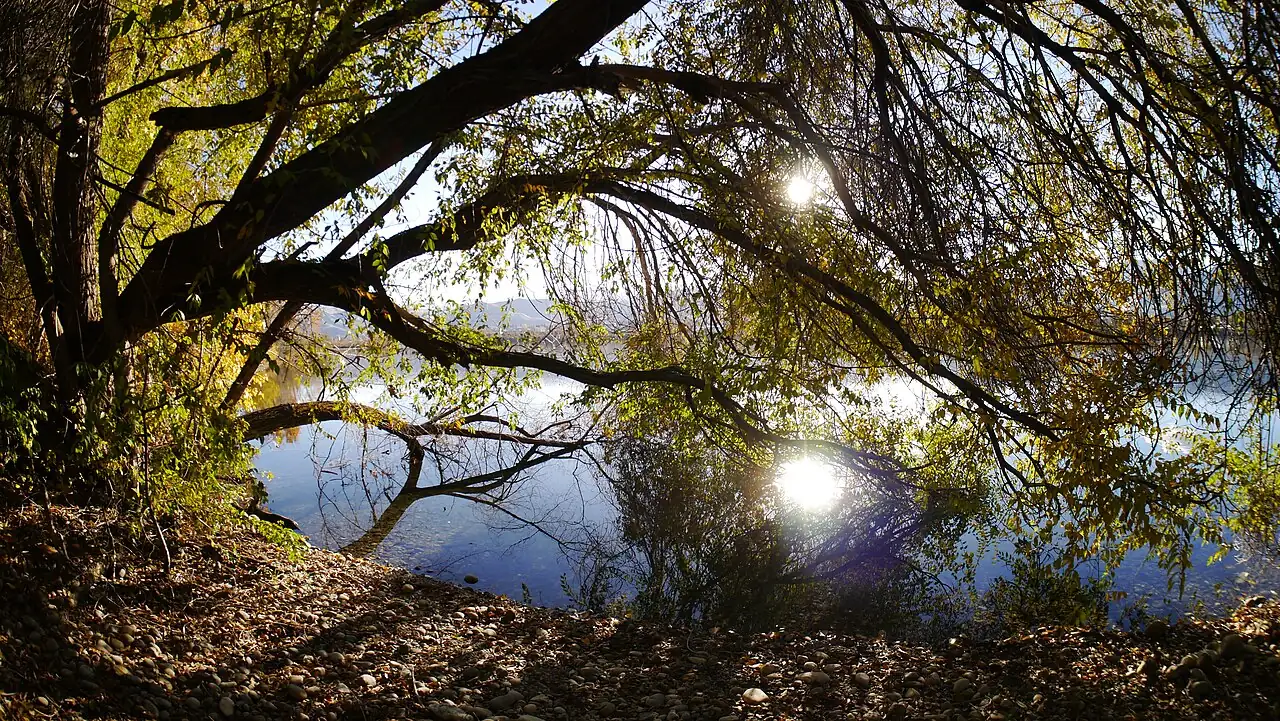
- Size: Up to 25 m (82 ft) tall; typically develops a broad, rounded crown.
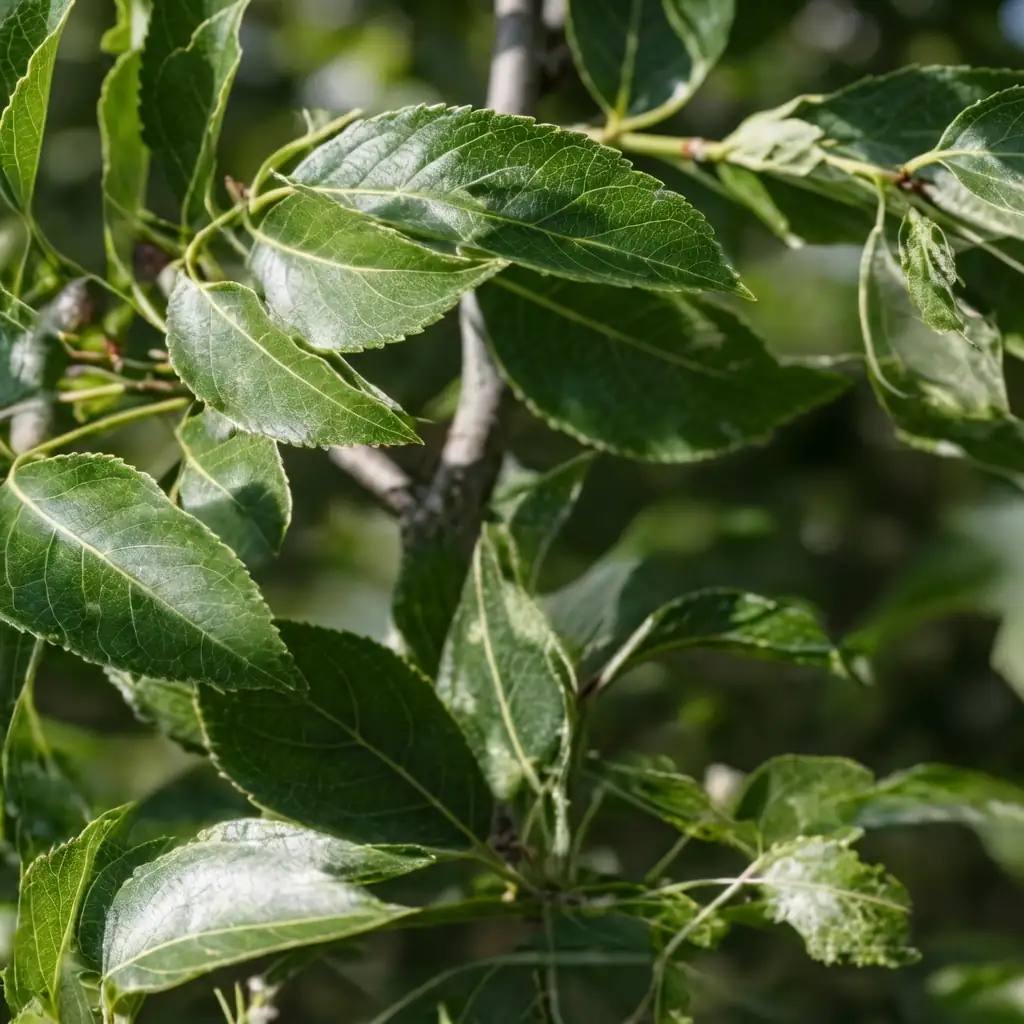
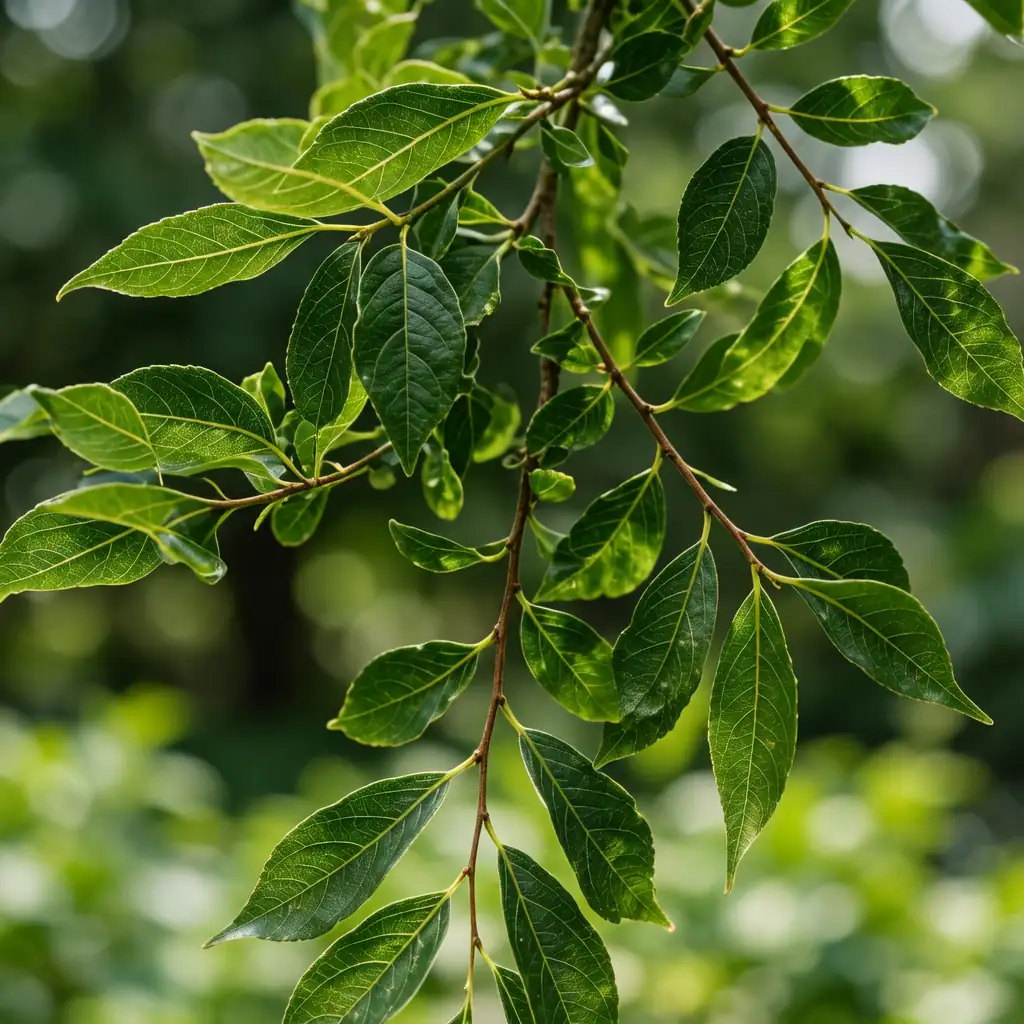
- Foliage: Leaves are oval to ovate or narrowly elliptic–lanceolate, with irregular double serrations (sometimes appearing singly serrate) along the margins. The surfaces are usually smooth; small tufts of soft hairs may appear in the vein axils. Mature leaves can feel relatively thick.
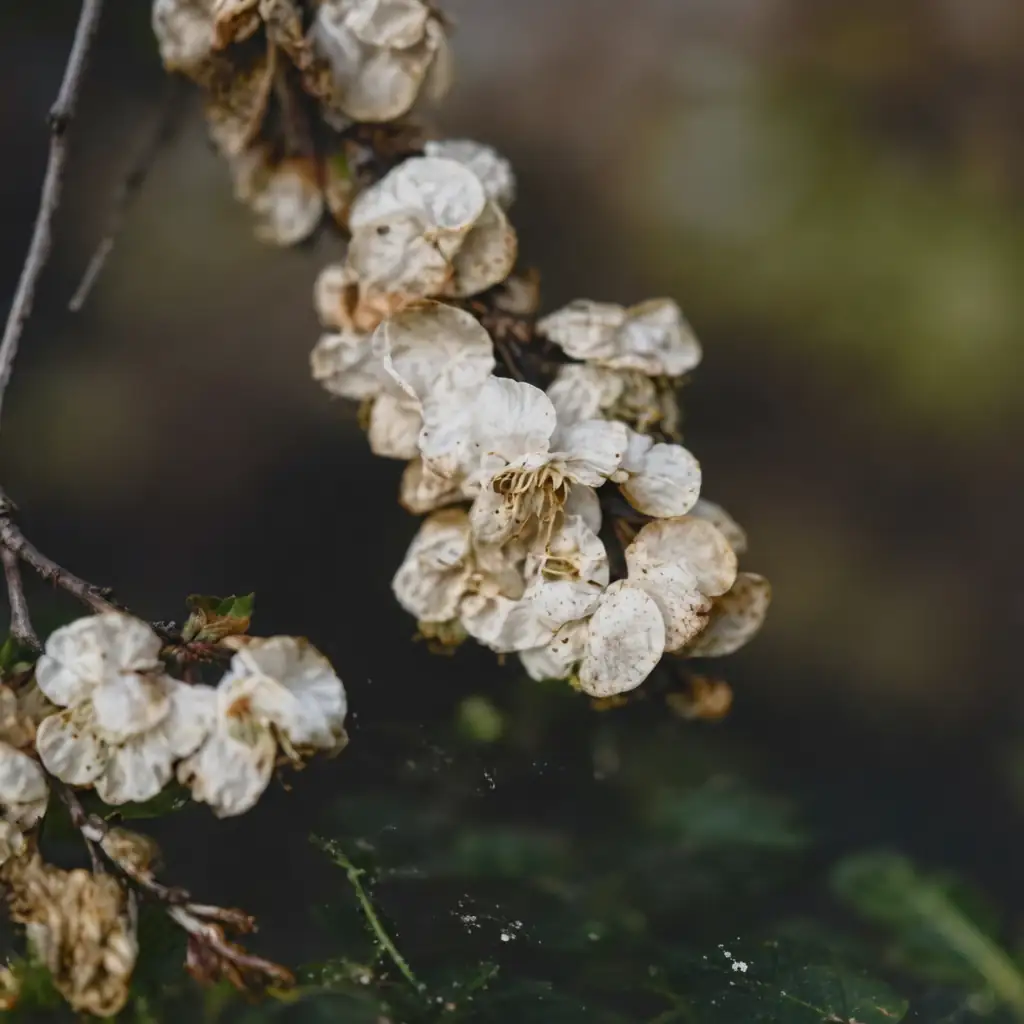
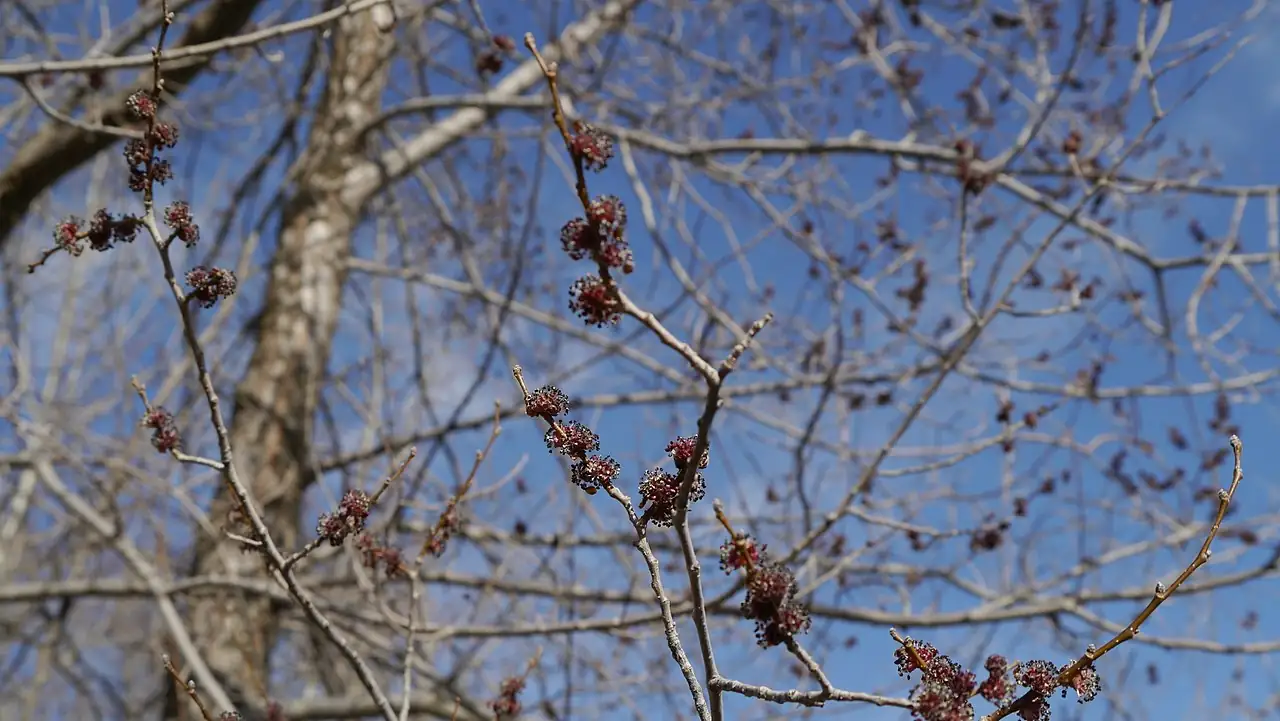
- Flower: In early spring, it produces small, inconspicuous flowers in clusters. Fruits are nearly round samaras (winged seeds) that turn pale yellowish-white as they ripen.
- Flowering Season: March–April
- Growth Habit: A vigorous deciduous tree with a rounded crown; resprouts strongly after cutting and tolerates repeated, even heavy pruning.
Environment
Sunlight
Full sun for best growth and a denser, healthier crown.
Temperature
Very cold-hardy; well-suited to cool-temperate climates. Roughly hardy to about USDA Zone 4 (around -34°C to -29°C / -29°F to -20°F).
Humidity
Prefers moderate to drier air and good airflow; avoid stagnant, persistently humid conditions and prolonged wetness around the roots.
Soil
Prefers deep, well-drained soils. Tolerates alkaline soils and moderately saline sites, but performs poorly in waterlogged or poorly drained ground.
Placement
Outdoors in full sun—excellent as a shade or street tree. Also useful for mass planting on slopes and lawns, and for closely planted hedges or shelterbelts/windbreaks.
Hardiness
USDA Zone 4–8 (approx. -34°C to -7°C / -29°F to 19°F); cold tolerant and tolerant of alkaline/saline soils; not tolerant of waterlogging.
Care Guide
Difficulty
Easy outdoors and very adaptable. Establishes well, grows quickly, and reliably rebounds after pruning or cutting.
Buying Guide
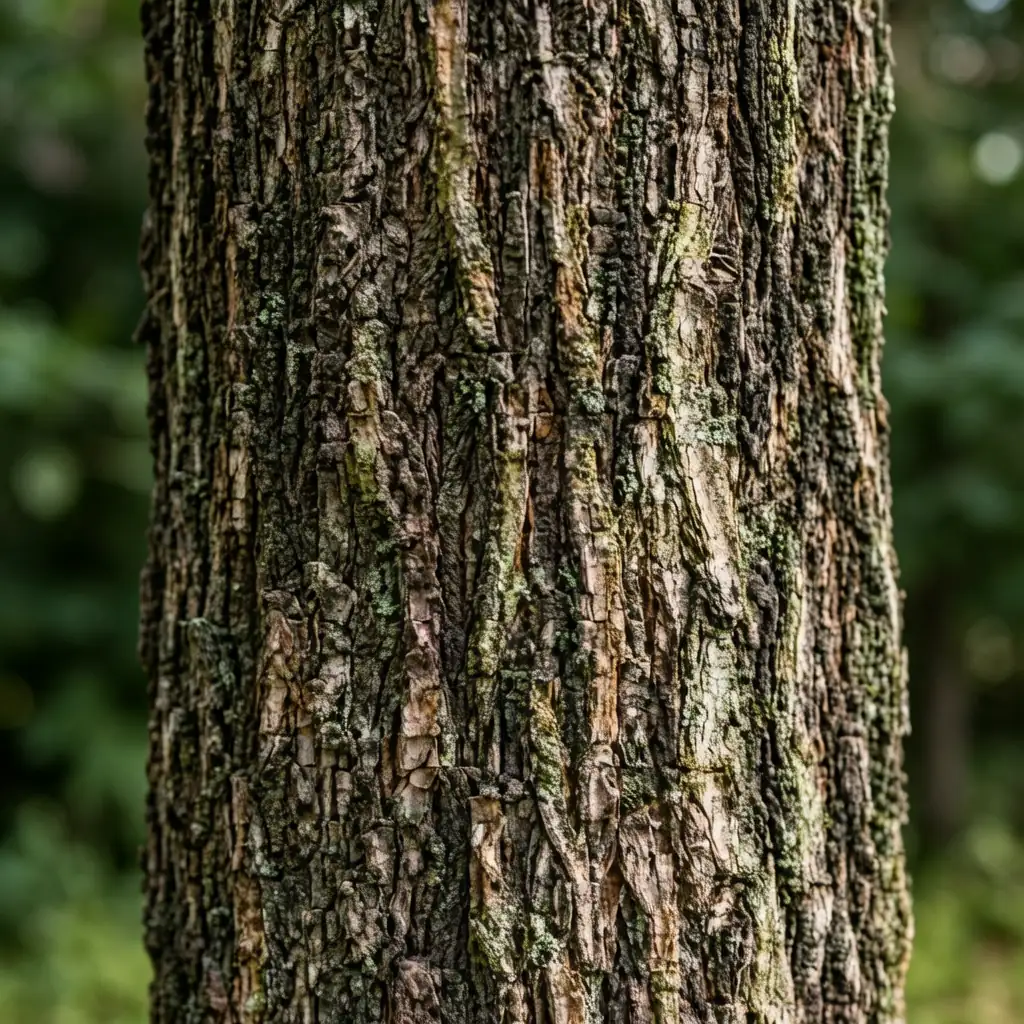
Pick plants with healthy bark and no dieback; choose a straight leader if you want a single-trunk tree form. Avoid stock with circling roots or signs of root problems (sour smell, blackened roots), especially if grown in heavy, wet potting media.
Watering
Water regularly while establishing. Once rooted, it’s fairly drought-tolerant, but grows best with deep watering during hot, dry spells. Keep soil evenly moist—not constantly wet—and prioritize good drainage (avoid waterlogging).
Fertilization
Not a heavy feeder. If growth seems weak, apply a balanced slow-release fertilizer in spring at label rates. Avoid excess nitrogen, which can cause soft, pest-prone growth.
Pruning
Prunes extremely well. Do major shaping and structural pruning in late winter to early spring before leaf-out—remove crossing branches, open the canopy, and maintain clearance for paths/streets. Can also be clipped routinely to form dense hedges and windbreaks.
Propagation
Propagated by seed (samaras) or hardwood cuttings. Also responds well to coppicing because of strong resprouting.
Repotting
Not typically grown long-term in containers. For nursery stock, up-pot only when rootbound using a free-draining mix; transplant into the ground during dormancy when possible.
📅 Seasonal Care Calendar
Flowers in March–April; samaras ripen April–June. Do major pruning in late winter to early spring. Throughout the year, avoid prolonged wet soil conditions to reduce stress and disease risk.
Pests, Diseases & Safety
Common Pests & Diseases
Can be bothered by elm leaf beetles, aphids, scale insects, and cankers. Watch for defoliation and treat early using integrated pest management (e.g., horticultural soap/oil where appropriate). Keep the tree vigorous and avoid waterlogged soils to reduce disease pressure.
Toxicity
Not commonly listed as toxic to people or pets. As with many landscape plants, chewing or ingesting a lot of leaves/twigs may cause mild stomach upset—discourage pets from eating it.
Culture & Symbolism
Symbolism: Often linked with resilience and protection—fitting for a tree valued for shelter, shade, and windbreaking.
History & Legends: Long favored in northern China for village greening, shelterbelts, and soil conservation thanks to its toughness, rapid growth, and tolerance of alkaline or saline conditions.
Uses: Widely used as a shade and street tree for urban greening. Also planted in groups on slopes and lawns, clipped into hedges and windbreaks, and used for sand fixation, erosion control, and afforestation on saline-alkaline or otherwise challenging sites.
FAQ
What is the scientific name of Siberian elm?
Ulmus pumila.
When does it flower and set seed?
It typically flowers in March–April, and the winged seeds (samaras) usually ripen from April–June.
Where does it naturally occur?
It is native across northern China and is commonly found on hillsides, in valleys, on plains, low hills, and sandy ridges.
What conditions does it tolerate best?
It prefers full sun and well-drained soils, tolerates cold and alkaline/moderately saline sites, and handles strong pruning well; it does not tolerate waterlogged ground.
What is it mainly used for in landscaping?
As a shade and street tree, for mass plantings on slopes or lawns, and as dense hedges or windbreaks that also help with erosion and sand/soil stabilization.
Fun Facts
- It can resprout strongly after cutting, which is why it’s often used in hedges, shelterbelts, and coppiced plantings.
- Its ability to cope with alkaline and moderately salty soils makes it a go-to tree for difficult, salt-affected sites.
- With pruning, it can be maintained either as a full-sized canopy tree or as a tightly clipped living barrier.