

Plant Features
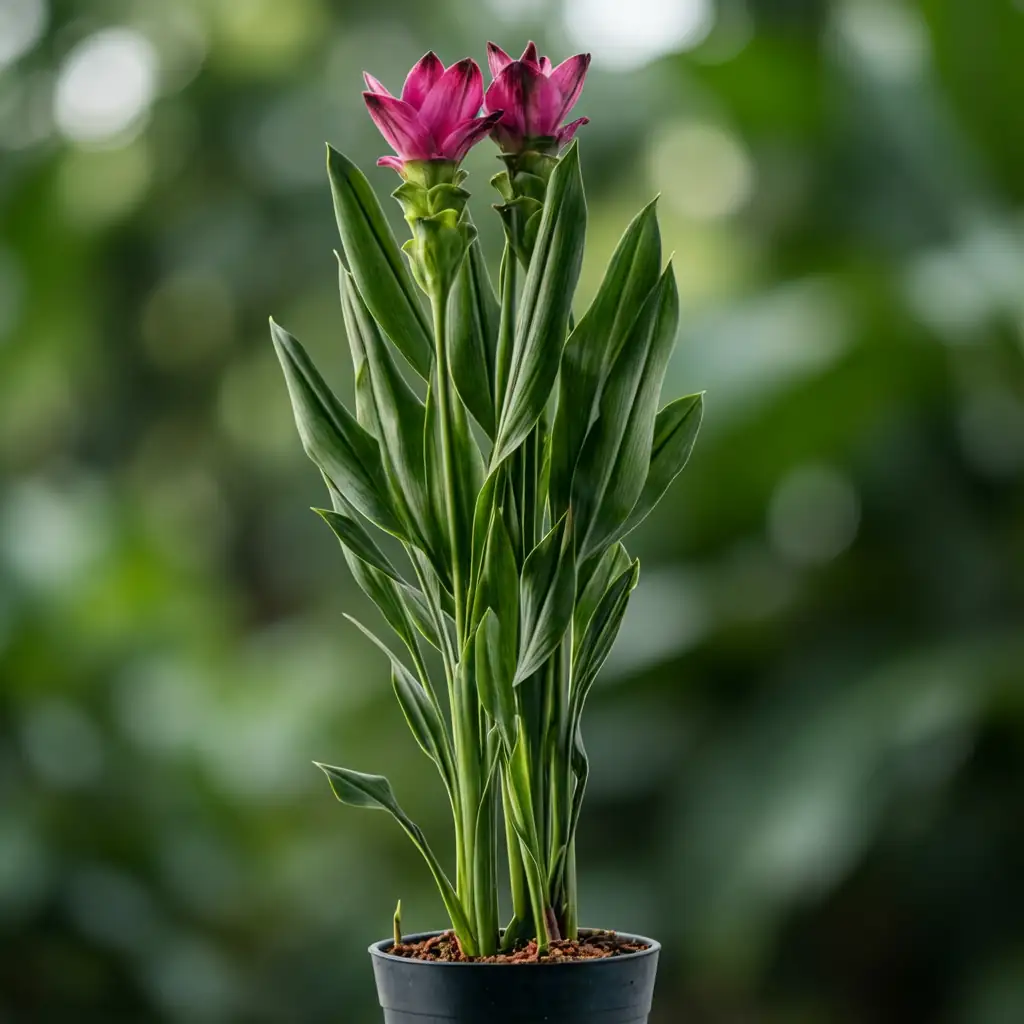
- Size: Typically about 60 × 60 cm (24 × 24 in) in containers.
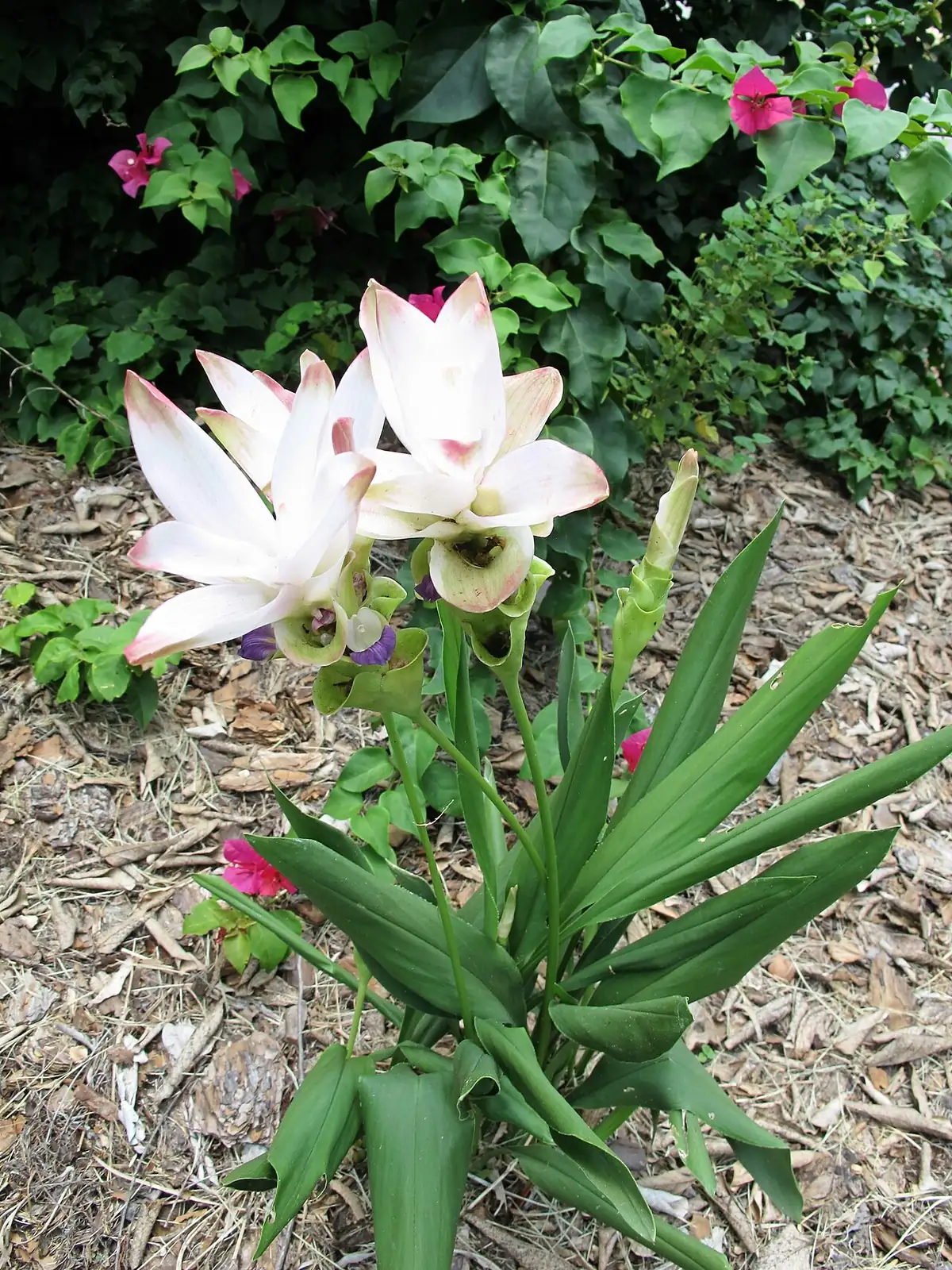
- Foliage: Deep green, lance-shaped leaves that create a lush, tropical look. As the plant heads into dormancy from mid-autumn to early spring, the foliage naturally yellows and dies back.
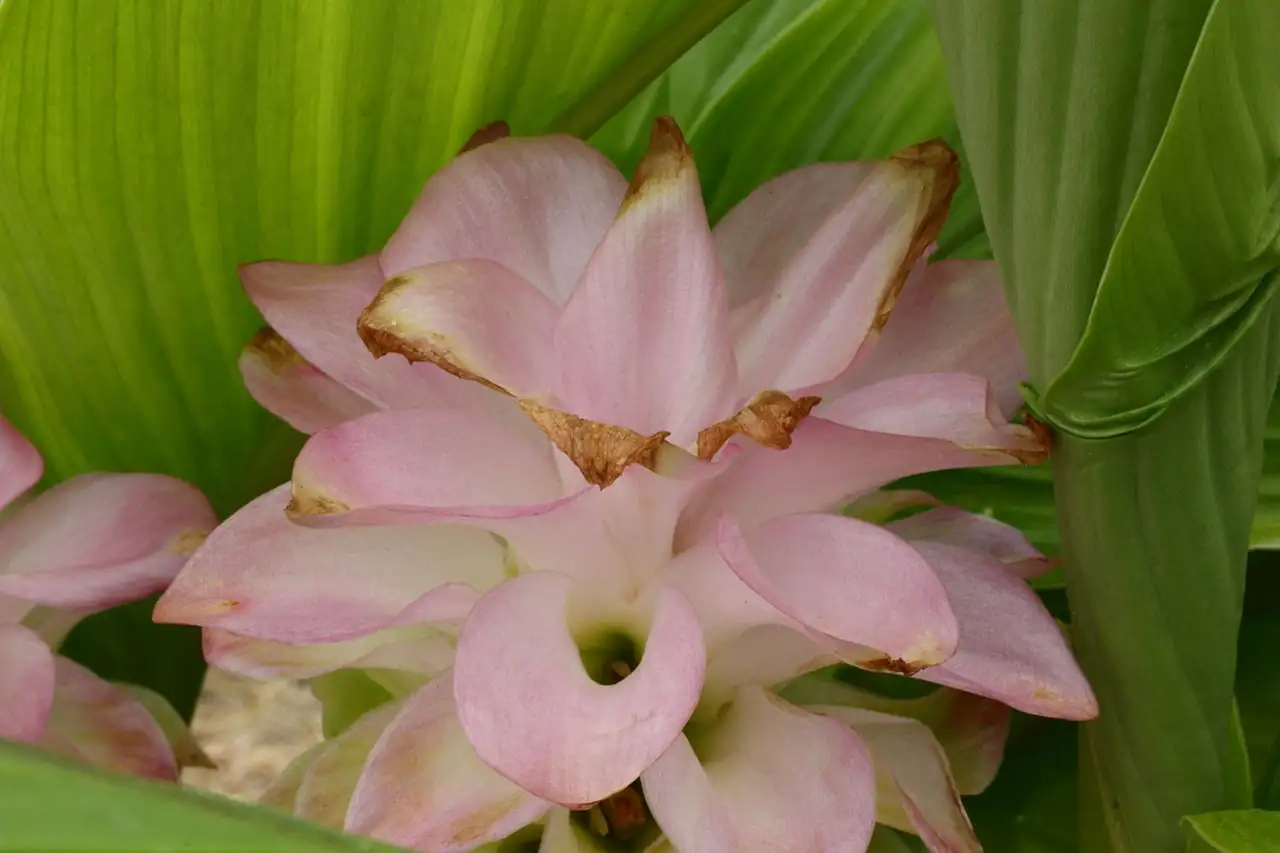
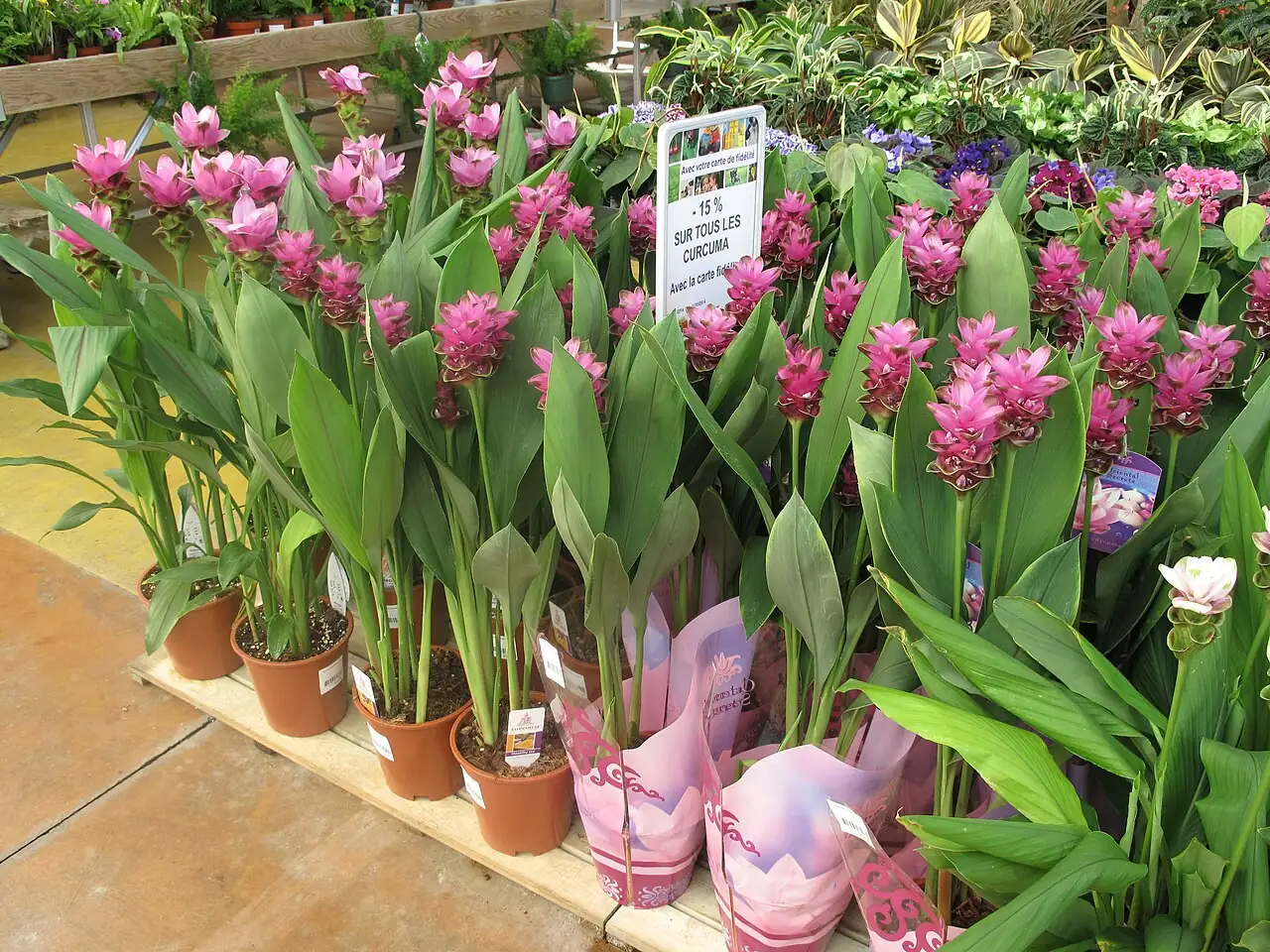
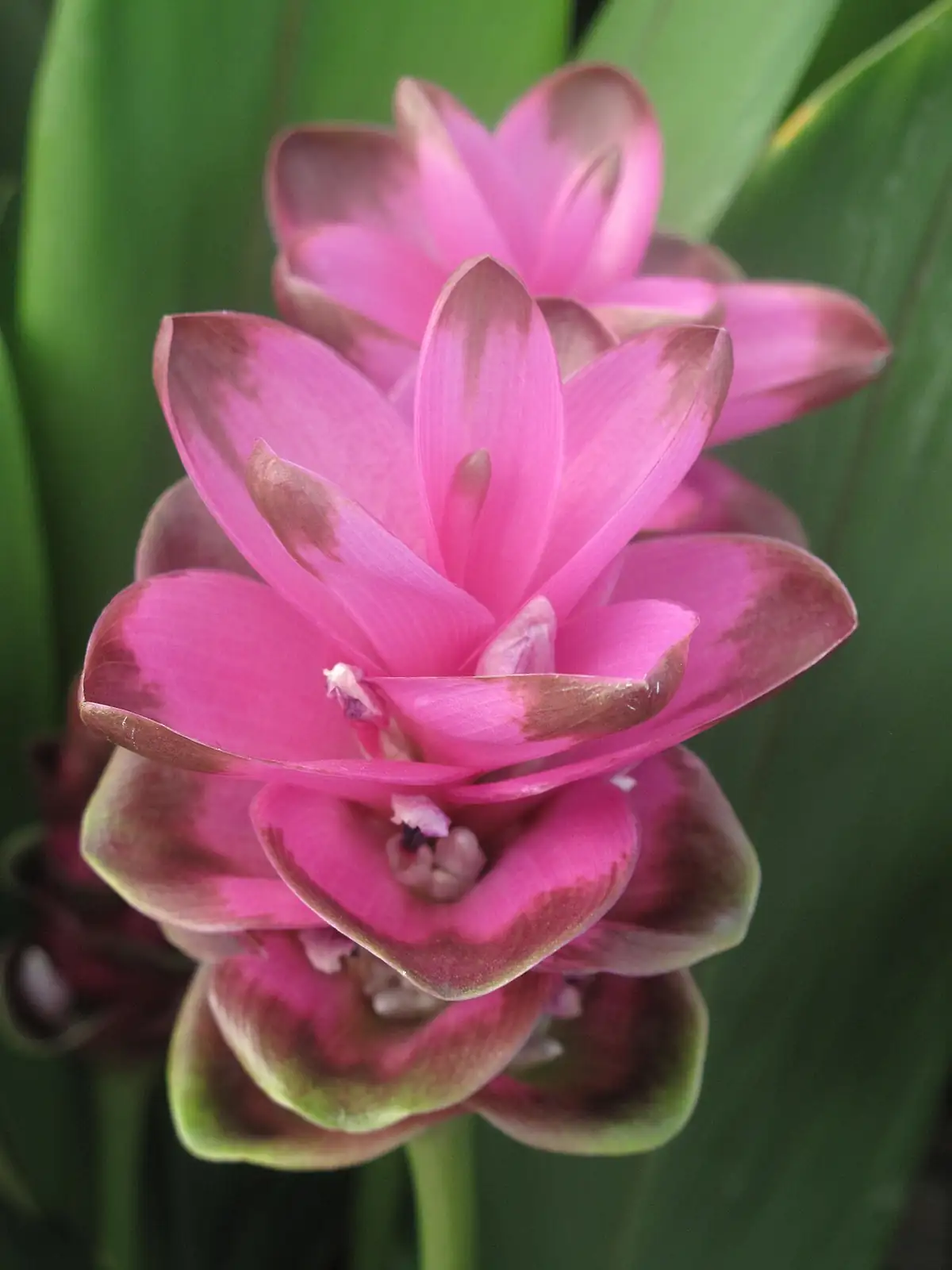
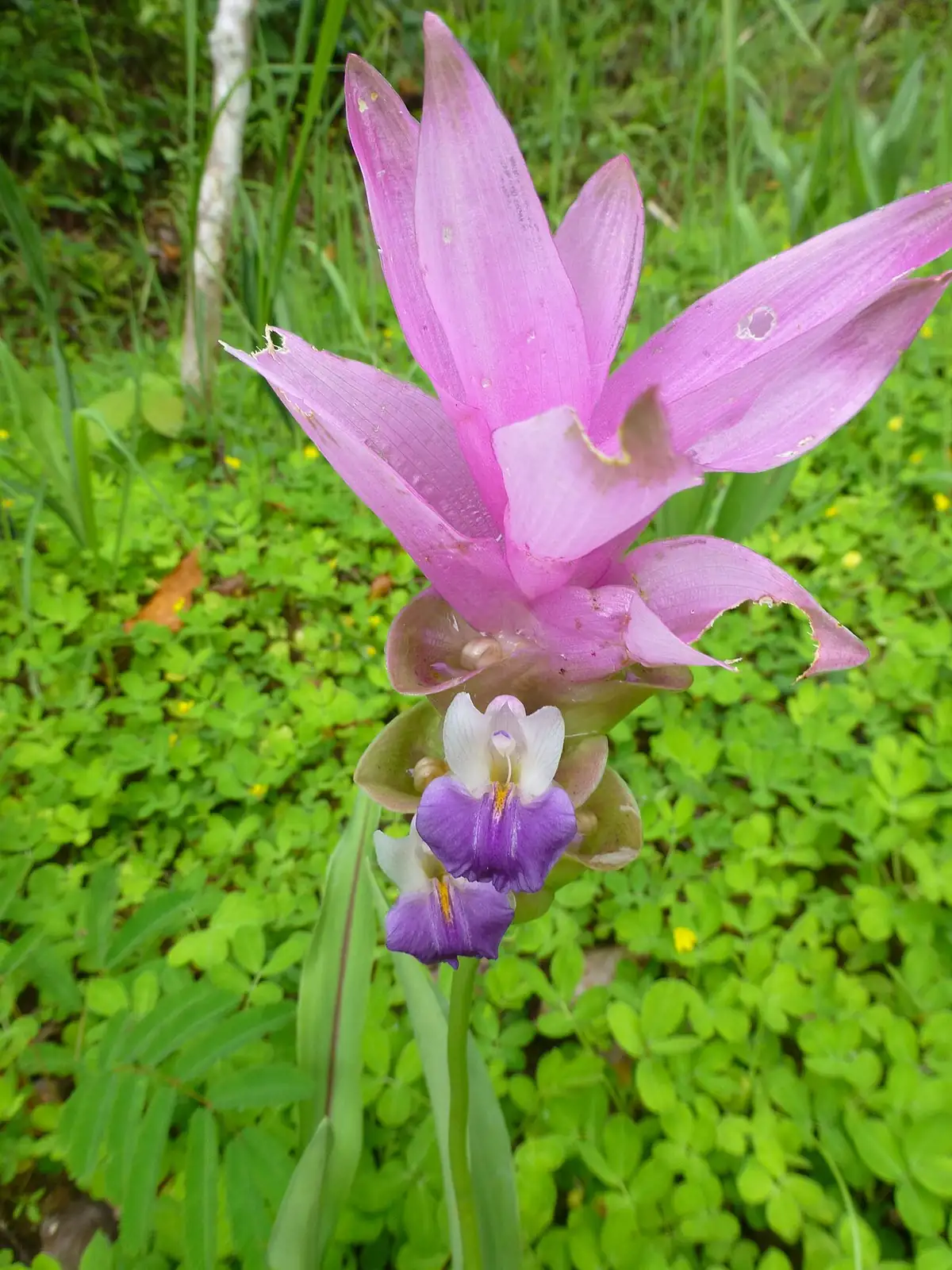
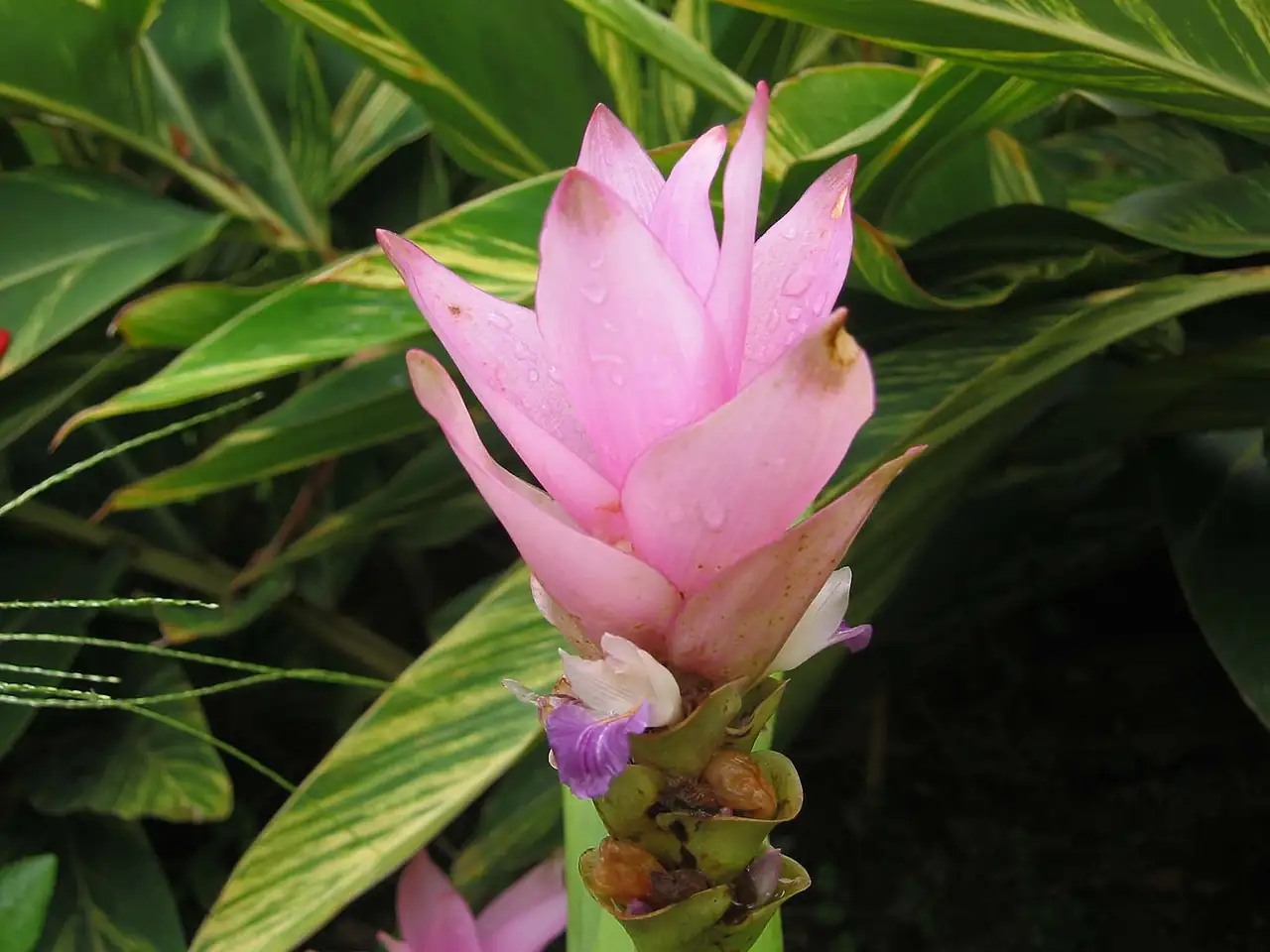
- Flower: Upright stems topped with cone- to tulip-shaped bracts in pink to purple (the main show). The true flowers are smaller and appear tucked between the bracts.
- Flowering Season: Summer
- Growth Habit: Upright, clump-forming plant arising from a rhizome; grows actively in warm months, then rests dormant in cooler seasons.
Environment
Sunlight
Bright light with protection from strong direct sun; partial sun/partial shade works well (for example, near an east window or in a filtered south window).
Temperature
18–24°C (64–75°F) during active growth. During dormancy, keep above about 12°C (54°F) to avoid cold damage.
Humidity
Moderate to high humidity; ideally around 50–70%+ if you can provide it.
Soil
A free-draining yet moisture-retentive rhizome mix (such as a peat/coco-based potting mix amended with perlite). A drainage layer is optional; what matters most is an airy mix and a pot with drainage holes.
Placement
Warm, humid spaces like a bright bathroom or kitchen; also suits a bright living room kept out of harsh midday sun.
Hardiness
Frost-tender; outdoors year-round mainly in USDA Zone 10–11. In cooler climates, grow in pots and overwinter in its dry-ish dormant phase.
Care Guide
Difficulty
Easy, especially if you follow its seasonal pattern: evenly moist during growth, much drier during dormancy.
Buying Guide
Pick firm, healthy rhizomes (or plants) with no soft spots, mold, or sour smell. For potted plants, choose ones with sturdy upright stems and clean foliage; avoid plants sitting in waterlogged soil.
Watering
Late spring through late summer (active growth): keep the mix evenly moist but never soggy. Boost humidity with occasional misting or a tray of damp pebbles. Mid-autumn through early spring (dormancy after die-back): water very sparingly—keep the mix almost dry to prevent rhizome rot.
Fertilization
Mid-spring through late summer: feed every 2 weeks with a balanced liquid fertilizer (full strength per label, or half-strength if the plant seems sensitive). Stop feeding as growth slows heading into autumn.
Pruning
After flowering and into autumn, remove spent flower stems and trim away yellowing/dead leaves as the plant enters dormancy.
Propagation
Rhizome division. In spring, plant rhizomes about 7.5 cm (3 in) deep in a medium pot around 15 cm (6 in) wide, positioning growth buds upward.
Repotting
Repot yearly in spring into fresh mix; this is also the best time to divide crowded rhizomes.
📅 Seasonal Care Calendar
Spring: repot with fresh, free-draining rhizome mix; plant rhizomes about 7.5 cm (3 in) deep in a ~15 cm (6 in) pot. Late spring to late summer: keep evenly moist, raise humidity as needed, fertilize every 2 weeks from mid-spring to late summer. Mid-autumn to early spring: expect die-back and dormancy; keep soil nearly dry, and remove old stems/leaves in autumn.
Pests, Diseases & Safety
Common Pests & Diseases
May attract spider mites in dry air, plus aphids or mealybugs on tender new growth. Rhizome/root rot is the big risk if kept wet during dormancy. Improve airflow, rinse pests off, and use insecticidal soap if needed; prevent rot with a fast-draining mix and much lighter watering during winter rest.
Toxicity
Not generally considered highly toxic, but chewing or ingestion may cause mild stomach upset in people or pets. Keep away from curious children and animals.
Culture & Symbolism
Symbolism: Often associated with tropical beauty and cheerful summer color, thanks to its bright, long-lasting bracts and seasonal bloom.
History & Legends: Grown widely in Thailand as an ornamental Curcuma, Siam tulip became popular worldwide as a potted summer-blooming plant because its bracts stay colorful for a surprisingly long time.
Uses: Primarily ornamental—grown in pots indoors or as a warm-season patio plant to bring a tropical feel, especially in naturally humid rooms like bathrooms and kitchens.
FAQ
Why is my Siam tulip turning yellow and dying back?
If it’s happening from mid-autumn to early spring, it’s usually normal dormancy. Reduce watering sharply and let it rest as a rhizome; new growth typically returns in spring with warmth and moisture.
Are the pink “flowers” real flowers?
The bright pink-purple parts are bracts (modified leaves). The true flowers are smaller and appear between the bracts.
Can I grow Siam tulip outdoors?
Yes, in warm, frost-free climates (roughly USDA Zone 10–11). In cooler regions it’s best as a container plant that can be brought indoors and kept drier during its dormant season.
Fun Facts
- The colorful “flowers” are actually bracts; the true flowers are smaller and emerge between them.
- Siam tulip is not a true tulip—it belongs to the ginger family (Zingiberaceae).
- Its natural die-back in cooler seasons is normal dormancy, not necessarily a sign of poor health.


