

Plant Features
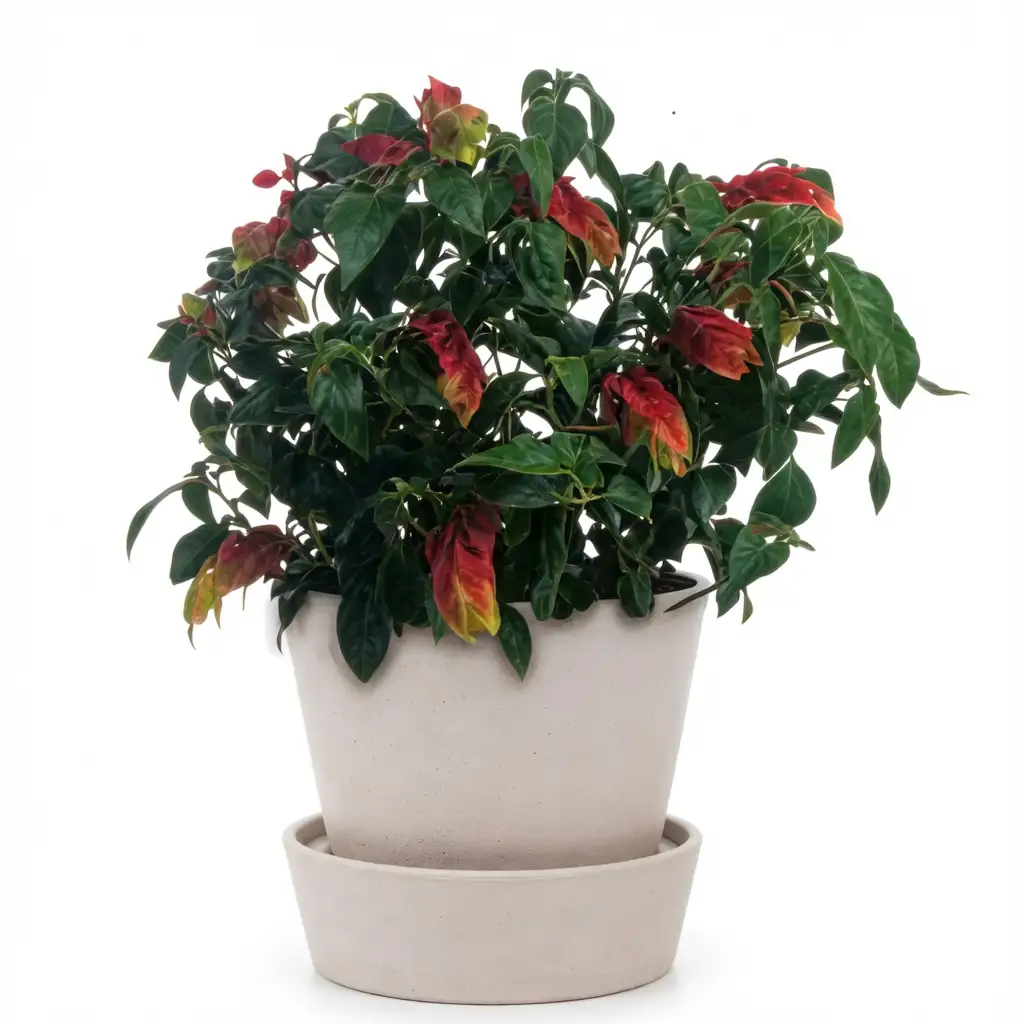
- Size: Typically about 60 × 60 cm (24 × 24 in) as a compact potted shrub; can grow larger in warm outdoor settings.
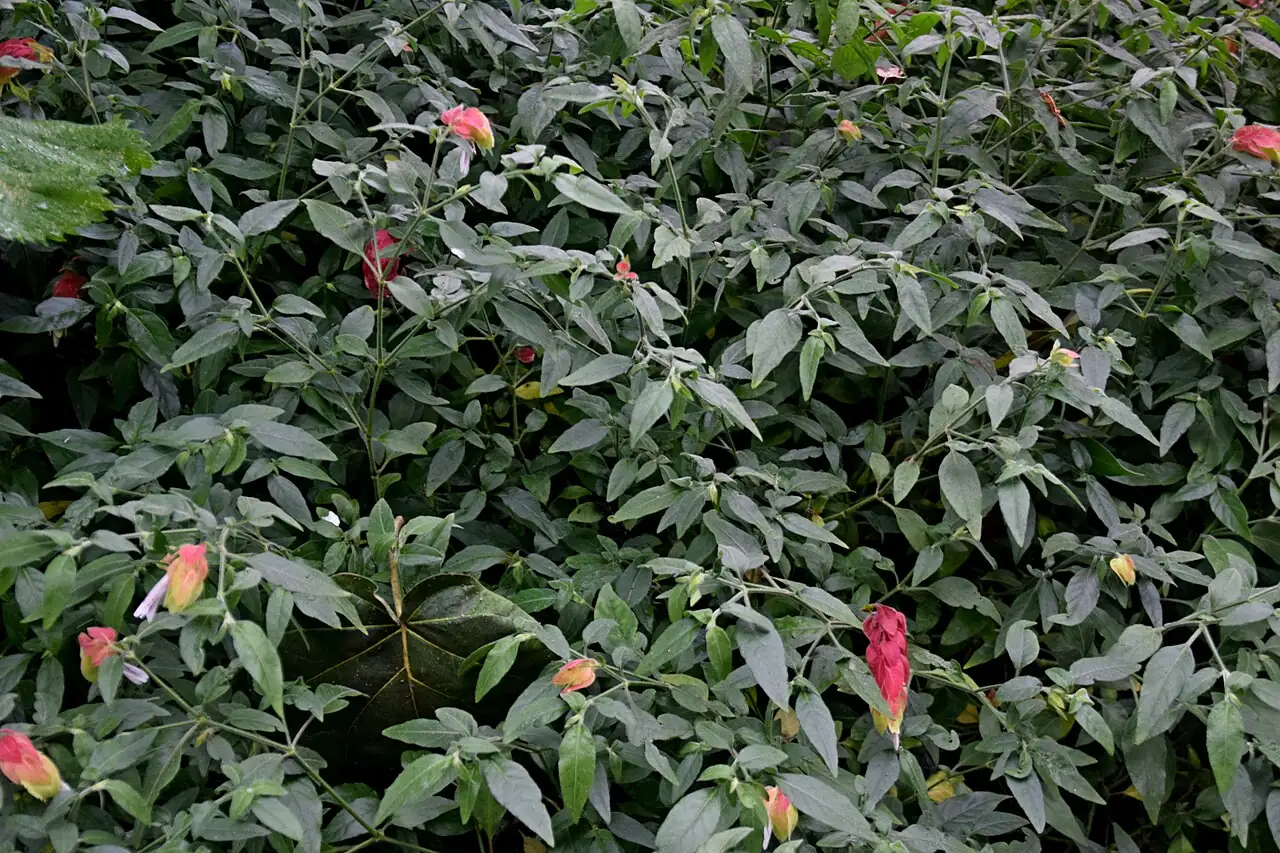
- Foliage: Narrow to lance-shaped green leaves carried on soft, shrubby stems; the inflorescences sit among the foliage.
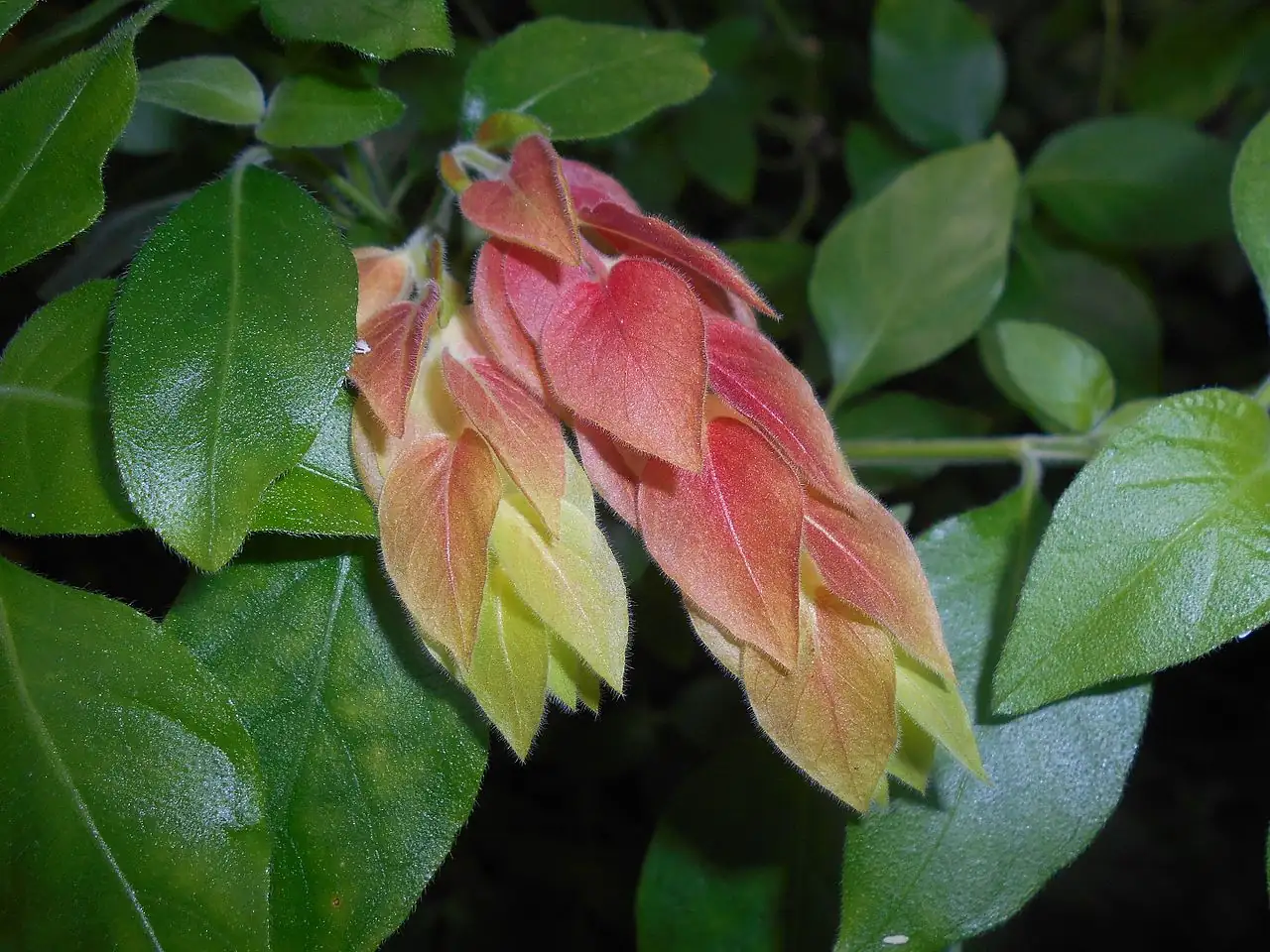
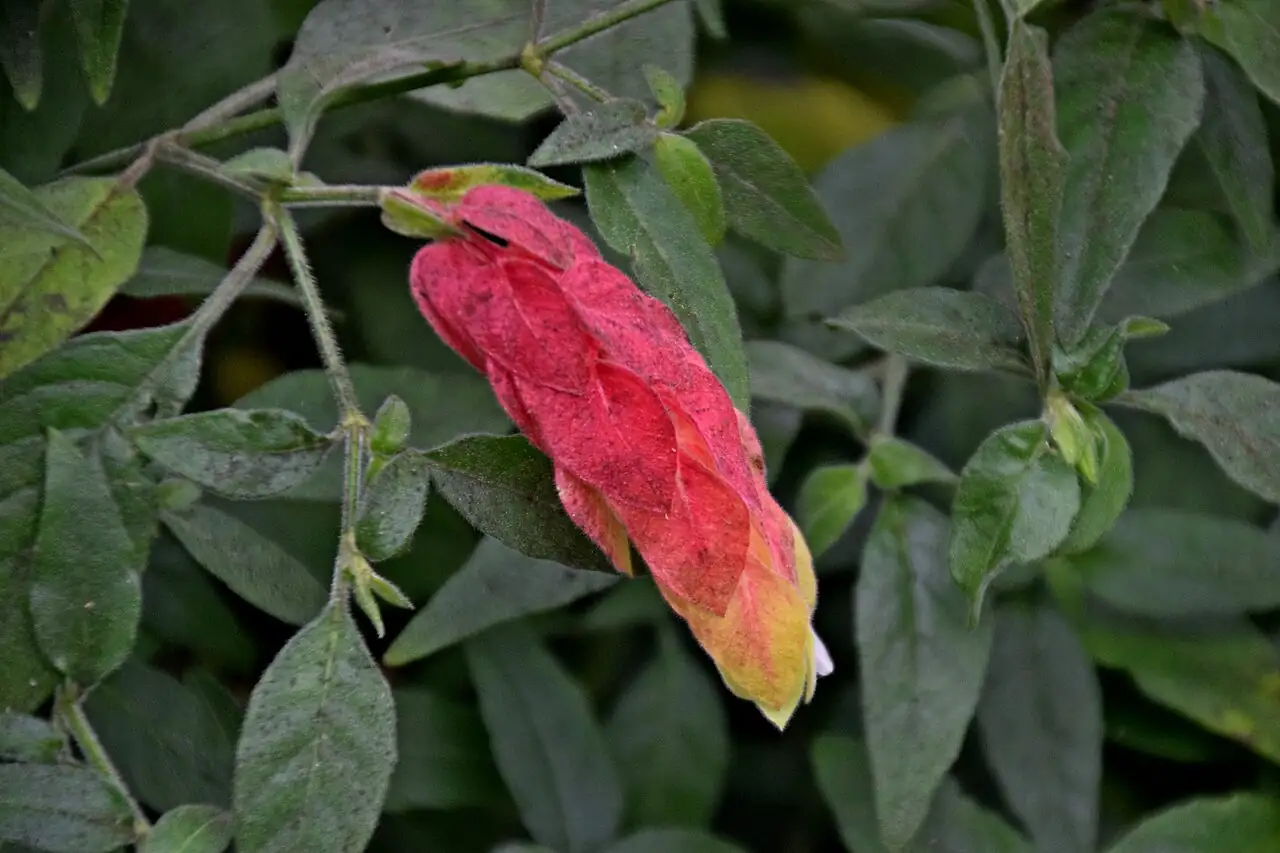
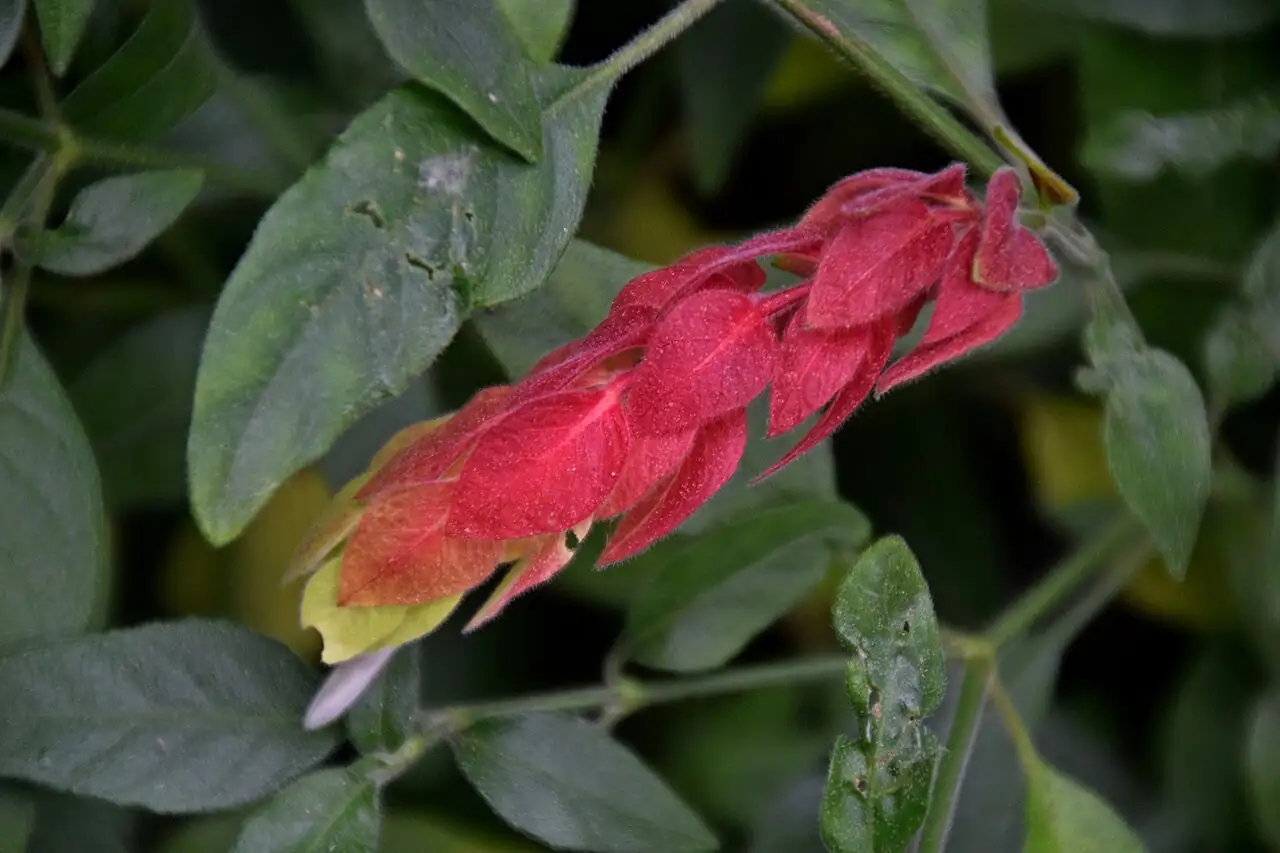
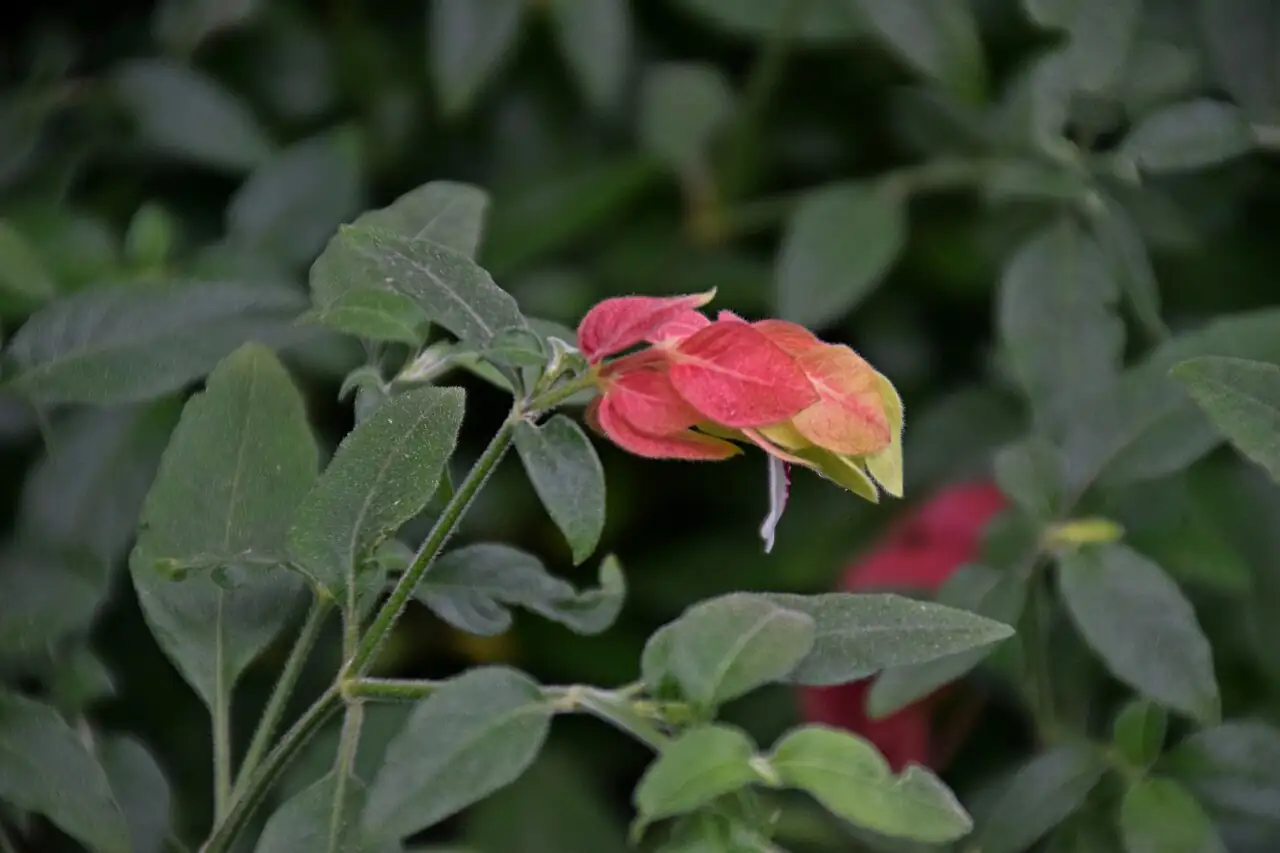
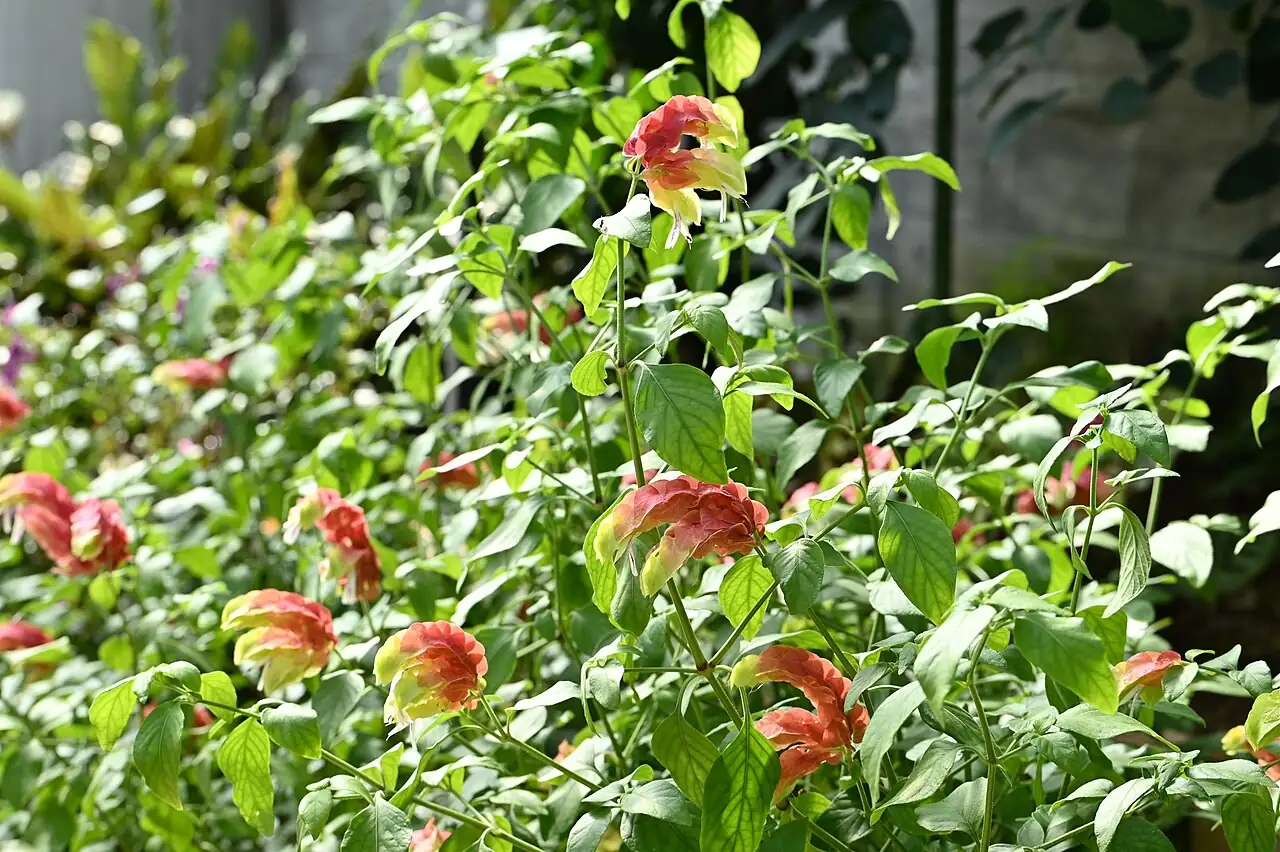
- Flower: Showy, shrimp-like spikes made of overlapping coral-red to yellow bracts, with small white tubular flowers emerging from within; can flower repeatedly over much of the year in good light.
- Flowering Season: Year-round (best with bright light and warmth)
- Growth Habit: Bushy, branching subshrub; benefits from pruning to stay compact.
Environment
Sunlight
Full sun to partial sun outdoors; indoors, bright light. In hot summer conditions, protect from harsh direct midday sun.
Temperature
15–25°C (59–77°F); protect from cold—avoid prolonged exposure below about 10°C (50°F).
Humidity
Low to average household humidity is usually sufficient; avoid extremely dry air for long periods.
Soil
A well-draining, peat- or coir-based potting mix. Grow in a medium pot about 15–20 cm (6–8 in) wide with drainage holes.
Placement
A bright windowsill or very bright room; outdoors, a sunny/partly sunny spot with summer shade from intense midday sun.
Hardiness
USDA Zone 10–11; not frost-tolerant.
Care Guide
Difficulty
Easy; responds well to regular watering in the growing season and hard pruning to keep a full, compact shape.
Buying Guide
Choose plants with firm stems, fresh green leaves, and plenty of colorful bracts. Avoid pots that are waterlogged, plants with widespread leaf drop, or obvious pest signs (sticky residue, webbing, cottony clusters).
Watering
Spring–summer: keep the potting mix evenly moist (not soggy). Winter: water when the top of the mix dries out; reduce frequency in cooler, lower-light conditions.
Fertilization
Mid-spring to early autumn: feed every 2 weeks with a balanced liquid fertilizer at label rate (or half-strength if growth is soft). Pause or reduce feeding in winter.
Pruning
Hard prune in spring to encourage dense branching and a compact plant. Pinch back soft tips during the growing season to promote more flowering shoots.
Propagation
Stem cuttings taken in spring or summer root readily in moist propagation mix or water; keep warm and in bright, indirect light until established.
Repotting
Repot in spring every 2–3 years, or sooner if root-bound. Move up one pot size (about 2–5 cm / 1–2 in wider) and refresh the mix.
📅 Seasonal Care Calendar
Spring–summer: keep evenly moist; pinch tips as needed. Mid-spring to early autumn: fertilize every 2 weeks. Spring: hard prune. Every 2–3 years in spring (or when root-bound): repot. Winter: let the surface dry slightly between waterings.
Pests, Diseases & Safety
Common Pests & Diseases
Watch for spider mites, whiteflies, mealybugs, and aphids (especially indoors). Improve airflow, rinse foliage, and treat early with insecticidal soap or horticultural oil. Overwatering can lead to root rot—use a free-draining mix and avoid standing water.
Toxicity
Generally considered low-toxicity, but sap and plant material may cause mild irritation in sensitive people or pets. Prevent chewing by pets and wash hands after pruning.
Culture & Symbolism
Symbolism: Often associated with cheerful, tropical color and lively conversation—its unusual blooms make it a natural “conversation piece.”
History & Legends: Native to Mexico and widely grown as an ornamental in warm climates and as a houseplant elsewhere; valued for its long-lasting bracts and easy response to pruning.
Uses: Primarily ornamental for pots, patios, and warm-climate gardens; also used to attract pollinators outdoors where it can be grown year-round.
FAQ
Why is my shrimp plant not flowering?
Insufficient light is the most common cause. Move it to brighter light (a sunny window or brighter indoor spot), keep it warm, and feed lightly during the growing season. Regular pinching/pruning also encourages more flowering shoots.
Can I cut it back hard?
Yes. A hard prune in spring helps keep the plant compact and promotes bushier growth and better flowering.
How often should I water in winter?
Water when the top layer of the potting mix feels dry. In cooler, lower-light conditions, the plant uses less water, so reduce frequency to avoid root rot.
Fun Facts
- The colorful “shrimp” parts are bracts (modified leaves), not the true flowers—the true flowers are the small white tubes that emerge from the bracts.
- With good light, the bracts can persist for a long time, giving the plant a nearly continuous display.


