

Plant Features
- Size: Typically 20–80 cm (8–31 in) tall.
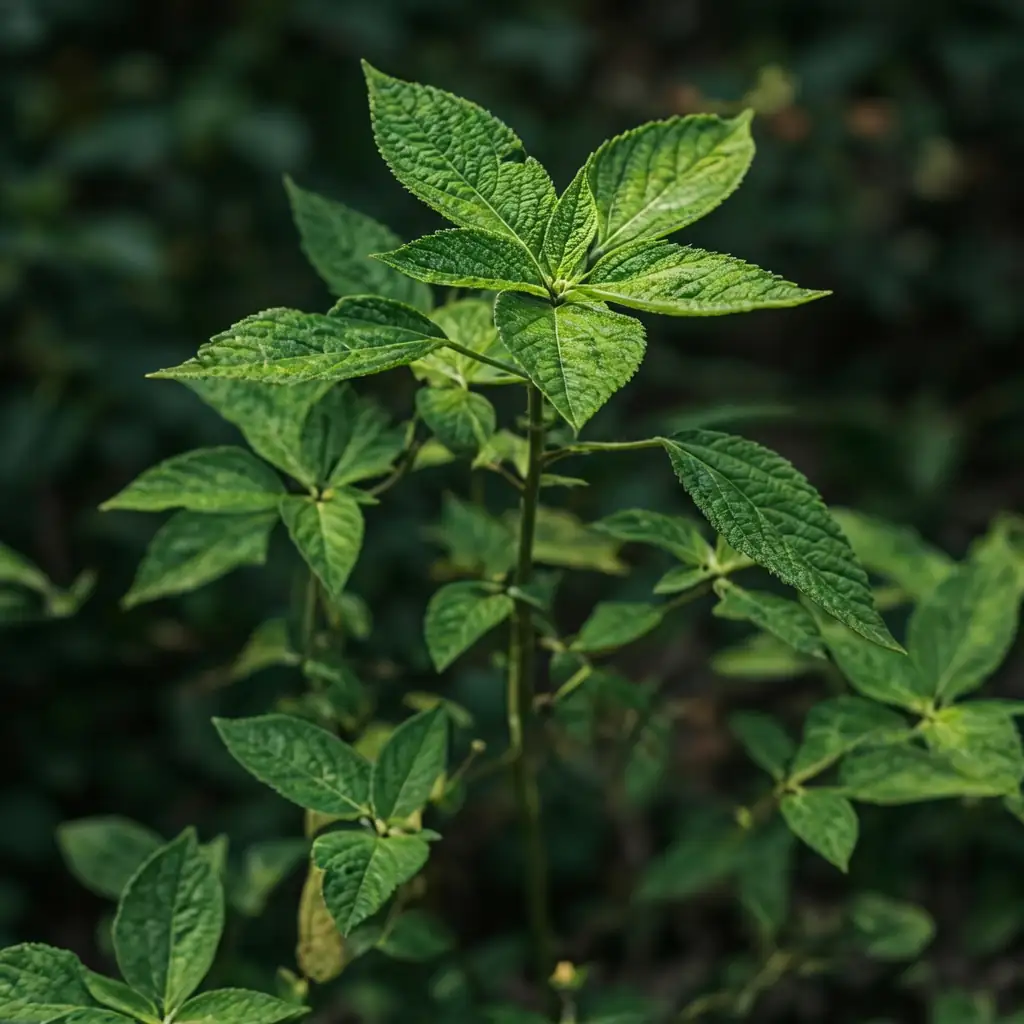
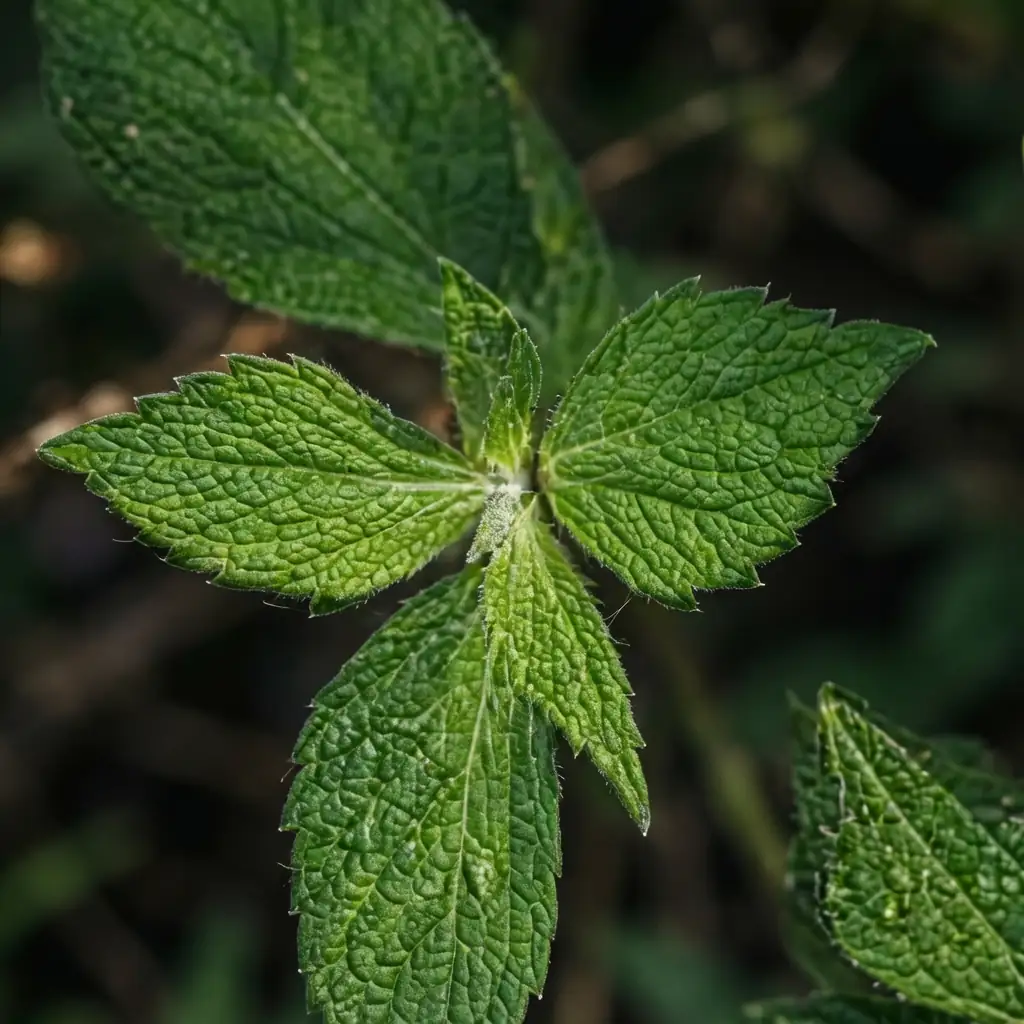
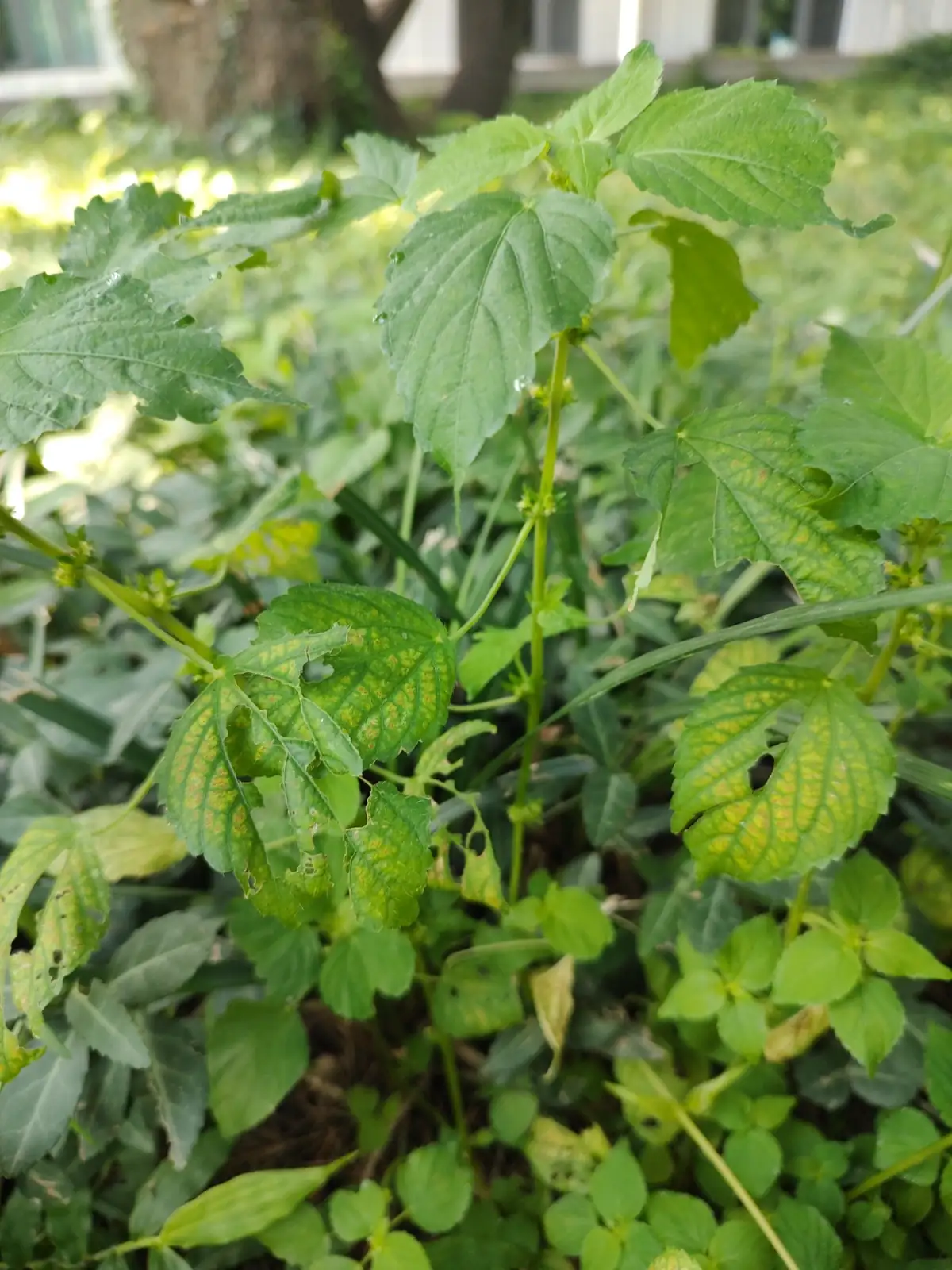
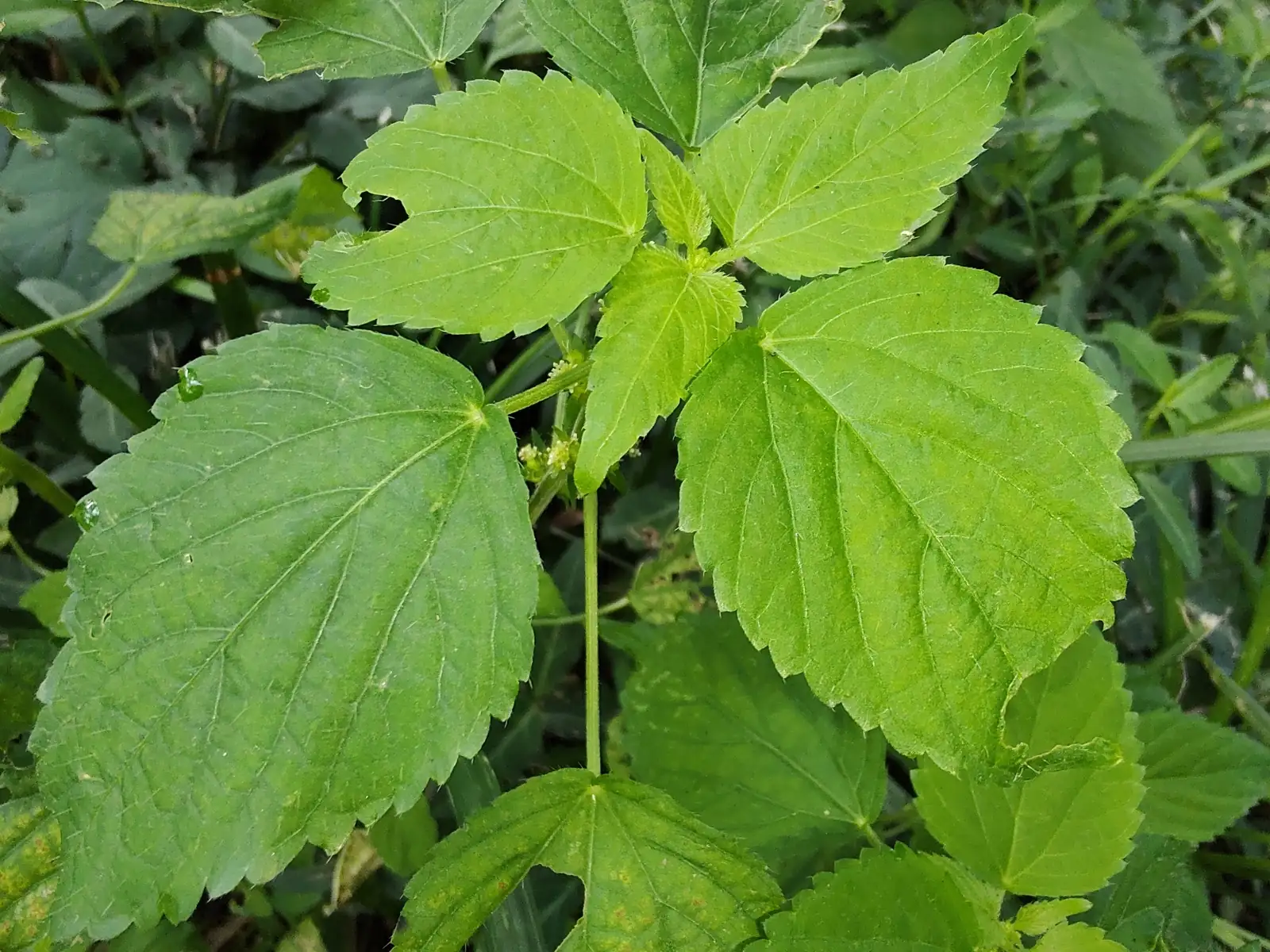
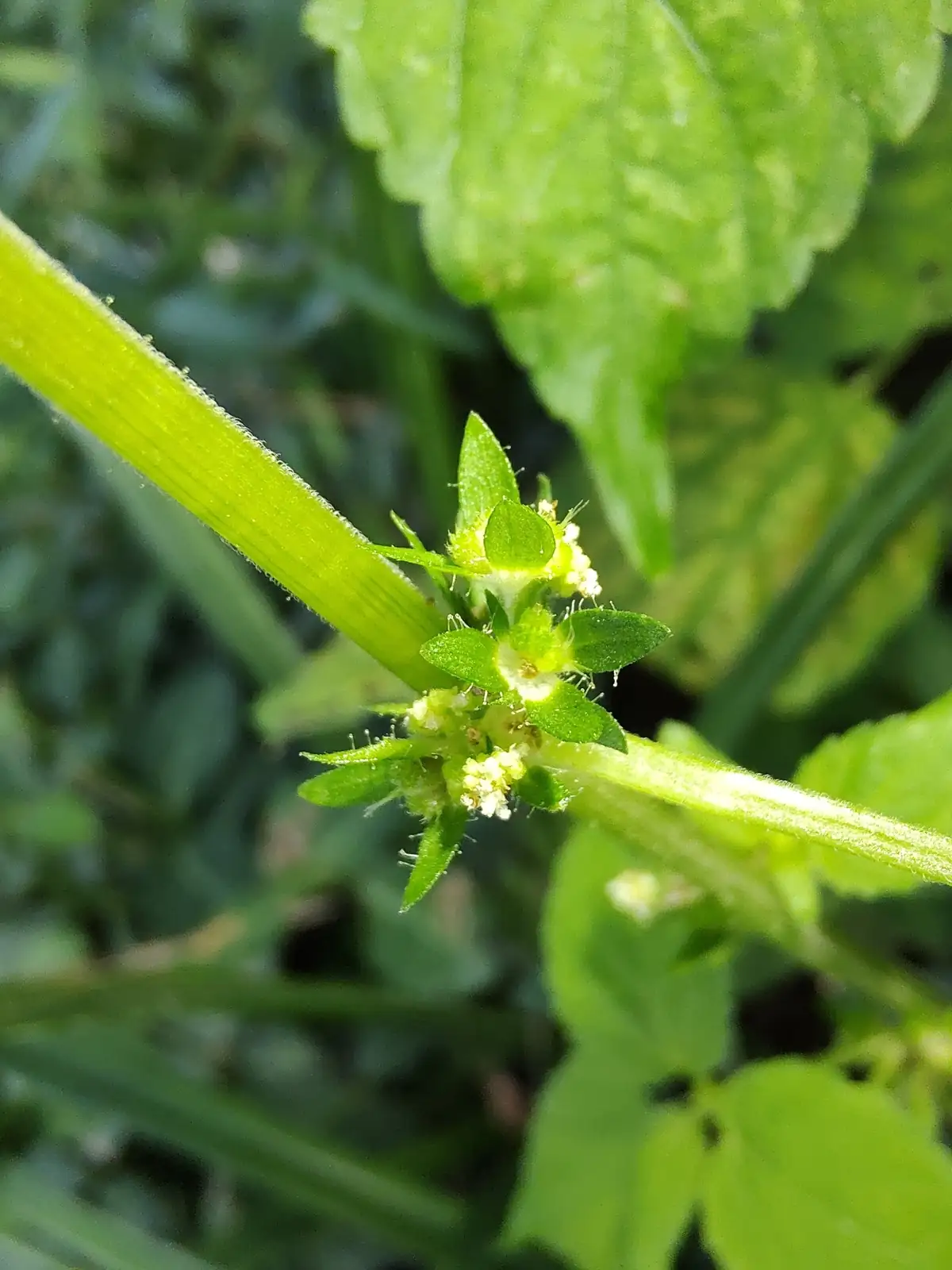
- Foliage: The whole plant has a soft, fine hairiness. Leaves are thin-textured (papery), ovate to broadly ovate or rhombic-ovate (diamond-ovate).
- Flower: Flowers are small and carried on 1–3 axillary spikes; male and female flowers occur on the same inflorescence. Fruits are capsules; seeds are egg-shaped with a slightly rough seed coat and a very small aril.
- Flowering Season: May–July
- Growth Habit: Annual herb; often low and weedy-looking, spreading as a seasonal groundcover in consistently moist sites and readily self-seeding where conditions suit it.
Environment
Sunlight
Part shade to bright, dappled light; handles shade best when the soil stays evenly moist.
Temperature
Grows best in mild to warm weather, about 15–30°C (59–86°F).
Humidity
Prefers humid air and consistently moist conditions.
Soil
Moist, fertile, well-drained soil; typical of damp grassland soils along streams, paths, and roadsides. Avoid long-term waterlogging.
Placement
Naturalistic garden edges, damp meadows, streamside plantings, or lightly shaded beds where seasonal self-sowing is welcome.
Hardiness
Warm-season annual; not frost tolerant—protect from temperatures below 0°C (32°F).
Care Guide
Difficulty
Easy when its moisture needs are met: keep evenly moist and avoid hot, dry exposure that causes stress and stunting.
Buying Guide
More commonly encountered as a wild plant than sold as an ornamental. If buying seed, confirm the scientific name (Acalypha brachystachya) and choose clean, viable seed from a reputable supplier.
Watering
Keep soil evenly moist but not waterlogged. During dry spells, water deeply when the top 2–3 cm (0.8–1.2 in) begins to dry.
Fertilization
Often unnecessary in decent garden soil. In containers or poor soil, feed lightly with a balanced fertilizer at 1/4–1/2 strength every 4–6 weeks during active growth.
Pruning
Not required. Pull or shear plants after seed set to tidy. If you want to limit spread, remove plants (or flower spikes) before seeds mature and drop.
Propagation
Primarily by seed. It readily self-sows in suitably moist sites. For deliberate sowing, sprinkle seed on the soil surface and keep evenly moist until seedlings establish.
Repotting
Not typically repotted because it’s an annual. If growing in pots, start small and pot up once into a final container around 15–20 cm (6–8 in) to minimize root disturbance.
📅 Seasonal Care Calendar
Flowering: May–July. Fruiting/seed set: July–November. Let a few capsules mature for natural reseeding, or remove plants before seed drop if you want to keep it contained.
Pests, Diseases & Safety
Common Pests & Diseases
Usually trouble-free. In stagnant, overly wet conditions it may suffer damping-off or root/crown rot. In crowded growth, aphids can appear. Improve airflow and avoid chronically waterlogged soil to prevent problems.
Toxicity
Not well documented in common household safety references for this exact species. However, as a Euphorbiaceae plant, its sap may irritate skin or eyes in sensitive people—handle with care (gloves are sensible) and keep away from children and pets.
Culture & Symbolism
Symbolism: No widely recognized symbolism in English-language horticulture.
History & Legends: No prominent legends are commonly recorded; it’s mainly known as a widespread wild herb of moist habitats.
Uses: A seasonal, self-seeding groundcover choice for naturalistic or wild gardens in damp, lightly shaded places; also recorded in traditional herbal contexts.
Fun Facts
- Depending on moisture and competition, it can stay low or stretch up to about 80 cm (31 in).
- The plant’s soft hairiness and papery leaves give it a gentle, slightly velvety look up close.
- Male and female flowers share the same spike—an efficient setup for a fast-living annual.
- It’s widespread across much of China and commonly shows up along stream banks, slopes, and paths.
- In the right spot it self-sows readily, returning each warm season like a familiar volunteer.


