


Plant Features
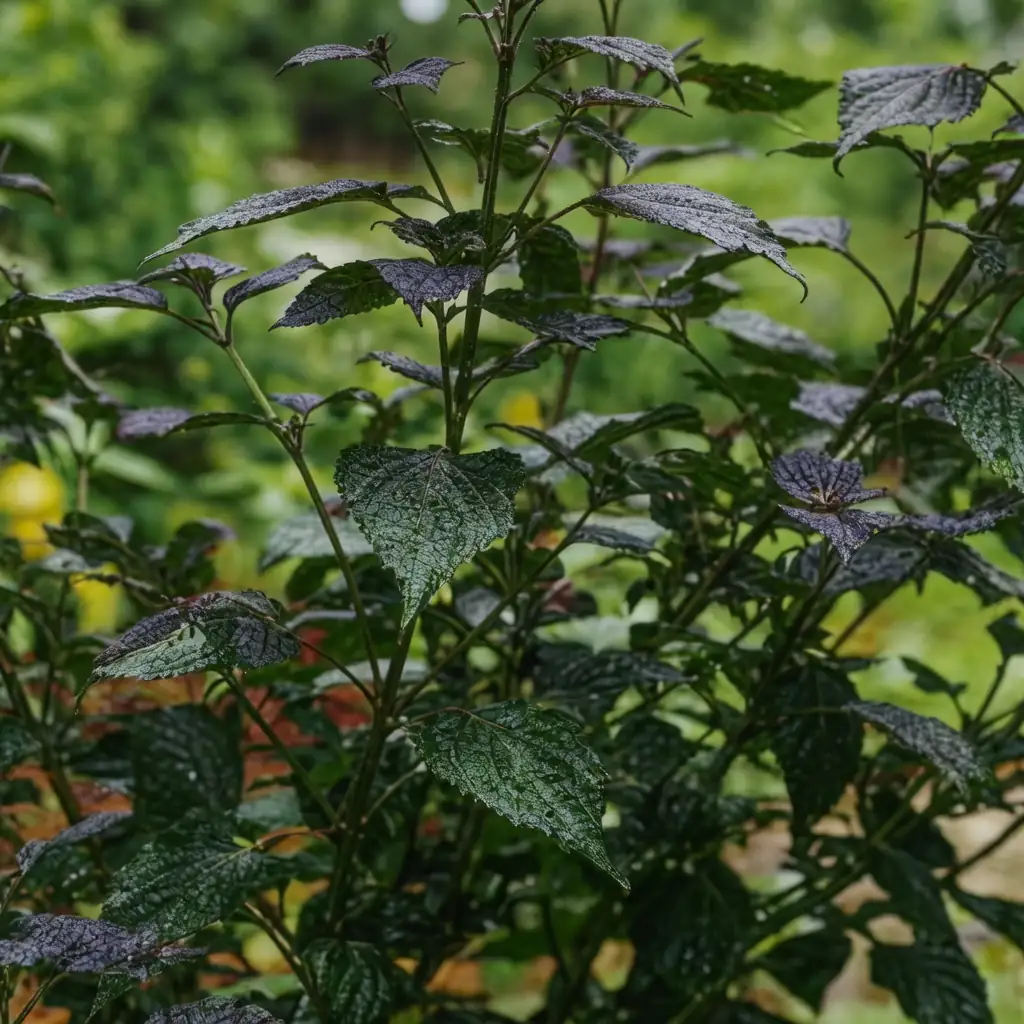
- Size: Typically 30–120 cm (12–47 in) tall; can reach up to about 200 cm (79 in) in favorable conditions.
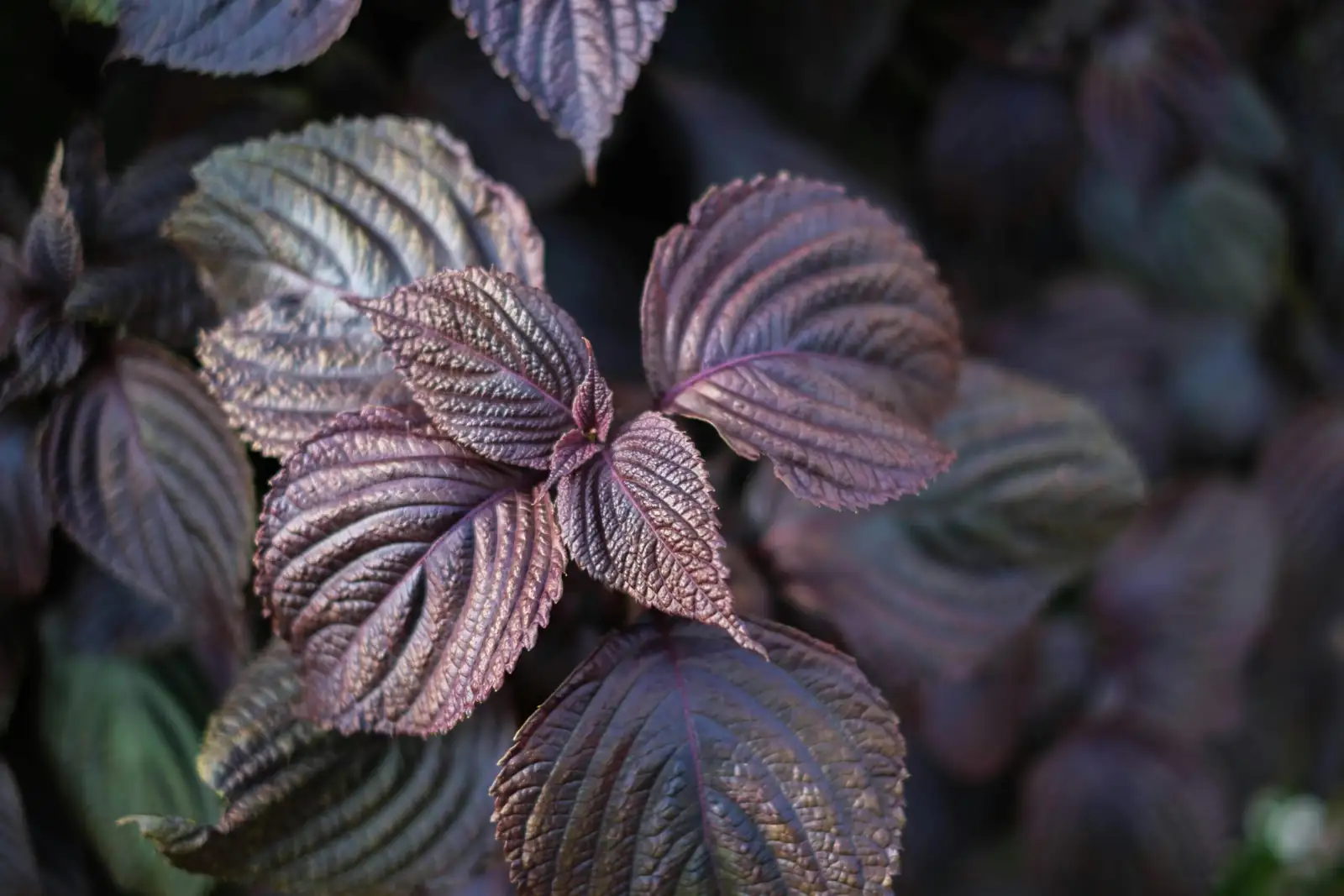
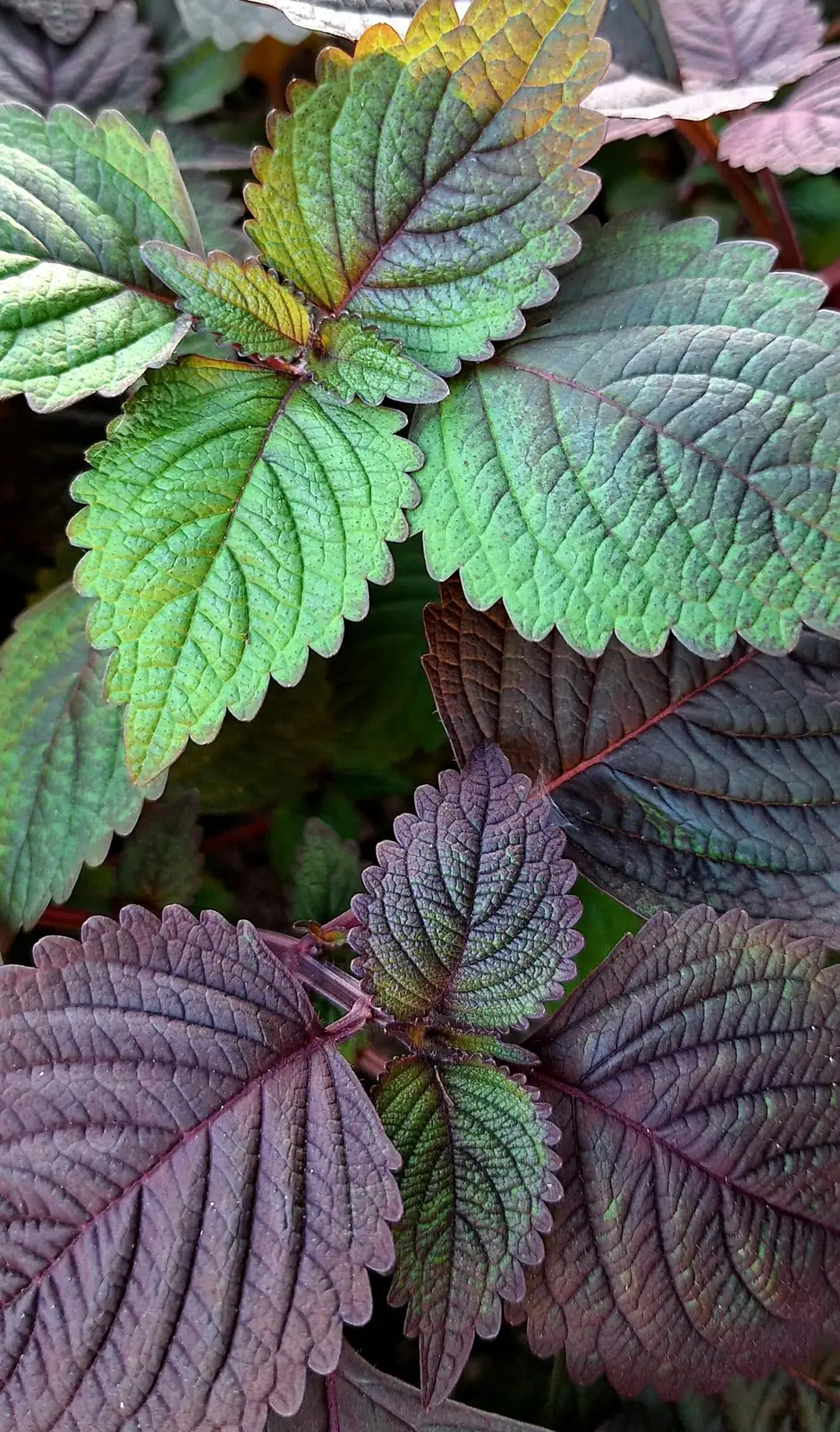
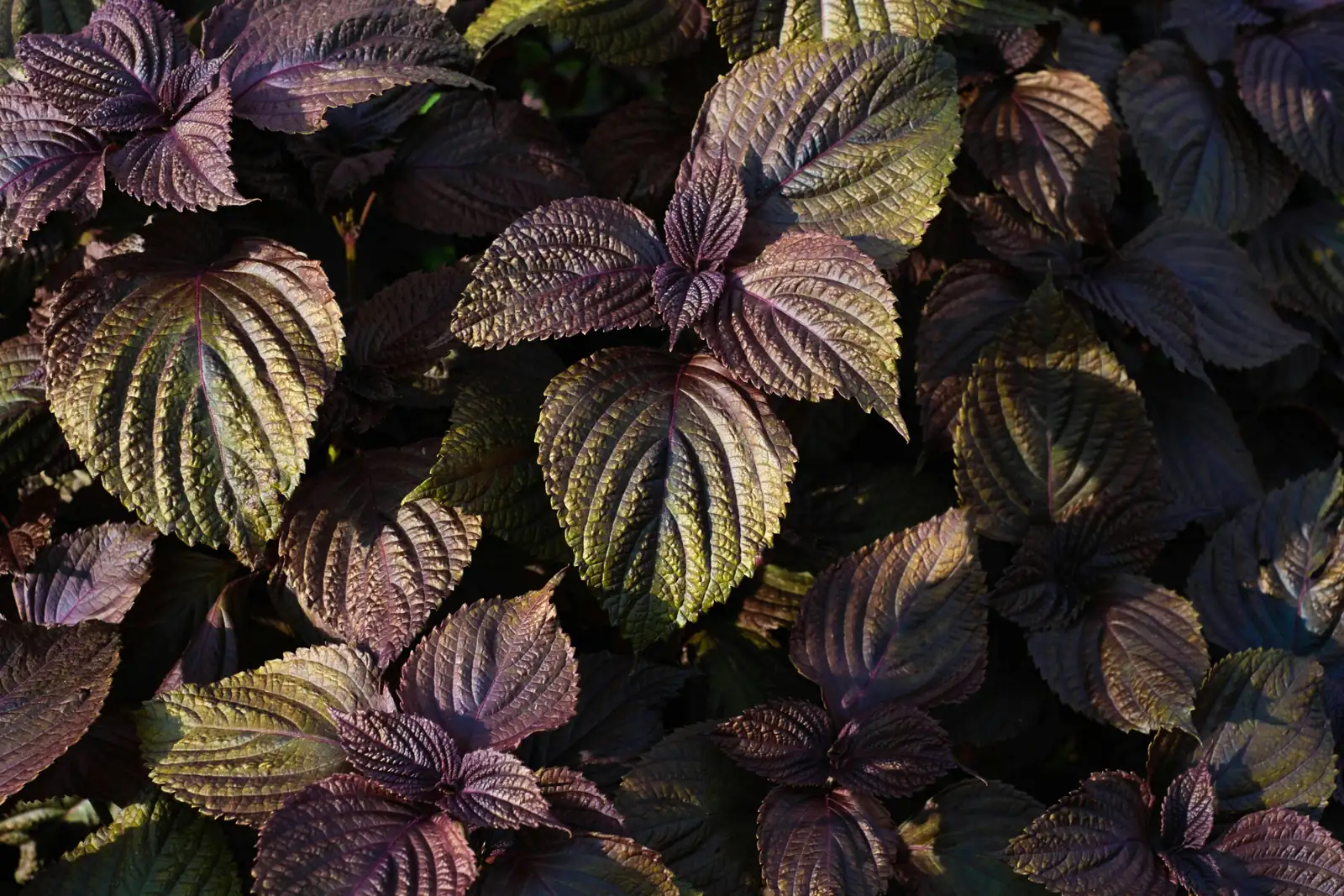
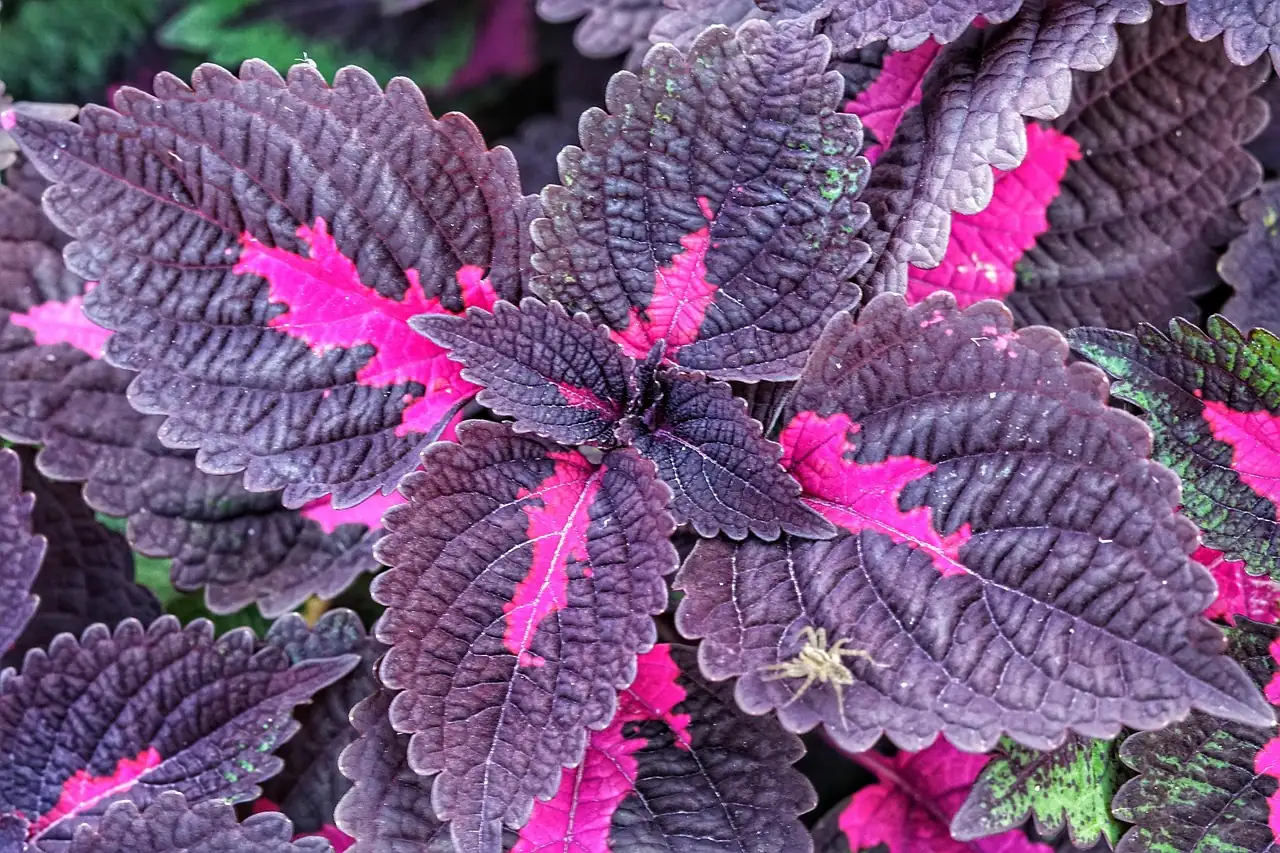
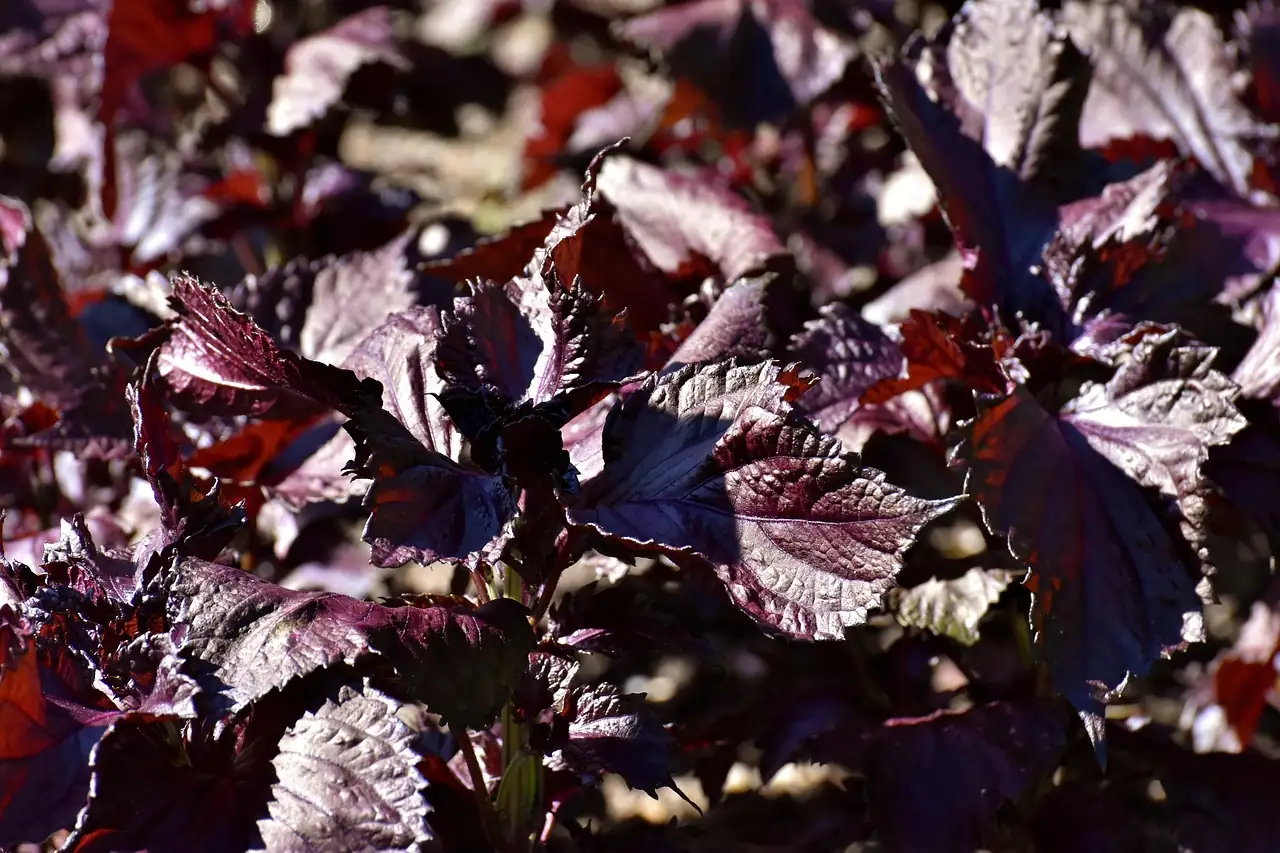
- Foliage: Leaves are broadly ovate to nearly round with noticeable hairs, giving a slightly velvety feel. Petioles are about 3–5 cm (1.2–2.0 in). Stems are square in cross-section (typical of the mint family) and may be green or purple, also covered with soft hairs.
- Flower: Small, two-lipped flowers appear in whorled clusters along slender spikes (a classic mint-family look). After flowering, it forms tiny gray-brown nutlets that are nearly spherical, about 1.5 mm (0.06 in) across, with a distinctive net-like surface texture.
- Flowering Season: August–November
- Growth Habit: Upright, bushy annual herb; vigorous and tolerant of a wide range of garden soils.
Environment
Sunlight
Partial shade to full sun; in hot summers, bright light with afternoon shade often performs best.
Temperature
Best growth around 18–30°C (64–86°F); sensitive to frost—protect when temperatures approach 0°C (32°F).
Humidity
Average outdoor humidity is fine; prefers moderate humidity with good airflow.
Soil
Adaptable, but grows best in fertile, well-drained soil—sandy loam to loam (and even clay loam if drainage is adequate).
Placement
Herb/vegetable garden beds, patio containers, or lightly shaded spots near woodland edges; ideal near the kitchen for quick harvesting.
Hardiness
Tender annual; not frost-hardy. Generally grown as an annual in most climates (approx. USDA Zone 2–11 as an annual; overwintering only in frost-free conditions).
Care Guide
Difficulty
Easy. Very adaptable and not picky about soil, as long as drainage is reasonable.
Buying Guide
Choose compact, bushy plants with a strong aroma and clean, unblemished leaves. Skip plants with yellowing foliage, limp growth, or visible pests (check leaf undersides for aphids/mites).
Watering
Water when the top 2–3 cm (0.8–1.2 in) of soil feels dry. Aim for evenly moist soil (especially in summer), but avoid soggy conditions—containers will dry faster and may need more frequent watering.
Fertilization
Light feeder. Work compost into the soil at planting; optionally feed every 3–4 weeks during active growth with a balanced fertilizer at half strength. Avoid overdoing nitrogen, which can make plants lush but less flavorful.
Pruning
Pinch the growing tips when plants reach about 15–20 cm (6–8 in) tall to encourage branching and a fuller shape. For maximum leaf harvest, remove flower spikes; leave a few flowers if you want seeds.
Propagation
Primarily by seed. Sow outdoors after the last frost, or start indoors 4–6 weeks before the last frost; lightly cover seed and keep warm. Plants often self-seed readily in gardens if allowed to set seed.
Repotting
In containers, pot up once roots fill the starter pot—commonly from a 10–12 cm (4–5 in) pot into a 20–30 cm (8–12 in) container. Refresh potting mix to keep fertility and drainage strong.
📅 Seasonal Care Calendar
Spring: sow or transplant after frost; pinch early for bushiness. Summer: harvest regularly and keep moisture steady. Late summer–autumn: flowering starts—deadhead for more leaves or allow seed set. Before frost: harvest heavily and save seed if desired.
Pests, Diseases & Safety
Common Pests & Diseases
Usually trouble-free. Possible pests include aphids, spider mites, and whiteflies, especially when plants are stressed or conditions are hot and dry. Improve airflow, spray pests off with water, or use insecticidal soap. Root rot can occur in poorly drained soil or with overwatering.
Toxicity
A common culinary herb and generally considered non-toxic when eaten in typical food amounts. As with many herbs, very large quantities or concentrated extracts may not suit everyone—use caution if pregnant/nursing or managing medical conditions and consult a professional if unsure.
Culture & Symbolism
Symbolism: Often linked with freshness, cleansing, and a feeling of “protection” in East Asian food culture—its strong aroma is traditionally paired with seafood and rich dishes.
History & Legends: Cultivated across East Asia for centuries as both a kitchen herb and a traditional medicinal plant. Garden selections commonly emphasize leaf color (green vs. purple) and different flavor profiles.
Uses: Culinary: eaten fresh, pickled, or cooked; used as a garnish and to perfume meat dishes and other rich foods. Traditional uses: valued in herbal traditions and grown as an aromatic, useful home-garden plant.
FAQ
Is perilla the same as shiso?
Shiso is a widely used culinary name for Perilla frutescens, especially in Japanese cuisine. Elsewhere it may be called perilla, beefsteak plant, or Korean perilla, and the flavor can vary by variety.
Why is my shiso flowering early and making fewer leaves?
Heat, day length (depending on variety), or stress can encourage early flowering. Pinch off flower spikes, keep soil evenly moist, and harvest tips regularly to keep the plant in “leaf mode.”
Can shiso grow in shade?
Yes—partial shade works well, and afternoon shade can actually help in hot climates. For the fullest growth, aim for several hours of sun with consistent watering.
Fun Facts
- Shiso is in the mint family, which is why the stems are often square and the leaves are fragrant.
- If you let it set seed, you may find volunteer seedlings popping up the following year.
- Leaf color can shift from bright green to deep purple depending on the variety and light levels.
- After flowering, it produces tiny nutlets about 1.5 mm (0.06 in) wide with a net-like surface pattern.


