

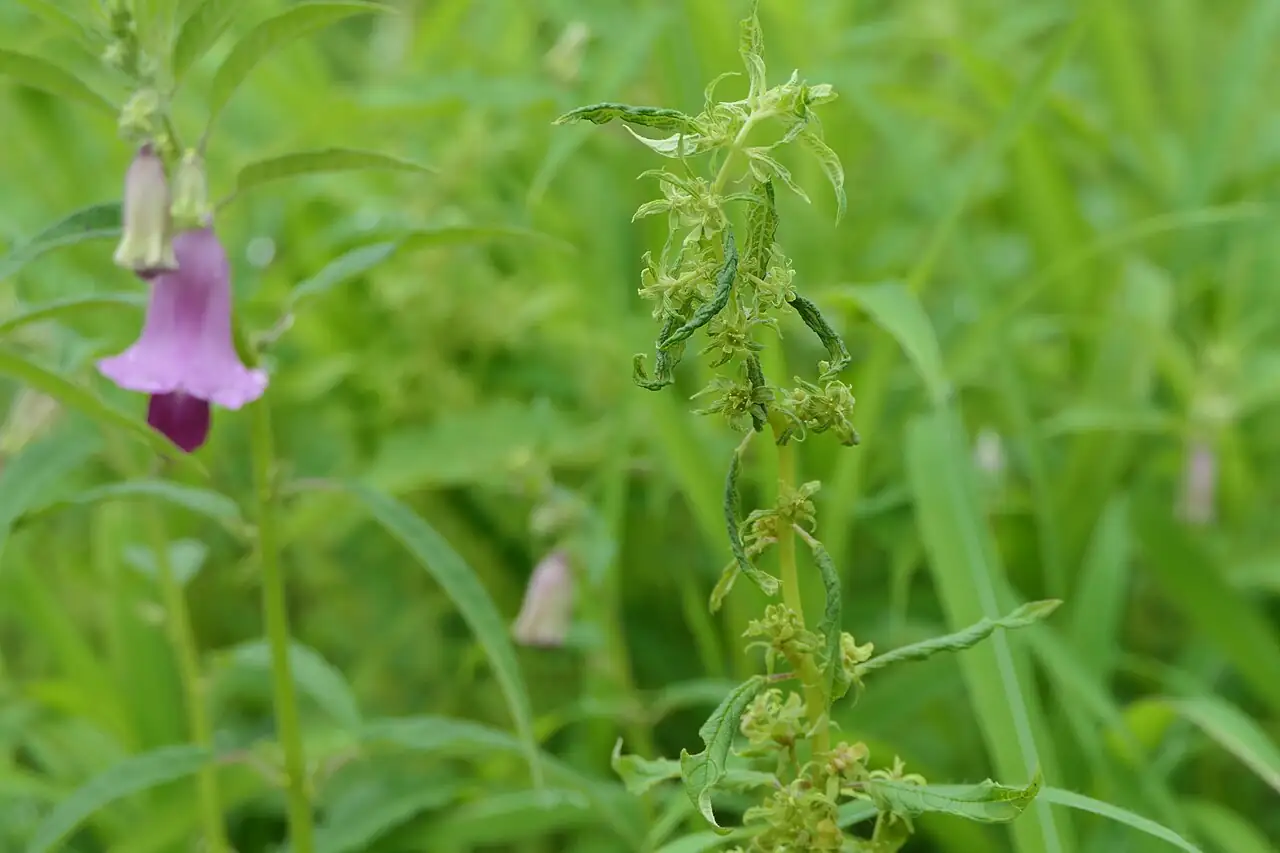
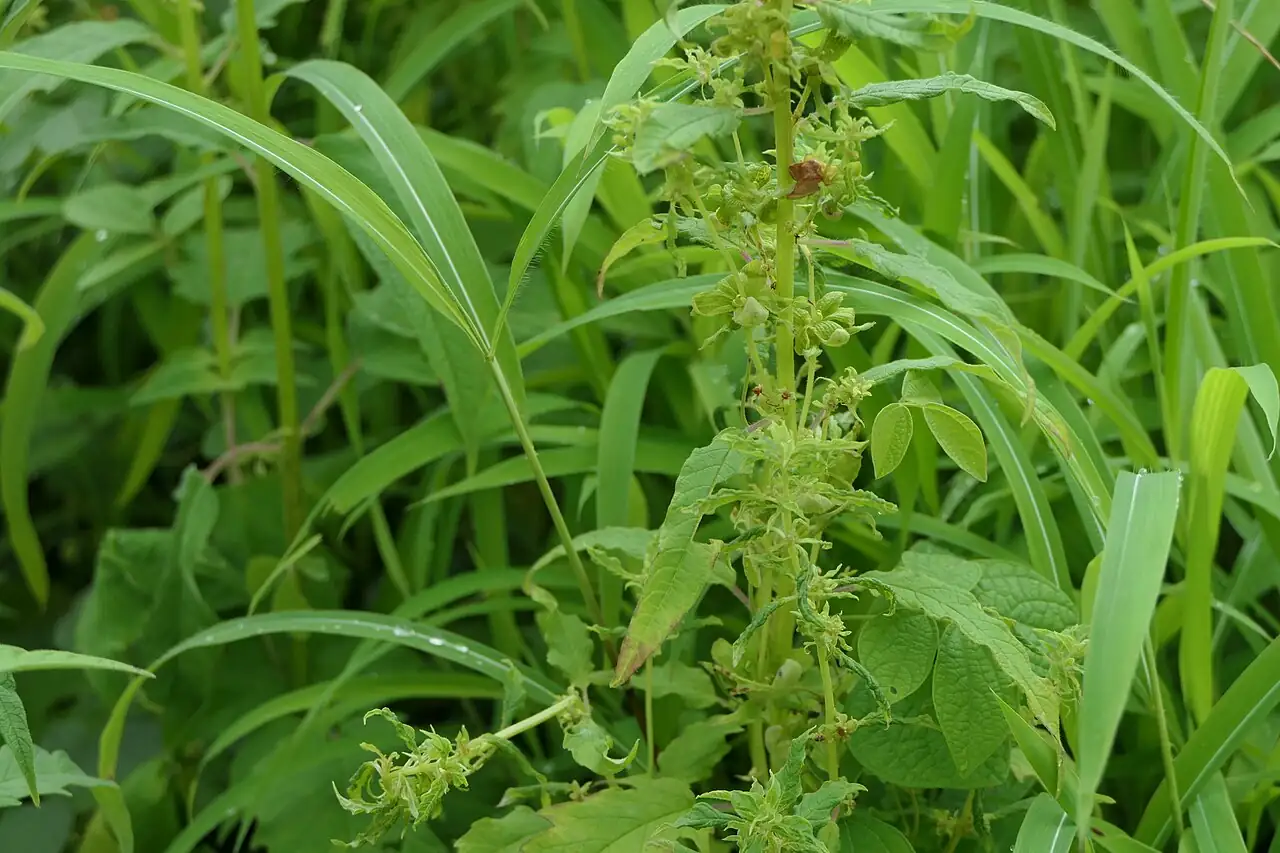
Plant Features
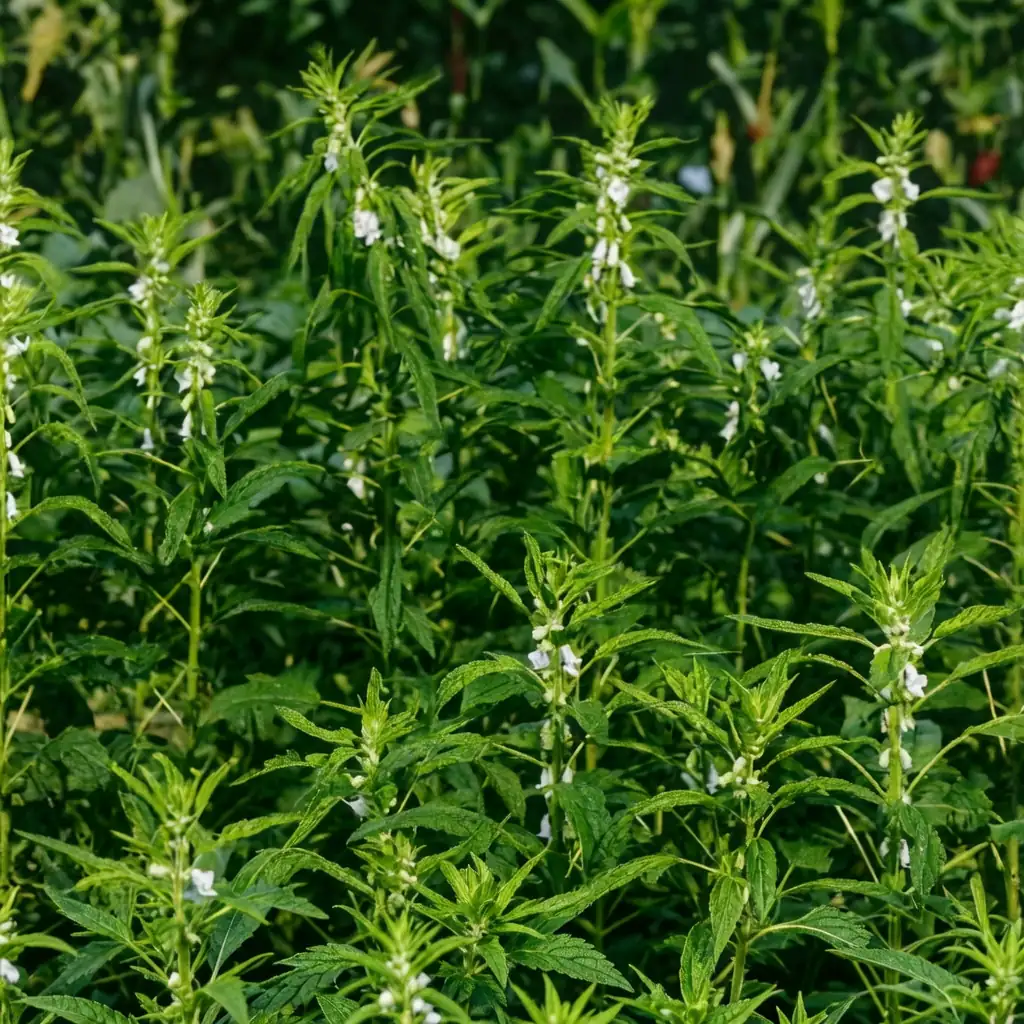
- Size: Typically 60–150 cm (24–59 in) tall.
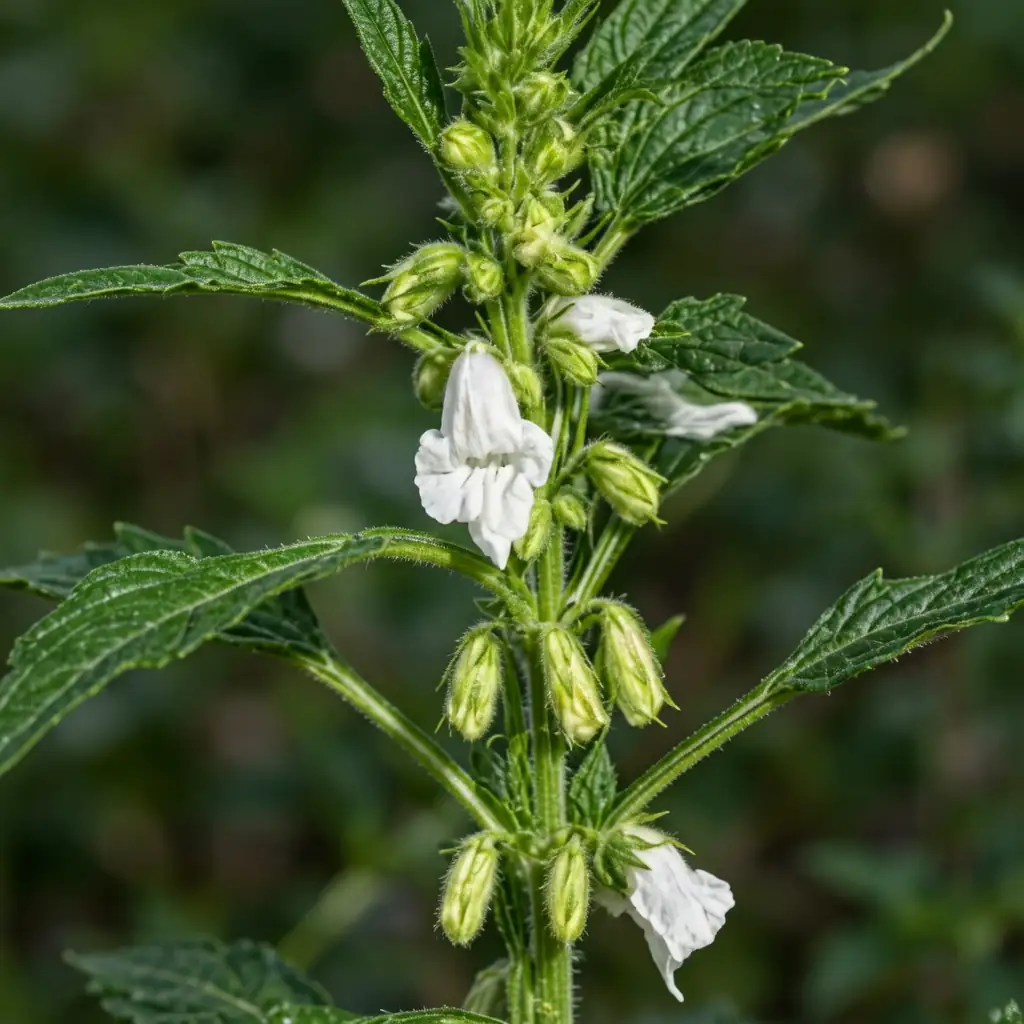
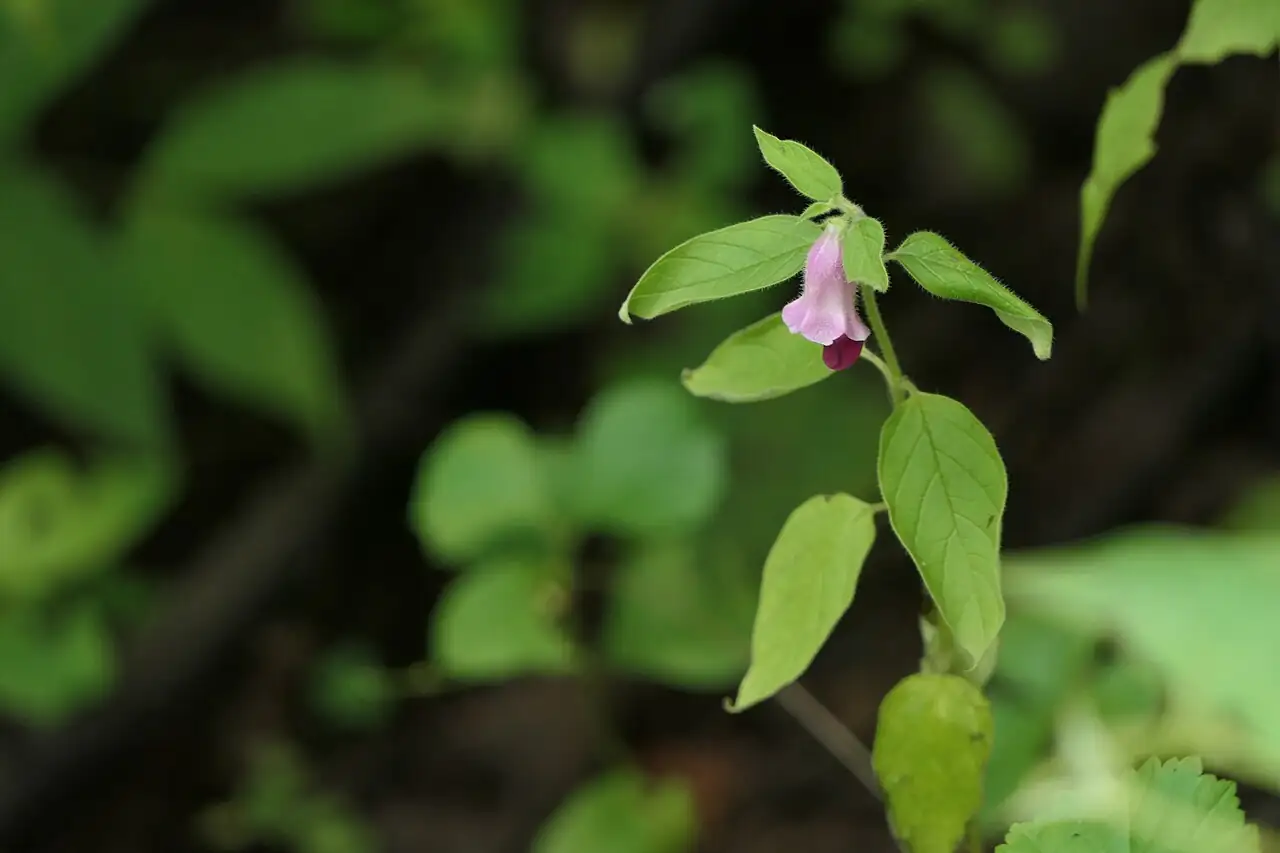
- Foliage: Leaves are slightly hairy and quite variable: lower leaves can be more rounded to ovate, middle leaves may show teeth along the edges, and upper leaves are often nearly entire (smoother-edged). Leaves are borne singly along the stem, and flowers form from the leaf axils.
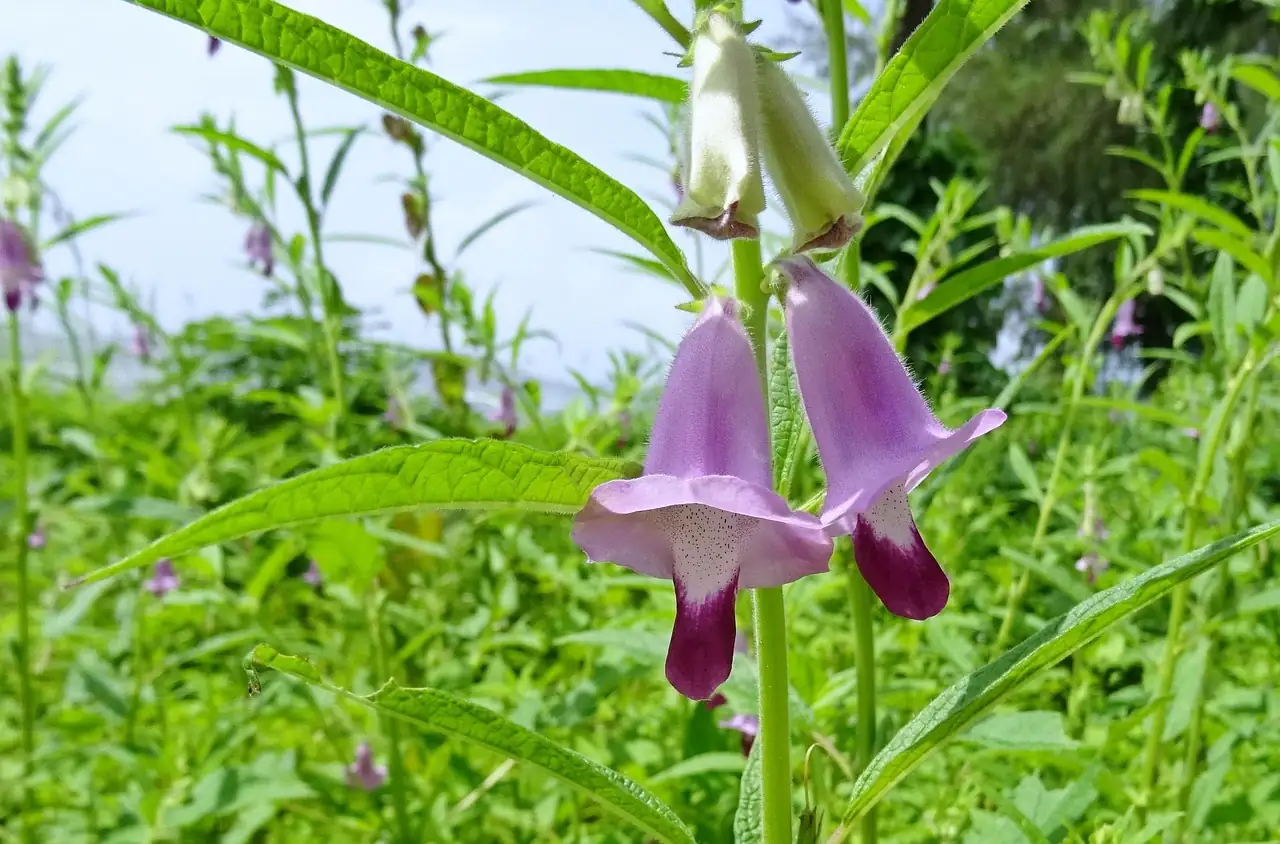
- Flower: Tubular, bell-like flowers—often pale pink to white in many cultivars—appear from the leaf axils. These are followed by short, rounded capsules packed with many seeds, commonly marketed as white or black sesame depending on the variety.
- Flowering Season: May–September (5–9).
- Growth Habit: Annual, upright herb; may be branched or unbranched. Stems can be hollow or filled with pale pith.
Environment
Sunlight
Full sun; needs strong light throughout the growing season.
Temperature
Warm-season crop; best growth around 20–30°C (68–86°F). Sensitive to prolonged cool conditions and can perform poorly in hot, humid, stagnant conditions without airflow.
Humidity
Prefers moderate humidity with good airflow; avoid persistently humid, muggy conditions.
Soil
Loose, well-aerated, well-drained soil; performs best in light to medium loams. Avoid heavy, poorly drained soils (high risk of root problems).
Placement
Best in open fields or a very sunny garden bed. Pick a warm, bright, well-drained spot and avoid low-lying areas where water collects. In containers, choose a deep pot with excellent drainage.
Hardiness
Frost-tender annual; not frost-hardy. Drought-tolerant once established but highly susceptible to waterlogging. Grown as a warm-season crop (often aligned with USDA Zone 10–12 (10–12) for frost-free outdoor growth).
Care Guide
Difficulty
Moderate: straightforward in warm, sunny climates with well-drained soil, but sensitive to waterlogging and prolonged humid heat.
Buying Guide
Choose fresh seed from a reputable supplier. Match the variety to your season length (early-maturing types for shorter summers). Look for uniform, clean seed and avoid batches showing mold, off-odors, or insect damage.
Watering
Keep soil evenly moist only for germination and early seedling growth. After establishment, water sparingly and let the top layer of soil dry between waterings. Avoid standing water—sesame handles dryness far better than soggy soil.
Fertilization
Moderate feeding works best. Mix in compost before sowing or use a balanced fertilizer at low to moderate rates. Too much nitrogen can push leafy growth and reduce flowering/seed set.
Pruning
Usually unnecessary. If any stems are badly damaged or diseased, remove them to help airflow and reduce infection risk.
Propagation
By seed. Capsules mature and dry; harvest as capsules begin to turn tan and dry to reduce losses from shattering (capsules can split open easily when fully ripe).
Repotting
Generally not applicable because sesame is usually field-grown. If grown in containers, start with a deep pot and excellent drainage, and avoid disturbing roots once plants are established.
📅 Seasonal Care Calendar
Sow after all frost danger has passed and the soil is warm. Keep weeds controlled early while plants are small. Flowering typically runs May–September (5–9), with seed maturity often August–September (8–9). Reduce irrigation as plants approach maturity to help capsules dry for harvest.
Pests, Diseases & Safety
Common Pests & Diseases
Can be affected by aphids and whiteflies. Fungal issues (leaf spots, root rots) are more likely in poorly drained soil or overly humid conditions. Prevention focuses on drainage, spacing for airflow, avoiding overwatering, and crop rotation in field settings.
Toxicity
Non-toxic as a food crop. However, sesame is a major food allergen for some people; sensitive individuals may have serious allergic reactions after ingestion.
Culture & Symbolism
Uses: A major edible oilseed crop: pressed for cooking oil and used as a culinary seed (including tahini/pastes). Also used industrially for lubricants and soap-making.
Fun Facts
- Sesame is one of the world’s oldest cultivated oilseed crops and is native to Africa.
- In China, major growing regions include the Yellow River area and the middle–lower Yangtze River basin; Henan is a leading producer at about 30% of national output.
- “White” and “black” sesame usually refer to different varieties rather than different processing methods.
- Timing the harvest matters: ripe sesame capsules can split open easily, spilling seeds (a trait called shattering).


