Plant Features
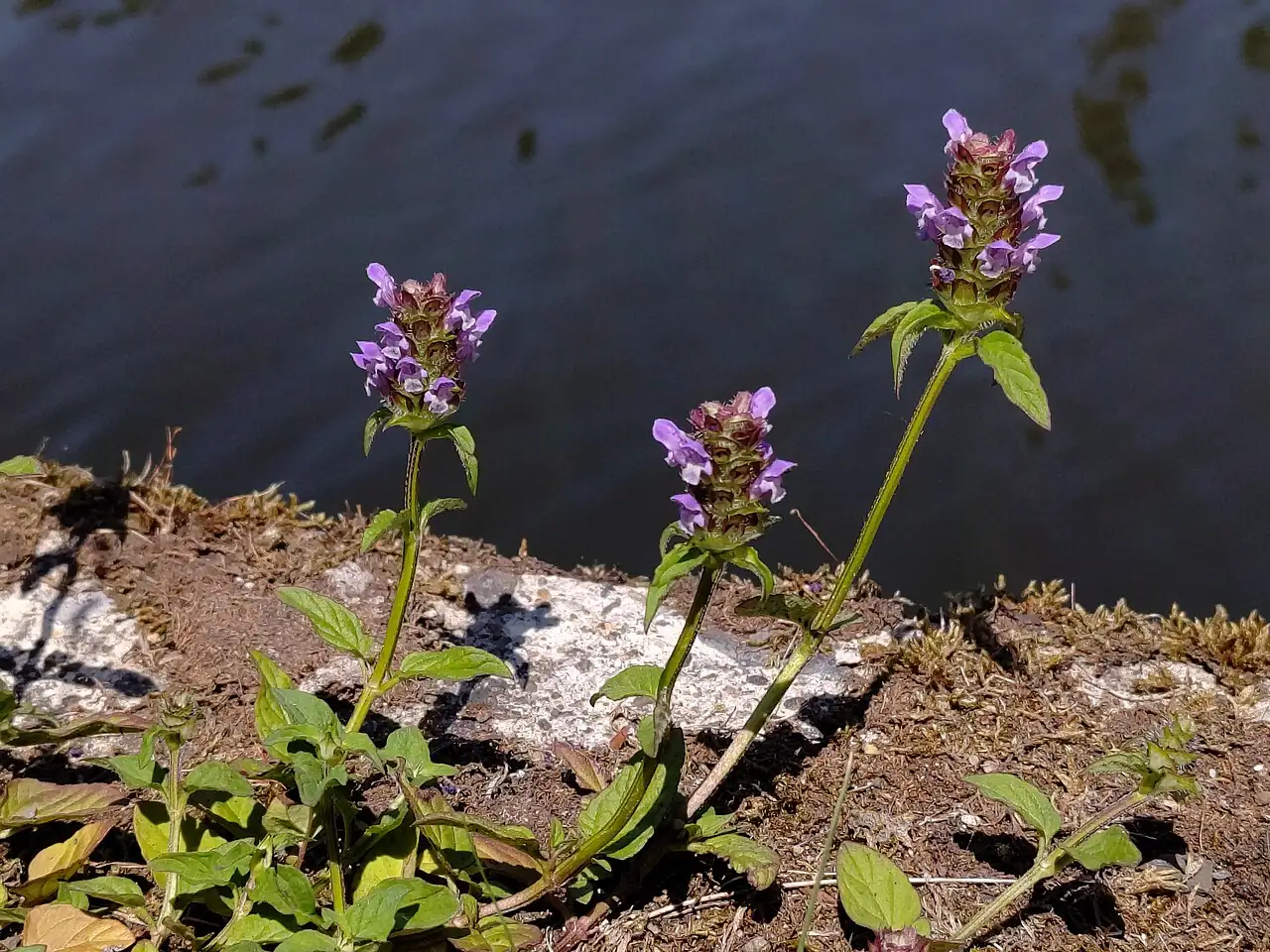
- Size: Typically about 30 cm (12 in) tall; spreads outward via creeping stems and can knit into patchy mats/clumps as stems root at the nodes.
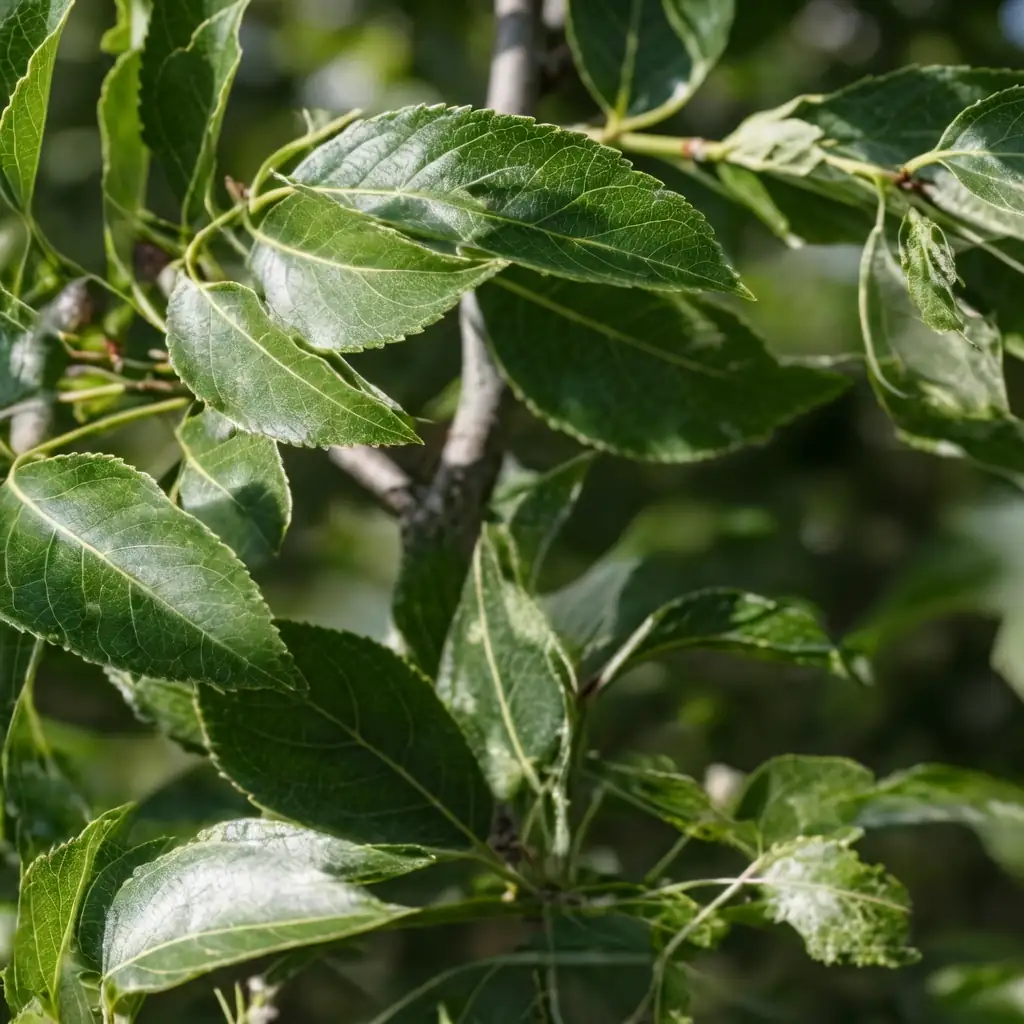
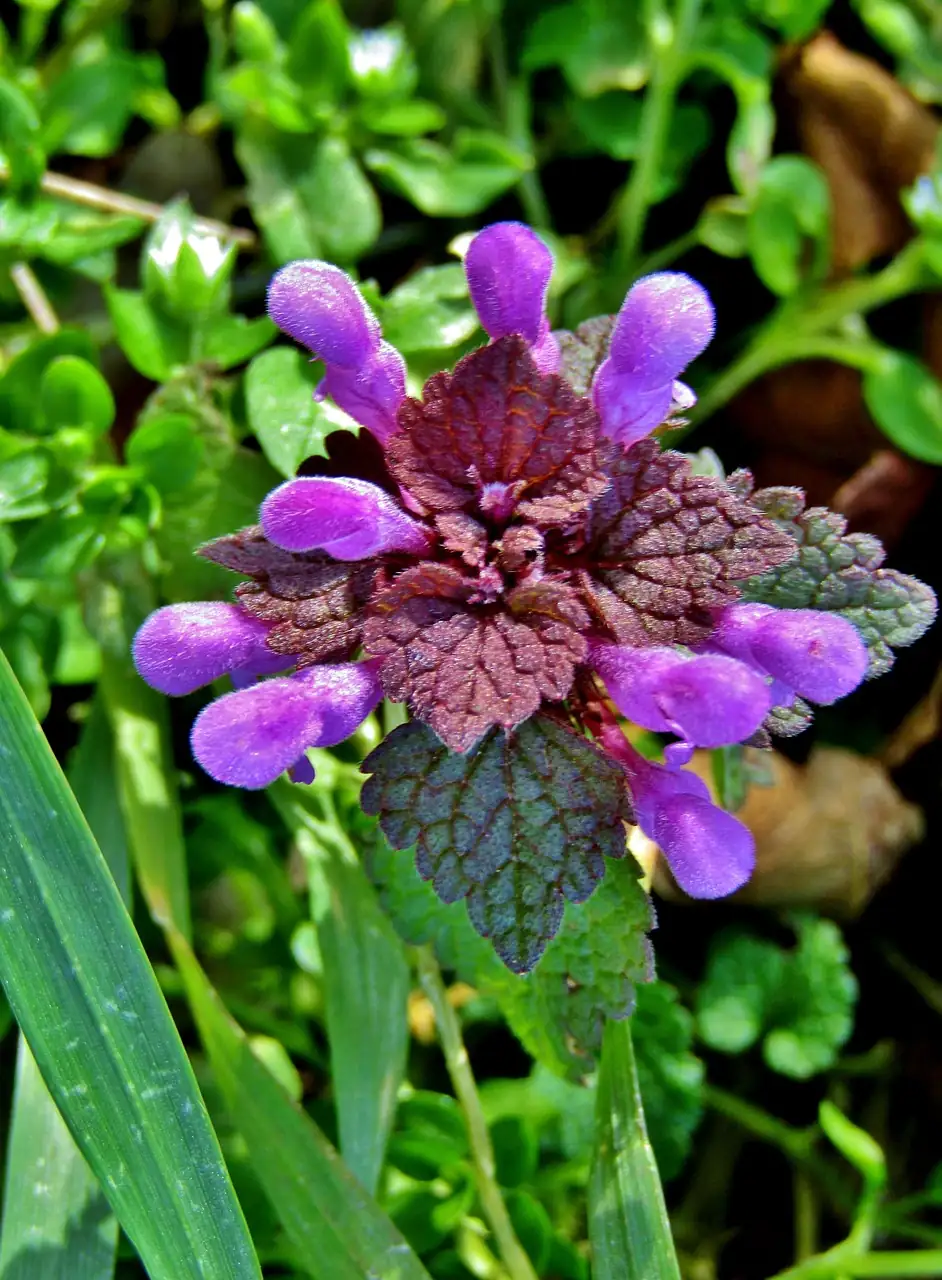
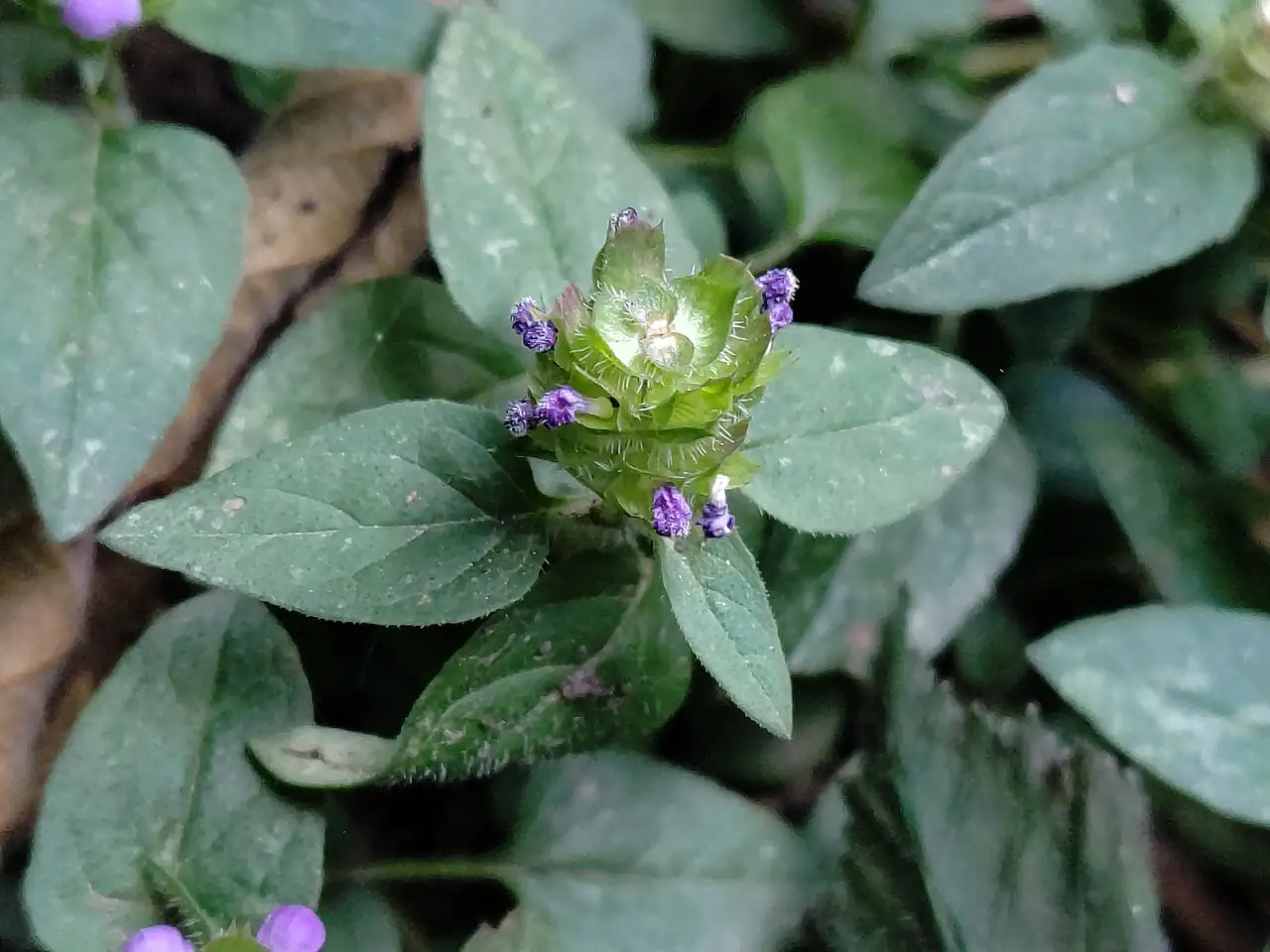
- Foliage: A low perennial herb with a creeping, branching habit; stems often branch from the base and may show a purplish tint. Leaves are opposite (a classic mint-family trait), usually ovate to lance-shaped with light toothed edges.
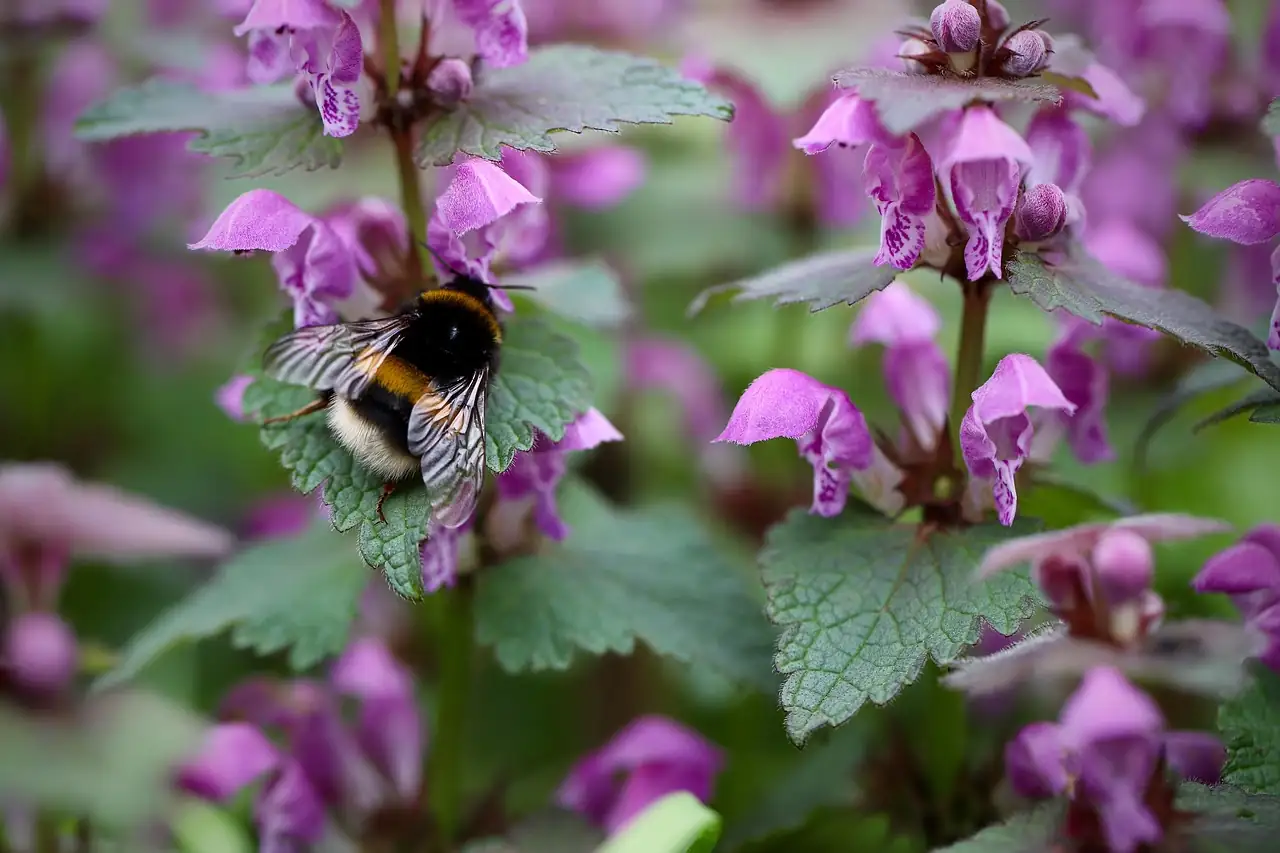
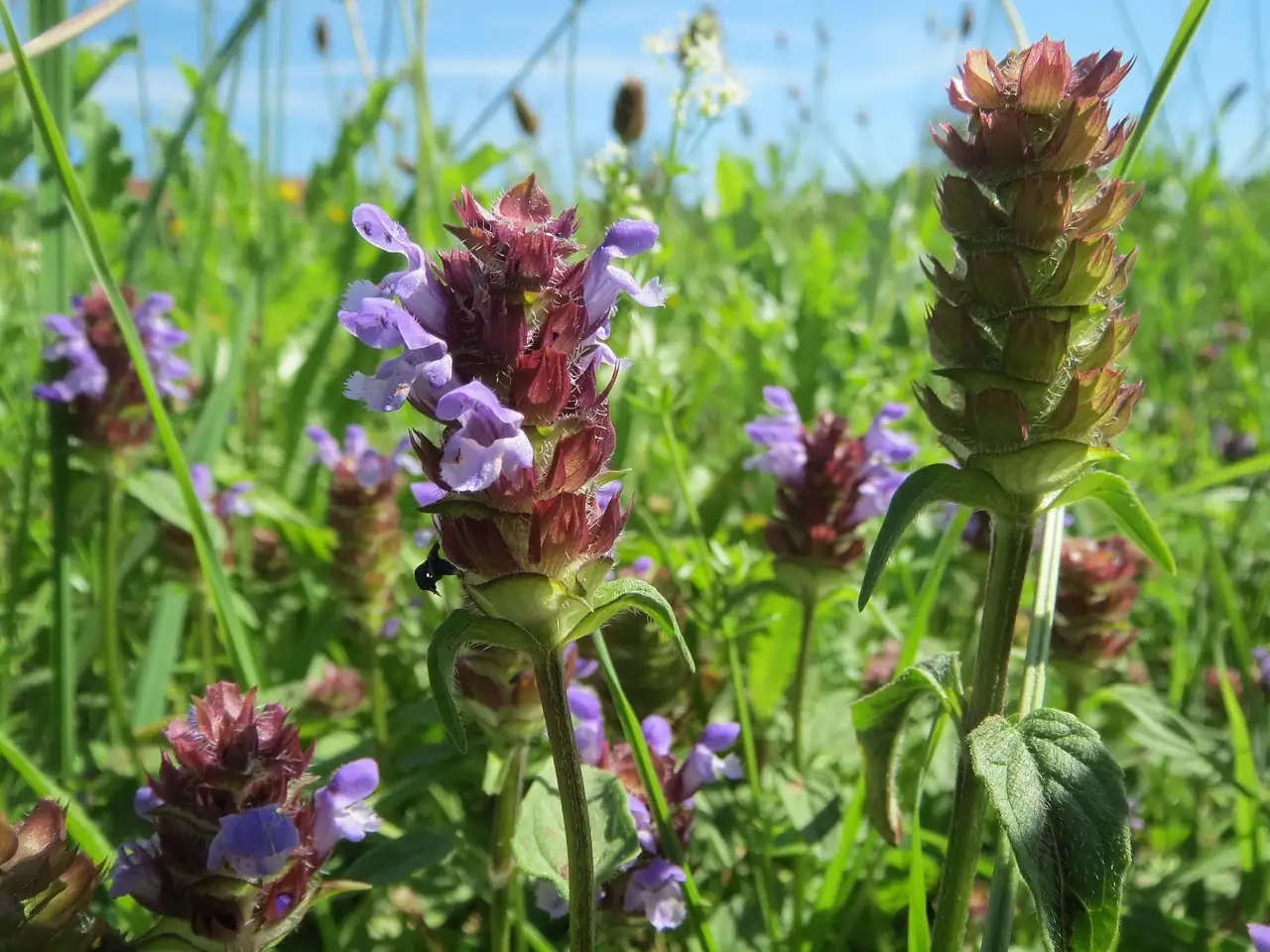
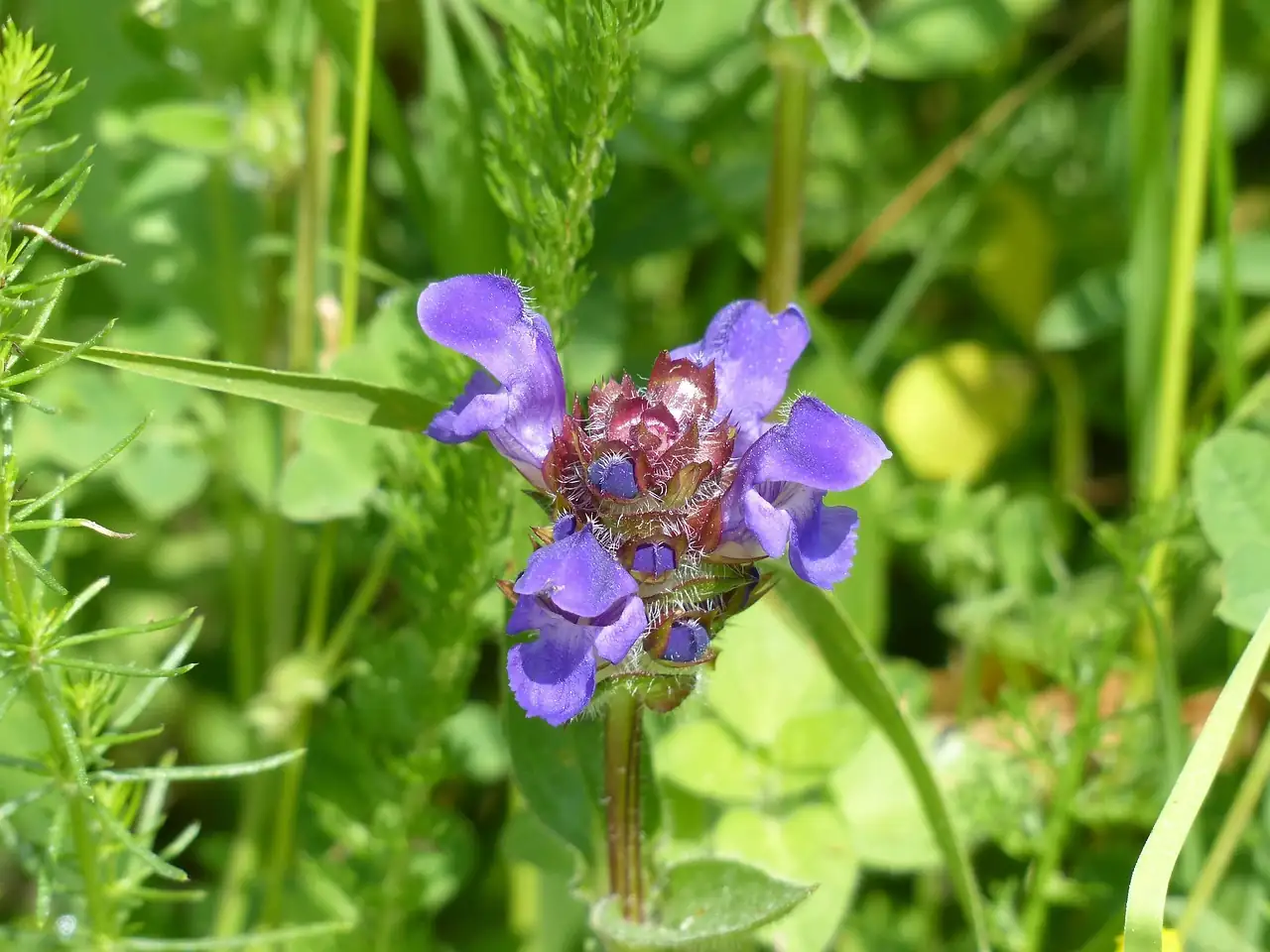
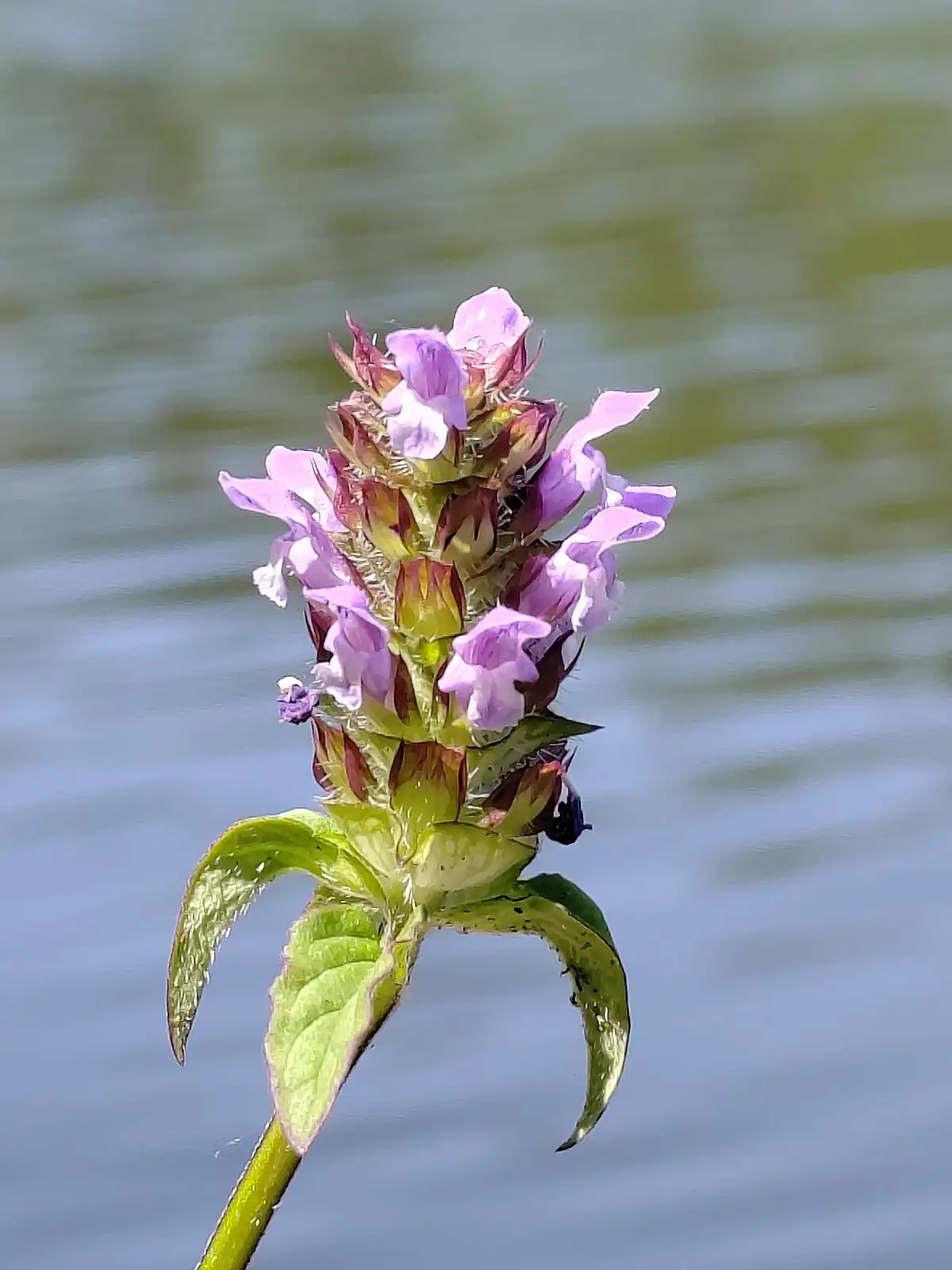
- Flower: Produces dense, short, spike-like heads of small two-lipped flowers in purple to violet tones. Flowers sit in a persistent, bell-shaped calyx. After blooming, it forms tiny nutlets that mature to yellow-brown.
- Flowering Season: April–June (late spring to early summer)
- Growth Habit: Low-growing, spreading perennial; creeps and roots at nodes, forming clumps or mat-like patches.
Environment
Sunlight
Full sun to partial shade; flowers most abundantly in full sun.
Temperature
Prefers mild to warm conditions for active growth, about 10–25°C (50–77°F). Very cold-hardy once established and can tolerate winter freezing.
Humidity
Likes moderately humid conditions; does fine in average humidity as long as the soil doesn’t dry out for extended periods.
Soil
Moist but well-drained sandy loam is ideal, but it’s adaptable to many soil types as long as they aren’t persistently waterlogged.
Placement
Best outdoors in sunny borders, meadow-style plantings, herb gardens, and naturalistic areas along ponds/streams; also useful as a groundcover in lightly shaded spots.
Hardiness
Cold-hardy; suitable for USDA Zone 4–9 (approx.).
Care Guide
Difficulty
Easy—adaptable and generally low-maintenance once established.
Buying Guide
Pick plants with fresh green leaves and firm, healthy stems. Avoid pots that smell sour or look waterlogged. For quicker establishment, choose younger plants with clear new growth rather than old, woody clumps.
Watering
Keep evenly moist while establishing. Once rooted in, water when the top 2–3 cm (about 1 in) of soil dries. Aim for steady moisture without prolonged waterlogging, and don’t let the soil bake bone-dry for long stretches.
Fertilization
Usually unnecessary in average garden soil. If growth looks weak, give a light, balanced feed in spring at half strength or top-dress with compost about 1–2 cm (0.4–0.8 in).
Pruning
Deadhead spent flower spikes to keep it tidy and sometimes encourage extra flowering. Cut back old stems close to ground level after flowering, or in late fall/early spring.
Propagation
Very easy by division (spring or early fall). Also propagates well from stem cuttings. Can be grown from seed; leave some seedheads to mature if you want gentle self-seeding.
Repotting
In containers, repot or divide every 1–2 years in spring. Use a free-draining mix and always choose a pot with drainage holes.
📅 Seasonal Care Calendar
Spring: plant/divide; keep evenly moist. Late spring–early summer: peak bloom; deadhead if desired. Summer: water during dry spells. Fall: cut back and/or divide; let some seed ripen if you want natural spread. Winter: dormant; protect potted plants from repeated freeze–thaw cycles.
Pests, Diseases & Safety
Common Pests & Diseases
Usually problem-free. Watch for slugs/snails on tender new growth, aphids on soft shoots, and powdery mildew if plants are crowded or airflow is poor (especially in drier air). Improve spacing and airflow, avoid late-day overhead watering, and remove heavily affected stems.
Toxicity
Generally considered non-toxic to people and pets as an ornamental plant. If you plan to use it medicinally, consult a qualified professional—herbal remedies can interact with medications and aren’t suitable for everyone.
Culture & Symbolism
Symbolism: Linked with healing, resilience, and “bouncing back,” inspired by its long folk-medicine reputation and hardy growth.
History & Legends: Used in traditional herbal practices across Eurasia. In English-speaking folk tradition it’s famously called “heal-all,” reflecting its historical reputation as a general remedy for minor wounds and sores.
Uses: Grown as an ornamental wildflower and low groundcover, valued for pollinators; also used as a traditional medicinal herb (commonly the above-ground parts/flowering spikes).
FAQ
When does self-heal bloom?
Usually from April to June (late spring into early summer).
When does it set seed?
Typically July–October (summer to early fall), depending on local climate.
How tall does it grow?
About 30 cm (12 in) tall, and it often spreads into low patches.
What growing conditions does it prefer?
Moist, well-drained soil in full sun to partial shade. It’s adaptable and cold-hardy, but blooms best with stronger sun.
What is it used for?
It’s popular as a wildflower/groundcover and is widely known as a traditional medicinal herb.
Fun Facts
- It can creep along the ground and root wherever stems touch the soil, which helps it form living mats.
- The nickname “heal-all” comes from its long-standing reputation in folk herbal traditions.
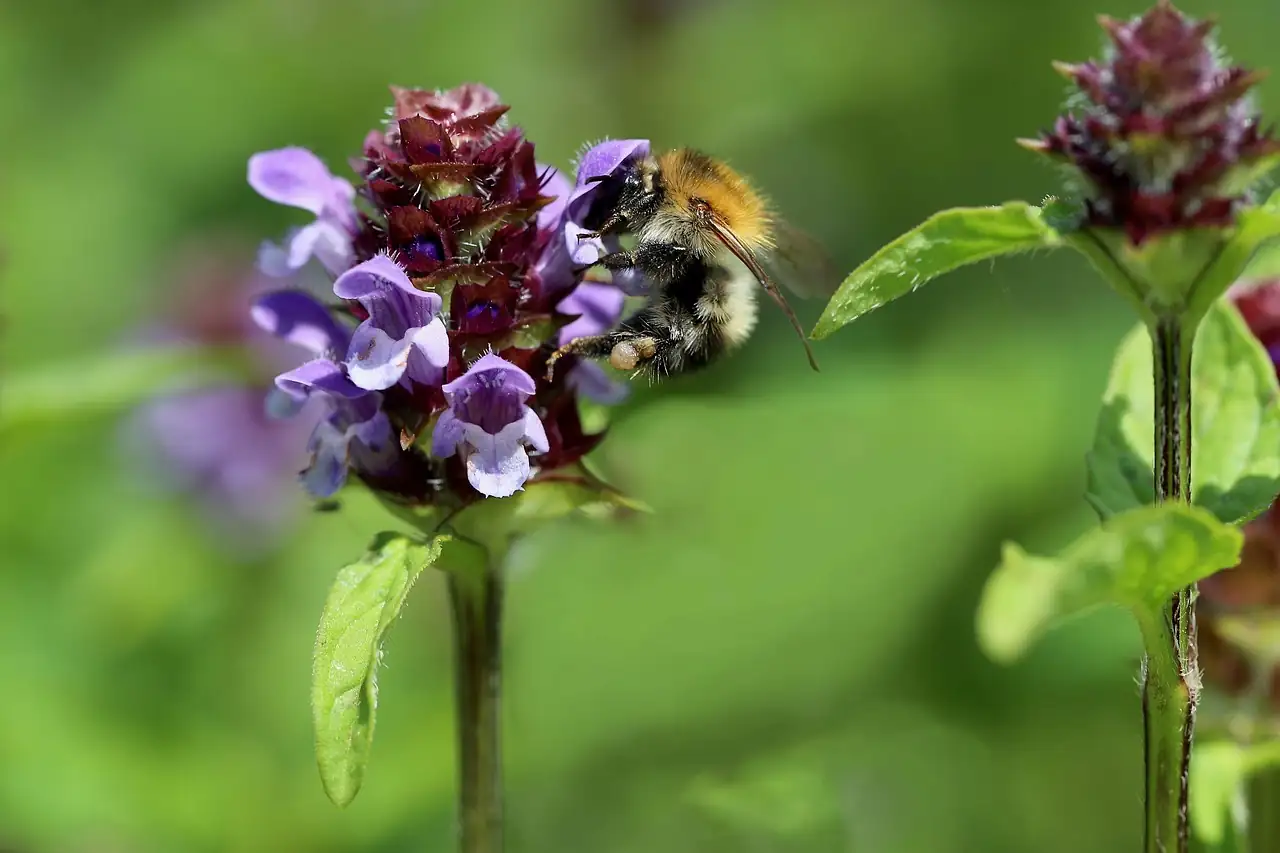
- Its purple flower spikes are a magnet for bees and other pollinators.
- After flowering, it produces tiny nutlets that turn yellow-brown as they mature.