

Plant Features
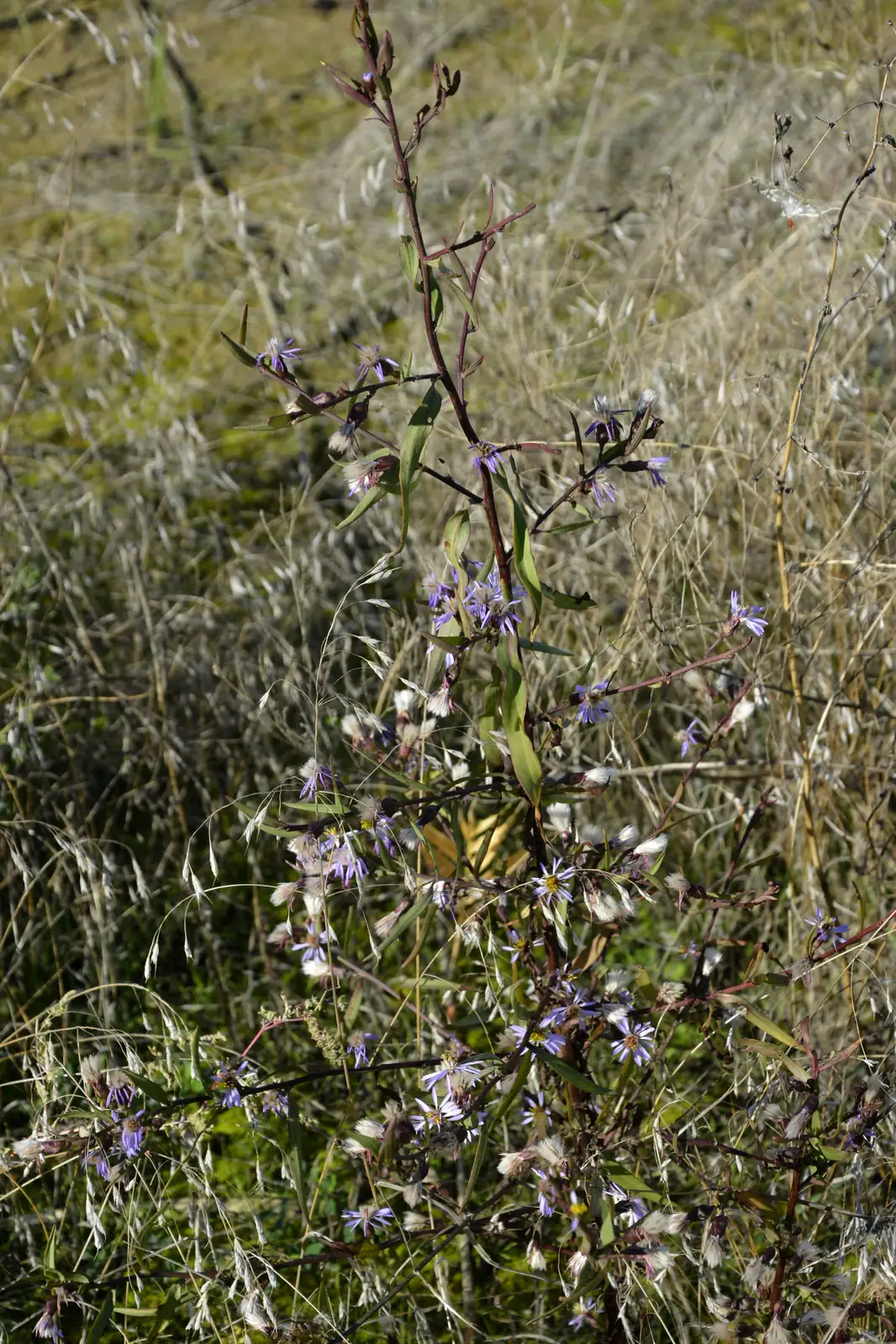
- Size: Typically 30–80 cm (12–31 in) tall; often forms loose clumps or small colonies.
- Foliage: Leaves are fleshy (slightly succulent) and hairless. Basal leaves often wither by flowering time. Lower stem leaves are narrow and strap-like with entire to lightly toothed edges, while upper leaves get smaller and more bract-like. Stems may be solitary or arise several from the crown; the lower stem can show a reddish tint, with branching increasing toward the top.
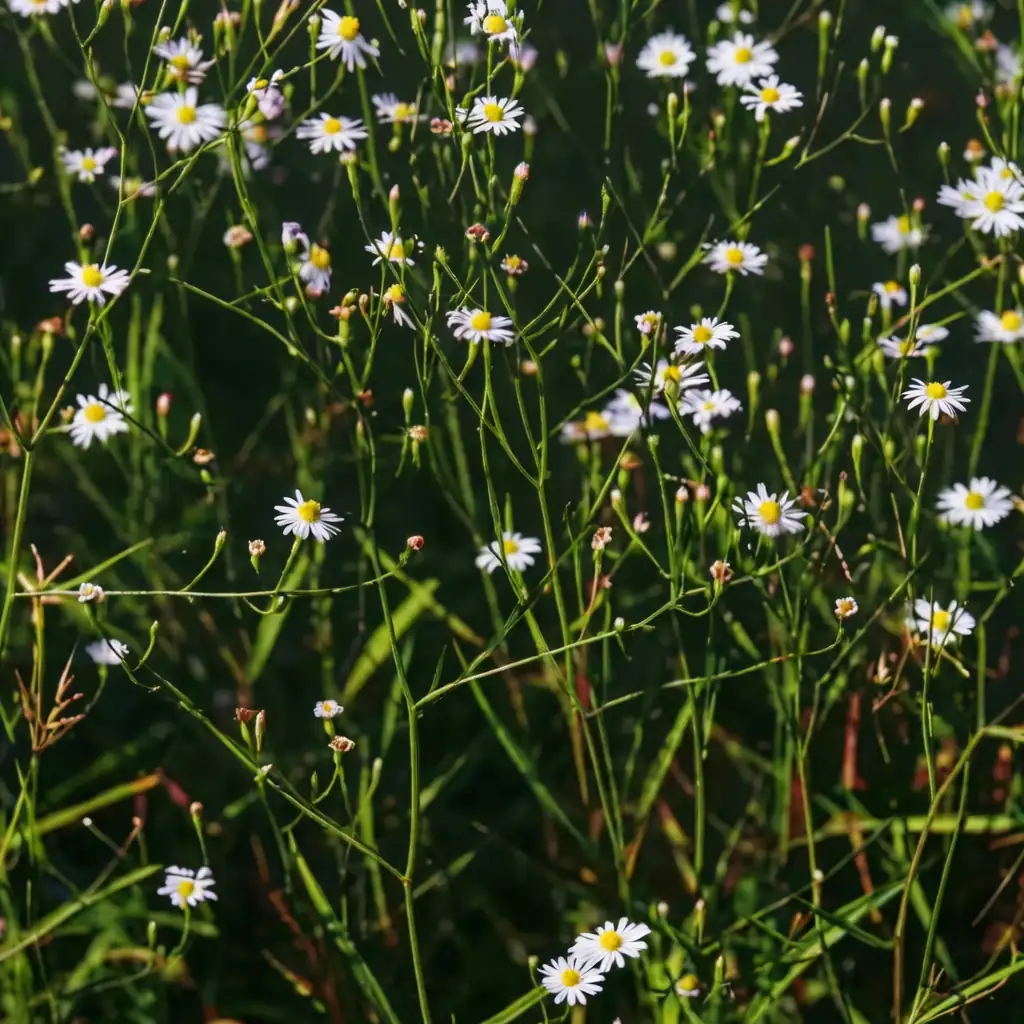
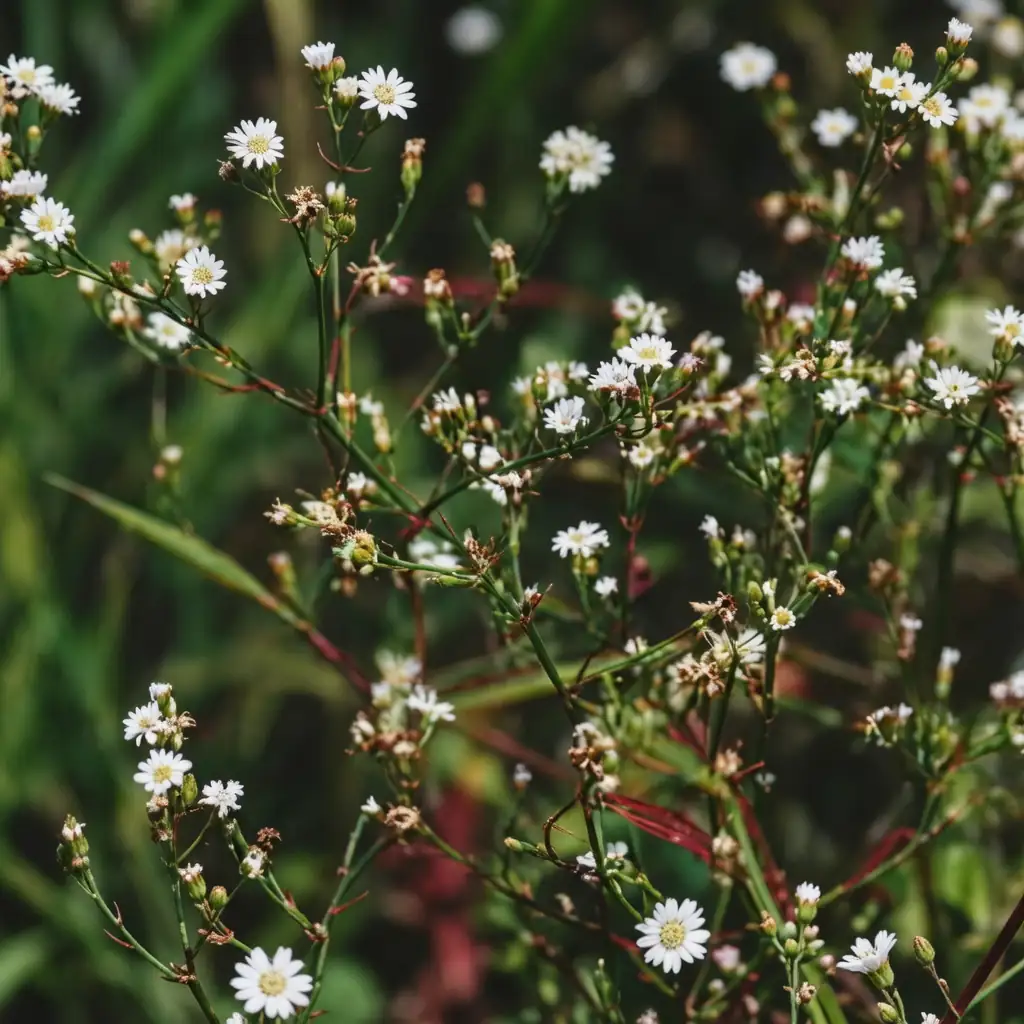
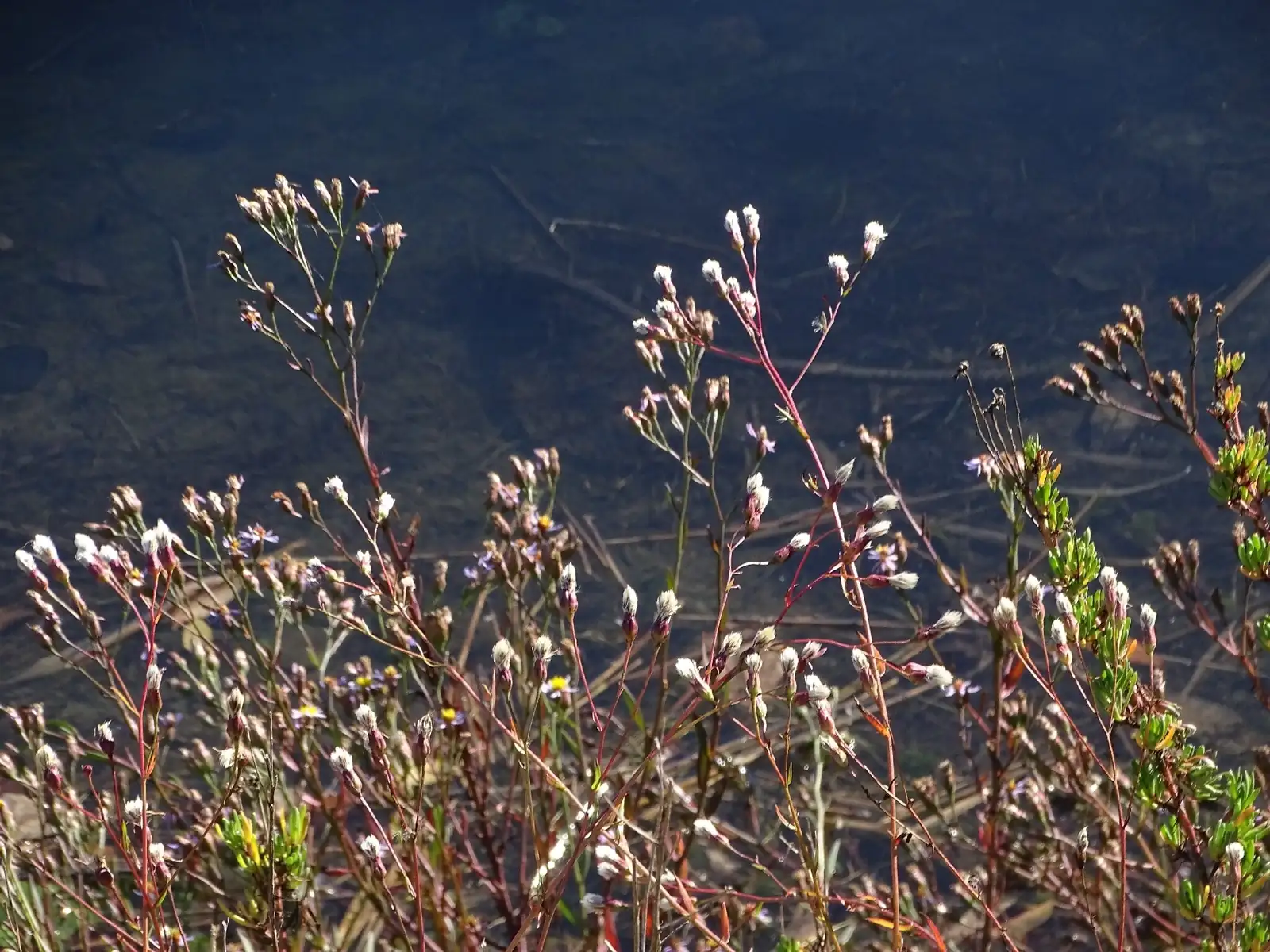
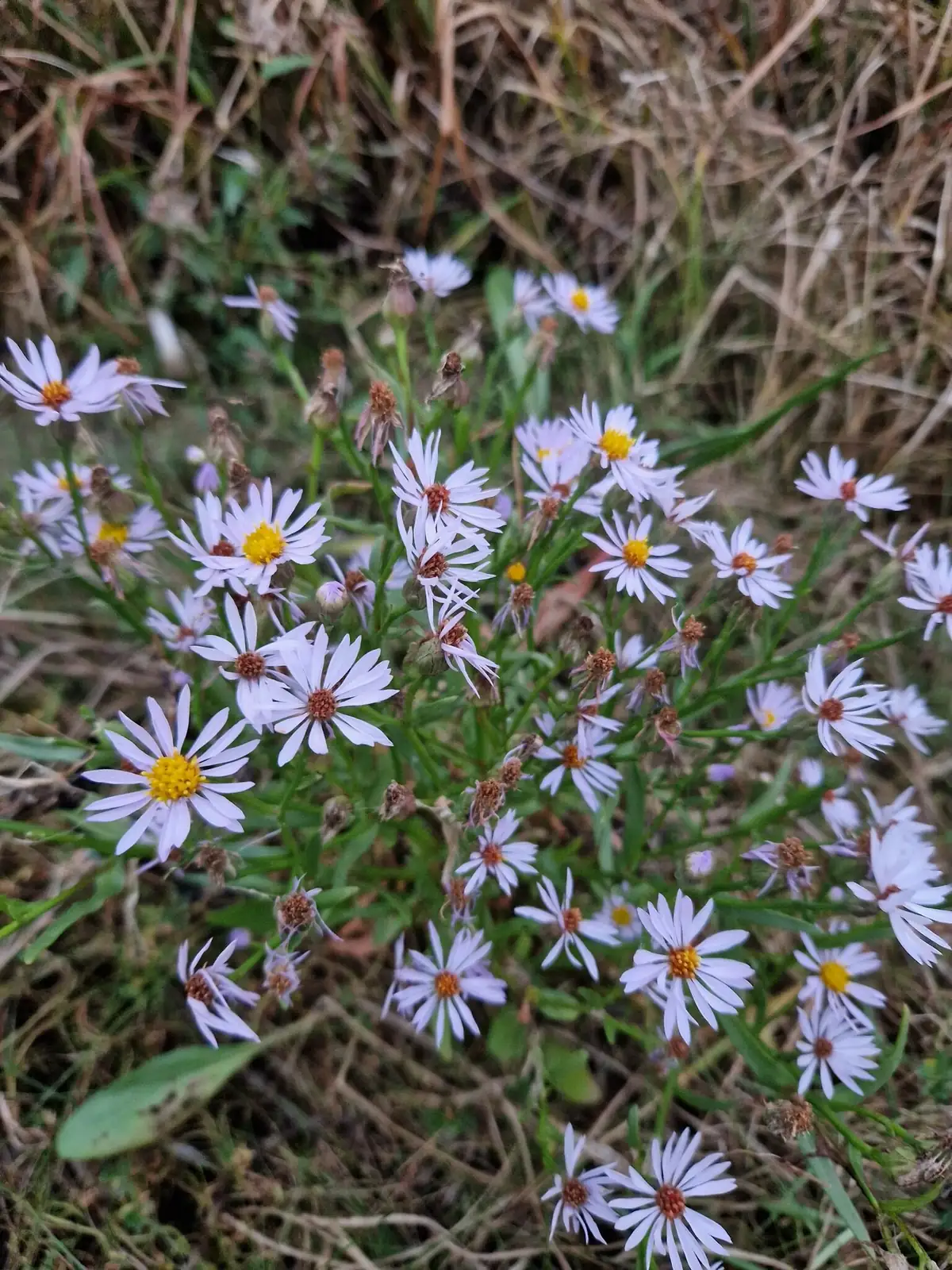
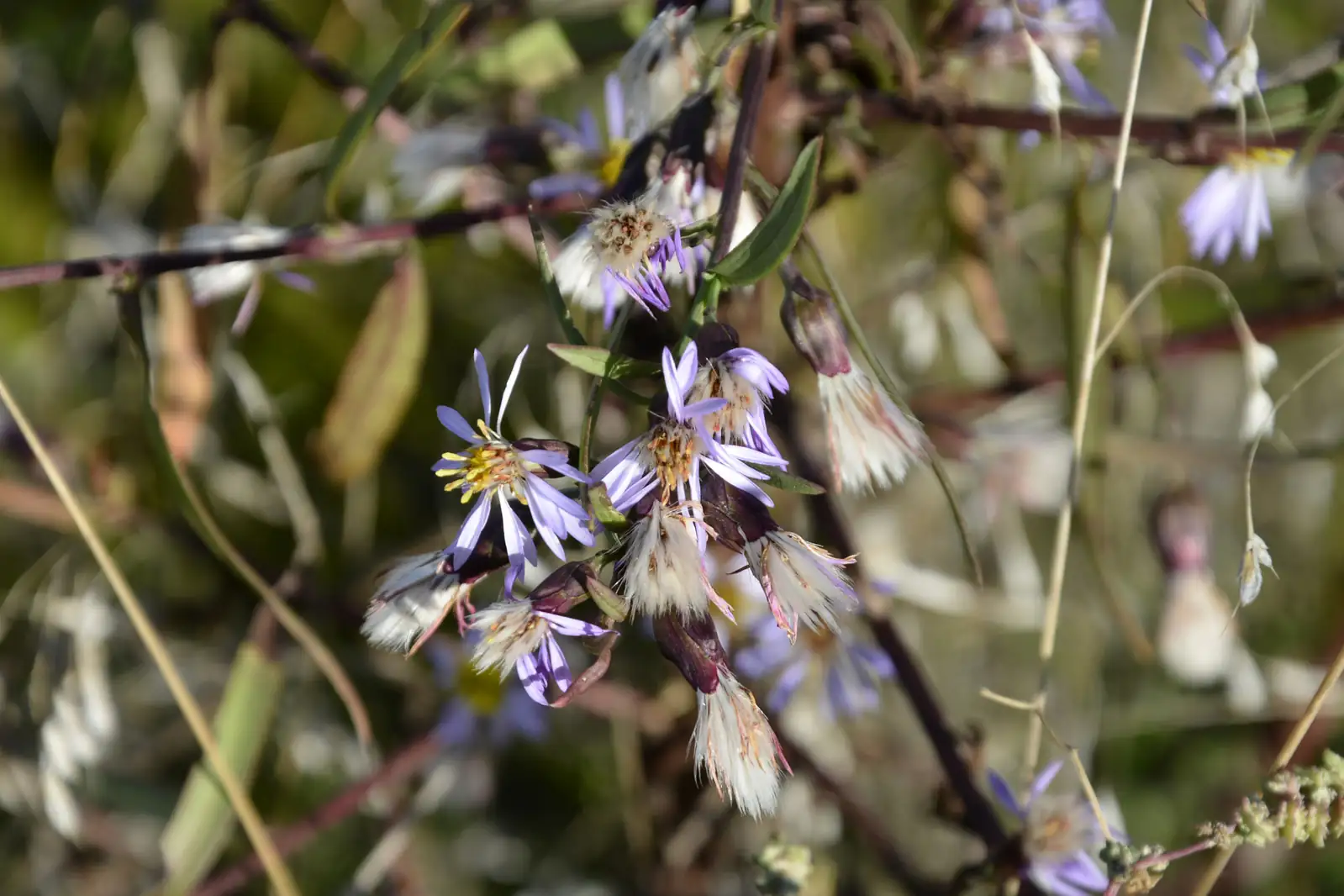
- Flower: Daisy-like flower heads are borne in flat-topped clusters on long stalks. Ray florets range from white to pink, surrounding yellow disc florets. After flowering, it forms flattened, ribbed achenes with a fine hairy covering.
- Flowering Season: August–December (Aug–Dec)
- Growth Habit: Short-lived upright herb (annual to biennial) with branching stems; often grows scattered or in groups, creating a naturalistic, meadowy groundcover look in wet, saline sites.
Environment
Sunlight
Full sun to light shade; flowers best in full sun.
Temperature
Cool-temperate coastal conditions; most active roughly around 5–25°C (41–77°F).
Humidity
Prefers moist air and consistently wet conditions; very tolerant of marshy, humid microclimates.
Soil
Moist to waterlogged soils; handles saline or alkaline substrates exceptionally well (marsh, estuary, lakeshore, and wetland soils).
Placement
Outdoors: coastal gardens, rain gardens, wetland edges, pond margins, and naturalistic plantings where soil stays moist (even brackish). Not a typical indoor/houseplant candidate.
Hardiness
Cold-hardy in many temperate regions; tolerant of salt exposure and periodic flooding/waterlogging.
Care Guide
Difficulty
Easy—if you can meet its one big request: reliably moist soil (it even tolerates waterlogging). It struggles in dry borders or standard indoor pot culture without constant moisture.
Buying Guide
Pick plants with firm, fleshy green leaves and clean, healthy stem bases (avoid any blackening or rot at the crown). For habitat restoration or coastal projects, choose local/region-appropriate stock where possible.
Watering
Keep the soil consistently moist. In pots, don’t let the mix dry out; it can tolerate standing water. In the ground, it usually needs little extra watering once established in naturally wet sites.
Fertilization
Often unnecessary in fertile wetlands. For containers, feed lightly in spring/summer with a balanced fertilizer at half strength; avoid heavy feeding that can cause soft, floppy growth.
Pruning
Deadhead to extend flowering and limit self-seeding if you want a tidier look. After flowering/fruiting, cut back spent stems. Don’t worry if basal leaves fade during bloom—this is normal.
Propagation
Primarily by seed. Sow on the surface or barely cover, then keep evenly moist. It may self-seed in suitable habitats. If plants form multi-stem crowns, careful division can sometimes work.
Repotting
If grown in containers, repot in spring into a wider pot with a moisture-retentive, loamy mix, and make sure it never dries out. Because it’s short-lived, many gardeners simply replace it from seed.
📅 Seasonal Care Calendar
Spring: sow or plant out; maintain steady moisture. Summer: keep wet and avoid drought stress. Late summer to winter (Aug–Dec): flowering/fruiting; deadhead as desired. Winter: cut back after flowering; leave some seedheads if you’d like natural renewal.
Pests, Diseases & Safety
Common Pests & Diseases
Usually quite trouble-free. In stagnant air or overly dense growth, watch for leaf spots or mildew—thin plants and improve airflow. Aphids may show up on tender shoots; rinse off or use insecticidal soap if needed.
Toxicity
No widely cited, well-documented toxicity for people or pets. Still, treat it as an ornamental (not a food plant) unless you have reliable edible-use guidance and correct identification.
Culture & Symbolism
Symbolism: Often linked with resilience and endurance—perfectly fitting for a plant that stands up to salt, wind, and wet feet.
History & Legends: A familiar wildflower along European coasts and salt marshes, admired less for formal garden tradition and more for its ecological value and its knack for blooming when the year is winding down.
Uses: Great for naturalistic planting in wet or salty landscapes—coastal gardens, brackish pond edges, marsh-style beds, and rain gardens. Offers late-season nectar and a soft, meadowy look in challenging soils.
FAQ
Can sea aster grow in normal garden soil?
Yes, if the soil stays consistently moist—but it truly shines in wetter ground, and it tolerates saline or alkaline conditions that many garden plants dislike.
Does it need salty conditions to grow?
No. Salt isn’t required; it’s simply very salt-tolerant, which makes it especially valuable near the sea or in brackish sites.
Why do the basal leaves disappear during flowering?
It’s common for basal leaves to wither as the plant redirects energy into flowers and seeds, especially late in the season.
Fun Facts
- It’s adapted to habitats that swing between wet and salty—conditions that defeat many ornamentals.
- Its main show runs from August to December (Aug–Dec), adding color late in the year.
- Leaves are fleshy and hairless, a useful trait for coping with coastal stress.
- The fruits are flattened, ribbed achenes with a fine hairy coat—handy for identification.
- It often forms patchy colonies, creating a naturally “wild” look in the right setting.


