Plant Features
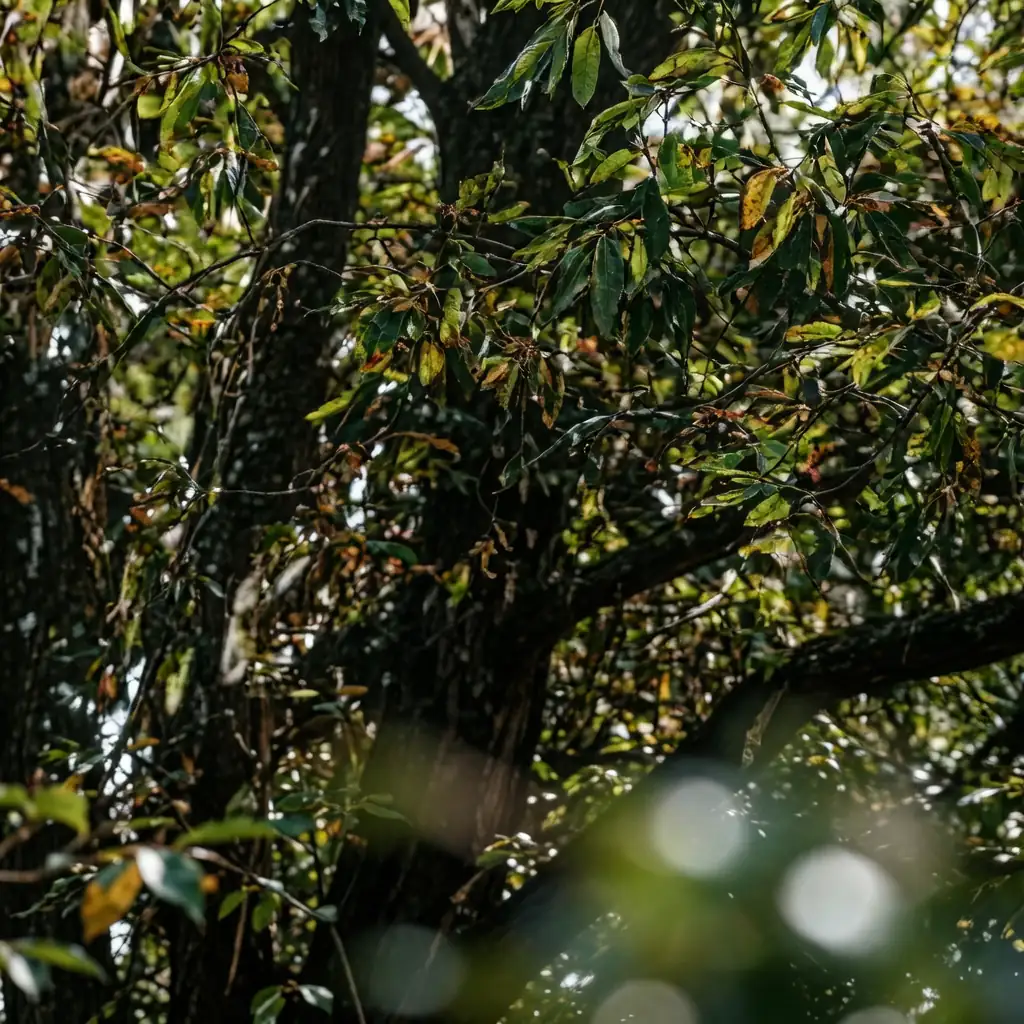
- Size: Up to about 30 m (98 ft) tall, typically forming a large-crowned tree in maturity.
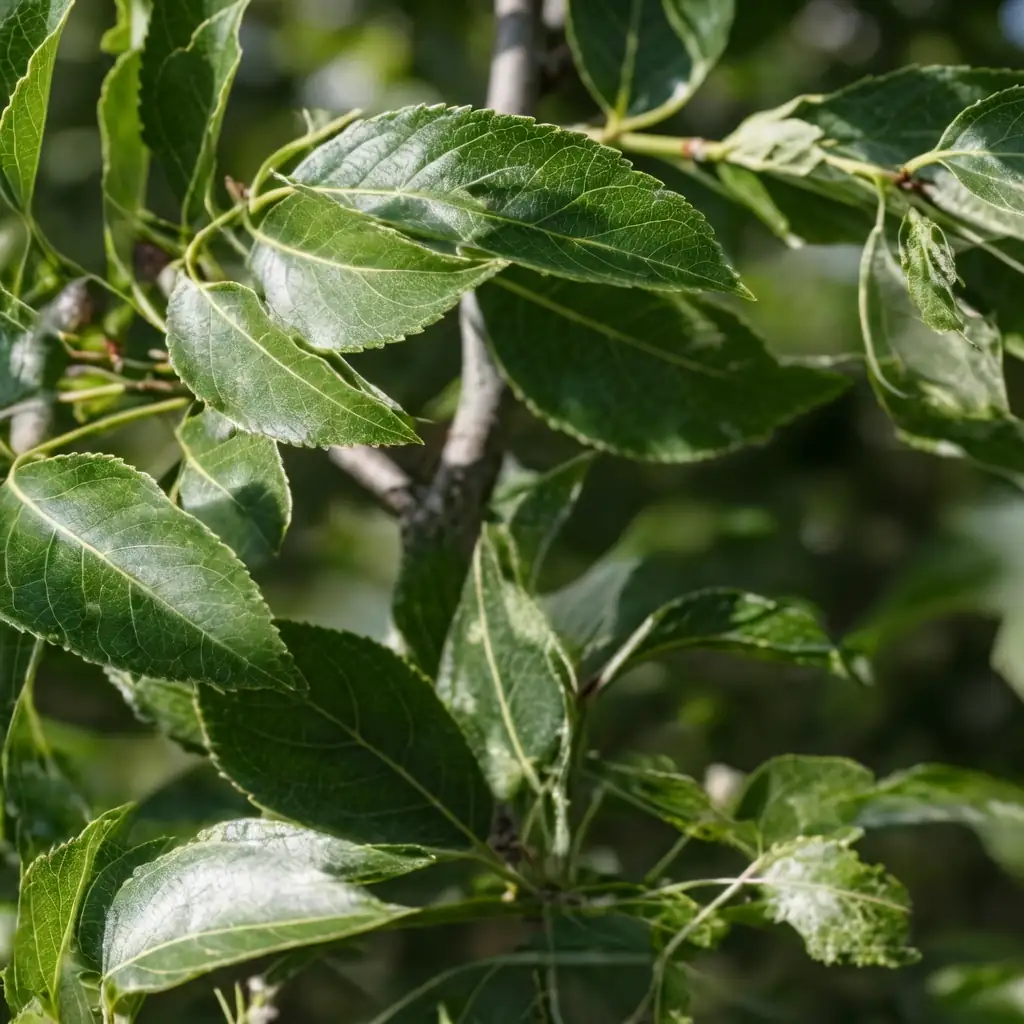
- Foliage: Leaves are oblong to lance-shaped with a long pointed tip and evenly spaced veins; the edges are sharply toothed with bristle-like points (the “sawtooth” look). Young twigs may be softly yellowish-hairy, becoming smoother with age. The leaf underside is green.
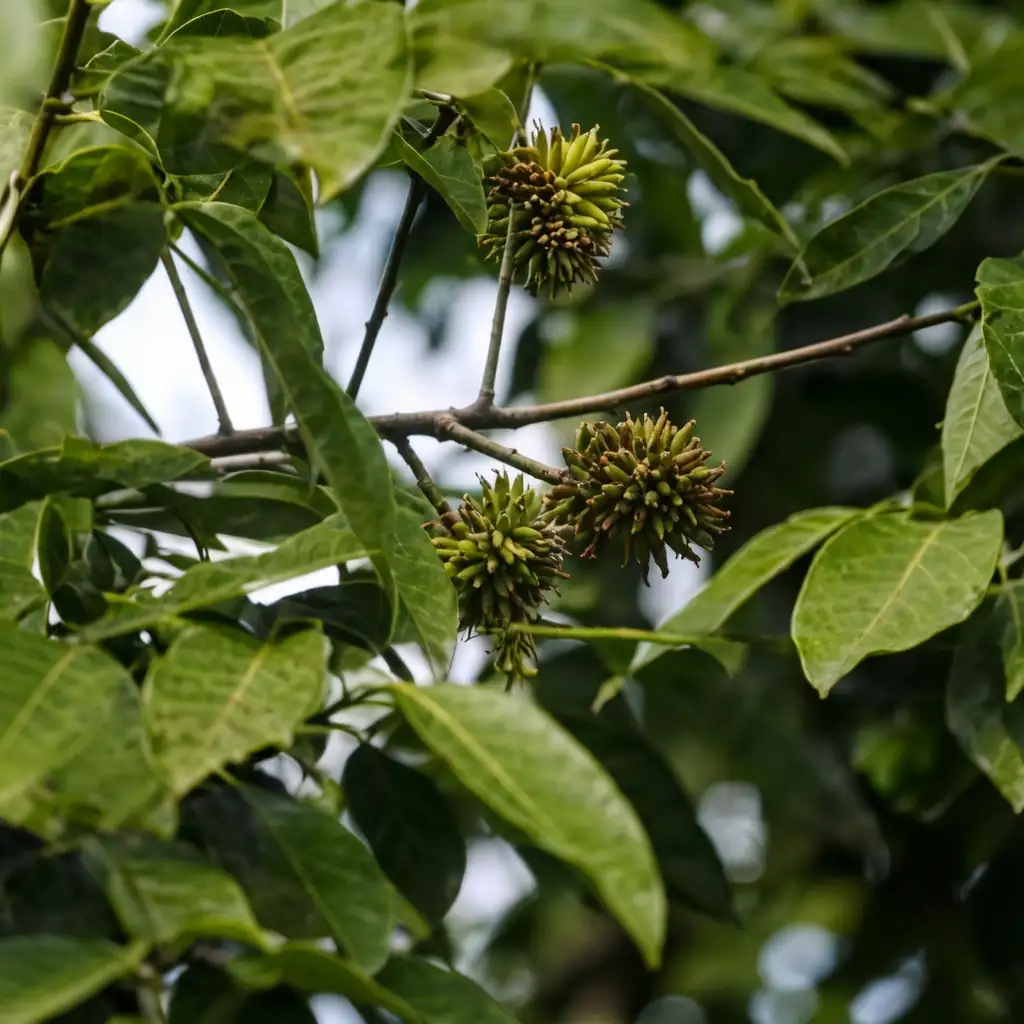
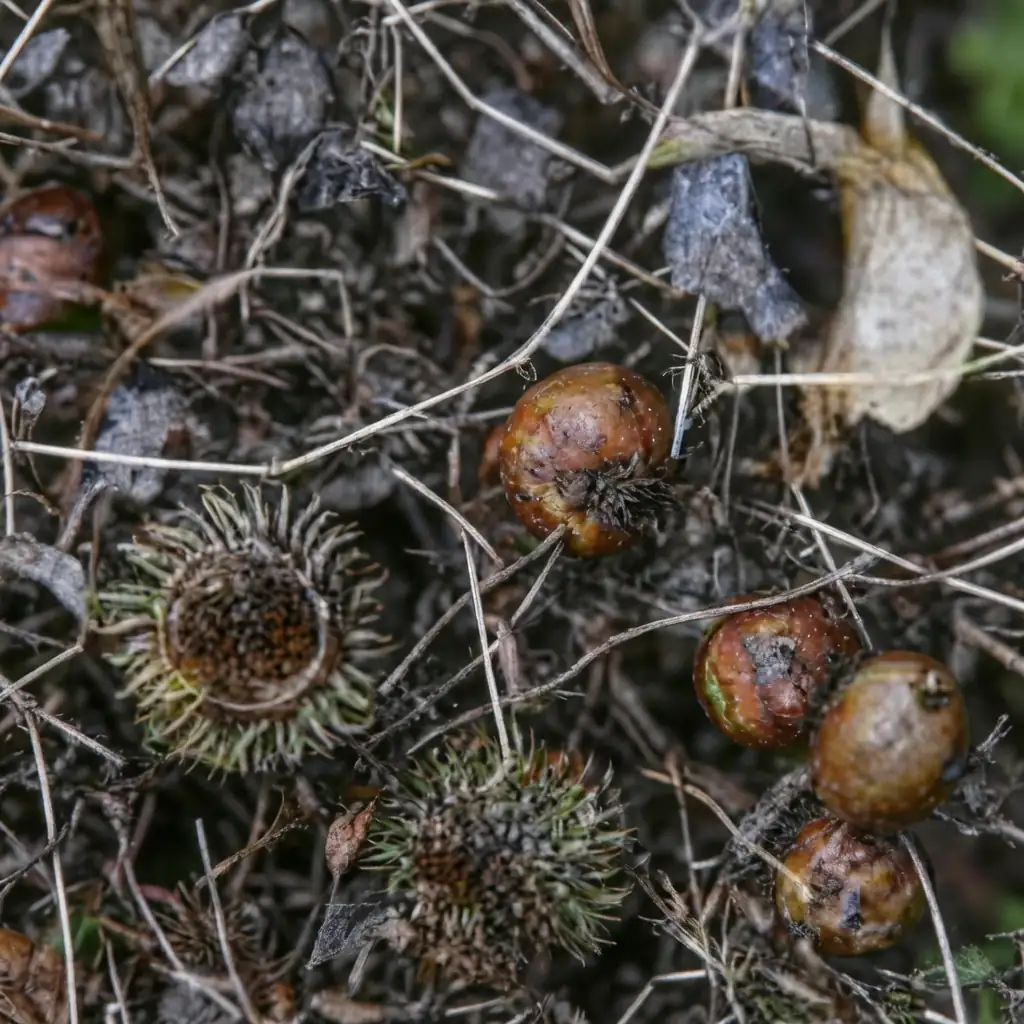
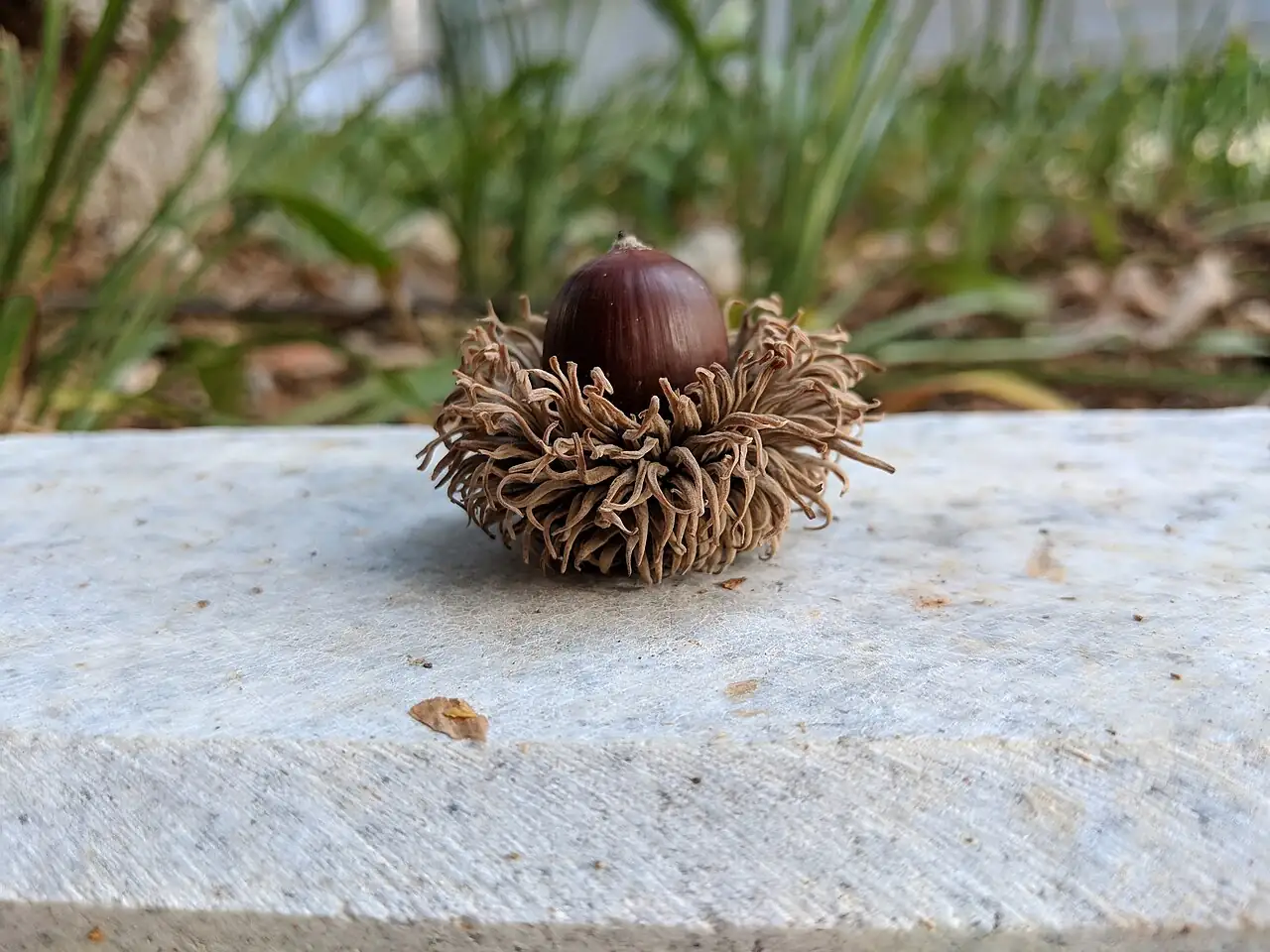
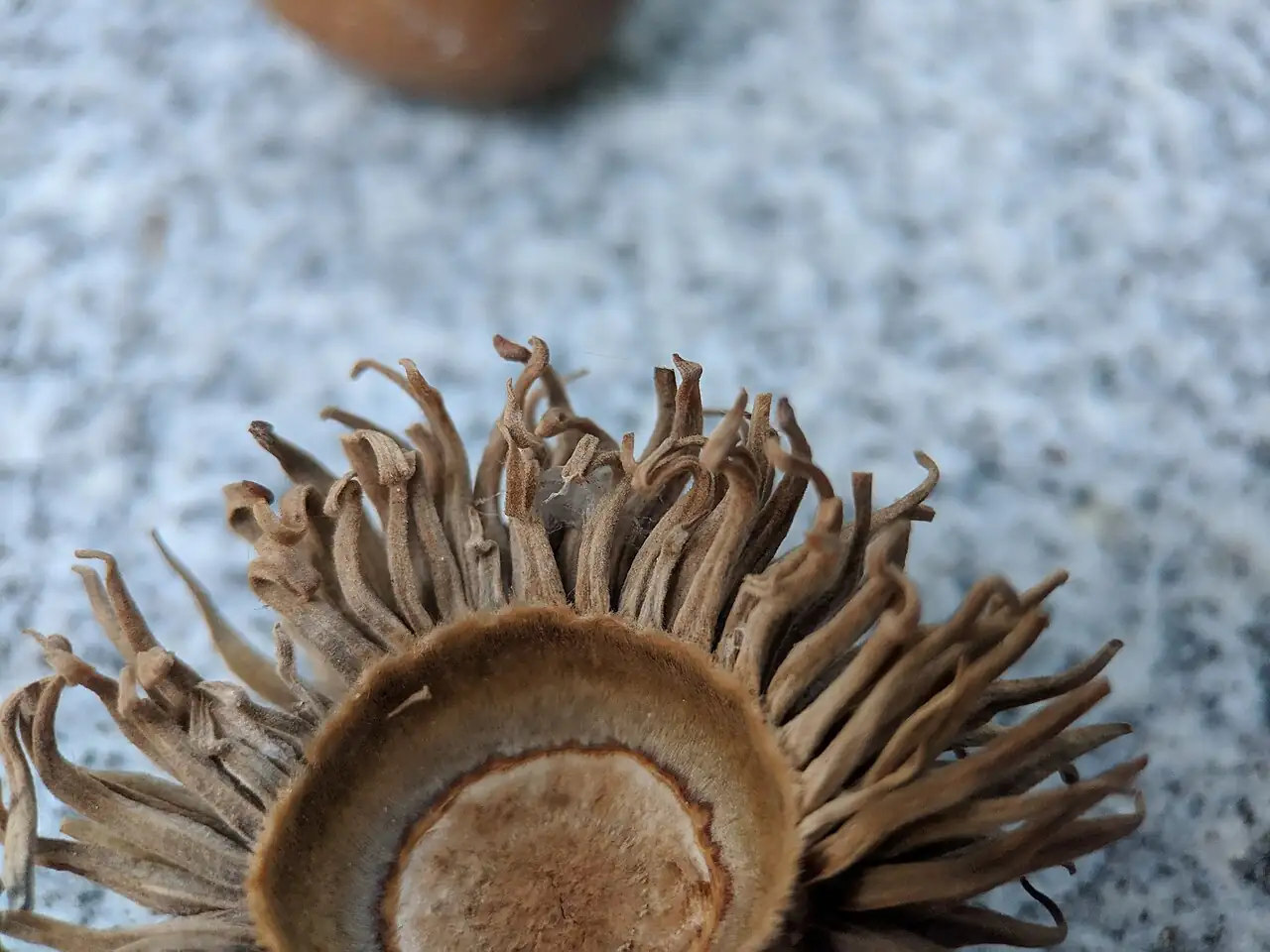
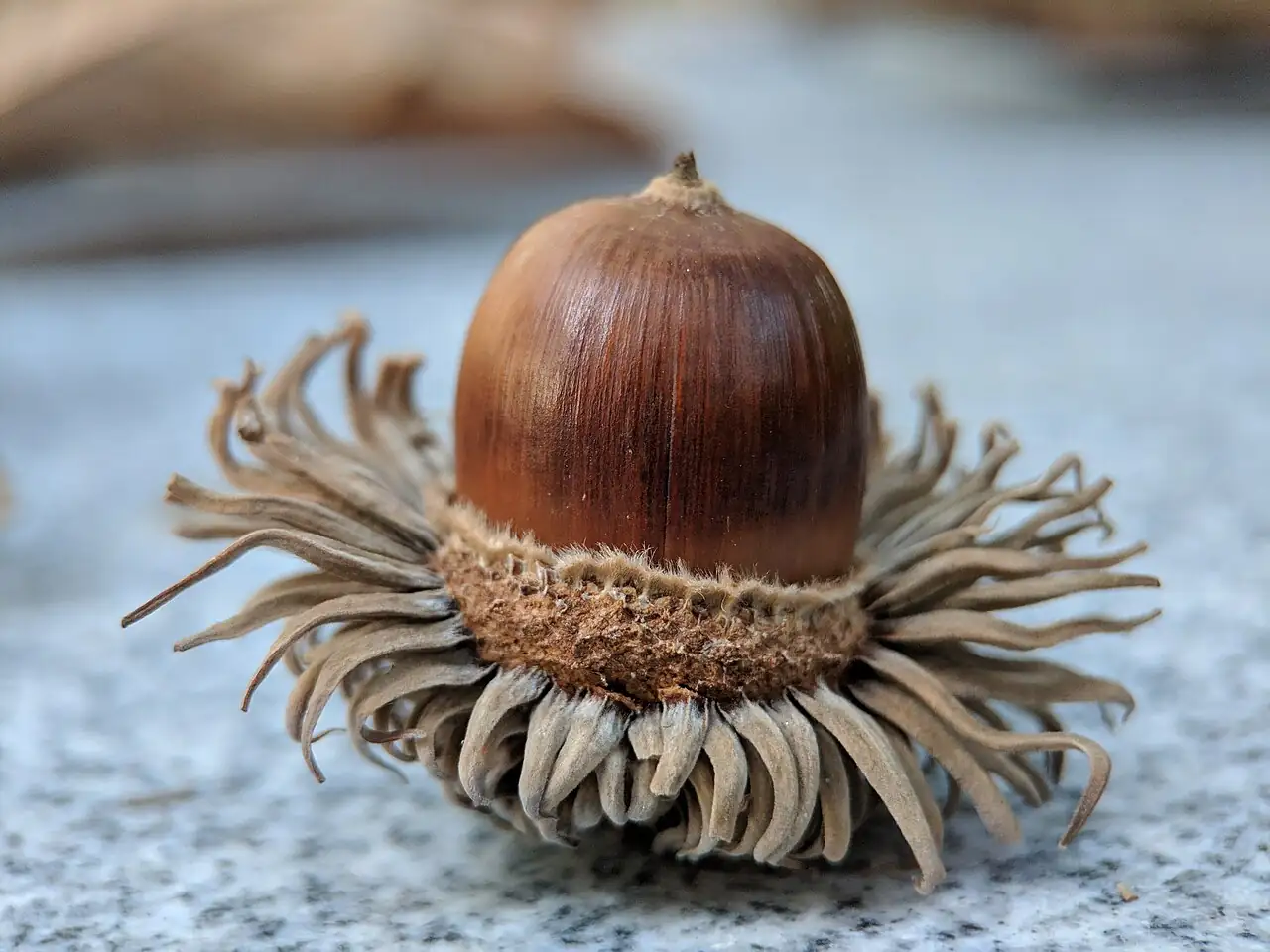
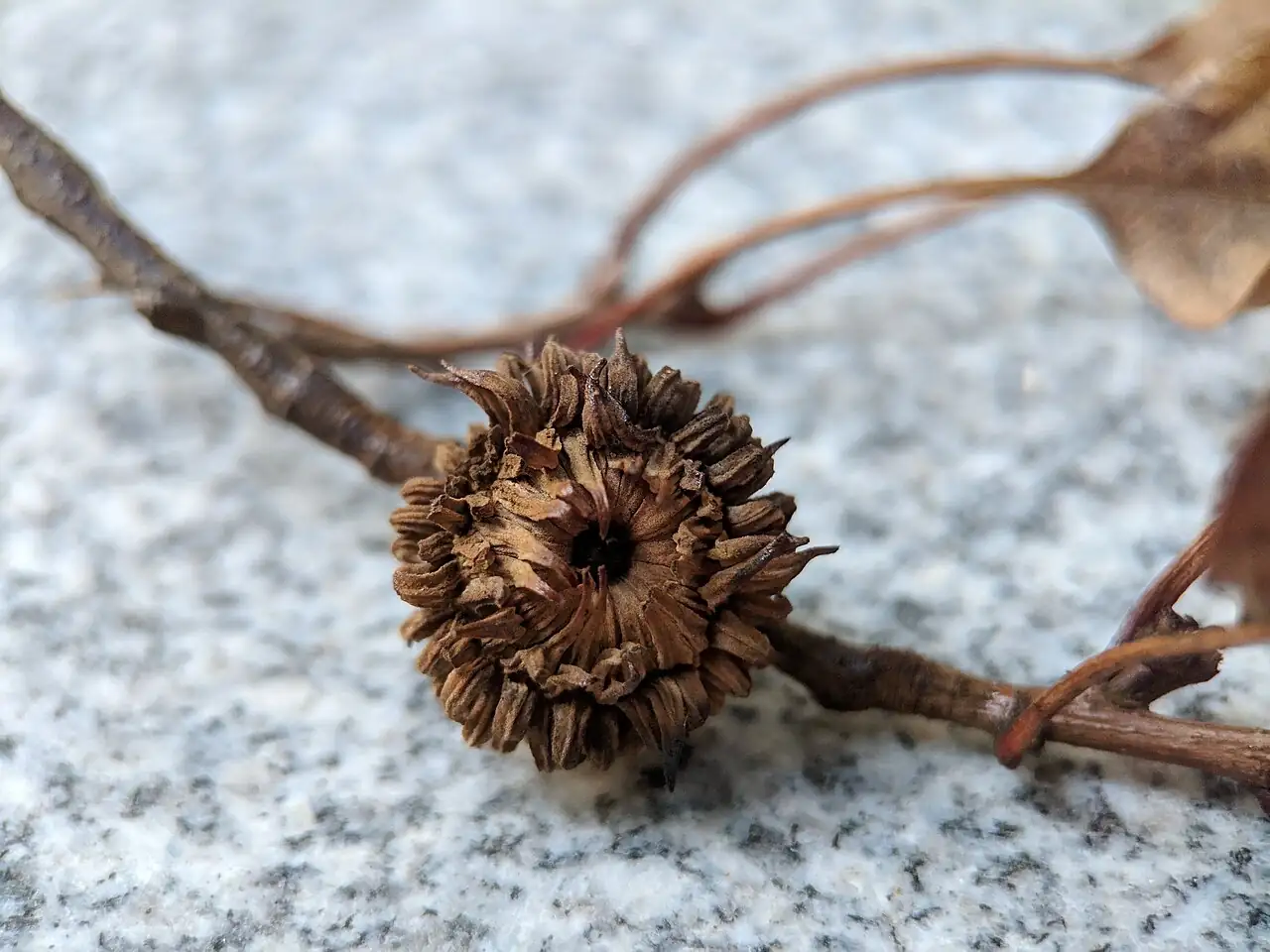
- Flower: In spring it produces typical, subtle oak flowers in catkins (not showy). The fruit is a spherical acorn set in a cup-shaped cupule covered in coarse, bristle-like scales that may curl back; the cupule can show pale, fine hairs.
- Flowering Season: March–April (spring) — 3–4
- Growth Habit: Large deciduous tree; deep-rooting, vigorous resprouter, and well-suited to establishing on poorer sites.
Environment
Sunlight
Full sun for best growth; tolerates light shade once established.
Temperature
Cold-hardy and frost-tolerant; suitable where winter lows commonly reach about -20 to -10°C (-4 to 14°F) depending on provenance and site conditions.
Humidity
Drought-tolerant once established; does not require high humidity.
Soil
Adaptable: grows in a wide range of soils, including acidic soils and calcareous (lime-rich) soils; tolerates low fertility. Best in well-drained loam.
Placement
Best outdoors in parks, large gardens, and streetscapes where it has room to mature; also used in mixed scenic woodland plantings, windbreak belts, watershed protection forests, and firebreak plantings.
Hardiness
USDA Zone 5–9 (approx.).
Care Guide
Difficulty
Easy outdoors once established; needs space and is best treated as a long-term landscape tree rather than a transplantable specimen.
Buying Guide
Choose healthy nursery stock with a straight leader, an undamaged root collar, and no girdling roots. Because mature trees can be difficult to move, buy the largest size you can comfortably establish, and prioritize good root structure over height.
Watering
Water regularly during the first 1–2 growing seasons to establish a deep root system. After establishment, water during prolonged drought; avoid constant waterlogging.
Fertilization
Usually unnecessary in average soils. If growth is weak, apply a balanced, slow-release fertilizer in spring; avoid heavy nitrogen on rich sites.
Pruning
Prune in dormancy to remove dead, crossing, or hazardous branches and to develop a strong structure when young. Avoid excessive pruning on mature trees.
Propagation
Commonly grown from fresh acorns (seed). The species also resprouts strongly from the base after cutting or damage.
Repotting
Not applicable as a landscape tree. It is generally not transplant-friendly when older; plant in its permanent location while young and protect the root system during planting.
📅 Seasonal Care Calendar
Spring: plant young trees, monitor for establishment stress, light structural pruning if needed. Summer: deep water during drought, mulch to conserve moisture. Autumn: collect acorns if propagating; enjoy fall color. Winter: dormant-season pruning and site planning.
Pests, Diseases & Safety
Common Pests & Diseases
Potential issues include caterpillars/leaf-eating insects, scale insects, and oak powdery mildew; root problems can occur in poorly drained soils. Maintain vigor with proper siting, mulching, and avoiding waterlogged conditions.
Toxicity
Acorns and young leaves contain tannins and can be harmful if eaten in quantity, especially to livestock and pets. Not typically a household poisoning risk unless large amounts are ingested.
Culture & Symbolism
Symbolism: Often associated with strength, endurance, and longevity (common symbolic themes for oaks).
Uses: A large shade and avenue (street) tree with strong seasonal interest. Widely used in ecological plantings such as windbreaks, watershed protection forests, and firebreak forests; also suitable for mixed woodland scenery plantings in parks and scenic areas.
FAQ
Why is it called sawtooth oak?
The leaf margins have sharp, bristle-tipped teeth that resemble the teeth of a saw—one of the easiest ways to recognize the species.
Does it tolerate poor or rocky soils?
Yes. It is notably adaptable and can establish on low-fertility sites, including calcareous (lime-rich) soils, as long as drainage is reasonable.
Can I transplant a large, established tree?
It is generally difficult to transplant when older because of its strong, deep root system. Plant young trees in a permanent spot and avoid moving them later.
Fun Facts
- Individuals can live roughly 500–600 years (about 500–600 years).
- It is often used as a pioneer species for reforesting degraded or nutrient-poor hillsides.
- Unlike many oaks, it can perform well on both acidic soils and lime-rich, calcareous soils.
- Its orange-brown fall foliage can be especially striking in mass plantings.
- It is relatively tolerant of wind, dust, and urban pollution compared with many other trees.