Plant Features
- Size: Typically 30–90 cm (12–36 in) tall and about 30–90 cm (12–36 in) wide; often around 40–60 cm (16–24 in) in many gardens.
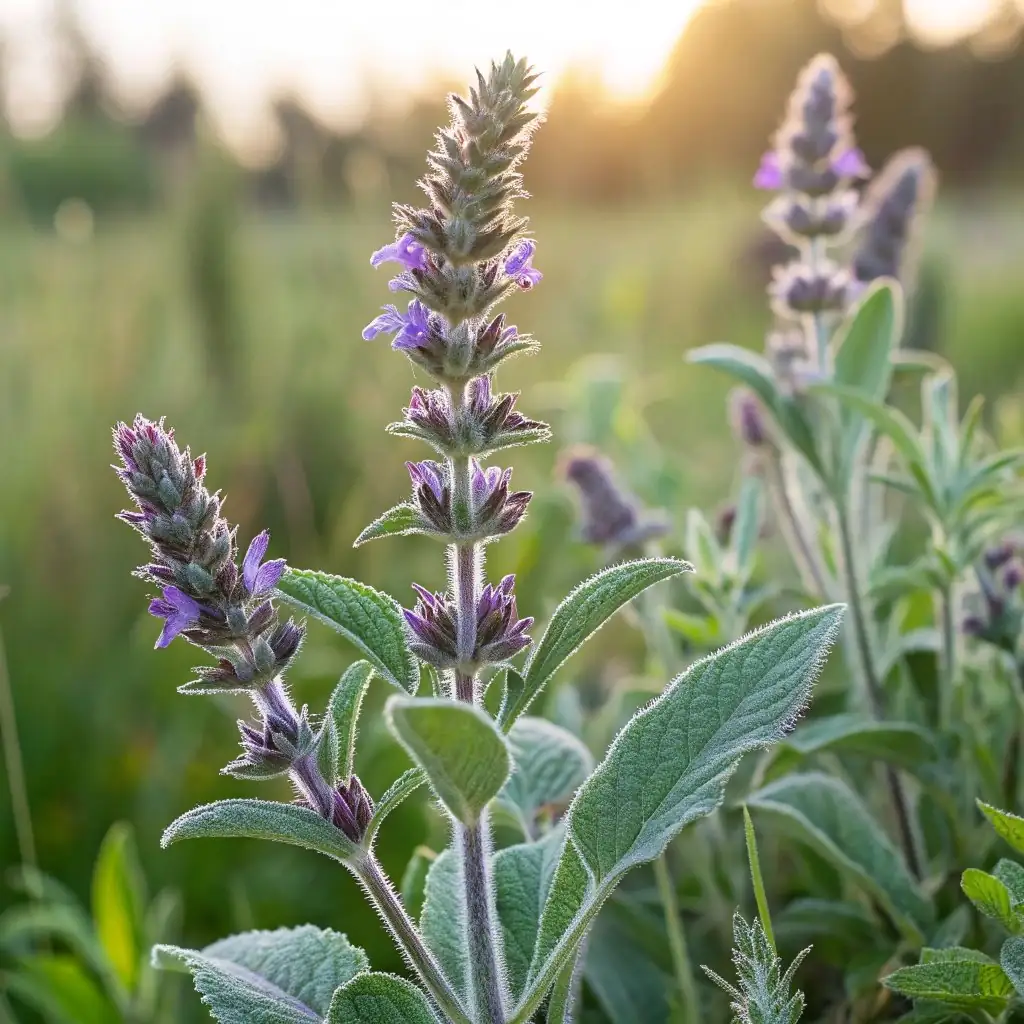
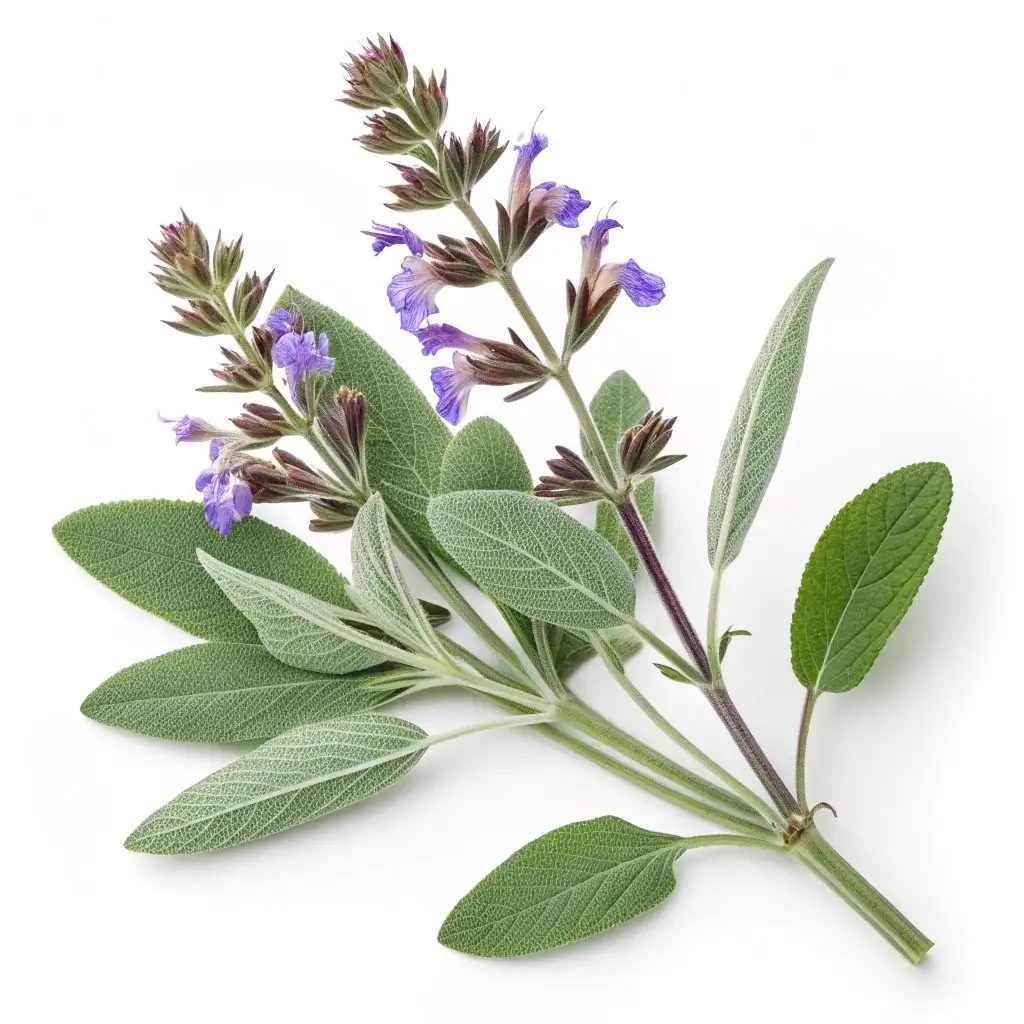
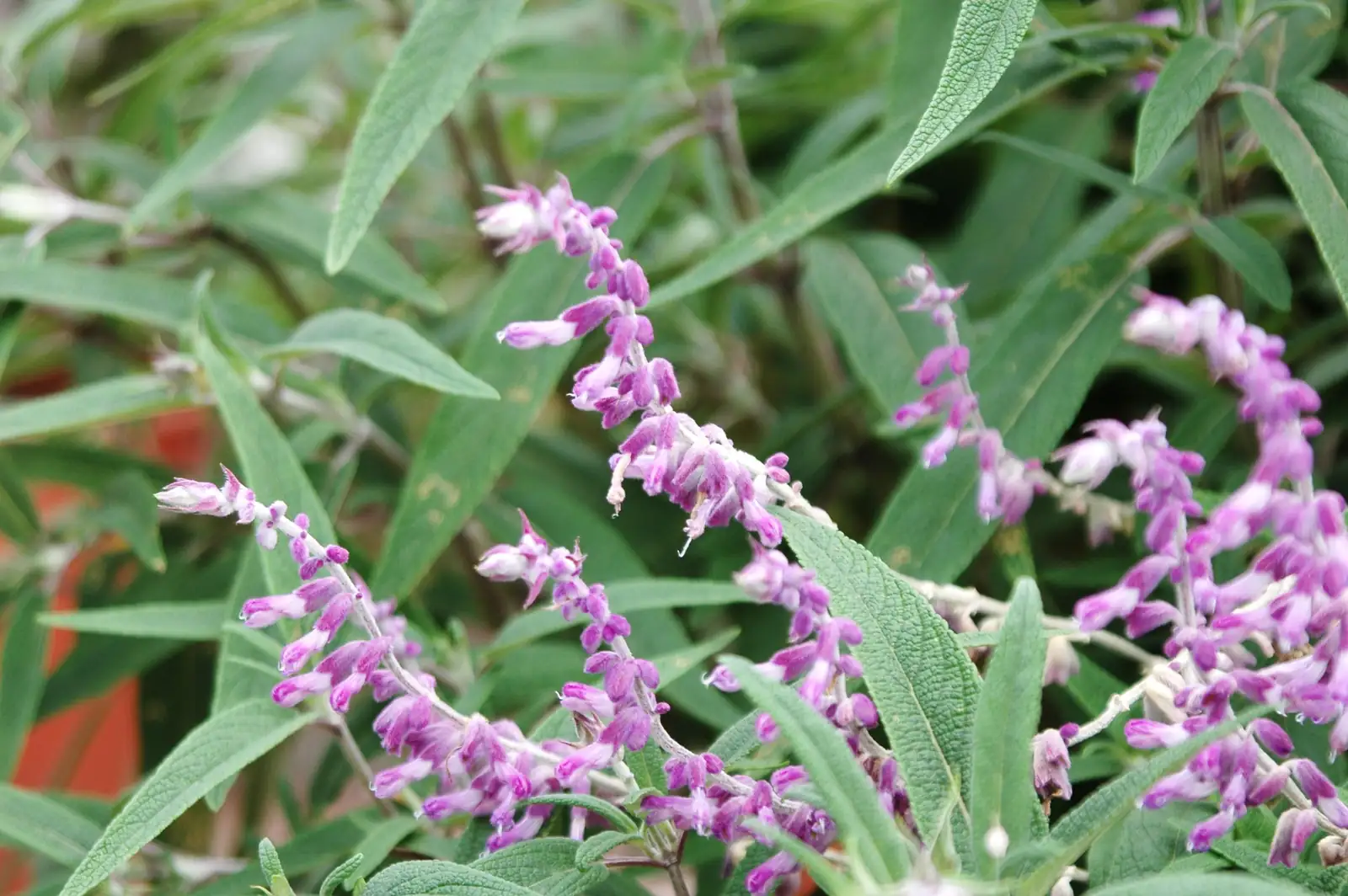
- Foliage: Opposite, oblong-to-lance-shaped leaves in a grey-green to silvery tone, with a softly fuzzy, slightly pebbly surface; leaves can reach about 12–13 cm (5 in) long. The aromatic foliage is the main harvestable part and becomes more intensely flavored in full sun.
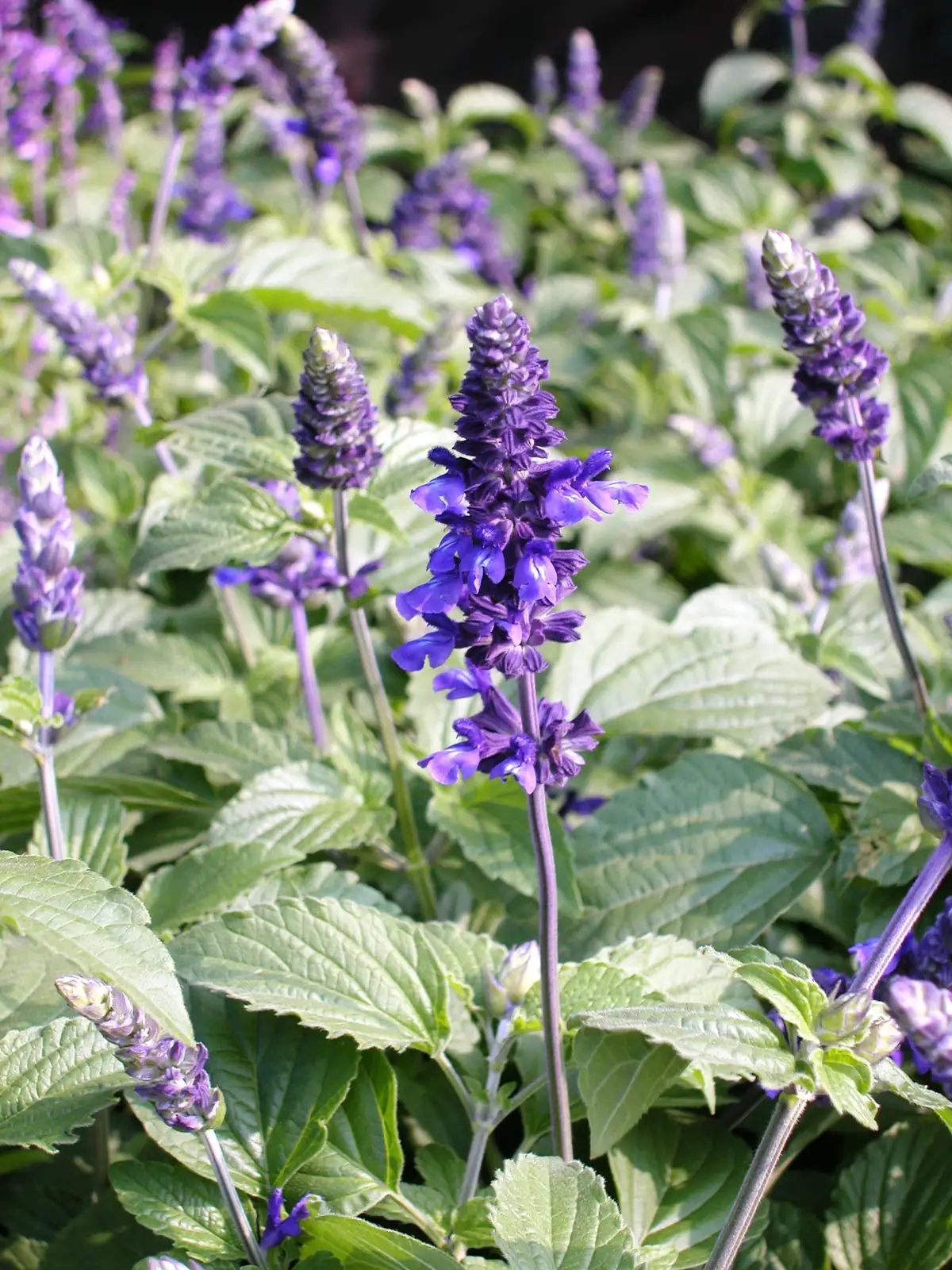
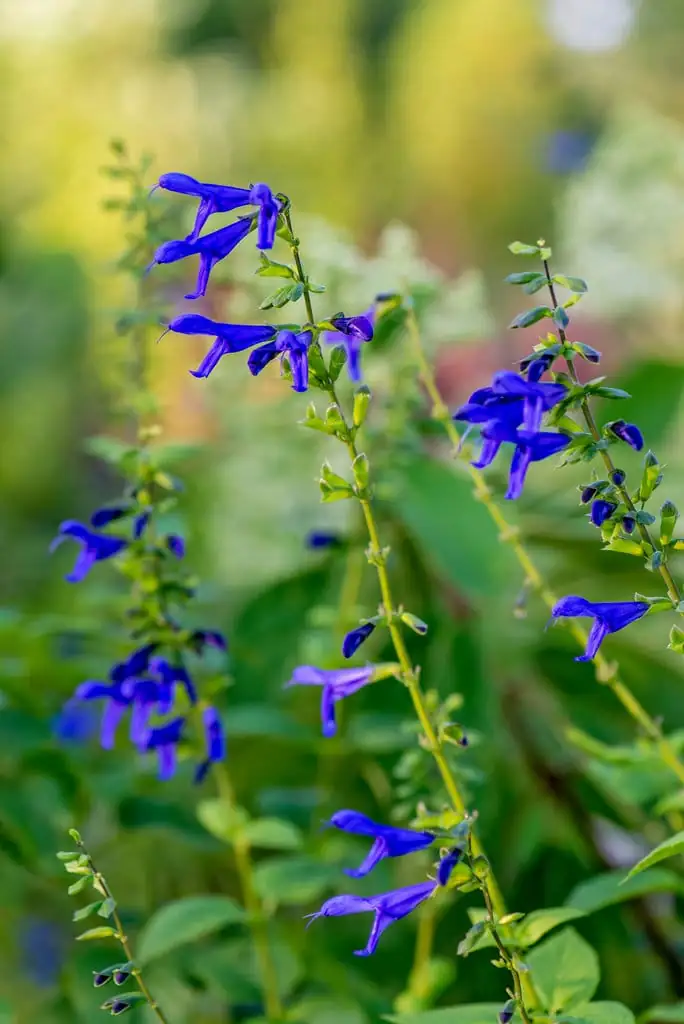
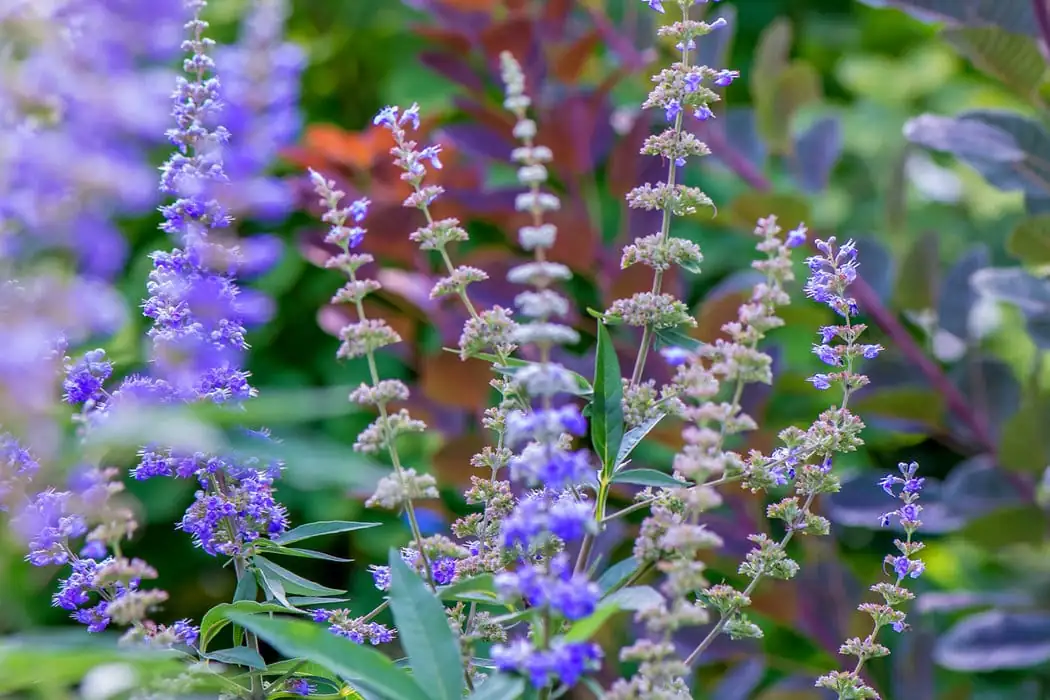
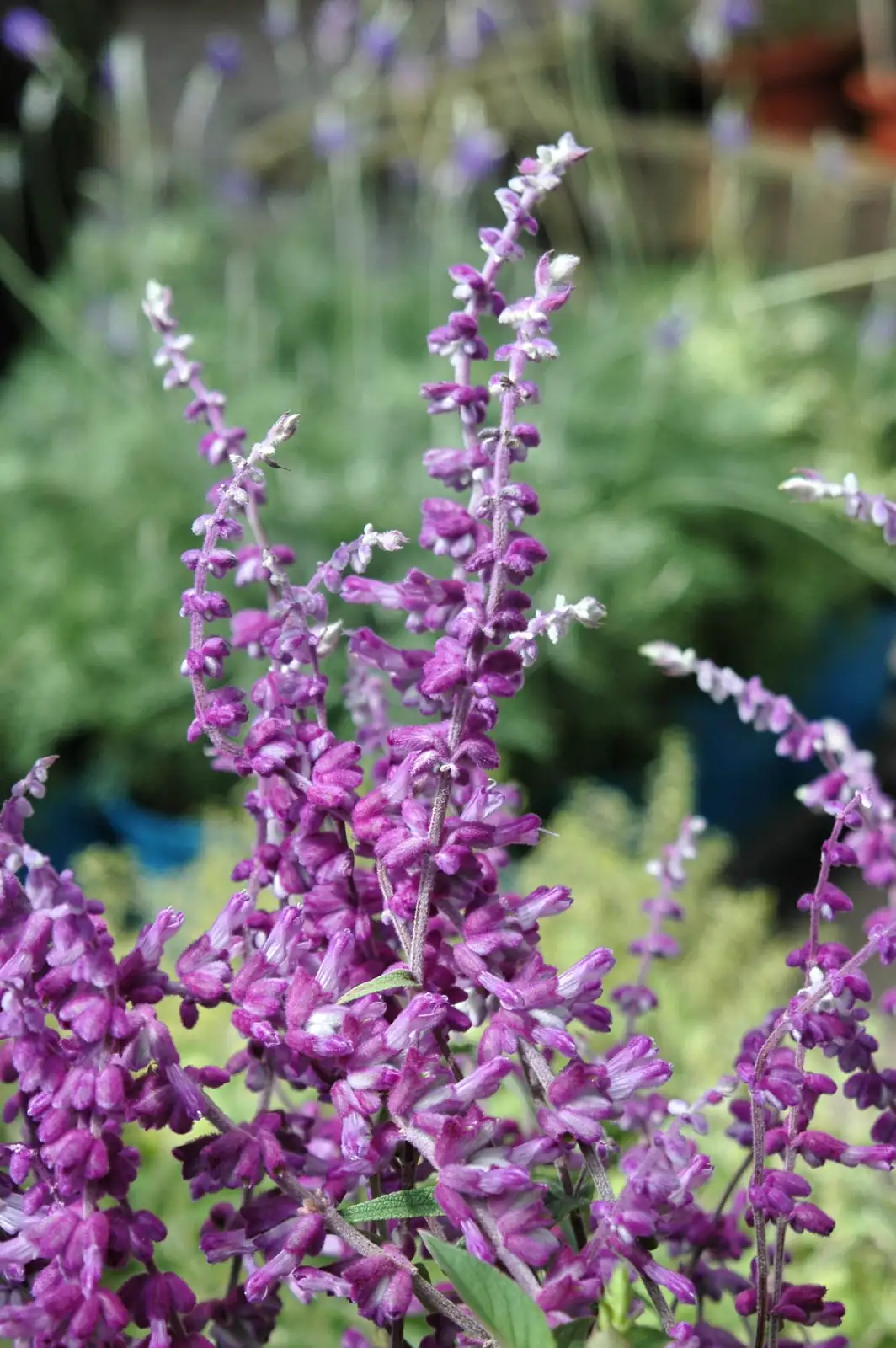
- Flower: Upright spikes carry whorls of two-lipped, tubular flowers—most commonly blue to purple, but sometimes pink or white—often with soft hairs. The blooms are nectar-rich and highly attractive to pollinating insects.
- Flowering Season: Early summer through late summer, typically June to September
- Growth Habit: Upright, bushy, mound-forming evergreen subshrub; stems are green when young and become woody with age, often getting a bit leggy if not lightly pruned.
Environment
Sunlight
Full sun for best growth and strongest flavor—aim for at least 6+ hours of direct sun daily. In very hot climates, light afternoon shade can help prevent stress, but avoid deep shade.
Temperature
Best growth around 15–22°C (60–70°F). Generally hardy and tolerant of cool weather once established.
Humidity
Prefers dry to average humidity; high humidity can encourage powdery mildew. Good airflow is especially important in humid summers.
Soil
Needs very well-draining soil. Performs well in poor to moderately fertile ground; avoid rich, soggy mixes. Slightly acidic to neutral pH around 6.5–7.0 is ideal. Amend heavy soils with grit or coarse sand to improve drainage.
Placement
Sunny herb gardens, vegetable beds, mixed borders, and patio containers; also possible indoors only in very bright light (e.g., a south-facing window) with excellent drainage.
Hardiness
USDA Zone 4–10 (varies by cultivar and winter wet). Tolerates light frosts; prolonged severe cold and winter waterlogging are the main risks.
Care Guide
Difficulty
Easy—low maintenance once established, and a great beginner herb as long as drainage and sun are good.
Buying Guide
Choose compact plants with sturdy stems and healthy grey-green leaves. Avoid plants with yellowing, black/brown spots, or limp growth (often signs of overwatering or poor roots).
Watering
Water young plants during dry spells in their first year. Once established in the ground, sage is drought-tolerant and usually needs little extra water. In containers, water thoroughly, then let the top 2–3 cm (about 1 in) dry before watering again. Reduce watering in winter and never let pots sit in water.
Fertilization
In-ground plants usually don’t need feeding and can get floppy with too much nitrogen. Container plants can benefit from a light dose of a general-purpose fertilizer once in late spring/early summer (especially after the first year).
Pruning
Lightly prune in mid-to-late spring to keep plants compact and encourage bushy new shoots. Deadhead/trim spent flower stems in late summer. Avoid cutting hard into old, leafless wood, as regrowth can be slow or fail. Plants often become woody and less productive over time—many gardeners replace them every 6–7 years (or refresh with cuttings).
Propagation
Very reliable from softwood cuttings in late spring/early summer. Also propagates by layering (spring or autumn) or division of mature clumps. Seed is possible but slower and may not come true to type for some cultivars.
Repotting
Repot every 2–3 years for container plants. Use a pot at least 30 cm (12 in) wide and deep with generous drainage holes. Use a free-draining, peat-free potting mix and add grit (up to ~25% by volume) to keep roots airy.
📅 Seasonal Care Calendar
Spring: Light prune, start seeds, take softwood cuttings, and (for pots) give a light feed. Summer: Harvest regularly, water pots when the surface dries, and trim spent blooms. Autumn: Reduce watering, consider layering, and tidy lightly without hard pruning. Winter: Keep pots in a sheltered, bright spot; water sparingly; protect from harsh freezes and especially from winter wet.
Pests, Diseases & Safety
Common Pests & Diseases
Usually resilient. Possible pests include rosemary beetle, leafhoppers, capsid bugs, slugs, and spider mites (especially in dry indoor air). The most common issues are powdery mildew in damp/stagnant air and root rot from overwatering—both are largely prevented by sun, airflow, and fast-draining soil.
Toxicity
Generally safe as a culinary herb. Sage contains thujone; very large medicinal doses (or ingesting essential oil) can be harmful and may trigger seizures in sensitive individuals. Avoid ingesting sage essential oil; consult a professional for medicinal use during pregnancy or nursing.
Culture & Symbolism
Symbolism: Wisdom, longevity, good health, and domestic virtue—often celebrated as an “herb of the wise.”
History & Legends: Sage’s name traces to Latin “salvere,” meaning “to heal” or “to save,” reflecting its long-standing reputation as a healing plant. The Romans regarded it as sacred and used it in ceremonies and early medical practice. Charlemagne famously ordered sage to be planted on imperial farms (812 AD). One story even claims Chinese traders once valued French sage tea so highly they would trade multiple pounds of Chinese tea for a smaller amount of sage tea—an old-world reminder of how prized this herb once was.
Uses: Culinary: A signature flavor for meats, poultry, stuffings, sauces, and savory dishes. Medicinal/traditional: Commonly used in teas and folk remedies for digestion and as an aromatic herb with antimicrobial and anti-inflammatory associations (seek professional guidance for therapeutic dosing). Ornamental: A handsome, silvery-leaved shrub with pollinator-friendly blooms. Aromatic: Used in teas and essential oils (do not ingest the oil).
FAQ
Why is my sage not flowering?
The usual culprits are not enough sun (aim for 6+ hours), too much nitrogen fertilizer (lots of leaves but few blooms), or stress from overwatering. Move it to a brighter spot and keep feeding minimal.
Why are my sage leaves turning yellow?
Most often it’s overwatering or poor drainage leading to unhappy roots. Let the soil dry between waterings and ensure the pot/bed drains fast. If drainage is good and growth is pale, a very light balanced feed can help—sparingly.
Can sage be grown indoors?
Yes, if you can give it strong, direct light (about 6 hours/day), excellent drainage, and careful watering. A south-facing window is ideal; rotate the pot so it grows evenly.
How do I harvest and store sage?
Snip leaves or sprigs as needed, ideally in the morning after dew dries. For drying, hang small bundles in a warm, dark, airy spot, then store the crisp leaves in an airtight jar. You can also freeze chopped leaves (even in ice cube trays) for quick cooking.
Does sage need frequent watering?
No—sage prefers to dry a bit between waterings. Overwatering is more harmful than underwatering, especially in cool weather or heavy soils.
Fun Facts
- “Salvia” comes from a Latin word meaning “to save” or “to heal,” a nod to sage’s long traditional use.
- A medieval saying goes: “He who has sage in his garden does not need a doctor.”
- Sage is in the mint family (Lamiaceae), making it a close relative of lavender, rosemary, thyme, and basil.
- Its nectar-rich flowers are excellent for bees and butterflies, and in some regions may also interest hummingbirds.
- Sage often tastes best when grown hard in sun and lean soil—too much fertilizer can reduce aroma and make growth floppy.