

Plant Features
- Size: Up to about 50 cm (20 in) tall
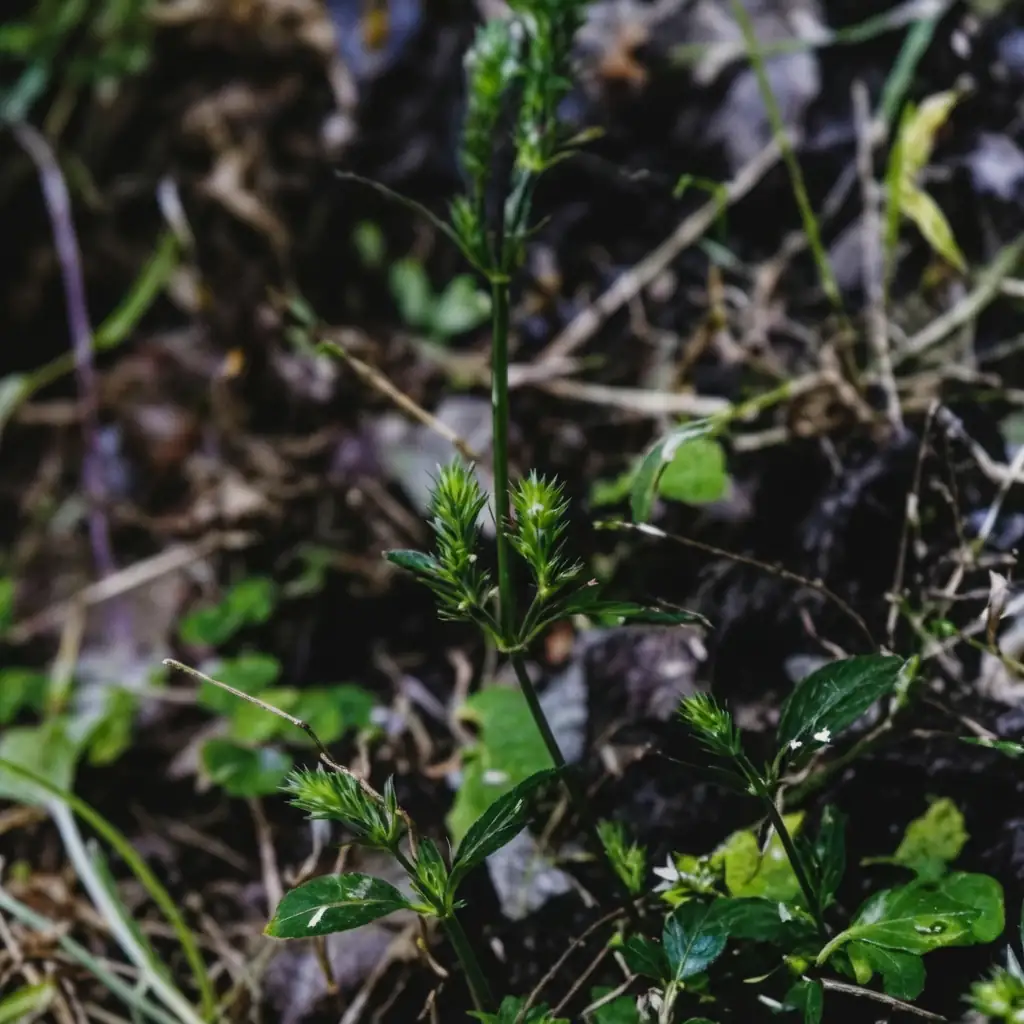
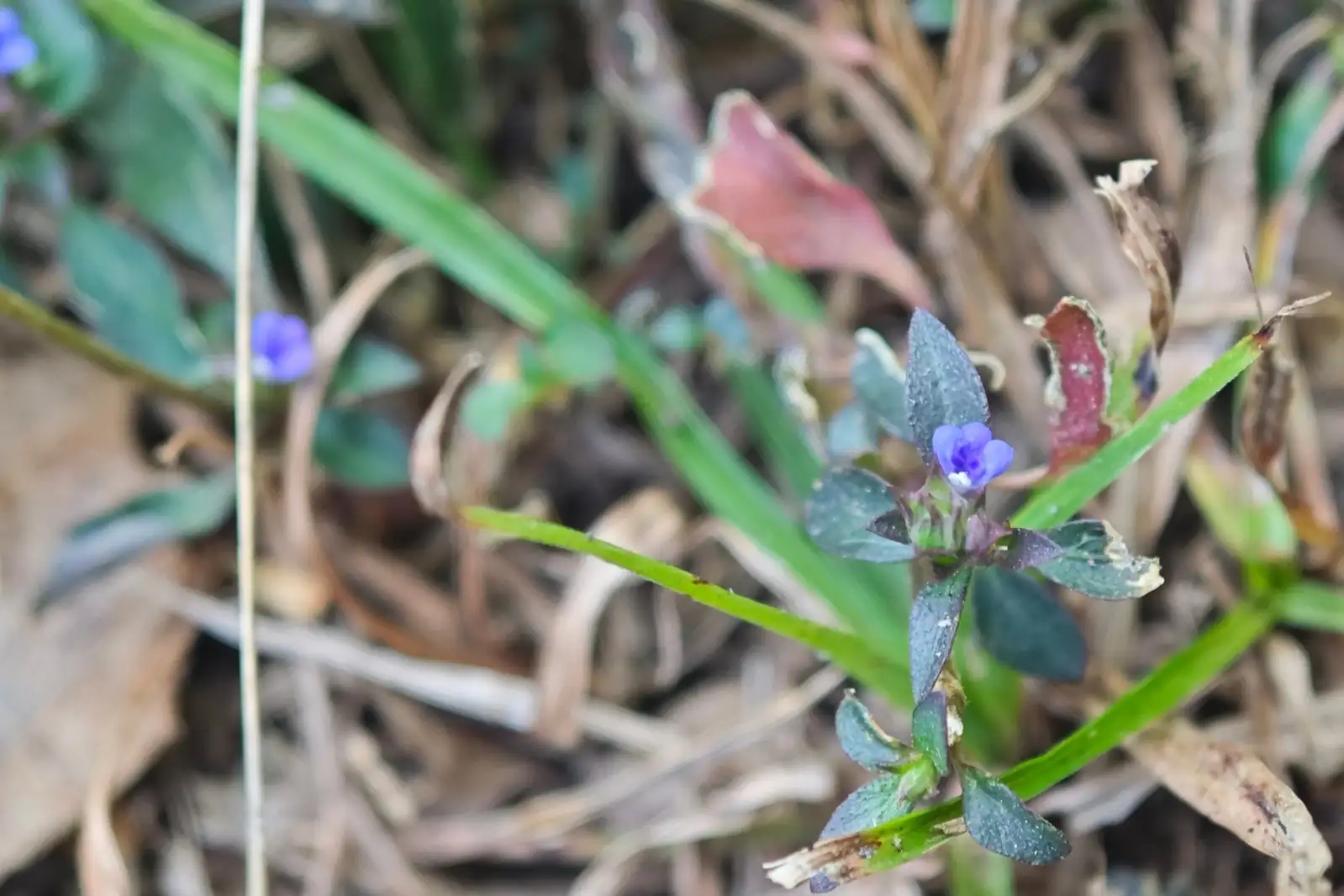
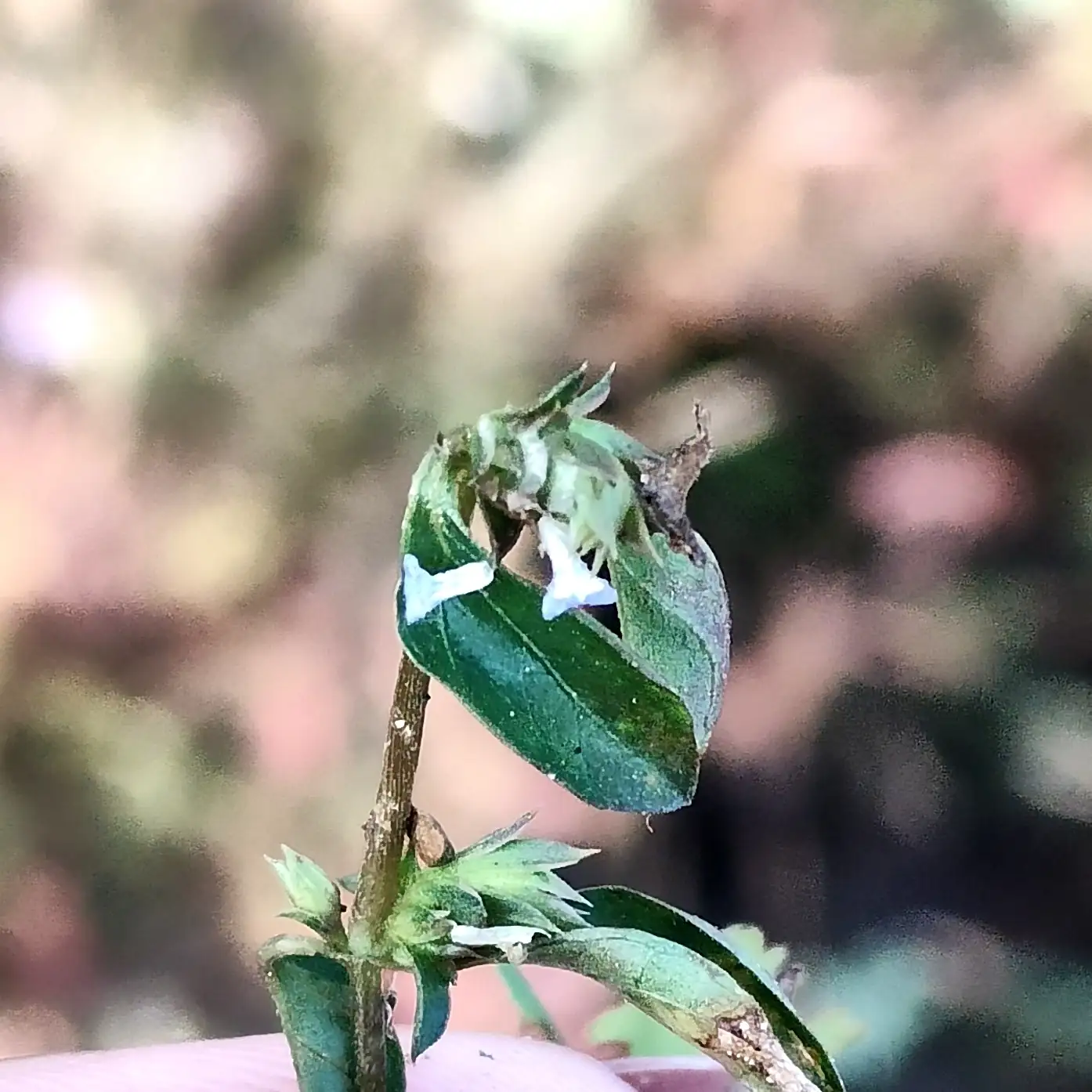
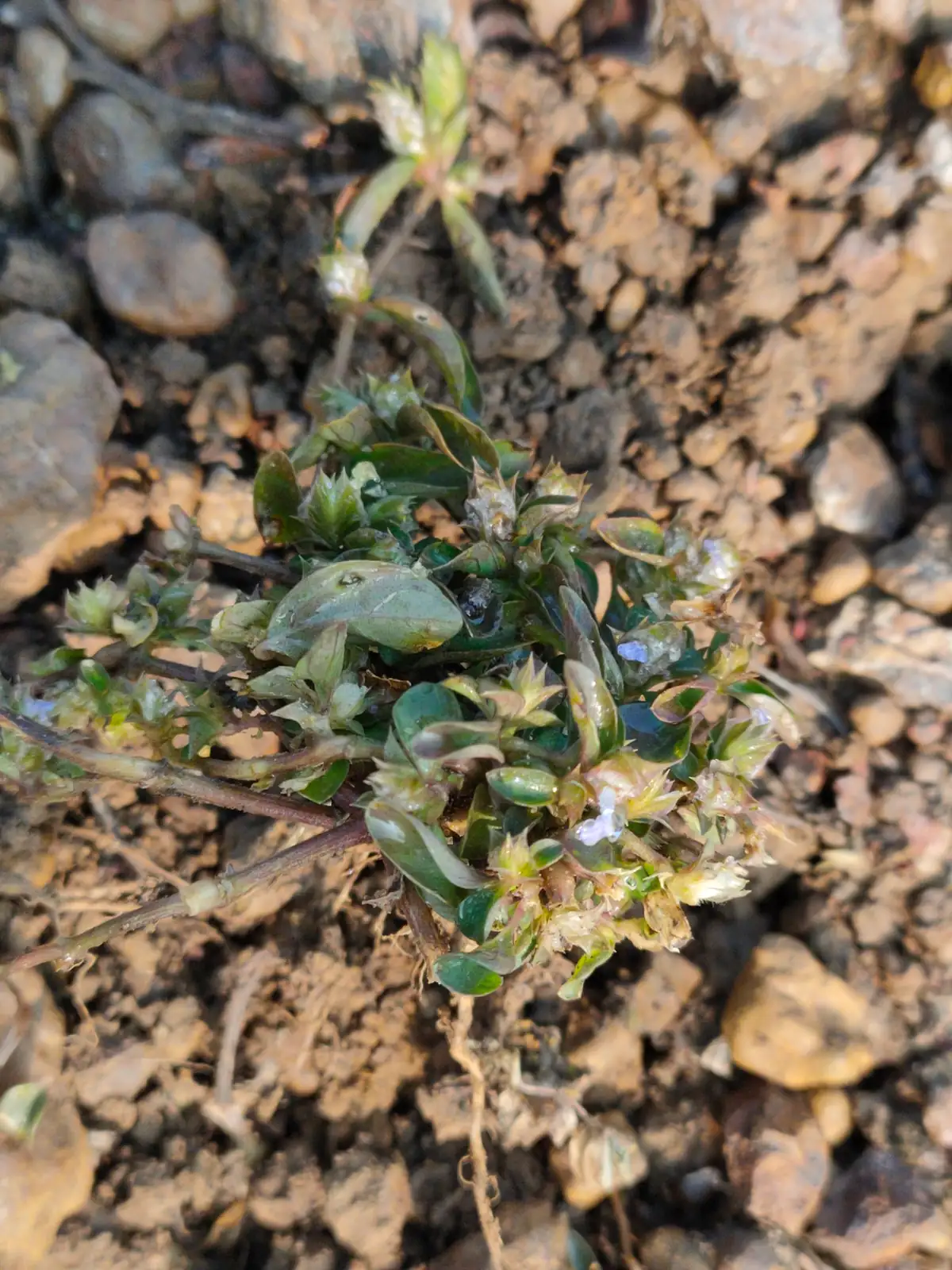
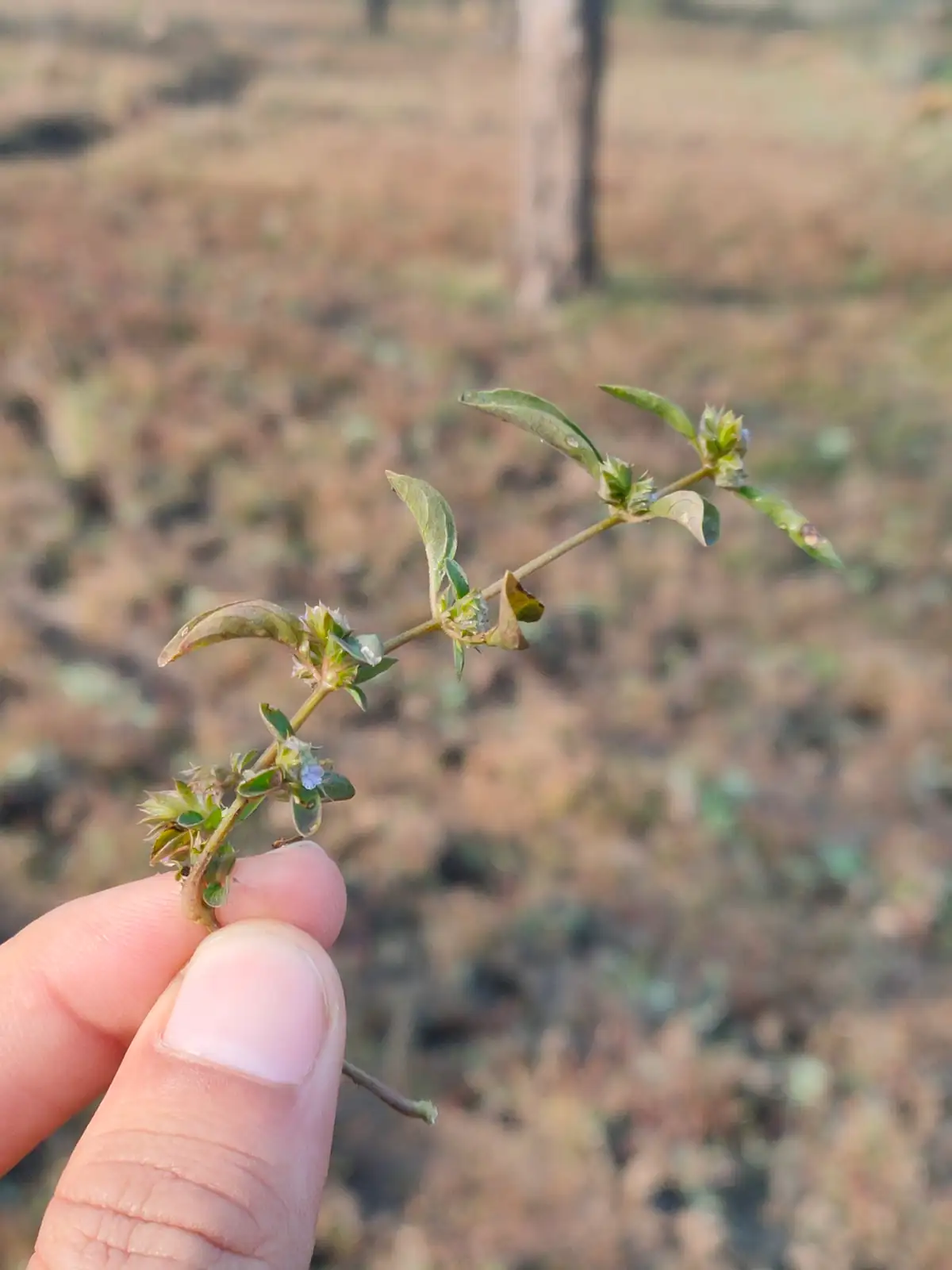
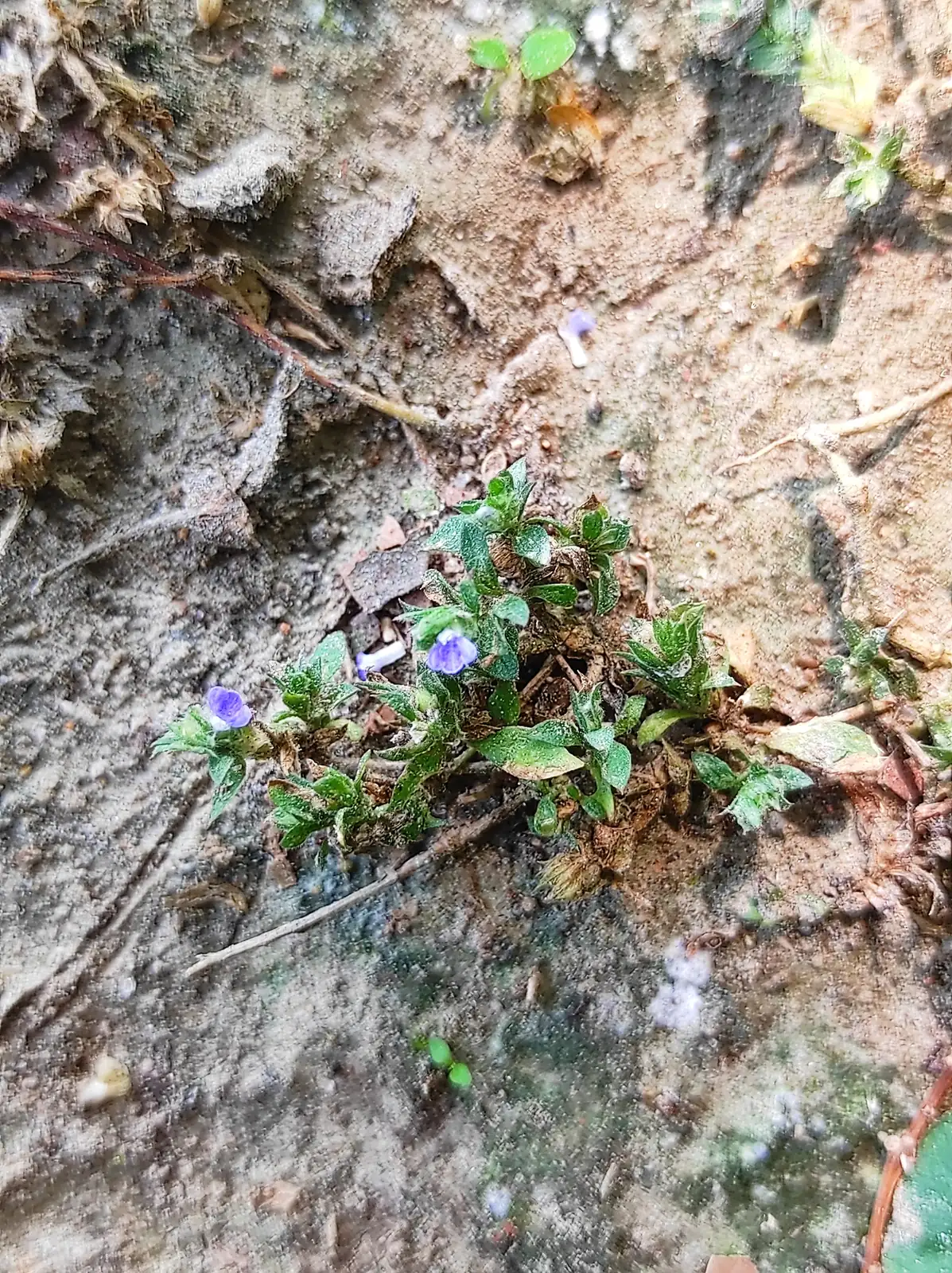
- Foliage: Leaves are arranged in opposite pairs. The foliage (and much of the plant) is covered with soft, fine hairs, giving it a slightly fuzzy look and feel.
- Flower: Small flowers are borne in a one-sided, spike-like cluster. Flowers are white with a pale lilac wash. After flowering, it forms a smooth (hairless) capsule roughly 3 mm (0.12 in) long.
- Flowering Season: Early spring
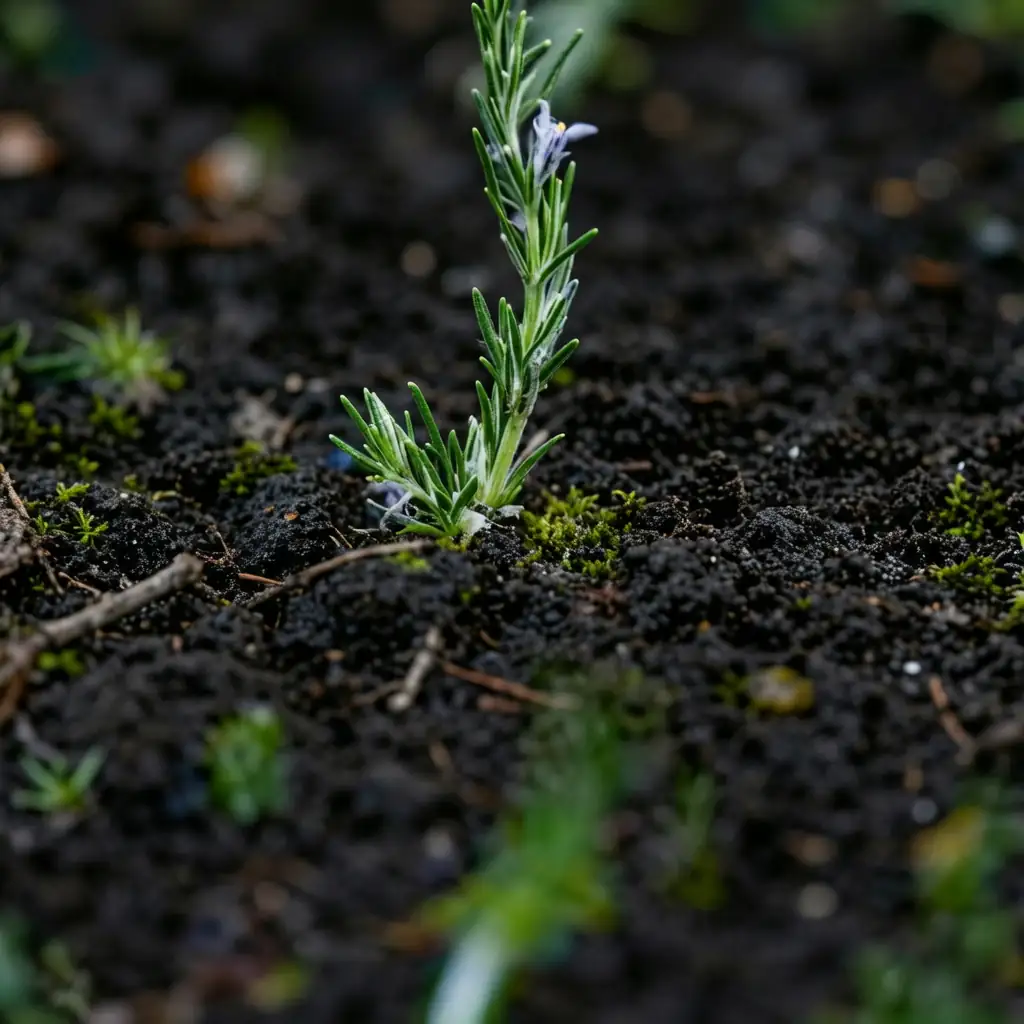
- Growth Habit: Slender annual herb. Lower stems often sprawl along the ground; nodes are slightly swollen and may be purplish-red.
Environment
Sunlight
Bright shade to partial sun; dappled light is ideal in warm climates.
Temperature
Prefers warmth, with best growth around 20–30°C (68–86°F). Frost-tender—protect from temperatures below 0°C (32°F).
Humidity
Average to moderately high humidity. Avoid prolonged hot, very dry conditions and extended drought.
Soil
Adaptable, but happiest in loose, well-drained soil that stays evenly moist. Naturally found in grassy soils along field margins and slopes.
Placement
Great for naturalistic plantings—woodland edge, understory-style beds, or informal meadow corners—especially where it can self-sow and form a soft, wild groundcover effect.
Hardiness
Frost-tender; generally suitable outdoors year-round only in warm regions (approx. USDA Zone 10–12).
Care Guide
Difficulty
Easy to moderate in warm climates outdoors; simplest when grown in a lightly managed, naturalistic area rather than a highly manicured bed.
Buying Guide
More often encountered as a wild/local native plant than a standard nursery item. Choose plants with firm stems, healthy fuzzy leaves, and no wilting or obvious pest damage.
Watering
Keep soil lightly and consistently moist during establishment. Once growing well, it can handle short dry spells, but looks best when not allowed to dry out completely.
Fertilization
Usually not needed in reasonably fertile garden soil. In containers or very lean soil, feed lightly with a balanced fertilizer at 1/4–1/2 strength every 3–4 weeks during active growth.
Pruning
Pinch or trim lightly to encourage branching and keep it tidy. As an annual, remove spent stems at the end of the season.
Propagation
Mainly by seed. Let some plants set seed for natural self-sowing. When sowing, scatter seeds on the soil surface and keep evenly moist until germination.
Repotting
Generally unnecessary because it’s an annual. If grown in a container and roots fill the pot, move to a slightly larger container with a free-draining mix.
📅 Seasonal Care Calendar
Use as a seasonal, informal understory/edge groundcover; let it grow naturally for a wild-garden feel, and allow some seed set if you want it to return.
Pests, Diseases & Safety
Common Pests & Diseases
No consistent, species-specific problems are widely reported. In humid, crowded growth it may attract common pests like aphids or whiteflies, and may develop leaf spot issues. Improve airflow, avoid wetting foliage late in the day, and remove badly affected growth.
Toxicity
No well-documented toxicity information is available for this species. Treat as safety-unknown: discourage chewing by pets/children and wash hands after handling.
Culture & Symbolism
Uses: Mostly grown (or appreciated) as a seasonal, naturalistic groundcover for woodland-edge and meadow-style plantings—valued for its soft texture, delicate flowers, and easygoing “wild” charm.
Fun Facts
- The flowers line up along just one side of the spike-like cluster—an easy ID clue once you know to look for it.
- Its seed capsule is tiny—about 3 mm (0.12 in) long—and notably smooth (hairless).
- Despite its delicate look, it thrives in everyday, untended places like field margins and village edges.
- Purplish-red nodes on the lower stems are common, especially where the plant sprawls along the ground.


