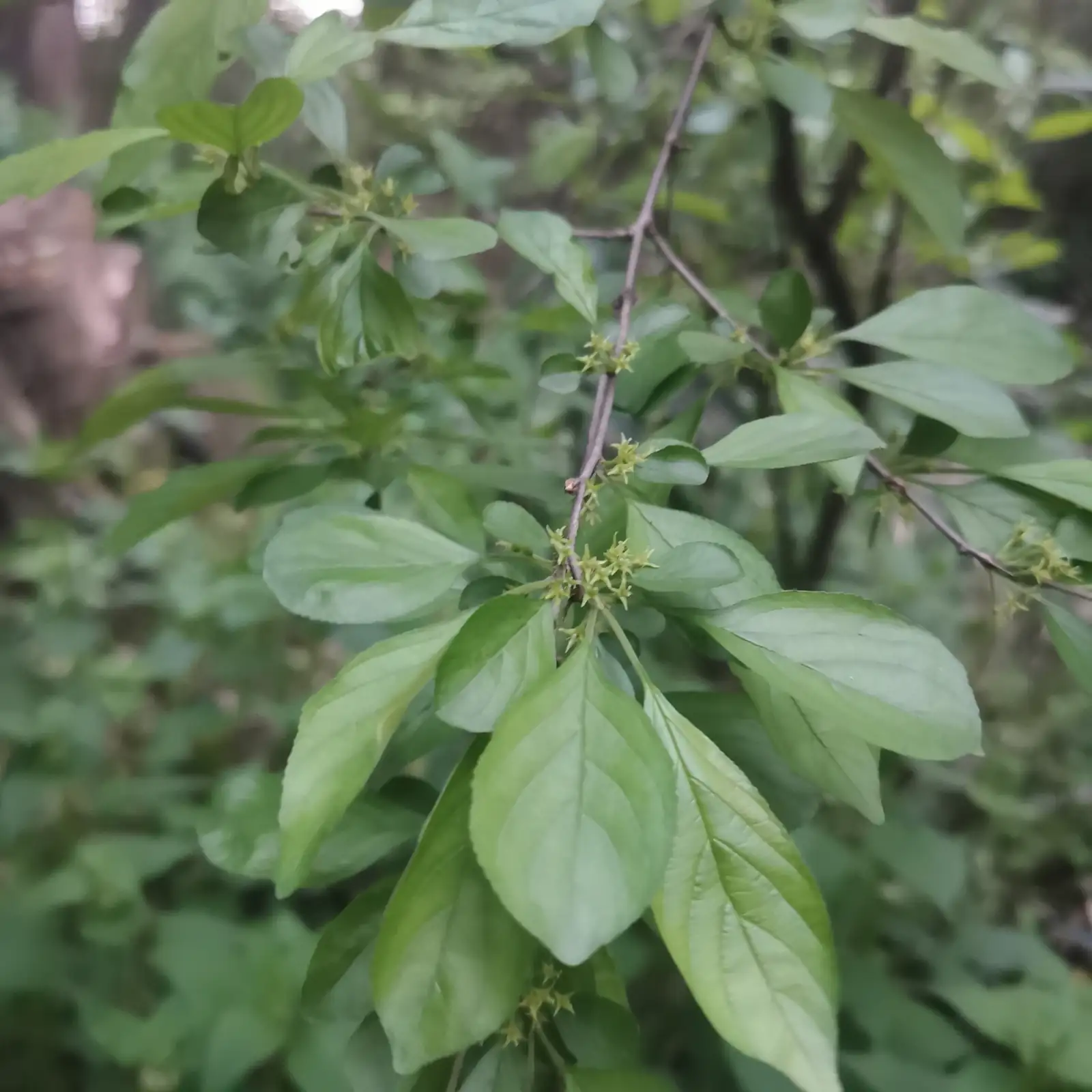
Plant Features
- Size: Typically 2–4 m (6.6–13.1 ft) tall; usually forms a dense shrub, occasionally a small tree.
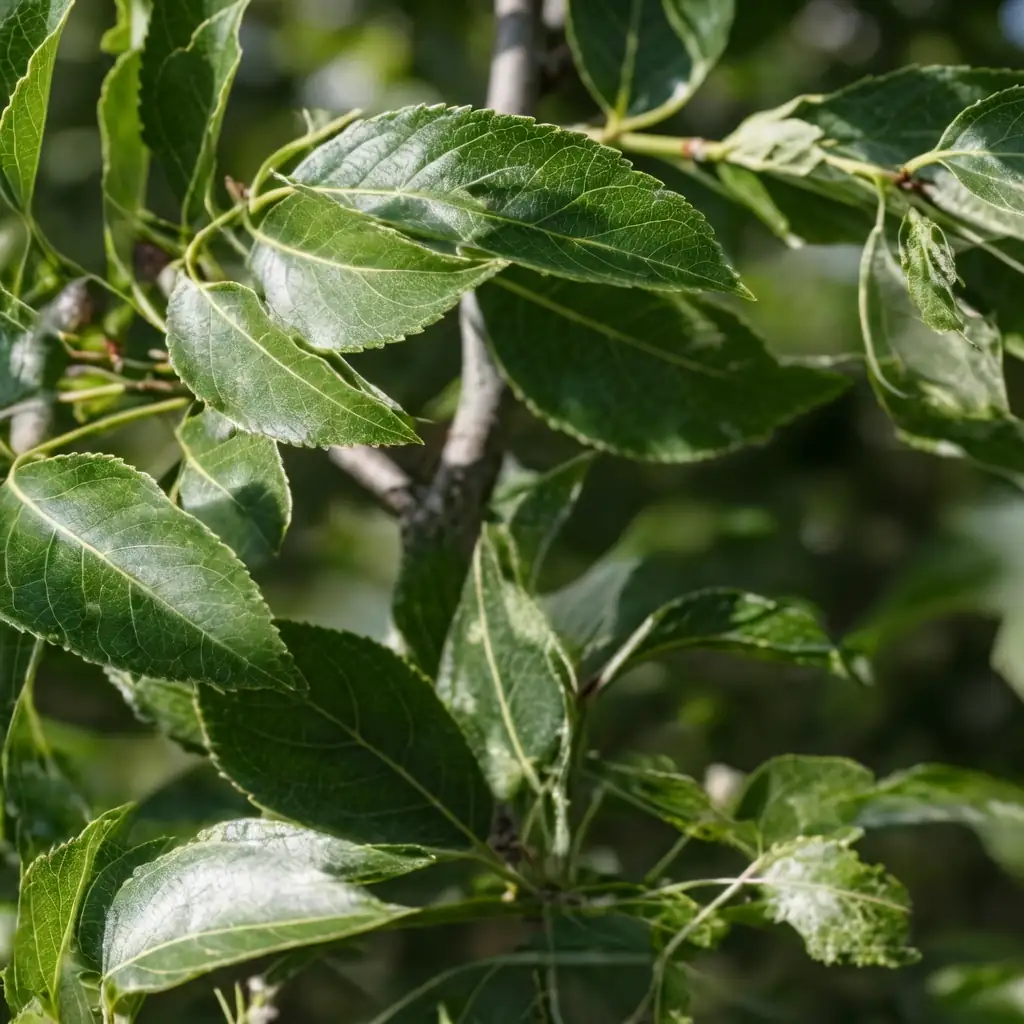
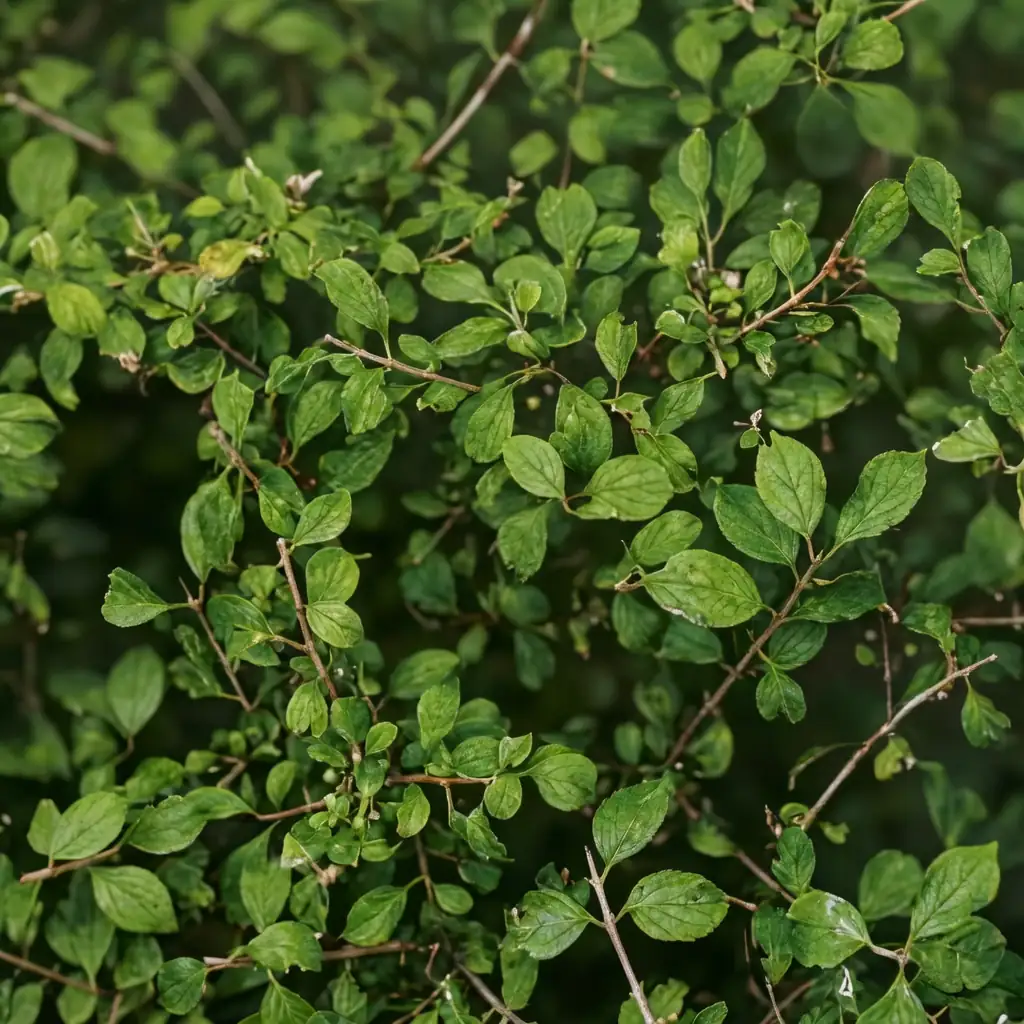
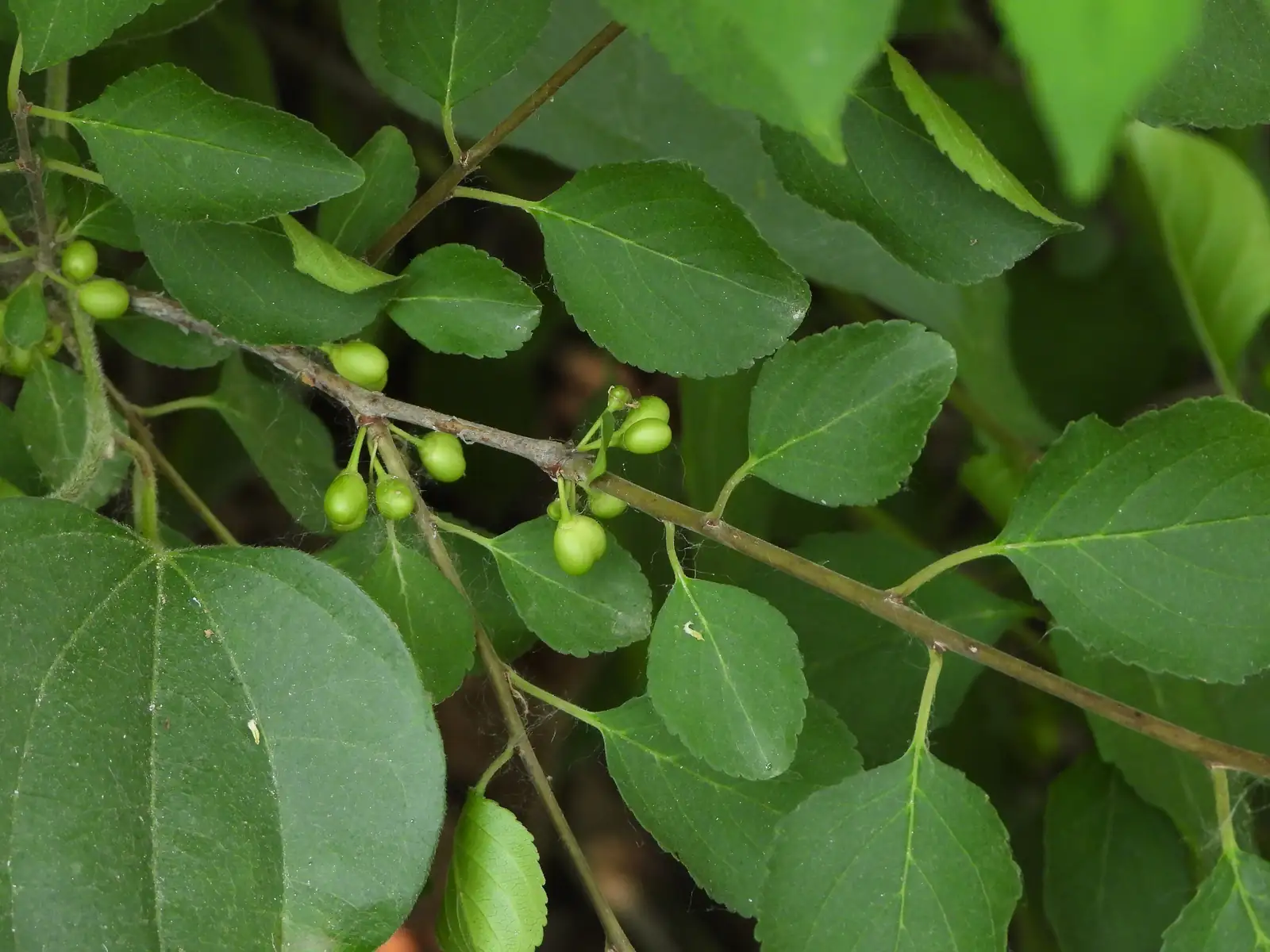
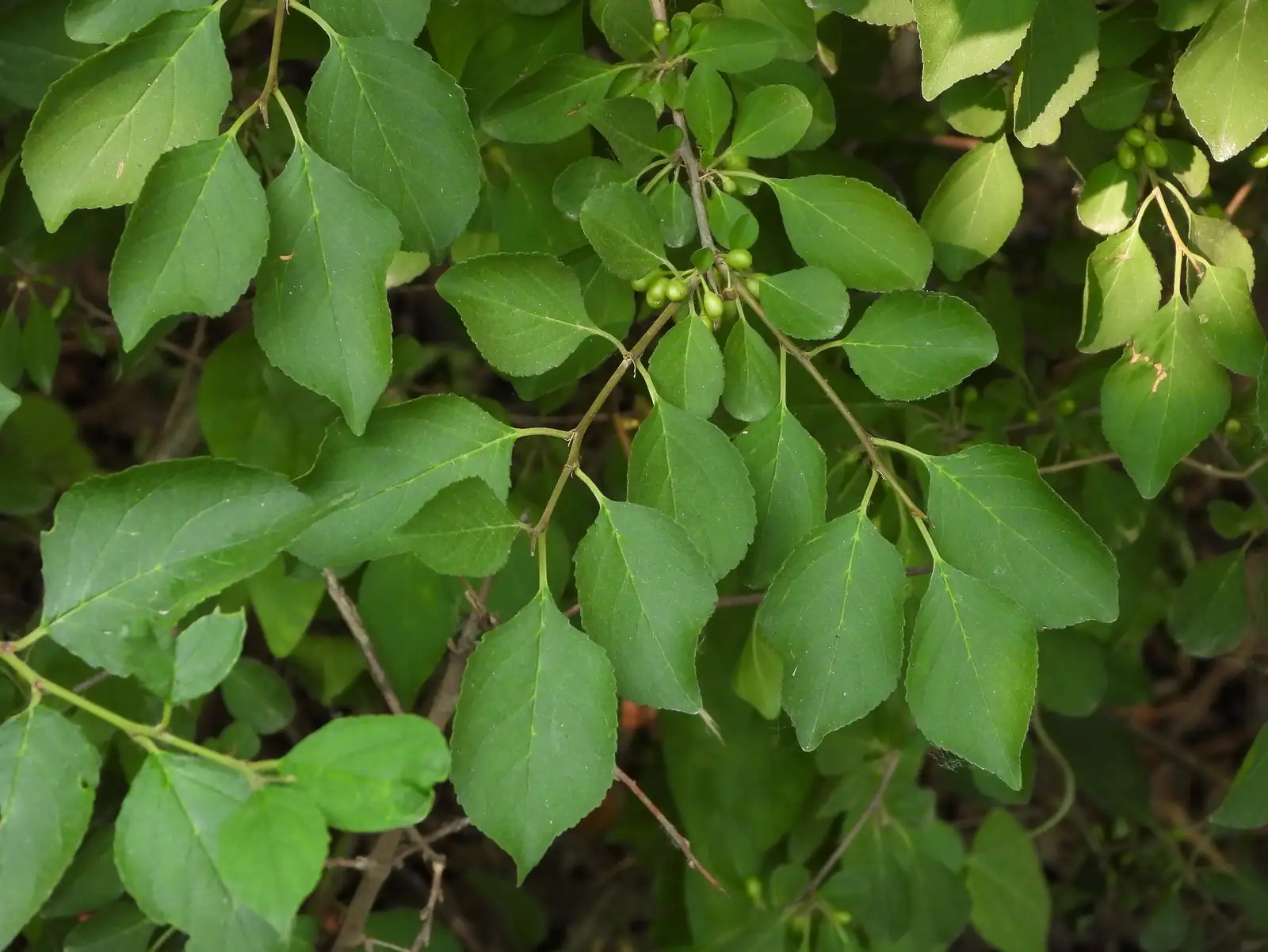
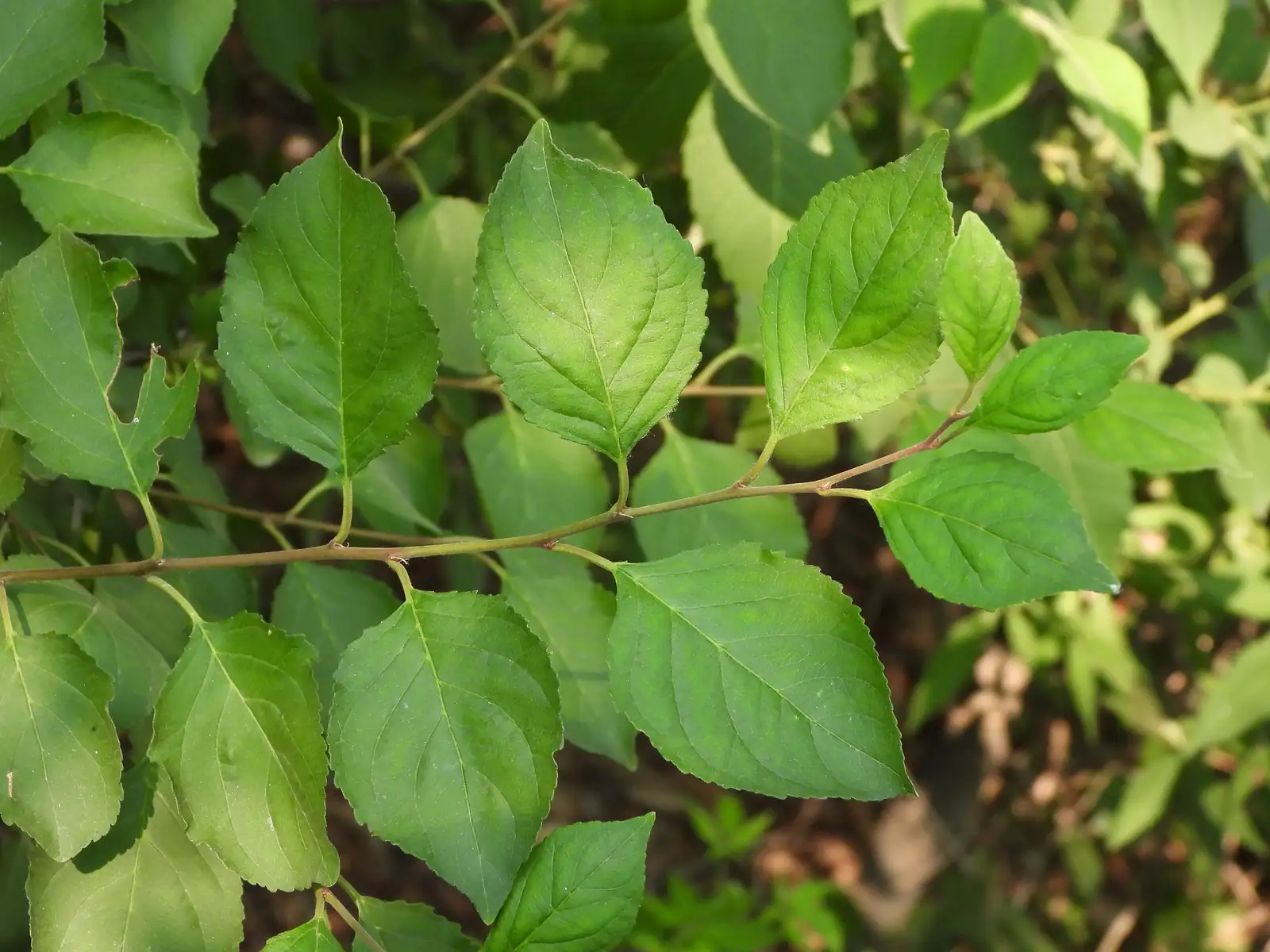
- Foliage: Leaves are papery to thin-papery and tend to be opposite or nearly opposite along the twigs. Young branchlets are gray-brown, and the shoot tips may finish in a short spine, adding a slightly bristly character up close.
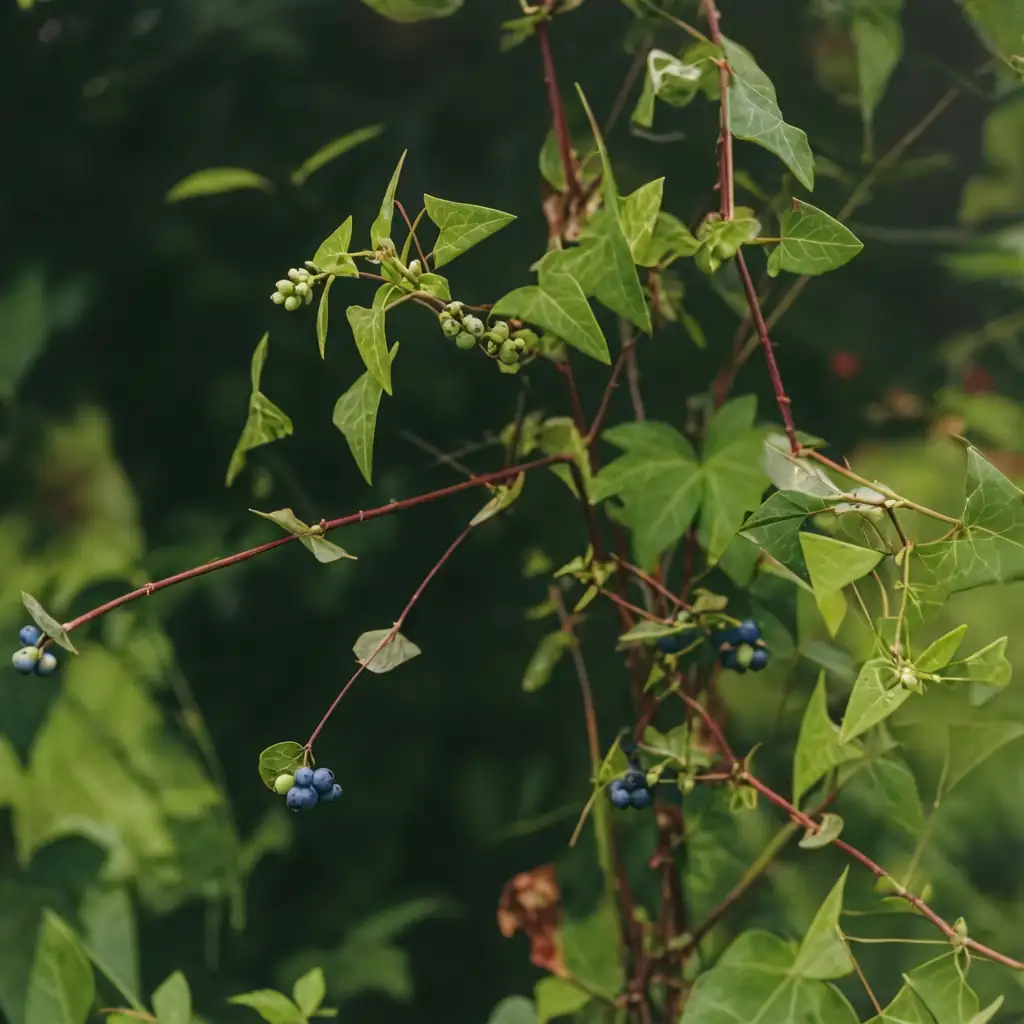
- Flower: Flowers are unisexual, with male and female flowers borne on separate plants (dioecious). After flowering, the plant produces round to inversely egg-shaped drupes that mature to glossy black; seeds are dark brown to blackish with a clear longitudinal groove.
- Flowering Season: April–May (Apr–May).
- Growth Habit: Deciduous, densely branched shrub; occasionally forms a small tree.
Environment
Sunlight
Shade-tolerant; grows well in partial shade to shade, including under trees.
Temperature
Temperate shrub. Best in climates without extremes; protect from severe frost and extreme heat where local hardiness is uncertain.
Humidity
Adaptable; typical outdoor humidity is usually sufficient.
Soil
Adaptable, but happiest in well-drained garden soil. In nature it occurs on slopes and in woodland understory/scrub, so avoid waterlogged sites.
Placement
Woodland gardens, under-tree planting, and courtyards; ideal where its late-season black fruit display can be enjoyed.
Hardiness
Not consistently documented in common English horticultural references; treat as temperate and avoid prolonged hard freezes unless local performance is known.
Care Guide
Difficulty
Moderate. Generally easy once established thanks to shade tolerance and some drought tolerance. Fruiting is the main “trick”: you typically need a female plant plus a nearby male for pollination.
Buying Guide
Pick a healthy, well-branched plant with firm buds, clean stems, and no dieback. If berries are your goal, confirm you can obtain both sexes (female for fruit, male as a pollinator).
Watering
Water regularly through the first growing season to help it establish. After that, water during prolonged dry spells; let the top layer of soil dry slightly between waterings instead of keeping the soil constantly wet.
Fertilization
In spring, top-dress with compost or use a balanced slow-release fertilizer. Go easy on high-nitrogen feeding, which can push soft leafy growth at the expense of flowers and fruit.
Pruning
Prune in late winter to early spring. Remove dead, damaged, or crossing stems and lightly thin dense growth to improve airflow and keep a neat shape.
Propagation
By seed (cleaned seeds often benefit from cold stratification) or by semi-ripe cuttings in summer.
Repotting
If container-grown, repot every 2–3 years (or when root-bound) into a slightly larger pot with a free-draining mix, ideally in early spring.
📅 Seasonal Care Calendar
Spring: light feeding and shaping/formative pruning; watch for fresh growth. Summer: water in drought; take semi-ripe cuttings. Autumn: enjoy the fruit display; reduce feeding. Winter: dormant—do structural pruning and plan male/female pairing if fruiting is desired.
Pests, Diseases & Safety
Common Pests & Diseases
Generally resilient. Keep an eye out for aphids, scale insects, and occasional leaf spot. Good airflow, sensible watering, and spot-treating with horticultural soap (for pests) usually keeps problems in check.
Toxicity
Species-specific toxicity is not well documented in widely used English references. As a precaution (and because many buckthorns can cause stomach upset if eaten), do not ingest any parts and keep fruits away from children and pets.
Culture & Symbolism
Symbolism: Often associated with quiet resilience—an understated woodland shrub that rewards patience with a dramatic late-season fruit display.
History & Legends: A native shrub of Chinese hillsides and woodland edges, long appreciated locally for its dense branching habit and dependable ornamental presence through the growing season.
Uses: Primarily ornamental, especially for understory plantings, courtyards, and woodland-style gardens where its dense foliage and black fruits provide multi-season interest.
FAQ
When does it flower?
April–May (Apr–May).
When does it fruit?
Typically June–October (Jun–Oct), with fruits ripening to glossy black.
How tall does it grow?
About 2–4 m (6.6–13.1 ft) in typical conditions.
Where is it found in the wild?
Across much of China, especially on hillsides and in woodland understory or scrub.
Why doesn’t my plant produce berries?
This species is usually dioecious—male and female flowers are on separate plants—so a female plant needs a nearby male for pollination and fruit set.
Fun Facts
- It’s usually a deciduous shrub, but in the right conditions it can develop into a small tree.
- The glossy black drupes can provide standout ornamental interest from summer well into autumn.
- Because male and female flowers occur on different plants, “two plants are better than one” if you want fruit.
- Its shade tolerance makes it especially useful for under-tree planting where many shrubs struggle.