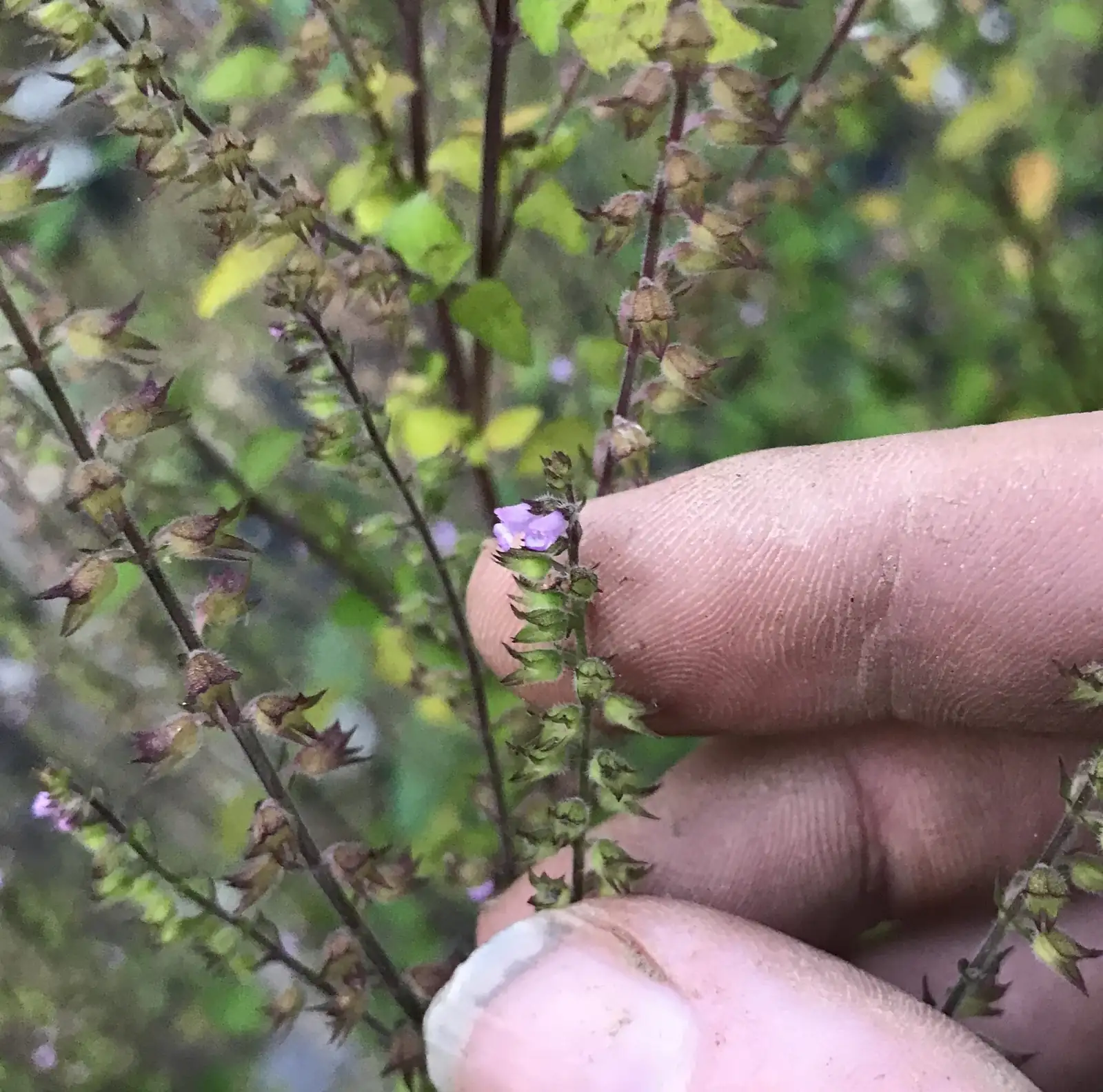
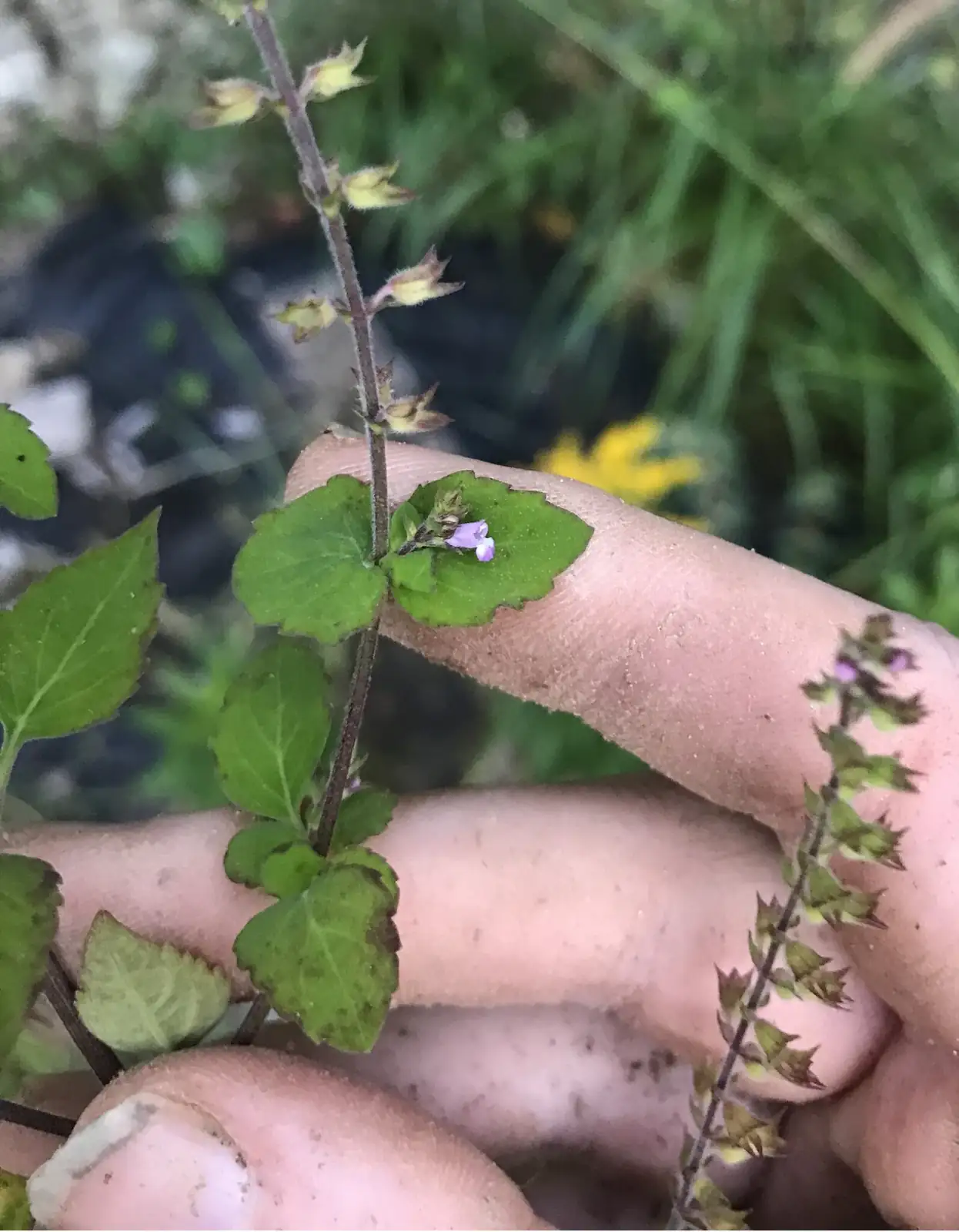
Plant Features
- Size:20–100 cm (8–39 in) tall
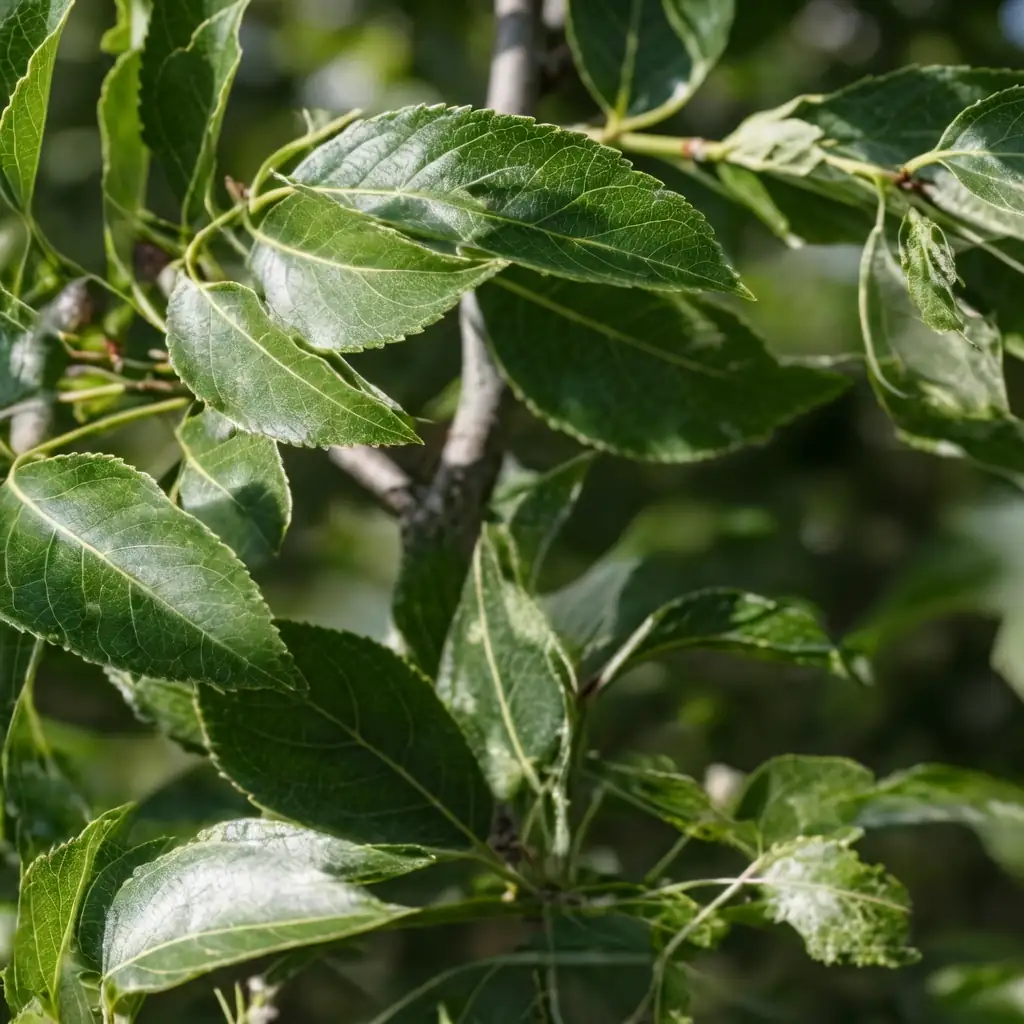
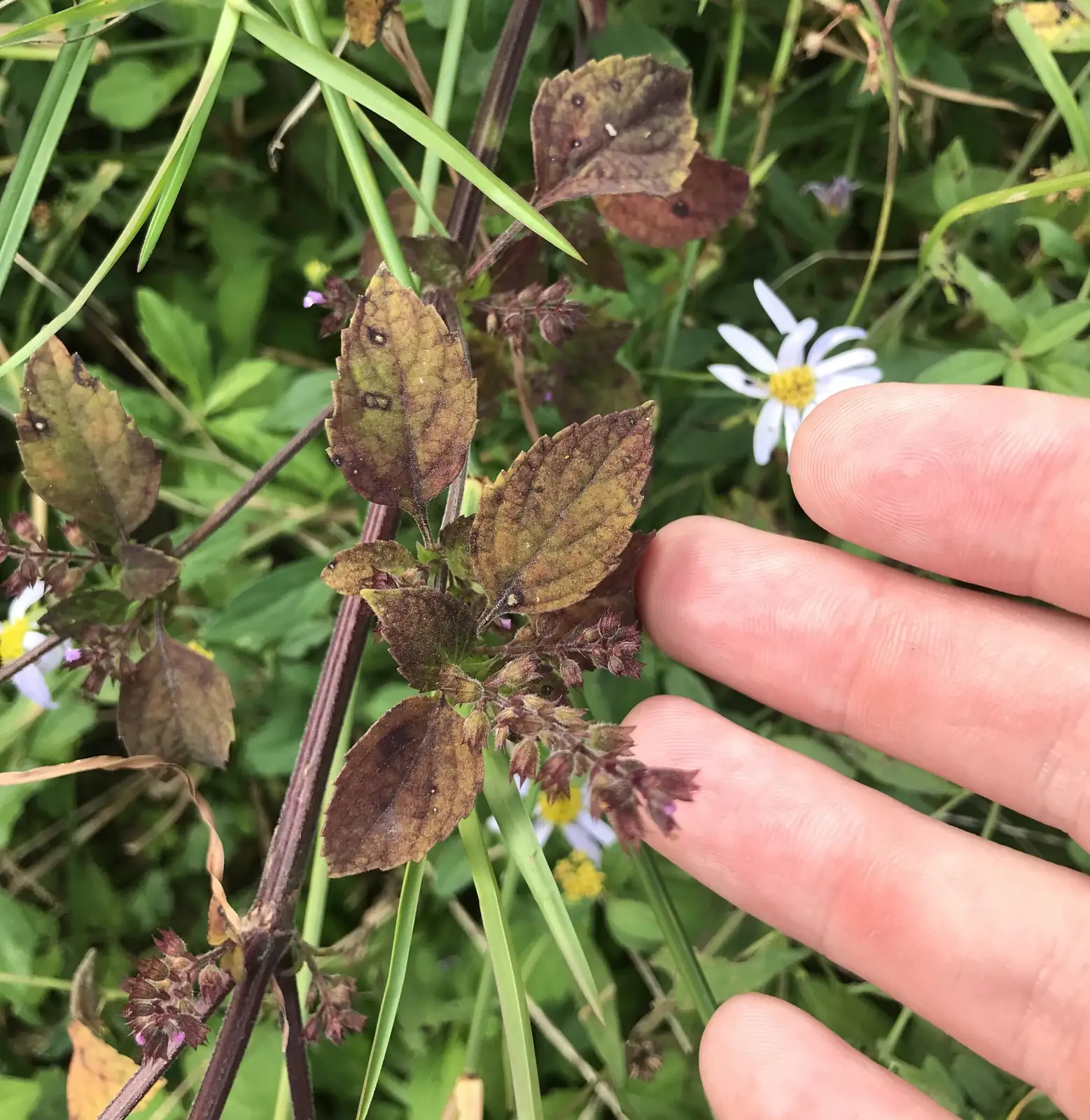
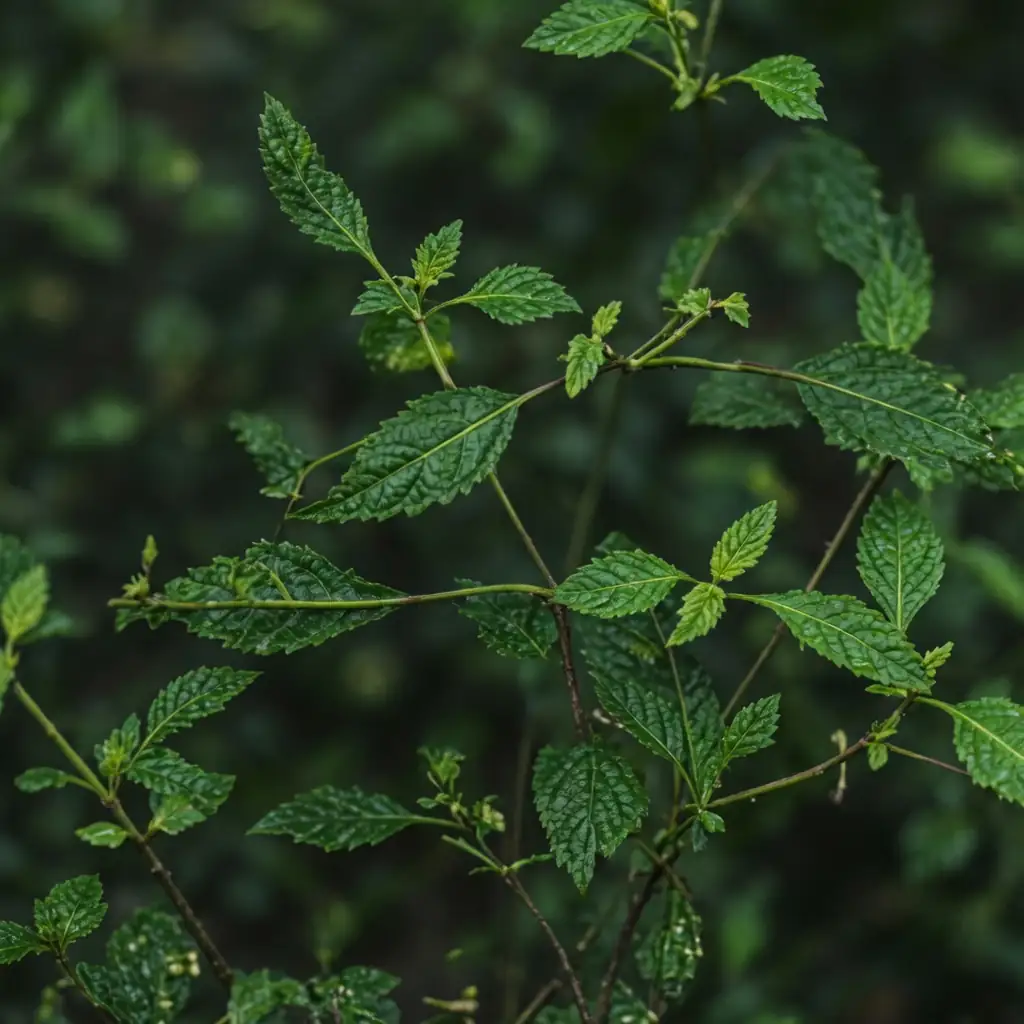
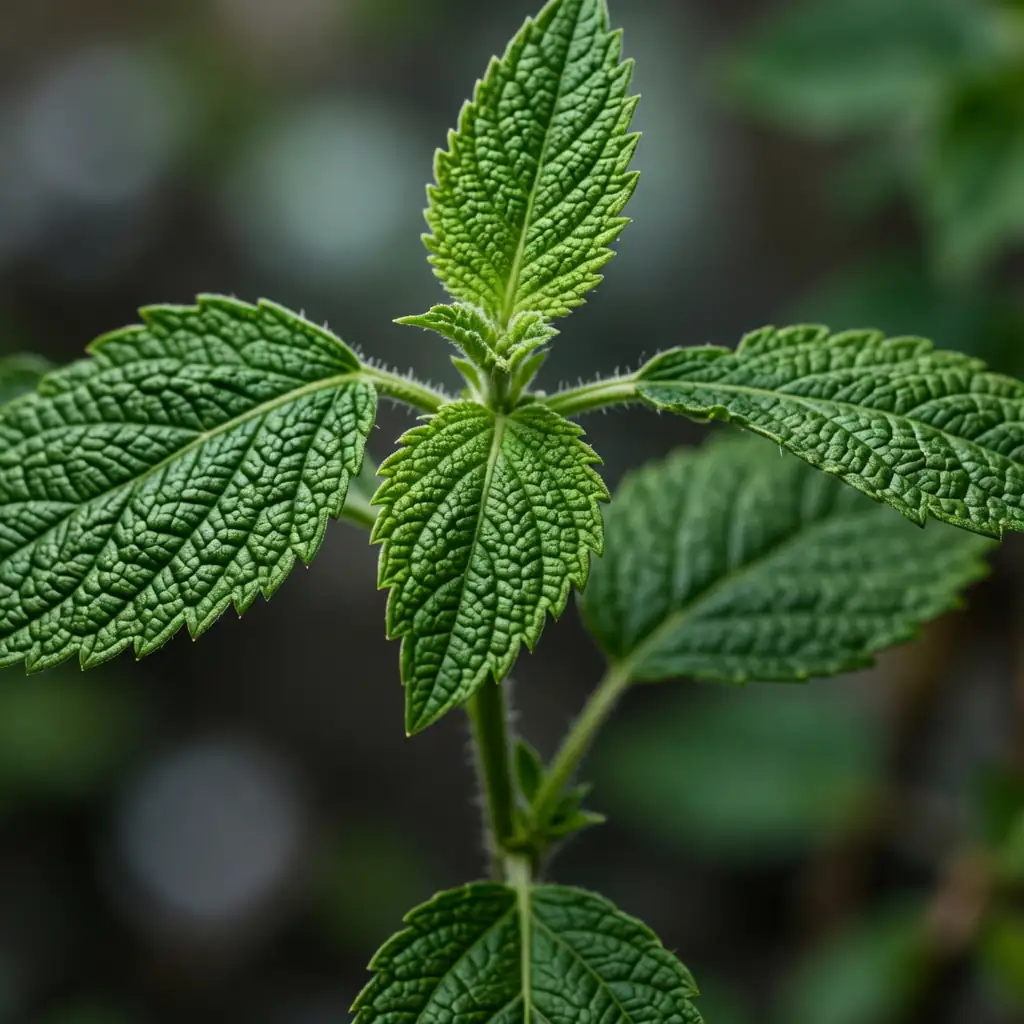
- Foliage: Freely branched stems with leaves that are ovate to ovate-lanceolate, giving the plant a light, airy, bushy look when grown in good light.
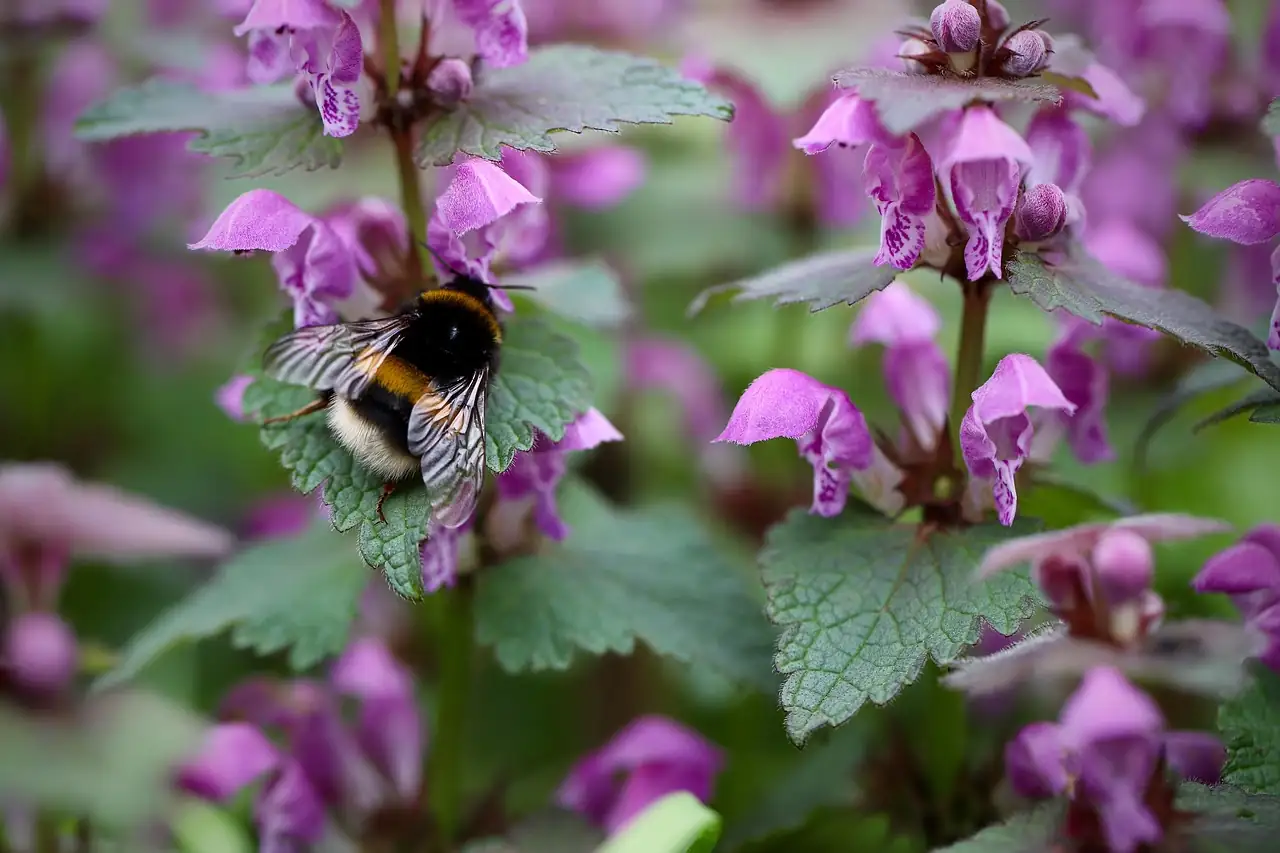
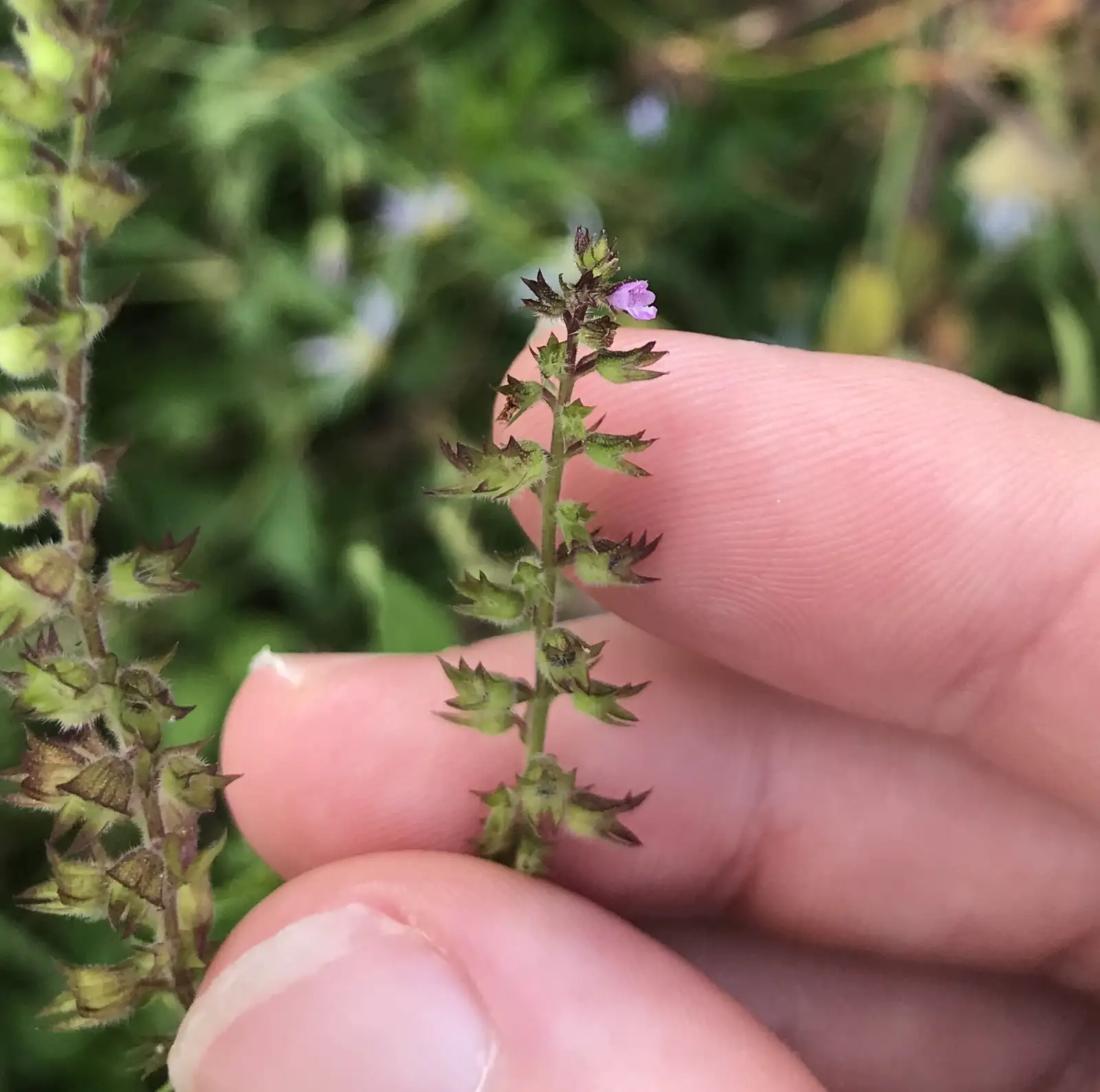
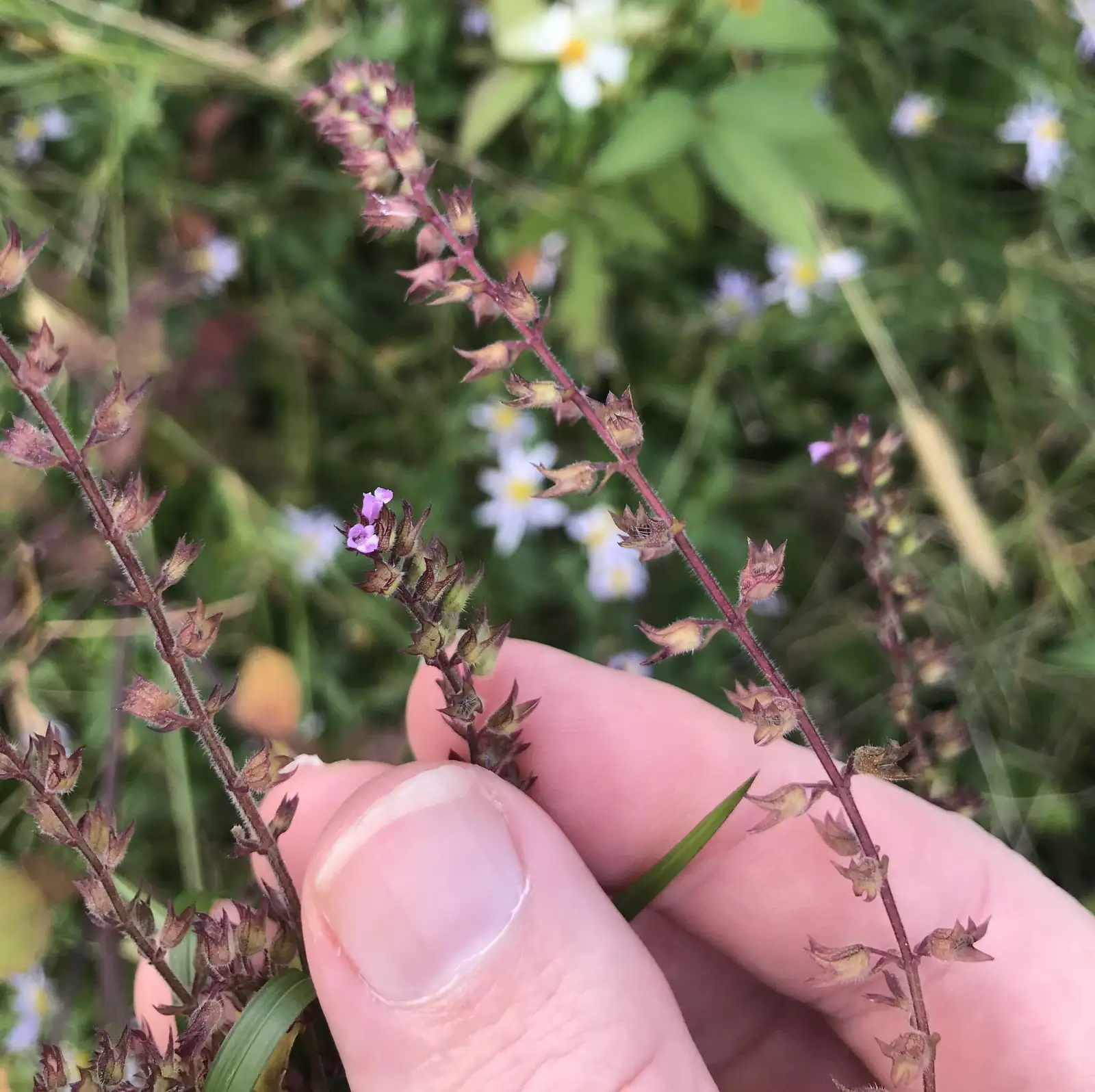
- Flower: Flowers appear in raceme-like clusters along the main stems and branches. Bracts are ovate; the calyx is bell-shaped; and the corolla is pink with sparse, soft hairs on the outside. After flowering, it produces yellow-brown spherical nutlets about 1 mm (0.04 in) across with distinctly sculptured ridges.
- Flowering Season: May–November
- Growth Habit: Annual herb with a branching, adaptable habit; naturally favors reliably moist sites and can form a fuller plant when pinched.
Environment
Sunlight
Full sun to partial shade. Brighter light generally brings stronger flowering, but it can tolerate light shade (such as at shrub edges).
Temperature
Grows best in mild to warm weather, about 15–30°C (59–86°F). Avoid hard frost.
Humidity
Moderate to high humidity is helpful; prefers conditions that don’t dry out too quickly.
Soil
Moist, well-drained loam or sandy loam. Tolerates a range of soils as long as moisture is consistent and drainage prevents standing water.
Placement
Outdoors in garden beds, along borders, or in large containers where you can keep the soil evenly moist; also suitable for naturalistic plantings at shrub edges.
Hardiness
Frost-tender annual; often treated as a warm-season annual (roughly USDA Zone 9–11 outdoors, or grown seasonally elsewhere).
Care Guide
Difficulty
Easy to moderate. It’s forgiving in many ways, but it looks best when it doesn’t swing between drought and soggy soil.
Buying Guide
Pick plants with upright, firm stems and fresh green leaves. Avoid yellowing, limp growth, or obvious pest damage. If purchasing seed, choose fresh seed for stronger germination.
Watering
Aim for evenly moist soil—not waterlogged. In hot weather, water more often. If drainage is excellent, you can let the top 1–2 cm (0.4–0.8 in) dry slightly between waterings, but don’t allow repeated deep drying.
Fertilization
Light feeder. Use a balanced fertilizer at half strength every 3–4 weeks during active growth, or mix a modest amount of compost into the soil at planting time.
Pruning
Pinch the growing tips early to encourage branching and a bushier shape. Deadhead (remove spent flower spikes) to extend blooming and to limit self-seeding if you prefer a tidier look.
Propagation
Primarily grown from seed. Sow outdoors in spring after frost, or start indoors 4–6 weeks before the last frost at about 18–24°C (64–75°F).
Repotting
In containers, pot up once roots begin to fill the pot. Use a free-draining mix and always choose a pot with drainage holes.
📅 Seasonal Care Calendar
Spring: sow/plant after frost; keep evenly moist. Summer: water regularly and pinch for branching; watch for mites in dry heat. Autumn: let some seed mature if you want it to self-sow; gradually reduce watering as growth slows. Winter: dies back after frost (annual).
Pests, Diseases & Safety
Common Pests & Diseases
May attract aphids; spider mites can show up in hot, dry conditions. Fungal issues (leaf spots, root rot) are more likely if airflow is poor or soil stays waterlogged. Improve ventilation, avoid late-day overhead watering, and prioritize good drainage.
Toxicity
No widely established toxicity profile is available for pets or people. Even though it’s used in traditional practices, individual sensitivities can occur—avoid self-medicating, and keep plant material away from pets and small children.
Culture & Symbolism
Uses: Traditionally used in folk herbal practice: the whole plant has been used medicinally and for insect-control purposes, and the roots have been used for certain skin sores/infections. This is cultural/traditional information and not a substitute for medical advice.
FAQ
How can I get more flowers?
Give it brighter light (full sun to partial sun), keep moisture consistent, and pinch the tips early to encourage branching. Removing spent flower spikes can also extend blooming.
Why is it getting leggy?
Legginess is usually caused by insufficient light or overcrowding. Move it to a brighter spot, give it a bit more space, and pinch back stems to promote a fuller shape.
Can it handle very wet soil?
It enjoys steady moisture, but standing water can trigger root rot. Keep it evenly moist with good drainage rather than constantly saturated.
Fun Facts
- It can bloom for a surprisingly long stretch—often from May to November.
- Its tiny nutlets are only about 1 mm (0.04 in) wide and have a clearly ridged, sculptured surface.
- It’s reported from many regions across China, including Taiwan.
- In folk use, both insect-control and medicinal applications have been recorded for different parts of the plant.